Smart Maintenance Practices for Modern Business Facilities
Discover smart maintenance practices for modern business facilities that improve efficiency, reduce repair costs, and extend the life of essential systems.
Have you ever walked into a building and noticed that everything simply works? The lights turn on, the air feels comfortable, the floors look clean, and nothing seems out of place. That smooth experience rarely happens by accident. Behind every efficient business facility is a maintenance strategy that prevents problems before they become expensive disruptions. Smart maintenance has become a critical part of facility management because businesses can no longer afford unexpected downtime, costly repairs, or wasted energy. Understanding how modern maintenance works helps organizations protect assets, improve operations, and create better environments for employees and customers alike.
Why Maintenance Has Become a Business Strategy
Facility maintenance used to be viewed as a background function that only mattered when something broke. Today, it plays a direct role in operational performance, employee productivity, and financial planning. A malfunctioning HVAC system can make workers uncomfortable, while a leaking pipe can interrupt business operations for days.
Companies increasingly recognize that preventive care costs far less than emergency repairs. When equipment receives regular inspections and servicing, organizations can avoid many of the disruptions that drain budgets and damage reputations. Maintenance is no longer simply about fixing problems. It is about protecting business continuity and maximizing the value of physical assets.
Preventing Problems Before They Escalate
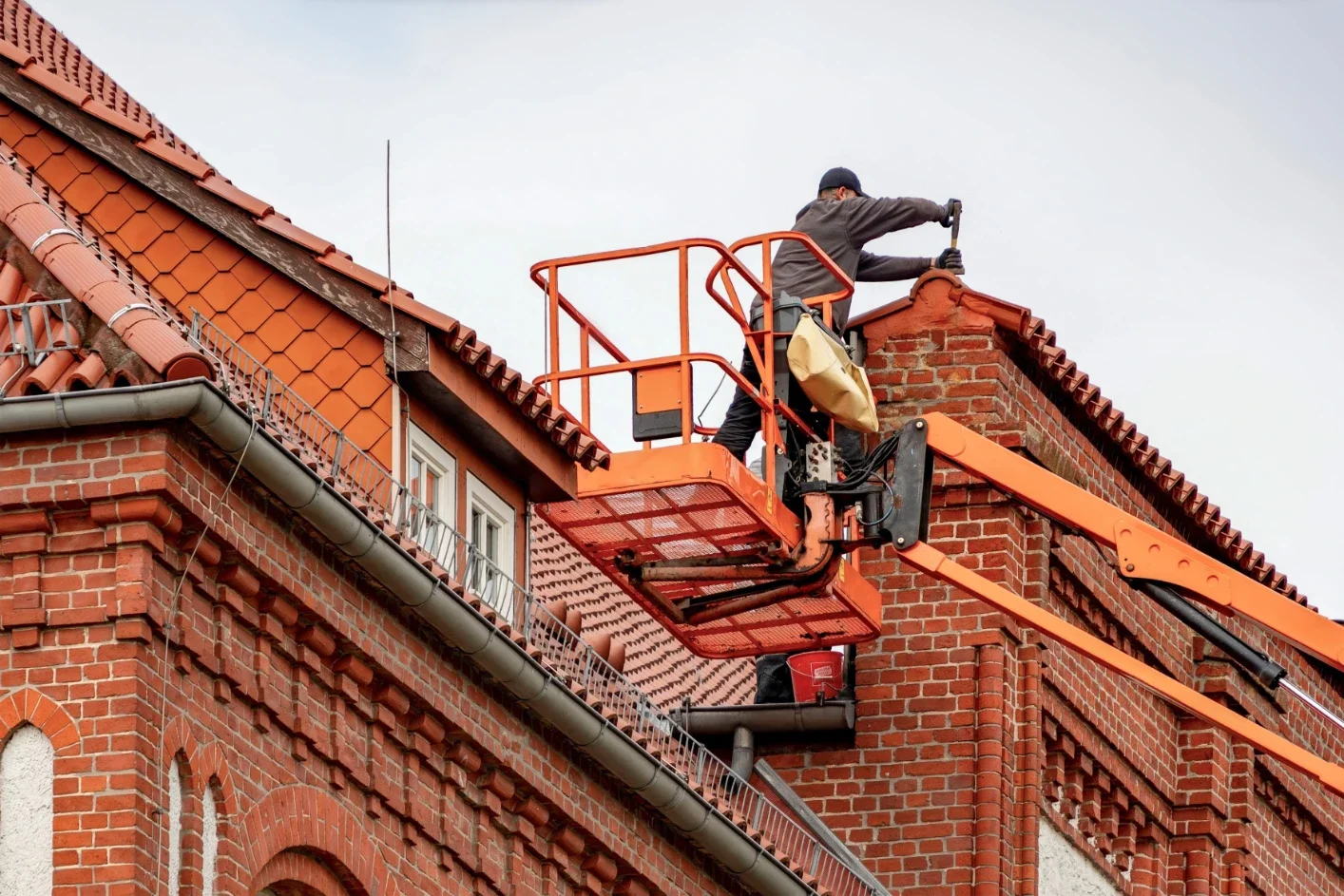
One of the most effective maintenance principles is addressing small issues before they become major expenses. A tiny roof leak, for example, can eventually damage insulation, electrical systems, and interior finishes if left unchecked. Smart facility managers schedule routine inspections to identify vulnerabilities early.
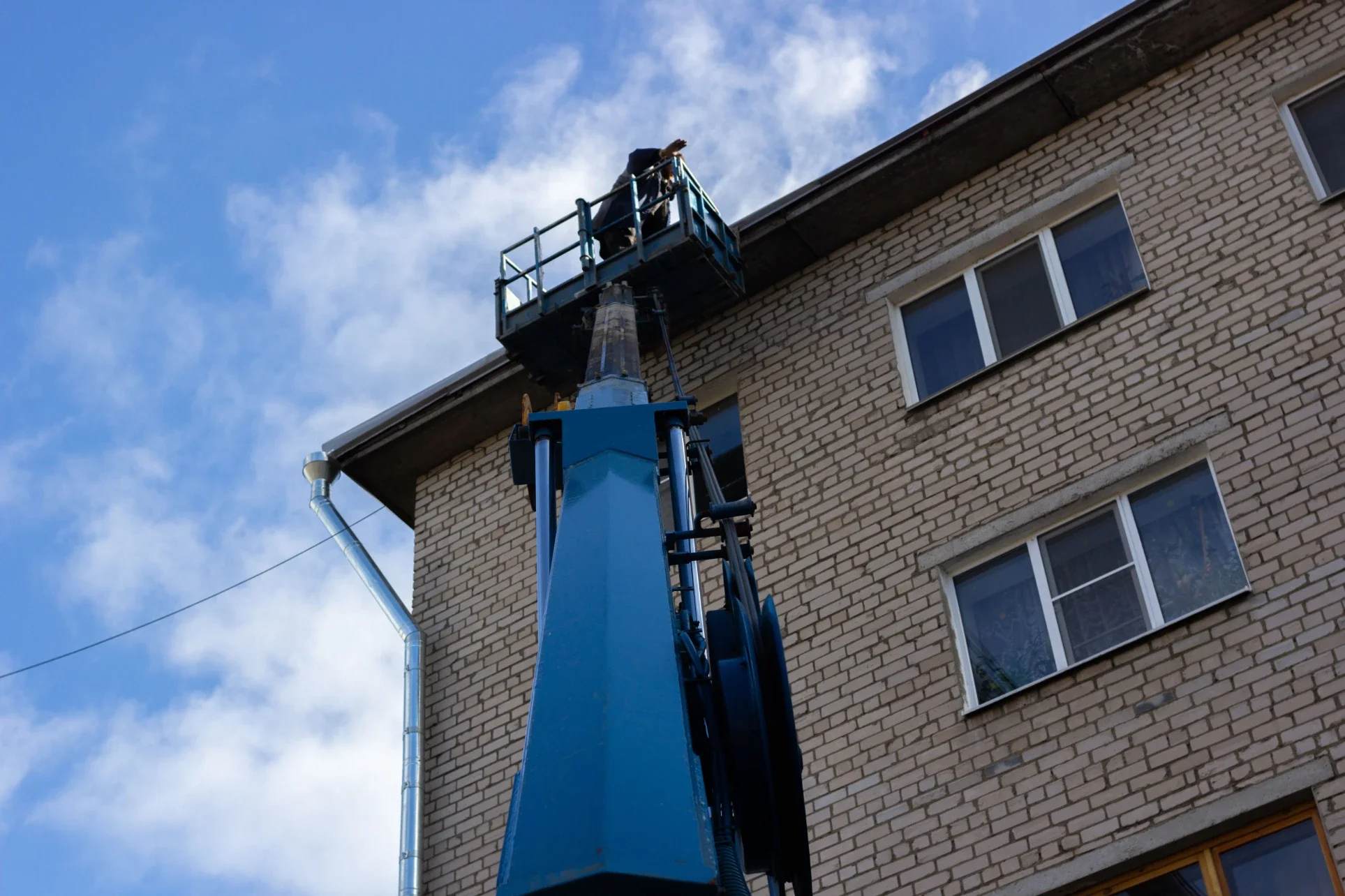
Within the first stages of a building maintenance plan, many businesses partner with a trusted roofing company to evaluate structural conditions and detect wear that may not be visible from the ground. This proactive approach helps avoid emergency repairs during severe weather events. The irony is that the most successful maintenance programs often appear uneventful because problems are solved before anyone notices they existed.
Using Technology to Improve Facility Performance
Modern technology has transformed maintenance from a reactive process into a data-driven discipline. Smart sensors can monitor temperature, humidity, equipment vibration, and energy consumption in real time. When readings move outside normal ranges, facility teams receive alerts before equipment fails.
Building management systems also allow organizations to track performance trends over time. Instead of relying on guesswork, managers can use actual data to determine when maintenance should occur. This approach reduces unnecessary service visits while ensuring critical equipment receives attention when it truly needs it. Better information leads to better decisions, which often leads to lower operating costs.
Building a Preventive Maintenance Schedule
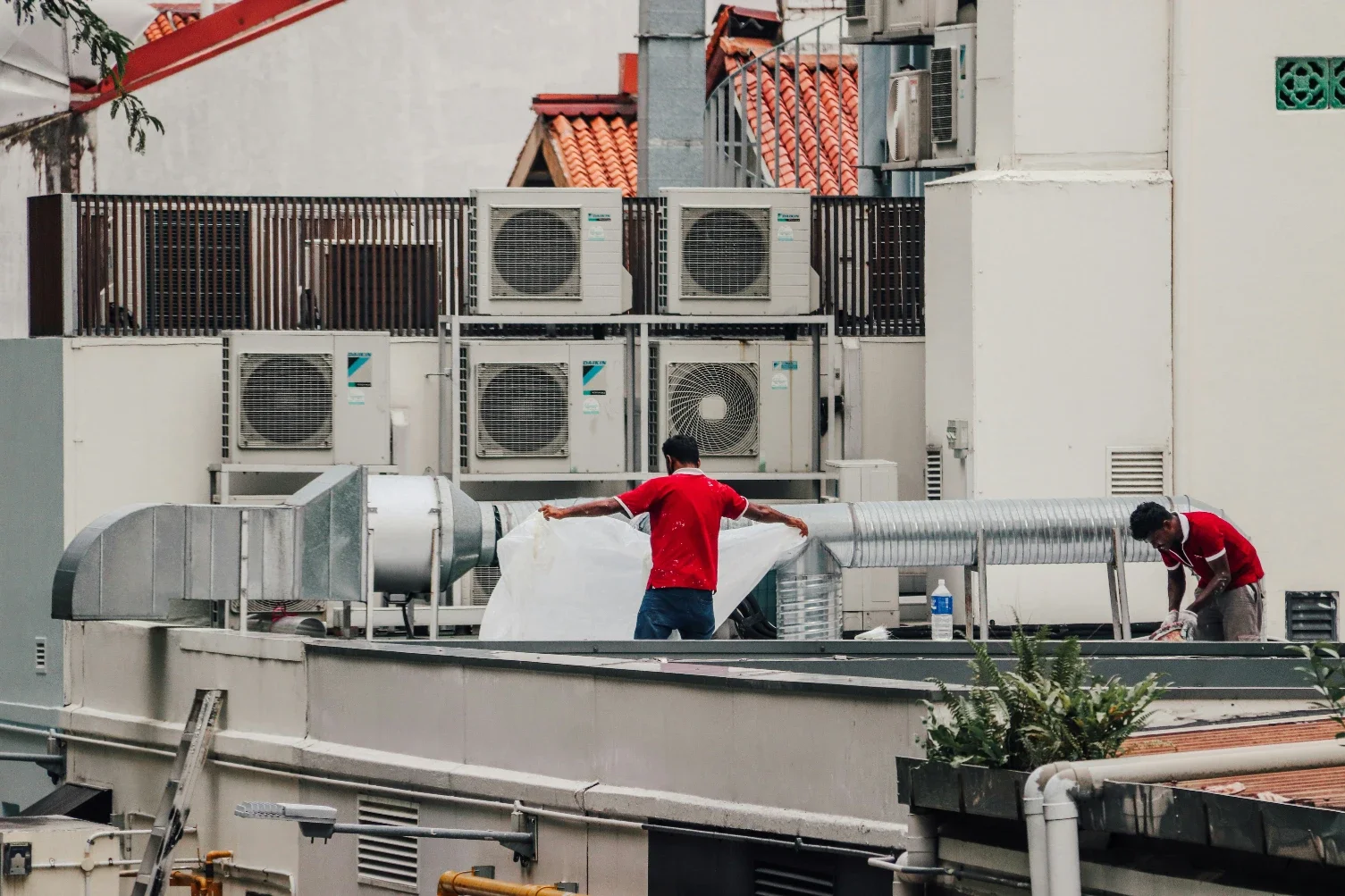
A preventive maintenance schedule creates consistency across all building systems. Every major asset should have documented inspection intervals, service requirements, and replacement timelines. This includes HVAC equipment, plumbing systems, elevators, lighting, fire protection systems, and electrical infrastructure.
The most effective schedules are realistic and easy to follow. Rather than overwhelming maintenance teams with excessive tasks, facility managers prioritize activities based on risk and operational importance. A structured schedule helps organizations avoid forgotten inspections and reduces the likelihood of costly surprises. Consistency often delivers better results than occasional bursts of intensive maintenance activity.
Managing Energy Efficiency Through Maintenance
Energy efficiency is frequently associated with new technology, but maintenance plays an equally important role. Dirty air filters, worn seals, poorly calibrated thermostats, and neglected equipment can significantly increase utility costs without attracting much attention.
Routine maintenance ensures systems operate as efficiently as possible. Cleaning condenser coils, checking ductwork, and inspecting insulation can produce measurable energy savings throughout the year. In many facilities, improving maintenance practices delivers faster returns than purchasing expensive upgrades. Businesses that ignore maintenance often discover they are paying higher utility bills simply because their systems are working harder than necessary.
Training Staff to Spot Early Warning Signs
Maintenance is most effective when everyone in the building contributes to the process. Employees often notice unusual sounds, temperature changes, leaks, or equipment issues long before technicians arrive. Encouraging staff to report concerns creates an additional layer of protection.
Simple reporting procedures make a significant difference. Employees should know exactly who to contact when they observe potential problems. Quick communication allows maintenance teams to investigate issues while they are still manageable. Many expensive repairs begin as minor concerns that nobody reports because they assume someone else will handle them. A culture of awareness helps prevent that costly assumption.
Tracking Costs and Measuring Results
Smart maintenance programs rely on measurable outcomes rather than assumptions. Facility managers should track repair expenses, equipment downtime, energy consumption, and maintenance response times. These metrics provide valuable insight into program effectiveness.
Data often reveals patterns that would otherwise go unnoticed. For example, repeated repairs on the same piece of equipment may indicate that replacement is more cost-effective than continued servicing. Tracking results also helps justify maintenance budgets to leadership teams. When managers can demonstrate reduced downtime and lower repair costs, maintenance becomes easier to view as an investment rather than an expense.
Creating a Long-Term Facility Maintenance Plan
The most successful facilities operate with a long-term perspective. Buildings are significant investments, and their systems require ongoing attention throughout their life cycles. A strategic maintenance plan outlines future upgrades, anticipated replacements, budget forecasts, and operational priorities.
Long-term planning reduces financial surprises and allows organizations to spread costs over time. Instead of reacting to failures, businesses can prepare for them years in advance. This approach creates greater stability and improves overall facility performance. While maintenance may never generate the excitement of a new product launch or major expansion, it quietly supports every aspect of business success. In many ways, the buildings that attract the least attention often have the smartest maintenance programs behind them, proving that reliability remains one of the most valuable achievements in modern facility management.
Stay up to date with our latest ideas!