The Hidden Costs of Delaying Commercial Property Upgrades
Learn the hidden costs of delaying commercial property upgrades, from rising repair expenses to lower efficiency, safety risks, and reduced property value.
Most property issues do not start with a major failure. They start with something small that gets noticed, discussed briefly, and then pushed to the next quarter's budget meeting.
In a city like Atlanta, the weather adds another layer of pressure. Long periods of heat, strong storms, heavy rain, and seasonal humidity can gradually wear down roofing, siding, gutters, and other exterior components. Damage is not always dramatic. Sometimes it develops quietly over months or years, making it easy to overlook until repairs become significantly more expensive.
Small Siding Issues Often Become Larger Financial Problems
Many commercial property owners notice obvious siding damage but postpone repairs because the issue seems mostly cosmetic. A cracked panel, loose section, fading material, or small gap along the exterior may not appear urgent. Employees continue working, tenants remain comfortable, and daily operations move forward without interruption. From a distance, the building still looks functional.
The challenge is that siding serves as one of the property's first lines of defense against moisture, wind, heat, and changing weather conditions. When damage is left unaddressed, water can find its way behind exterior materials, creating problems that are not immediately visible.
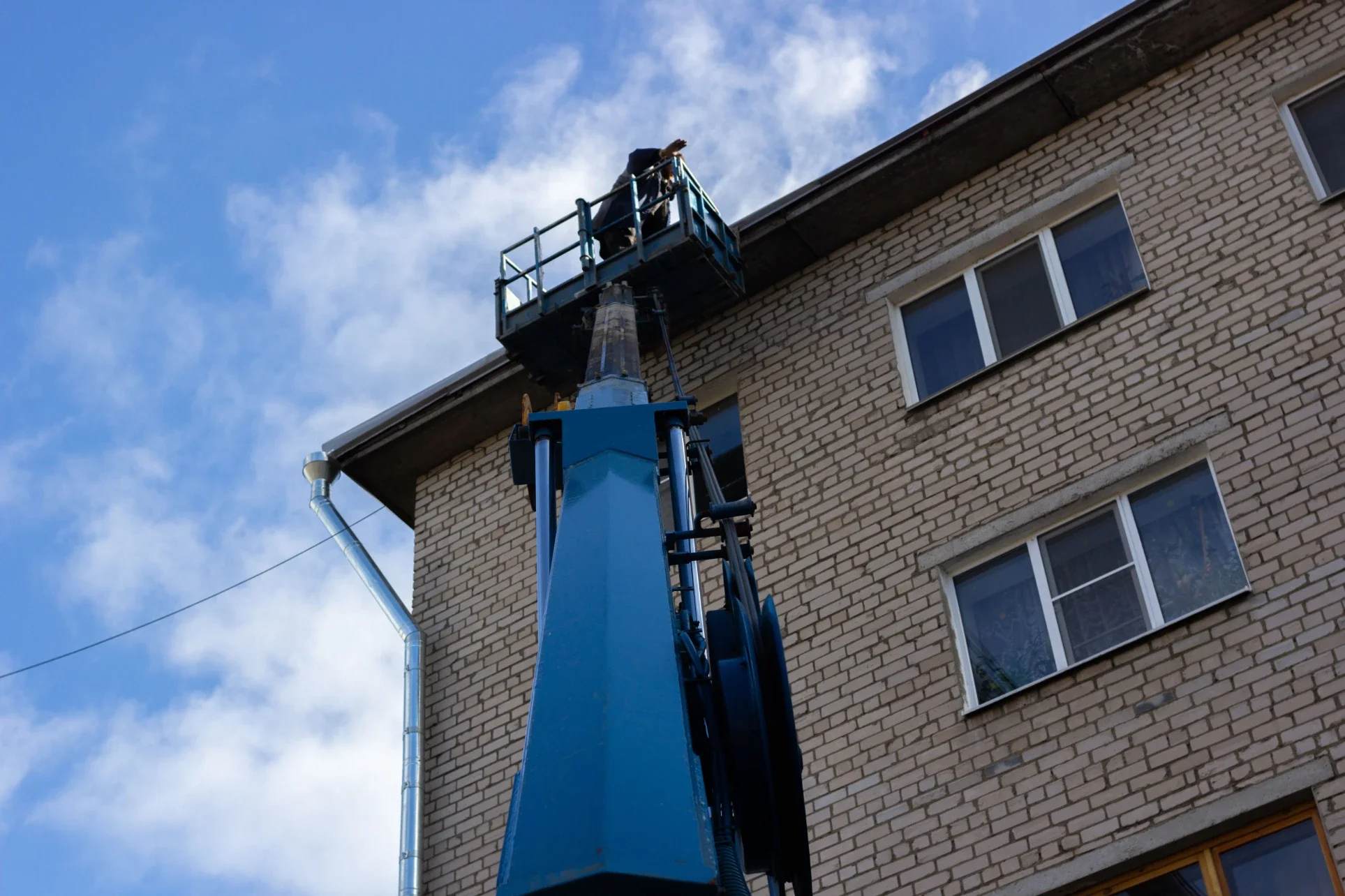
This is one reason property owners often consult a local Atlanta siding contractor when assessing long-term maintenance needs. The concern is usually not appearance alone. It is determining whether a small siding issue today could lead to more expensive repairs, moisture damage, or structural concerns later.
Rising Maintenance Costs
One of the most overlooked consequences of delayed upgrades is the gradual increase in maintenance spending. When building systems begin to age, repairs often become more frequent. A roof patch is followed by another patch. A siding repair turns into multiple service calls over the course of a year. Small expenses continue appearing, and because each one seems manageable, the overall cost may not receive much attention.
Eventually, owners find themselves spending significant amounts of money maintaining systems that are no longer performing efficiently. At that point, the total repair costs may approach what an earlier upgrade would have required. The spending happens in small pieces, which is why it often escapes notice.
Energy Efficiency Starts to Decline
Commercial buildings rely on their exterior systems to help regulate indoor temperatures. When roofing materials deteriorate or exterior walls become less effective at insulating the structure, heating and cooling systems must work harder to maintain comfortable conditions. Employees may not notice the reason. Tenants may simply report that certain areas feel warmer or cooler than expected.
Energy costs can increase gradually. A few percentage points one year, a little more the next. Because utility prices fluctuate naturally, the connection between exterior deterioration and energy consumption is not always obvious. Still, the relationship is often there.
Tenant Satisfaction Can Be Affected
Tenant retention plays an important role in commercial property performance. Businesses want spaces that feel safe, comfortable, and professionally maintained. Water stains, exterior deterioration, recurring maintenance problems, or visible building wear can influence how tenants view a property, even if the problems do not immediately disrupt operations. People notice signs of neglect.
In competitive markets, tenants may compare multiple locations before renewing leases. Building condition becomes part of that evaluation. A property that appears well-maintained often creates a stronger impression than one where repairs seem permanently postponed.
Business Operations May Experience Disruptions
Property upgrades are often delayed to avoid disrupting tenants or daily operations. Ironically, waiting can sometimes create larger disruptions later. Emergency repairs rarely happen at convenient times. A sudden roof leak during a storm, unexpected structural deterioration, or water damage affecting interior spaces may require immediate action. Scheduling becomes more difficult. Costs increase. Normal business activities may be interrupted.
Planned upgrades generally allow more flexibility. Emergency situations rarely offer that advantage. The timing difference matters more than people expect.
Property Value May Be Impacted
Commercial real estate is evaluated on more than location and square footage. Building condition influences how potential buyers, investors, lenders, and tenants view a property. Deferred maintenance can create concerns about future expenses, which may affect negotiations or valuations.
Even when major structural issues are not present, aging exterior systems can influence perceptions of risk. Property owners sometimes focus on current cash flow while underestimating how maintenance decisions may affect long-term asset value. Those two factors are more connected than they first appear.
The Cost of Waiting Is Not Always Visible
One reason upgrades get delayed is that the consequences are often invisible at first. Water may enter small gaps without creating immediate interior damage. Insulation performance may decline gradually. Exterior materials may continue functioning despite showing signs of wear. The building still appears operational. This creates a false sense of stability.
Because nothing dramatic happens right away, the urgency feels low. Meanwhile, hidden deterioration continues developing behind walls, beneath roofing systems, or within structural components that are rarely inspected closely. The absence of obvious problems is not always proof that everything is working properly.
Consumer Expectations Continue to Evolve
The way people evaluate commercial spaces has changed over the past decade. Employees spend more time considering workplace comfort. Customers notice the building's appearance. Tenants increasingly compare amenities, maintenance standards, and operating efficiency when selecting locations.
Aging properties can remain highly competitive, but maintaining that competitiveness often requires ongoing investment. This is not simply about aesthetics. It is about functionality, efficiency, and confidence in the property itself. Modern expectations tend to rise faster than building materials age.
Delayed Decisions Often Become Expensive Decisions
Property upgrades are rarely inexpensive, which is why many owners hesitate before moving forward. The hesitation is understandable. Budgets are limited, priorities compete for attention, and immediate returns are not always obvious.
Yet many of the largest costs associated with commercial properties develop slowly. Increased maintenance expenses, higher utility bills, tenant concerns, operational disruptions, and declining asset value rarely appear all at once. They accumulate quietly.
By the time those costs become impossible to ignore, the original issue is often larger, more complex, and far more expensive to address than it was when it first appeared. That pattern repeats itself across commercial properties every year, and it usually begins with something that once looked small enough to wait.
Stay up to date with our latest ideas!