The Hidden Costs of Delaying Commercial Building Repairs
Discover the hidden costs of delaying commercial building repairs, from higher maintenance expenses to safety risks and long-term property damage.
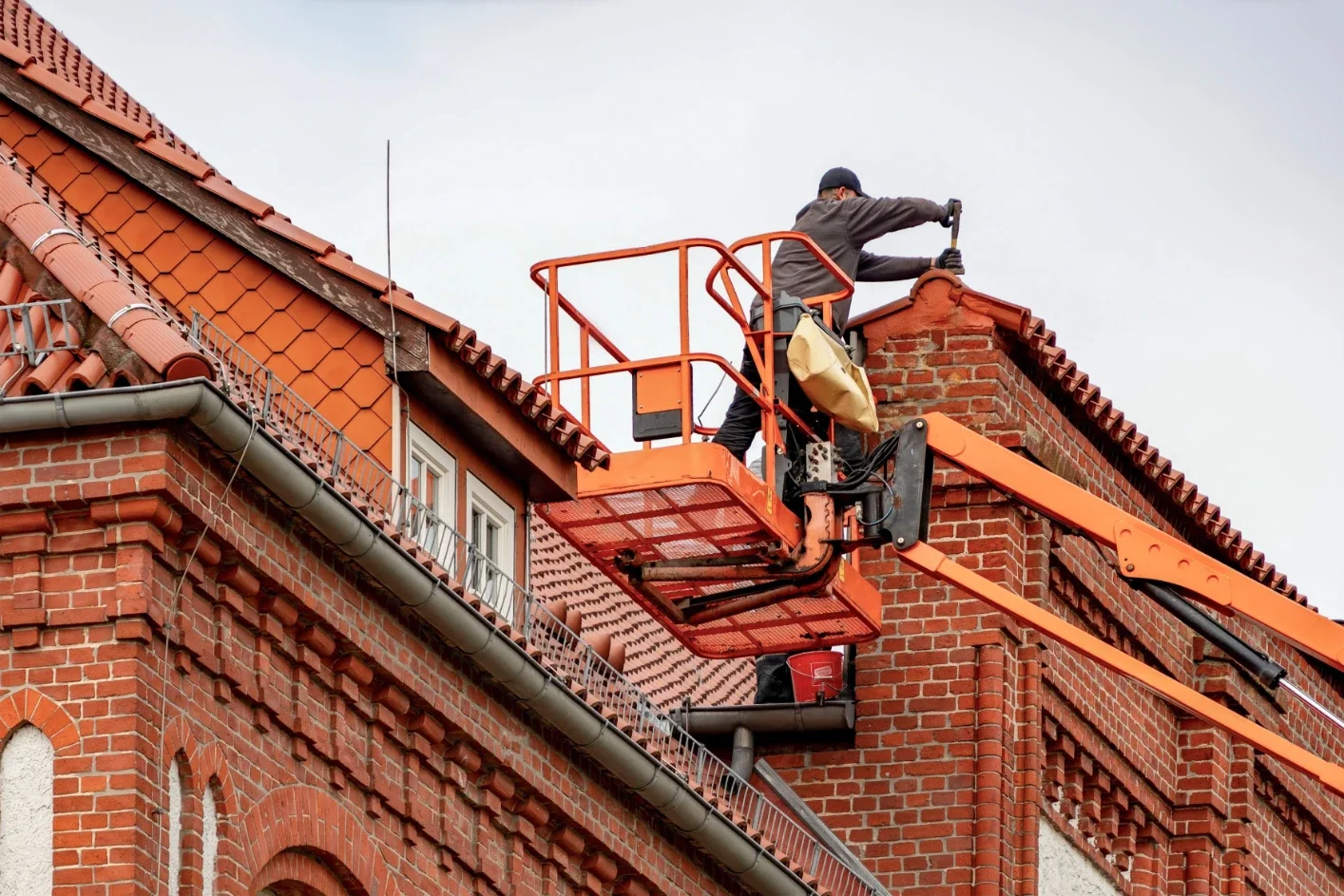
Have you ever ignored a strange noise in your car and hoped it would somehow fix itself? Commercial buildings work the same way. A small leak, a cracked wall, or a worn roof may seem harmless today, but those minor issues can quietly grow into expensive problems. In cities like Portland, where the weather can be unpredictable, putting off repairs often creates costs that stretch far beyond the original damage. Understanding those hidden costs helps property owners protect both their buildings and their bottom line.
Small Problems Rarely Stay Small
One of the biggest mistakes building owners make is treating minor damage as something that can wait until next quarter or next year. Water stains on a ceiling, loose flashing, or cracked pavement often look cosmetic at first glance. In reality, these issues frequently signal deeper structural concerns that continue developing behind walls, above ceilings, and beneath surfaces.
The irony is that delaying repairs often feels like a money-saving decision in the moment. Yet a repair that might cost a few hundred dollars today can become a project costing thousands once moisture spreads, materials deteriorate, or structural components weaken. Buildings are remarkably good at hiding damage until the bill becomes impossible to ignore.
Roofing Issues Can Multiply Quickly
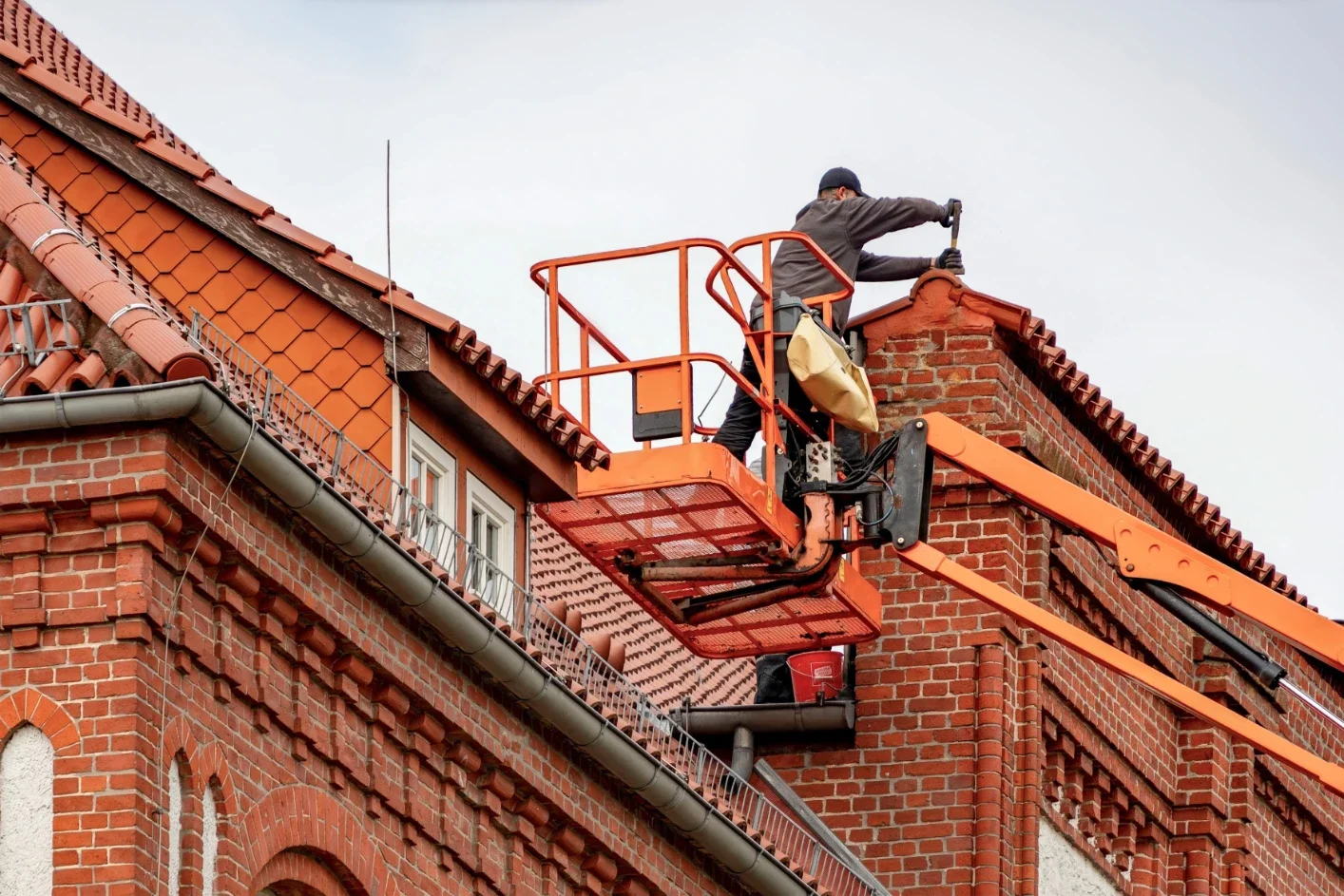
Roof problems are among the most expensive examples of delayed maintenance because they expose an entire structure to water intrusion. Even a small opening can allow moisture to seep into insulation, electrical systems, drywall, and support structures. What begins as a simple repair may eventually require extensive restoration work.
Many property managers work with Portland roofing companies to identify developing issues before they become emergencies. Preventive inspections often reveal damaged membranes, blocked drainage systems, and aging materials long before visible leaks appear. Partnering with experienced roofing specialists like Roof Geeks gives property owners access to detailed assessments that pinpoint developing issues early, helping them prioritize repairs before minor wear turns into costly water intrusion. Catching these problems early can prevent business interruptions and dramatically reduce long-term repair costs.
Tenant Satisfaction Takes a Hit
Commercial buildings are not just physical assets. They are environments where people work, shop, and conduct business every day. When repairs are delayed, tenants often notice the effects long before owners realize the financial consequences.
Persistent leaks, uncomfortable temperatures, unpleasant odors, and visible deterioration can damage a property's reputation. Tenants may begin questioning whether management is properly maintaining the facility. In competitive markets, dissatisfied tenants can choose to relocate when leases expire, creating vacancy costs that often exceed the original repair expense.
Energy Bills Quietly Increase
A neglected building frequently becomes an inefficient building. Damaged roofing, deteriorated insulation, aging windows, and malfunctioning HVAC components force heating and cooling systems to work harder than necessary. The result is a steady increase in utility expenses that may go unnoticed for months.
Unlike a sudden repair bill, rising energy costs often appear gradually. Because the increase happens little by little, owners may not connect higher utility expenses to deferred maintenance. Over several years, however, those additional costs can equal or surpass the price of the repair that was postponed in the first place.
Safety Risks Become Business Risks
Building damage does not simply affect property. It can affect people. Loose handrails, cracked sidewalks, water-damaged ceilings, and faulty electrical systems create hazards for employees, customers, and visitors. A single accident can trigger medical costs, insurance claims, and legal disputes.
Business owners sometimes focus on the direct cost of repairs while overlooking the potential cost of liability. The financial impact of one preventable injury can be significantly greater than the expense of correcting the issue when it first appeared. Safety concerns are rarely areas where waiting pays off.
Emergency Repairs Cost More
Scheduled maintenance allows building owners to compare contractors, plan budgets, and complete work under controlled conditions. Emergency repairs eliminate those advantages. When a major failure occurs, speed becomes the priority, and urgency almost always comes with a premium price tag.
Contractors may need to work after hours, source materials quickly, or perform temporary fixes before permanent repairs can begin. Business operations may also be disrupted during the process. What could have been a manageable project becomes a stressful and expensive emergency that affects both finances and daily operations.
Property Values Can Decline
Commercial real estate values depend heavily on building condition. Buyers, investors, and lenders carefully evaluate maintenance records when assessing a property's worth. Deferred repairs often raise concerns about hidden problems that may not be immediately visible during an inspection.
When maintenance issues accumulate, prospective buyers frequently negotiate lower purchase prices to account for anticipated repairs. In some cases, financing can become more difficult to secure if significant deficiencies are discovered. A building that appears neglected sends a message that costly surprises may be waiting beneath the surface.
Preventive Maintenance Delivers Better Returns
The most effective strategy is not reacting to problems after they become severe. It is creating a consistent maintenance plan that identifies issues early and addresses them before they escalate. Regular inspections, documented repair schedules, and proactive budgeting help owners maintain control over costs.
Preventive maintenance may not feel exciting because it rarely produces dramatic before-and-after stories. However, it consistently delivers one of the strongest returns on investment in commercial property management. Spending a modest amount today often prevents much larger expenses tomorrow while extending the life of critical building systems.
Delaying commercial building repairs can seem reasonable when budgets are tight or visible damage appears minor. Yet buildings have a way of collecting unpaid bills in the background. Small leaks become major restorations, minor defects become safety concerns, and routine repairs become costly emergencies. The hidden costs often arrive slowly, but they arrive all the same. Property owners who act early protect their assets, preserve tenant relationships, control operating expenses, and avoid the unpleasant surprise of discovering that yesterday's small problem has become today's major financial headache.
Stay up to date with our latest ideas!