How HVAC Performance Impacts Workplace Comfort and Productivity
Learn how HVAC systems influence workplace comfort, indoor air quality, energy efficiency, and employee productivity. Discover common issues and maintenance tips for office environments.

Modern workplaces are designed to support collaboration, efficiency, and employee well-being. Companies invest in ergonomic furniture, optimized layouts, proper lighting, and attractive office interiors. However, one critical factor that often receives less attention is HVAC performance.
Heating, ventilation, and air conditioning systems play a major role in maintaining a productive and comfortable work environment. When these systems operate efficiently, employees can focus on their tasks without being distracted by temperature fluctuations, poor air quality, or uncomfortable indoor conditions.
Why Indoor Comfort Matters
Workplace comfort directly affects employee satisfaction and productivity. An office that is too hot, too cold, or poorly ventilated can create unnecessary distractions and negatively impact daily operations.
A well-maintained HVAC system helps provide:
Consistent indoor temperatures
Improved air circulation
Better indoor air quality
Enhanced employee comfort
Reduced humidity issues
A healthier work environment
When indoor conditions remain stable, employees are more likely to stay focused and comfortable throughout the workday.
Common HVAC Problems in Commercial Spaces
Even modern office buildings can experience HVAC-related issues. Identifying these problems early can help facility managers avoid costly repairs and unexpected disruptions.
Uneven Temperatures
One of the most common complaints in office environments is inconsistent temperature control. Some areas may feel too warm while others remain uncomfortably cold. These issues can result from airflow restrictions, aging equipment, or thermostat problems.
Poor Indoor Air Quality
Dust, allergens, and inadequate ventilation can contribute to reduced indoor air quality. Over time, these conditions may affect employee comfort and overall workplace satisfaction.
Unusual System Noises
Banging, rattling, or grinding sounds often indicate mechanical issues that should be addressed promptly. Ignoring these warning signs may lead to more significant equipment failures. Scheduling prompt HVAC Calhoun GA service can help resolve these problems before they escalate into costly repairs.
Rising Energy Costs
An inefficient HVAC system often consumes more energy than necessary. Unexpected increases in utility expenses may signal the need for maintenance or repairs.
Preventative Maintenance Benefits
Regular HVAC maintenance helps businesses protect their investment and maintain reliable system performance.
Benefits of preventative maintenance include:
Reduced risk of breakdowns
Improved energy efficiency
Extended equipment lifespan
Lower repair costs
Better occupant comfort
Consistent system performance
Routine inspections can identify developing issues before they become major operational concerns.
When Professional Service Is Needed
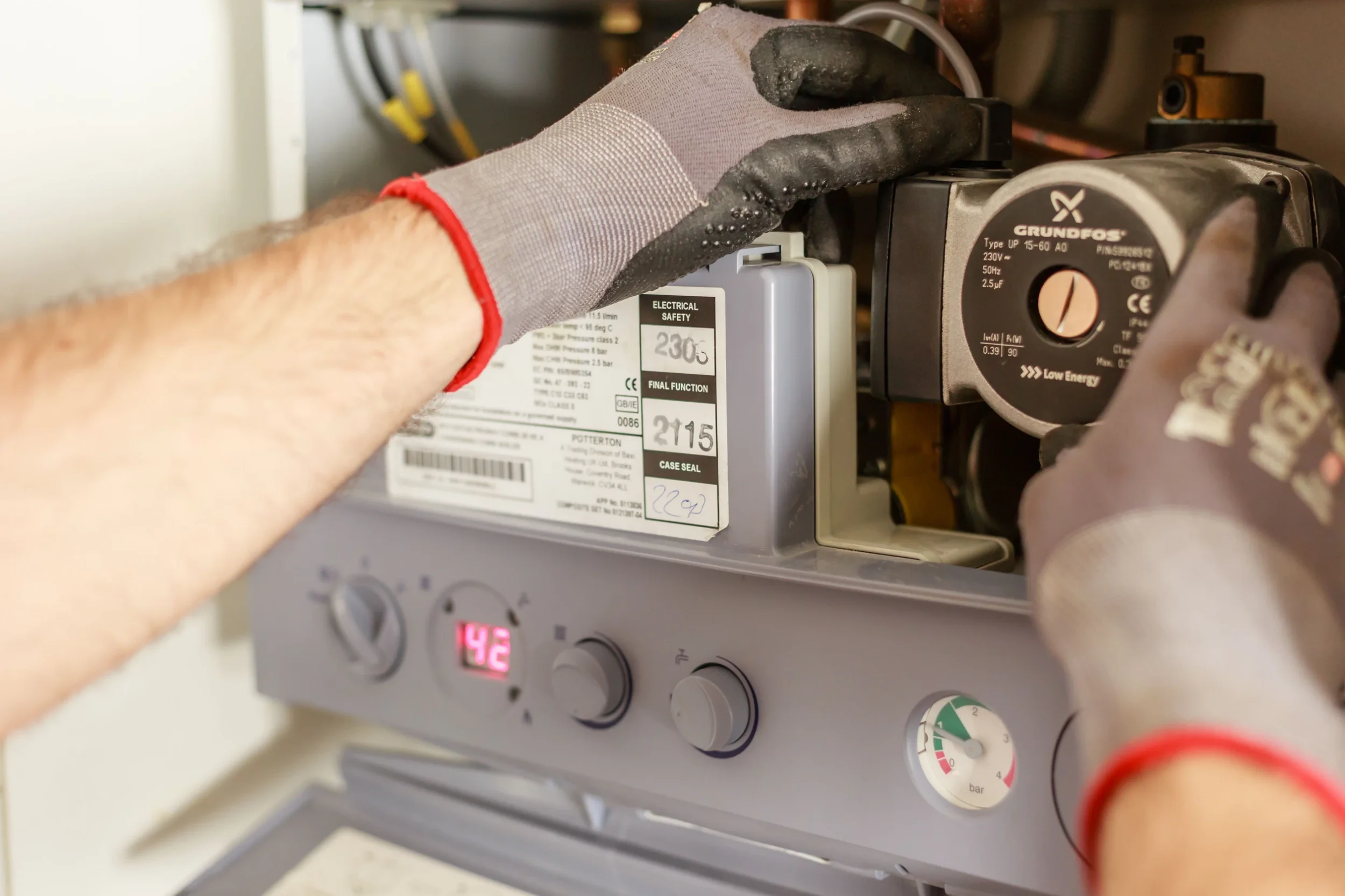
While routine filter replacements and basic monitoring can be handled internally, many HVAC issues require professional diagnosis and repair. Problems involving airflow, refrigerant systems, electrical components, or mechanical failures should be evaluated by experienced technicians.
Businesses and property owners looking for information about professional HVAC repair services can visit https://www.flyplumbing.com/hvac-repair-skokie-il to learn more about system diagnostics, repair solutions, and maintaining reliable indoor comfort.
Creating a Better Workplace Environment
A productive office depends on more than furniture, technology, and workspace design. Reliable heating and cooling systems contribute significantly to employee comfort and operational efficiency. By prioritizing HVAC maintenance and addressing issues promptly, organizations can create healthier, more comfortable workplaces while protecting their long-term investment in their facilities.
Stay up to date with our latest ideas!