How to Choose the Right 500 lb Lift Table
Learn how to choose the right 500 lb lift table by comparing capacity, lift height, platform size, safety features, and workplace needs.
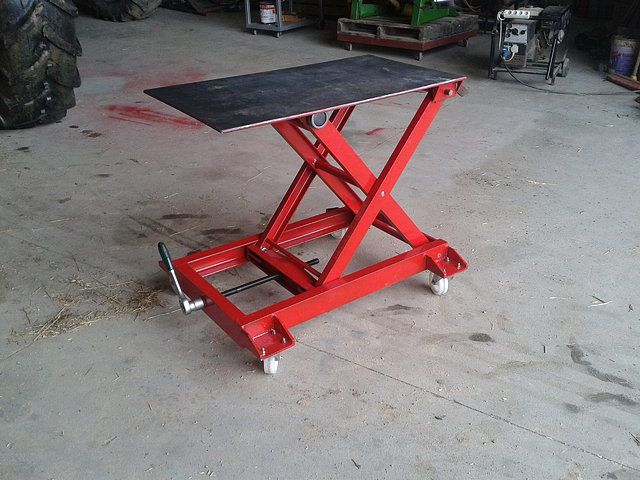
Material handling tasks often involve lifting boxes, equipment, and supplies throughout the day. A 500 lb lift table helps workers move loads with less physical effort. It provides a stable platform that can be raised or lowered to a comfortable working height. This helps reduce unnecessary bending and reaching.
Many warehouses, workshops, and retail facilities use these tables for daily operations. Their compact design makes them suitable for spaces where larger equipment may not fit. A manual lift table also works well in areas without access to electrical power. That flexibility makes it a practical choice for many workplaces.
Better Ergonomics for Daily Tasks
One of the main reasons companies use lift tables is to improve workplace ergonomics. Workers can position materials at a height that feels comfortable for loading, sorting, or assembly work. This reduces strain on the back, shoulders, and knees. Over time, it can help create a safer work environment.
Adjustable height also improves efficiency. Employees spend less time bending down or lifting heavy items manually. As a result, tasks can be completed with better consistency. Proper positioning supports smoother workflows throughout the day.
Easy Manual Operation
A manual lift table uses a foot pedal or hydraulic pump system to raise the platform. This design keeps operation simple and reliable. Workers can lift loads without relying on electrical components or batteries. The system remains easy to control during everyday use.
Many users appreciate the straightforward design because it requires minimal training. The lifting action remains smooth when the equipment is used correctly. Manual controls also allow precise positioning. That can be useful when handling delicate or valuable materials.
Key Features to Look for Before Buying
Not all lift tables are built the same way. Understanding important features can help buyers choose equipment that fits their needs. Capacity, platform size, lifting range, and wheel quality all play an important role. These factors affect both safety and productivity.
A quality unit should also provide stable lifting performance. Strong steel construction and reliable hydraulic components help support long term use. Safety mechanisms add another layer of protection. Looking at these details can help buyers make informed decisions.
Reliable Hydraulic System
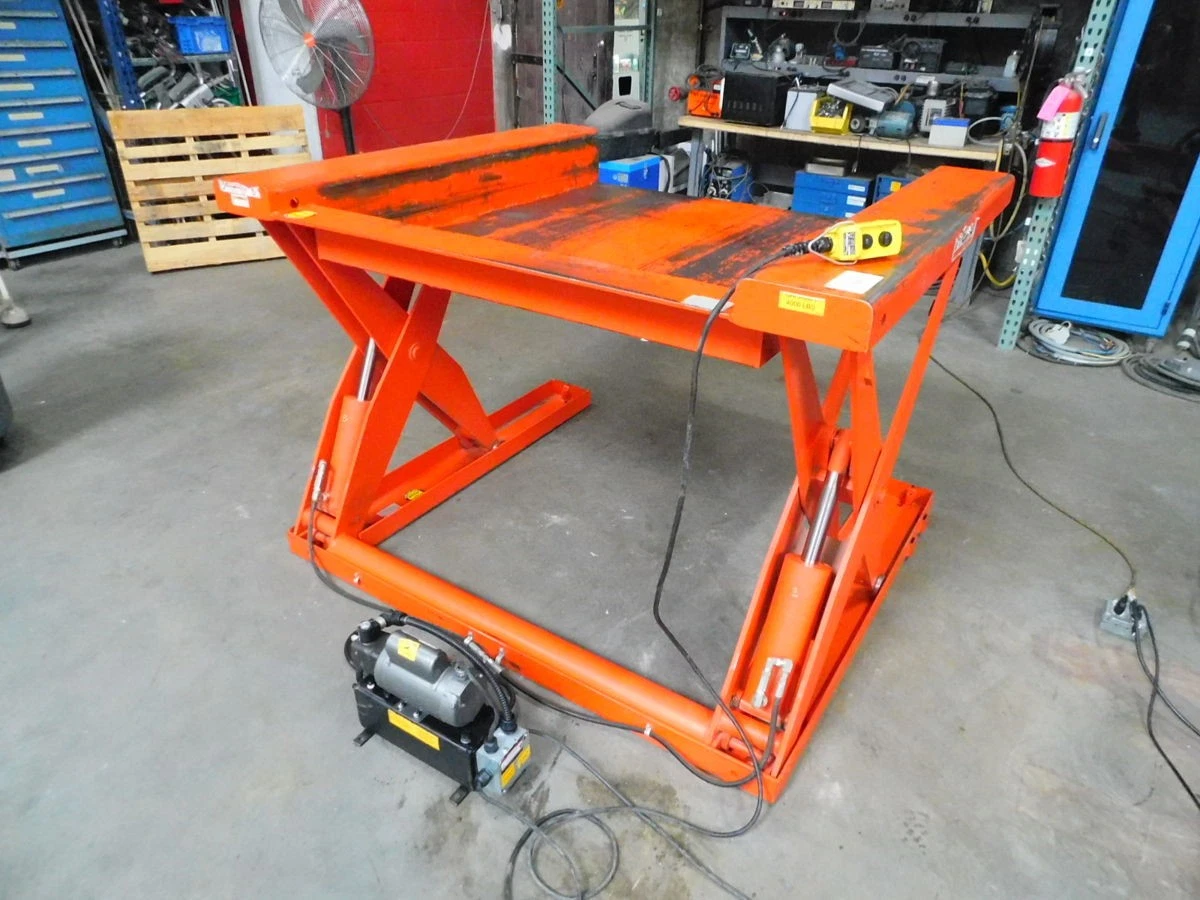
The hydraulic system is the heart of a lift table. A well designed pump allows smooth lifting while supporting heavy loads. Reliable hydraulic components help maintain consistent performance throughout daily operations. This is especially important when equipment is used frequently.
Many modern tables include sealed hydraulic systems. These designs help reduce leaks and improve durability. Consistent lifting performance can make handling materials much easier. Workers can focus on the task rather than equipment limitations.
Mobility and Wheel Design
Mobility is another important factor. Many lift tables include durable wheels that allow users to move materials between workstations. Locking casters help keep the table stable during loading and unloading. This combination of movement and stability adds convenience.
A mobile design reduces the need for additional transportation equipment. Workers can transport items and position them at the correct height using one piece of equipment. This helps simplify material handling tasks. It also supports better space utilization.
Common Applications for Manual Lift Tables
Lift tables are used across many industries because they support different handling requirements. Warehouses use them for packing and inventory movement. Manufacturing facilities often use them for assembly and production processes. Retail businesses also rely on them for stock management.
Their versatility makes them suitable for both light and medium duty applications. The ability to raise loads to a comfortable height improves access during work. This can help workers perform tasks more accurately. Flexible equipment often delivers greater value over time.
Warehouse and Distribution Work
Warehouses frequently handle products of different sizes and weights. A 500 lb lift table helps workers position inventory efficiently. Loading, unloading, and sorting become easier when materials are at an appropriate height. This improves workflow throughout the facility.
The table can also reduce manual lifting requirements. Workers spend less energy moving products into position. Better handling methods may help improve productivity. Organized movement supports smoother daily operations.
Manufacturing and Assembly Areas
Manufacturing environments often require precise positioning of materials. Lift tables help bring components closer to the worker. This allows tasks to be completed with greater comfort and control. Consistent positioning can also support quality standards.
Assembly work often involves repetitive movement. Adjustable platforms reduce unnecessary reaching and bending. Workers can maintain better posture throughout production activities. Comfortable workstations contribute to more efficient operations.
Safety Practices That Matter
Safety should always remain a priority when using lifting equipment. Operators should follow the manufacturer's instructions and avoid exceeding the rated capacity. Loads should be positioned evenly on the platform. Balanced loading helps maintain stability during lifting.
Routine inspections are also important. Checking wheels, hydraulic components, and moving parts can help identify wear before it becomes a problem. Preventive maintenance supports dependable performance. Safe operation begins with proper equipment care.
Regular Maintenance and Inspection
Regular maintenance helps extend equipment life. Operators should inspect hydraulic systems, wheels, and lifting mechanisms on a scheduled basis. Small issues can often be corrected before they affect performance. This helps maintain smooth operation.
Keeping moving parts clean and properly maintained supports reliability. Inspection routines also encourage safer working conditions. A well maintained manual lift table can continue performing effectively for years. Consistent care benefits both equipment and users.
Choosing the Right Lift Table for Your Needs
Selecting the right equipment starts with understanding the intended application. Consider load weight, lift height requirements, and available workspace. A table that matches operational needs will usually provide better results. Planning ahead can prevent future limitations.
A 500 lb lift table offers a practical balance between capacity and maneuverability. It works well for many material handling tasks across different industries. When combined with proper maintenance and safe operation, it can become a valuable part of daily workflows. The right choice supports efficiency, comfort, and dependable performance.
FAQs
What is a manual lift table used for?
A manual lift table is used to raise, lower, and position materials at a comfortable working height.
How much weight can a 500 lb lift table handle?
It is designed to safely support loads up to 500 pounds when used according to manufacturer guidelines.
Are manual lift tables suitable for warehouses?
Yes, they are commonly used for loading, unloading, packing, and inventory handling tasks.
How does a hydraulic lift table work?
A hydraulic system uses pressure generated by a foot pedal or pump to raise the platform.
How often should a lift table be inspected?
Regular inspections should be performed according to usage levels and maintenance recommendations.
Stay up to date with our latest ideas!