Learn how to reclaim office space as your small business grows through smarter layouts, efficient storage, flexible workstations, and practical space planning.

Scaling a small business is an exciting milestone, but it often brings a very physical set of growing pains. As your customer base expands, so does your daily need for paperwork, physical inventory, and equipment. For many modern enterprises, particularly those operating in densely populated urban centres like Bangkok, the initial office space quickly transforms from a collaborative hub of innovation into a cramped, makeshift storage room. Finding a strategic way to reclaim that space is essential for maintaining daily productivity, boosting employee morale, and keeping your operational overhead costs manageable over the long term. Recognising the signs that your office is shrinking relative to your operational needs is the first crucial step toward regaining control.
The Hidden Costs of a Cramped Environment
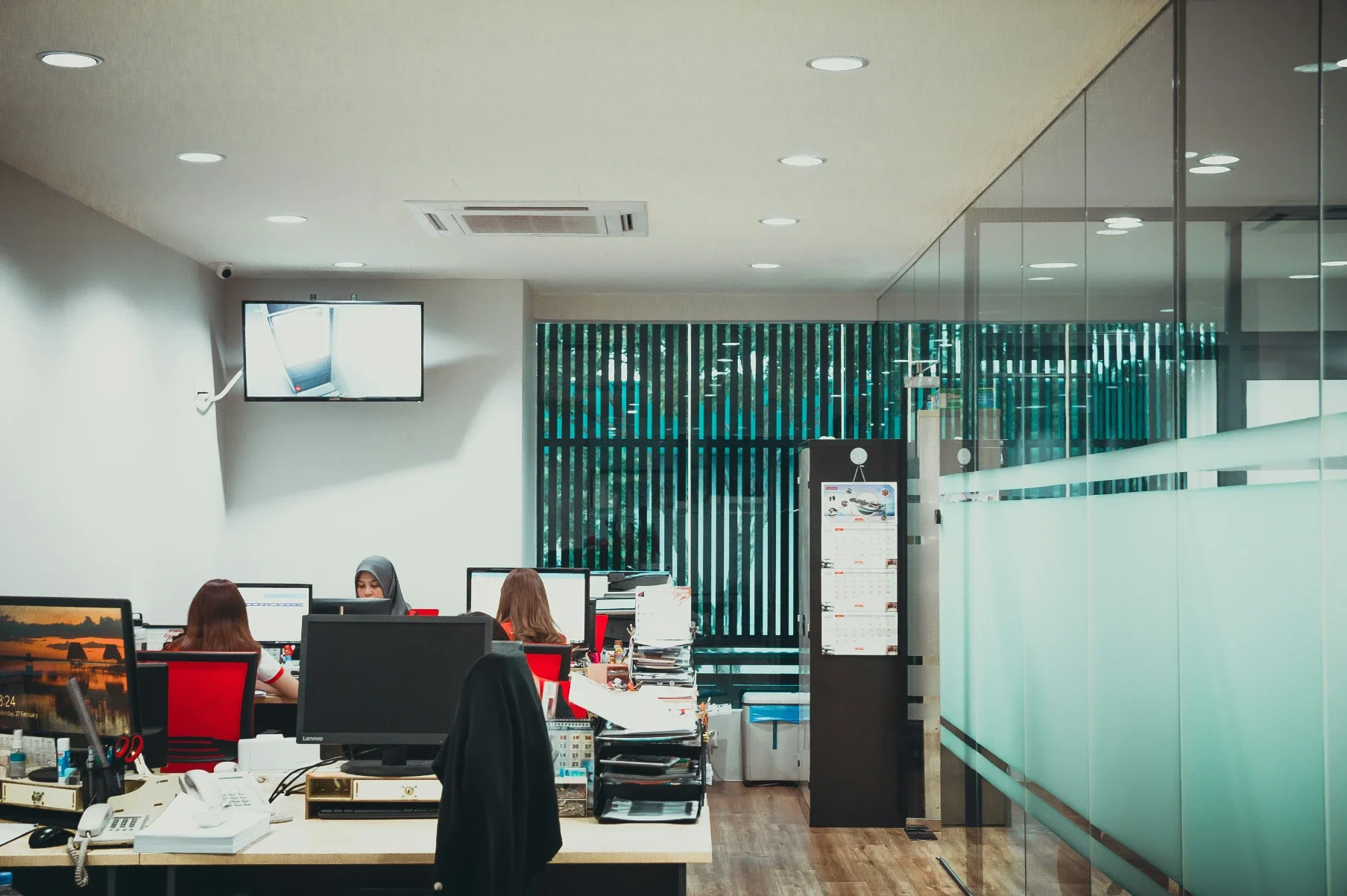
It is easy to dismiss a few stacked boxes in the corner as a temporary inconvenience while you grow. However, an overcrowded workspace carries significant cognitive consequences for your team. According to research from the George Mason University Center for the Advancement of Well-Being, office clutter can lead to lower job satisfaction and increase the risk of work-related burnout. This academic evidence highlights how a messy environment triggers a vicious cycle where work-related stress creates more physical clutter, which subsequently degrades overall job performance. When employees are constantly navigating around excess inventory or digging through disorganised files, their focus and morale inevitably suffer. Furthermore, an untidy workplace can project an unprofessional image to visiting clients or prospective partners, subtly undermining your brand reputation and operational credibility.
Navigating the Commercial Real Estate Squeeze
Even with the absolute best intentions, a scaling business will eventually hit a wall when inventory levels rise. In Thailand, taking on a larger office is a daunting financial commitment. The Bangkok Metropolitan Region houses nearly 40 percent of the urban population and generates over half of the national GDP, creating fierce geographical competition. Recent real estate reports note that overall office occupancy remains exceptionally high, forcing scaling companies to either compete fiercely for limited modern spaces or endure expensive renovations. For emerging enterprises, tying up valuable cash flow in long-term lease agreements can severely restrict other critical growth initiatives, such as marketing campaigns or hiring new talent. Rather than taking on a rigid two-to-three-year warehouse lease with prohibitive security deposits, many entrepreneurs are partnering with a mini storage business to house their excess inventory off-site. This decentralised approach provides agility without the massive capital expenditure required for traditional commercial setups, empowering business owners to remain resilient during economic fluctuations.
Evaluating and Optimising Your Existing Layout
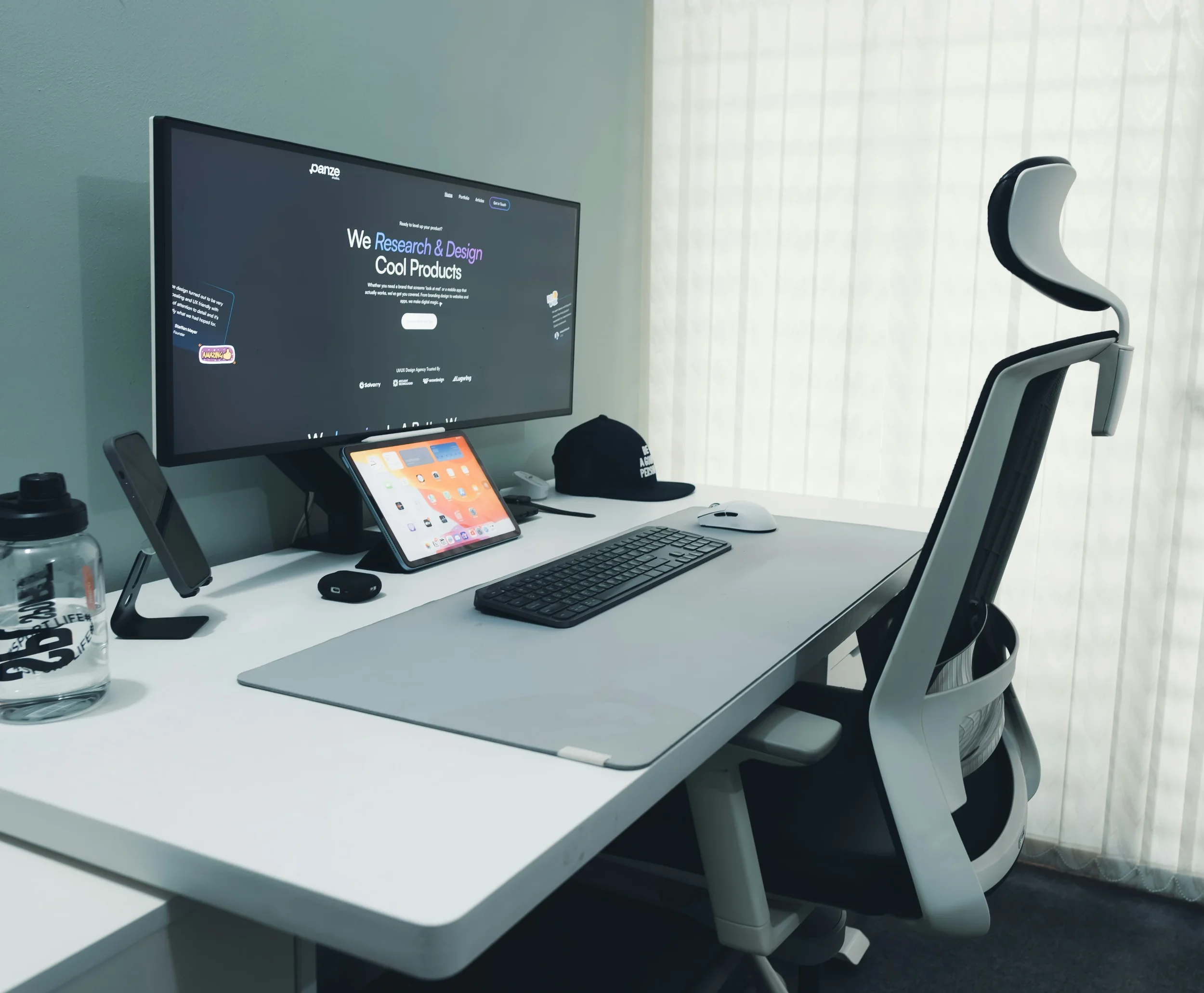
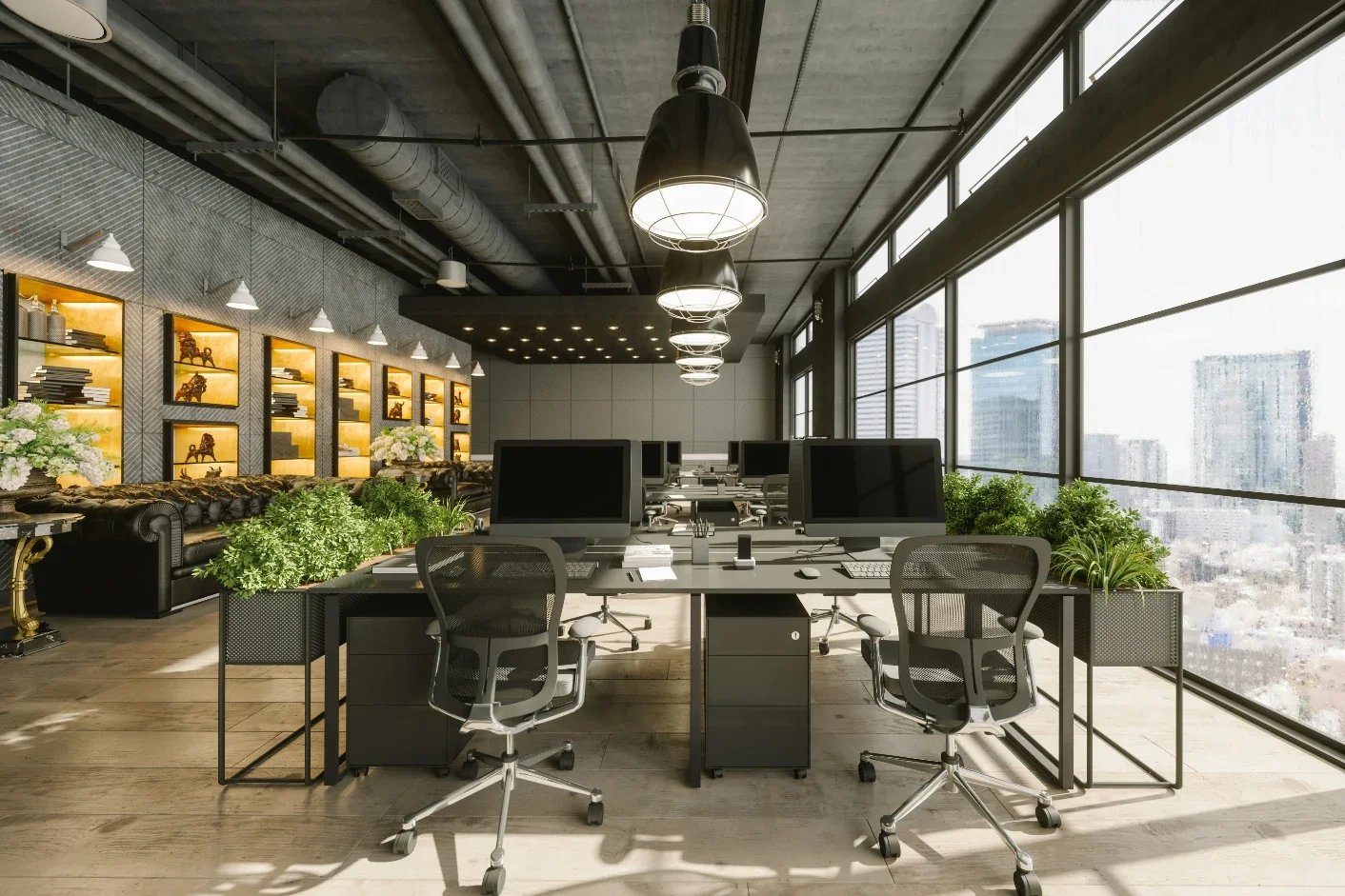
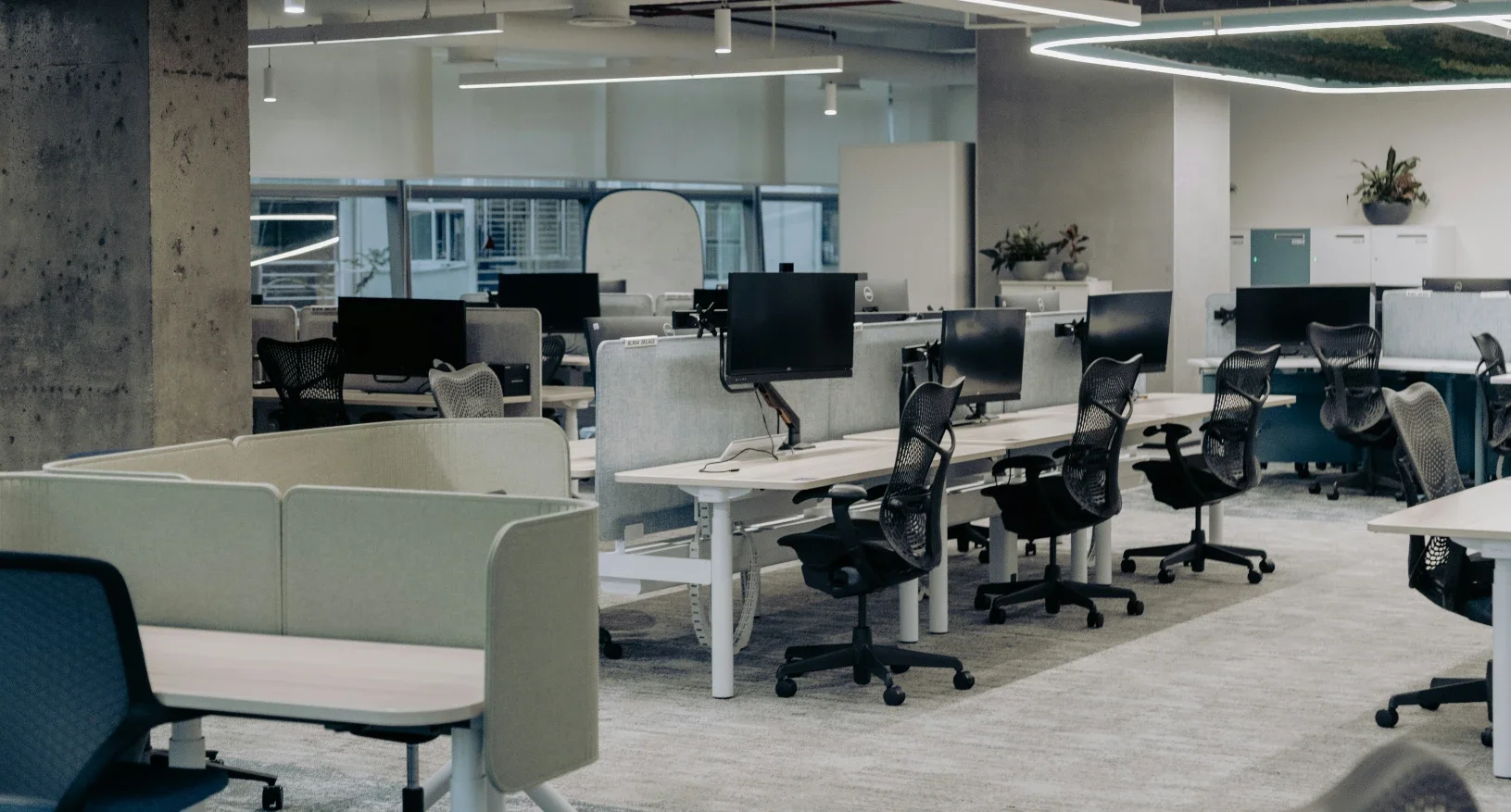
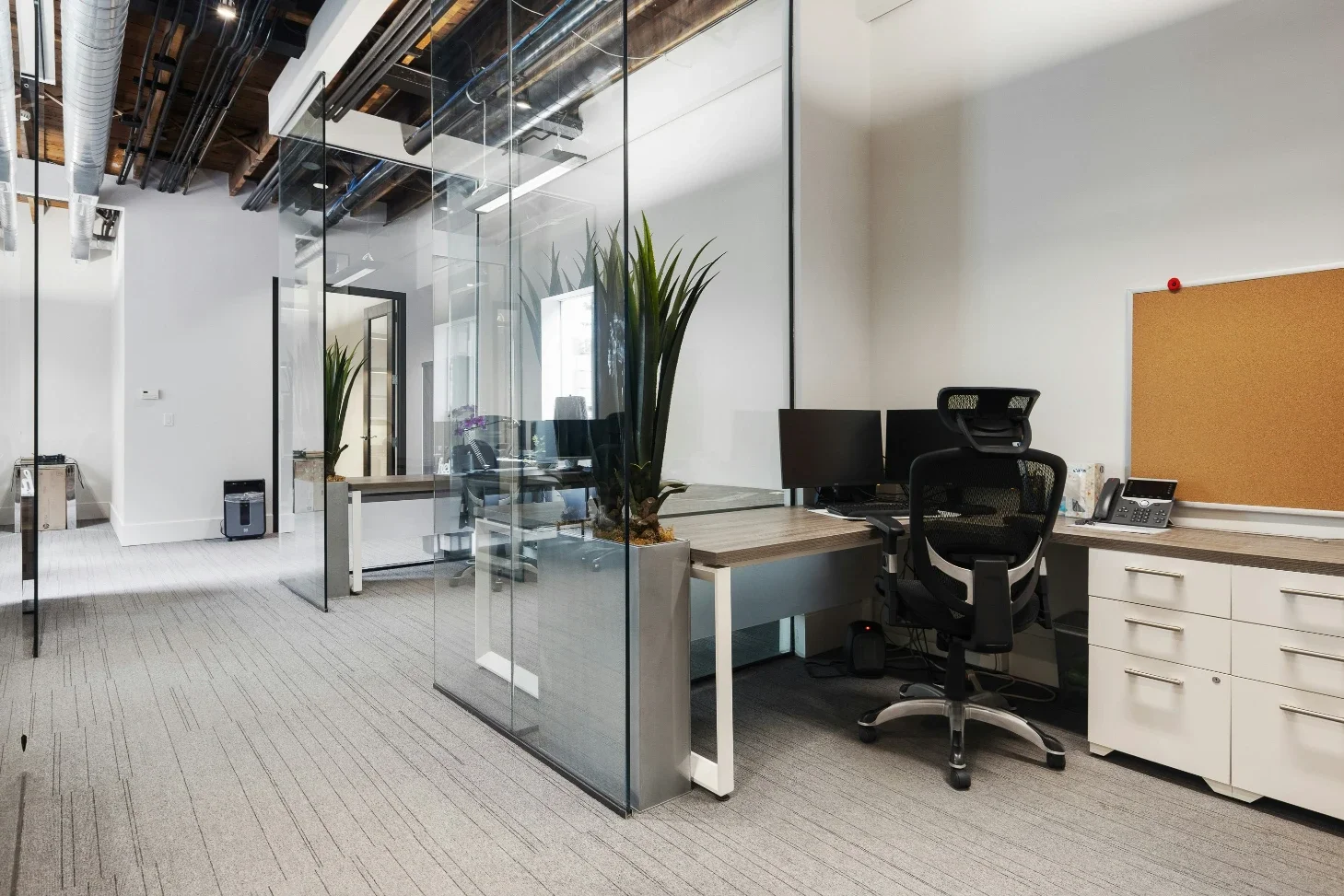
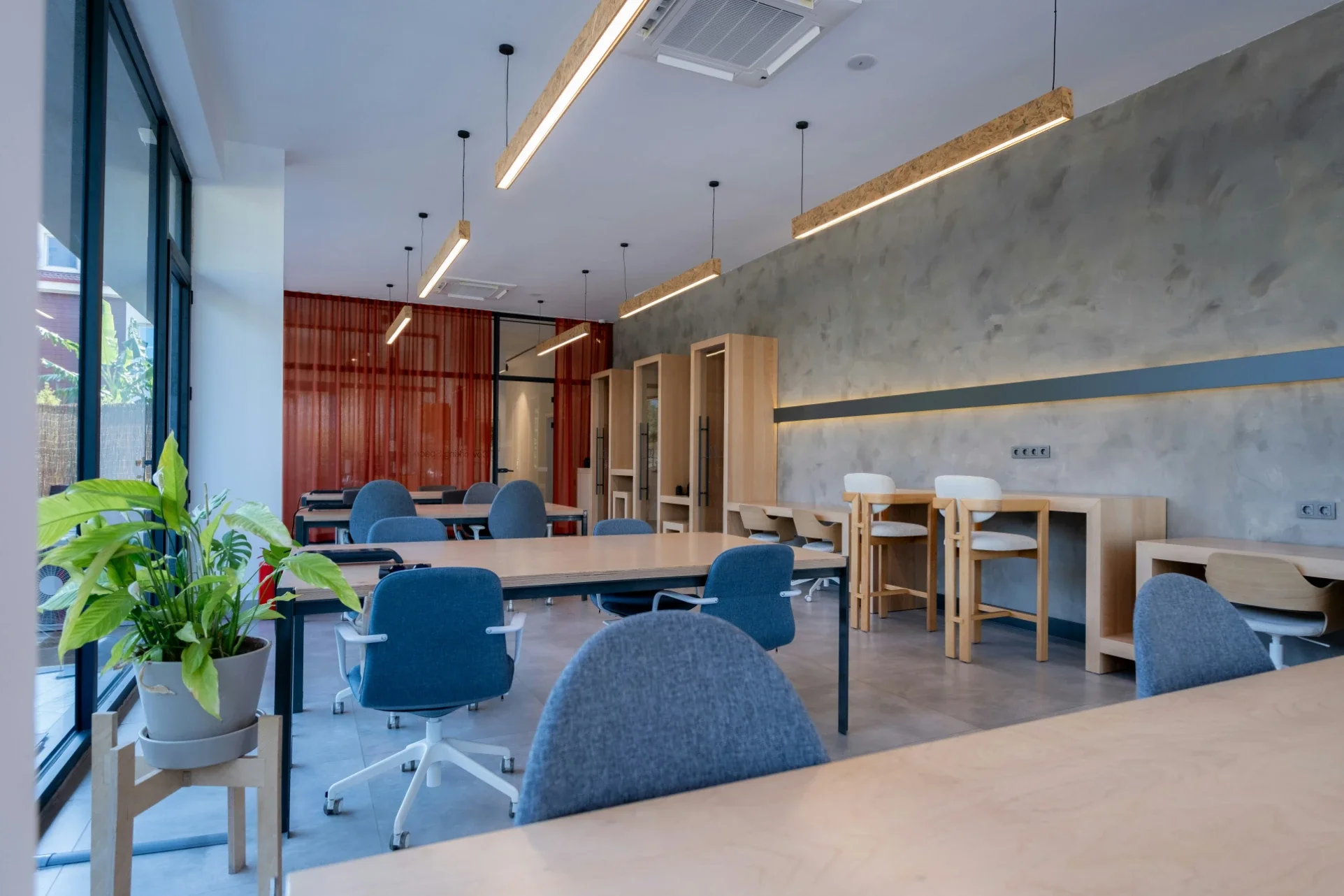
By shifting excess inventory out of the office, you can then focus on optimising the workspace you already have. Before rushing out to sign a new commercial lease, it is incredibly wise to evaluate your current setup. Start by decluttering non-essential items and reimagining how you use your physical footprint. Implementing clever layout strategies can free up a surprising amount of room in tighter environments. For instance, incorporating vertical desk organisers, wall-mounted file sorters, and hidden cable management systems are excellent office organisation ideas for small spaces that can immediately improve daily efficiency. By optimising the internal layout first, you ensure that your immediate environment is primed for focused work rather than passive storage. Small adjustments, such as installing floating shelves or investing in multi-purpose furniture, can drastically alter the flow of a room. When every item has a dedicated place, your team spends less time searching for misplaced documents and more time executing high-value tasks.
Why Agile Storage Makes Financial Sense
Market studies indicate that rapid urban densification is a primary structural shift driving SMEs toward off-site inventory solutions. As businesses pivot towards leaner operational models, holding vast amounts of inventory in premium commercial real estate is no longer viewed as a sustainable practice. In fact, roughly half of the current demand for flexible self-storage in the region comes directly from e-commerce brands and local enterprises that have outgrown their initial square footage.
Shifting your overflow to a decentralised location offers several structural advantages over upgrading to a larger primary office:
Flexible lease terms: Modern facilities offer highly agile terms starting from as little as two weeks, allowing you to scale up or down seasonally to match fluctuating inventory levels.
Predictable monthly costs: Flexible units mitigate unpredictable operational expenditures by bundling standard utility costs, pest control, security monitoring, and facilities management directly into a single fee.
Avoidance of hidden fees: You completely bypass the industrial fire safety clearances, partition construction costs, and mandatory end-of-tenancy reinstatement fees associated with standard commercial warehouse leases.
Local micro-fulfilment capabilities: As the Thai e-commerce boom accelerates, suburban facilities can act as local micro-fulfilment hubs, keeping your retail products closer to your end customers.
The long-term necessity of these spaces is clearer than ever. By separating your daily administrative operations from your physical inventory storage, you can successfully protect your team from burnout while maintaining the vital financial flexibility needed to support long-term business growth.
Stay up to date with our latest ideas!