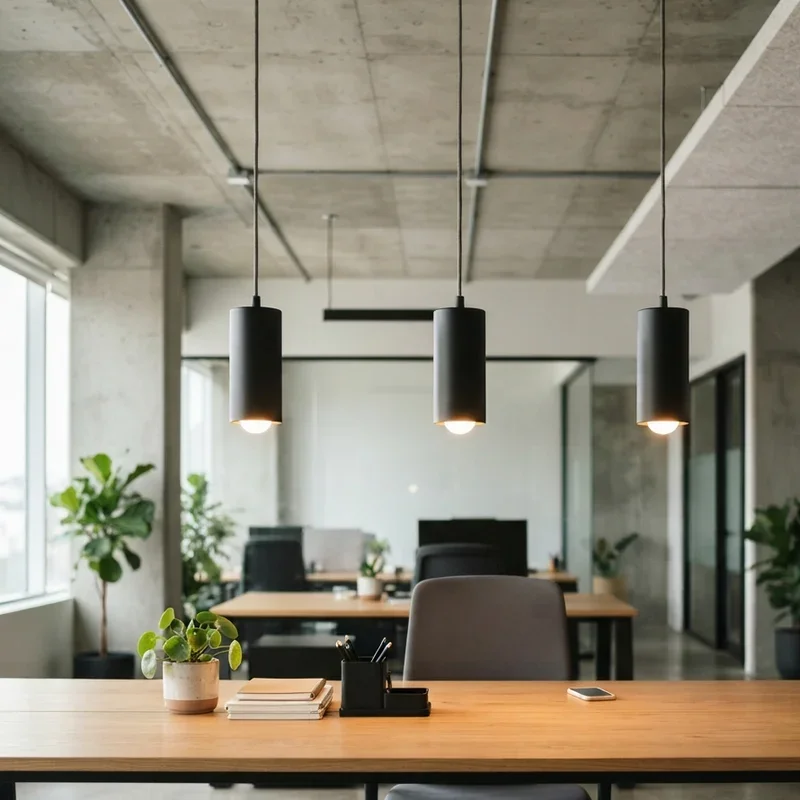
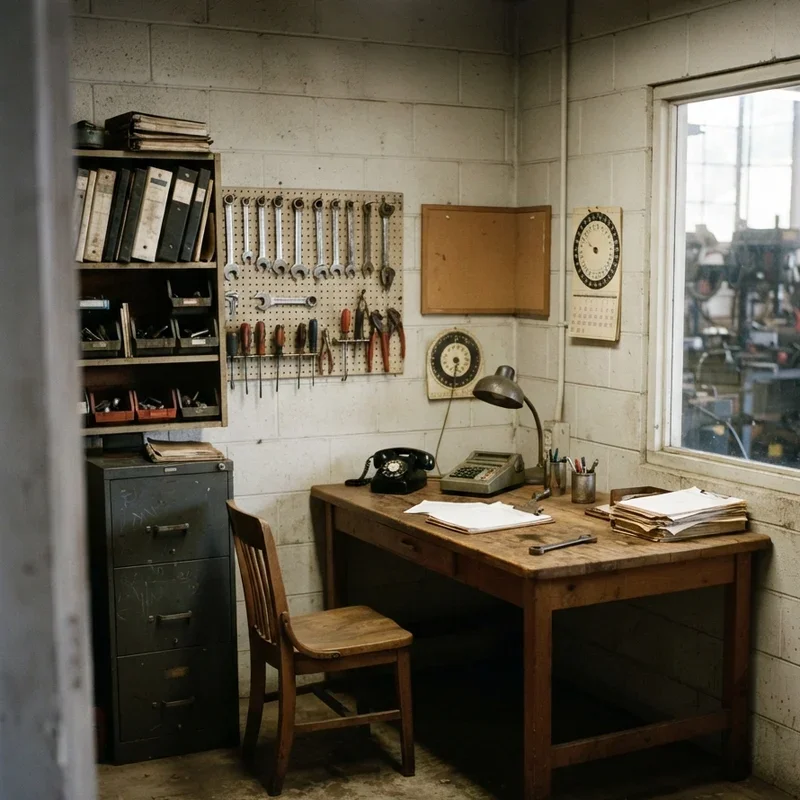
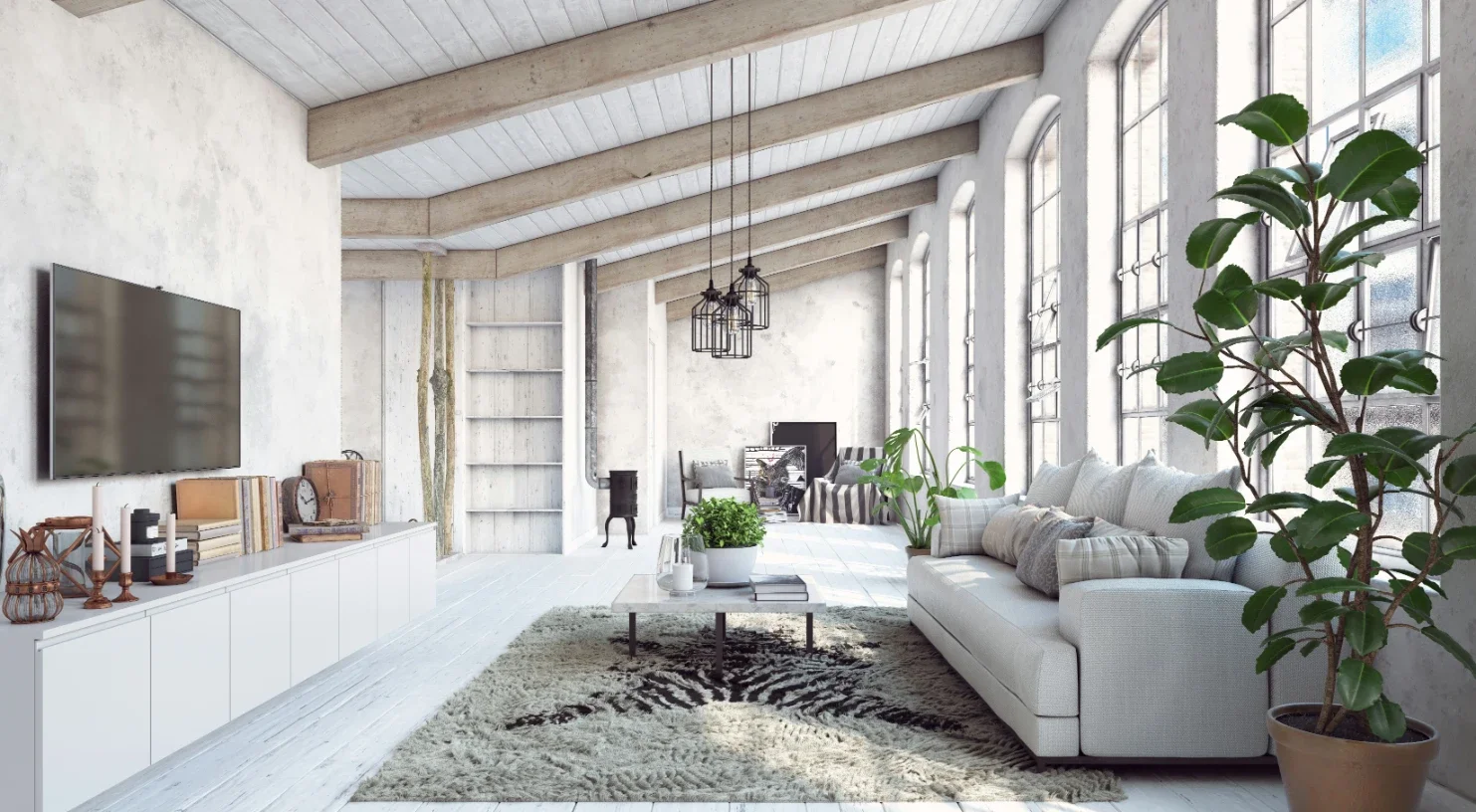
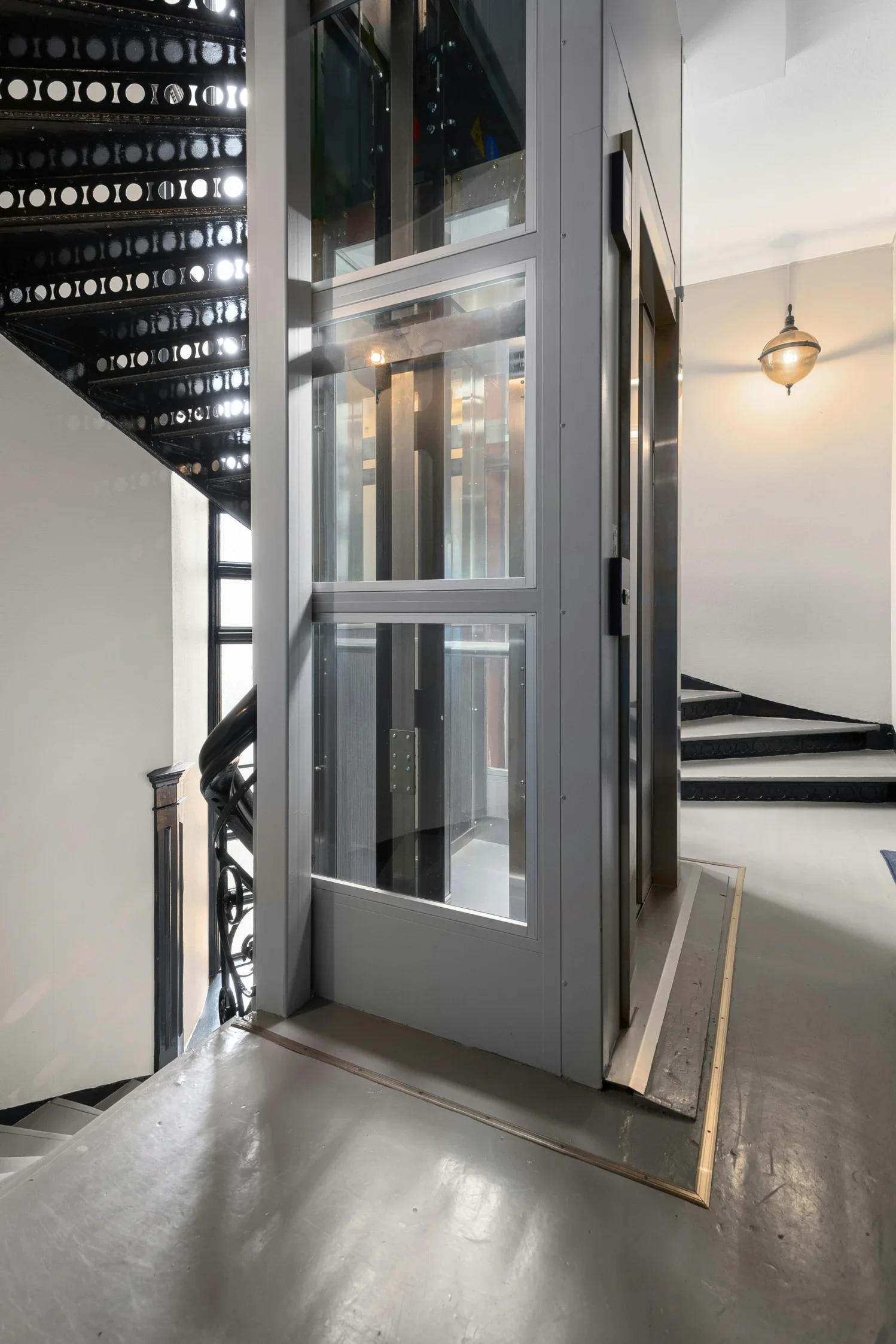
15 Executive Office Design Ideas for a Stylish Upgrade
Transform your workspace with 15 executive office design ideas that blend sophistication, functionality, and modern style for productivity.
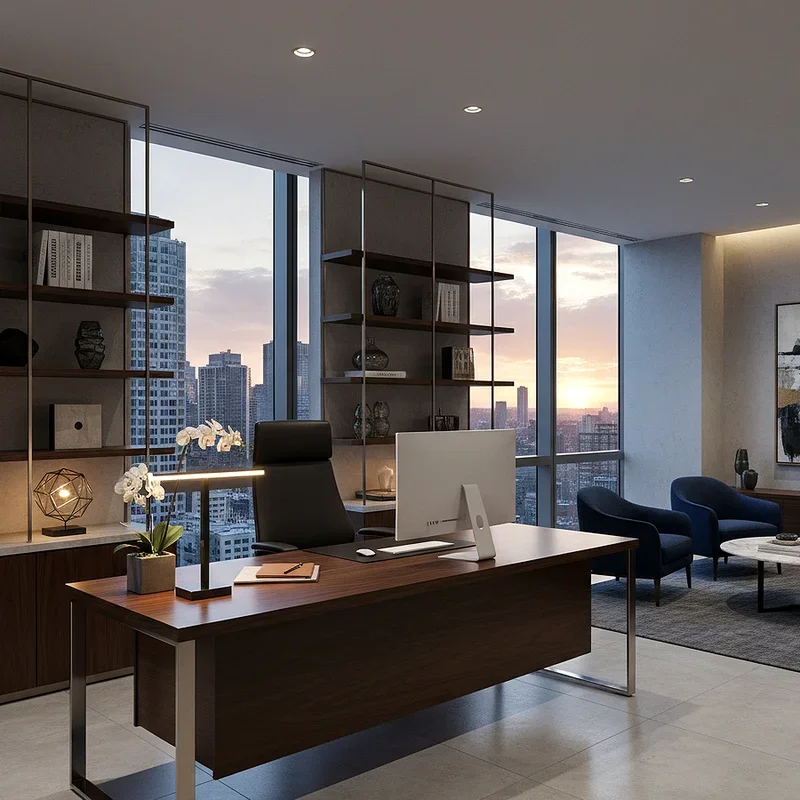
Ever walked into an executive office and felt instantly impressed? That's the power of thoughtful design at work. Your office speaks volumes about your professional identity before you even say a word. Whether you're revamping your current space or starting fresh, creating an executive office that radiates success while maintaining functionality doesn't have to feel like climbing Mount Everest. Think of your office as your professional sanctuary where brilliant ideas flourish and important decisions take shape. From selecting the perfect desk to incorporating smart technology, every element plays a crucial role in crafting your ideal workspace. Ready to transform your office into a space that commands respect and inspires creativity? Let's explore fifteen game-changing design ideas that'll elevate your executive office from ordinary to extraordinary.
1. Invest in a Statement Executive Desk
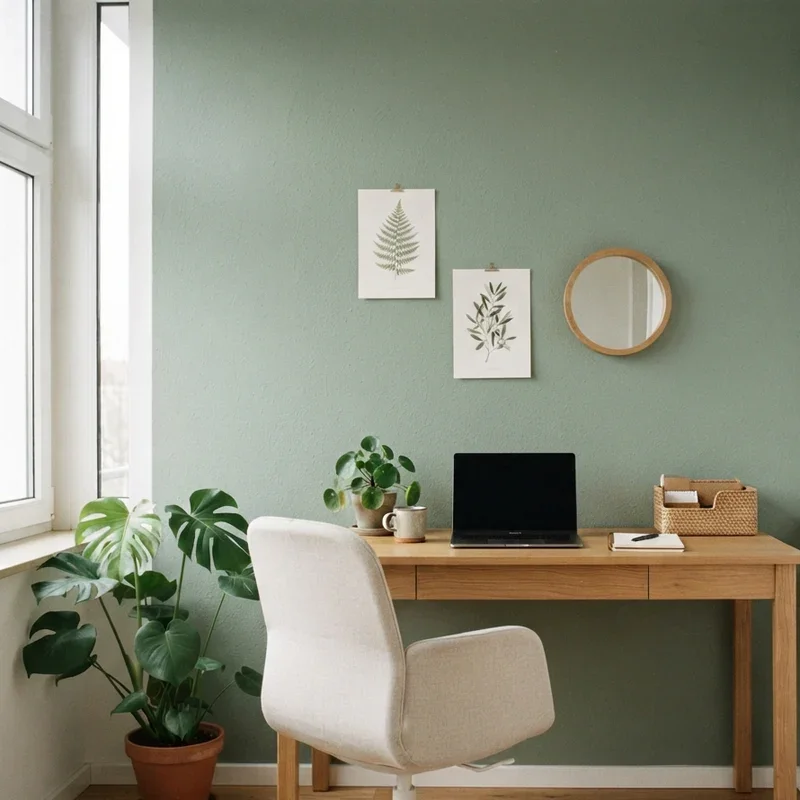
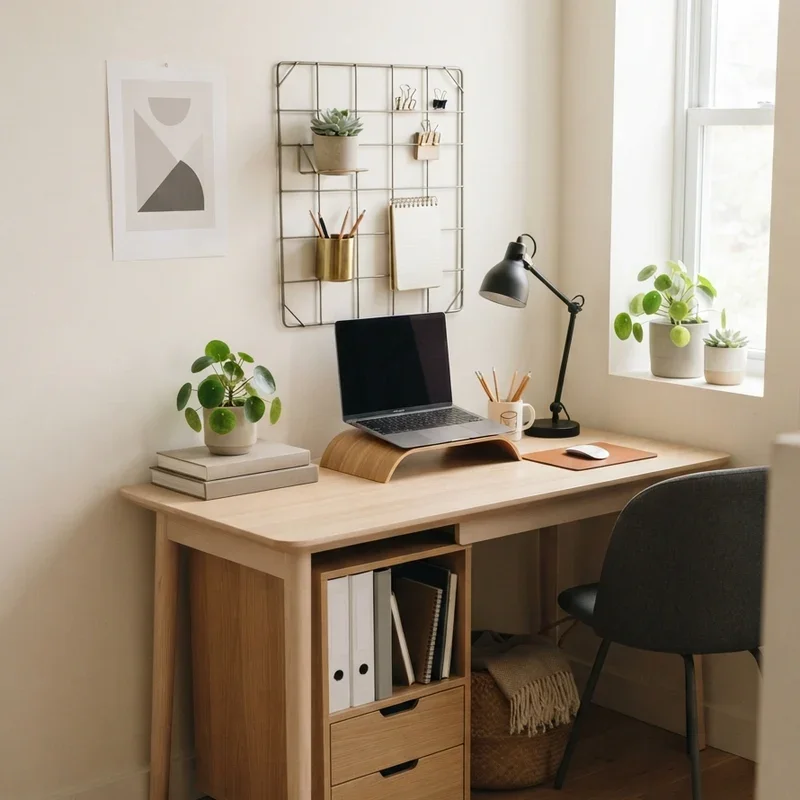
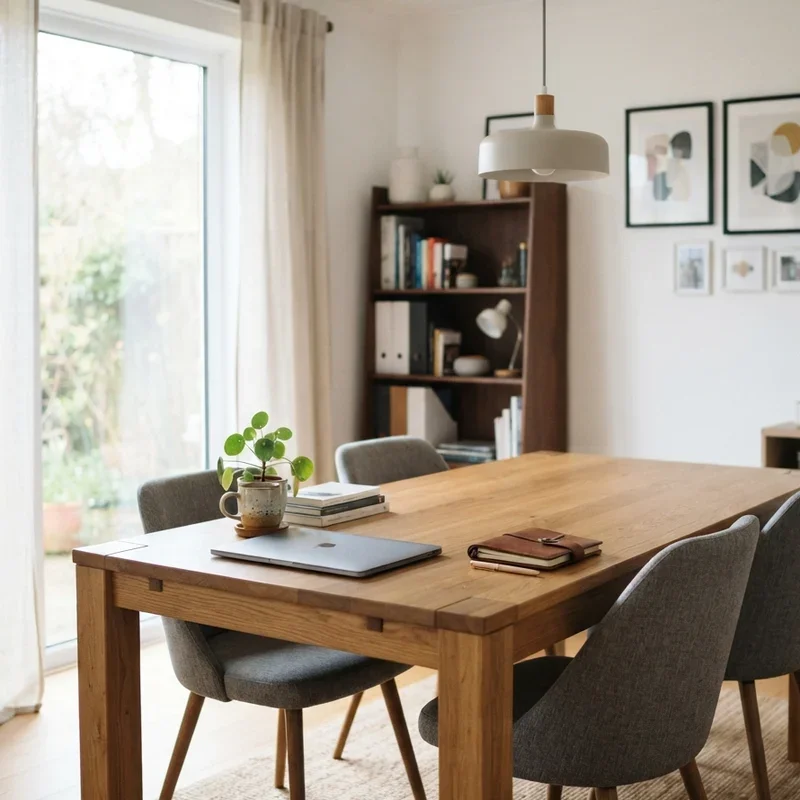
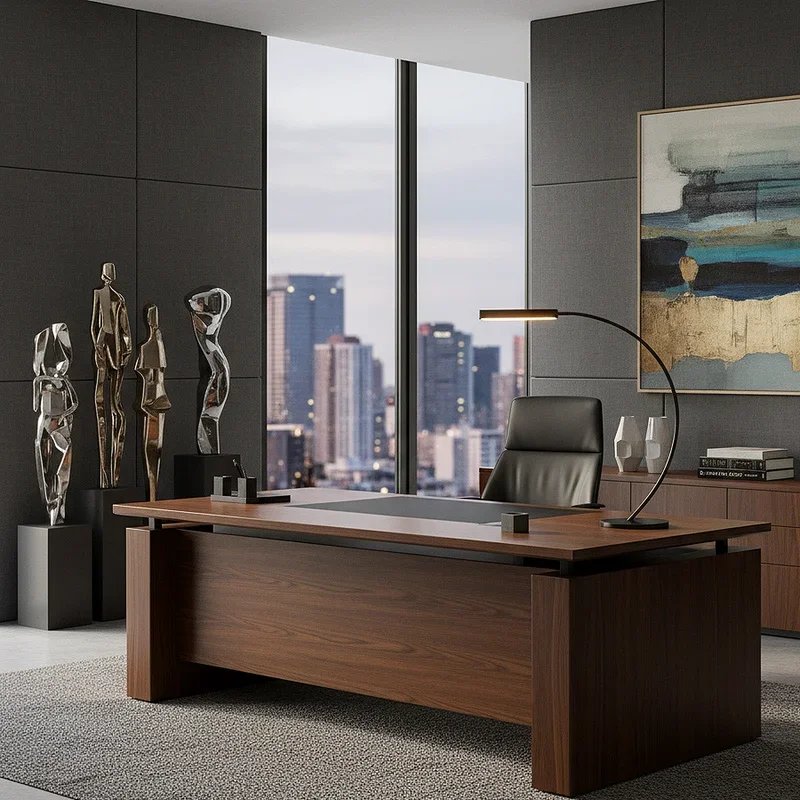
Your desk serves as the centerpiece of your executive office, making it worth investing in something truly spectacular. Think beyond basic functionality and consider pieces that blend artistry with practicality. A solid wood desk with clean lines speaks to timeless elegance, while a glass and metal combination screams modern sophistication. Size matters here, so choose something substantial enough to handle your daily workload without overwhelming the space. Consider desks with built-in cable management systems and hidden storage compartments that maintain that clean, uncluttered look executives need. Materials like walnut, mahogany, or even reclaimed wood add character and warmth to your workspace. Remember, this piece will anchor your entire office design, so select something that reflects your personal style while maintaining professional gravitas.
2. Choose Ergonomic Luxury Seating
Who says comfort and luxury can't go hand in hand? Your executive chair should support those long strategy sessions while looking like it belongs in a boardroom. Premium leather remains a classic choice, offering durability and developing a beautiful patina over time. Look for chairs with adjustable lumbar support, armrests, and height settings that adapt to your body's needs throughout the day. Consider materials like Italian leather or high-grade mesh for breathability during intense work sessions. The color should complement your desk and overall office palette, creating a cohesive look. Don't forget about guest seating either, as comfortable visitors tend to have more productive meetings. Your chair investment pays dividends in reduced fatigue and increased productivity, making it one of the most important decisions you'll make.
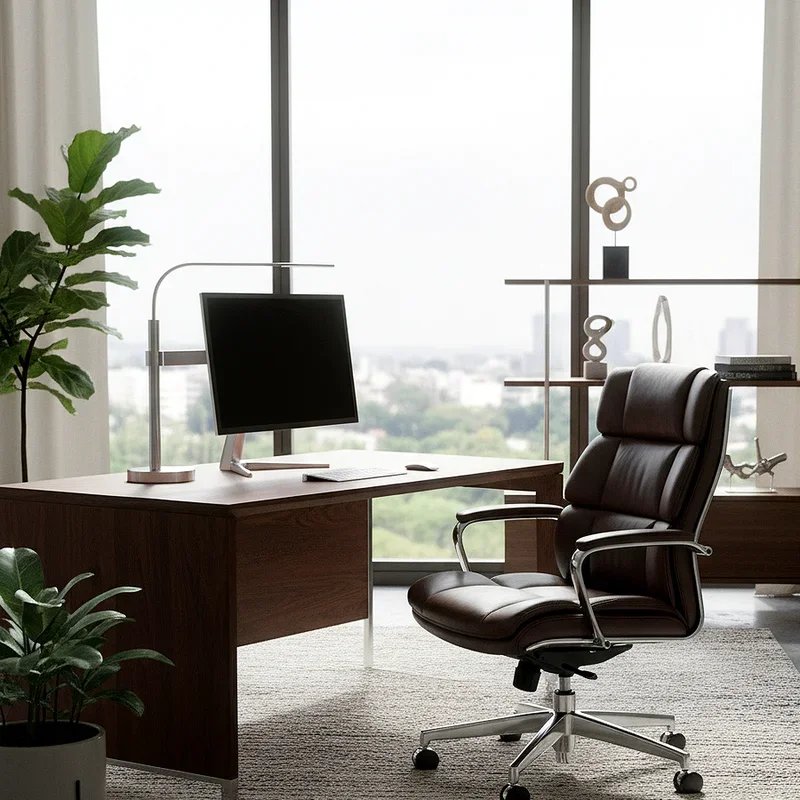
3. Incorporate Natural Light and Smart Lighting Systems
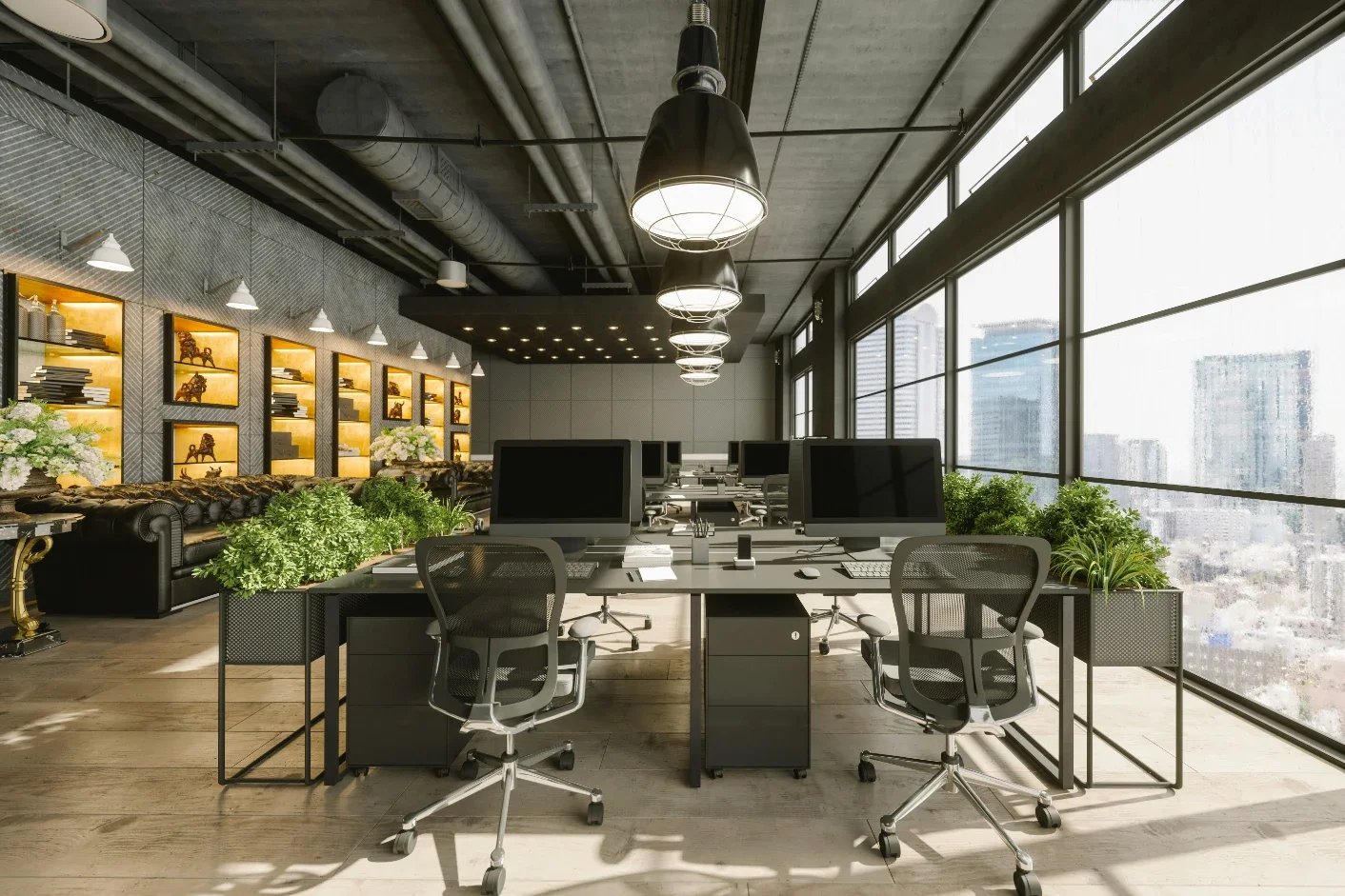
Lighting transforms your office from a mere workspace into an inspiring environment where creativity thrives. Maximize natural light by positioning your desk near windows and using sheer curtains that filter harsh sunlight while maintaining brightness. Layer your lighting with ambient, task, and accent options to create the perfect atmosphere for any situation. Smart lighting systems allow you to adjust brightness and color temperature with voice commands or smartphone apps, adapting to different times of day and tasks. Install dimmers for overhead fixtures and add elegant desk lamps for focused work. Consider LED strips behind shelving or artwork for subtle accent lighting that adds depth to your space. Remember that proper lighting reduces eye strain and boosts mood, making it essential for maintaining peak performance throughout your workday.
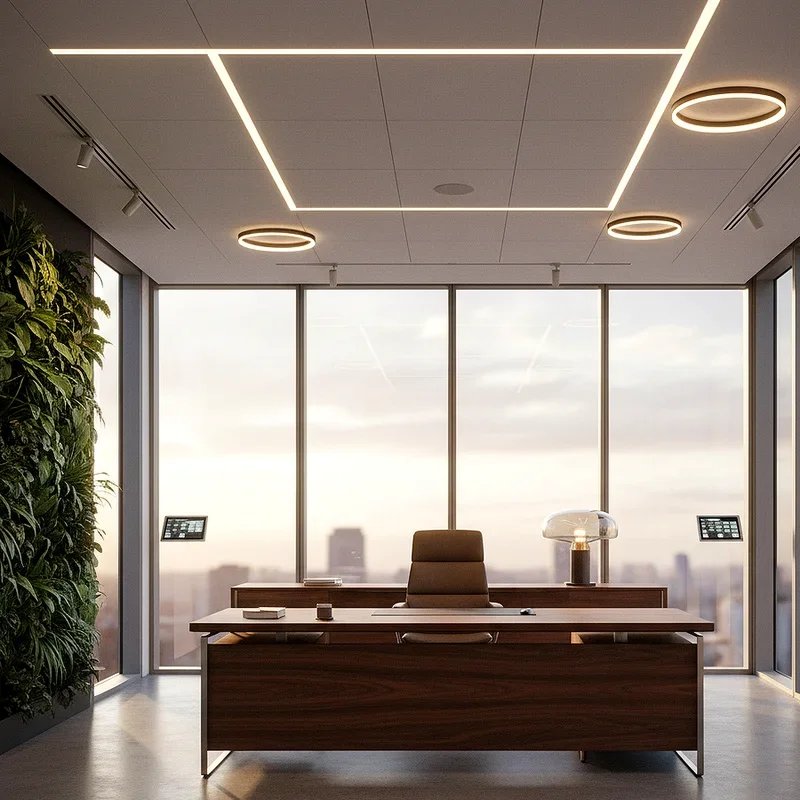
4. Add a Sophisticated Color Palette
Color psychology plays a powerful role in shaping your office's atmosphere and your daily mindset. Navy blue conveys authority and trustworthiness, while deep greens promote focus and reduce stress during challenging negotiations. Neutral bases like warm grays or soft beiges provide versatility, allowing you to add personality through accent colors. Consider incorporating your company's brand colors subtly through artwork or accessories rather than overwhelming the space. Rich wood tones paired with metallic accents like brass or chrome create a balanced, professional aesthetic. Don't shy away from bold accent walls, perhaps in charcoal or deep burgundy, which add drama without sacrificing sophistication. The key lies in creating a cohesive palette that energizes you while maintaining the professional gravitas expected in executive spaces. Your color choices should inspire confidence in both yourself and your visitors.
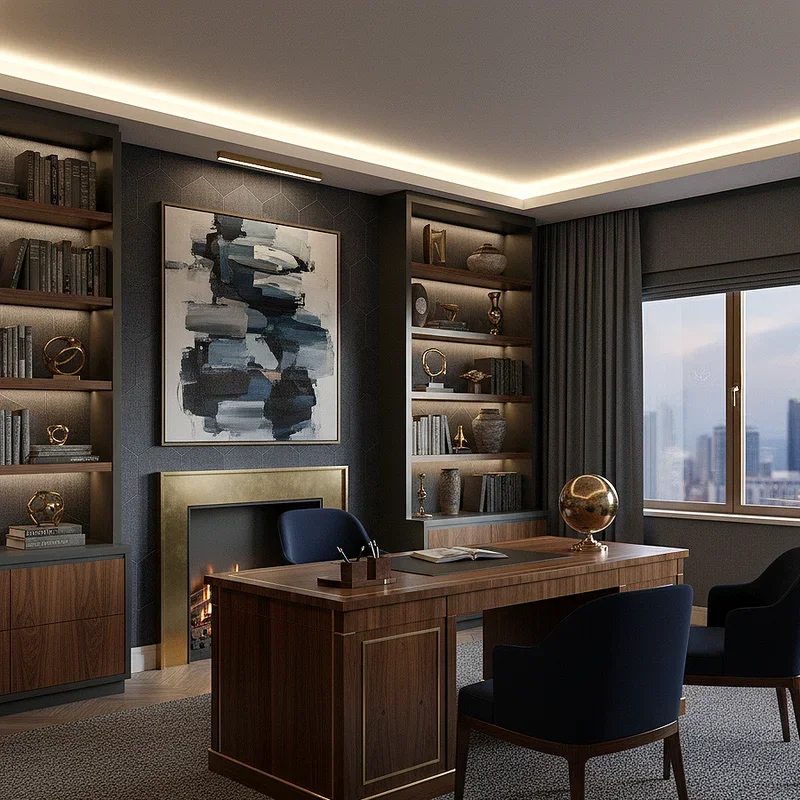
5. Install Custom Built-in Shelving and Storage
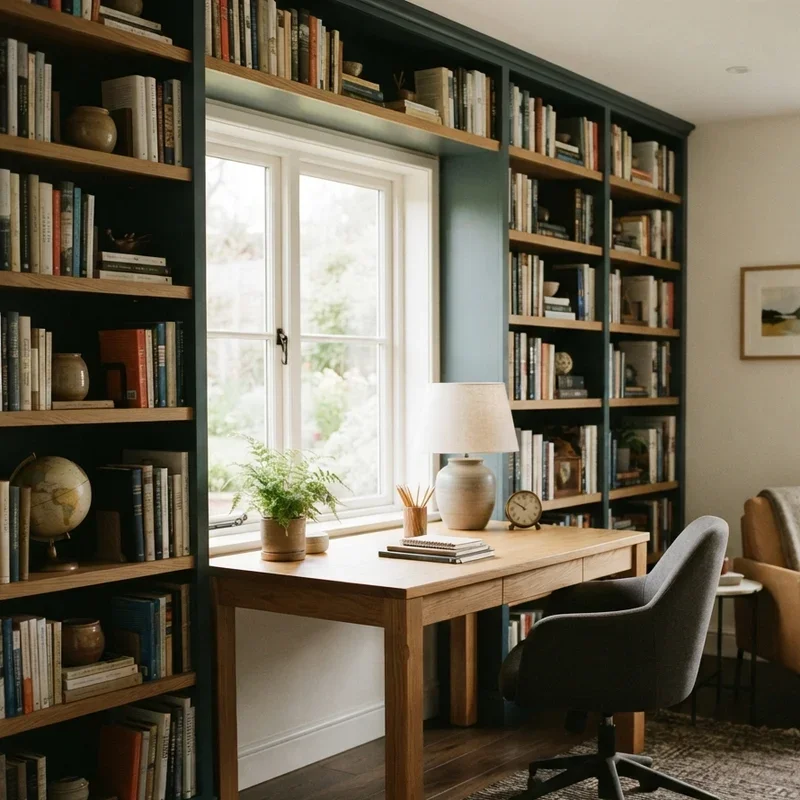
Custom built-ins transform wasted wall space into functional storage that looks like it was always meant to be there. Floor-to-ceiling shelving creates an impressive backdrop for video calls while providing ample space for books, awards, and professional materials. Mix open shelving with closed cabinets to display curated items while hiding less attractive necessities. Consider incorporating filing systems that blend seamlessly with the design, eliminating the need for bulky file cabinets. Add integrated lighting within shelves to highlight important pieces and create visual interest. Materials should match or complement your desk, creating continuity throughout the space. Built-ins around windows maximize every square foot while framing natural light beautifully. This investment not only increases storage capacity but also adds significant value to your office space, making it feel more permanent and established.
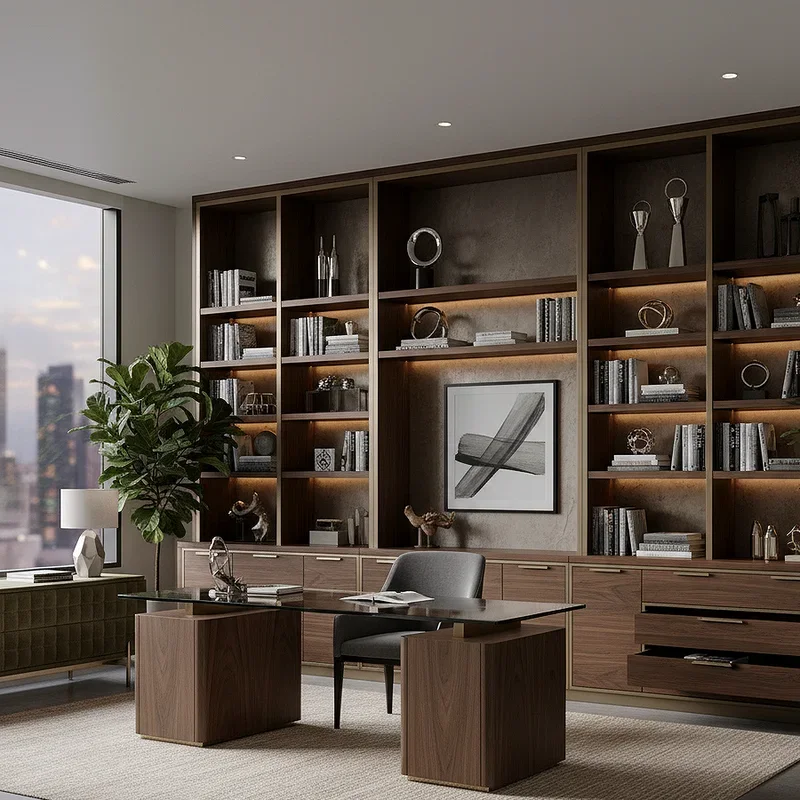
6. Create a Dedicated Meeting Area
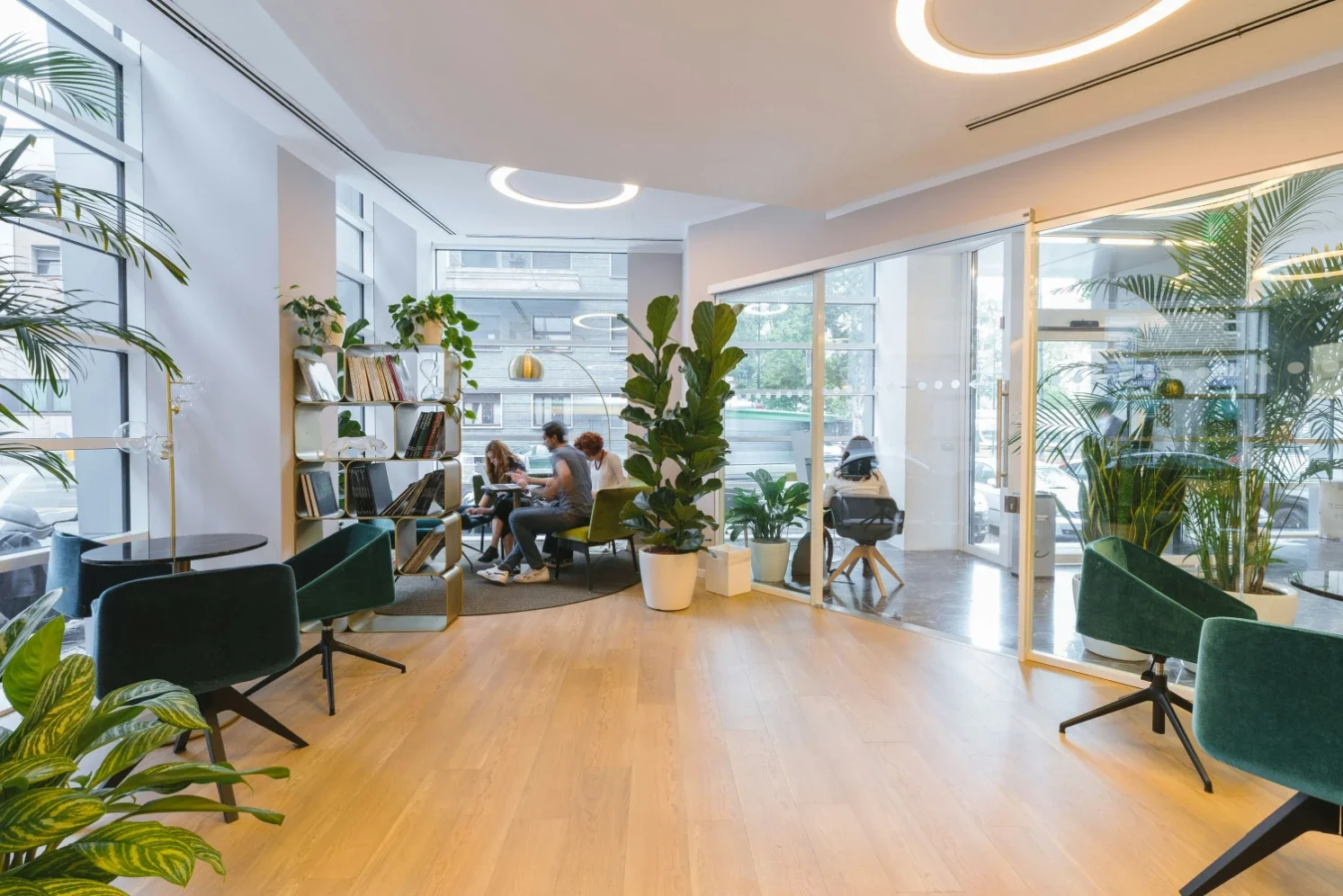
Even in your private office, having a separate meeting zone changes the dynamics of professional interactions completely. A round table encourages collaborative discussions, while a rectangular one maintains traditional hierarchy during formal presentations. Choose seating that's comfortable enough for extended discussions but professional enough to impress important clients. Position this area away from your desk to create psychological separation between your personal workspace and collaborative zones. Add a whiteboard or smart screen for brainstorming sessions and presentations. Consider the traffic flow to ensure people can move comfortably without disrupting your primary work area. Lighting should be bright enough for note-taking but adjustable for multimedia presentations. This dedicated space signals to visitors that you value their time and input, setting the stage for productive partnerships and meaningful conversations.
7. Display Art and Personal Collections
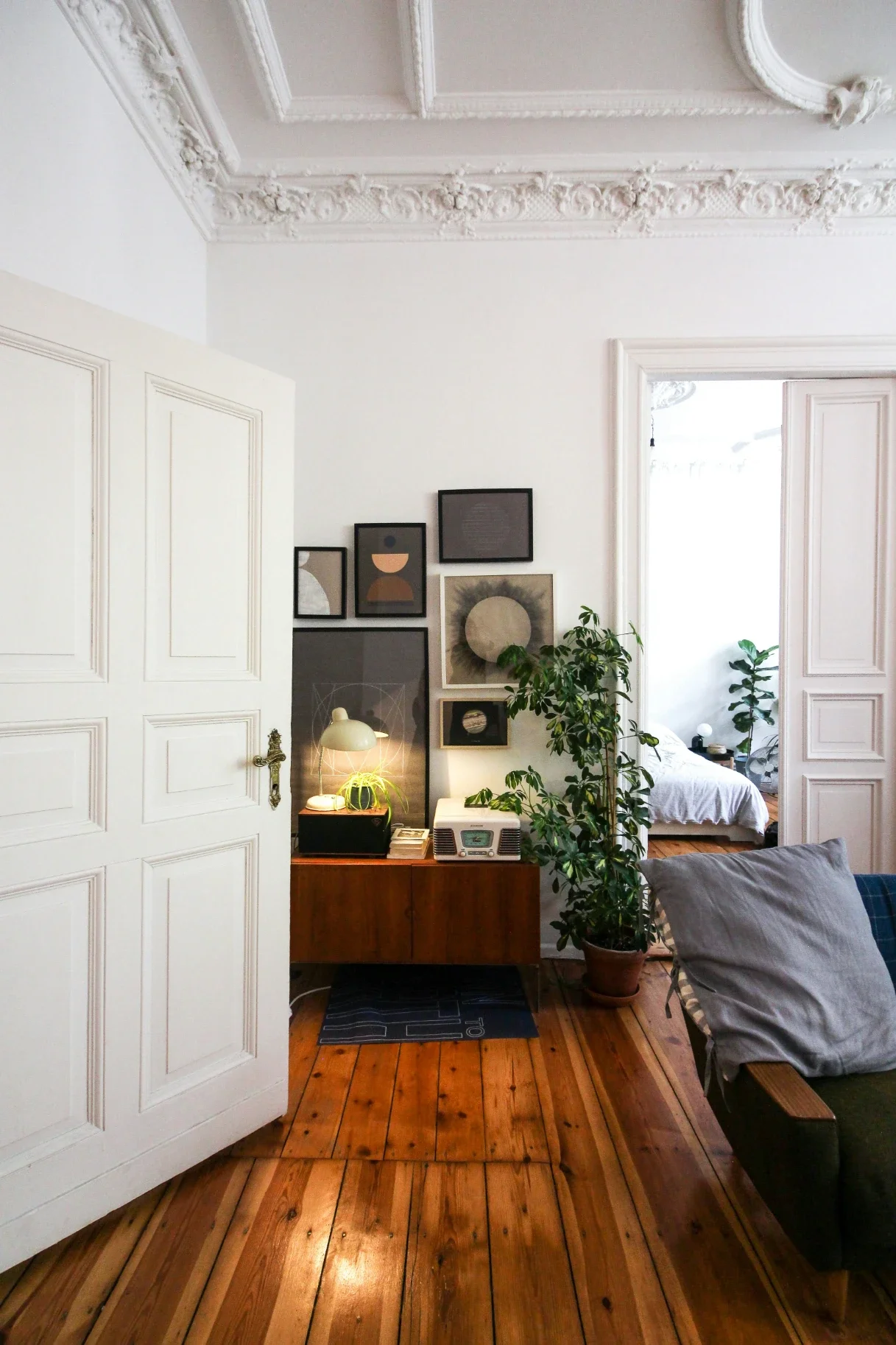
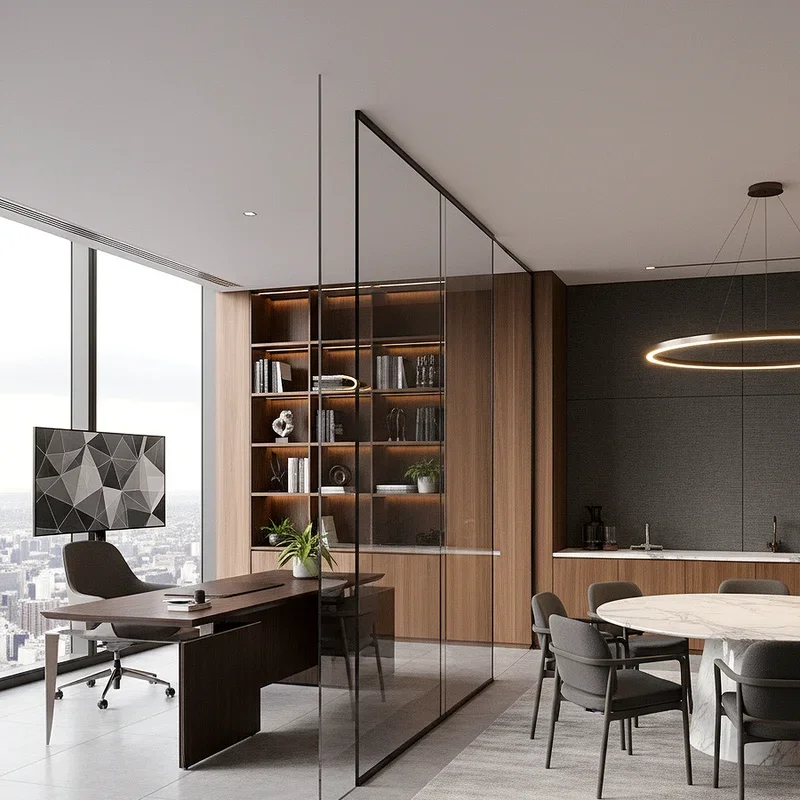
Art and personal collections inject personality into your office while maintaining professional standards. Choose pieces that spark conversation without being controversial, perhaps abstract paintings or photography that reflects your industry or interests. Rotating displays keep the space fresh and give you something new to appreciate during long workdays. Consider commissioning custom pieces that incorporate your company's values or mission. Sculptures or unique objects on floating shelves add three-dimensional interest to flat walls. Frame important patents, degrees, or professional achievements in matching frames for a cohesive gallery wall. Position artwork at eye level and use proper lighting to highlight special pieces. Remember that your displays tell a story about who you are beyond your professional achievements, helping build stronger connections with clients and colleagues who share similar interests.

8. Integrate Smart Technology Solutions
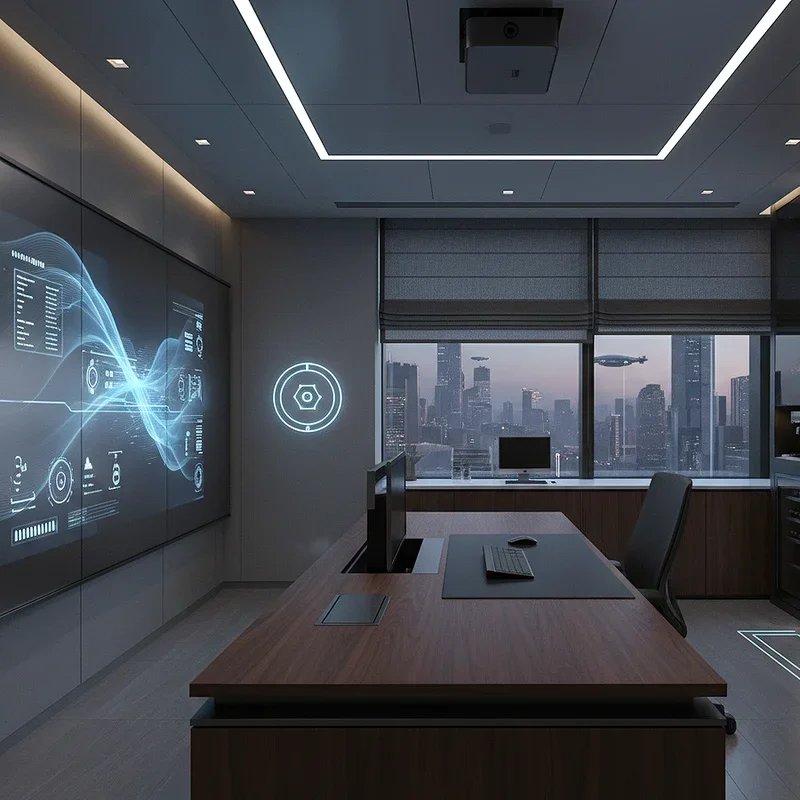
Technology should enhance your workflow without cluttering your sophisticated space. Wireless charging stations built into your desk keep devices powered without visible cables. Smart speakers enable hands-free calls and instant access to information during busy days. Install motorized window treatments controlled by voice or smartphone for instant privacy or light adjustment. Hidden monitors that rise from your desk maintain clean lines when not in use. Video conferencing equipment should be high-quality but discreet, perhaps with cameras that retract when not needed. Smart climate control ensures optimal temperature without manual adjustments. Cable management systems keep everything organized and out of sight. Consider adding a digital assistant for scheduling and reminders. These technological additions should feel seamless and intuitive, supporting your work without dominating the aesthetic you've carefully cultivated.
9. Use Premium Materials and Textures
Mixing textures creates visual interest while maintaining the sophisticated atmosphere executives need. Combine smooth leather with rough hewn wood, polished marble with soft wool carpeting, or sleek metal with plush velvet. Quality materials age gracefully, developing character over time rather than looking worn. Consider a leather desktop pad that protects your desk while adding luxury. Wool or silk area rugs define spaces and add warmth underfoot. Stone accents like marble bookends or granite coasters elevate everyday items. Brass hardware on cabinets and drawers adds timeless elegance. Linen or silk curtains filter light beautifully while adding softness to hard edges. Each material should feel intentional, contributing to the overall sensory experience of your office. These premium touches signal attention to detail and appreciation for quality that clients and colleagues will notice and remember.
10. Design a Private Library Corner
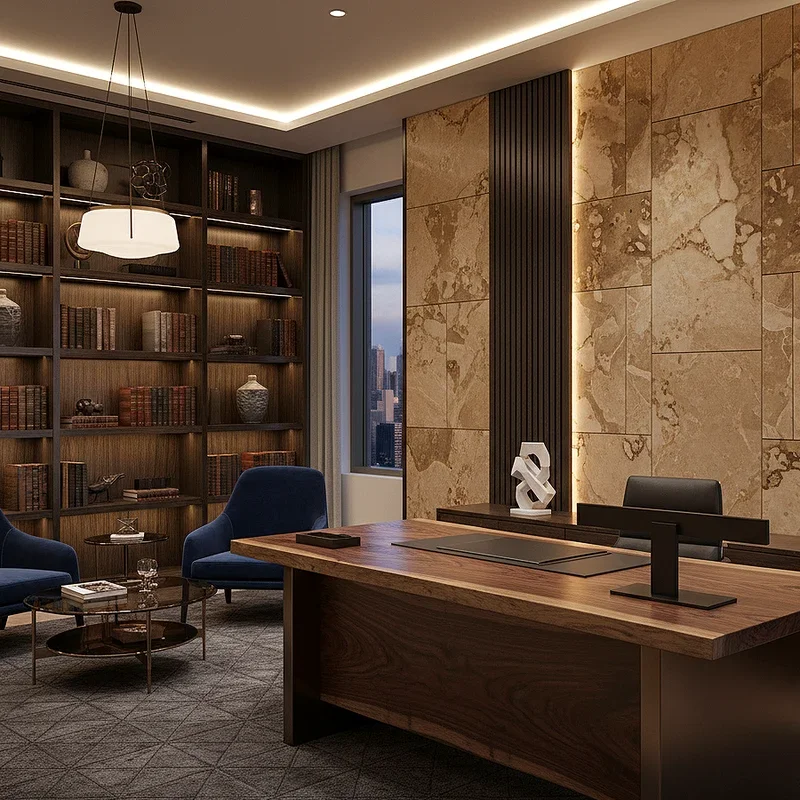
A personal library corner transforms a corner of your office into an intellectual retreat. Custom bookshelves reaching toward the ceiling create an impressive backdrop filled with professional resources and favorite reads. Add a comfortable reading chair with good task lighting for those moments when you need to dive deep into research. Organize books by color or subject for visual appeal while maintaining functionality. Include a small side table for coffee and notes during reading sessions. Consider adding a ladder for accessing higher shelves, which adds both function and classic library charm. Display special editions or signed copies prominently as conversation starters. This corner serves multiple purposes, from impressing visitors with your breadth of knowledge to providing a quiet escape during stressful days. The presence of books adds warmth and personality that softens the sometimes sterile feel of modern offices.
11. Add Living Plants and Biophilic Elements
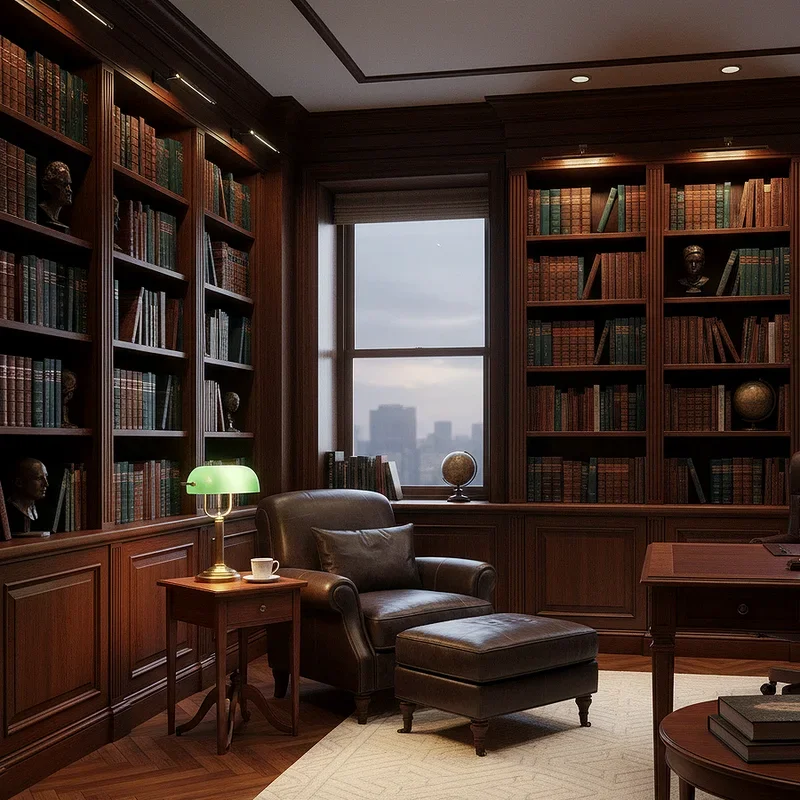
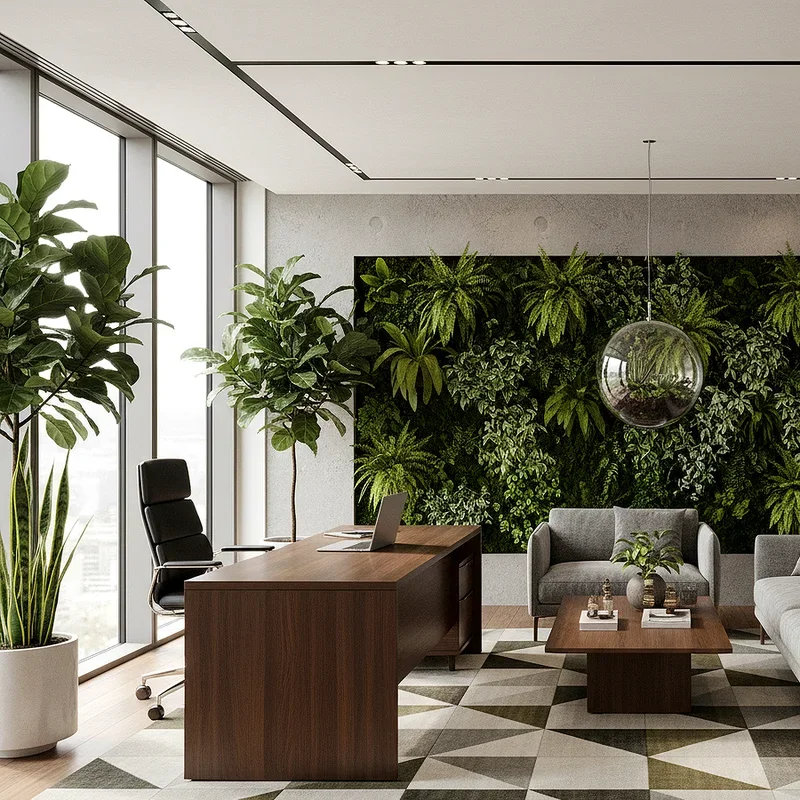
Bringing nature indoors through plants and natural elements reduces stress while improving air quality and creativity. Large statement plants like fiddle leaf figs or bird of paradise create dramatic focal points. Smaller succulents or orchids on your desk add life without demanding much maintenance. Consider a living wall or vertical garden for maximum impact in minimal floor space. Natural wood elements, stone accents, and water features enhance the biophilic design concept. Choose planters that complement your office aesthetic, whether sleek modern ceramics or traditional brass containers. Position plants near natural light sources or invest in grow lights for darker corners. Seasonal flowers in elegant vases add color and fragrance that changes throughout the year. These natural elements create a more inviting atmosphere that helps you and visitors feel more relaxed and connected to the environment.
12. Install Acoustic Solutions for Privacy
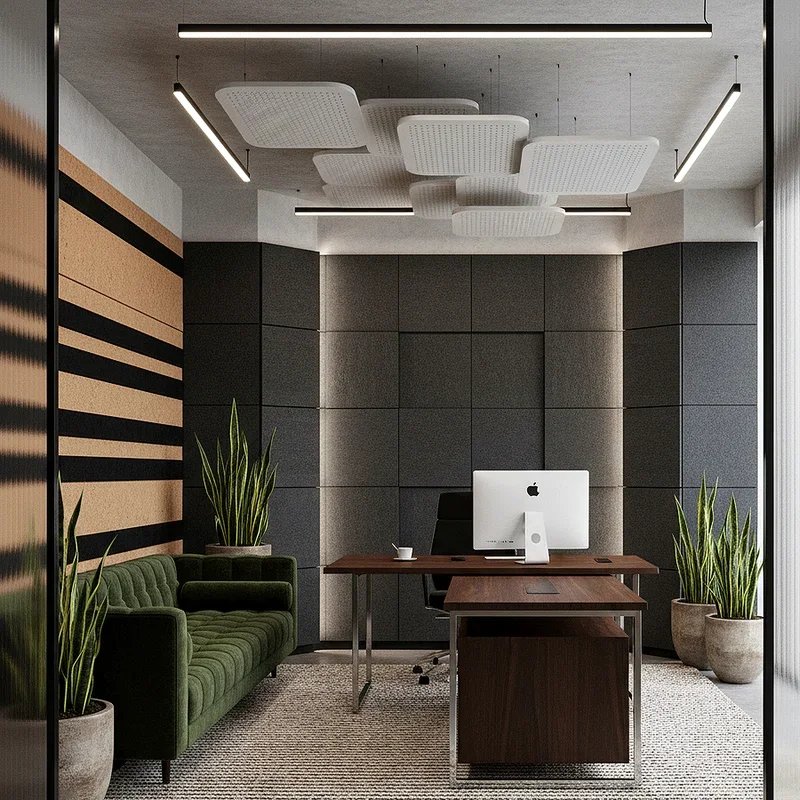
Sound management in executive offices goes beyond simple privacy to create an environment conducive to focused work and confidential conversations. Acoustic panels disguised as artwork absorb excess noise while adding visual interest to walls. Thick carpeting or strategic area rugs reduce footfall noise and echo. Consider double-pane windows if external noise poses problems, or add heavy curtains that serve double duty as sound barriers. White noise machines or subtle water features mask distracting sounds without being obtrusive themselves. Upholstered furniture absorbs sound better than hard surfaces, contributing to overall acoustic comfort. Door seals and threshold strips prevent sound leakage during sensitive calls. Bookshelf placement along shared walls creates natural sound barriers. These solutions ensure your conversations remain private while creating a quieter environment that promotes concentration and reduces stress throughout your workday.
13. Create a Comfortable Lounge Zone
Sometimes the best ideas come when you step away from your desk and relax in a different setting. A small lounge area with a comfortable sofa or pair of armchairs provides space for informal meetings or solo thinking time. Choose furniture that complements your office style while offering genuine comfort for extended sitting. Add a coffee table for drinks and reading materials, keeping the scale appropriate for your space. Soft throw pillows and a cashmere blanket add luxury while making the space more inviting. This zone works perfectly for casual Friday afternoon meetings or when you need a change of scenery while reviewing documents. Position it near a window if possible, creating a naturally lit retreat within your office. The lounge area signals to visitors that you value comfort and understand that not all business happens behind a desk.

14. Incorporate a Personal Coffee Station
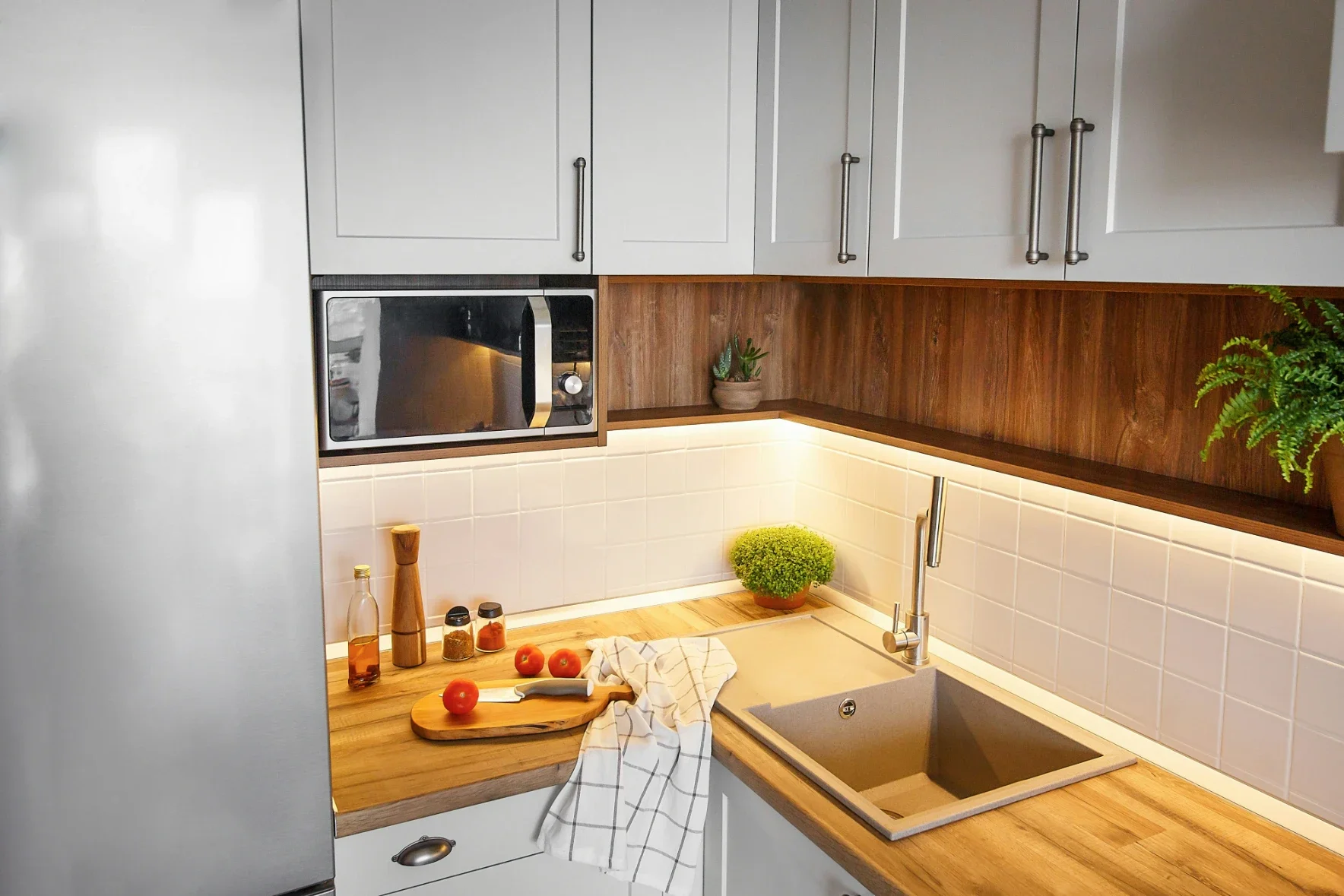
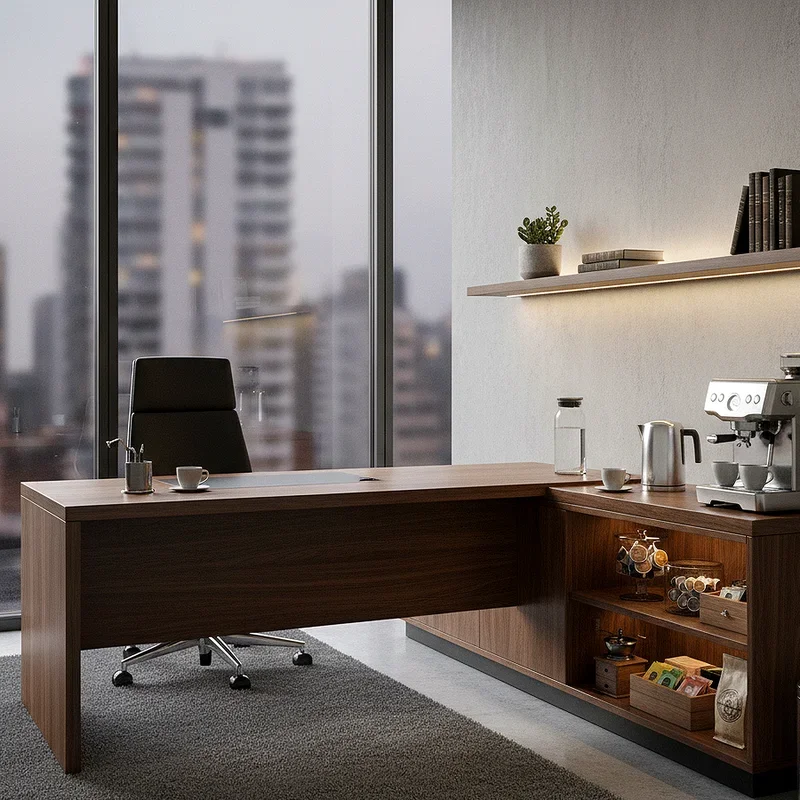
A well-appointed coffee station eliminates interruptions while adding a hospitality element that impresses visitors. Choose a sleek espresso machine or coffee maker that matches your office aesthetic. Include a small refrigerator for cream and cold beverages, hidden within cabinetry if possible. Display quality cups and saucers on floating shelves or in glass-front cabinets. Add a water cooler or filtered water system for tea and hydration throughout the day. Store premium coffee beans or tea selections in attractive containers that double as decor. Include a small sink if plumbing allows, making cleanup convenient and maintaining independence from office kitchens. Position this station away from main work areas but easily accessible during meetings. This personal touch shows attention to detail while providing the fuel needed for long days and important negotiations without leaving your office sanctuary.
15. Design with Flexible Layout Options
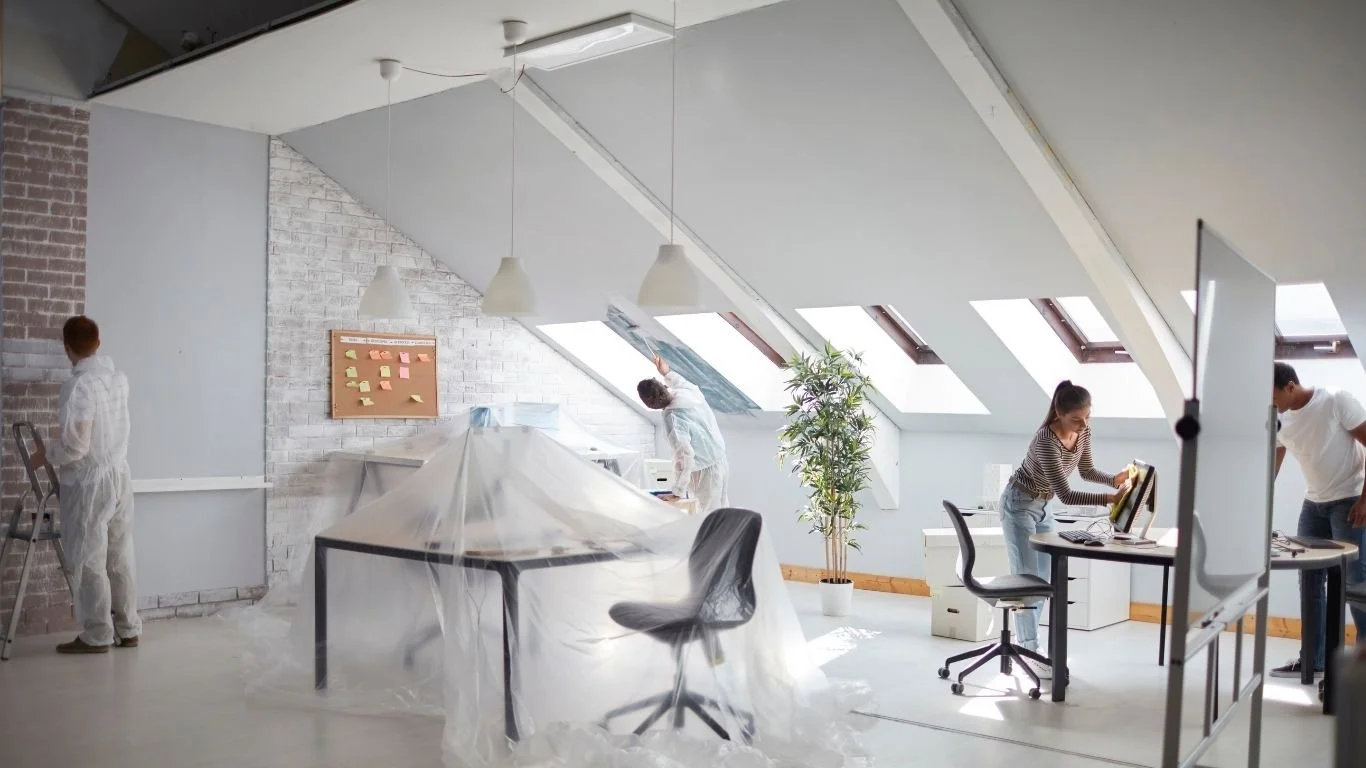
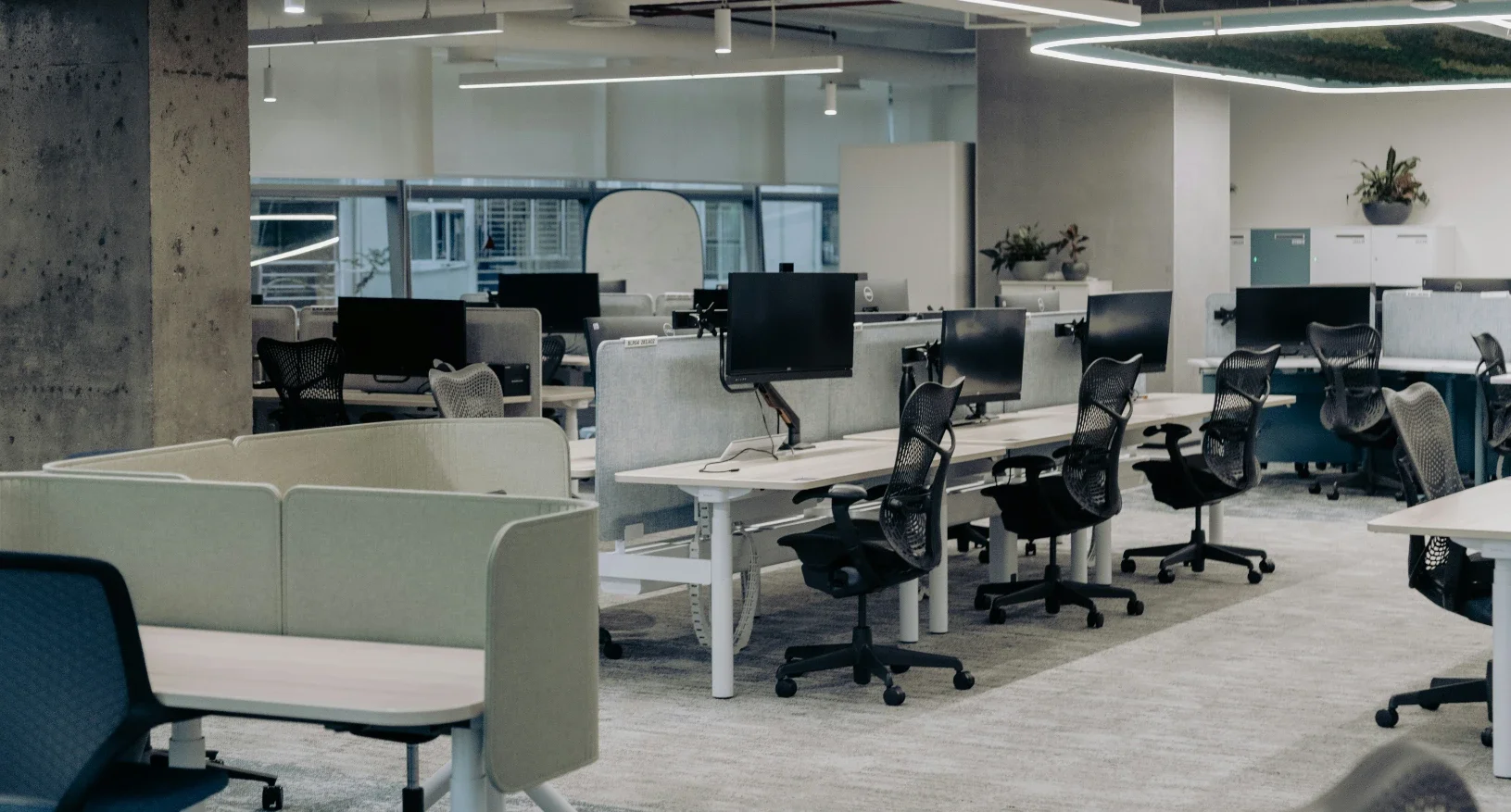
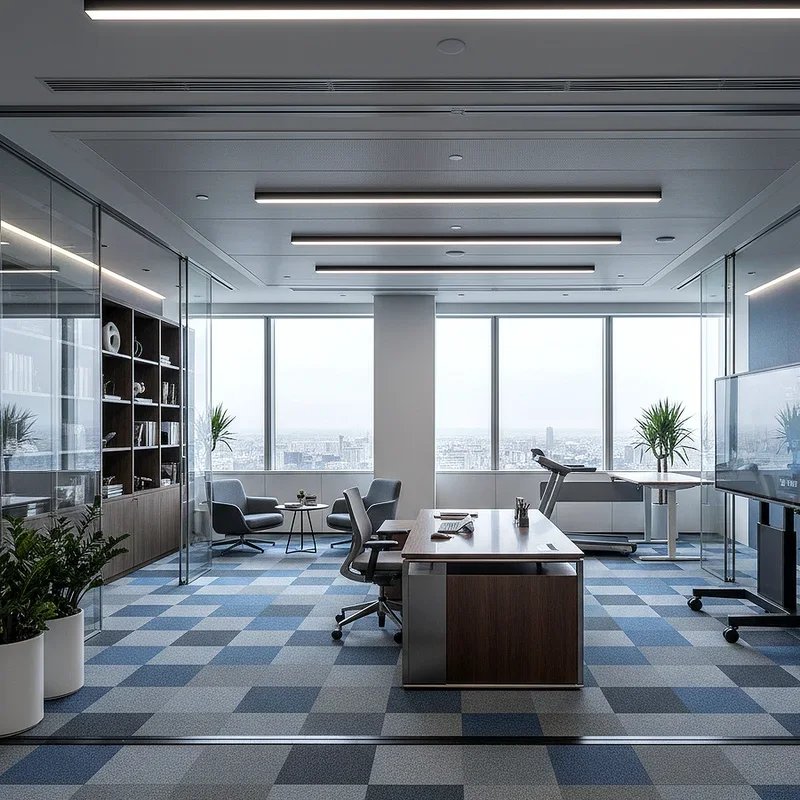
Flexibility in office design ensures your space adapts to changing needs without major renovations. Choose modular furniture that reconfigures easily for different meeting sizes or work styles. Mobile filing cabinets double as extra surfaces when needed. Adjustable shelving accommodates varying storage needs as your business evolves. Consider furniture on wheels that locks in place but moves when necessary. Foldable or expandable tables provide extra workspace for large projects without permanently consuming floor space. Use room dividers or curtains to create temporary private areas for sensitive conversations. Ensure electrical outlets and data ports exist throughout the space, eliminating limitations on furniture placement. This adaptability means your office grows with your career, accommodating new technology, team expansions, or shifting work patterns without starting from scratch. Planning for flexibility from the beginning saves money and hassle while keeping your office fresh and functional.
Conclusion
Transforming your executive office into a sophisticated, functional workspace doesn't happen overnight, but these fifteen ideas provide a roadmap to success. Each element, from your statement desk to flexible layouts, contributes to an environment that inspires productivity and commands respect. Remember, your office reflects your professional identity and influences how others perceive your leadership. Whether you implement all these ideas or select those that resonate most, the key lies in creating a cohesive space that supports your work style while impressing clients and colleagues.
Read next: 15 Executive Office Ideas for Modern Professional Spaces
Frequently Asked Questions
Q1: What's the ideal size for an executive office?
A: Typically 200 to 400 square feet provides ample space.
Q2: How much should I budget for office furniture?
A: Plan to invest between fifteen and thirty thousand dollars.
Q3: Which desk material is most durable?
A: Solid hardwood desks last decades with proper care.
Q4: Should I hire an interior designer?
A: Designers maximize space efficiency and ensure cohesive professional aesthetics.
Q5: How often should I update my office design?
A: Refresh your space every five to seven years typically.
Stay up to date with our latest ideas!