15 Office Library Ideas to Elevate Your Work and Reading Area
Transform your workspace with these 15 stunning office library ideas that blend productivity with literary charm perfectly.
Have you ever walked into a room and felt instantly inspired to pick up a book or dive into your work? That magical feeling comes from a thoughtfully designed office library, a space where productivity meets passion for reading. Creating the perfect home office library is like crafting your own personal sanctuary where deadlines feel less daunting and books become trusted companions during coffee breaks. Whether you work from home full-time or simply need a quiet corner for weekend projects, blending workspace functionality with the cozy charm of a personal library can transform how you approach both work and leisure. In this comprehensive guide, we will explore fifteen brilliant ideas that will help you design an office library that not only impresses visitors but also genuinely improves your daily routine and mental well-being.
1. Floor to Ceiling Built-In Bookshelves
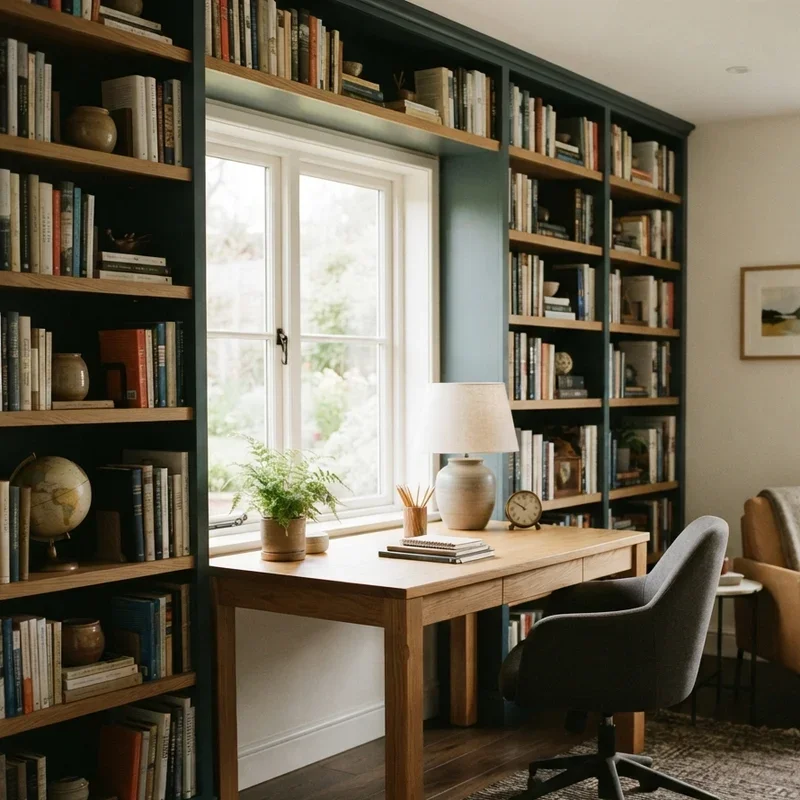
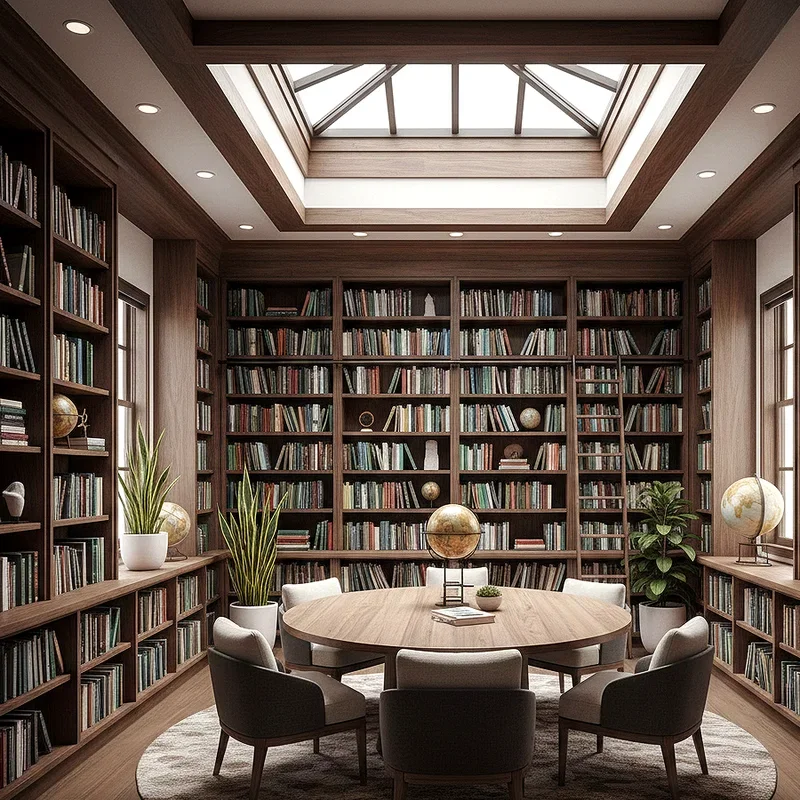
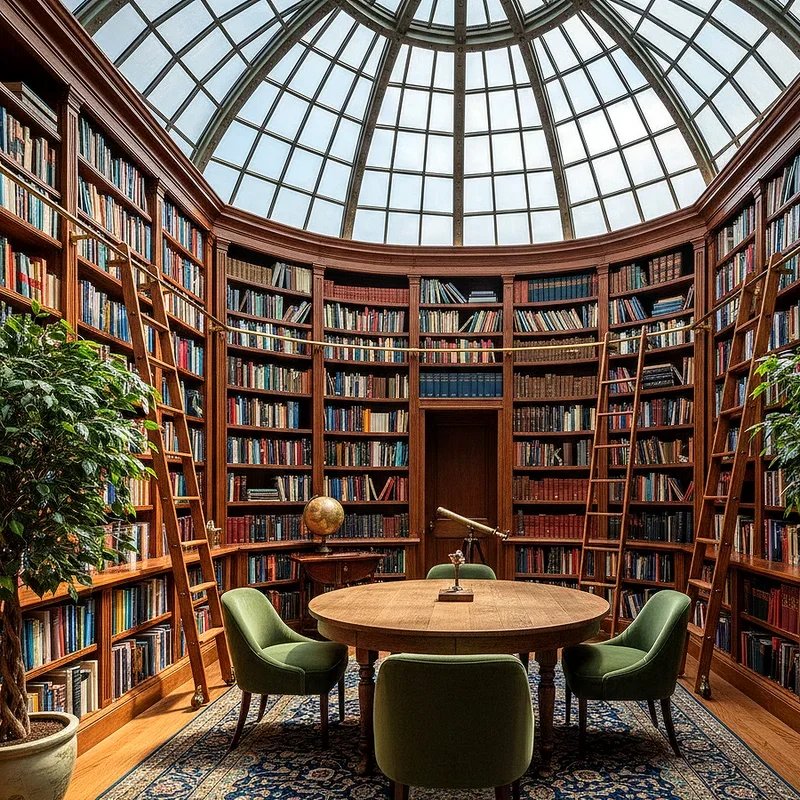
Nothing quite matches the grandeur of floor to ceiling built-in bookshelves that transform an ordinary room into a distinguished personal library. These architectural features maximize every inch of vertical space while creating a stunning visual statement that immediately communicates sophistication and intellectual curiosity. When you invest in custom built-ins, you gain storage capacity that freestanding bookcases simply cannot match, and the seamless integration with your walls creates a polished, intentional look. Consider incorporating varying shelf heights to accommodate different book sizes and decorative objects, breaking up the visual monotony while maintaining functionality. The beauty of built-ins lies in their permanence, they become part of your home's character and significantly increase property value while serving your daily organizational needs perfectly.
2. The Classic Rolling Ladder Addition
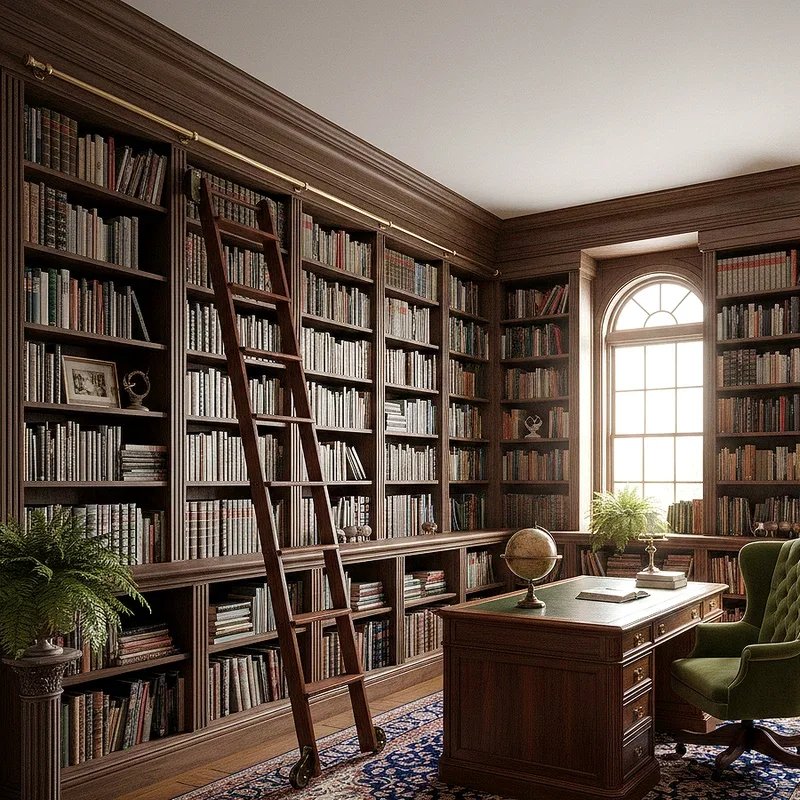
Adding a rolling ladder to your office library instantly transports the space into something straight out of a classic novel or prestigious university study. This functional accessory does more than help you reach high shelves, it injects personality and whimsy into your workspace while solving a practical problem elegantly. Picture yourself sliding gracefully along your book collection, coffee in hand, searching for that perfect reference volume or beloved novel for your lunch break. Rolling ladders come in numerous styles, from sleek modern designs to ornate traditional options, allowing you to match your existing decor while making a statement. The theatrical element they add transforms mundane book retrieval into a small daily pleasure that makes working from home feel special.
3. Cozy Reading Nook Integration
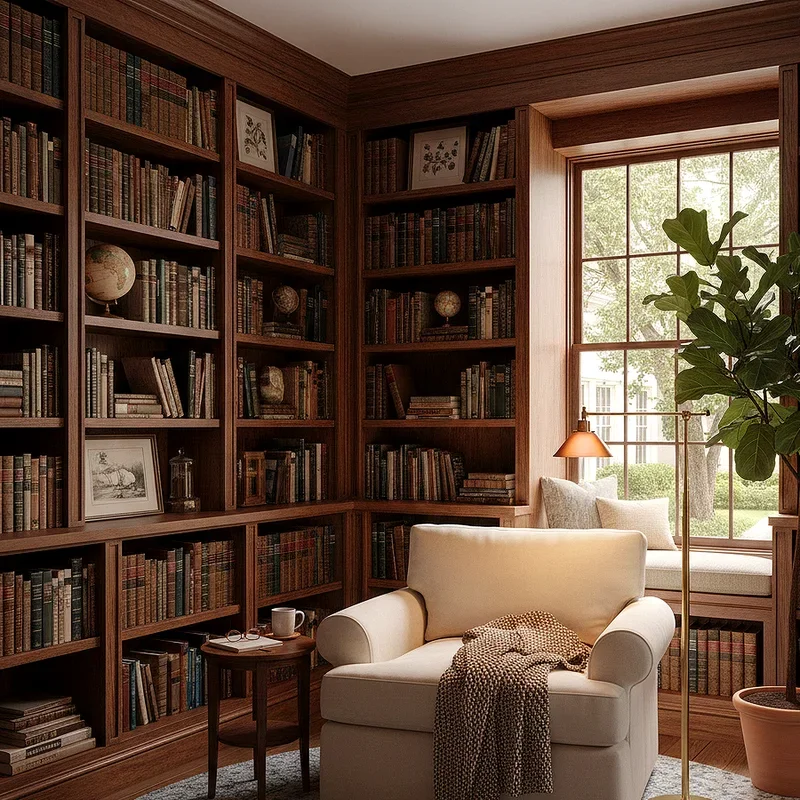
Every proper office library deserves a dedicated reading nook where you can escape from spreadsheets and emails into the pages of your favorite books during well-deserved breaks. Creating this intimate space within your larger office area establishes clear boundaries between focused work and relaxing reading time, which actually improves productivity in both activities. Think of it as building a small retreat within your retreat, perhaps a window seat with plush cushions, a corner armchair with perfect lighting, or even a small daybed for longer reading sessions. The key is making this spot feel distinctly different from your desk area through texture, positioning, and comfort level. When you have a designated reading space calling your name, taking mental breaks becomes more appealing and effective.
4. Minimalist Floating Shelf Design
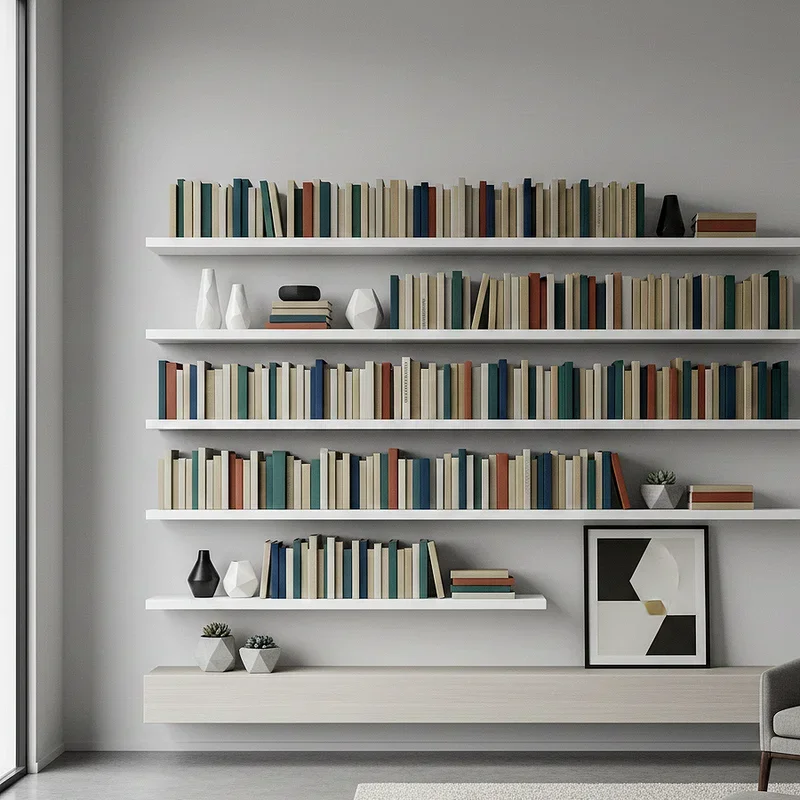
For those who prefer clean lines and uncluttered aesthetics, minimalist floating shelves offer an elegant solution that keeps your book collection visible without overwhelming the space. These sleek installations appear to hover magically on your walls, creating visual interest through simplicity rather than ornate details or bulky furniture pieces. The beauty of floating shelves lies in their versatility, you can arrange them in creative patterns, vary heights and lengths, and easily reconfigure as your collection grows or your taste evolves over time. This approach works exceptionally well in smaller office spaces where traditional bookcases might feel cramped or imposing, allowing natural light to flow freely throughout the room. Remember that with minimalism, every item on display becomes a deliberate choice deserving thoughtful consideration and placement.
5. Vintage Library Aesthetic
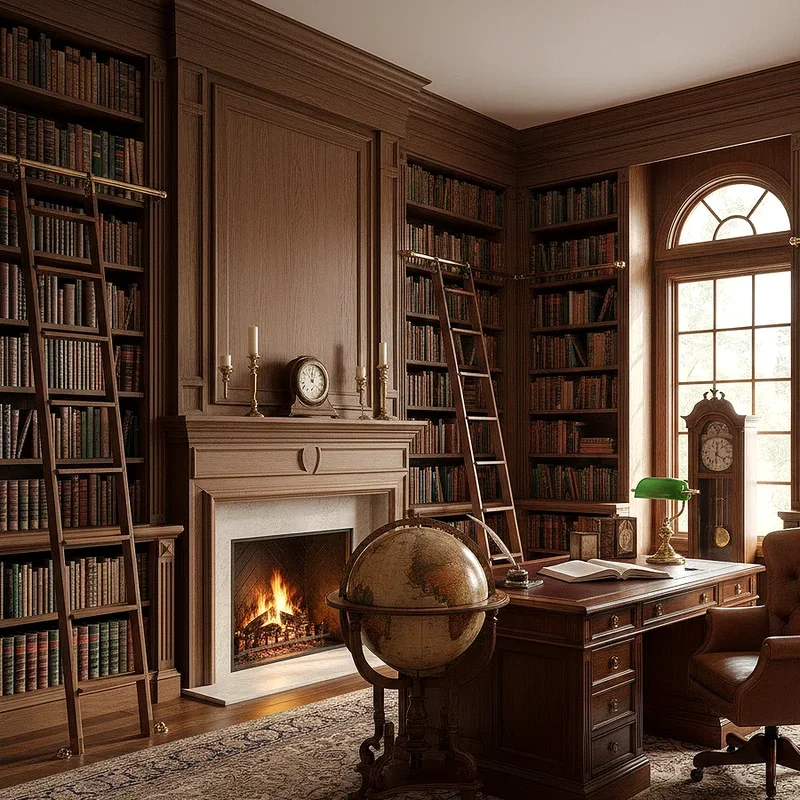
Embracing a vintage library aesthetic wraps your office in warmth and nostalgia, creating an atmosphere that encourages deep thinking and careful craftsmanship in your work. Dark wood tones, brass fixtures, leather-bound books, and antique accessories combine to evoke the prestigious libraries of grand estates and historic universities around the world. This style choice communicates permanence and tradition, suggesting that the work done within these walls carries weight and importance beyond fleeting digital communications and quick email replies. Hunt for authentic vintage pieces at estate sales, antique shops, and online marketplaces to build genuine character rather than relying entirely on reproduction items. The patina of age on furniture and accessories tells stories that new items simply cannot replicate, adding depth to your personal workspace.
6. Modern Industrial Style Approach
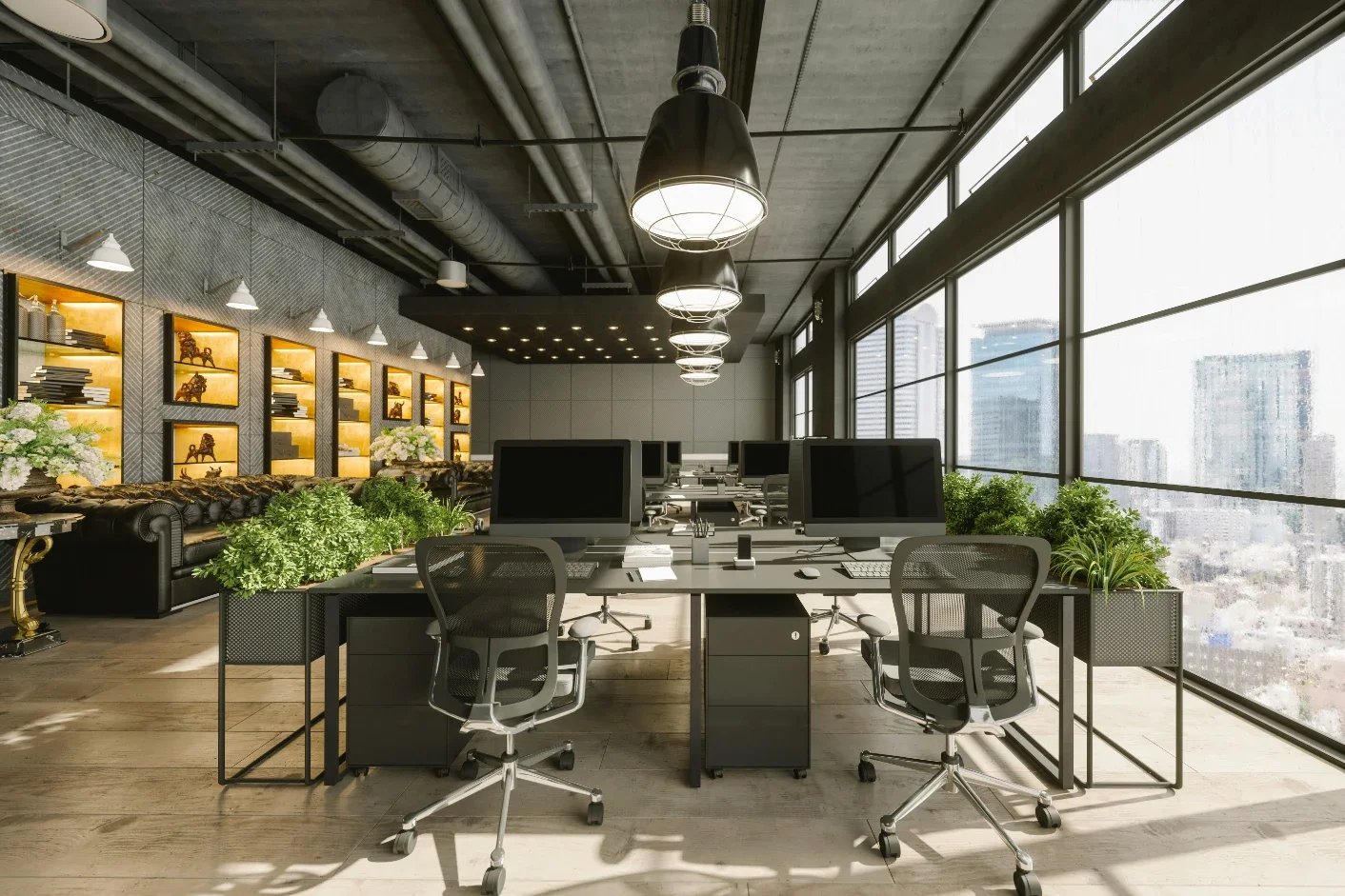
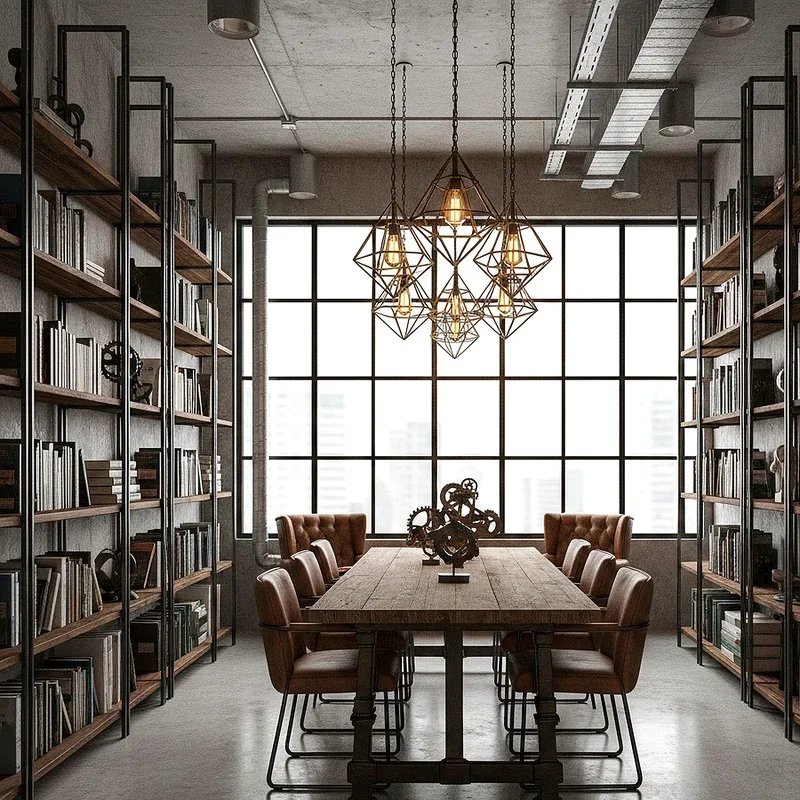
The modern industrial approach combines raw materials like exposed brick, metal piping, and reclaimed wood to create an office library with urban sophistication and creative energy throughout. This aesthetic particularly suits professionals in design, technology, and creative industries who want their workspace to reflect innovative thinking and unconventional approaches to problem-solving. Metal and wood bookshelves with visible hardware create honest, unpretentious storage solutions that celebrate functionality while maintaining strong visual appeal and contemporary relevance in current design trends. Concrete elements, whether actual or faux finished, add weight and substance that ground the space while providing neutral backdrops for colorful book spines. The industrial style embraces imperfection and celebrates the beauty of materials in their most authentic, utilitarian forms without unnecessary decoration.
7. Natural Light Maximization Strategy
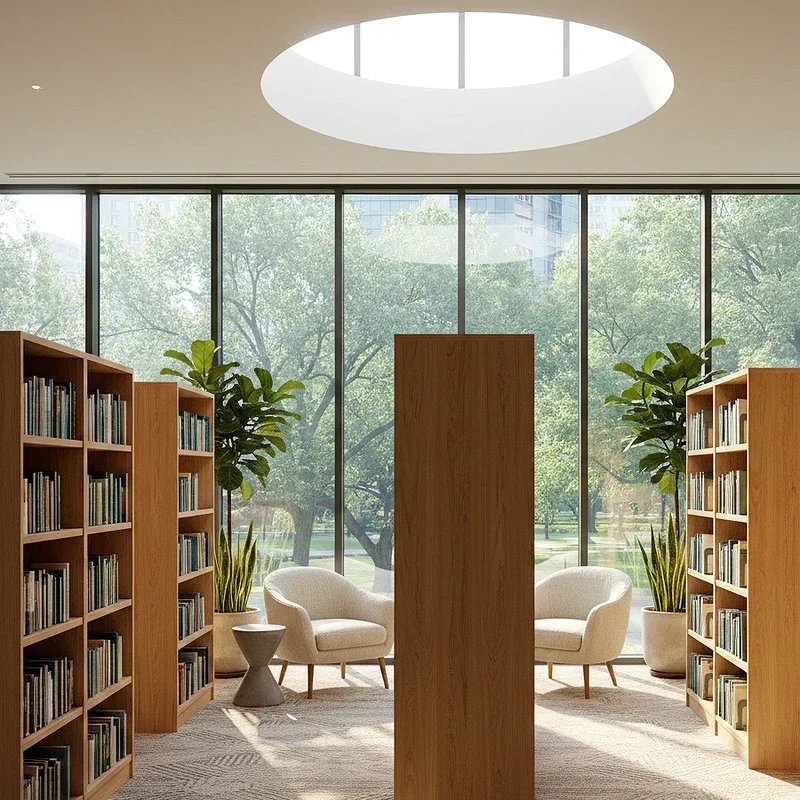
Prioritizing natural light in your office library design does far more than reduce electricity bills, it fundamentally improves your mood, energy levels, and overall work performance throughout each day. Position your primary workspace near windows while arranging bookshelves to avoid blocking precious sunlight from reaching your desk and reading areas during prime working hours. Consider how light moves through the space at different times, planning furniture placement to capture morning energy or afternoon warmth depending on your personal preferences and work schedule. Sheer curtains or adjustable blinds give you control over glare without sacrificing brightness, protecting your books from sun damage while maintaining that coveted sunlit atmosphere. A well-lit library feels alive and welcoming, naturally drawing you in and keeping you engaged with your tasks and reading materials.
8. Comfortable Seating Arrangements
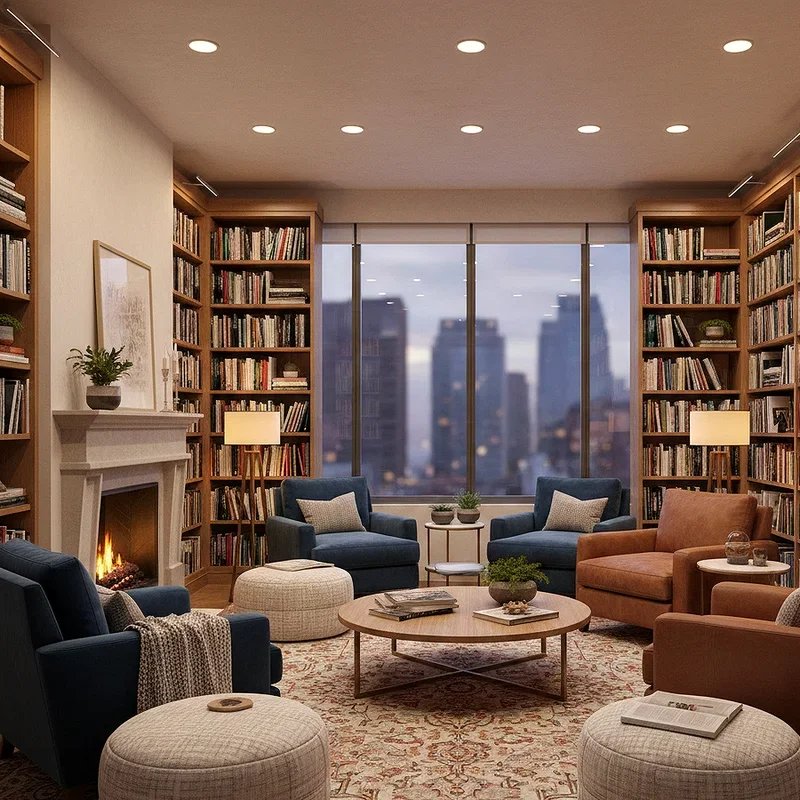
Your seating choices can make or break the usability of your office library, determining whether the space becomes a daily destination or an underutilized showpiece collecting dust. Invest in an ergonomic desk chair that supports long working hours without causing physical strain, but also include a separate comfortable option for reading that encourages relaxation and different postures. The contrast between work seating and leisure seating helps your brain switch modes, making transitions between tasks feel more natural and complete each time you move between activities. Consider armchairs with good back support, ottomans for putting your feet up during reading sessions, or even a small sofa for extended research projects that require spreading out materials. Quality seating represents an investment in your health, productivity, and daily enjoyment of this special space you have created.
9. Smart Storage Solutions
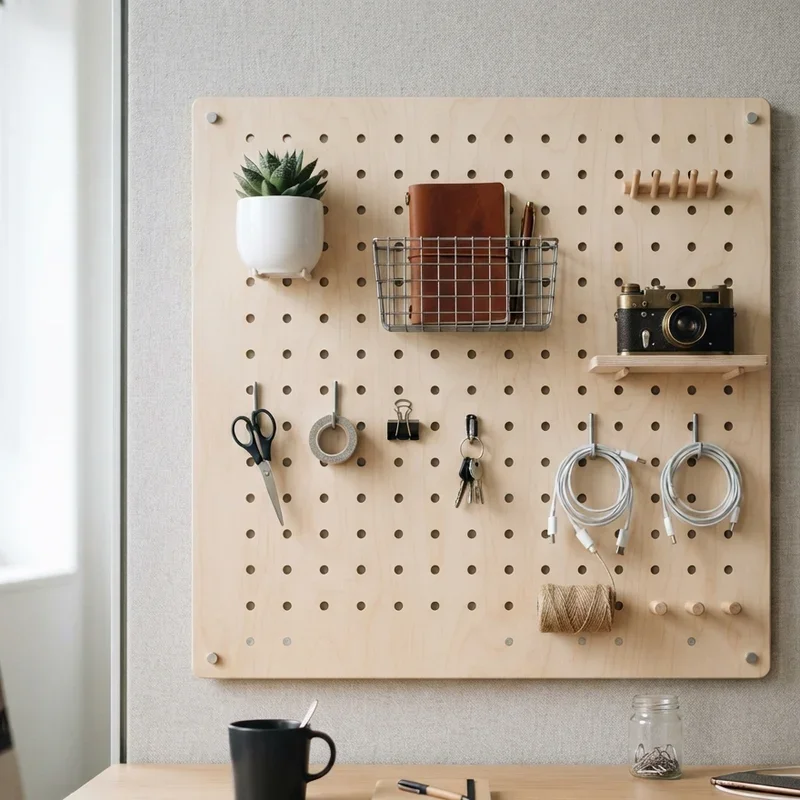
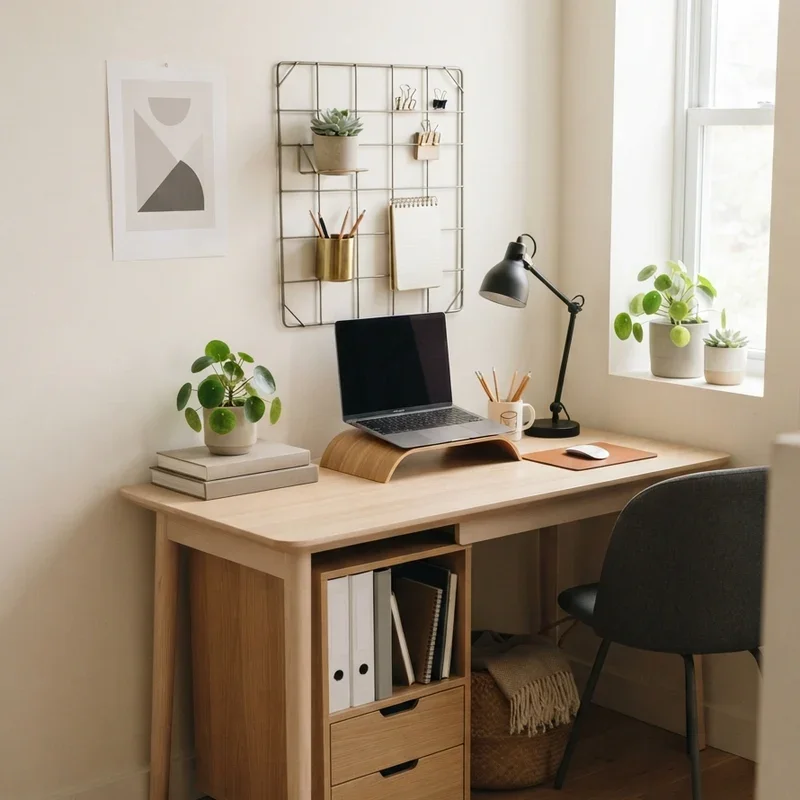
Beyond traditional bookshelves, incorporating smart storage solutions keeps your office library organized and functional without sacrificing aesthetic appeal or wasting valuable square footage. Think about cabinet bases beneath open shelving for hiding less attractive office supplies, decorative boxes for corralling small items, and drawer units integrated into your desk area. File organization systems, magazine holders, and document trays maintain order among the paperwork that inevitably accumulates in any working space, preventing clutter from overwhelming your carefully curated book displays. Vertical organizers and wall-mounted systems take advantage of otherwise unused space while keeping frequently needed items within arm's reach during busy workdays. The best storage solutions disappear into your design scheme, working quietly behind the scenes to maintain the peaceful, organized environment essential for productive work.
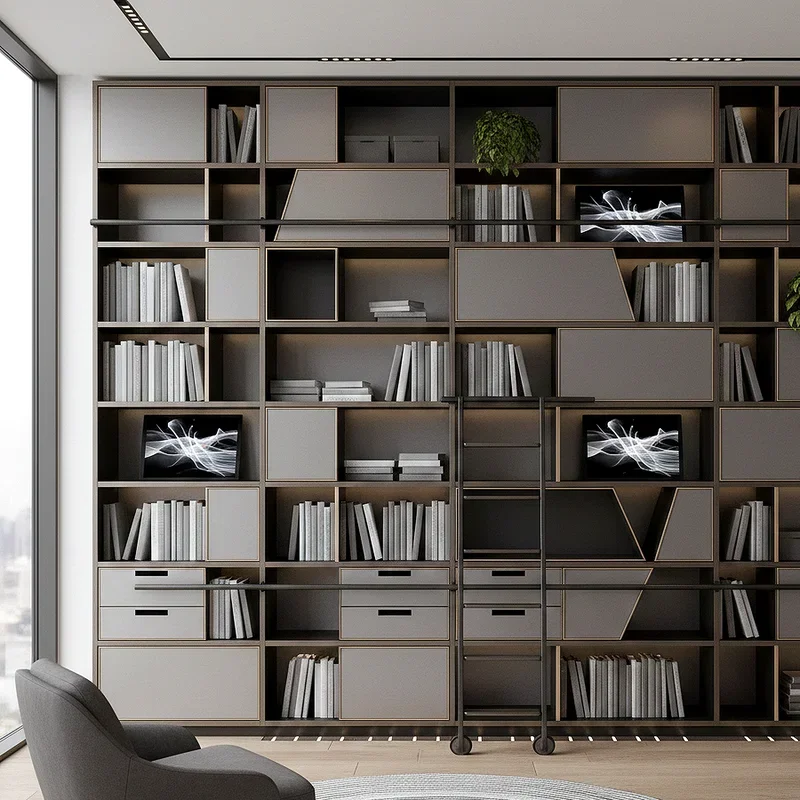
10. Color Coordination and Theme Selection
Choosing a cohesive color palette transforms your office library from a random collection of furniture and books into a thoughtfully designed space with visual harmony throughout. Consider whether you want warm tones that create cozy intimacy or cool colors that promote calm focus, then select paint, furniture, and accessories that support your chosen direction. Your book spines themselves become part of the color story, and some designers even arrange collections by color for maximum visual impact, though others prefer traditional organizational methods. Accent colors can highlight specific areas, draw attention to favorite collections, or add energy to neutral base palettes without overwhelming the overall calming atmosphere essential for focused work. Remember that the goal is creating a backdrop that supports rather than distracts from both productive work sessions and relaxing reading time.
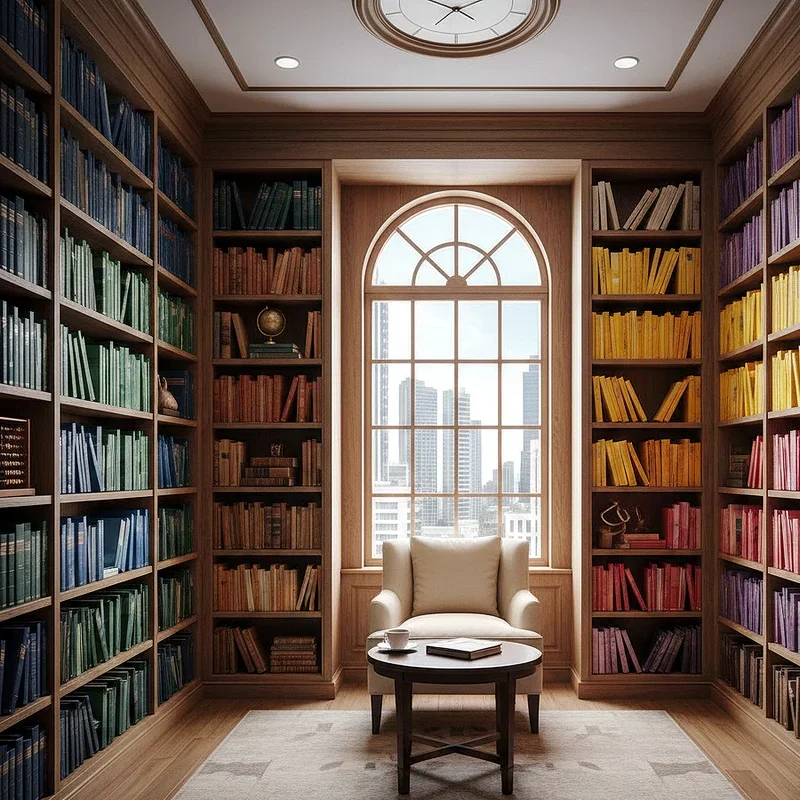
11. Incorporating Green Plants and Natural Elements
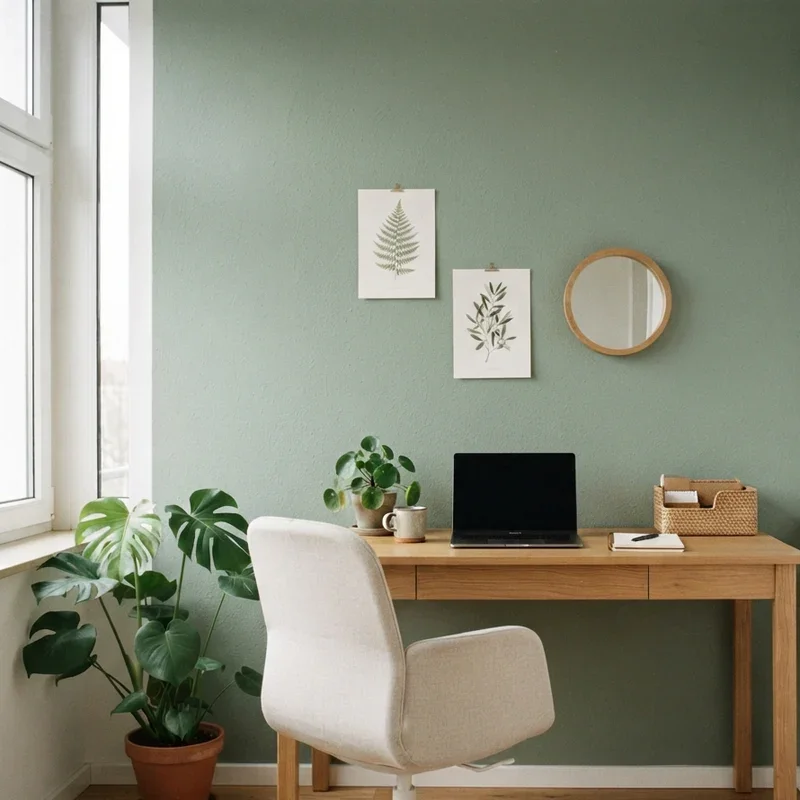
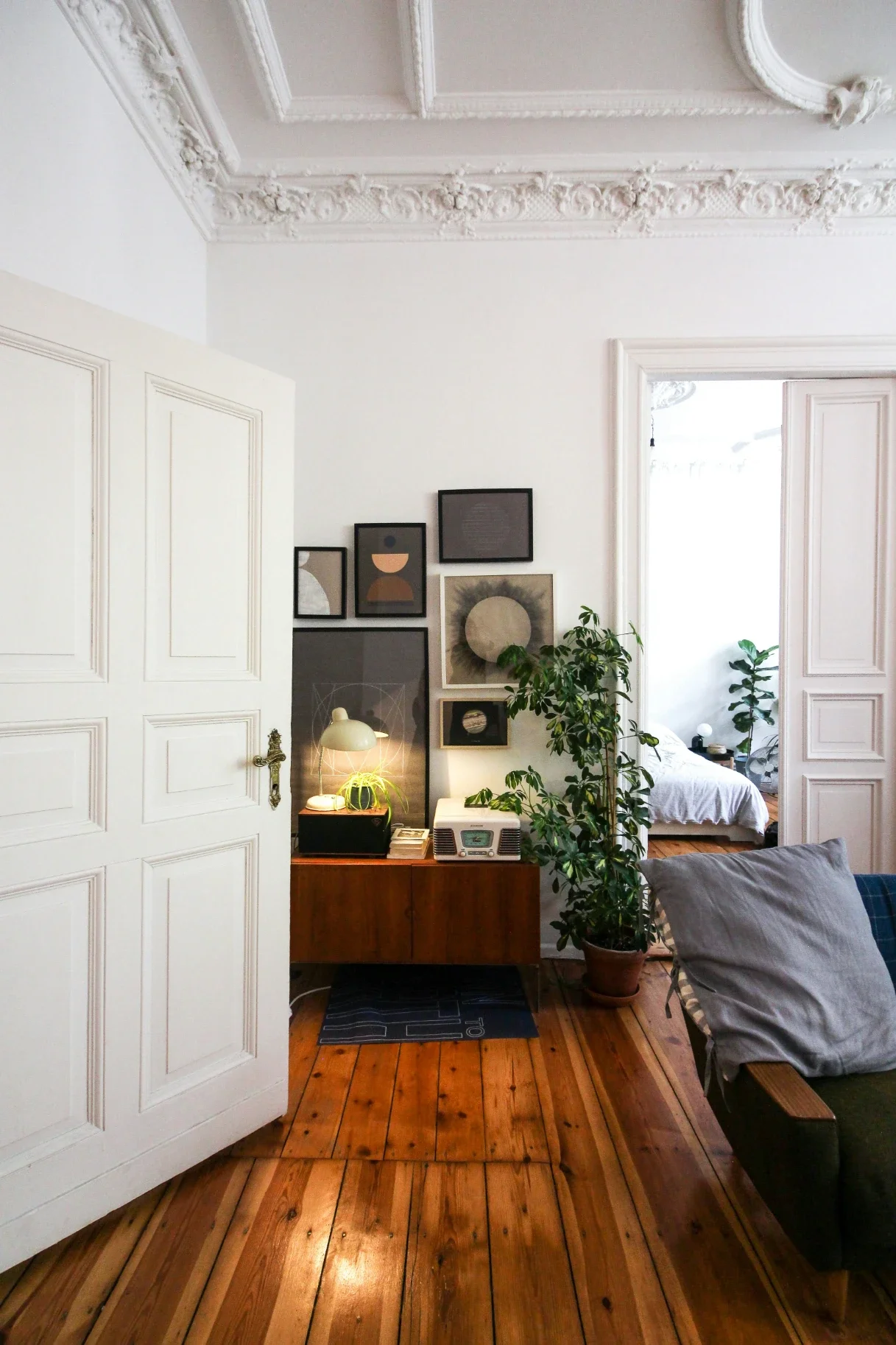
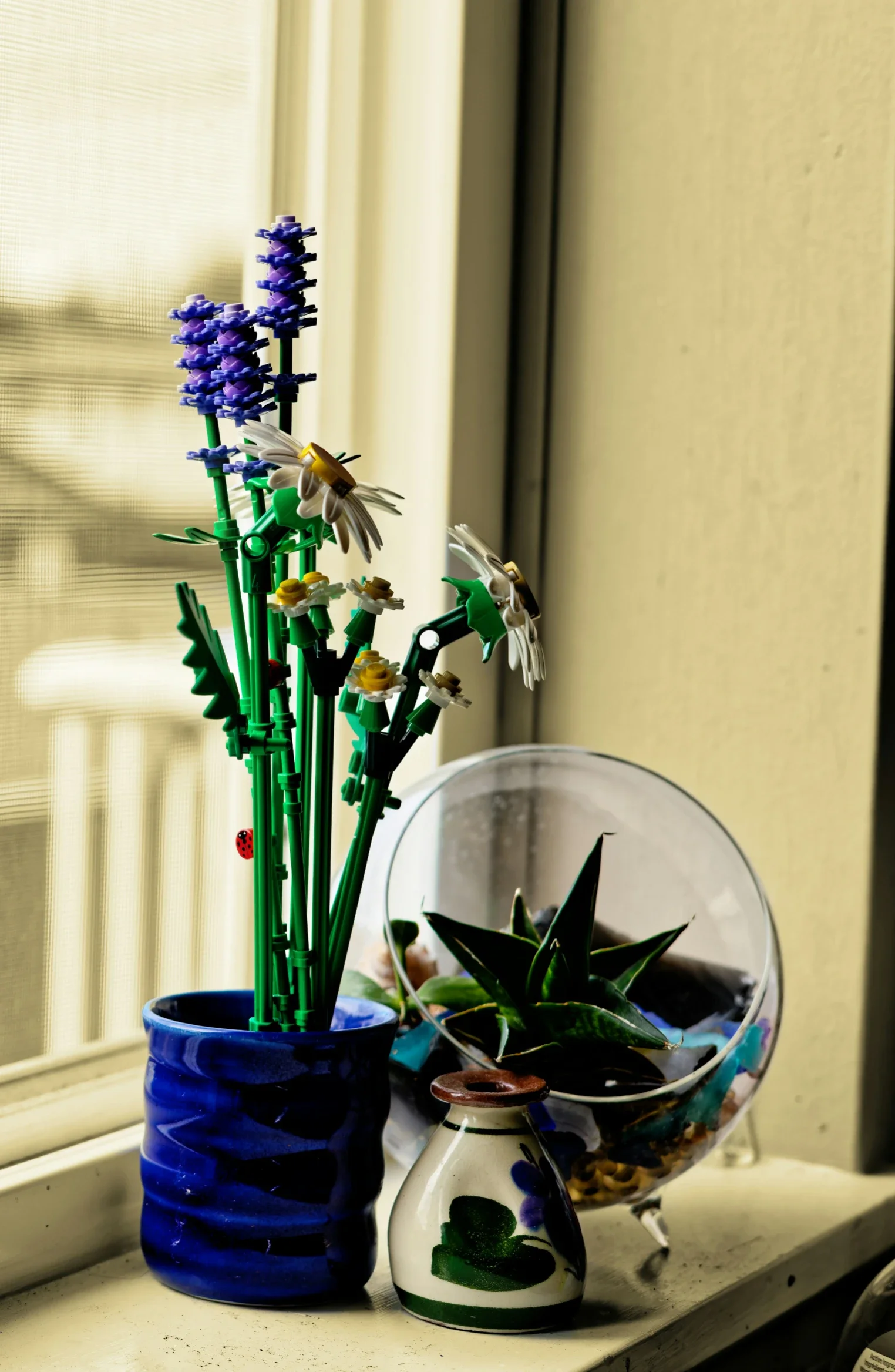
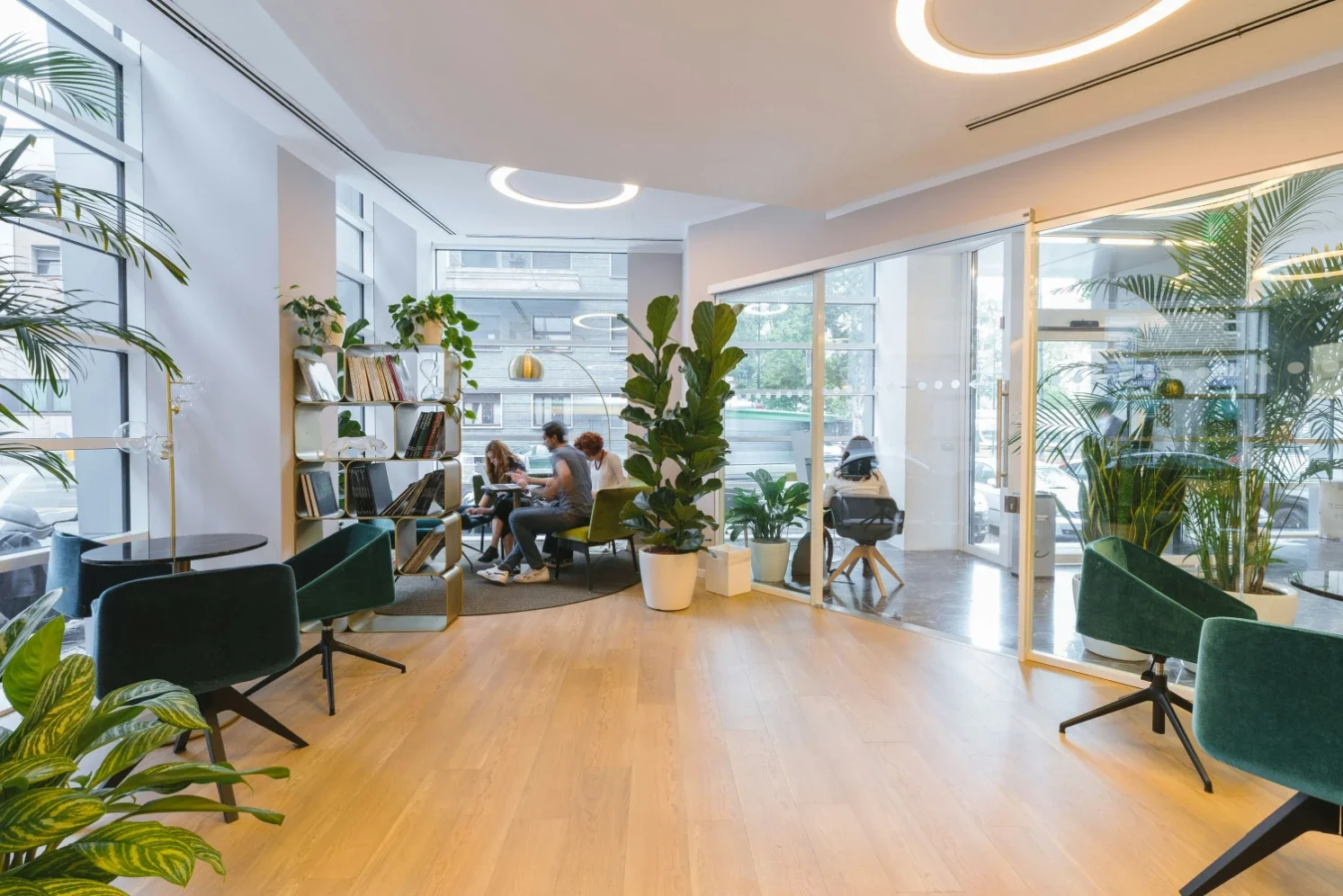
Bringing living plants into your office library adds oxygen, reduces stress, and creates visual connections to the natural world that humans instinctively find calming and restorative. Choose low-maintenance varieties like pothos, snake plants, or philodendrons if you tend to forget watering schedules, or embrace the challenge of more demanding specimens if gardening brings you joy. Position larger floor plants in corners to soften architectural angles, place trailing varieties on high shelves where their vines can cascade dramatically, and keep small succulents on your desk for close-up appreciation during work breaks. Beyond plants, consider incorporating natural materials like wood, stone, rattan, and linen throughout your design to reinforce organic connections and warm the space. These elements remind us that even during intensive mental work, we remain connected to the living world beyond our books and screens.
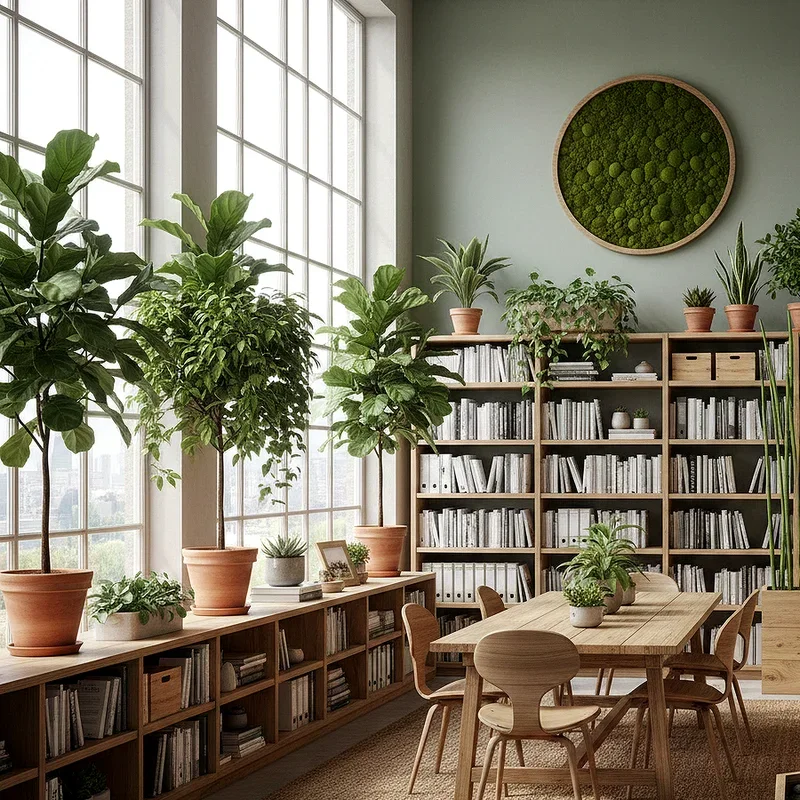
12. Task Lighting and Ambient Illumination
Proper lighting design requires layering different light sources to serve various activities within your office library, from focused desk work to relaxed evening reading and everything between. Your desk absolutely requires dedicated task lighting, a quality lamp that illuminates your work surface without creating glare on screens or causing eye strain during long hours. Ambient overhead lighting sets the general mood and brightness level, while accent lights can highlight architectural features, artwork, or specific sections of your book collection dramatically. Consider installing dimmer switches throughout, allowing you to adjust intensity based on time of day, task requirements, and personal energy levels as they fluctuate. Reading lamps positioned near your comfortable seating areas ensure you can enjoy books without straining your eyes, protecting your vision while enhancing the reading experience.
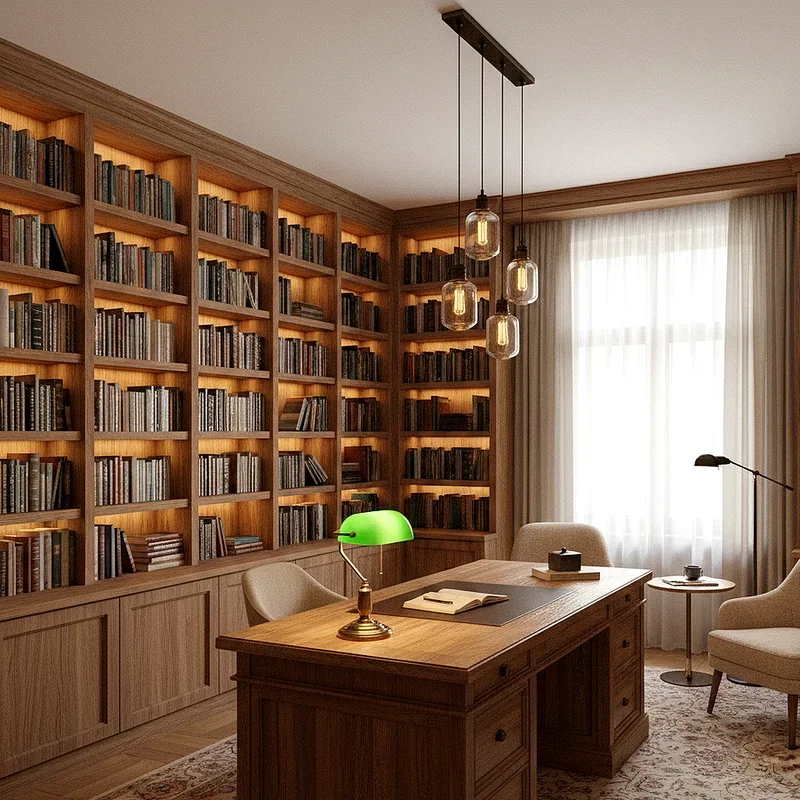
13. Multi-Functional Furniture Choices
Selecting furniture that serves multiple purposes stretches your budget further while maximizing functionality in limited square footage, making every piece earn its place in your office library. Storage ottomans provide seating, footrests, and hidden compartments for blankets or lesser-used items, performing triple duty without demanding extra floor space from your carefully planned layout. Desks with built-in shelving or hutch attachments combine workspace and display storage vertically, perfect for smaller rooms where floor space comes at a premium. Consider a library table that serves as both workspace and reading surface, or nesting tables that can spread out when needed and tuck away during quieter times. The key lies in choosing quality pieces that genuinely function well in each intended role rather than compromising effectiveness for the sake of versatility alone.
14. Personal Touch and Memorabilia Display
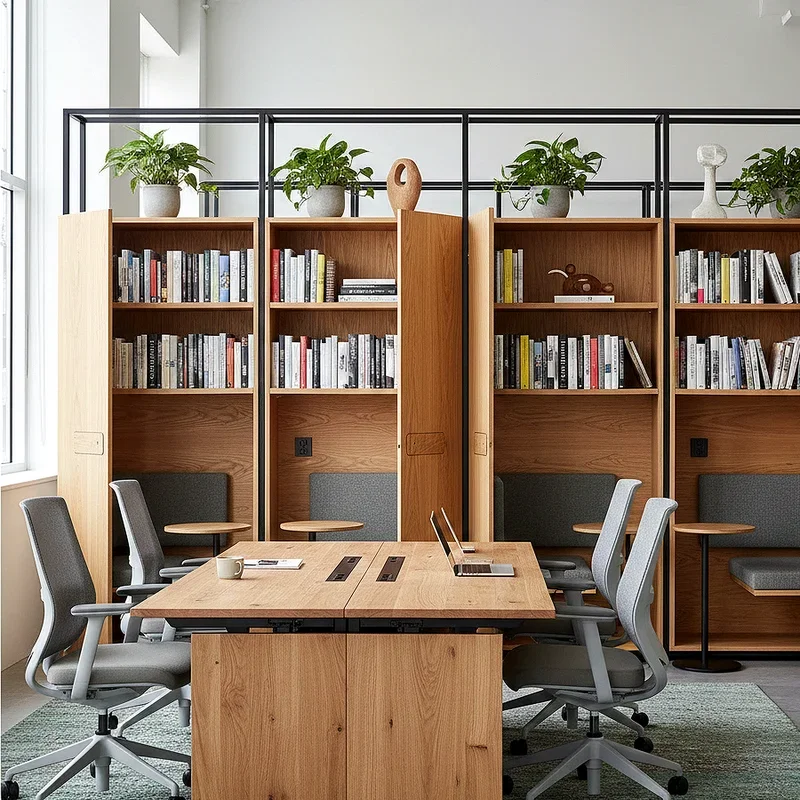
Transforming your office library from merely attractive to genuinely meaningful requires incorporating personal items that tell your unique story and inspire your daily work. Family photographs, travel souvenirs, achievement awards, and meaningful gifts interspersed among your books create conversation starters and memory triggers that make the space unmistakably yours. These personal touches remind you why you work hard and what matters most in your life beyond deadlines and professional achievements, providing important perspective during stressful moments. Consider creating themed displays that rotate seasonally, keeping your surroundings fresh and giving you reasons to regularly engage with your decorations rather than letting them fade into unnoticed backgrounds. Your office library should function as a three-dimensional autobiography, reflecting who you are, where you have been, and what you aspire toward in the future.
15. Technology Integration Without Distraction
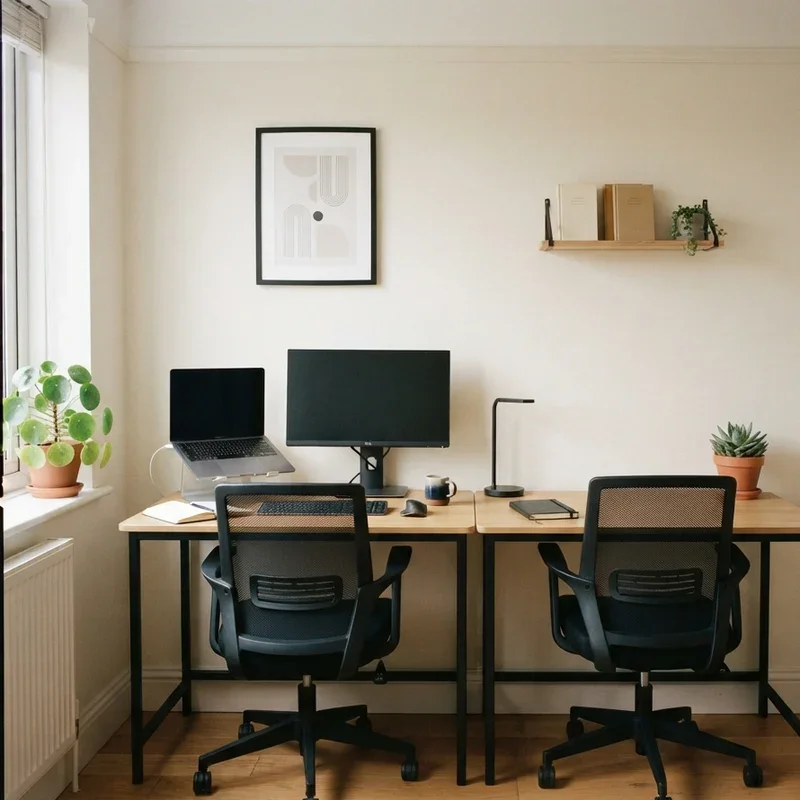
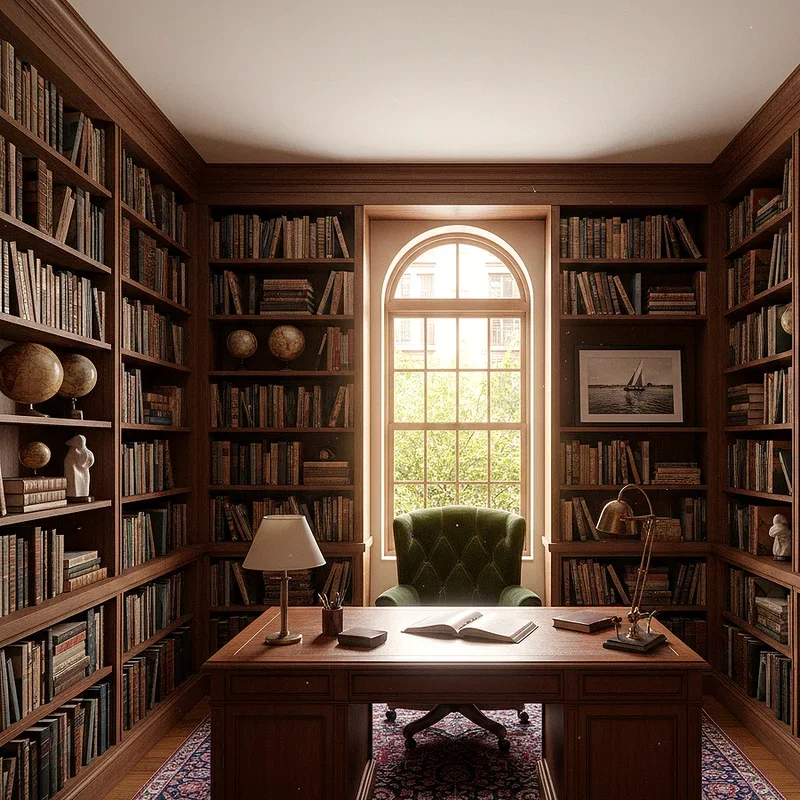
Modern office libraries must accommodate technology while preserving the peaceful, book-centered atmosphere that makes these spaces special and distinct from ordinary home offices cluttered with cables and devices. Cable management systems, charging stations hidden within furniture, and wireless devices minimize visual technological intrusion while maintaining full functionality for contemporary work requirements and digital reading options. Position screens thoughtfully so they don't dominate sightlines or reflect distractingly in mirrors and windows throughout your space during different lighting conditions. Consider whether you want technology visible at all, or prefer concealed solutions like cabinet-hidden printers and drawer-stored tablets that appear only when needed for specific tasks. The goal involves serving your technological needs without allowing devices to overwhelm the literary character and peaceful working environment you have worked so hard to create.
Conclusion
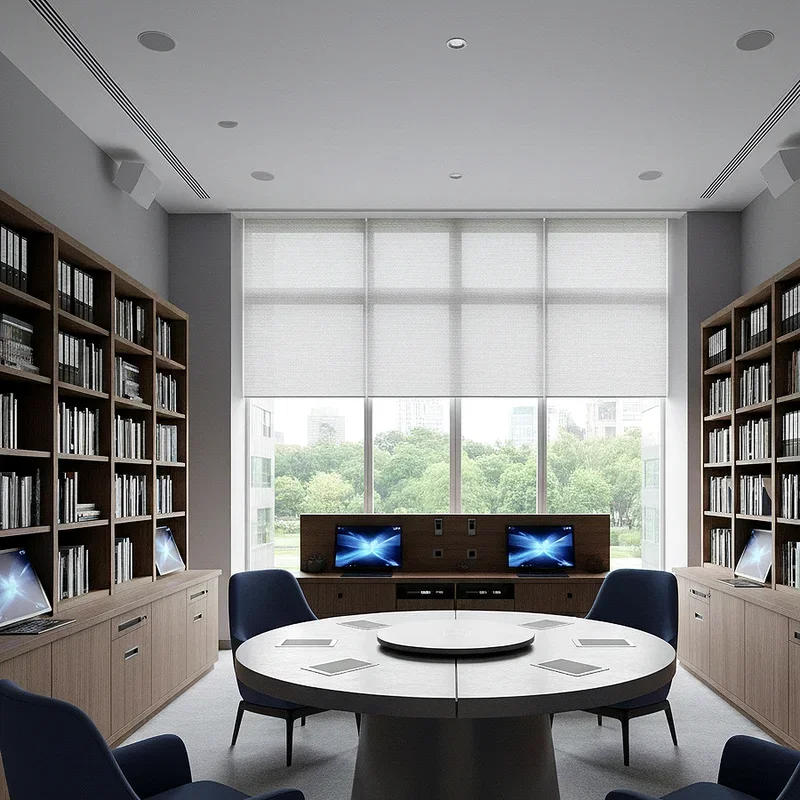
Creating your ideal office library combines practical workspace requirements with the timeless pleasure of being surrounded by beloved books and comfortable reading spaces. Throughout these fifteen ideas, we have explored options ranging from dramatic architectural statements to subtle personal touches that collectively transform ordinary rooms into extraordinary environments where work feels less like obligation and more like privilege. The perfect office library reflects your personality, supports your professional needs, and nurtures your love of reading in equal measure, serving as a daily reminder that beautiful spaces enhance everything we do within them. Start with the ideas that resonate most strongly, build gradually, and remain open to evolution as your tastes and needs change over time.
Read next: 15 Executive Office Design Ideas for a Stylish Upgrade
Frequently Asked Questions
Q1. How much space do I need for an office library?
A: Even small corners work beautifully with thoughtful furniture selection and creative vertical storage solutions.
Q2. What is the best lighting for reading and computer work?
A: Layer task lighting, ambient fixtures, and natural light with adjustable options for flexibility.
Q3. How do I prevent my books from getting damaged?
A: Avoid direct sunlight, control humidity levels, and keep books away from heating vents.
Q4. Can I create an office library on a tight budget?
A: Absolutely, start with basic shelving and gradually upgrade as your budget allows over time.
Q5. How many books should I display in my office library?
A: Display what fits comfortably without overcrowding, and rotate collections to keep displays fresh.
Stay up to date with our latest ideas!