15 Counselor Office Decor Ideas to Create a Safe Atmosphere
Transform your counseling space with 15 decor ideas that create calm, welcoming environments where clients feel safe to heal.
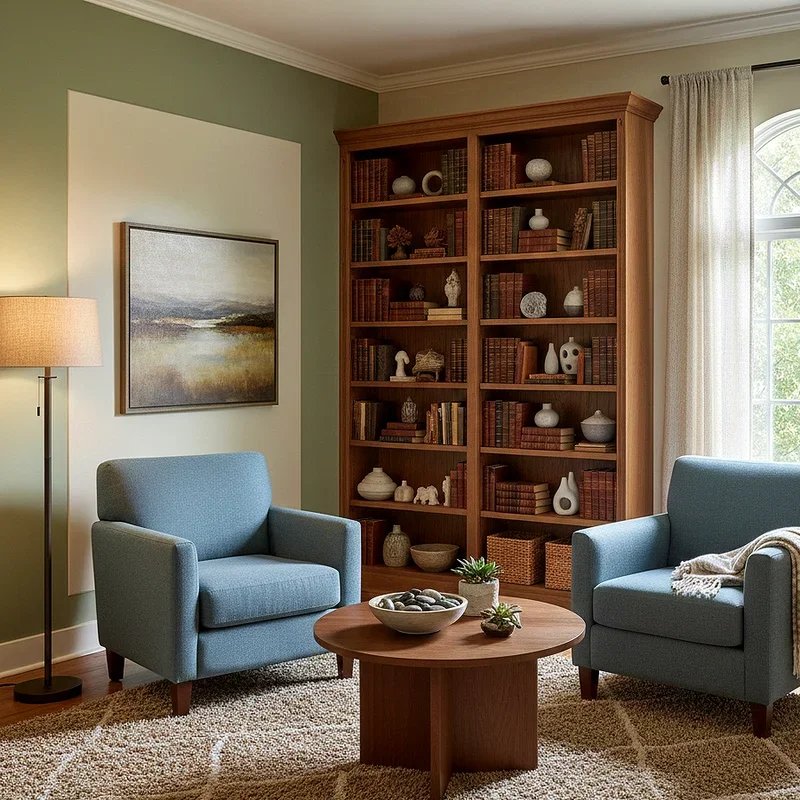
Walking into a counselor's office should feel like stepping into a sanctuary. You know that moment when you enter a space and immediately feel your shoulders drop? That exhale of relief happens when someone has thoughtfully designed an environment for healing. Your office decor speaks before you ever say a word to clients. It whispers messages of safety, acceptance, and hope. Creating this atmosphere requires more than throwing a plant in the corner and calling it a day. Every color choice, furniture placement, and decorative element plays a role in helping clients feel secure enough to open up about their deepest struggles. Whether you're setting up your first practice or refreshing an existing space, these fifteen ideas will help you craft an environment where transformation happens naturally.
1. Choose Calming Color Palettes
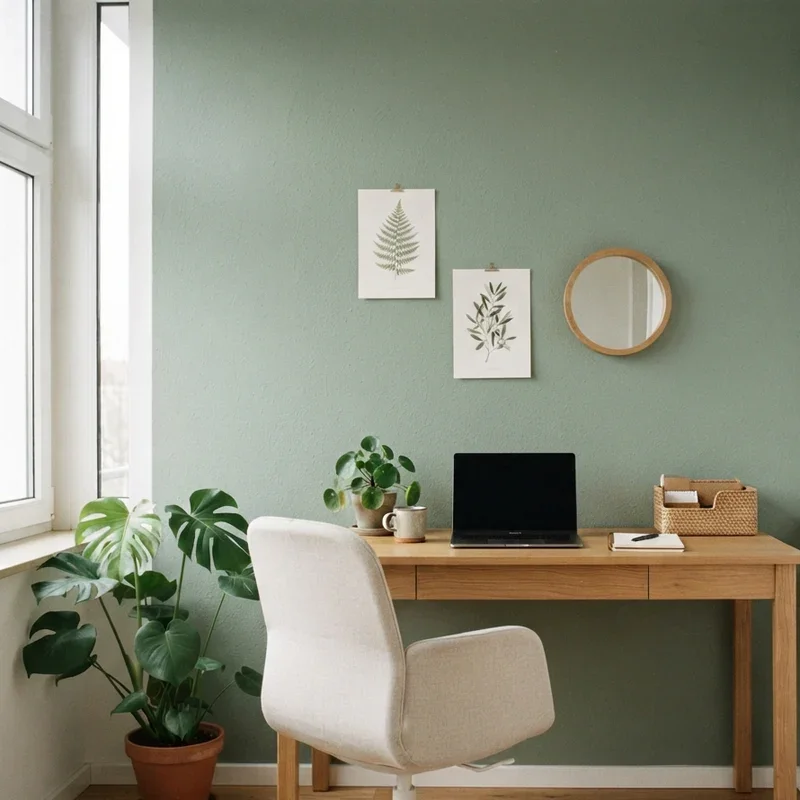
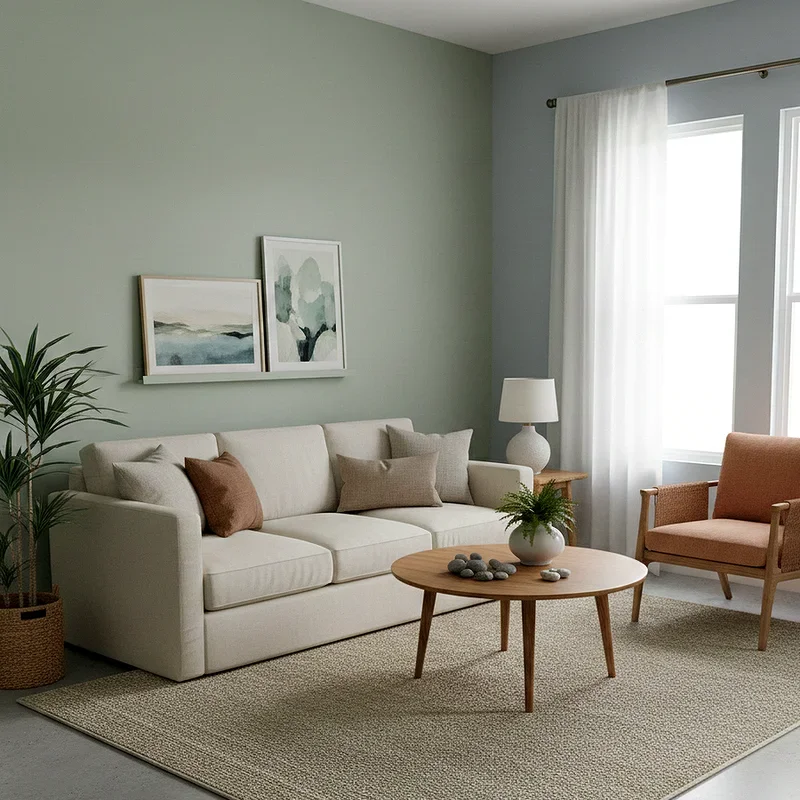
The colors surrounding your clients influence their emotional state from the moment they walk through the door. Think of color as the foundation of your therapeutic canvas. Soft blues evoke feelings of trust and serenity, while gentle greens connect people to nature's inherent calmness. Earth tones like warm beiges and soft taupes create grounding energy that helps anxious clients feel more centered. Avoid stark whites that feel clinical or bold reds that can elevate heart rates and trigger anxiety responses. Consider painting an accent wall in a muted sage or dusty blue to add visual interest without overwhelming the senses. The goal is creating a cocoon where clients can shed their armor and feel genuinely safe.
2. Incorporate Natural Elements and Plants
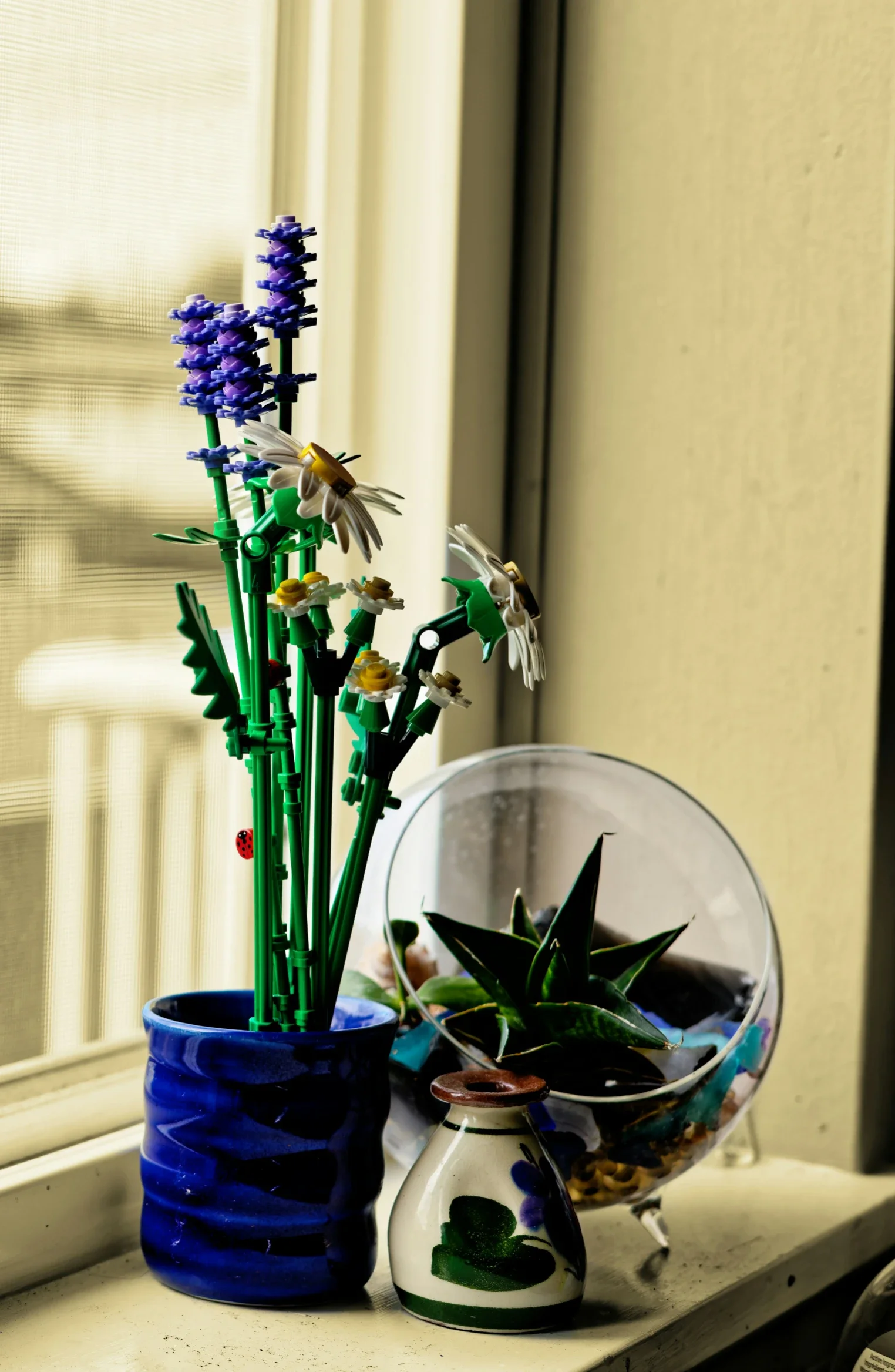
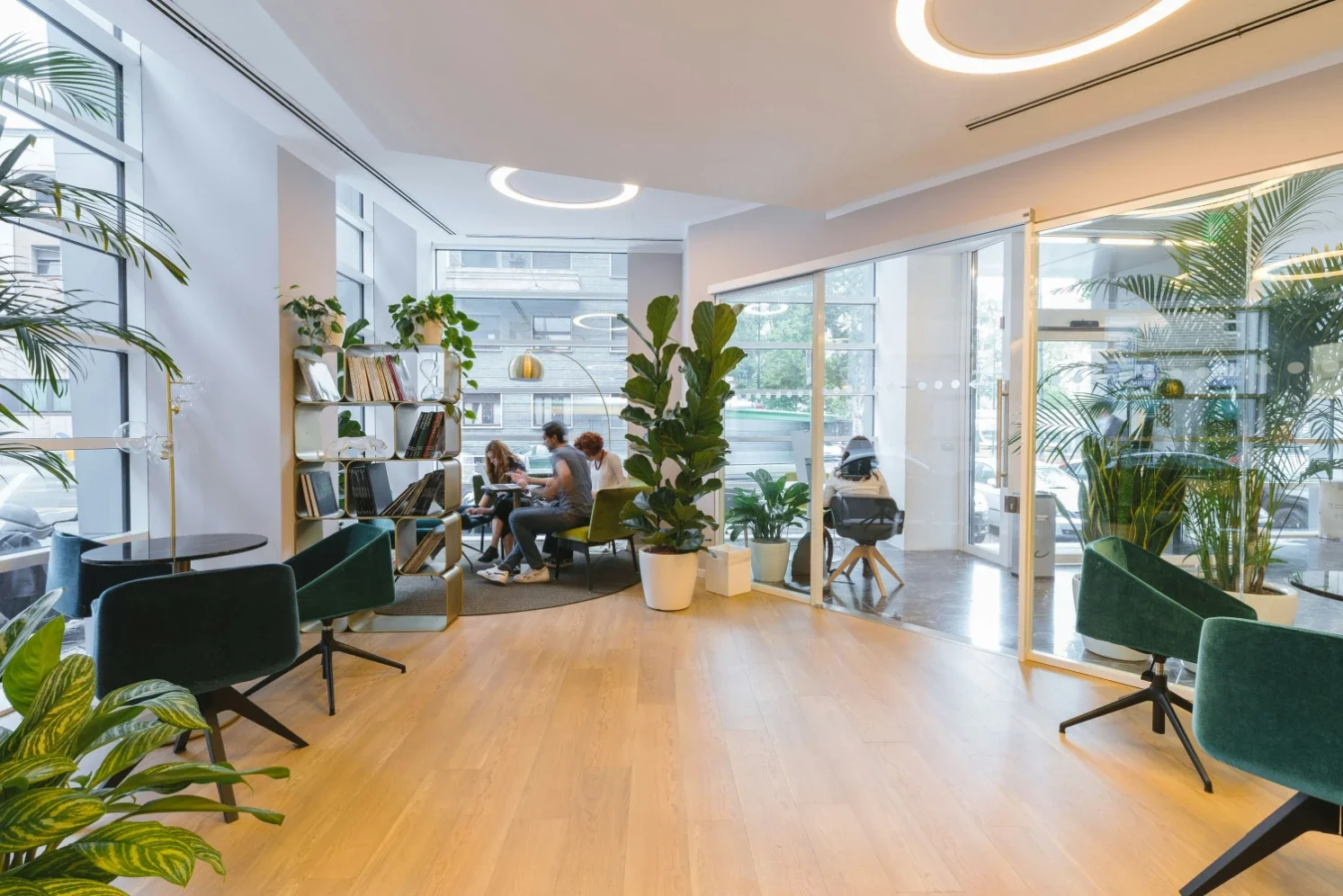
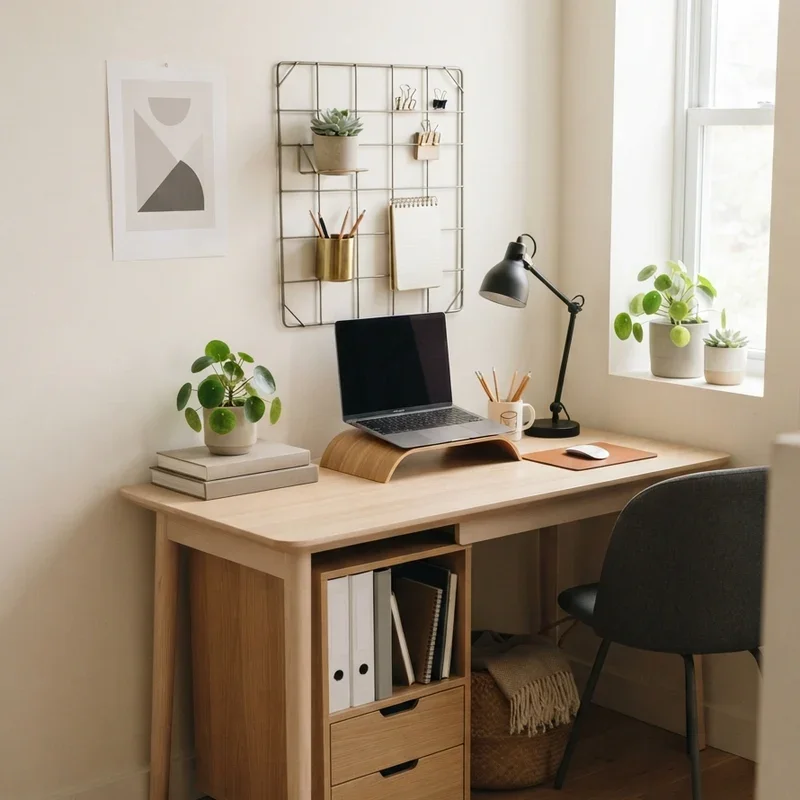
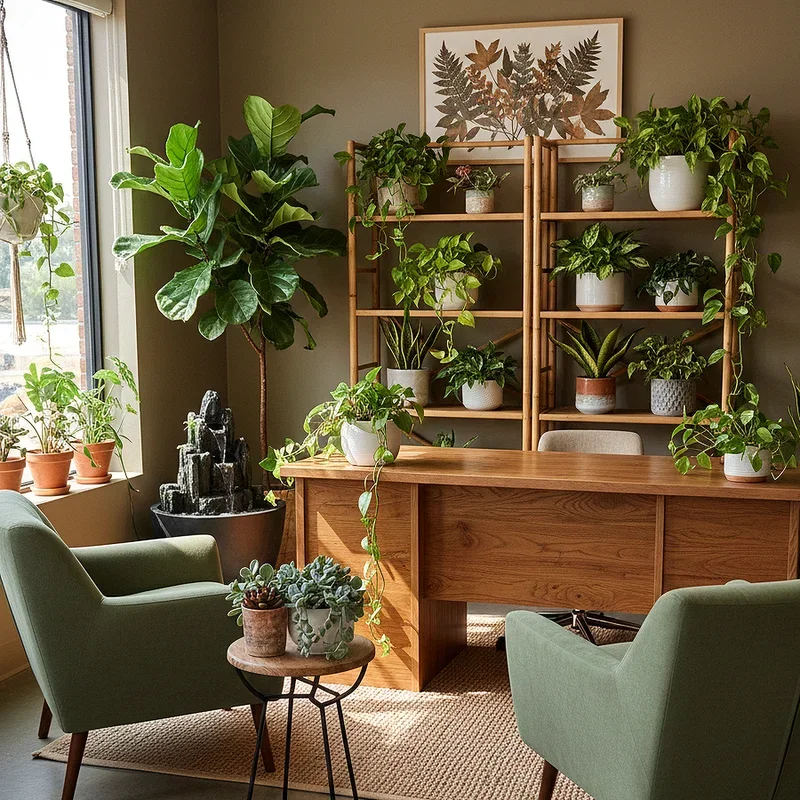
Bringing nature indoors creates an instant connection to something larger than our individual struggles. Plants purify the air while simultaneously purifying the emotional atmosphere of your space. Snake plants and pothos require minimal maintenance while providing maximum visual comfort for clients who may already feel overwhelmed. A small tabletop fountain introduces the soothing sound of running water, activating relaxation responses in the nervous system. Natural wood elements in furniture or decor add warmth that plastic and metal simply cannot replicate. Even a bowl of smooth river stones on your desk invites tactile engagement during difficult conversations. Nature reminds us that growth takes time, making it the perfect metaphor for therapeutic progress.
3. Select Comfortable Seating Options
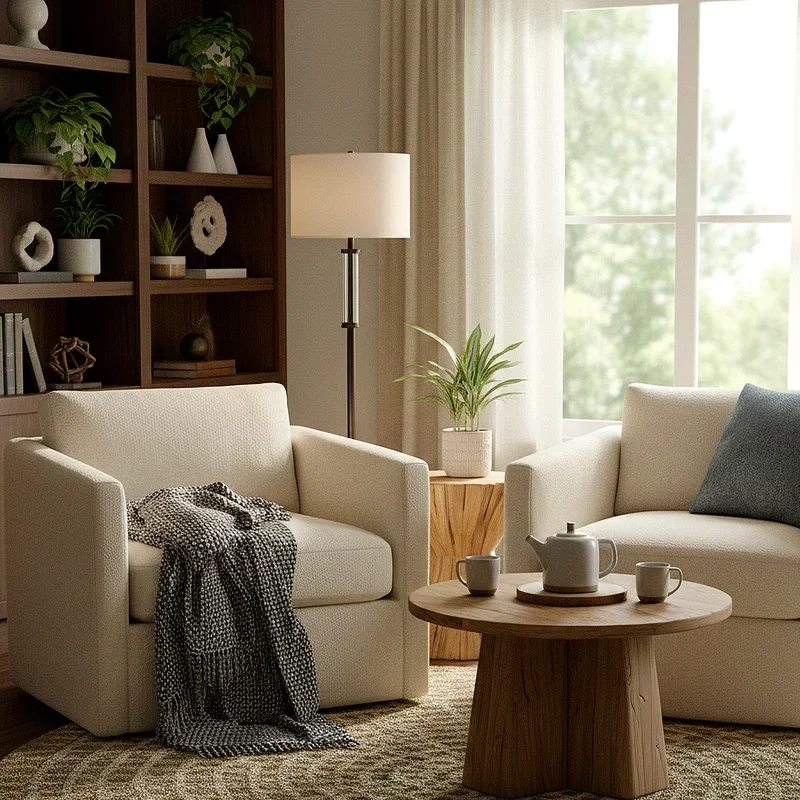
Your clients will share their deepest vulnerabilities from whatever chair you provide, so make it count. A comfortable seat tells clients they matter and their comfort is your priority before you speak a single word. Choose chairs with adequate cushioning that support good posture without feeling stiff or formal like office furniture often does. Consider offering multiple seating options so clients can choose what feels right for their body and emotional state that day. Some prefer structured chairs that help them feel contained, while others melt into softer options that let them physically relax. Avoid placing client chairs lower than your own, which creates uncomfortable power dynamics. The distance between seats should feel conversational, not interrogational.
4. Use Soft and Layered Lighting
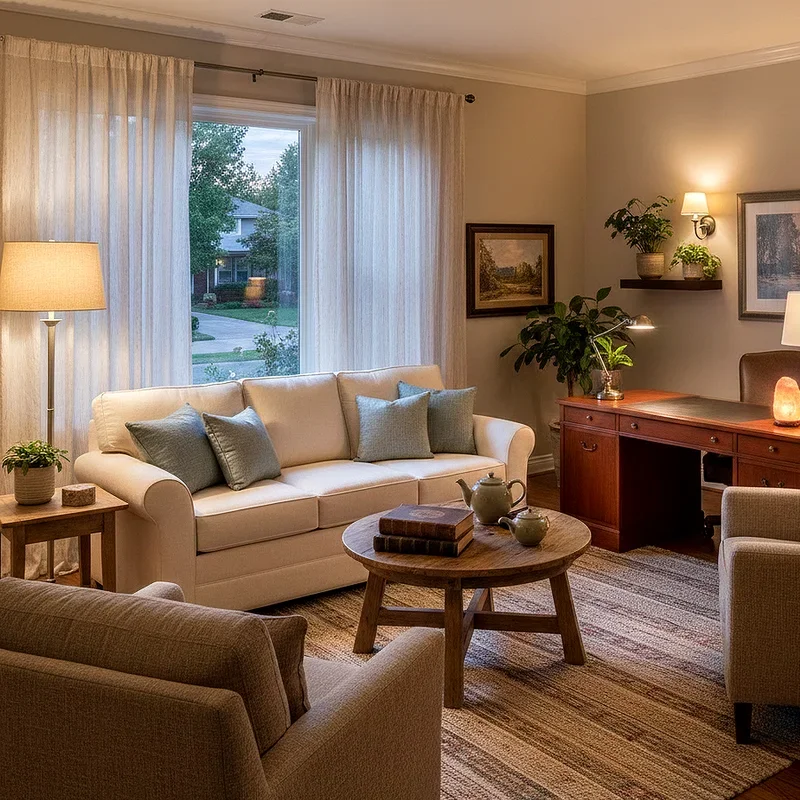
Harsh fluorescent lighting belongs in hospital corridors, not healing spaces where people bare their souls. Layered lighting allows you to create different moods for different therapeutic needs throughout your workday. Table lamps with warm bulbs cast gentle pools of light that feel intimate and safe without creating spotlight effects. Dimmer switches give you control over intensity, letting you adjust as sessions progress or seasons change outside your windows. Natural light remains ideal when available, softened through sheer curtains that diffuse without darkening the room entirely. Salt lamps have become popular for their warm amber glow and purported air cleaning properties that clients appreciate. Avoid overhead lighting when possible, as it casts unflattering shadows that can make vulnerable clients feel exposed.
5. Add Meaningful Artwork and Wall Decor
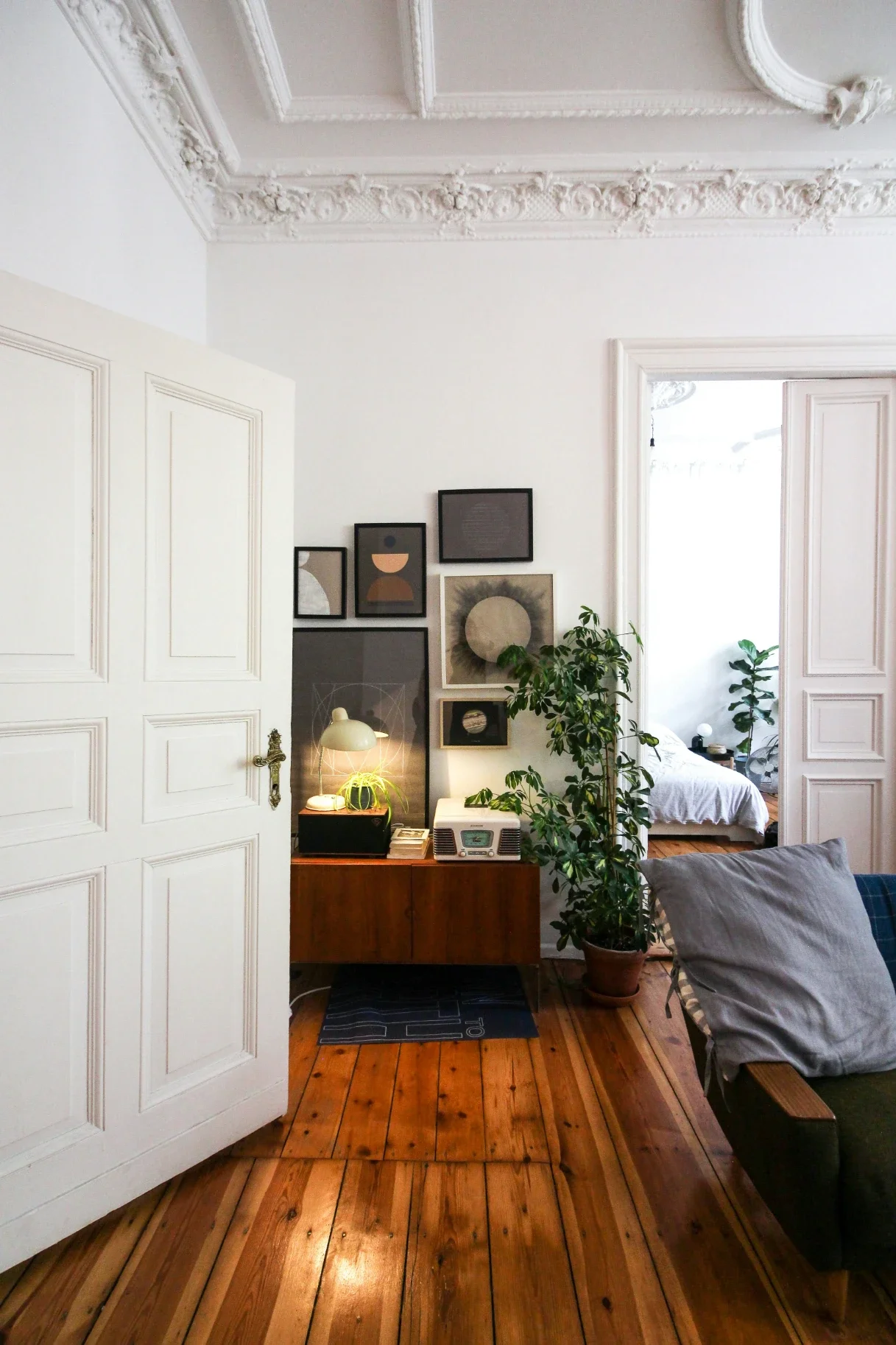
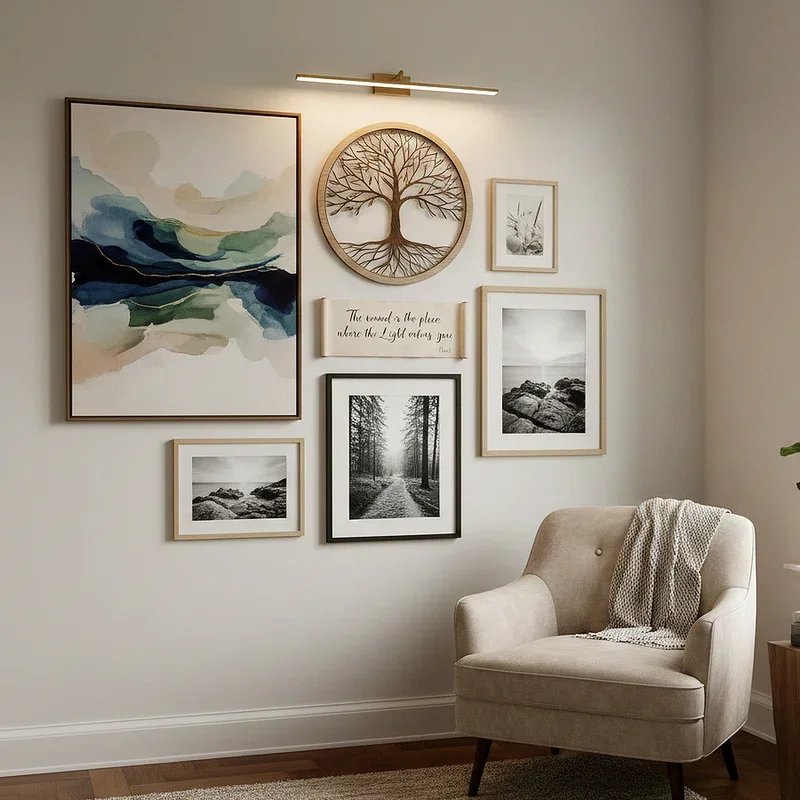
Empty walls feel cold and institutional, but the wrong art can distract or even trigger certain clients unexpectedly. Choose pieces that evoke calm without demanding interpretation or emotional engagement from people already processing heavy feelings. Abstract nature scenes, gentle landscapes, or simple geometric patterns provide visual interest without overwhelming sensitive nervous systems in your office. Avoid anything depicting faces, which can feel like being watched during vulnerable moments clients experience with you. Consider rotating seasonal art to keep the space feeling fresh and to acknowledge the passage of time in treatment. Local artists often create affordable pieces that support community while adding unique character to your practice space. Let your walls be mirrors reflecting possibility rather than pictures demanding analysis.
6. Include Sound Management Solutions
What clients hear matters as much as what they see when creating sanctuary from the chaotic outside world. White noise machines or sound machines with nature sounds mask conversations for privacy and reduce startle responses to sudden external noises. Thick rugs absorb sound and footsteps, creating quieter movement within the space that feels less intrusive during sessions. Acoustic panels now come in attractive designs that look like art while serving the practical purpose of reducing echo. Consider the sounds your office makes naturally, from humming air conditioners to ticking clocks that might annoy certain clients. Music can work well in waiting areas but should remain absent during sessions unless specifically part of treatment. Privacy through sound control shows clients their words stay safely within your walls.
7. Create Privacy with Window Treatments
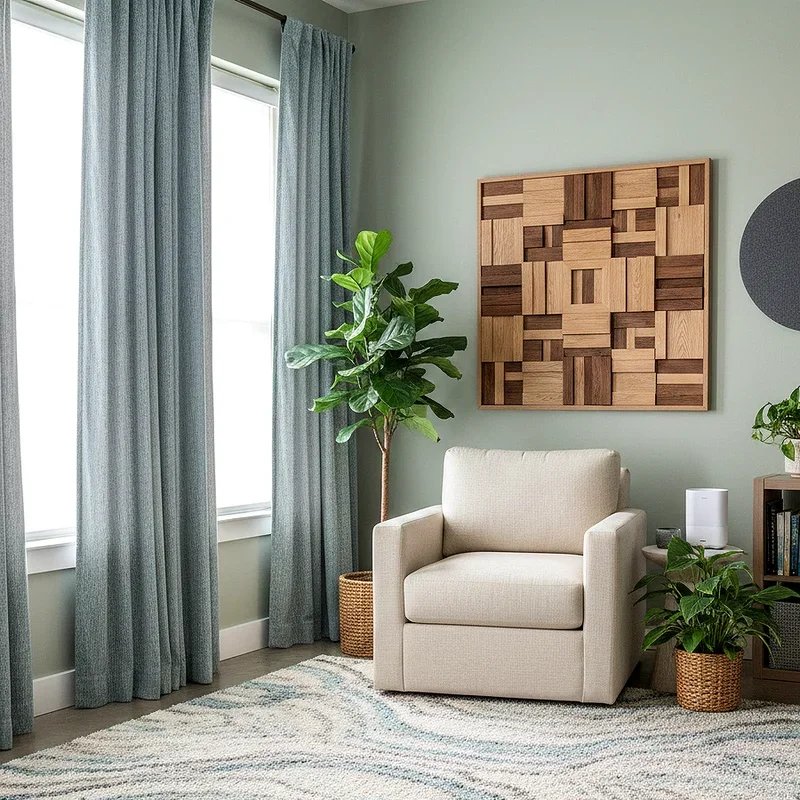
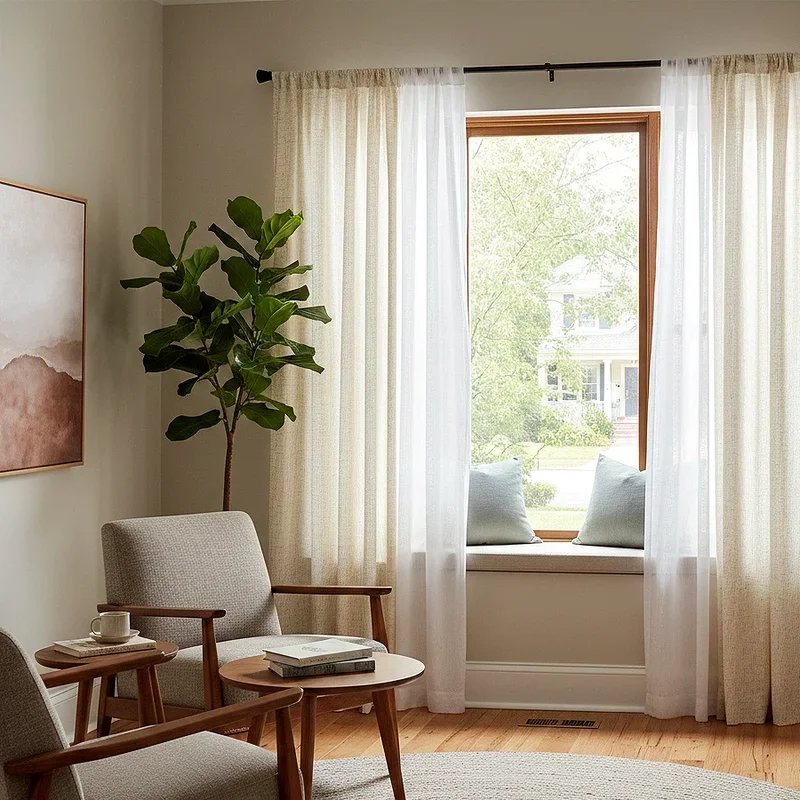
Windows connect us to the outside world, but clients need to feel shielded from prying eyes during their sessions. Layered window treatments offer flexibility, combining sheer panels for daylight with heavier drapes for complete privacy when needed. Frosted window film provides permanent privacy while still allowing natural light to filter through without revealing interior activities. Consider the view from outside, especially at ground level or in busy areas where passersby might inadvertently glimpse inside. Roman shades in calming fabrics can soften hard window lines while providing adjustable coverage throughout different times of day. Avoid horizontal blinds that often look dated and make distracting clicking sounds when adjusted during sessions. Your window treatments frame the boundary between therapeutic space and everything else outside.
8. Display Inspirational Quotes Thoughtfully
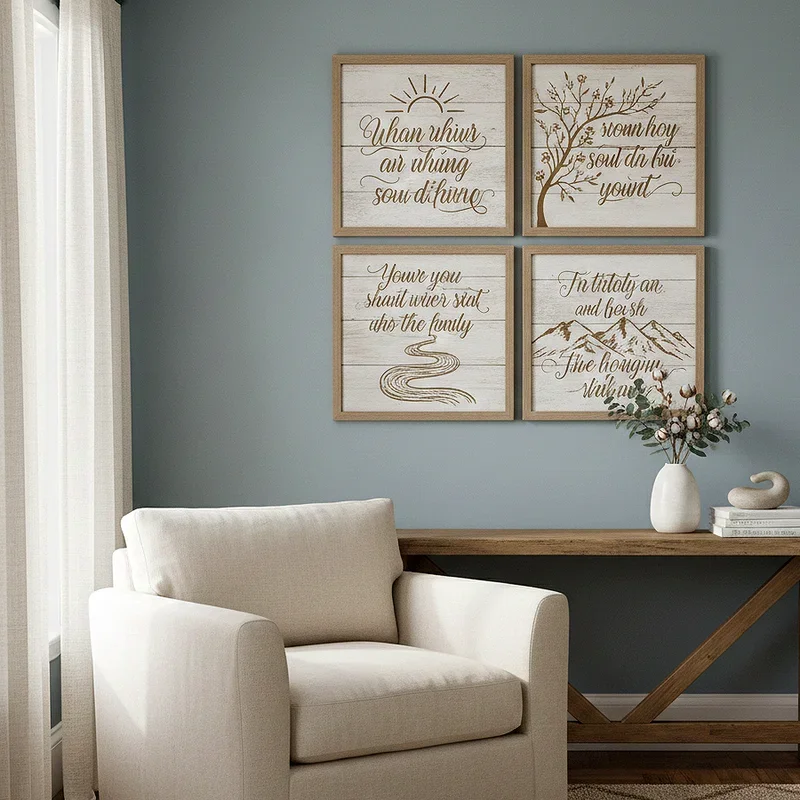
Inspirational quotes can land powerfully or fall completely flat depending on their presentation and the client receiving them. Choose quotes that validate struggle rather than offering toxic positivity that dismisses real pain people are experiencing right now. Less is more here, as walls covered in affirmations can feel preachy rather than supportive to skeptical clients. Consider rotating quotes seasonally or selecting ones that resonate with common themes in your practice specialty area. Handwritten or artistic renderings feel more personal than mass produced prints you see everywhere these days. Place quotes where clients might notice them during natural pauses rather than directly in their sightline during conversation. The right words at the right moment can become anchors clients carry with them long after sessions end.
9. Incorporate Texture Through Textiles
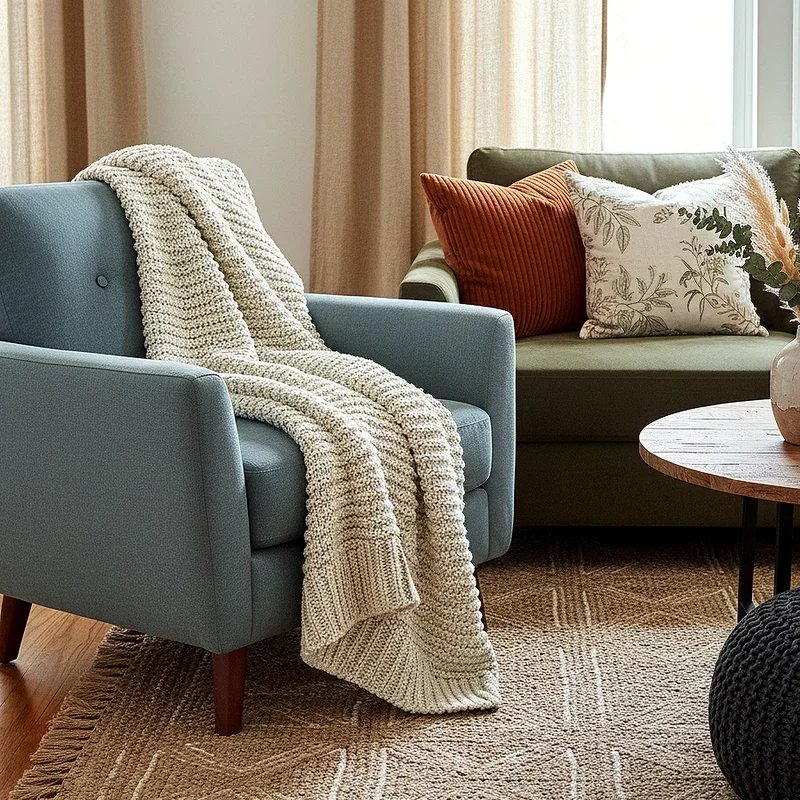
Texture engages touch, our most primal and comforting sense that connects us to safety from our earliest moments. Soft throw blankets draped over chair backs invite clients to cocoon themselves during difficult emotional work they undertake. Plush area rugs underfoot create grounding energy and absorb sound while adding visual warmth to hardwood or carpet. Curtains in natural fabrics like linen or cotton filter light softly while adding sophisticated texture to window treatments. Consider pillow options in various textures for clients who benefit from tactile stimulation during anxiety provoking discussions together. Even your tissue box cover can contribute to the overall textile story your office tells about comfort available. Mixing textures creates visual interest while signaling that softness and comfort are welcome here in your space.
10. Add Personal Touches Without Oversharing
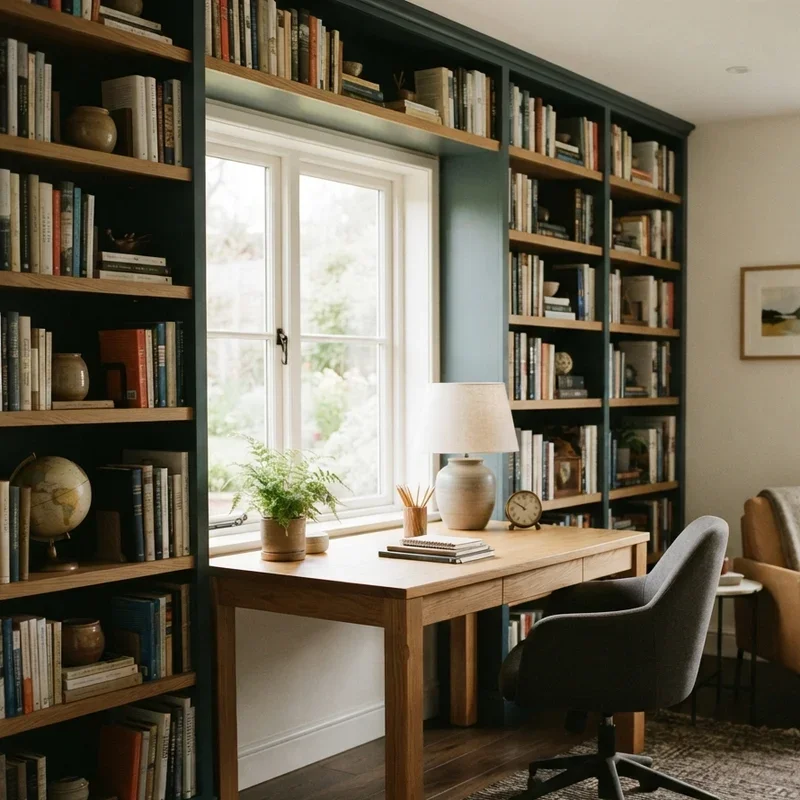
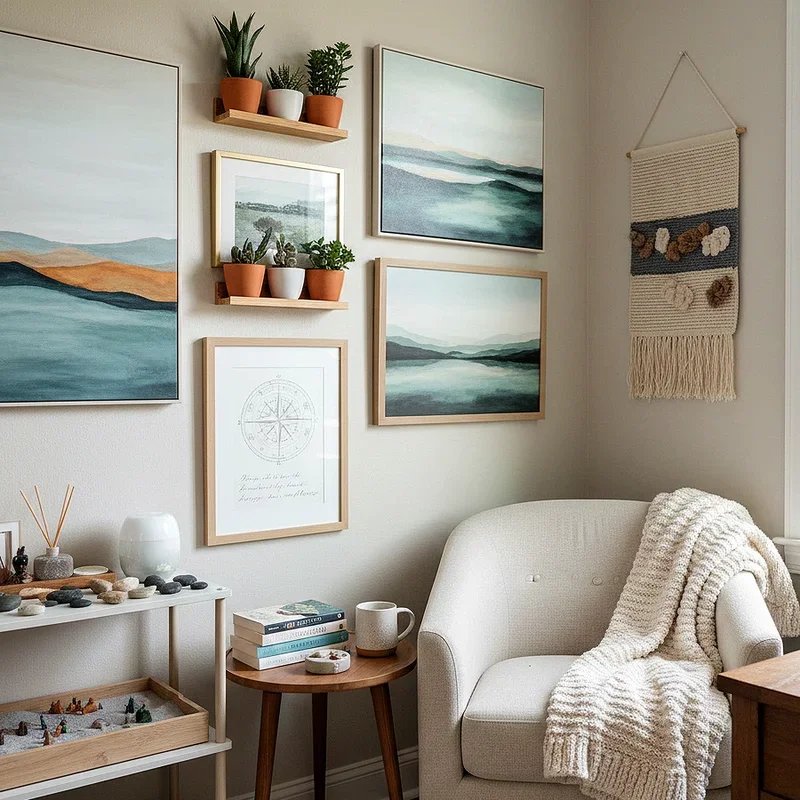
Your office should feel human and warm without becoming a shrine to your personal life that distracts from treatment. A few carefully chosen items reveal enough humanity to build connection without shifting focus away from your clients. Perhaps a photo from nature adventures rather than family portraits keeps things neutral while showing dimensional interests you hold. Books on your shelves should remain professional but can include titles showing breadth of knowledge beyond clinical texts alone. Avoid religious symbols, political statements, or anything controversial that might create unnecessary barriers with certain clients you serve. Small collected objects from travels or hobbies add personality without demanding explanation or conversation about your experiences. Your personal touches should whisper about your humanity rather than shout about your life story.
11. Use Aromatherapy Carefully
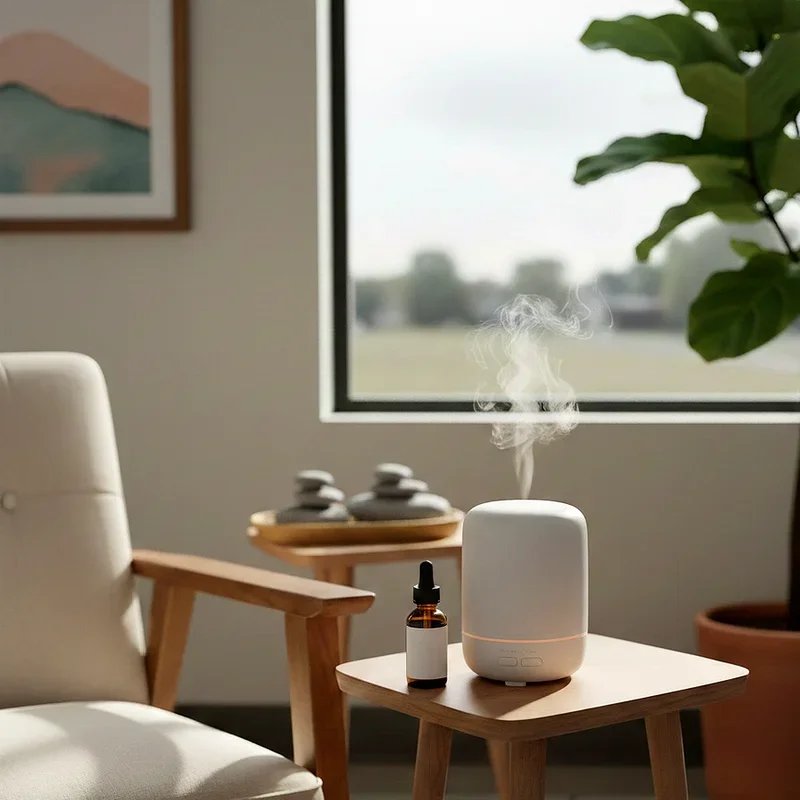
Scent bypasses rational thinking to trigger emotional responses and memories faster than any other sense we possess. Diffusing essential oils like lavender or eucalyptus can create calming atmospheres that support relaxation during sessions with clients. However, many people have sensitivities, allergies, or trauma associations with certain scents that could undermine therapeutic work instantly. Always ask new clients about scent preferences and sensitivities before introducing any aromatherapy into your practice environment. Subtle is key, as overwhelming fragrance can cause headaches, nausea, or simply feel unprofessional to some seeking help. Consider keeping options available for clients who request them rather than maintaining constant ambient scenting throughout the space. The safest approach ensures your space smells clean and neutral with options available upon request only.
12. Include Fidget Tools and Comfort Objects
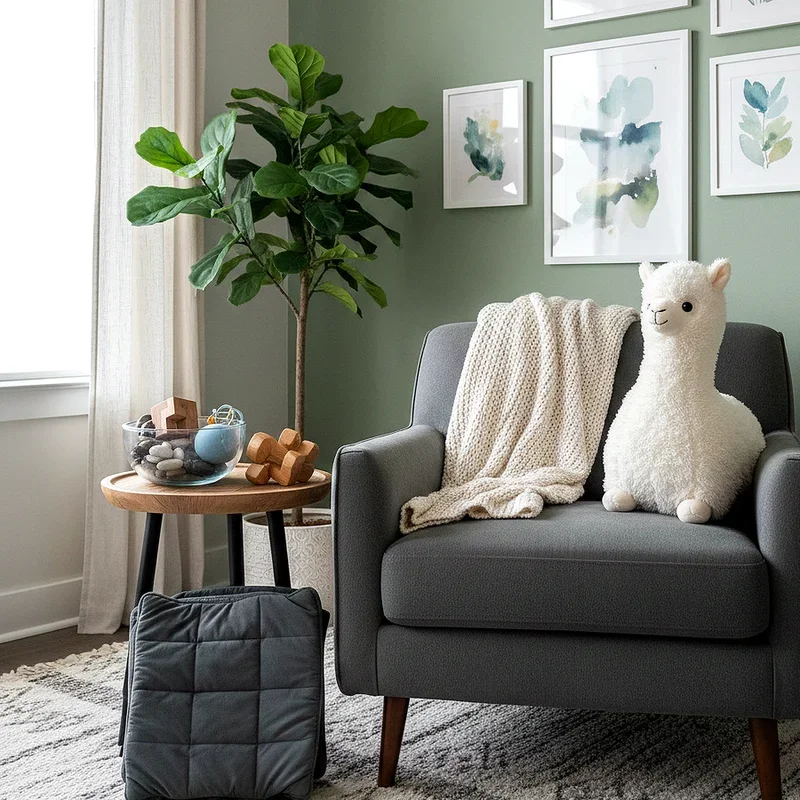
Nervous energy needs somewhere to go, and fidget tools provide socially acceptable outlets for anxious hands during sessions. Stress balls, smooth stones, kinetic sand, or textured objects give clients something to hold during difficult conversations requiring bravery. These tools can help regulate the nervous system while keeping clients present rather than dissociating from overwhelming emotions. Place a small basket of options on a side table within reach but not directly offered unless clients seem to need them. Having a weighted blanket available can provide grounding comfort for clients experiencing anxiety or trauma responses in session. Some counselors keep specific comfort objects available for child clients or adults who benefit from transitional objects. The goal is reducing barriers to emotional expression by occupying the fidgeting impulse naturally.
13. Organize with Calming Storage Solutions
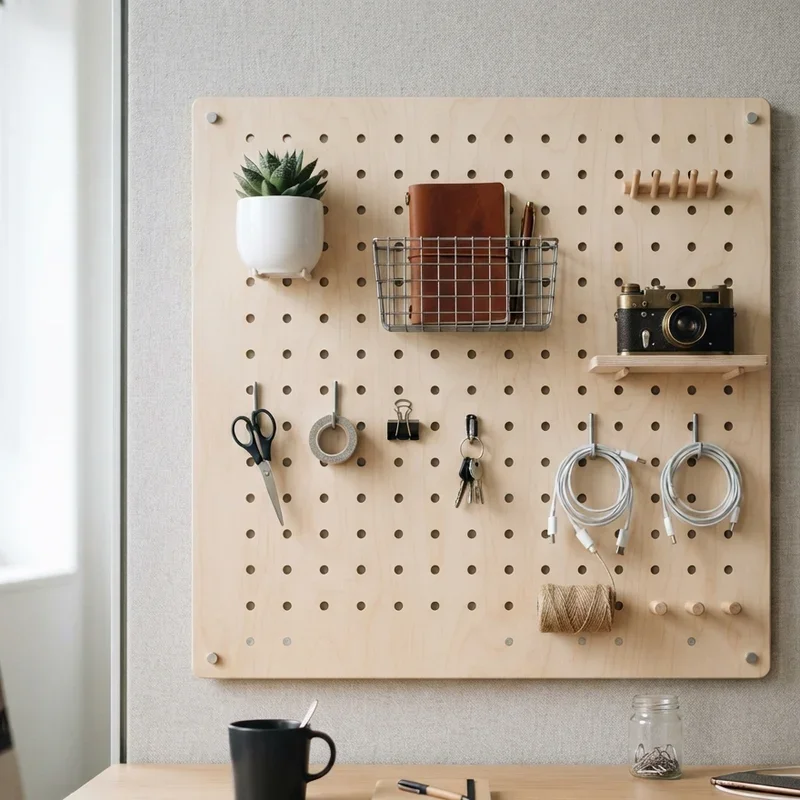
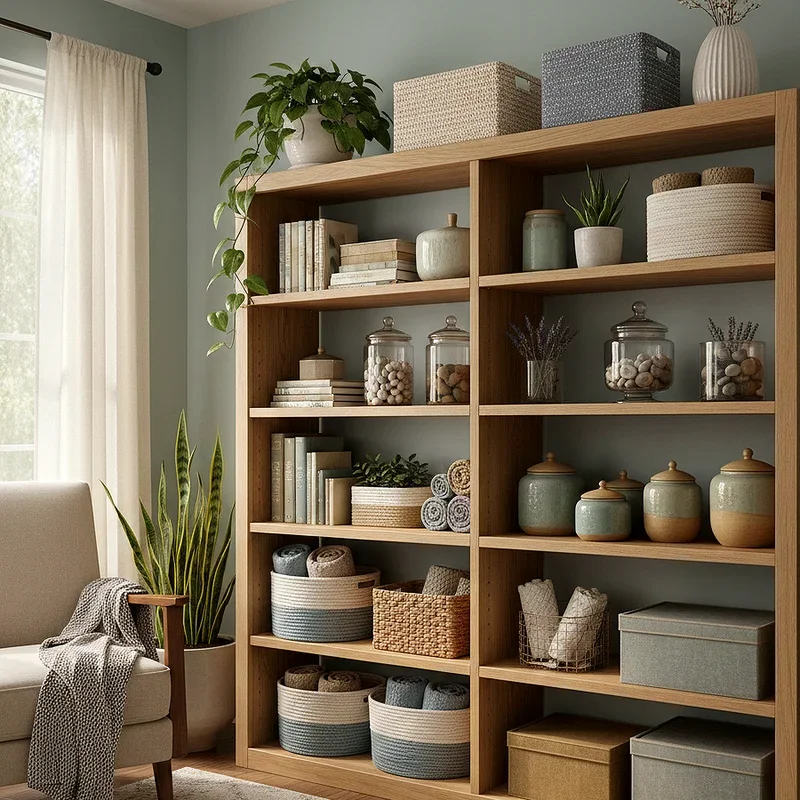
Clutter creates visual noise that can overwhelm already stressed clients seeking peace within your therapeutic environment together. Closed storage solutions hide necessary supplies while maintaining the serene atmosphere you have worked to create carefully. Matching baskets and boxes on shelves keep items accessible while looking intentional rather than chaotic to observing eyes. A tidy desk signals competence and organization, helping clients feel they are in capable hands for their journey. Avoid piles of papers or files that might make clients wonder about confidentiality practices in your office space. Built in storage or furniture with hidden compartments maintains clean lines while providing practical function for daily needs. Your organizational systems should be invisible, letting the calming decor elements take center stage instead.
14. Consider the Waiting Area Experience
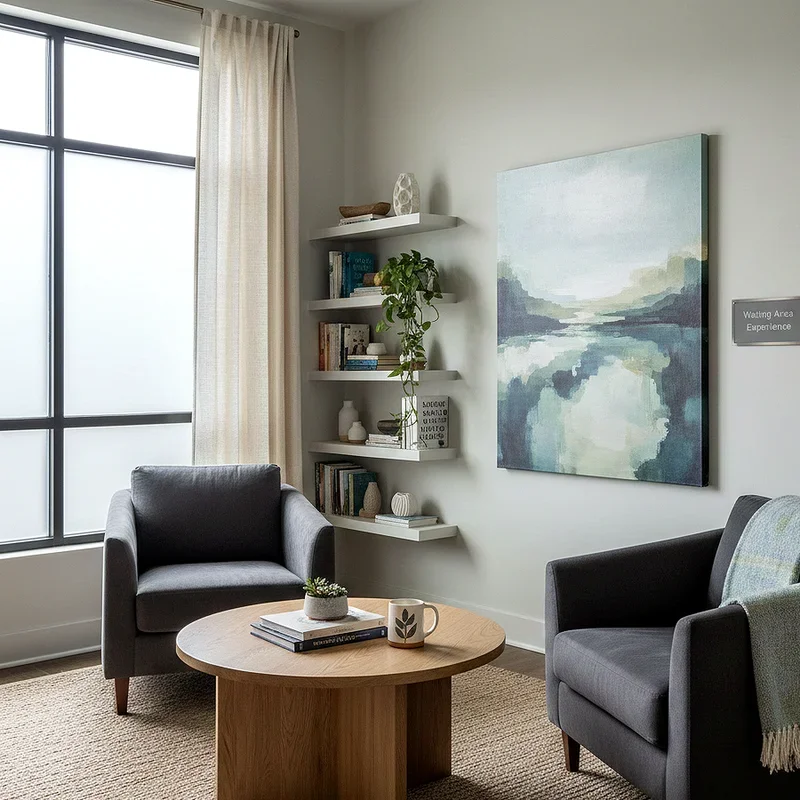
The therapeutic experience begins the moment clients arrive, not when they enter your office for scheduled appointments. Waiting areas should echo the calming themes of treatment spaces while providing comfortable seating for potentially anxious anticipation. Soft lighting, gentle music, and reading materials that do not trigger or distress set appropriate expectations for care. Avoid clinical magazines highlighting health problems or news publications that might elevate stress before sessions even start. Privacy matters here too, as clients may not want others knowing they seek counseling services in your building. Consider sight lines and sound travel between waiting areas and session spaces to protect confidentiality at all times. First impressions matter, and your waiting area makes the first statement about how you value client comfort.
15. Maintain Flexibility for Different Client Needs
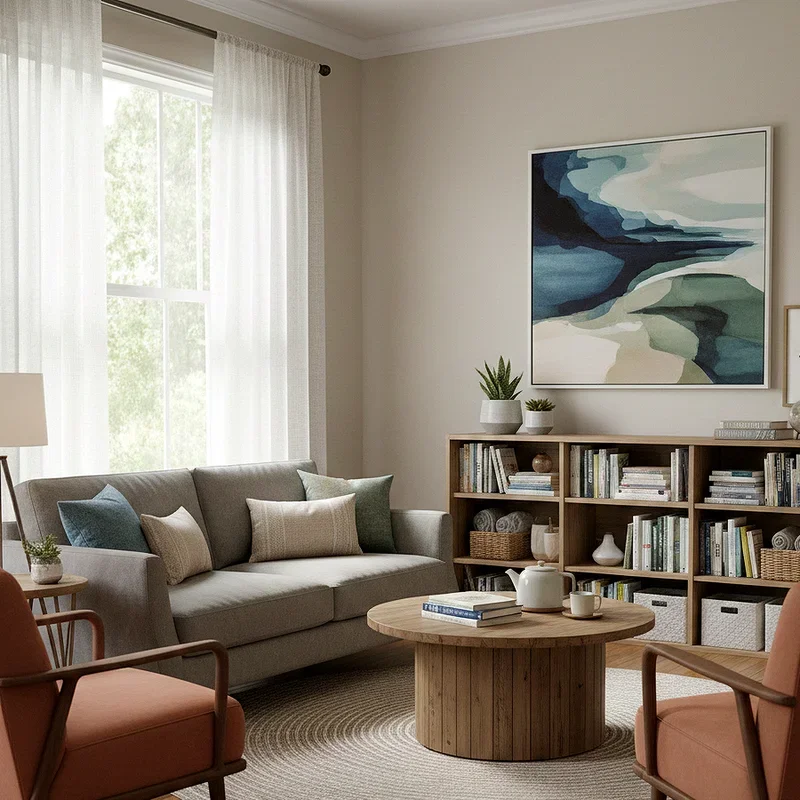
No single environment suits every client, so building in flexibility allows you to adapt spaces to individual therapeutic requirements. Moveable furniture lets you adjust distance and arrangement based on client preferences and session types you conduct. Having multiple seating options available means clients can choose what their body needs on any given day. Adjustable lighting lets you shift ambiance from energizing to calming as clinical situations require throughout your workday. Keep a cabinet of optional elements like blankets, fidget tools, or aromatherapy options that clients can request if helpful. Some clients need minimal stimulation while others find sparse spaces cold and uninviting to their particular sensibilities. Your flexibility shows clients that their individual needs matter and that you will meet them where they are.
Conclusion
Creating a safe therapeutic atmosphere extends far beyond aesthetics into intentional design choices that support healing. Every element in your office communicates care, from paint colors whispering calm to comfortable chairs inviting vulnerability from clients. The fifteen ideas explored here provide starting points for crafting spaces where transformation feels possible and clients feel held. Remember that your space will evolve as you learn what works best for your specific client population over time. Trust your instincts while remaining open to feedback about what helps people feel genuinely safe in your presence and environment.
Read next: 15 Therapist Office Ideas to Create Comfort and Ease
Frequently Asked Questions
Q1. What colors work best for a counselor's office?
A: Soft blues, greens, and earth tones create calming atmospheres that promote relaxation and trust.
Q2. Should I have plants in my counseling office?
A: Yes, low maintenance plants like snake plants add natural calm without requiring extensive care.
Q3. How important is lighting in a therapy space?
A: Lighting significantly impacts mood, so use layered warm lighting instead of harsh fluorescents.
Q4. Can I display personal items in my office?
A: Include minimal personal touches that show humanity without shifting focus from clients.
Q5. What about scents in a counseling office?
A: Use aromatherapy carefully and only with client permission due to sensitivities and allergies.
Stay up to date with our latest ideas!