15 CEO Office Ideas for a Powerful and Professional Workspace
Discover 15 CEO office ideas that blend luxury with functionality. Transform your executive workspace into a powerful command center today.
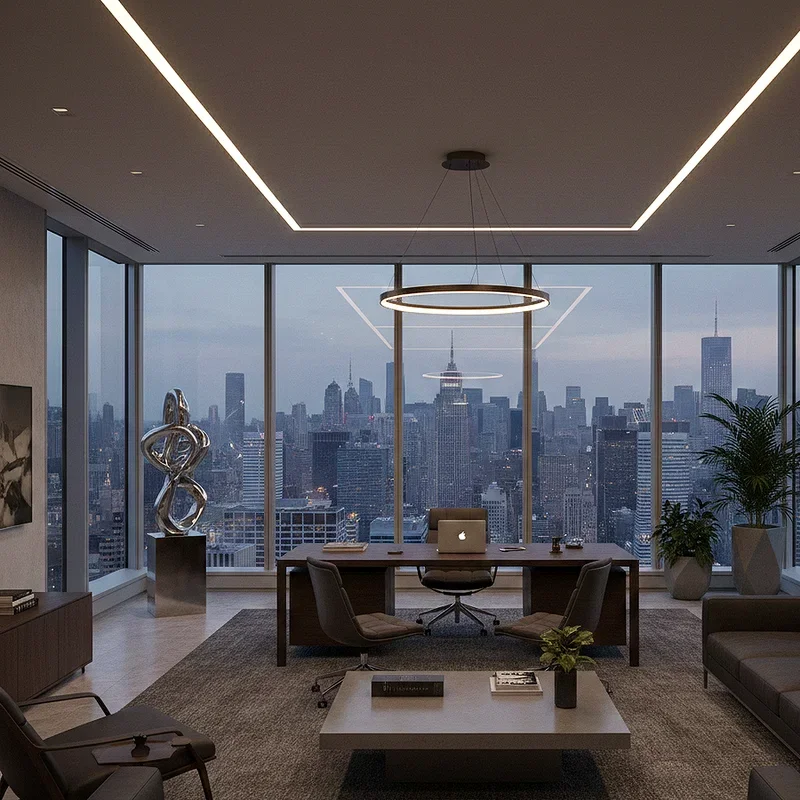
Have you ever walked into an office and immediately sensed authority radiating from every corner? That magnetic energy does not happen by accident. A CEO office serves as the nerve center of an entire organization, reflecting leadership philosophy while inspiring everyone who enters. Think of it as your professional throne room where billion-dollar decisions take shape and company culture crystallizes into reality. The right design choices transform ordinary square footage into an environment that commands respect and demonstrates success without uttering a single word. Whether you are building your first executive suite or reimagining an existing space, these fifteen ideas will help you craft a workspace that speaks volumes about your vision and values. Increasingly, that executive suite isn't inside a traditional headquarters at all — many founders and CEOs are designing their private office within a coworking office space in the UK, which offers the polish and privacy of a dedicated office without the long-term commitment of a standalone lease.
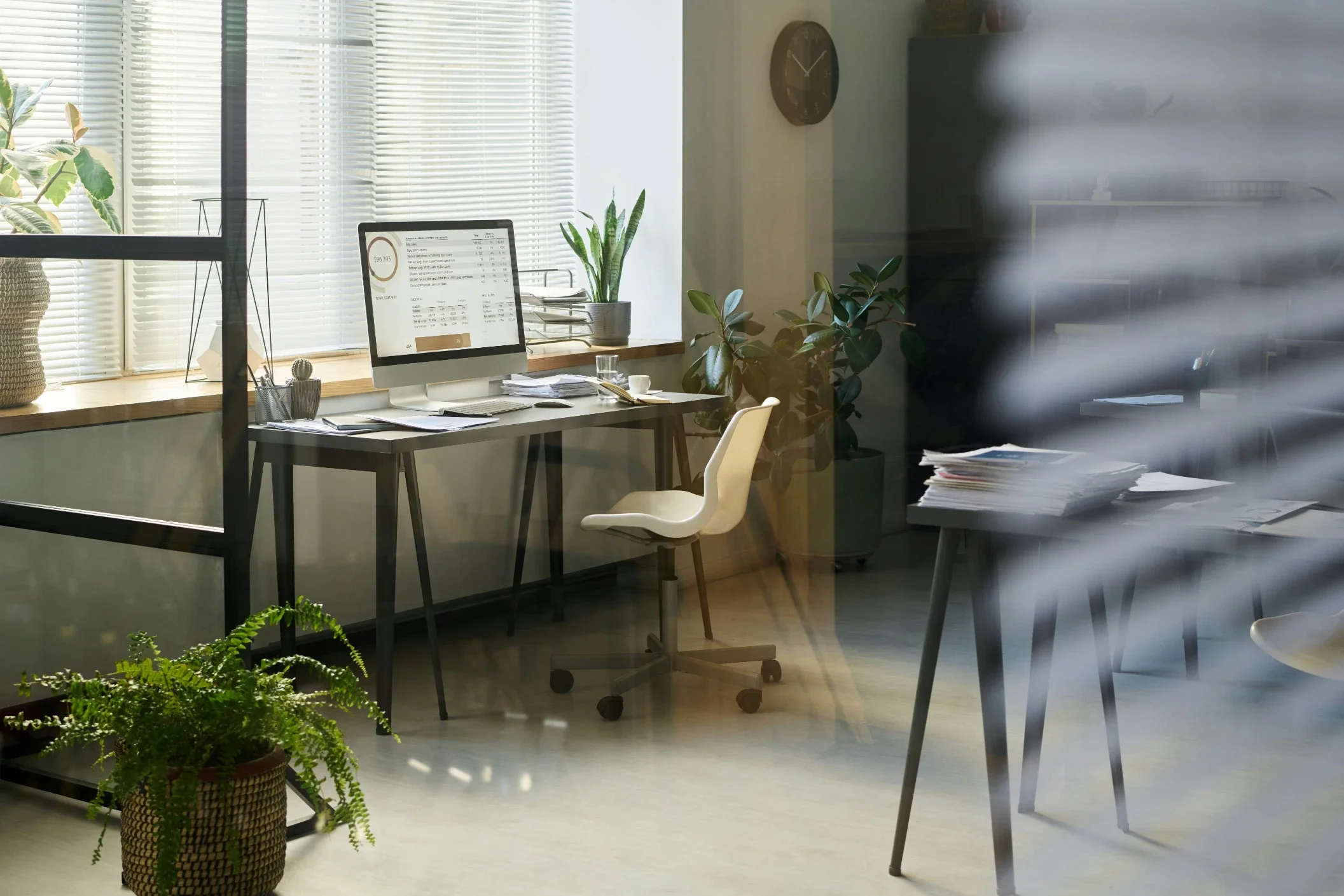
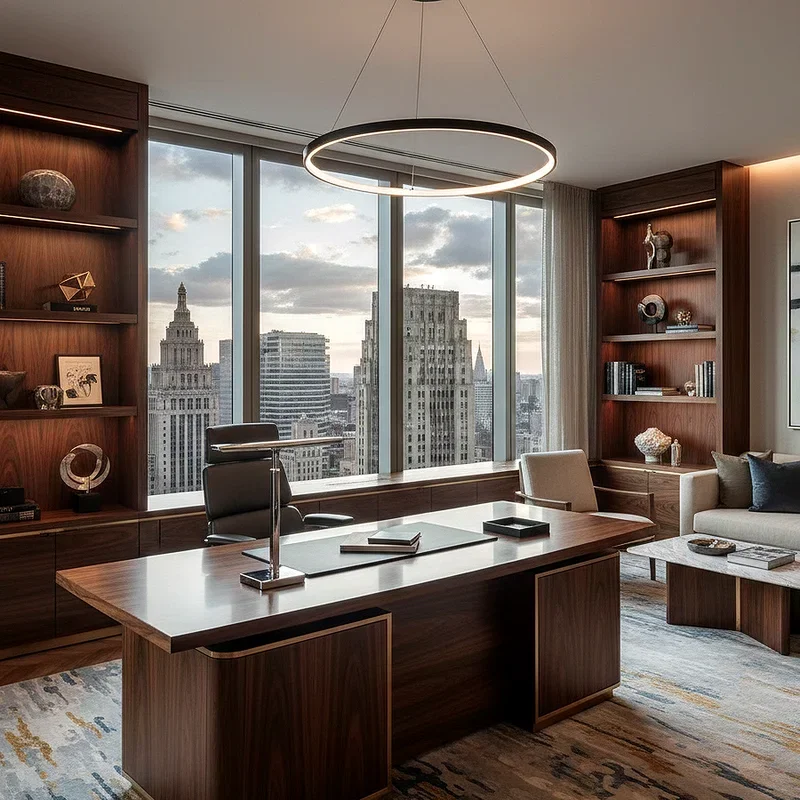
1. Invest in a Statement Executive Desk
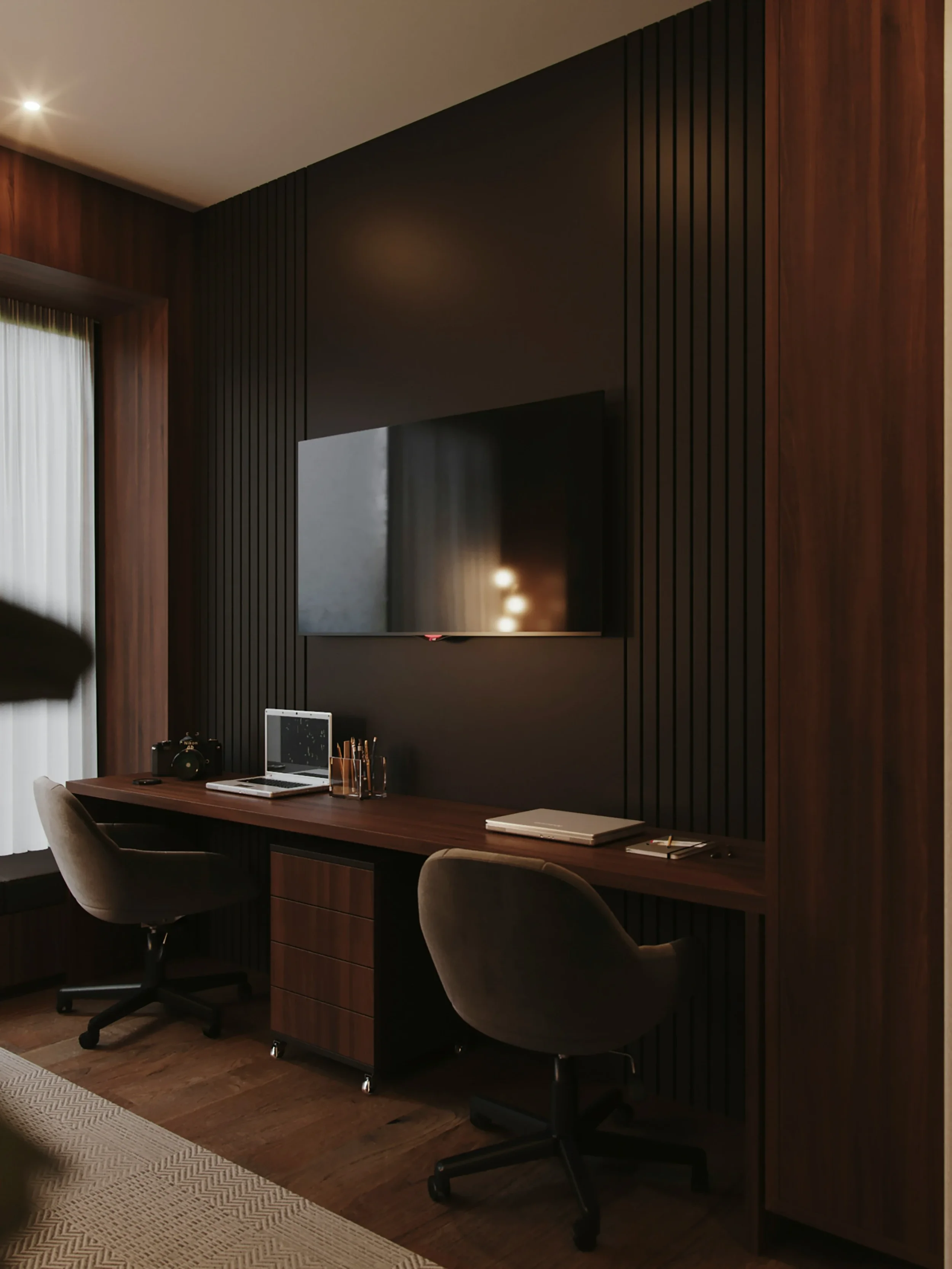
Your desk functions as the centerpiece of your entire office, much like how a captain's wheel commands attention on a ship's bridge. Selecting the right executive desk means balancing aesthetics with practicality while projecting the image you want visitors to remember. Consider materials like rich walnut, sleek glass, or polished mahogany that whisper sophistication without screaming for attention. Position your desk strategically to face the door, giving you psychological advantage during every interaction. Include integrated cable management systems to maintain that clean, organized appearance signaling a focused mind. Your desk should inspire you every morning and impress every visitor who sits across from you.
2. Create a Dedicated Meeting Zone
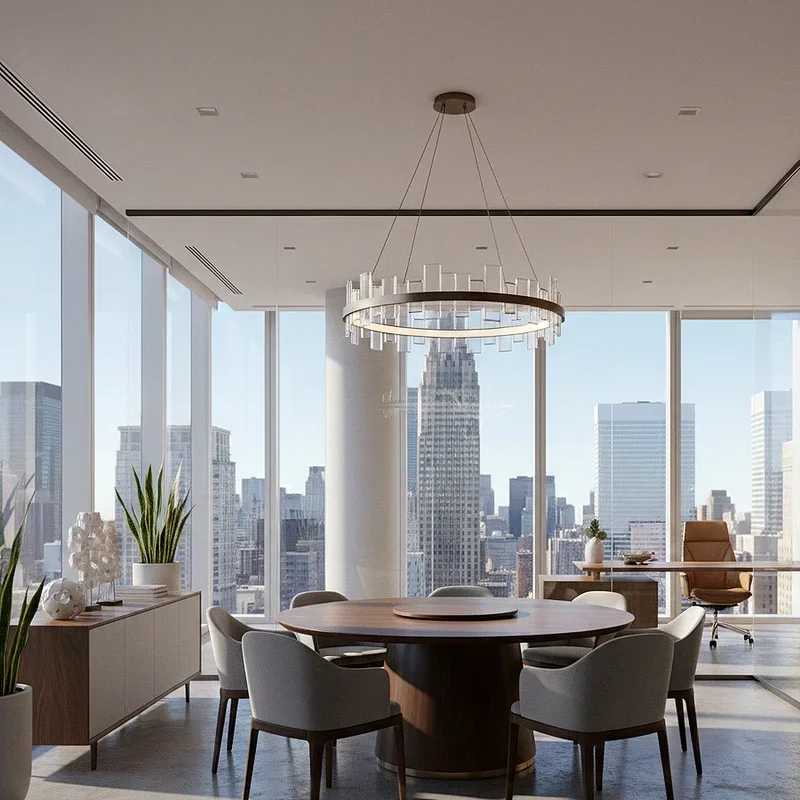
Separating your meeting area from your personal workspace creates psychological boundaries that transform how business conversations unfold in your office. Picture a comfortable seating arrangement with a coffee table positioned away from your main desk area. This dedicated zone invites collaboration and signals to visitors that you value face-to-face connections beyond formal desk interactions. Choose furniture that encourages open dialogue, perhaps leather armchairs angled toward each other or a round table eliminating hierarchical seating positions. This separation allows you to mentally shift gears between focused work and collaborative discussions throughout your demanding schedule. Your meeting zone becomes sacred ground where partnerships form.
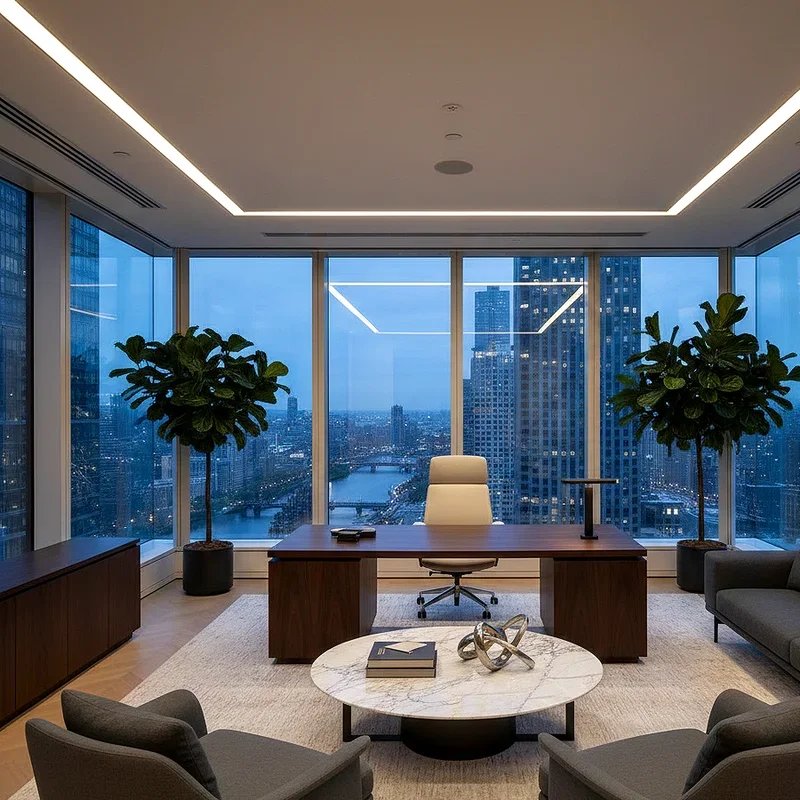
3. Incorporate Floor to Ceiling Windows
Natural light transforms any space from merely functional into genuinely inspiring, and floor to ceiling windows deliver this magic in spectacular fashion. These architectural features flood your office with sunshine that boosts mood, increases productivity, and reduces eye strain during marathon work sessions. Beyond practical benefits, expansive windows provide stunning views that serve as conversation starters and meditation focal points during stressful moments. Position your desk to enjoy the view without suffering screen glare, perhaps perpendicular to the window wall for optimal balance. Consider motorized shades for moments requiring privacy or presentation conditions. Nothing communicates success quite like commanding a view of the city skyline.
4. Design a Private Relaxation Corner
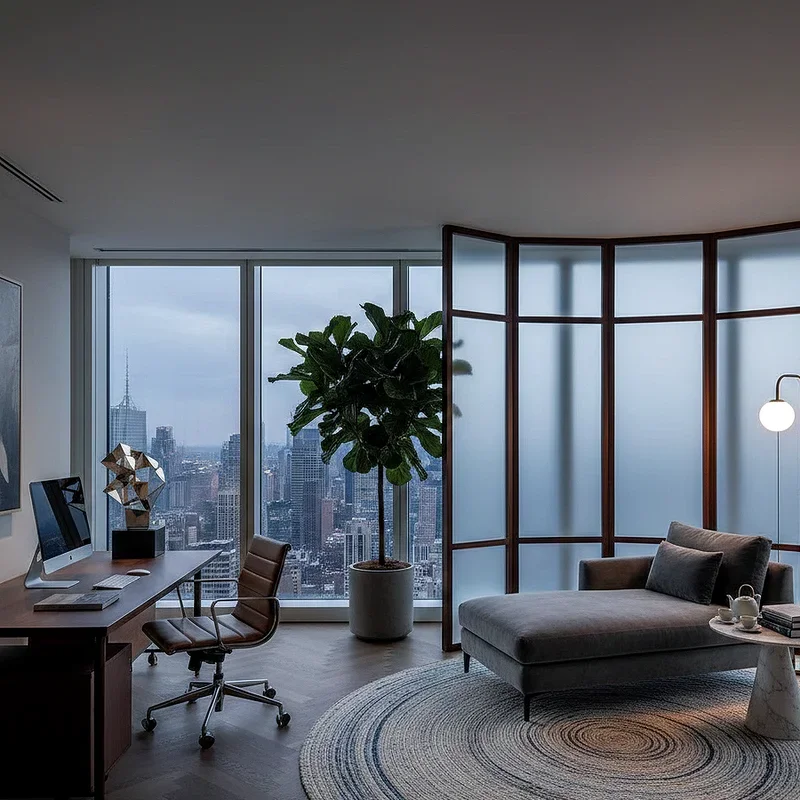
Even the most driven executives need moments of decompression, making a private relaxation corner essential rather than indulgent within your office design. This sanctuary might include a comfortable chaise lounge, meditation cushion, or simply a cozy reading chair positioned away from your primary work zone. Think of this space as your personal recharging station where quick power naps or mindfulness moments restore your edge between demanding meetings. Include elements that personally soothe you, whether soft textures, calming artwork, or a small fountain providing gentle water sounds. Keep this area screen-free to create genuine mental separation from constant digital demands. Your relaxation corner demonstrates wisdom about sustainable performance.
5. Install Smart Technology Systems
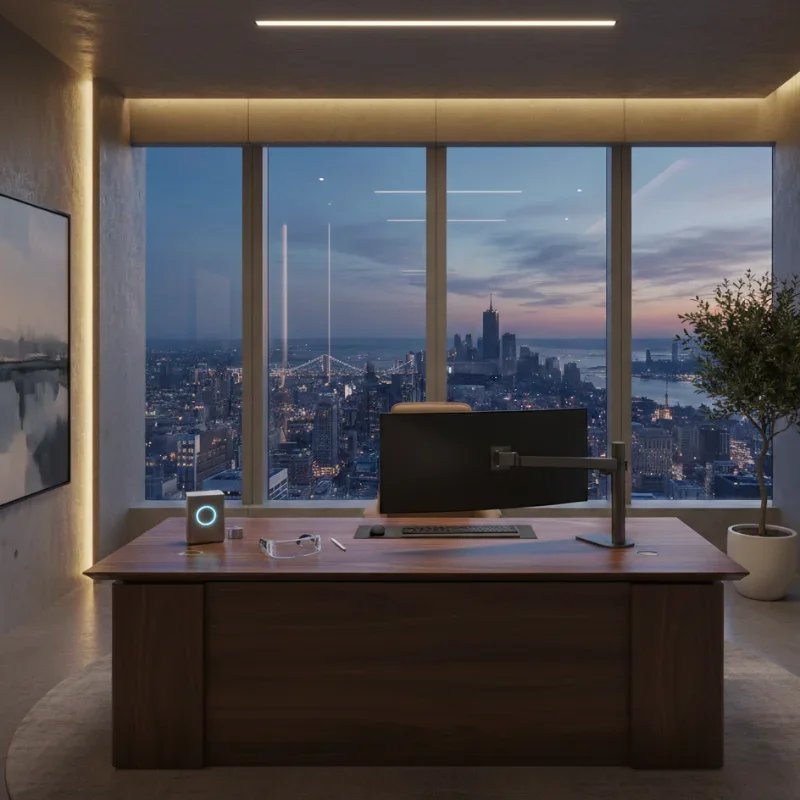
Modern CEO offices demand intelligent technology integration that simplifies operations while impressing visitors with seamless functionality throughout every interaction. Voice-controlled lighting, automated climate adjustment, and one-touch presentation systems eliminate fumbling that undermines professional impressions during crucial moments. Consider installing smart glass that transforms from transparent to opaque with a simple command for instant privacy. Integrated video conferencing systems should appear invisible until needed, then perform flawlessly without technical difficulties derailing important meetings. Your technology should anticipate needs rather than create obstacles, working behind the scenes to support your leadership. Include charging stations discreetly positioned for your devices and those of visiting colleagues.
6. Choose a Sophisticated Color Palette
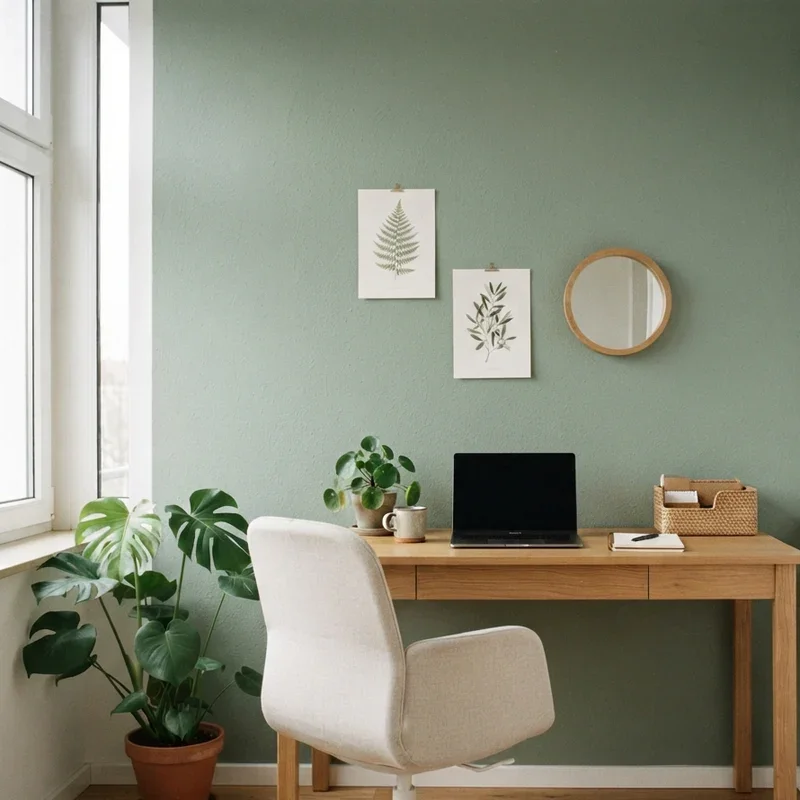
Color psychology influences every person entering your office, making your palette selection far more strategic than simply choosing hues you personally enjoy. Deep blues convey trust and stability while rich greens suggest growth and balance that reassure investors and partners alike. Neutral foundations of charcoal, cream, or warm gray provide sophisticated backdrops that prevent visual fatigue during long working hours. Add accent colors sparingly through artwork or accessories that draw the eye without overwhelming senses. Avoid trendy colors that might feel dated within years, opting instead for timeless combinations that age gracefully. Your color choices silently communicate brand values and personal philosophy to everyone experiencing your workspace.
7. Add Luxury Seating Options
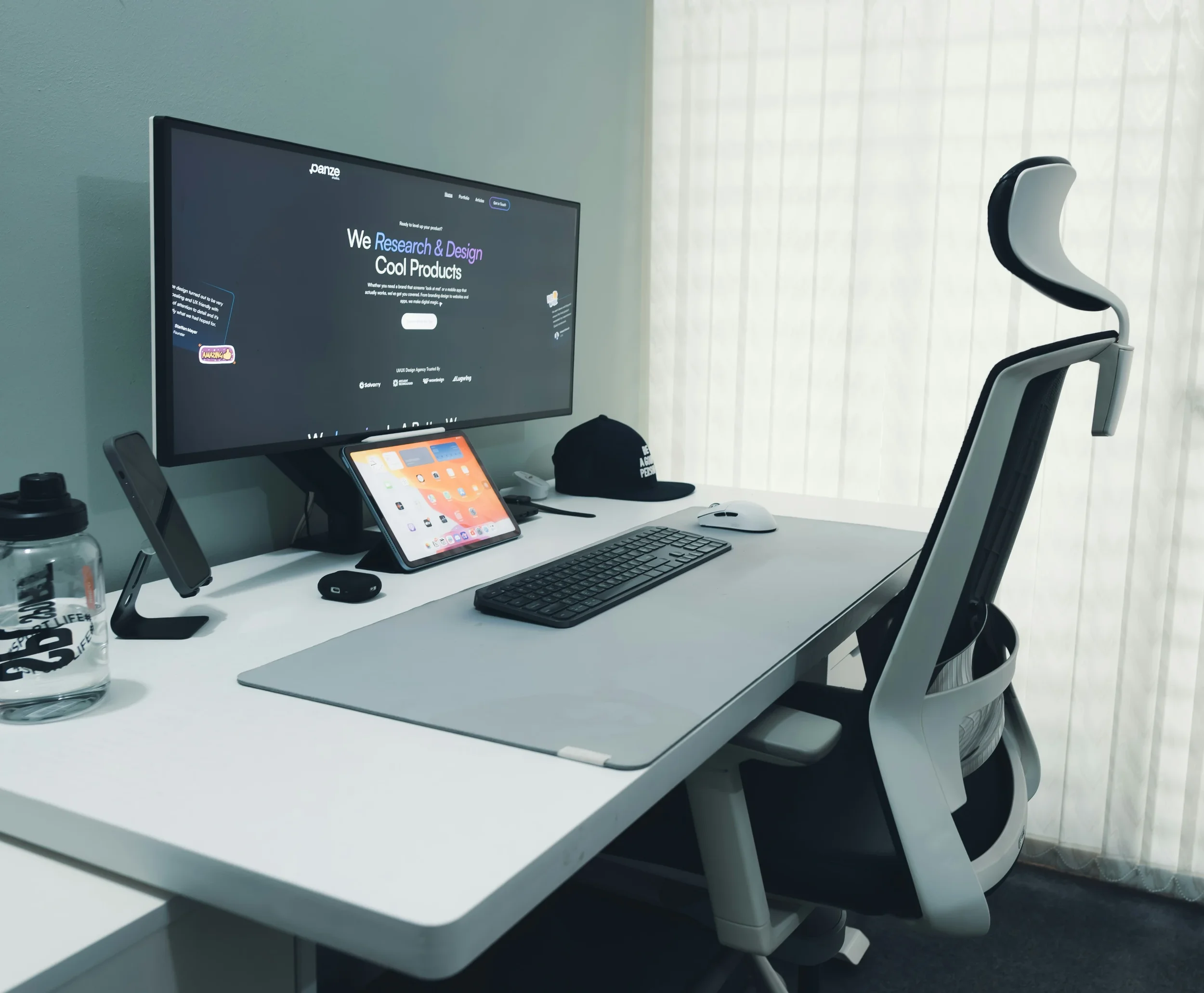
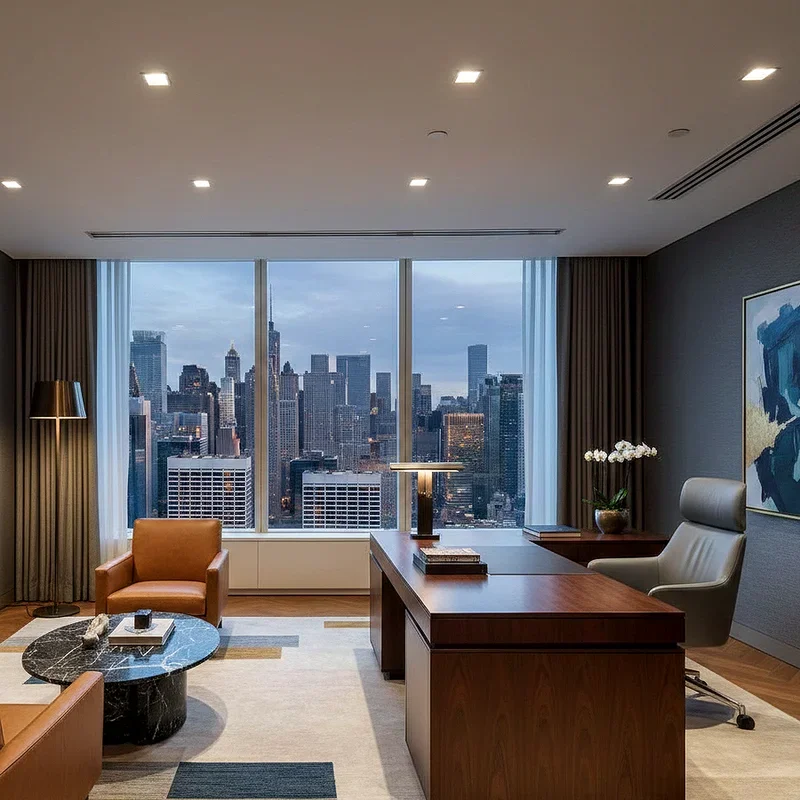
The chairs in your office communicate volumes about how you value comfort, quality, and the experience of everyone spending time in your presence. Your executive chair should provide exceptional ergonomic support for those twelve-hour days while projecting authority through premium materials and thoughtful design. Guest seating requires equal attention because uncomfortable visitors cannot focus on your message or feel genuinely welcomed. Consider leather that develops beautiful patina over time or performance fabrics maintaining pristine appearance through years of use. Ensure adequate seating quantity for typical meeting sizes without overcrowding your office with unnecessary furniture. Your seating investments pay dividends through improved comfort and lasting professional impressions.
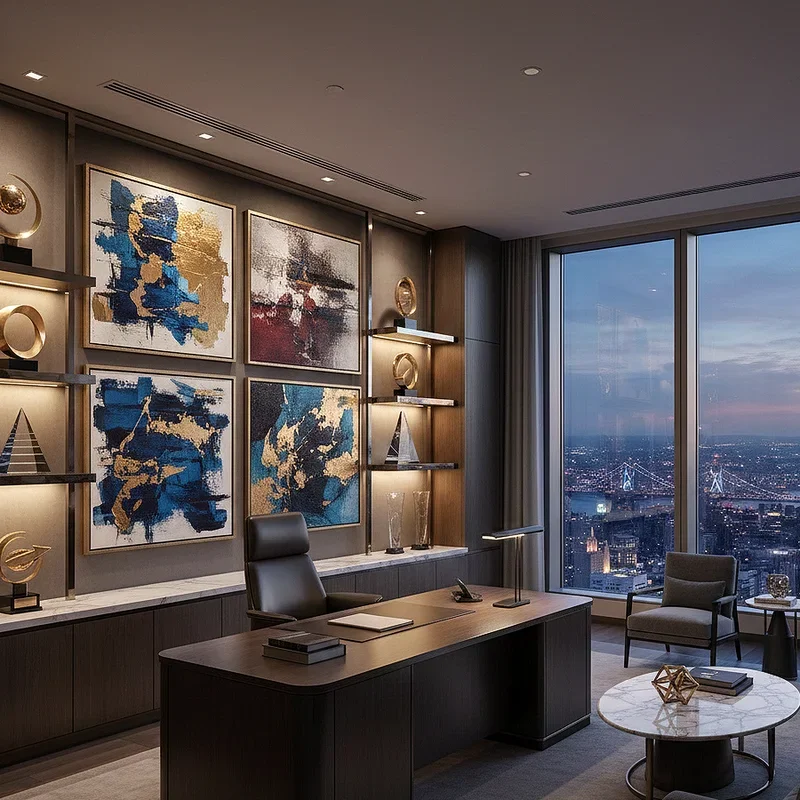
8. Display Meaningful Art and Awards
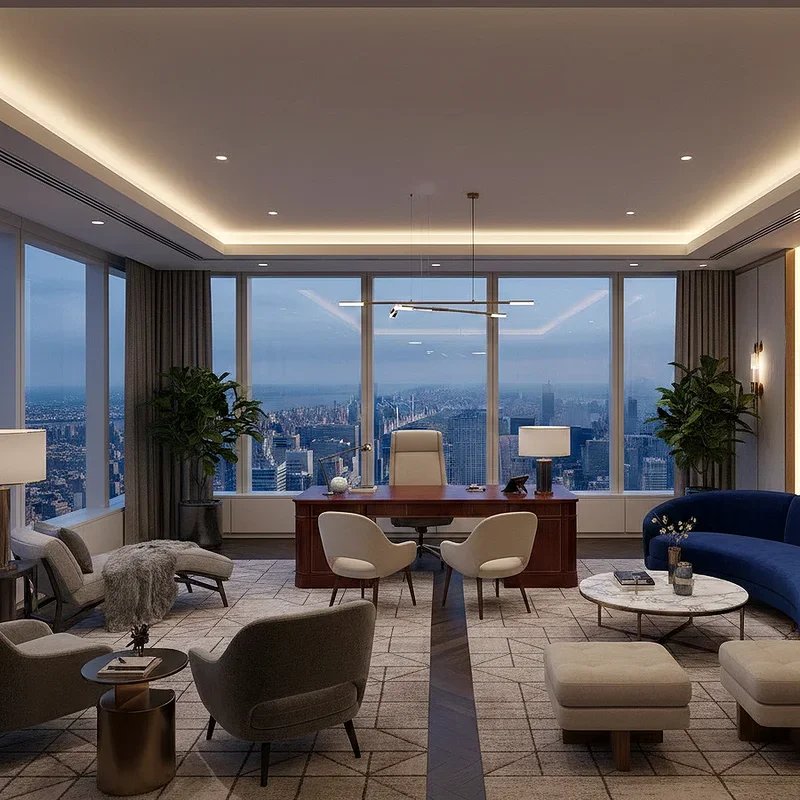
Your office walls tell stories about your journey, values, and aspirations through carefully curated artwork and professionally displayed achievements earned along your path. Select pieces that resonate personally while remaining appropriate for diverse visitors with varying tastes and cultural backgrounds. Awards and recognitions deserve prominent placement but avoid creating shrine-like displays that feel boastful rather than confident. Consider commissioning custom pieces connecting specifically to your company mission for truly unique visual impact. Rotate selections periodically to maintain fresh energy and demonstrate continued growth rather than resting on past laurels. Your art collection becomes an extension of your personal brand, speaking silently about taste and success.
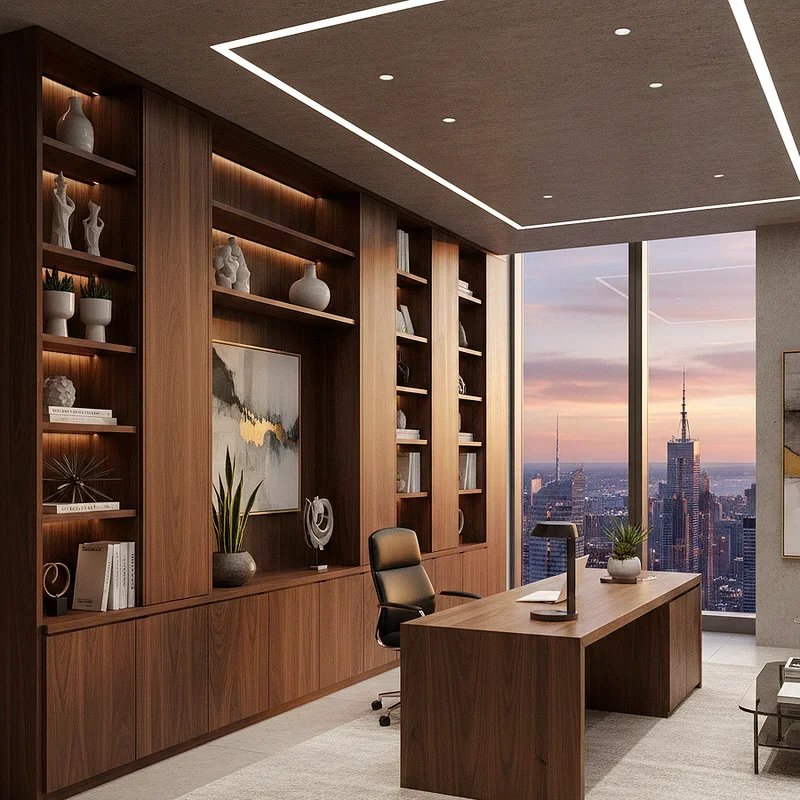
9. Include Built in Storage Solutions
Clutter destroys professional credibility faster than almost any design mistake, making thoughtful storage solutions absolutely essential for maintaining the polished appearance your position demands. Built in cabinetry provides seamless storage that disappears into your office architecture rather than interrupting visual flow with obvious organizational systems. Consider floor-to-ceiling units that maximize vertical space while creating impressive architectural presence throughout your executive environment. Include specialized compartments for technology, files, and personal items each requiring their own organizational approach. Hidden safes protect sensitive documents without advertising their existence to every visitor. Quality hardware and soft-close mechanisms signal attention to detail that perceptive visitors notice and appreciate.
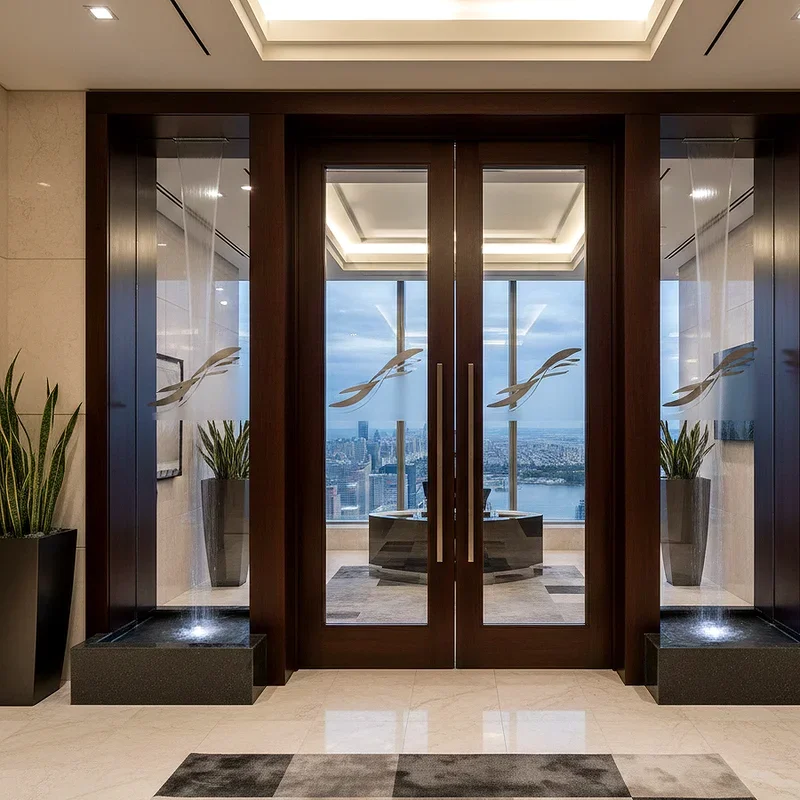
10. Create an Impressive Entrance
The first moments of entering your office shape every interaction that follows, making your entrance design critically important for establishing appropriate impressions immediately. Consider double doors that swing open dramatically or a foyer area creating anticipation before revealing your primary workspace. Quality materials at your entrance, whether polished metal handles, rich wood panels, or elegant glass elements, signal the caliber visitors should expect. Lighting at your entrance deserves special attention because illumination affects mood and perception before conscious thoughts form. Include subtle branding elements that orient visitors to your identity while they transition into your private domain. Your entrance sets the stage for every performance unfolding within.
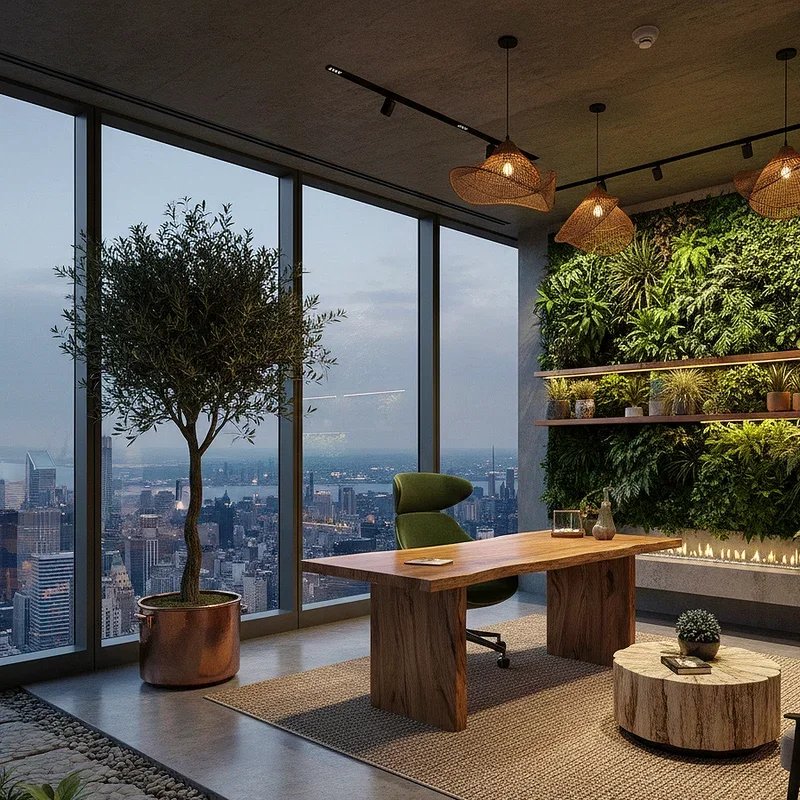
11. Incorporate Natural Elements
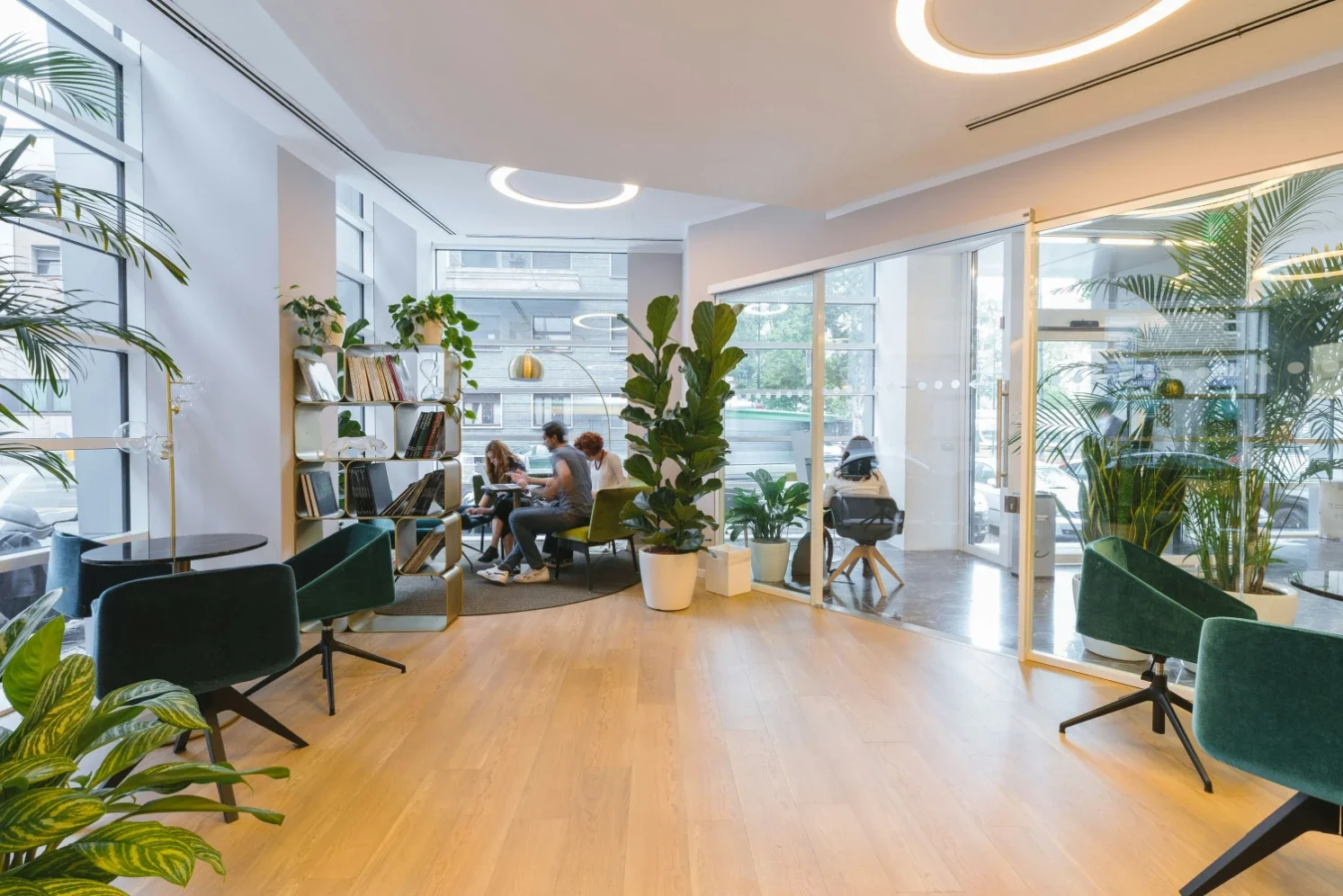
Biophilic design principles recognize our innate human connection to nature, making natural elements powerful additions that boost wellbeing and cognitive function measurably. Living plants purify air while adding organic texture and color that softens hard professional surfaces typically dominating executive environments. Consider a living wall installation that transforms an entire surface into lush greenery making powerful visual statements. Natural materials like stone, wood, and leather connect occupants to the physical world beyond concrete and glass urban landscapes. Water features provide gentle ambient sound that masks distracting noises while creating tranquil energy supporting focused thinking. Your commitment to natural elements demonstrates environmental awareness while creating genuinely healthier workspace conditions.
12. Design Optimal Lighting Layers
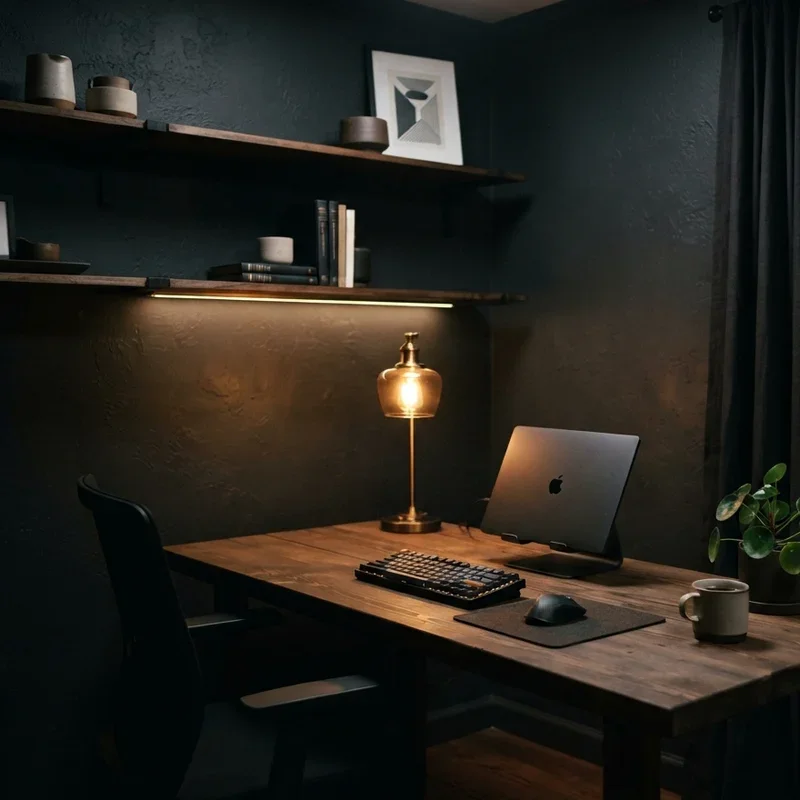
Lighting design separates amateur spaces from professionally conceived environments, requiring careful layering that addresses multiple needs throughout your varied daily activities. Ambient lighting provides overall illumination setting baseline brightness levels without creating harsh shadows or unflattering conditions. Task lighting focuses intensity where specific activities demand concentrated illumination, such as desk work or reading areas. Accent lighting highlights architectural features and artwork deserving special attention. Dimming capabilities across all layers allow mood adjustment appropriate for different situations from energetic morning briefings to intimate evening sessions. Natural light integration requires thoughtful management through automated shading systems. Your lighting mastery creates environments that feel appropriate for every moment occurring within your space.
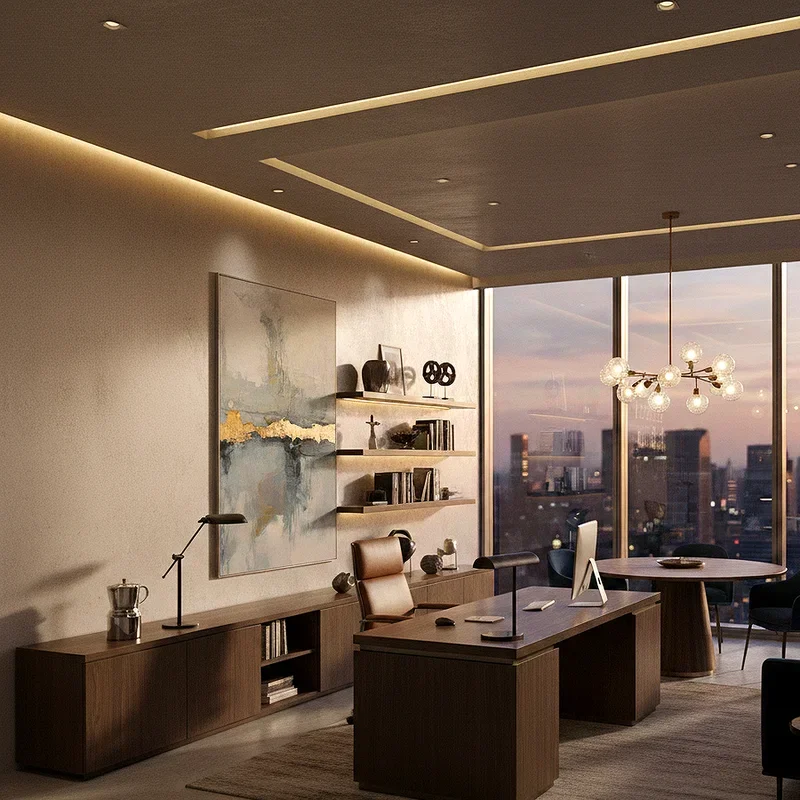
13. Add a Personal Library Wall
A dedicated library wall communicates intellectual depth while providing functional storage for reference materials informing your leadership decisions and strategic thinking. Floor-to-ceiling shelving filled with carefully selected titles creates impressive visual impact while demonstrating commitment to continuous learning actively. Include business classics, industry-specific resources, and selections revealing personal interests that humanize you beyond purely professional dimensions. Rolling library ladders add functional flair while enabling access to upper shelves. Integrate lighting within shelving units that illuminates spines beautifully while creating warm ambiance naturally. Leave breathing room between books for decorative objects and photographs adding personality. Your library wall becomes conversation catalyst and intellectual credibility signal combined.
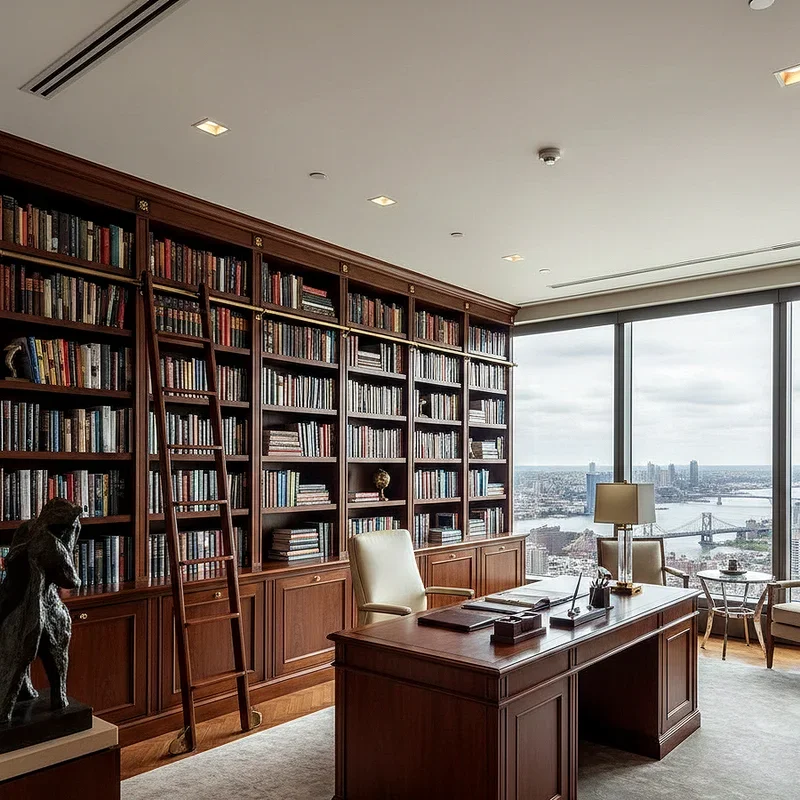
14. Include Premium Flooring Materials
Flooring grounds every design decision above it, making material selection critically important for achieving the sophisticated atmosphere executive spaces require without compromise. Hardwood flooring in rich walnut, oak, or exotic species provides warmth and timeless elegance that carpet simply cannot match. Consider large format natural stone for areas requiring maximum durability and dramatic impact. Area rugs define zones within open floor plans while adding texture and acoustic benefits reducing echo significantly. Underfoot comfort matters for spaces hosting long meetings where fatigue accumulates through standing and walking constantly. Maintenance requirements influence long-term appearance because even premium materials degrade without proper care. Your flooring investment forms the foundation upon which your entire office design successfully stands.
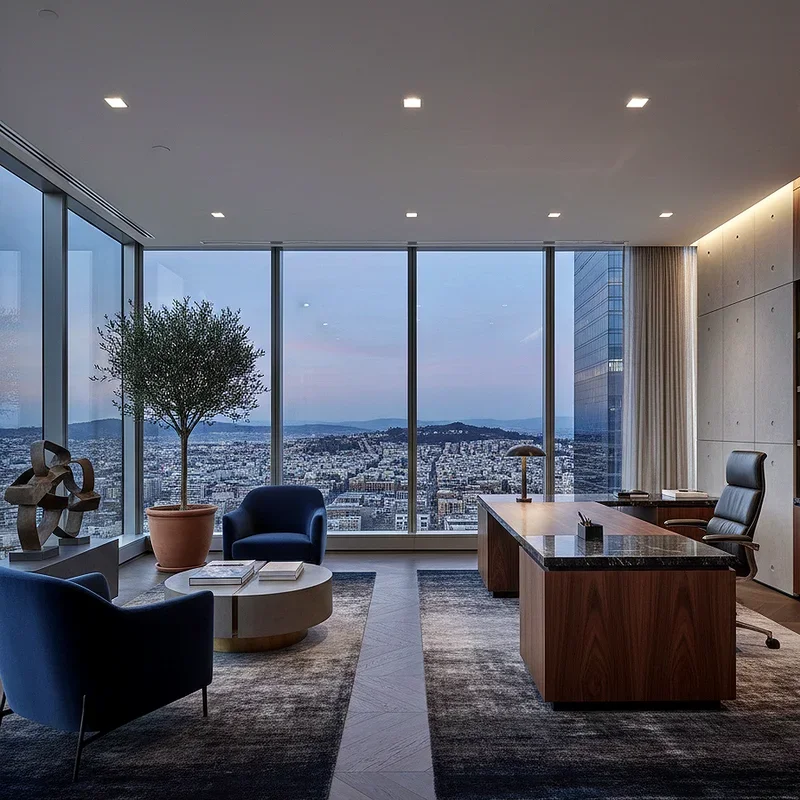
15. Create Zones for Different Activities
Modern executive work encompasses wildly varied activities requiring thoughtfully differentiated spaces supporting each function optimally within your single office footprint. Your primary desk zone handles focused individual work demanding concentration and appropriate technology access. Meeting zones accommodate collaborative conversations ranging from intimate discussions to small group strategy sessions requiring different configurations. Relaxation corners provide recovery spaces where brief respites restore energy without leaving your private sanctuary. Technology zones house equipment and presentation capabilities supporting modern business communication demands. Consider standing work positions offering postural variety throughout long days. Clear visual boundaries between zones help your brain shift gears appropriately as activities change. Your zoned office becomes multiple rooms in one.
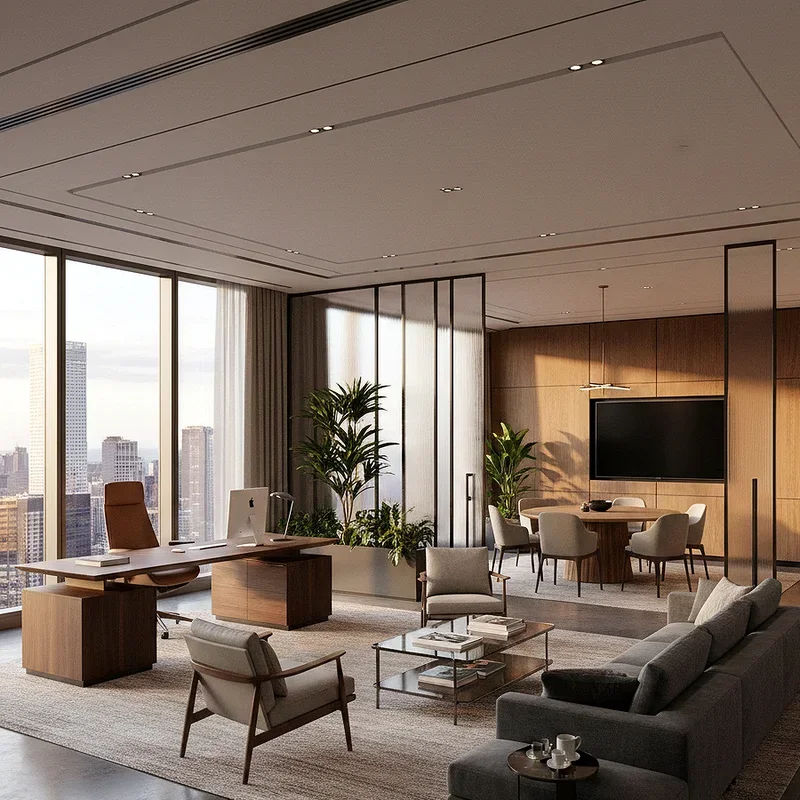
Conclusion
Transforming your CEO office into a powerful professional workspace requires intentional decisions across every element from flooring to lighting and everything between. These fifteen ideas provide the framework for creating an environment that inspires your best work while impressing every visitor who crosses your threshold. Remember that your office reflects your leadership philosophy, communicates organizational values, and sets the tone for your entire company culture daily. Start with elements making the biggest impact for your specific situation, then refine details as budget and time allow over coming months. The perfect executive office evolves alongside your career, growing and adapting as your vision expands.
Read next: 15 Executive Office Ideas for Modern Professional Spaces
Frequently Asked Questions
Q1. What is the ideal size for a CEO office?
A: Most CEO offices range from 400 to 600 square feet for adequate functionality and presence.
Q2. How much should I budget for an executive office redesign?
A: Executive office renovations typically cost between fifty thousand and two hundred thousand dollars complete.
Q3. Should a CEO office have a private bathroom?
A: Private bathrooms offer convenience and privacy, making them worthwhile additions when space permits.
Q4. How often should I update my office design?
A: Consider refreshing your office design every five to seven years to maintain modern appeal.
Q5. What colors work best for executive offices?
A: Deep blues, rich greens, and neutral tones convey professionalism and timeless sophistication effectively.
Stay up to date with our latest ideas!