Discover when Dubai freelancers should move from a home office to a business center, considering costs, productivity, networking, and professional growth.

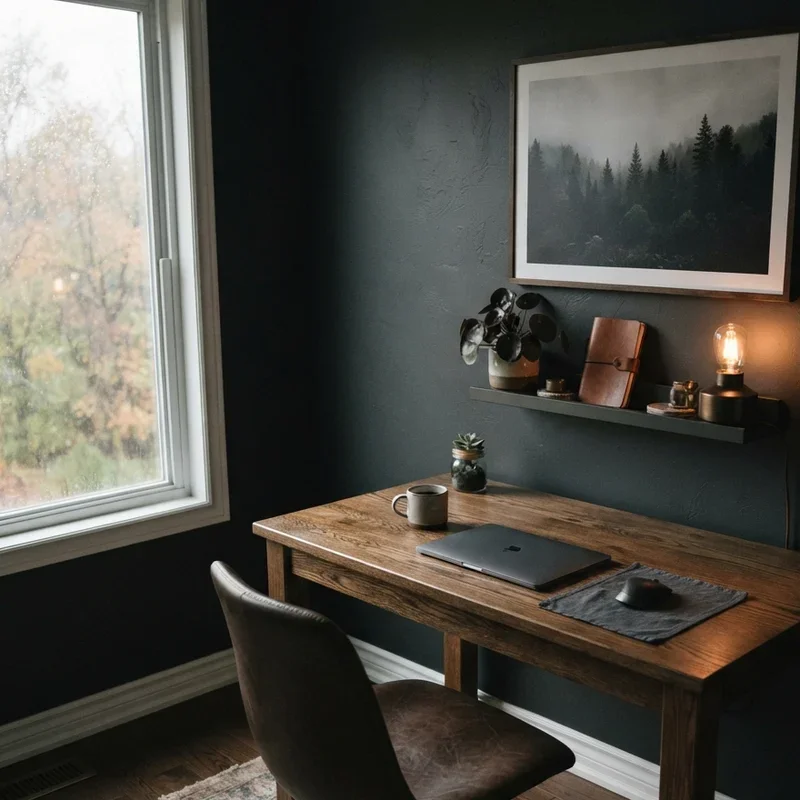
Most freelancers in Dubai treat the home office question as a matter of rent. A desk at home costs nothing extra, a desk anywhere else costs thousands of dirhams a month, and for someone billing by the project, the choice looks obvious. It is the wrong comparison. A home office has running costs that rarely get added up, and the reason to leave it is seldom the price. It is the moment the home can no longer do a job the business needs.
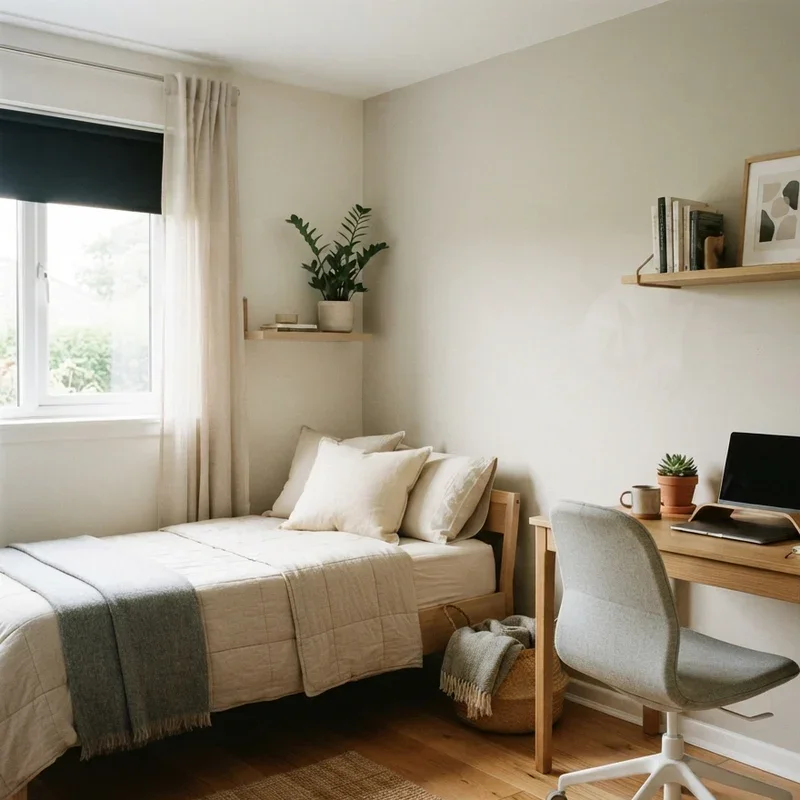
The first job is keeping the room usable. In a Dubai summer, a spare bedroom used ten hours a day depends on one split AC unit, a stable fibre connection and wiring that does not trip, which is why freelancers who work from home are better off treating annual home maintenance plans in Dubai as a business cost rather than a household one. The second job is the one a flat cannot do at all past a certain point: give the business what clients, licensing and hiring require.
The Real Running Cost of a Home Office
DEWA recommends setting air conditioning to 24°C, according to HiDubai Focus, which also notes that each degree below that adds roughly 5% to cooling energy. A freelancer who keeps the workroom at 21°C through a working day is paying about 15% more to cool it, every weekday, all summer. The same guide advises checking filters every two to four weeks in peak months and booking a professional service before the heat arrives.
None of this is expensive on its own. The cost shows up when it fails. An AC unit that stops in August does not just make the room uncomfortable; it takes a working day, sometimes two, while a technician is found and parts are approved.
A home office is free until the cooling fails in a deadline week.
Signal One: Meetings Start Repeating
Hotel lobbies and cafés handle a first meeting well enough. They handle the fifth meeting with the same client badly, and they cannot handle a confidential call at all. When meetings become a monthly routine, the freelancer is already paying for a workspace, just in coffee, parking and time.
Run the arithmetic. Four two-hour client meetings a month, at an illustrative AED 120 an hour for a bookable meeting room, comes to AED 960. That is before the calls taken from a car because the flat was not quiet. At that point, the gap between working from home and working from an office is smaller than the rent suggests.
Signal Two: The First Hire
This is the signal that ends the debate. A freelance licence does not allow its holder to hire staff or sponsor visas, and doing either requires setting up a company, according to Middle East Briefing’s guide to UAE freelance licences. A company licence then brings its own premises requirements, set by whichever free zone or mainland authority issues it, and a residential flat rarely meets them.
The first employee is usually the end of the home office, whether the freelancer planned for it or not.
What a Business Center Changes
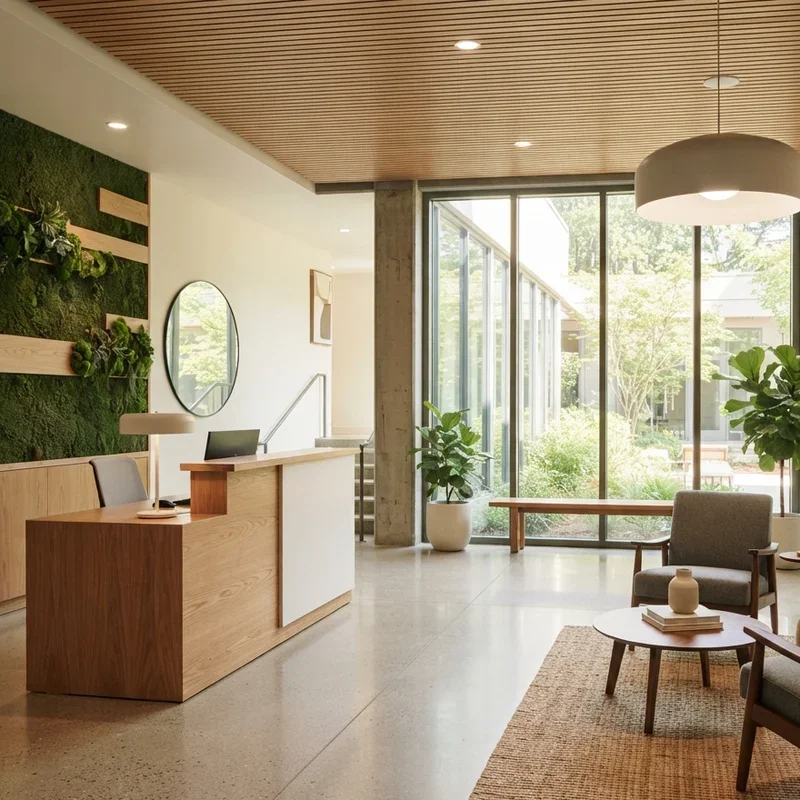
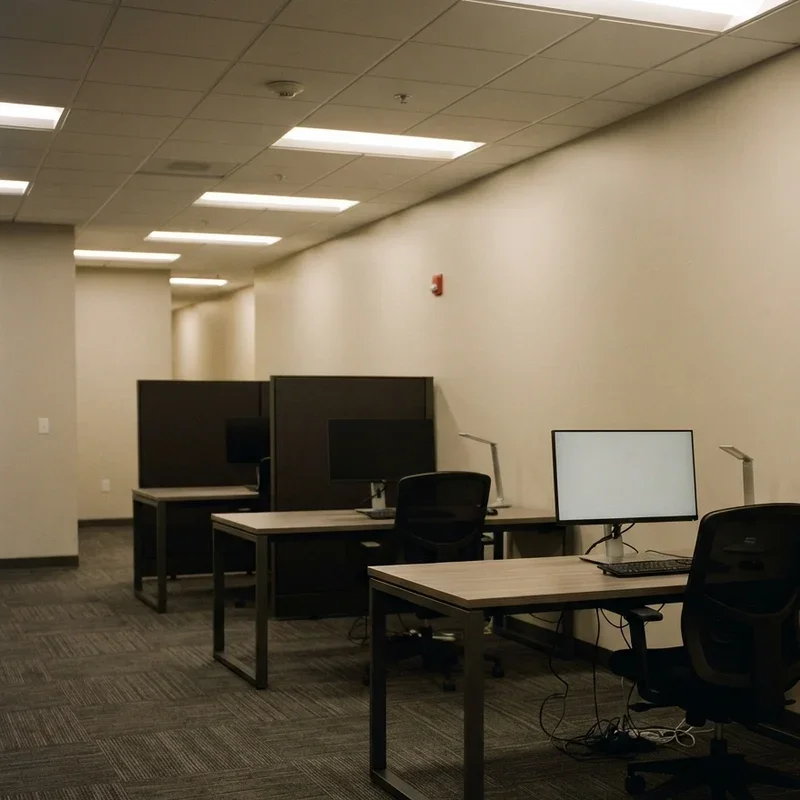
For a freelancer at that point, the useful comparison is a fully serviced business center in Dubai against everything the home office quietly absorbs, because a serviced office folds utilities, internet, cleaning, meeting-room hours and a reception into one monthly figure. The home side of that comparison includes the share of DEWA bills spent cooling the workroom, the maintenance visits, the meeting rooms booked elsewhere and the hours lost to interruptions.
There is also the address. A business that hands clients a residential address, or that has to amend its licence when it moves, carries a small cost each time. A business center that offers both a virtual address and private offices in the same building lets a freelancer start with one and move to the other without changing the address on every document.
The Steps in Between
The move does not have to happen in one go. Most freelancers who leave home successfully do it in stages: meeting rooms by the hour first, then a registered business address, then a private office once a hire or a licence change makes it necessary. Each step costs less than the one after it, and each one tests whether the next is needed.
The mistake is skipping the testing. A freelancer who signs a yearly office lease to feel more established, before the work demands it, has turned a flexible cost into a fixed one.
Questions to Settle Before You Move
Before signing anything, put these to yourself and to any provider you are considering:
How many client meetings did you hold last month, and where?
Will you need to hire or sponsor anyone in the next 12 months?
Does your licensing authority accept a residential address, and for how long?
What does your home office actually cost once cooling, maintenance and meeting rooms are counted?
Can you start with a meeting room or a virtual address and upgrade in the same building?
A freelancer who moves because the office finally looks affordable has made a cost decision. One who moves because clients, a licence or a first hire required it has made a business one.
Licensing and visa rules differ between free zones and the mainland and change over time, so confirm current requirements with your licensing authority before committing.
Stay up to date with our latest ideas!