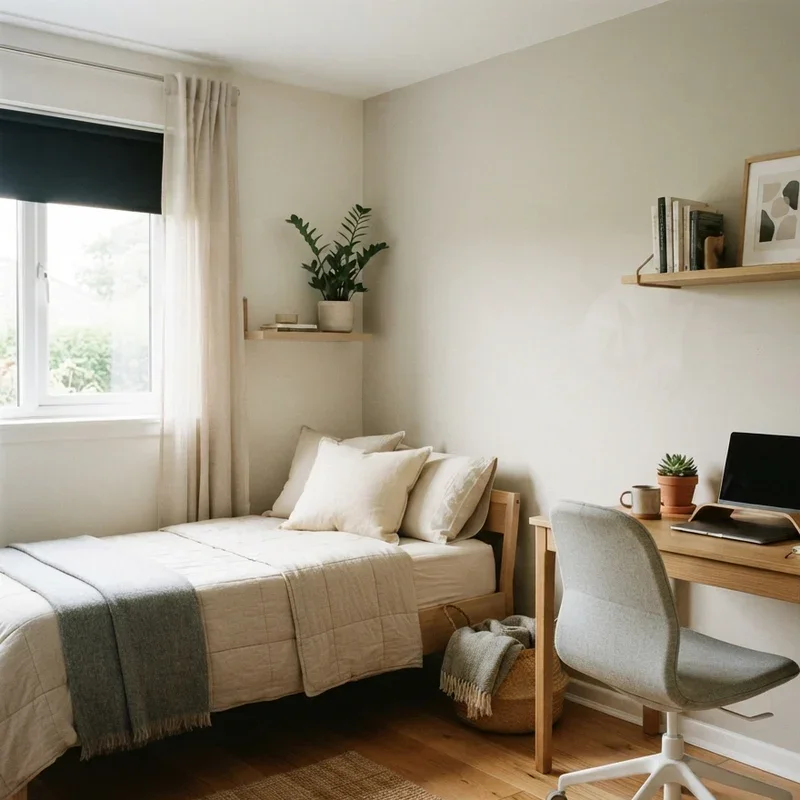
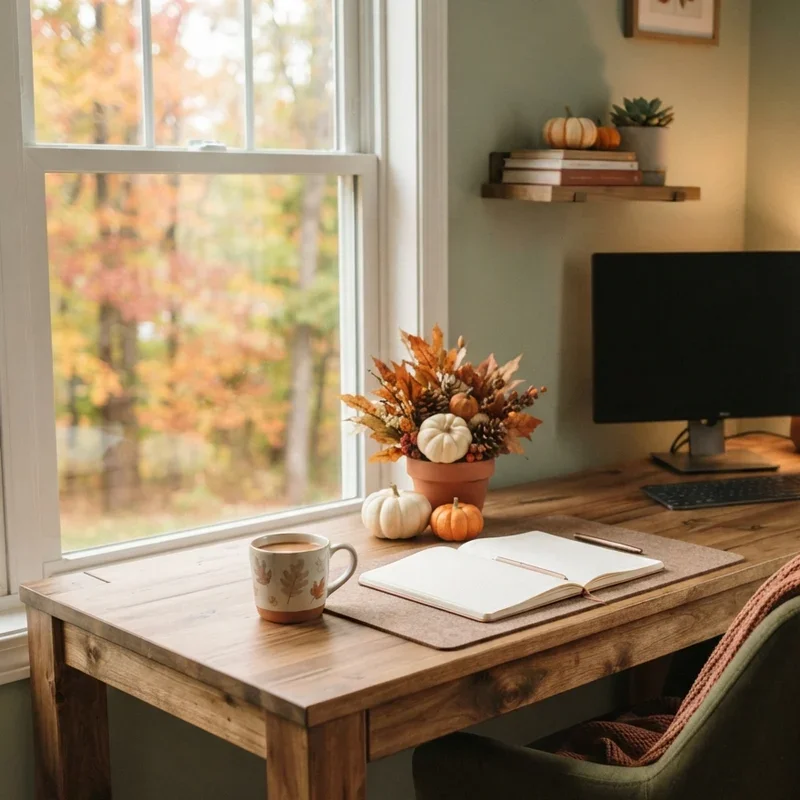
Discover how wellness architecture inspires healthier workspaces through natural lighting, thoughtful layouts, improved air quality, and ergonomic design.

Most of us spend more waking hours at work than almost any place else. Many offices still feel stuffy, dim, and loud by midafternoon. Wellness architecture treats the workspace as a place that can lift mood, sharpen focus, and help us stay well.
Many Denver architects now bring these ideas into offices, studios, and home workspaces across the Front Range, where bright sun, dry air, and mountain views shape how a room feels. Small, low-cost steps can capture much of their approach. Here are the ideas that make the biggest change. They work for a team office or a desk in a spare bedroom.
Start With Fresh Air
Air may be the most overlooked part of office design. In a well-known 2015 study led by Harvard researchers, office workers took thinking tests under different indoor air conditions. On average, their scores were 61 percent higher on days when the air held fewer chemicals. With extra fresh air added, scores were 101 percent higher than in a typical office setting. The study was small and took place in a test building. Its message is clear: what we breathe at work affects how well we think.
In a large office, ask your building manager how much fresh air the system brings in and how good the filters are. In a small office or home workspace, open a window when you can, run a good air purifier, and choose low-VOC paints and finishes. A simple carbon dioxide monitor can show when a meeting room needs more air. If the number climbs during long meetings, crack a door or take a short break.
Make Daylight Work for You
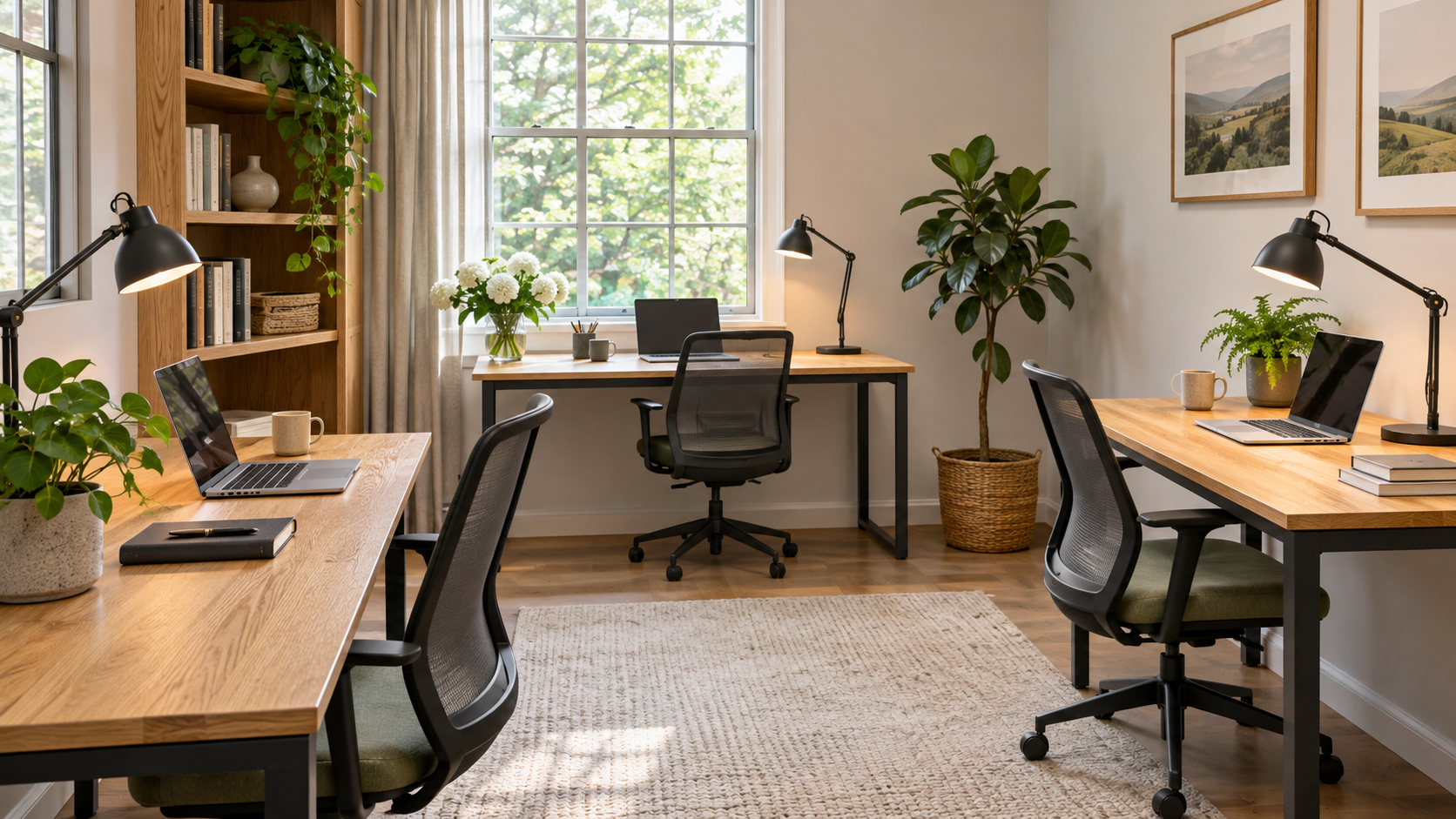
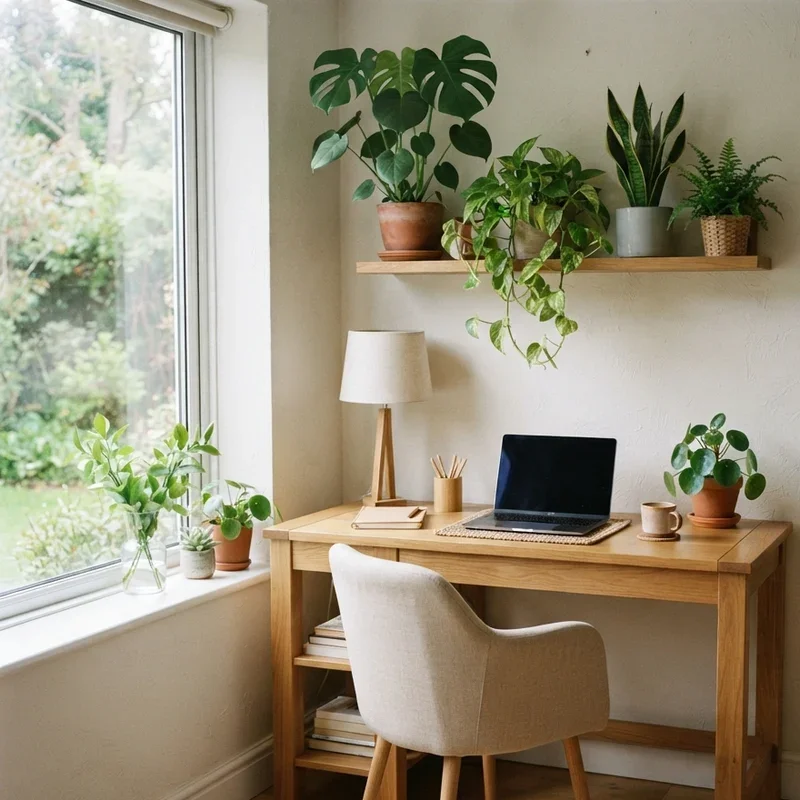
Daylight helps set our body clock and lifts mood. Wellness designers place desks and team spaces to make the most of it. Try to sit near a window, at a right angle to it if you can, so light falls across your desk with no glare on your screen.
In Denver and other high-altitude cities, sunlight can be intense. Glare and heat can become real problems, most of all on west-facing walls in the afternoon. Light-filtering shades, solar film, or outdoor shades can soften the light and keep the view. For rooms with few windows, choose lighting that mimics daylight during the day. Many new LED systems can shift from cool, bright light in the morning to warmer tones later on. That shift helps your body sense the time of day, even in a room with no window.
Bring the Outdoors In
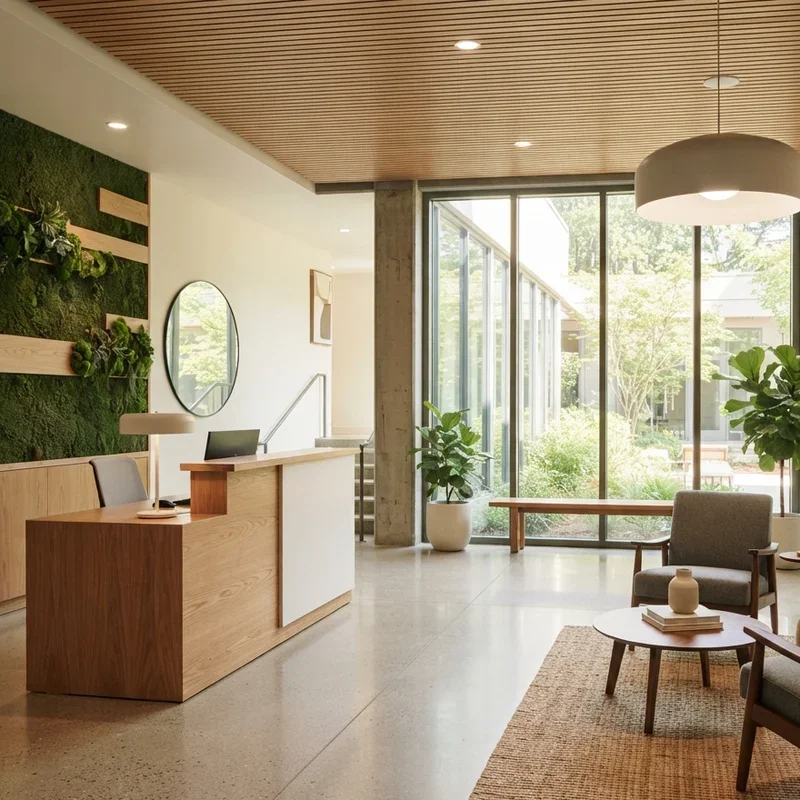
People tend to feel calmer and more focused when they can see or touch nature. Designers call this idea biophilic design, and it shows up in many wellness offices. Views of trees and sky, natural wood and stone, plants, and earthy colors all help. On the Front Range, framing a view of the mountains can turn an ordinary meeting room into a favorite spot.
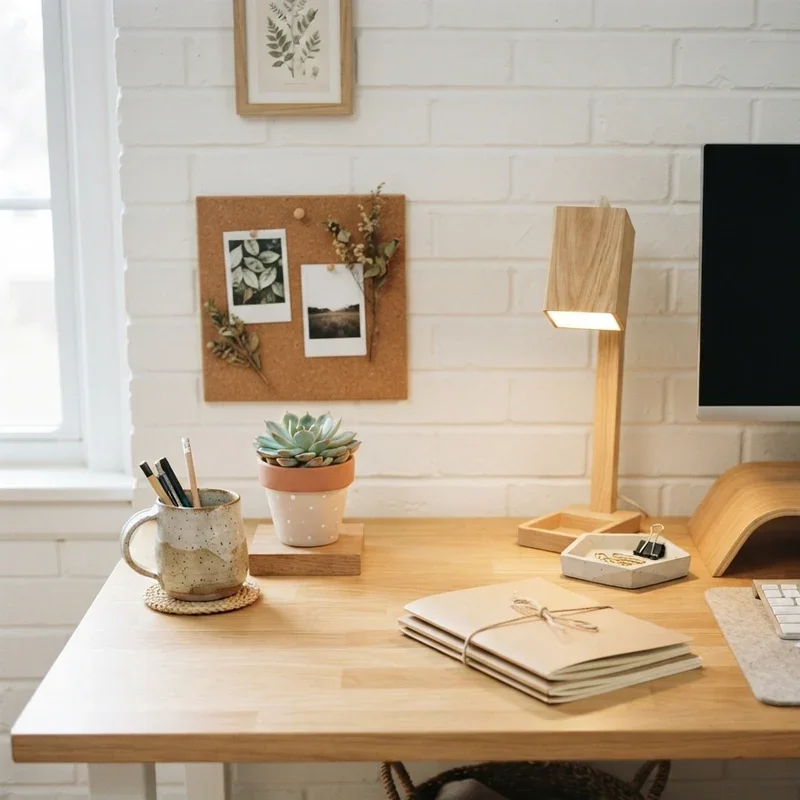
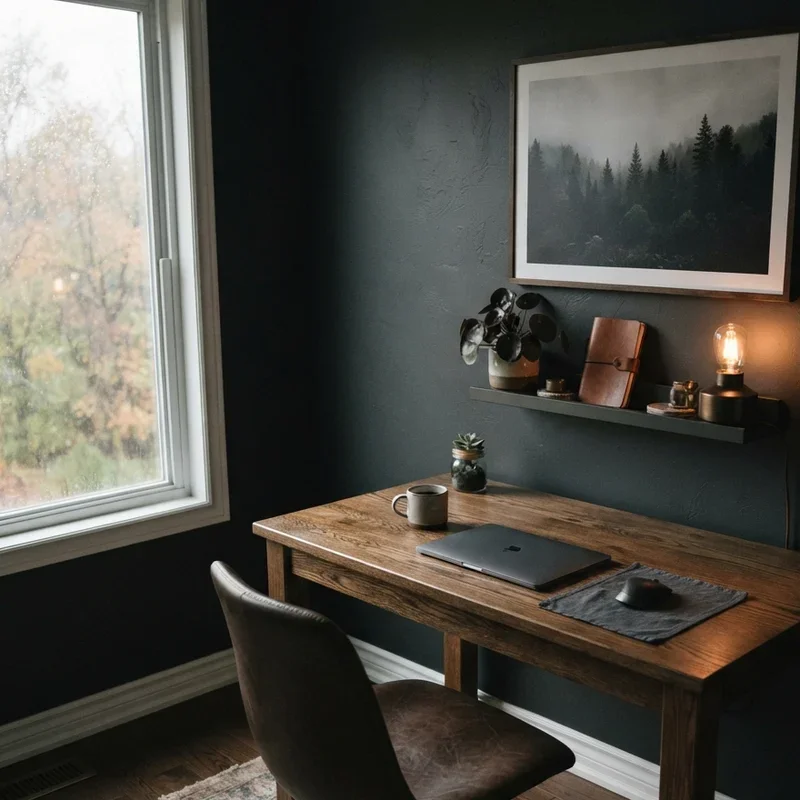
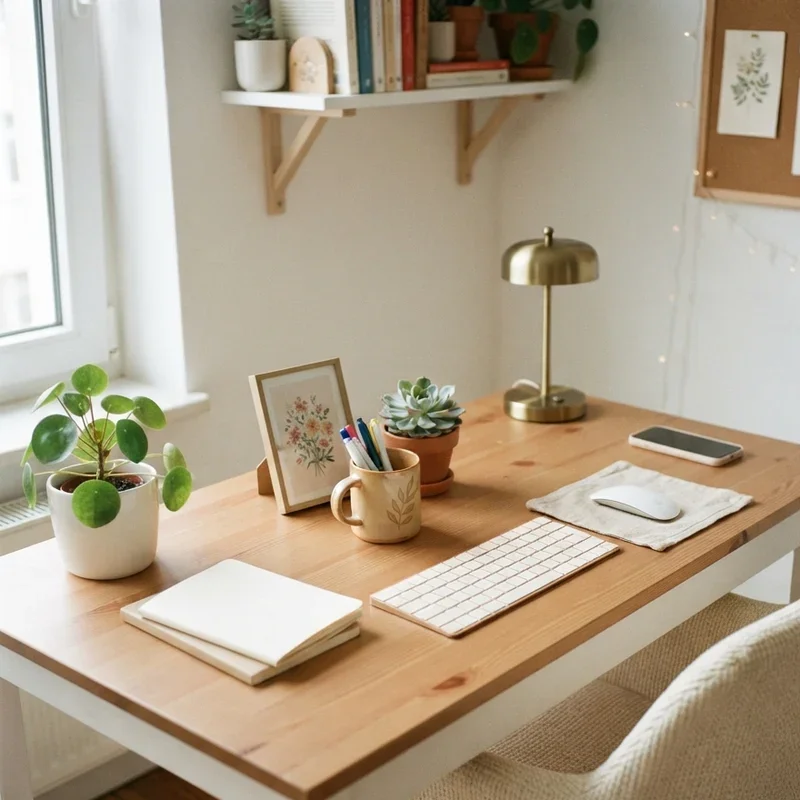
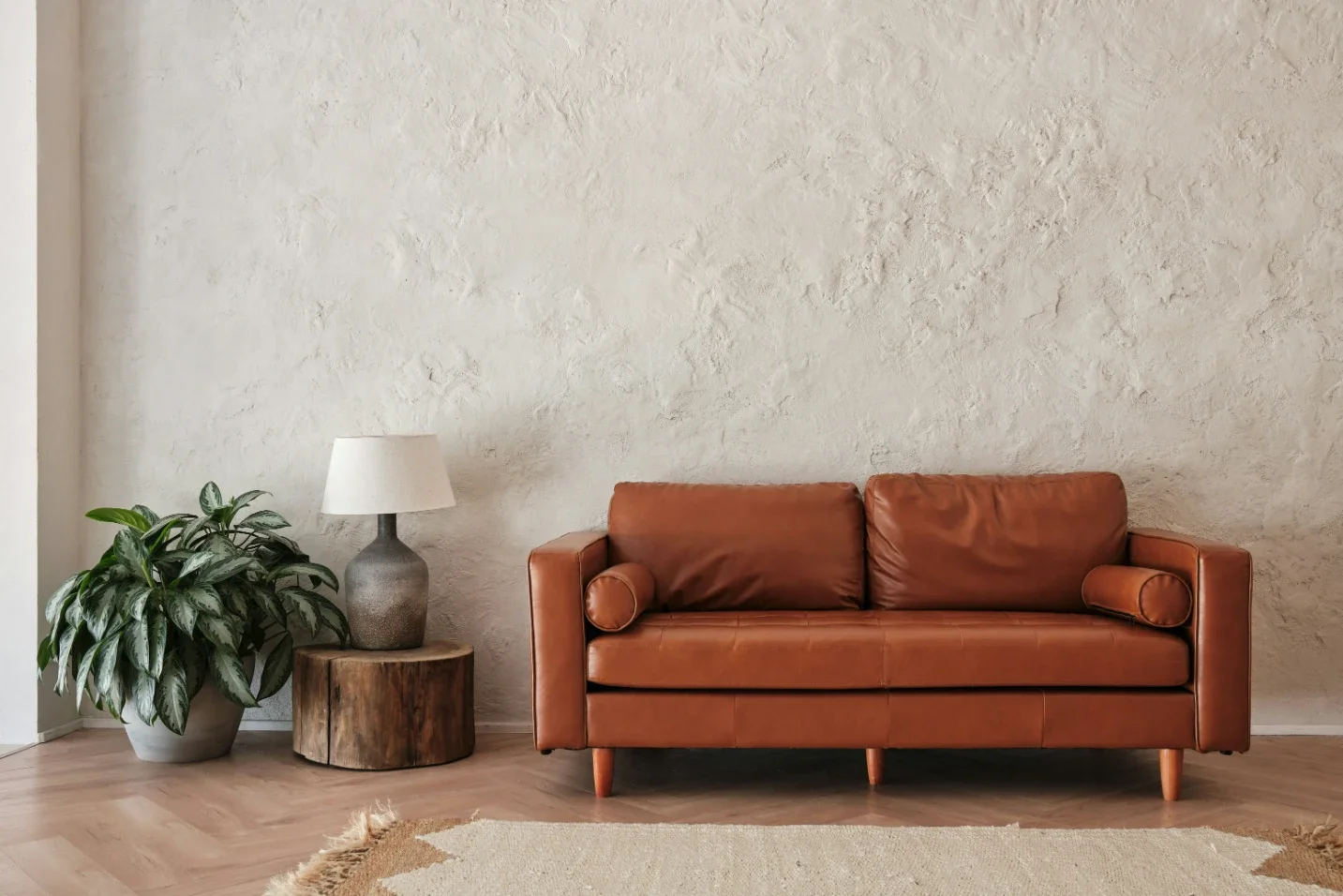
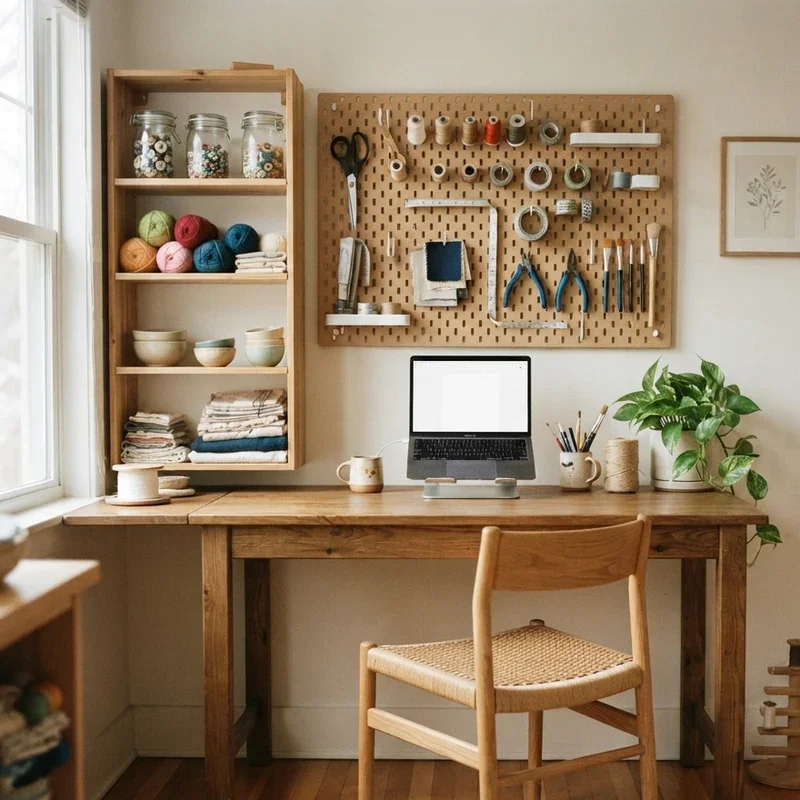
If your view is a parking lot, bring nature in another way. Add a few easy-care plants such as pothos or snake plants. Use a wood desk or shelf, a wool rug, or linen cushions. Hang large nature photos or art. Even small touches can make a workspace feel warm and more like your own.
Plan for Focus and Quiet
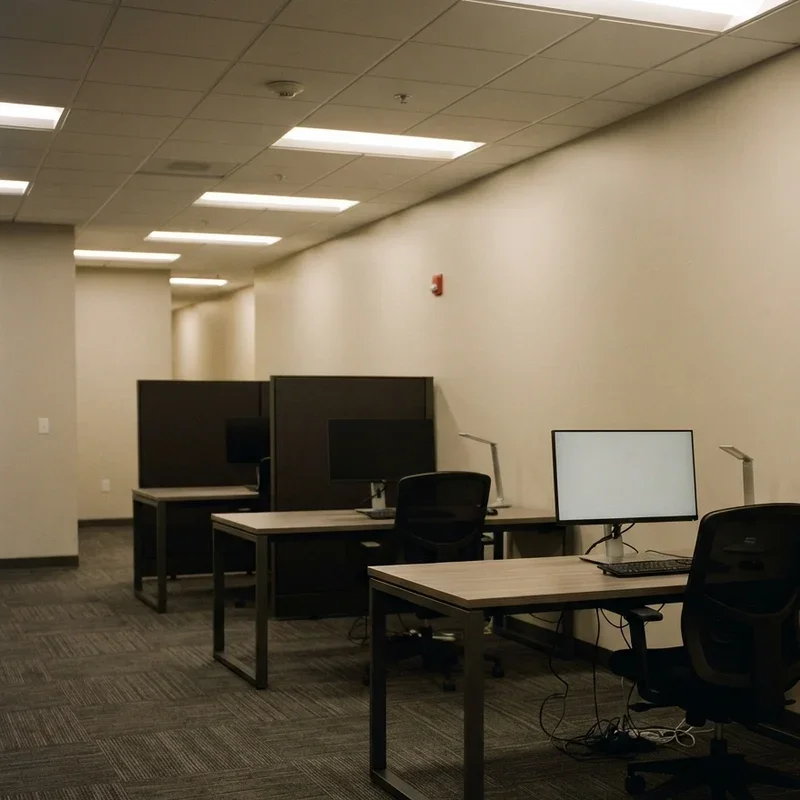
Open offices can make it hard to think. Noise from calls, coffee machines, and chatter pulls your mind in many directions. Wellness design gives people choices. A good workspace mixes open areas for teamwork with quiet zones, phone booths, and small rooms for deep work.
Soft surfaces help control sound. Sound panels on the ceiling, carpet tiles, fabric wall panels, and full bookshelves all soak up noise. At home, a rug, heavy curtains, and a door that closes can make a big difference. Noise-canceling headphones are a simple fix for busy days.
Support the Body
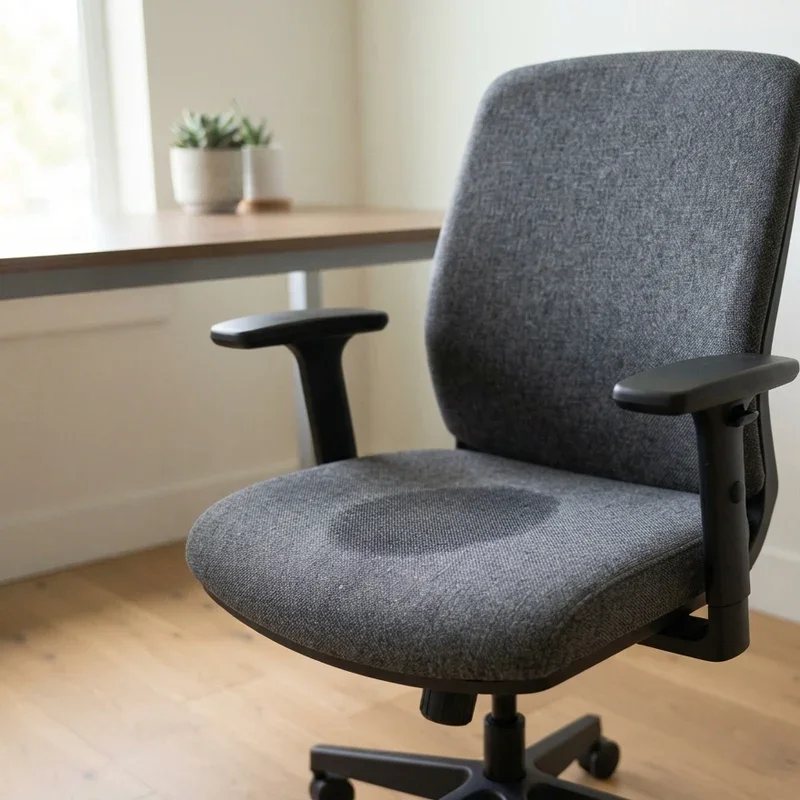
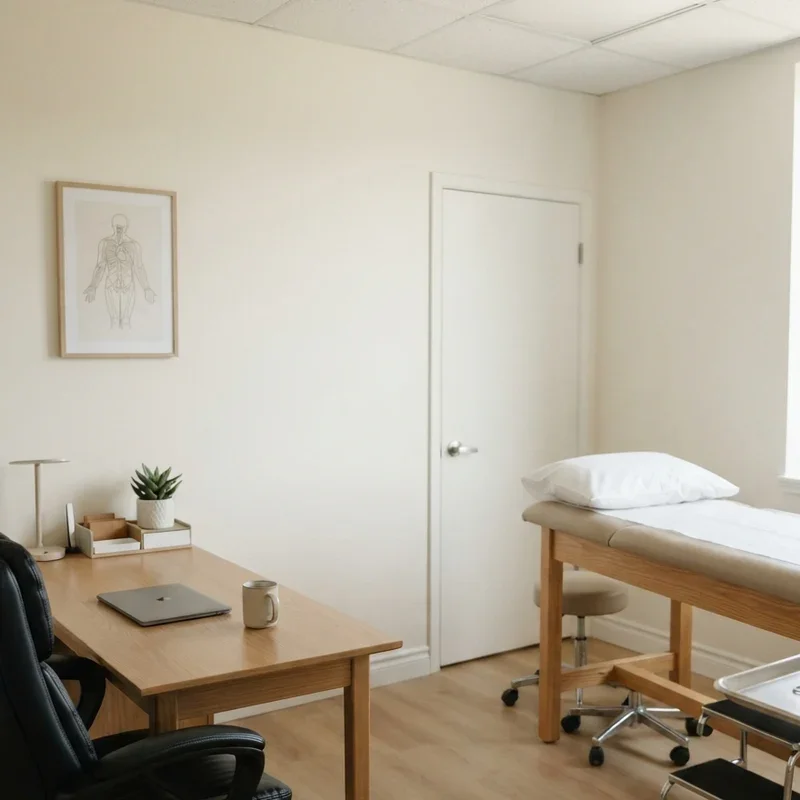
A healthy workspace invites movement. Sit-stand desks let people change positions through the day. Place printers, water, and coffee a short walk from desks, so people get up and stretch. Choose chairs with good back support and adjust desk and screen heights to fit each person.
Denver's dry climate adds one more point. Low humidity can leave eyes, skin, and throats feeling dry, most of all in winter. Encourage people to keep water close by. In small spaces, a humidifier set to a mid level can help, as long as you keep it clean.
Small Changes, Lasting Benefits
A healthier workspace can start small. Start with air, light, and a few natural touches, then add quiet zones and better furniture over time. Ask your team what helps them focus and feel good, and adjust as you learn. Their answers will often point to the next best step. When a workspace cares for the people in it, better work and better days tend to follow.
Stay up to date with our latest ideas!