Learn why Colorado roofs face rapid weather changes and explore the materials, maintenance, and design features needed to withstand all four seasons.

Monday is sunny and seventy degrees. Tuesday brings howling winds. Wednesday, it snows. By Friday, it's warm again and everyone's back in shorts. If you've lived in Colorado for more than about five minutes, this probably sounds completely normal.
It's one of the things people love and joke about here. Pack a jacket, sunglasses, and maybe an umbrella just in case. But while everyone laughs about it, the roof overhead is quietly enduring every single one of those swings without a break.
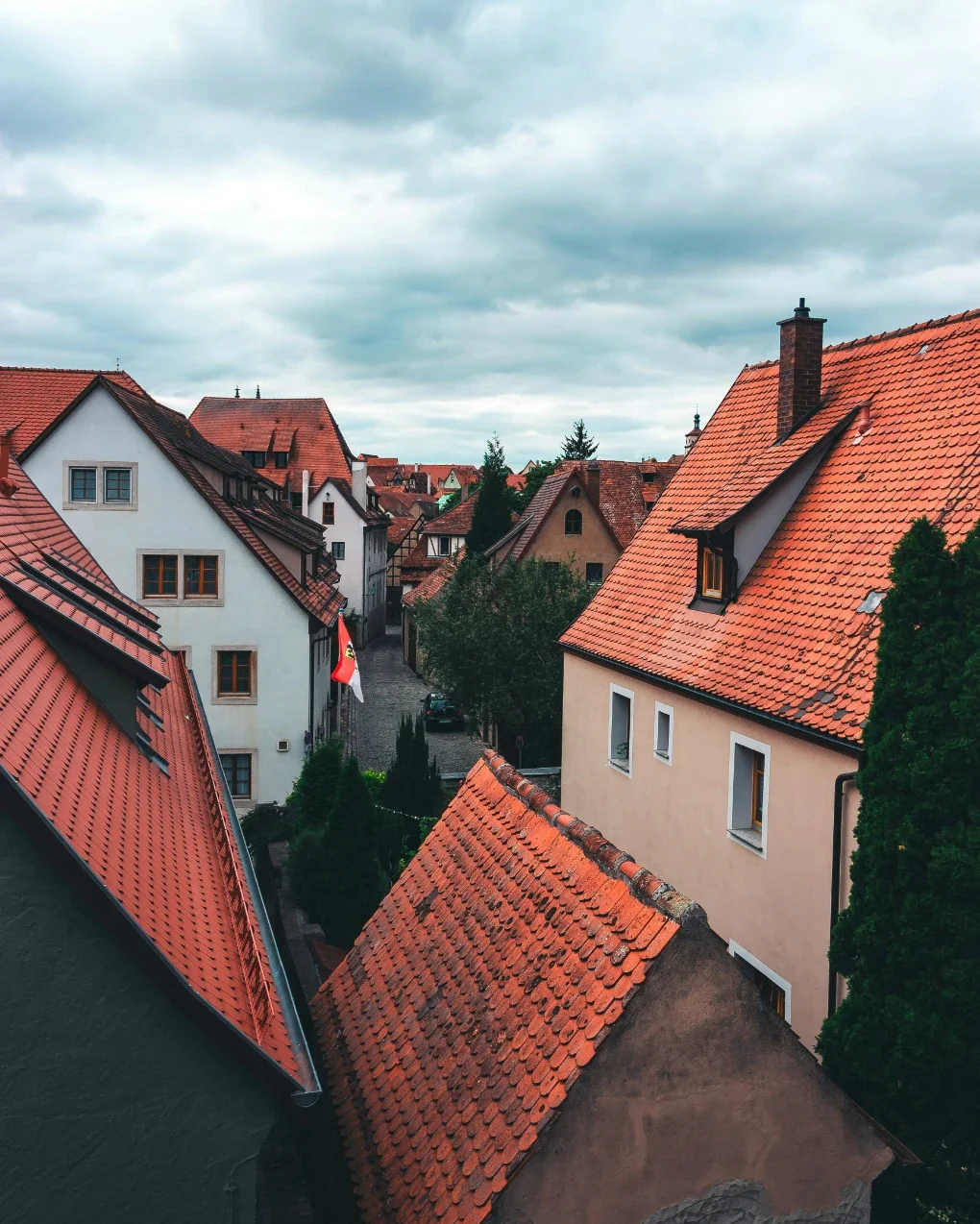
Colorado's weather puts roofs through a serious workout. Sun, wind, hail, snow, and constant temperature changes can wear down materials faster than in milder climates. Knowing what roofs face helps homeowners make smarter choices about materials, installation, and care.
Why Colorado Weather Is Especially Demanding on Roofs
A skilled roofing contractor Aurora Colorado homeowners hire has to plan for a lot. Hail is a big one. The Front Range sees frequent hailstorms, and those icy impacts can crack, bruise, and dent roofing materials. Hail season is no joke here.
Ultraviolet radiation is another factor. Higher elevation means stronger sun, and UV exposure can break down roofing materials over time, causing them to dry out, fade, and become brittle. South- and west-facing slopes often take the most punishment.
Wind and snow add more pressure. Strong gusts can lift and tear shingles, while heavy snow adds weight and can create ice dams along the eaves. Seasonal temperature fluctuations stress everything further. A roof here has to handle all of it, sometimes in the same week.
What Repeated Temperature Changes Do to Roofing Materials
Materials expand when they heat up and contract when they cool down. In Colorado, temperatures can swing dramatically between day and night, or from one day to the next. That means roofing materials are constantly moving, even if you can't see it.
Over time, that movement creates thermal stress. Shingles can crack, fasteners can loosen, and seams can separate. Sealants around vents, chimneys, and flashing may harden, crack, or pull away, opening tiny paths for water to sneak in.
Different materials respond in different ways. Asphalt shingles can become brittle with age and UV exposure. Metal roofing expands and contracts noticeably, so proper fastening is important. Some materials handle thermal cycling better than others, which is why material choice matters in this climate.
Why Hail and Wind Create Different Types of Damage
Hail delivers impact damage. Hailstones can bruise or crack shingles, knock off protective granules, and dent metal components like vents and flashing. Some damage is obvious, while some is subtle and only visible up close. Impacts leave marks, some invisible.
Wind causes a different kind of trouble. Instead of impact, wind creates lifting forces that can pull shingles loose, break their seals, or tear them off completely. Wind can also loosen flashing and ridge caps, creating openings for water. Gusts find every weak spot.
Compromised flashing is a concern with both. Damaged or displaced flashing can let water reach vulnerable areas around chimneys, walls, and valleys. That's why evaluating the type and severity of damage matters. A proper assessment helps determine whether repair or replacement makes sense.
How Roofing Materials and Installation Methods Affect Durability
Material selection is a big decision. Some roofing products are designed for better impact resistance, which can help in hail-prone areas. Others offer improved UV resistance or wind ratings. Choosing materials suited to Colorado conditions can make a real difference over time.
Proper fastening is critical. Shingles need the right number of nails placed correctly to resist wind uplift. Metal panels need appropriate fastening to handle expansion and contraction. Shortcuts here can lead to failures during the next big storm.
Ventilation, drainage, and code compliance round it out. Good attic ventilation helps manage heat and moisture, protecting materials and reducing ice dam risk. Proper drainage keeps water moving off the roof. Following local building requirements helps ensure the installation meets safety and performance standards.
Conclusion
Colorado weather keeps roofs on their toes. Sun, hail, wind, snow, and wild temperature swings all take a toll, sometimes within a single week. Roofs here simply work harder than in many other places. Mother Nature rarely takes a day off here.
Thermal stress, hail impacts, wind uplift, and damaged flashing can all compromise a roof over time. Choosing durable materials, using proper fastening, and ensuring good ventilation and drainage help roofs stand up to these challenges. Good choices up front prevent headaches later.
A Colorado roof needs to be ready for almost anything. Appropriate materials, professional installation, and regular maintenance help protect your home through every season, even when those seasons all show up at once. Preparation is the best defense.
Stay up to date with our latest ideas!