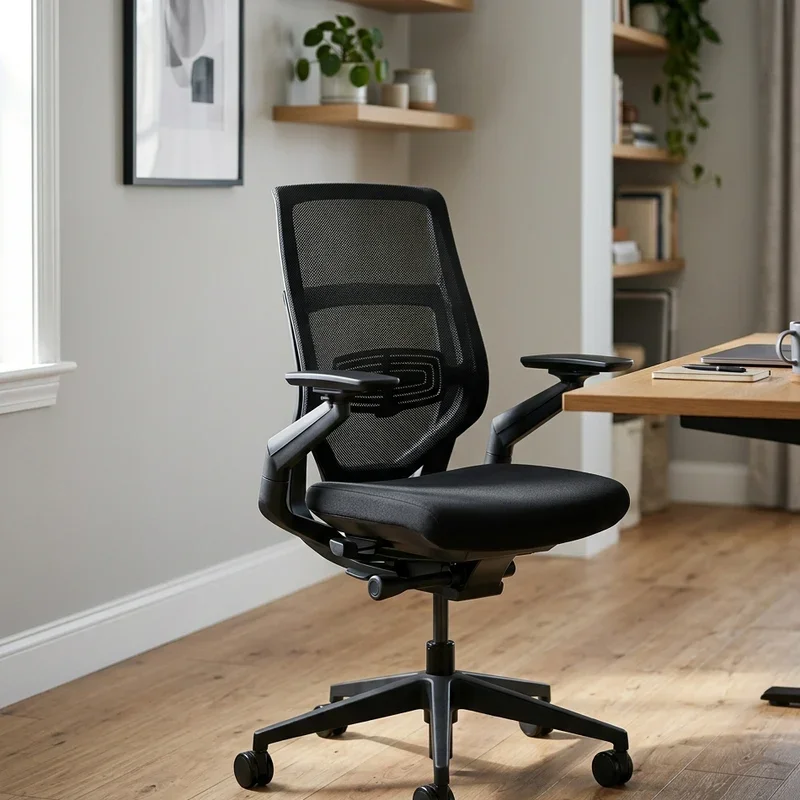
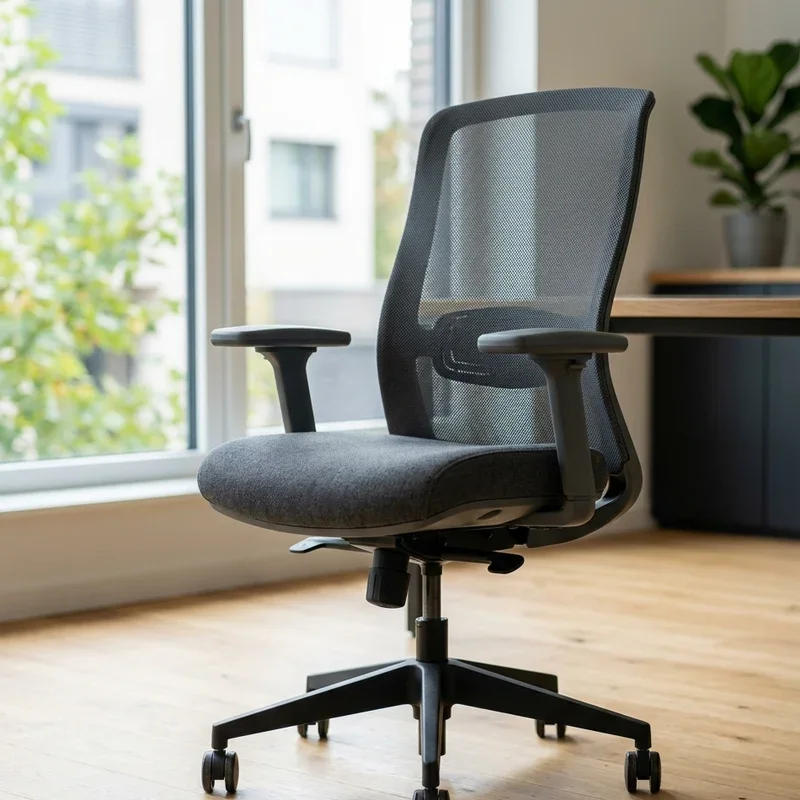
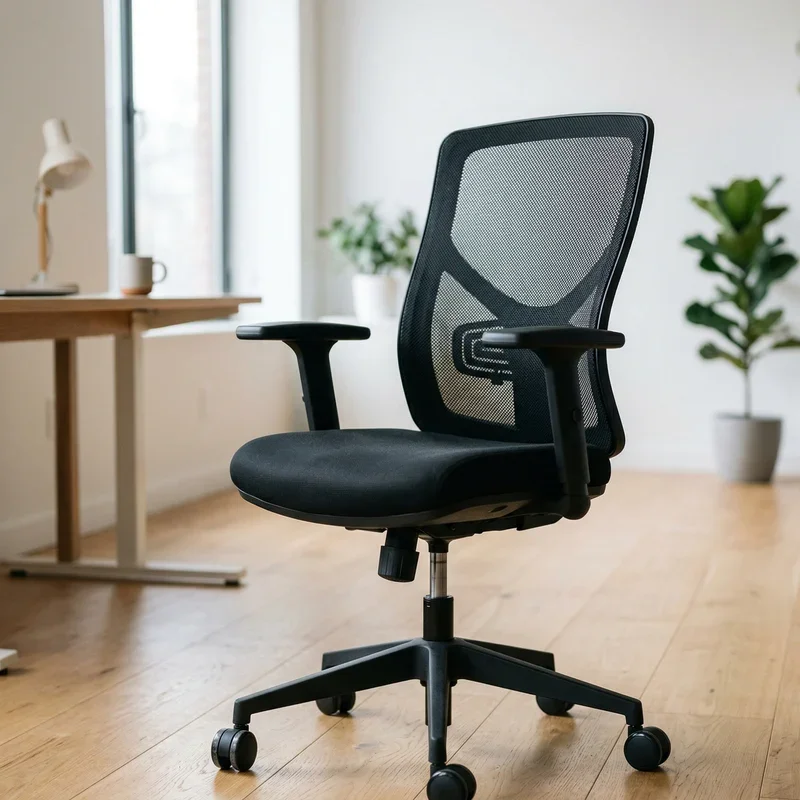
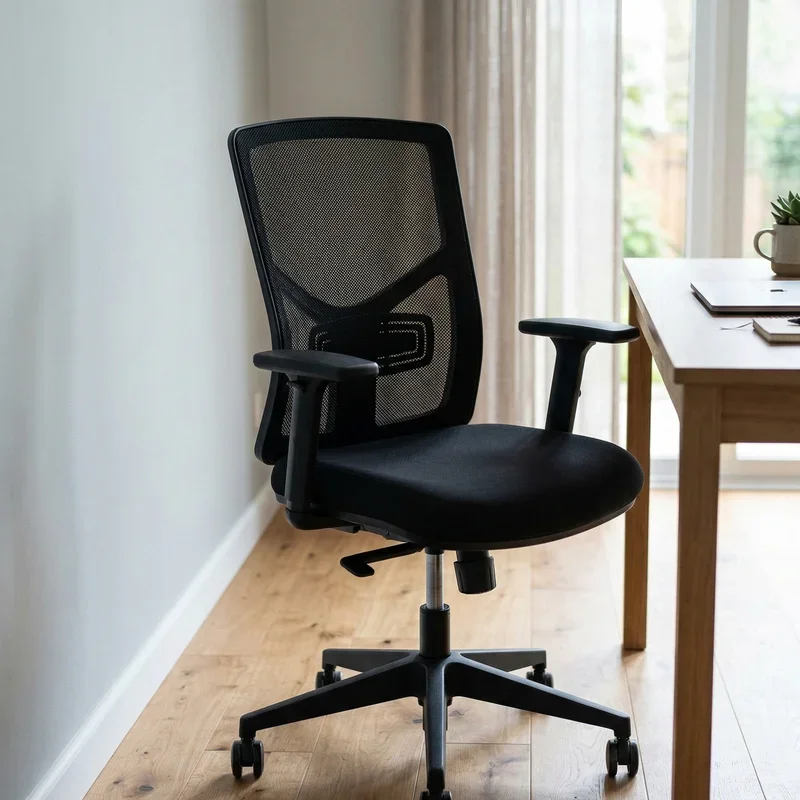
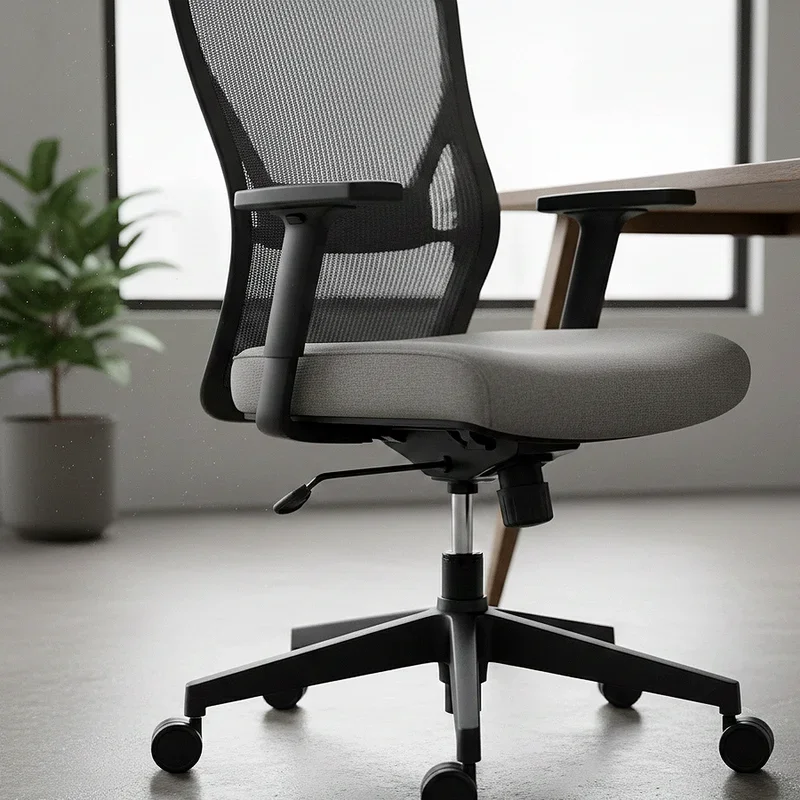
Learn how to clean fabric office chair stains and dirt with easy DIY methods. Restore your chair's fresh look fast!
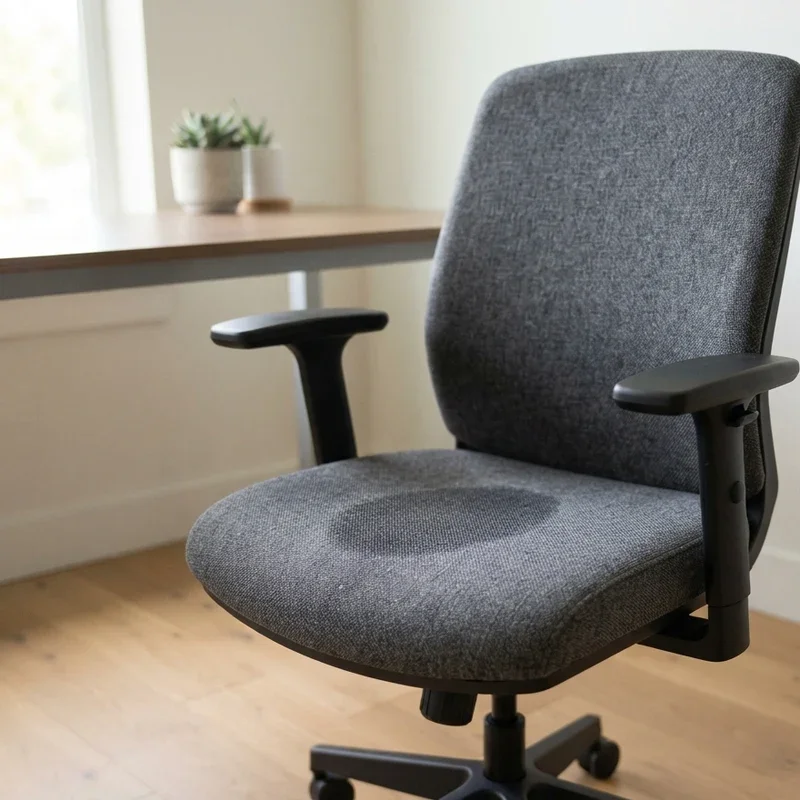
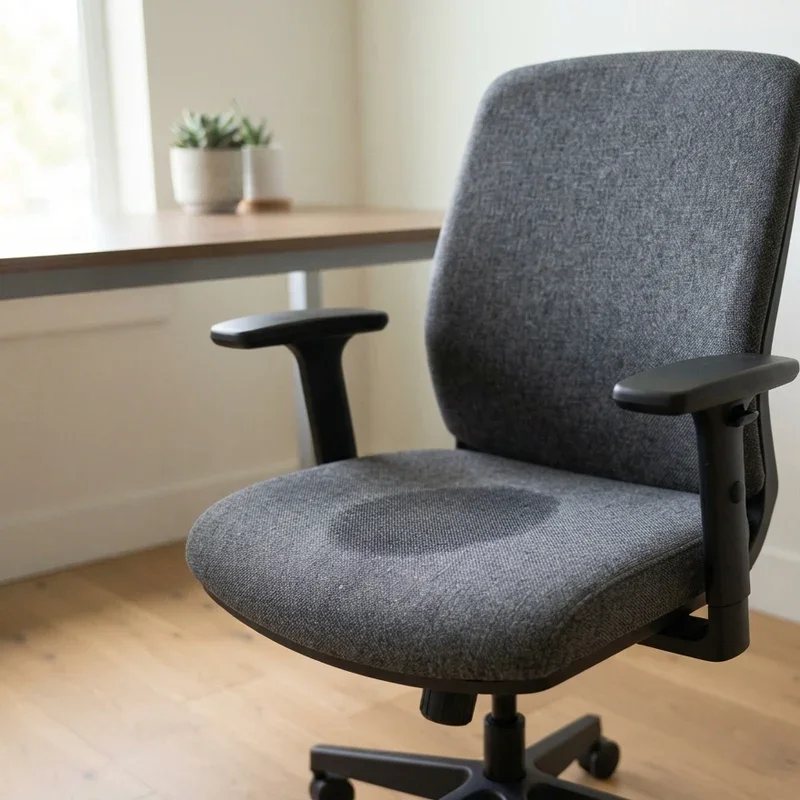
Let's be honest for a second. Nobody really thinks about cleaning their office chair until it looks like it survived a food fight. Between coffee spills, mystery stains, and months of accumulated dust, that once-pristine fabric seat can turn into something you'd rather not sit on. And yet, most of us plop down on it every single day without giving it a second glance.
Here's the thing, though. Your fabric office chair is basically a giant sponge. It soaks up body oils, sweat, dead skin cells, food crumbs, and all sorts of grime you probably don't want to think about during lunch. Over time, all that buildup doesn't just look bad. It actually starts to smell, and in some cases, it can even trigger allergies or skin irritation. Yikes, right?
The good news? You don't need to toss your chair in the trash or shell out big bucks for professional cleaning services. Learning how to clean fabric office chair stains and dirt is way simpler than most people imagine. With a handful of household supplies and a little elbow grease, you can bring your trusty desk chair back to life. So roll up your sleeves and let's dive into it.
Why Your Fabric Office Chair Gets So Dirty in the First Place
Before we jump into the cleaning process, it helps to understand why your chair gets so grimy. Knowing the enemy, so to speak, makes it a whole lot easier to fight back.
Fabric upholstery is made up of woven fibers, and those tiny gaps between threads act like magnets for dust, dirt, and moisture. Every time you sit down, you're pressing particles deeper into the material. Add in the occasional coffee dribble or ketchup accident, and you've got yourself a recipe for disaster.
Common culprits behind a filthy office chair include:
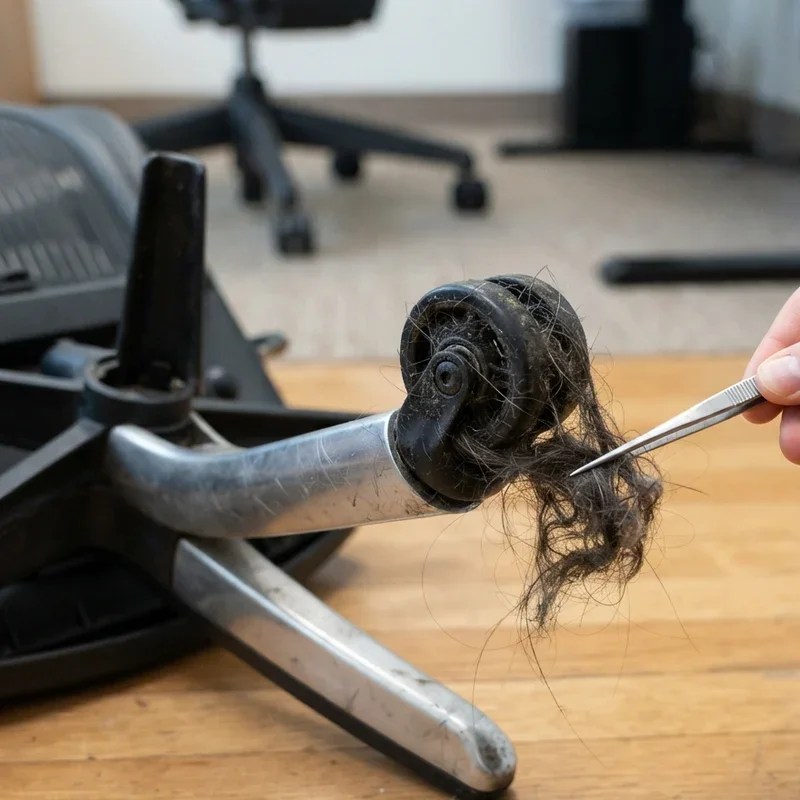
Sweat and body oils that seep into fabric over weeks and months Food and drink spills that leave behind visible stains Dust and allergens that settle into the cushion fibers Pet hair and dander if you work from home with furry companions Ink marks from rogue pens rolling around on the seat
Now that we know what we're dealing with, let's talk solutions.
What You'll Need Before You Start Cleaning
Preparation is half the battle, honestly. Gathering your supplies beforehand saves you from running around the house mid-scrub looking for a missing spray bottle. Here's a straightforward list of what you should have on hand:
A vacuum cleaner with an upholstery attachment A couple of clean microfiber cloths Warm water Mild dish soap or a gentle laundry detergent Baking soda White vinegar A spray bottle A soft-bristled brush or an old toothbrush Optional: a commercial fabric upholstery cleaner
Got everything? Good. Let's get to work.
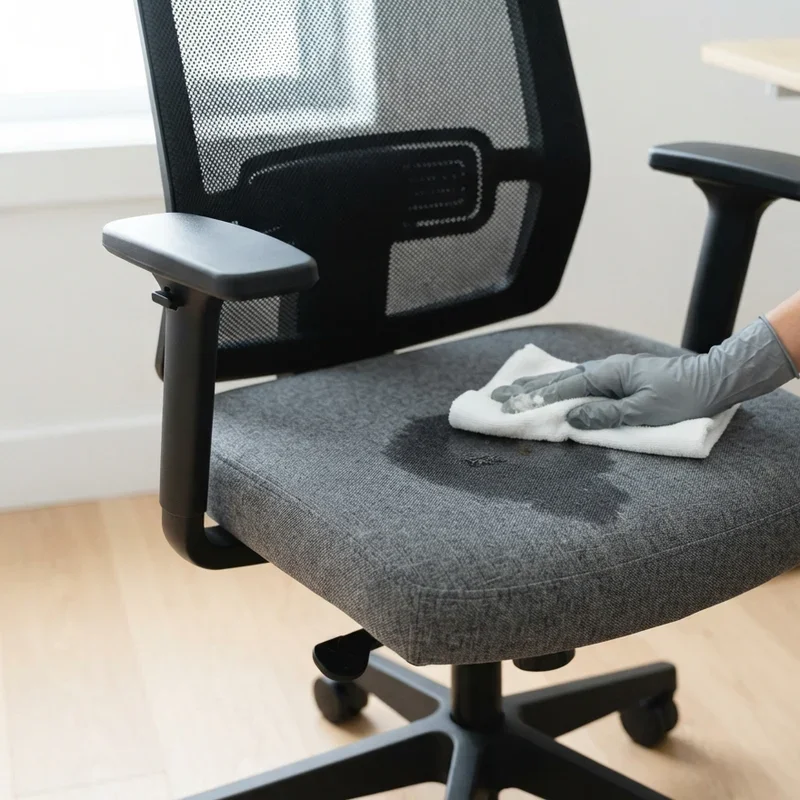
How to Clean Fabric Office Chair Stains and Dirt Step by Step
Alright, this is the meat and potatoes of the whole operation. Follow these steps carefully, and your chair will look like it just rolled out of the showroom. Well, almost.
Step 1: Check the Manufacturer's Care Tag
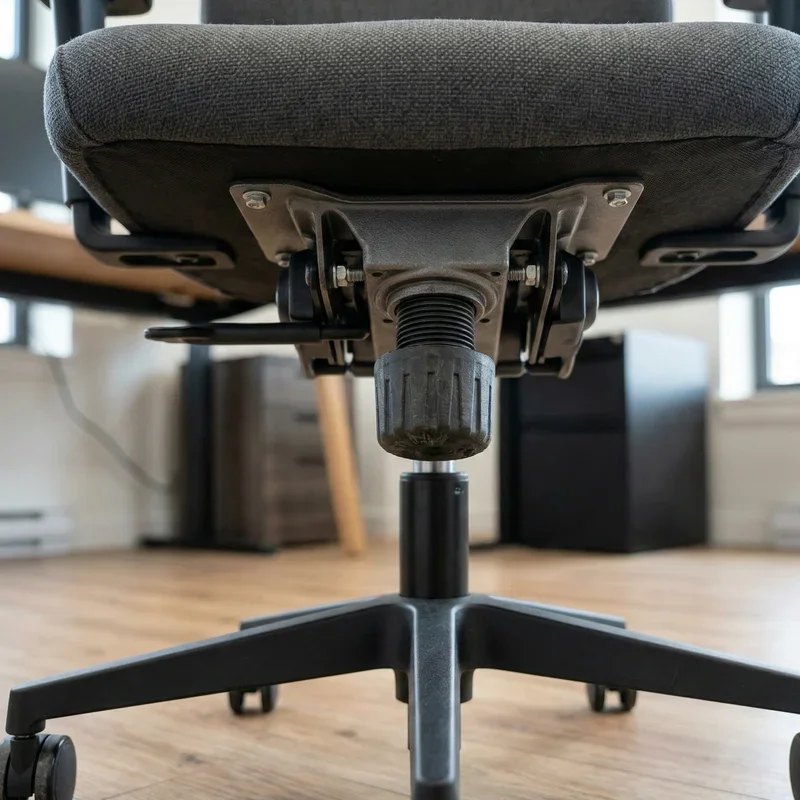
First things first. Flip your chair over or peek underneath the seat for a small tag or label. Most fabric office chairs come with a cleaning code that tells you exactly what kind of products are safe to use.
W means you can use water-based cleaning solutions S means solvent-based cleaners only, so skip the water WS means either water-based or solvent-based products are fine X means vacuum only, and no liquids whatsoever
Ignoring this little tag could land you in hot water, literally. Using the wrong cleaner might damage the fabric or leave water marks that are even harder to remove than the original stain. Don't skip this step, folks.
Step 2: Vacuum the Entire Chair Thoroughly
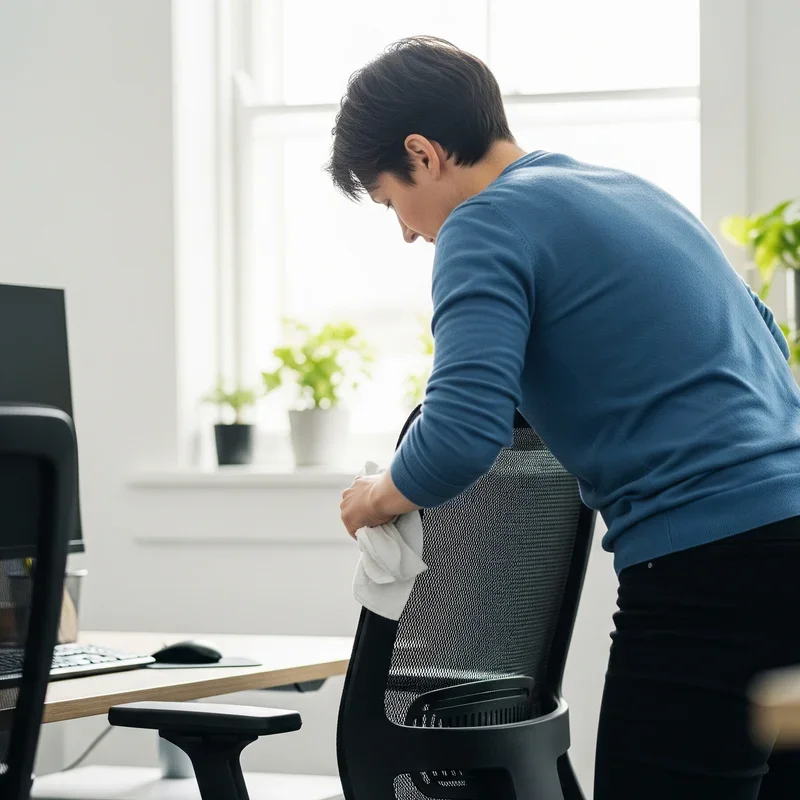
Before you introduce any moisture to the equation, grab your vacuum and go to town on the chair. Use the upholstery attachment to get into every nook and cranny, including the crevices where the seat meets the backrest, the armrests, and underneath the cushion if it's removable.
This step is crucial because it lifts away loose dirt, dust, crumbs, and hair. If you skip vacuuming and go straight to wet cleaning, you'll basically be pushing all that debris deeper into the fabric. And nobody wants that.
Spend a good five to ten minutes on this. Be thorough. Get the back of the chair, the sides, and even the underside. You'd be surprised how much gunk hides in places you can't even see.
Step 3: Treat Stains Individually Before General Cleaning
Stains are stubborn little things, and they usually need some special attention before you tackle the chair as a whole. The trick is to treat each stain based on what caused it.
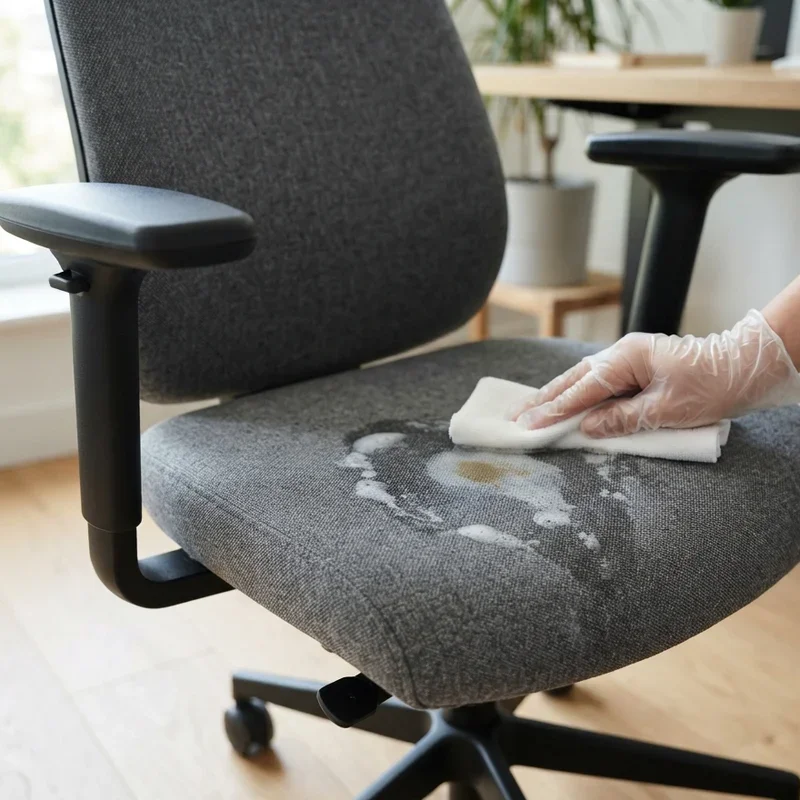
For coffee or tea stains, mix one tablespoon of white vinegar with one tablespoon of dish soap in two cups of warm water. Dab the solution onto the stain with a microfiber cloth. Don't rub. Rubbing spreads the stain and can damage the fibers. Just blot gently, working from the outside of the stain toward the center.
For ink stains, dip a cotton ball in rubbing alcohol and carefully dab the mark. The alcohol breaks down the ink without soaking the fabric. Again, patience is key here. You might need to repeat this a few times.
For food-based stains, a paste made from baking soda and a splash of water works wonders. Apply the paste, let it sit for about fifteen minutes, then blot it away with a damp cloth.
For general mystery stains where you've got no clue what caused them, the vinegar and dish soap combo is your safest bet. It handles most organic stains without being too harsh on the fabric.
Step 4: Clean the Entire Chair Surface
Once the individual stains have been addressed, it's time for a full-chair cleaning. Fill your spray bottle with a mixture of warm water, a few drops of dish soap, and a splash of white vinegar. Give it a gentle shake, and you're ready to go.
Lightly mist a section of the chair. You don't want to soak it. Just a fine, even spray across the fabric. Then, using a microfiber cloth or soft brush, gently work the solution into the fabric using circular motions. Move from one section to the next until you've covered the entire chair.
After scrubbing, take a clean damp cloth and wipe down the fabric to remove any soapy residue. Leftover soap can actually attract more dirt over time, which kind of defeats the whole purpose.
Step 5: Deodorize with Baking Soda
Cleaned the stains but still catching a funky whiff? Baking soda to the rescue. Sprinkle a generous layer of baking soda over the entire fabric surface and let it sit for at least thirty minutes. If you've got the time, leaving it overnight gives even better results.
Baking soda is a natural odor absorber. It pulls those trapped smells right out of the fibers without leaving behind any chemical fragrance. Once it's done its job, vacuum up the baking soda thoroughly.
Trust me, your nose will thank you.
Step 6: Let the Chair Dry Completely
This part requires a bit of patience, but it's non-negotiable. A damp chair is a breeding ground for mold and mildew, and that's the last thing you need after putting in all this effort.
Place the chair near an open window or in a well-ventilated area. If you have a fan, point it at the chair to speed up the drying process. Avoid sitting on the chair until it's bone dry, which usually takes anywhere from four to eight hours depending on how much moisture was used during cleaning.
If you live in a humid climate, consider turning on a dehumidifier in the room. Every little bit helps.
How to Handle Tough, Set-In Stains
Sometimes, despite your best efforts, certain stains just refuse to budge. Maybe that coffee spill happened three months ago and you're only getting around to it now. Hey, no judgment. Life gets busy.
For these stubborn, set-in stains, you might need to bring in the big guns. A commercial fabric upholstery cleaner can make a real difference. Look for one that matches your chair's cleaning code and follow the instructions on the bottle to the letter.
Another option is a steam cleaner. If you happen to own one or can borrow one from a neighbor, steam cleaning penetrates deep into the fabric fibers and loosens grime that surface cleaning simply can't reach. It's especially effective for chairs that haven't been cleaned in ages.
And if all else fails, there's absolutely no shame in calling a professional upholstery cleaner. Some stains are just beyond what DIY methods can fix, and that's perfectly okay.
Tips to Keep Your Fabric Office Chair Clean Longer
Cleaning your chair is great, but wouldn't it be better if it stayed clean longer between deep cleans? Of course it would. Here are a few habits that'll help you keep things fresh:
Vacuum your chair once a week or at least every two weeks to prevent dust buildup Treat spills immediately instead of letting them soak in and dry Avoid eating messy foods while sitting in your office chair Use a fabric protector spray after cleaning to add a stain-resistant barrier Consider a removable, washable chair cover if you're prone to spills Keep a small pack of upholstery wipes in your desk drawer for quick cleanups
A little prevention goes a long way, and future you will definitely appreciate the effort.
Common Mistakes People Make When Cleaning Fabric Chairs
Even with the best intentions, it's easy to make mistakes that can do more harm than good. Here are some pitfalls to watch out for:
Using too much water is probably the number one mistake. Over-wetting the fabric can lead to water stains, mold growth, and a mushy cushion that takes forever to dry. Always use moisture sparingly and blot rather than soak.
Scrubbing too hard is another common blunder. Aggressive rubbing can damage the weave of the fabric and actually push stains deeper. Gentle, circular motions are the way to go.
Skipping the patch test is risky business. Always test any cleaning solution on a small, hidden area of the chair first. What works beautifully on one fabric might discolor or damage another.
Using bleach or harsh chemicals on fabric chairs is a big no-no unless the care tag specifically says otherwise. These products can weaken fibers, fade colors, and leave behind a chemical smell that's hard to get rid of.
Not letting the chair dry fully before sitting on it is a recipe for mildew. Be patient and give it time.
Why Regular Chair Cleaning Actually Matters
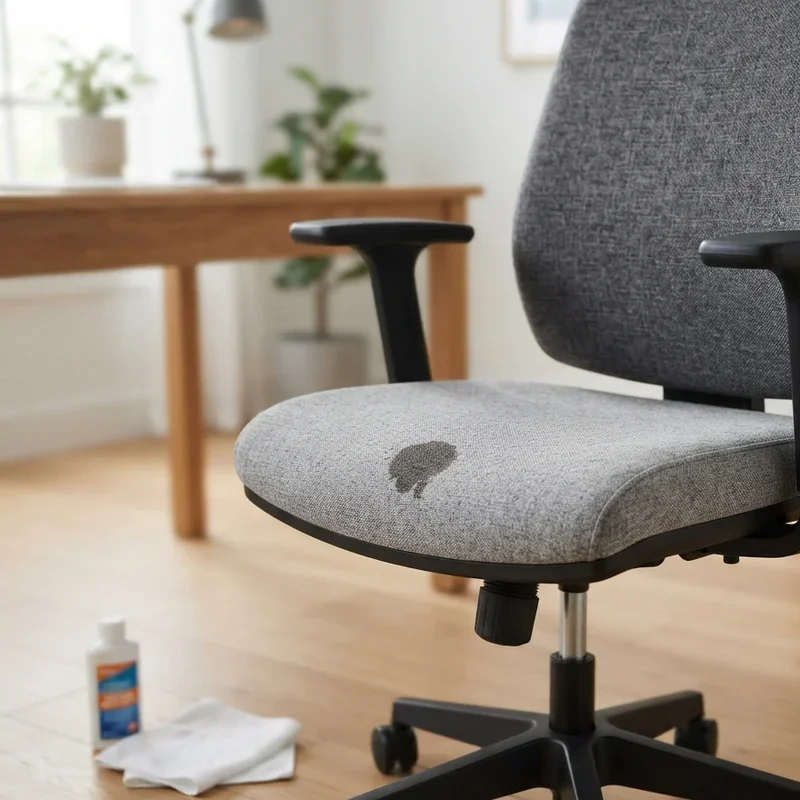
You might be thinking, "It's just a chair, does it really matter that much?" Well, actually, yes. A dirty office chair isn't just an eyesore. It can affect your health and productivity too.
Dust mites and allergens trapped in fabric can trigger sneezing, itchy eyes, and respiratory issues, especially for people with allergies or asthma. Built-up bacteria from sweat and skin cells can cause unpleasant odors and even skin breakouts. And honestly, sitting in a clean, fresh-smelling chair just feels better. It puts you in a better headspace to focus and get work done.
Knowing how to clean fabric office chair stains and dirt isn't just about aesthetics. It's about creating a workspace that supports your well-being. So the next time someone asks you why you're vacuuming your desk chair, you'll have plenty of good reasons to share.
Conclusion
At the end of the day, keeping your fabric office chair clean doesn't have to be a complicated chore. With regular vacuuming, prompt stain treatment, and the occasional deep clean using simple household ingredients like baking soda and white vinegar, your chair can stay looking and smelling fresh for years. Understanding how to clean fabric office chair stains and dirt empowers you to maintain a healthier, more comfortable workspace without spending a fortune. So go ahead, give that chair the TLC it deserves.
Frequently Asked Questions
1.How often should I deep clean my fabric office chair?
Deep clean your fabric office chair every three to six months for best results.
2.Can I use a steam cleaner on my fabric office chair?
Yes, steam cleaning works great on most fabric chairs, but check the care tag first.
3.What is the best homemade solution for fabric chair stains?
A mix of warm water, white vinegar, and dish soap tackles most fabric stains effectively.
4.Will baking soda damage the fabric on my office chair?
No, baking soda is gentle and safe for virtually all types of upholstery fabric materials.
5.How long does a fabric office chair take to dry after cleaning?
Most fabric office chairs take around four to eight hours to dry completely after cleaning.
Stay up to date with our latest ideas!