Discover how mattress support, firmness, and sleeping position can influence sleep apnea symptoms and learn what to consider when choosing a mattress for better sleep.
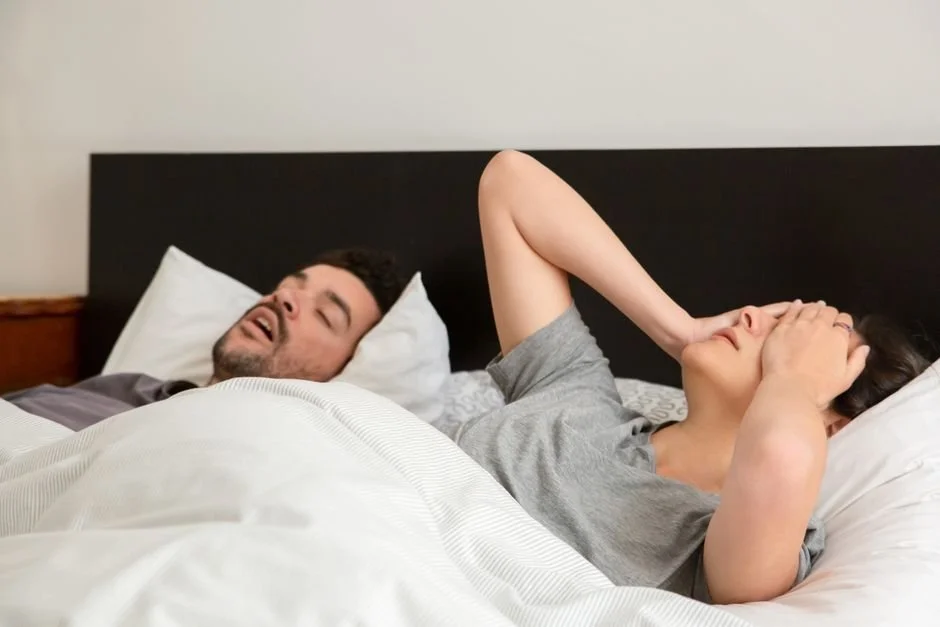
If you deal with sleep apnea, you probably focus on machines, masks, and sleep studies first. Your mattress often gets ignored, even though it can shape your breathing, spinal alignment, and how often you wake up at night. In Canada, where long winters already make sleep quality feel harder to protect, your bedroom setup matters even more. A better mattress won’t cure sleep apnea, but it can remove several obstacles that make your nights rougher.
Your sleep position changes everything
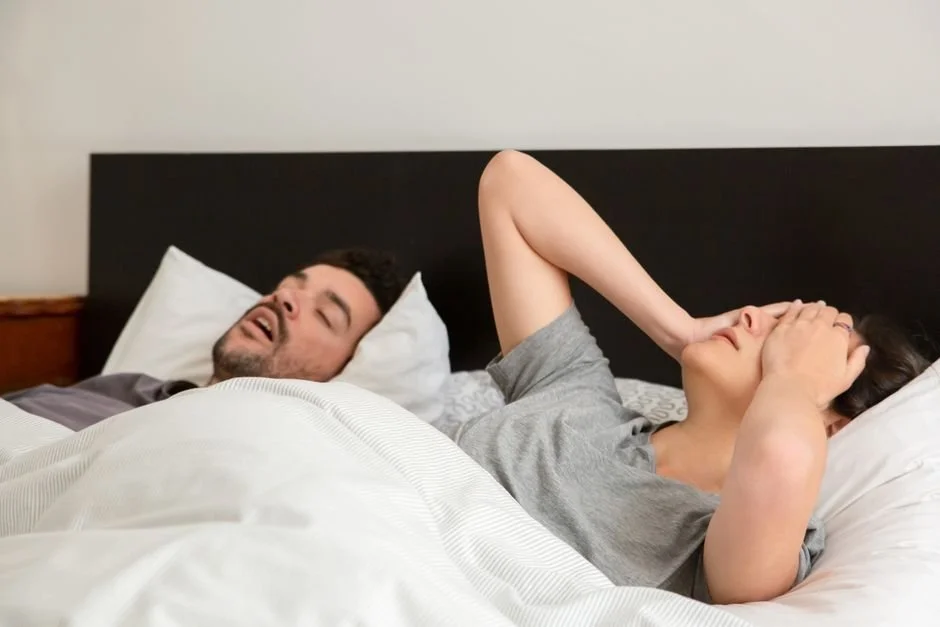
Sleep apnea often gets worse when you sleep on your back. That position can let your tongue and soft tissues fall backward, narrowing your airway and increasing obstruction. A mattress that lets you sink too deeply may keep you stuck there longer, especially if you don’t move much during sleep.
You want a sleep surface that supports side sleeping without crushing your shoulder or twisting your hips. That balance matters because discomfort pushes you to roll onto your back. If you wake up with shoulder pressure, tingling arms, or lower back stiffness, your mattress may be quietly working against your breathing goals. In practical terms, posture and airway management are linked much more closely than most people realize.
Mattress firmness can help or hurt your breathing
Firmness is one of the most misunderstood parts of mattress shopping. Ultra-soft beds can cause your torso to collapse inward, which may affect ribcage expansion and neck position. Very firm mattresses can create pressure points that make side sleeping harder to maintain for a full night.
For many people with sleep apnea, medium-firm tends to be the useful middle ground. It usually supports neutral alignment while still giving enough contouring at the shoulders and hips. Body type matters, though. A lighter sleeper may feel aligned on a softer surface, while a heavier sleeper may need stronger support layers to prevent sinkage. Instead of chasing a trendy feel, pay attention to whether your chest feels open, your neck stays level, and your body can stay in one comfortable position without fighting the mattress.
Neck and spinal alignment affect airway stability
Your airway doesn’t exist in isolation. It’s influenced by head angle, cervical posture, and how evenly your spine is supported. If your mattress sags through the middle or pushes your shoulders too high, your neck can shift into extension or flexion. Neither is ideal when you’re already prone to airway collapse.
This is where mattress design gets technical in a useful way. Zoned support, responsive foams, and stable edge construction all affect how your body settles. If you share a bed and your partner’s movement pulls you out of alignment, motion isolation also becomes part of the conversation. Some sleepers comparing options from Custom Comfort Mattress are really trying to solve this exact issue: keeping the spine supported so breathing feels less restricted through the night.
Adjustable bases are not just for luxury setups
You may associate adjustable bases with expensive hotel rooms or recovery after surgery. For sleep apnea, they can be genuinely useful. Slightly elevating your upper body can reduce airway obstruction for some people, especially if you also deal with snoring, reflux, or sinus congestion.
The key is modest elevation, not sleeping in a folded-up chair shape. Too much bend at the waist can create a different kind of discomfort and disrupt circulation. A compatible mattress should flex well without losing structural support. If you use CPAP therapy, elevation can also make mask fit feel more stable for certain sleeping positions. In colder Canadian climates, where indoor air dryness already irritates the nose and throat, combining elevation with proper humidity and mattress support can make the full sleep setup noticeably easier to tolerate.
Materials influence heat, pressure, and night wakings
Sleep apnea rarely shows up alone. Many people also deal with overheating, restless sleep, allergies, or muscle soreness from tossing around with a mask. Mattress materials can either reduce those disruptions or stack more of them into your night.
Traditional memory foam may feel comfortable at first, but some versions trap heat and make repositioning harder. Latex, hybrid constructions, and advanced cooling foams often provide easier movement and better airflow. If you wake up sweaty, congested, or with sore pressure points, your mattress materials deserve a closer look. For people in urban Canadian homes and condos, where bedroom ventilation can be inconsistent through winter, breathable materials become even more relevant. Better thermal regulation doesn’t sound dramatic, but fewer micro-awakenings often mean more stable sleep overall.
Your symptoms can reveal what your bed is doing wrong
You don’t need a lab report to notice basic patterns. If you wake up with headaches, jaw tension, a dry mouth, shoulder pain, or lower back soreness, those clues matter. They may point to poor support, bad pillow height, or a mattress that keeps shifting your body into positions that aggravate apnea events.
Try tracking how you feel for two weeks. Note your sleeping position, morning symptoms, nighttime awakenings, and whether you remove your CPAP mask overnight. If you sleep better in a hotel, on a guest bed, or when slightly elevated on the couch, that comparison is useful data. A lot of people blame themselves for “sleeping wrong” when the bigger issue is that their mattress no longer supports healthy alignment. Patterns usually show up before people decide to replace the bed.
Shopping for a better mattress takes more than a quick test
Lying on a mattress in a showroom for five minutes won’t tell you much about sleep apnea performance. You need to think about position retention, pressure mapping, partner disturbance, temperature neutrality, and whether the mattress works with your pillow and bed base.
Check trial periods, warranty terms, and the actual internal build, not just marketing labels. Terms like orthopedic, cooling, or pressure-relieving are not standardized. Ask how the mattress performs for side sleepers, heavier bodies, or adjustable bases if those apply to you. If you’re in Canada, look at delivery logistics, return policies, and seasonal bedroom conditions too. A mattress that feels great in a brightly lit store may behave differently in a dry, heated bedroom in January. Real-world use matters more than display-floor comfort.
A mattress upgrade should support treatment, not replace it
A new mattress is not a substitute for medical care. If you have diagnosed or suspected sleep apnea, you still need guidance from a physician or sleep specialist. CPAP, oral appliances, weight management, positional therapy, or surgical options may all be part of the picture depending on your case.
What a mattress can do is remove physical barriers that make treatment harder and sleep less restorative. Better support can help you stay on your side, reduce pain-related awakenings, and improve comfort with your existing routine. That creates a more stable environment for breathing and recovery. If your current bed is sagging, overheating, or keeping your spine out of line, replacing it may be one of the most practical changes you can make. Small mechanical improvements in the bedroom often have bigger sleep effects than people expect.
Stay up to date with our latest ideas!