15 Therapist Office Ideas to Create Comfort and Ease
Transform your therapy space with 15 comfort-focused office ideas that promote healing, trust, and emotional safety for clients.
Walking into a therapist's office can feel like stepping into a sanctuary or, unfortunately, sometimes like entering a cold medical facility. The difference lies in thoughtful design choices that prioritize emotional comfort alongside professional functionality. Your therapy space speaks volumes before you even say hello, setting the stage for vulnerability, healing, and growth. Whether you're establishing your first practice or refreshing an existing space, creating an environment that whispers "you're safe here" makes all the difference. From the moment clients cross your threshold, every element should work together to reduce anxiety and foster connection. Let's explore fifteen transformative ideas that turn any therapy office into a haven of comfort and ease.
1. Soft, Warm Lighting Solutions
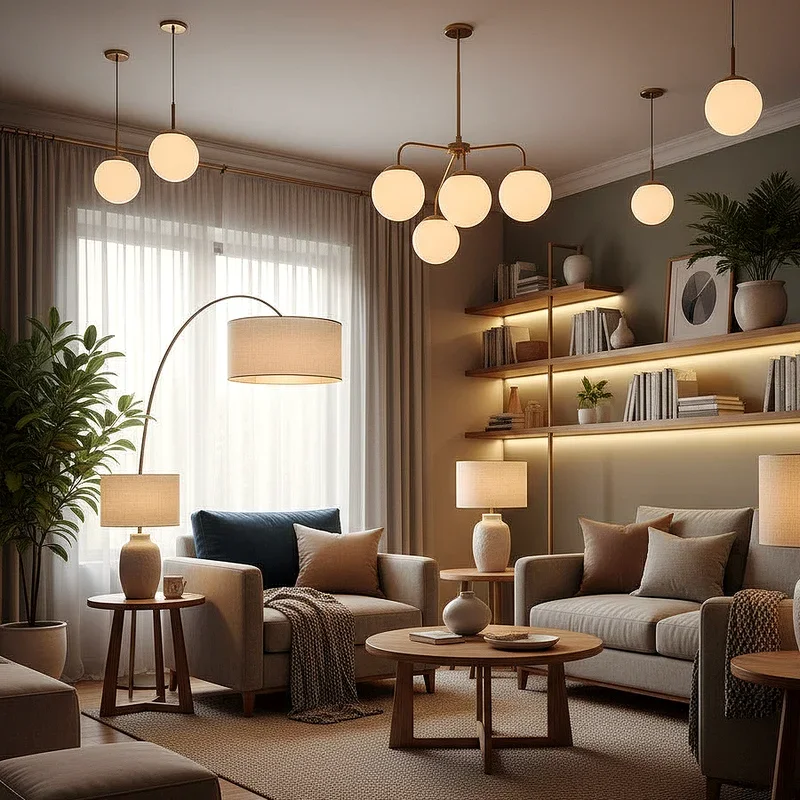
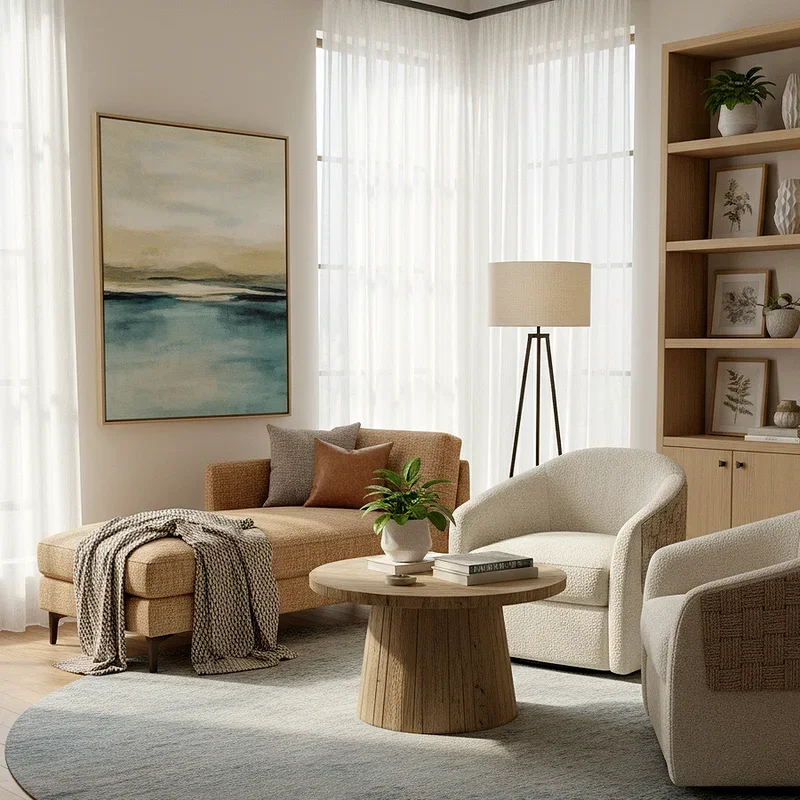
The harsh fluorescent lights found in many office buildings can trigger anxiety faster than you can say "tell me about your childhood." Instead, layer your lighting like you're creating a cozy living room where deep conversations naturally unfold. Think table lamps with warm bulbs, floor lamps that cast gentle pools of light, and perhaps a dimmer switch that lets you adjust brightness based on the time of day or client preferences. Natural light remains the gold standard, so if you're blessed with windows, make the most of them with sheer curtains that filter without blocking. Remember that lighting affects mood profoundly; the right ambiance can help clients open up while harsh lighting might cause them to shut down emotionally.
2. Comfortable Seating Arrangements
Your seating choices send powerful messages about the therapeutic relationship you're building. Gone are the days when a stark leather couch defined therapy spaces; today's options blend comfort with practicality in countless ways. Consider offering multiple seating options like a plush armchair, a supportive sofa, and perhaps a rocking chair for clients who find gentle movement soothing. The key lies in providing choices that empower clients to find their comfort zone literally and figuratively. Ensure seats aren't too low or too high, making it difficult for clients to get up gracefully. Add throw pillows and soft blankets that clients can use for comfort or as gentle barriers when feeling vulnerable during difficult conversations.
3. Nature-Inspired Elements and Plants
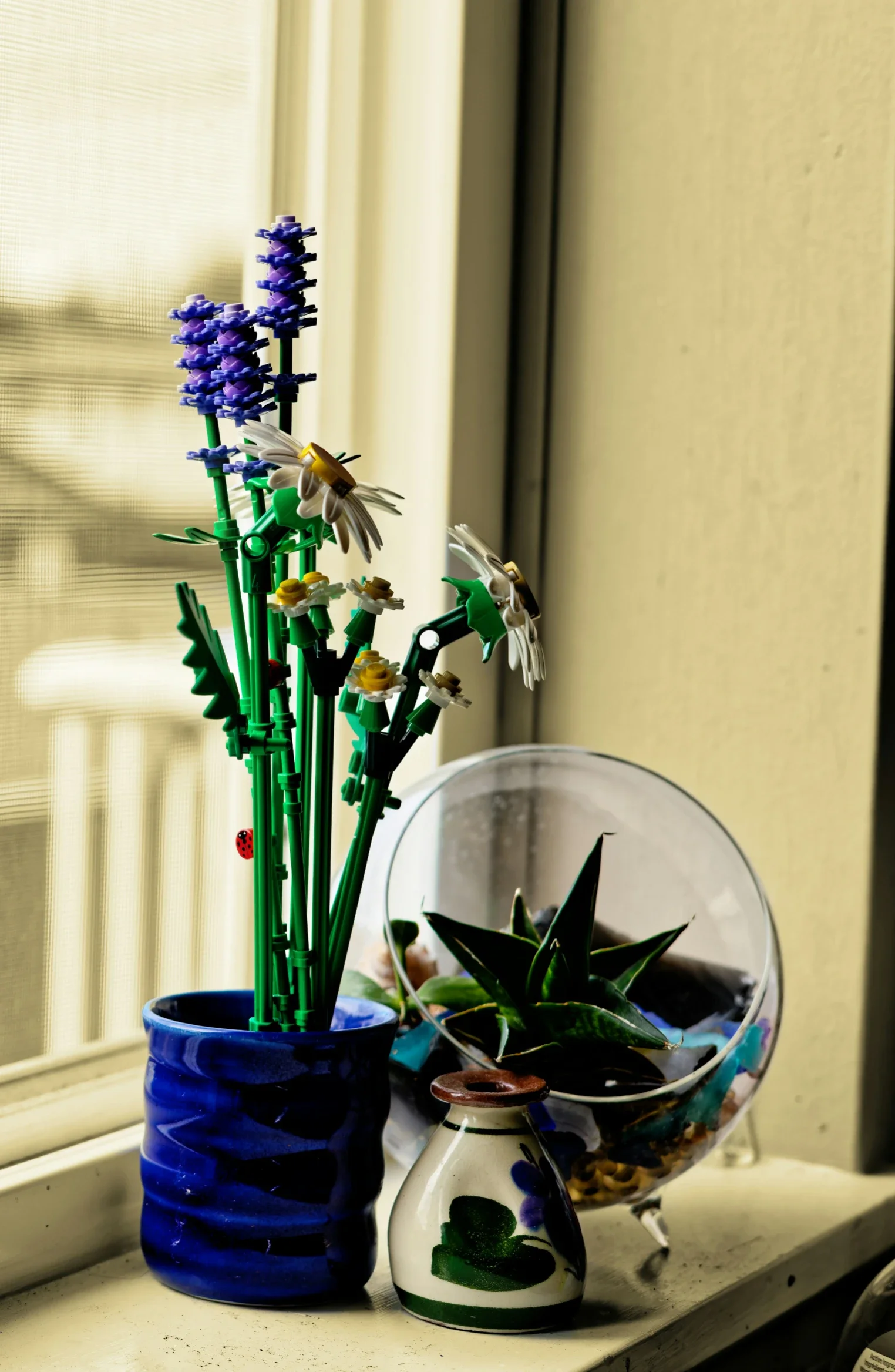
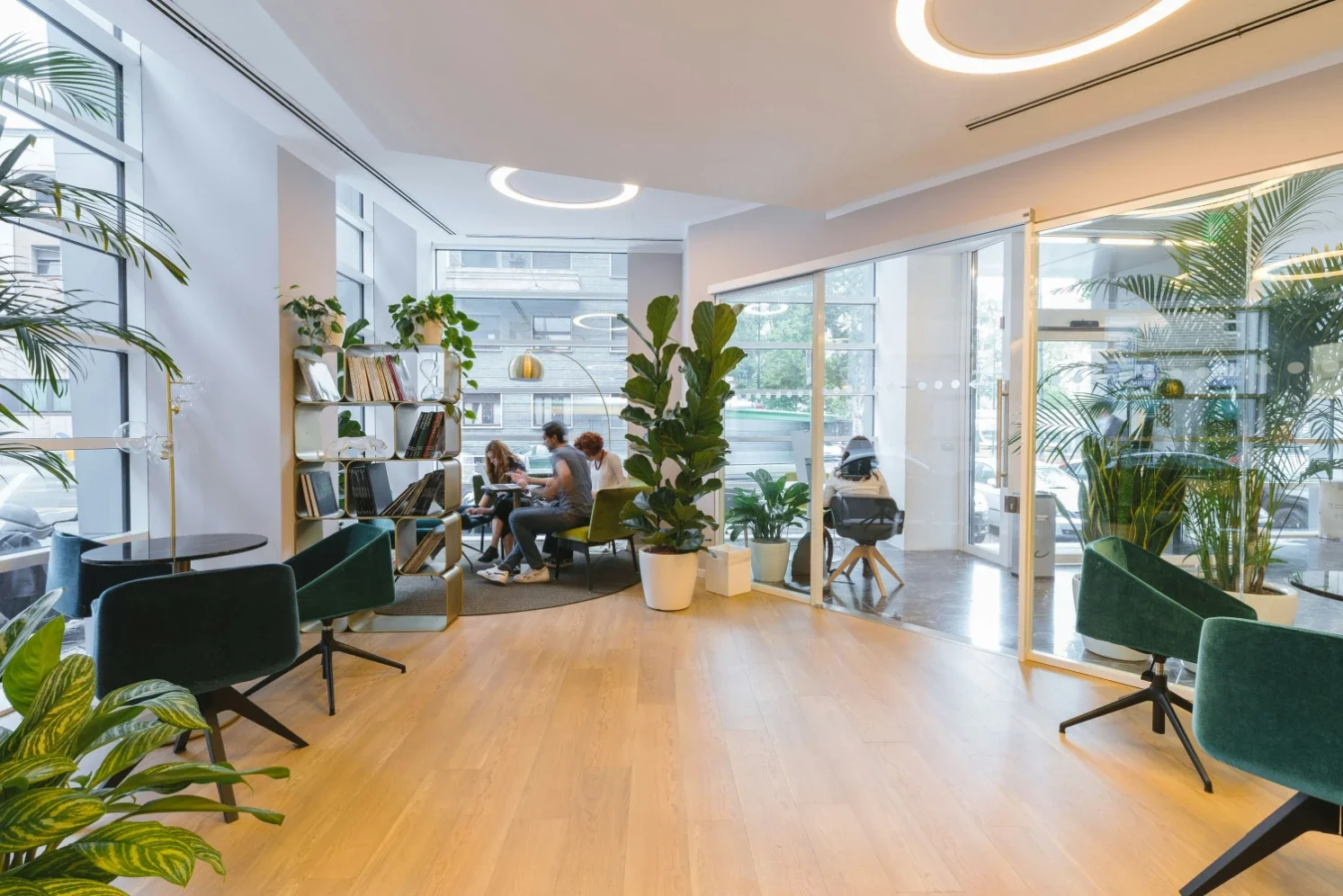
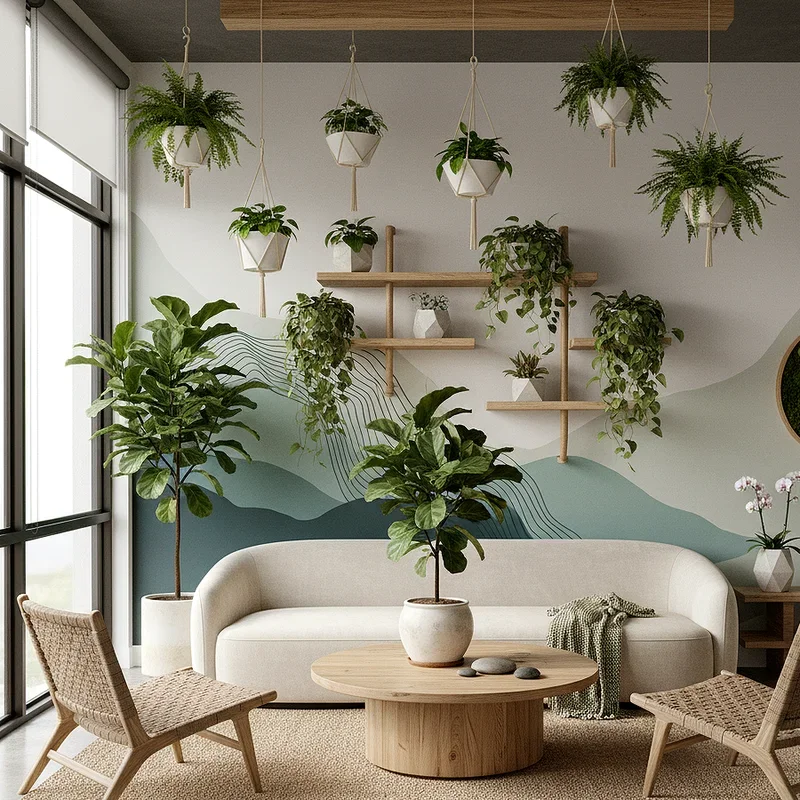
Bringing the outdoors inside creates an instant connection to something larger than our individual struggles. Living plants not only purify the air but also add life to your space, reminding clients that growth happens even in contained environments. Choose low-maintenance varieties like snake plants, pothos, or peace lilies that thrive in office conditions without demanding constant attention. If maintaining real plants feels overwhelming, high-quality artificial options can provide visual benefits without the upkeep. Consider adding a small water feature for gentle background sounds, natural wood elements in furniture or decor, and perhaps stones or shells that clients can hold for grounding. These biophilic design elements tap into our innate connection with nature, promoting calm and reducing stress naturally.
4. Calming Color Palettes
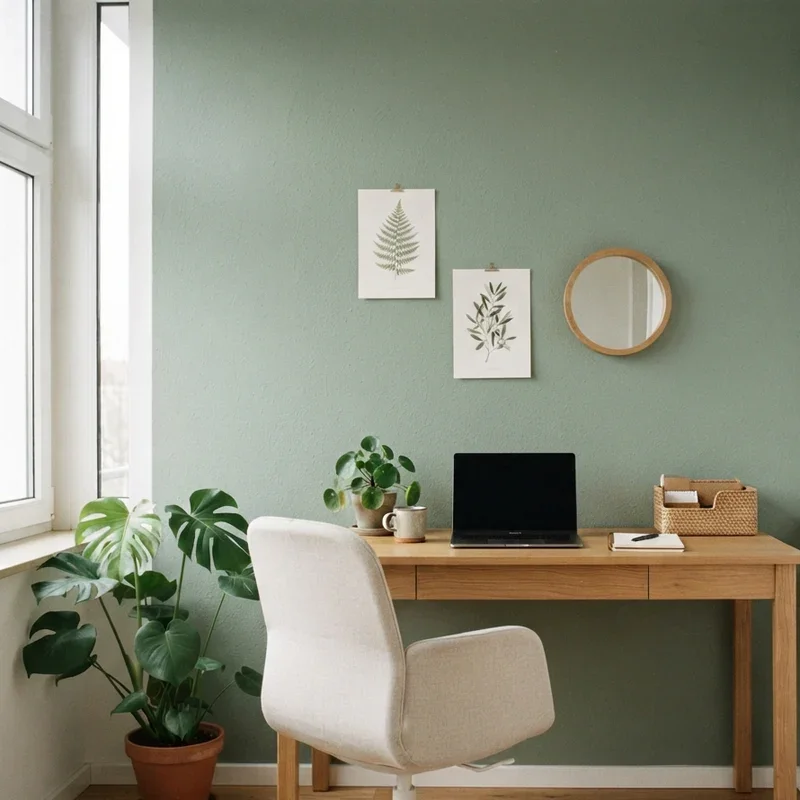
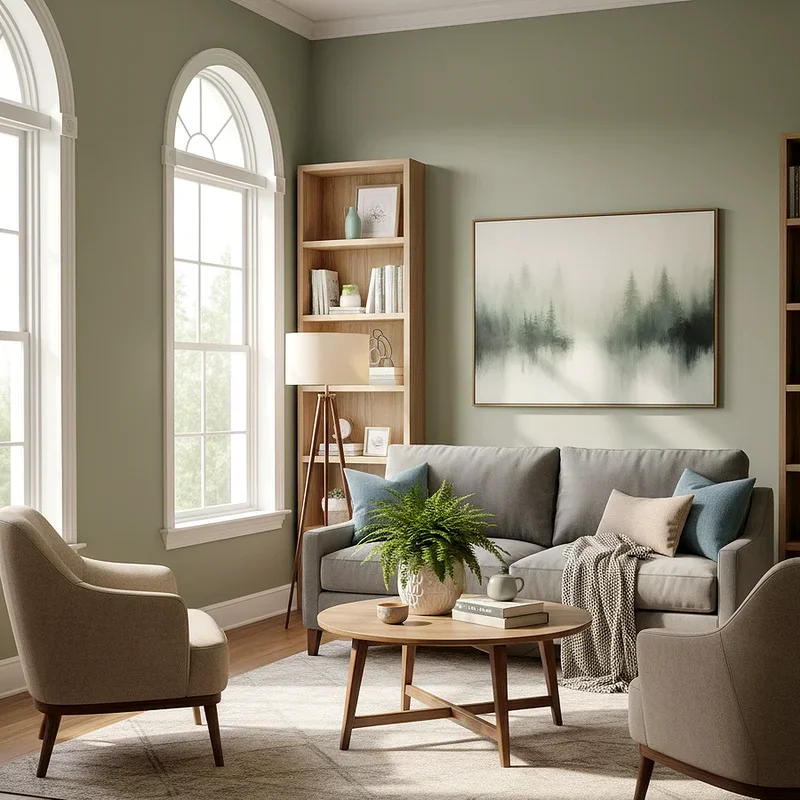
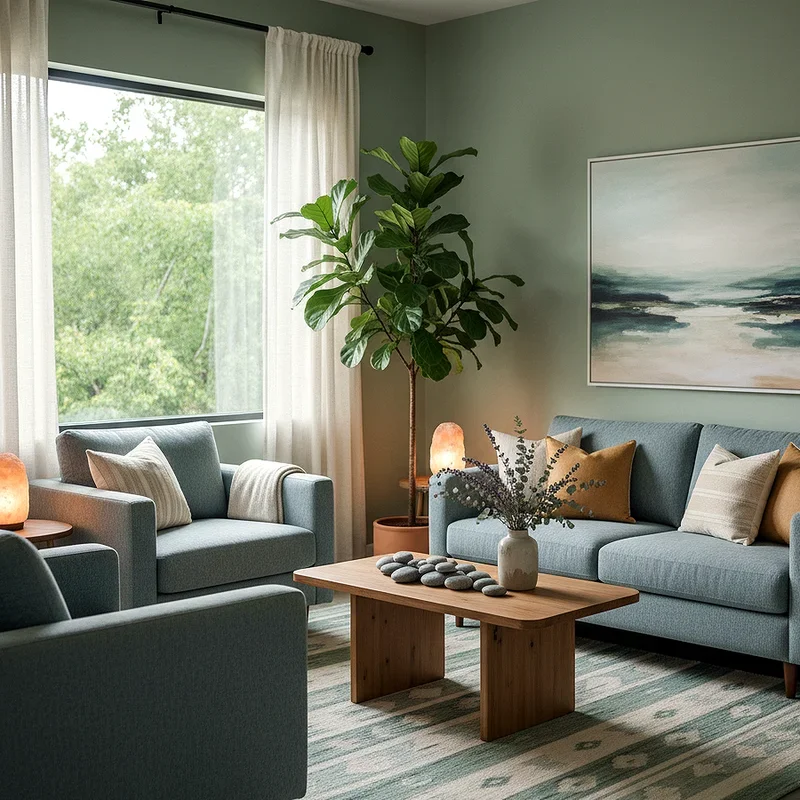
The colors surrounding us influence our emotional states more than we often realize, making your palette choice crucial for therapeutic success. Soft blues promote tranquility and trust, gentle greens encourage balance and growth, while warm neutrals create a sense of safety and grounding. Avoid stark whites that feel clinical or bright reds that might increase agitation in already anxious clients. Instead, think of colors found in nature during peaceful moments like sage green, soft gray, warm beige, or dusty blue. You don't need to repaint everything; strategic use of colored throw pillows, artwork, or area rugs can transform the feeling of your space. Remember that different cultures may have varying associations with colors, so maintaining a relatively neutral base with subtle accent colors often works best.
5. Sound Management and White Noise
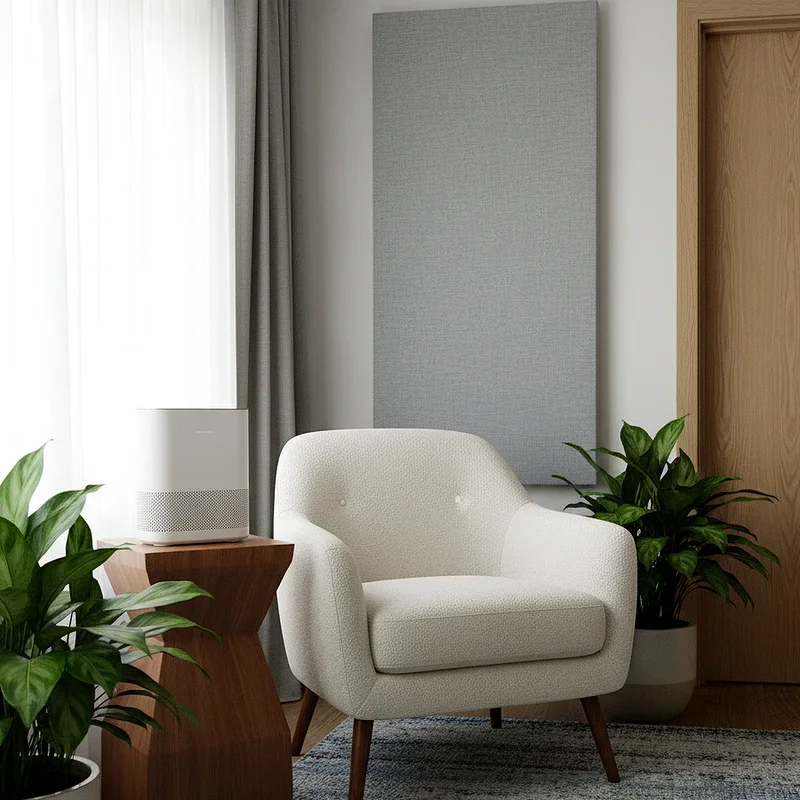
Nothing breaks therapeutic trust faster than worrying that conversations might be overheard by people in the waiting room or neighboring offices. Invest in quality white noise machines placed strategically outside your office door and in waiting areas to create a sound barrier that protects privacy. Inside your office, consider a small fountain or sound machine set to ocean waves or rainfall, providing consistent background noise that masks outside distractions. Acoustic panels disguised as artwork can absorb excess sound while adding visual interest to your walls. Pay attention to squeaky chairs, rattling air vents, or ticking clocks that might become irritating distractions during sessions. The goal isn't complete silence but rather a controlled acoustic environment where clients feel their words are safe and contained.
6. Temperature Control and Air Quality
Few things distract from emotional processing quite like being uncomfortably hot or shivering with cold during a session. Maintain your office temperature between 68 and 72 degrees Fahrenheit, the range most people find comfortable for extended sitting. Provide a few throw blankets for clients who run cold, and ensure good air circulation for those who feel warm. An air purifier quietly running in the corner removes allergens and provides subtle white noise while improving air quality. Consider a small humidifier during dry months to prevent the discomfort of dry air that can make prolonged talking uncomfortable. Having individual climate control in your office, separate from the building's system, gives you flexibility to adjust conditions quickly based on client needs.
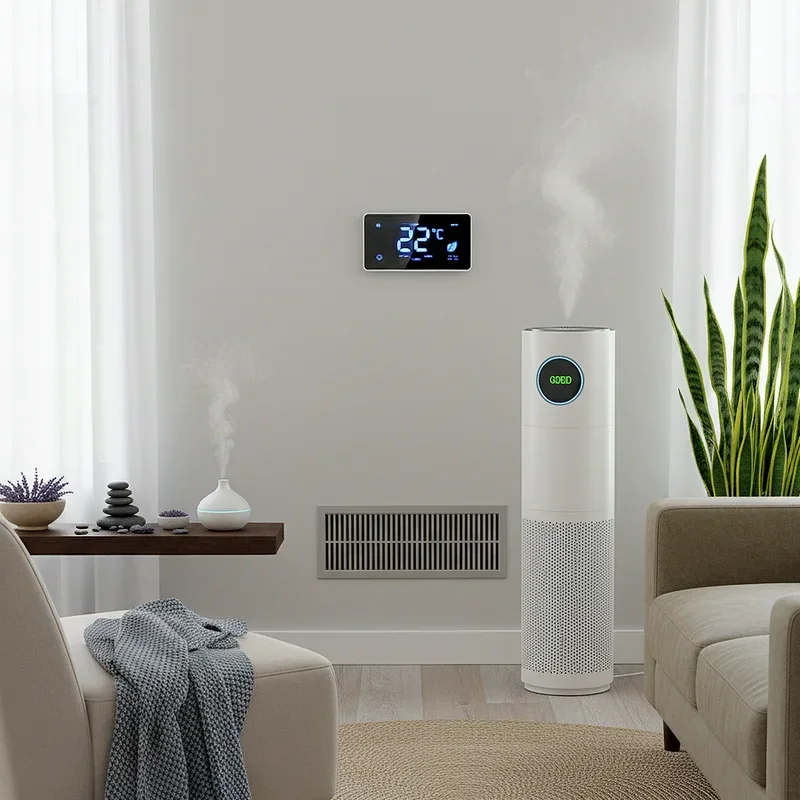
7. Privacy and Confidentiality Features
Physical privacy reinforces the emotional safety you're working to establish in your therapeutic relationship. Install a sound machine or white noise system outside your door, creating an audio barrier that prevents conversations from carrying. Use window treatments that allow light while blocking views from outside, especially important for ground-floor offices. Consider a "session in progress" light system or sign that clearly indicates when you're with a client, preventing awkward interruptions. Position furniture so clients don't directly face the door, which can trigger feelings of vulnerability or hypervigilance. If your office has thin walls, adding bookcases filled with books along shared walls provides extra sound insulation while maintaining a professional appearance that enhances the therapeutic atmosphere.
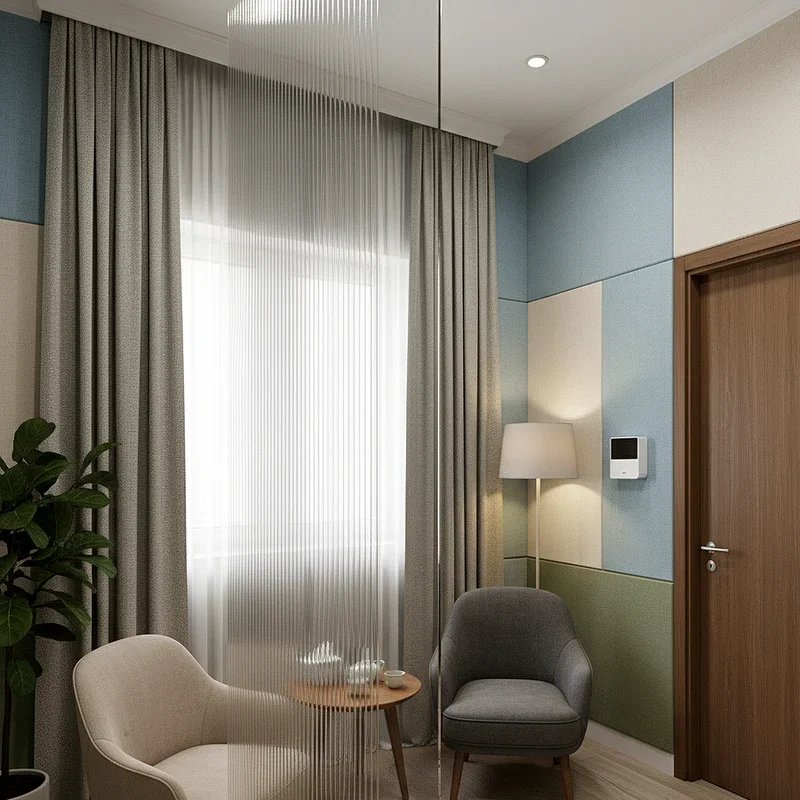
8. Flexible Furniture Layout Options
Static furniture arrangements might work for some clients but feel constraining or uncomfortable for others who need different spatial dynamics. Choose lightweight yet sturdy furniture pieces that you can easily reconfigure between sessions or even during them if needed. Some clients prefer sitting close for intimate conversation, while others need more physical space to feel emotionally safe. Consider having a small side table that can move between chairs for tissues or water, and perhaps a ottoman that doubles as extra seating or a footrest. This flexibility becomes especially important when working with couples or families who might need different configurations than individual clients. The ability to adapt your space shows responsiveness to client needs and models the flexibility you're encouraging in their own lives.
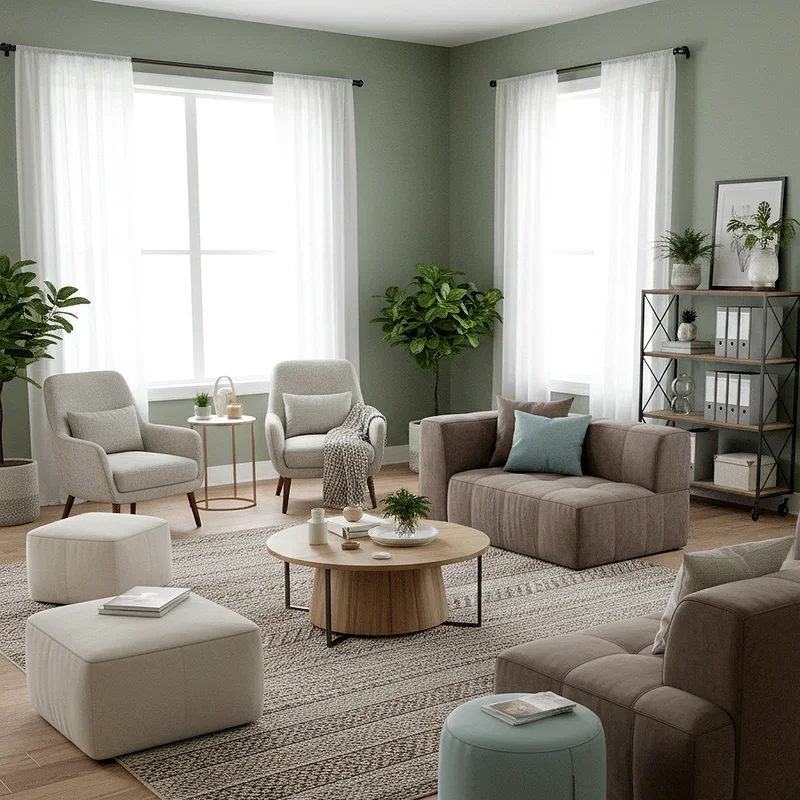
9. Art and Visual Elements
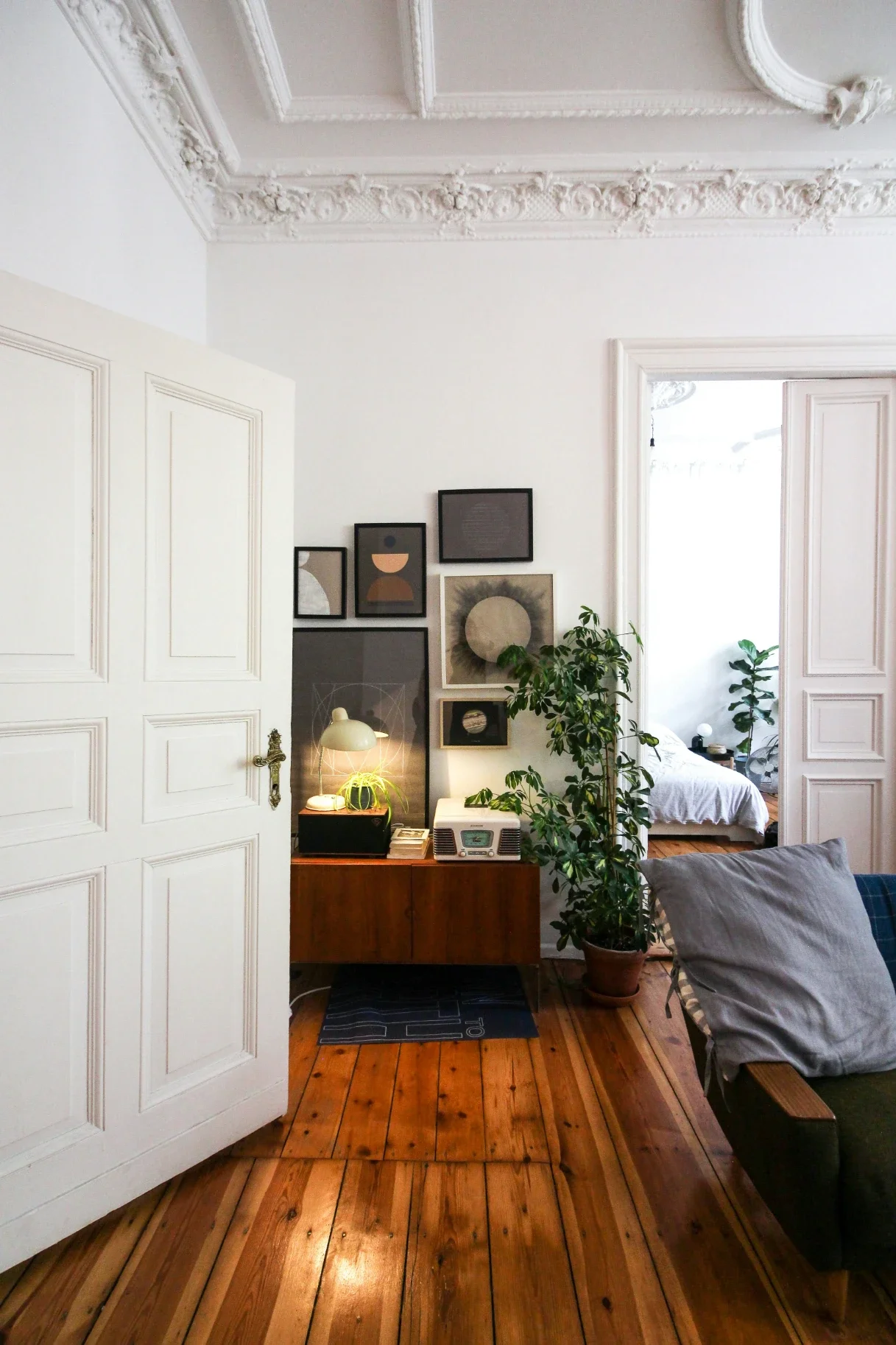
The artwork adorning your walls should inspire calm contemplation rather than provoke strong reactions or interpretations that might interfere with therapeutic work. Abstract pieces in soothing colors, nature photography, or simple geometric patterns often work well because they're open to interpretation without being provocative. Avoid images with faces that might feel like they're watching clients or pieces with obviously dark or disturbing themes. Consider rotating artwork seasonally to keep the space feeling fresh while maintaining consistency in overall tone. Position art at eye level for seated viewers, creating natural focal points that give clients somewhere to rest their gaze during difficult moments. Remember that empty wall space has value too; not every surface needs decoration, and some clients find comfort in visual simplicity.
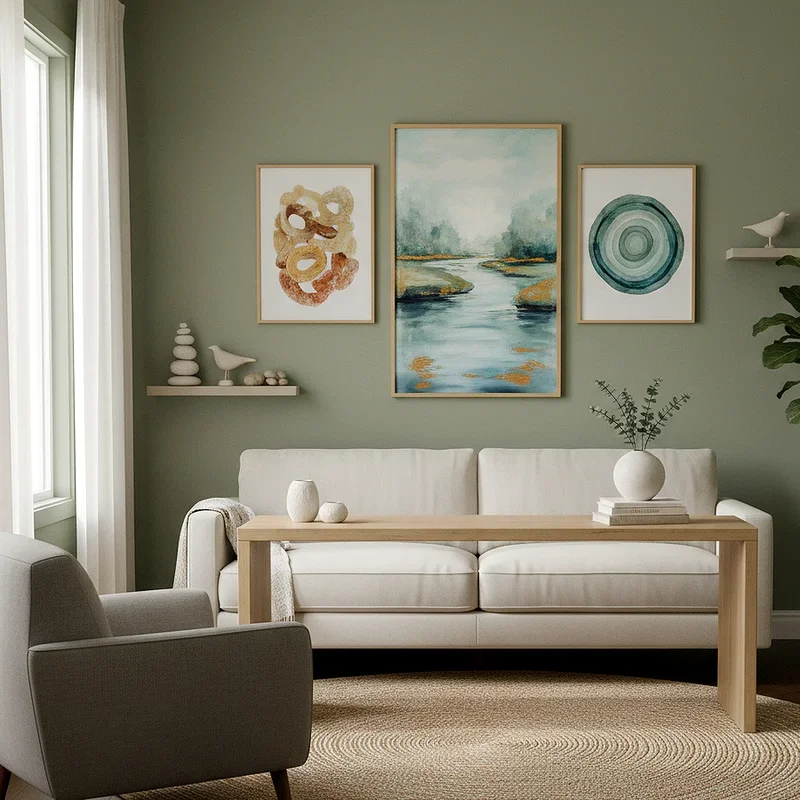
10. Aromatherapy and Scent Considerations
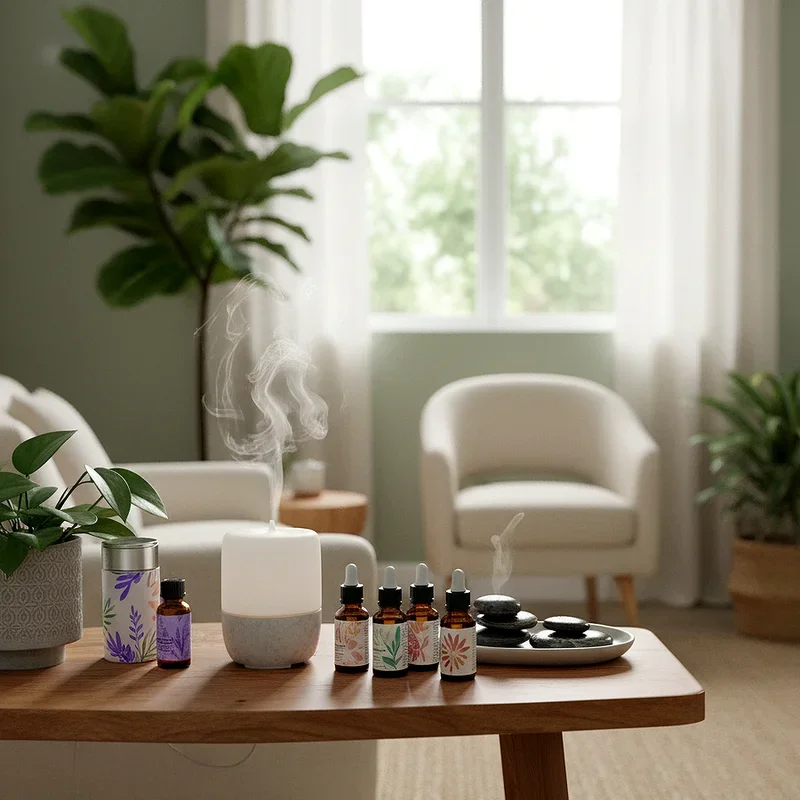
Scent powerfully triggers memories and emotions, making it both a potential therapeutic tool and a possible source of distraction or discomfort. If you choose to incorporate subtle aromatherapy, opt for gentle, widely tolerated scents like lavender or eucalyptus through a diffuser you can easily turn off. Always ask new clients about scent sensitivities or allergies during intake, as strong fragrances can trigger migraines or respiratory issues in sensitive individuals. Even seemingly innocent choices like scented candles or air fresheners can overwhelm some clients or trigger unwanted associations. When in doubt, maintaining a clean, neutral-smelling space works best, achieved through good ventilation and regular cleaning rather than added fragrances. Remember that your goal is creating a blank canvas for clients' experiences, not imposing sensory experiences they haven't chosen. If you do decide to offer aromatherapy regularly, buying essential oils wholesale is a cost-effective way to keep high-quality, pure scents stocked for your practice.
11. Storage Solutions for a Clutter-Free Space
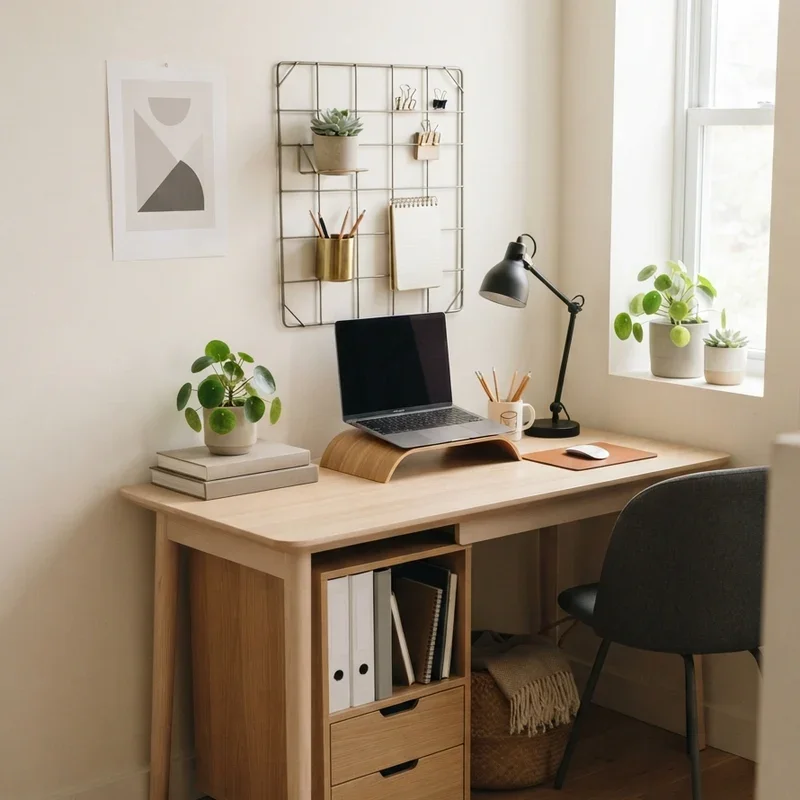
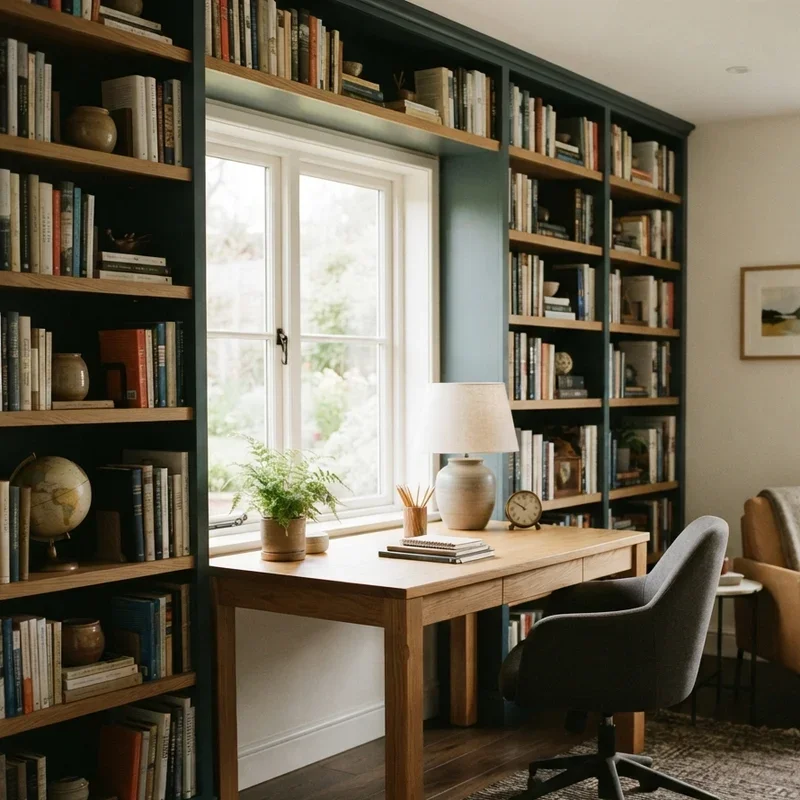
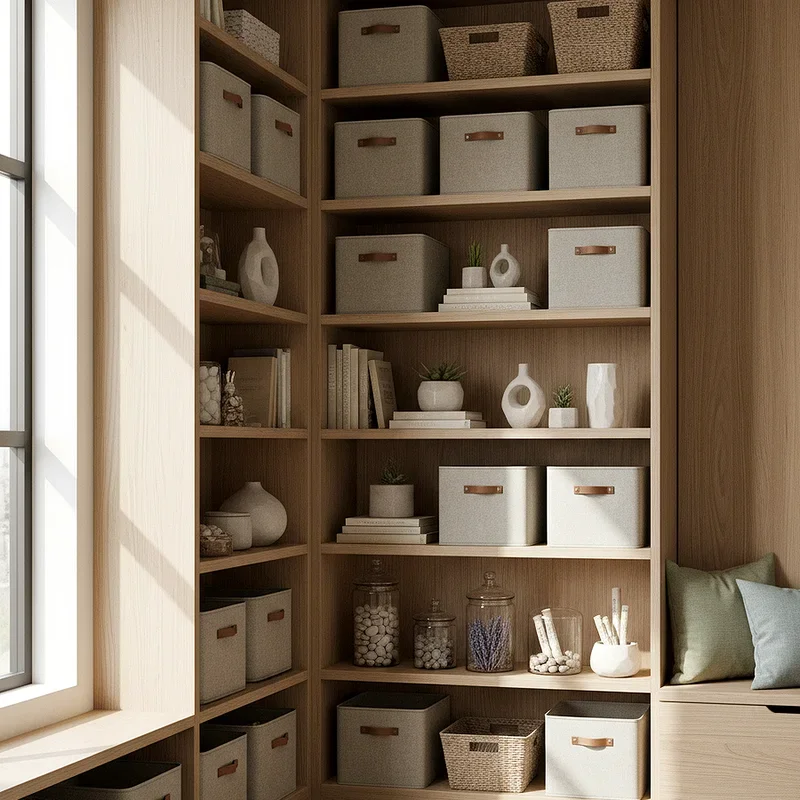
A cluttered office suggests a cluttered mind, potentially making anxious clients feel more overwhelmed or questioning your ability to help organize their thoughts. Invest in attractive storage solutions like woven baskets, wooden boxes, or built-in cabinets that keep necessary items accessible but out of sight. Minimize visible paperwork by using filing systems and keeping surfaces clear except for carefully chosen decorative items. A small selection of books on a shelf can add warmth without overwhelming, especially if you choose titles that reflect various therapeutic approaches without being too clinical. Keep tissues easily accessible but not prominently displayed, as their visibility might suggest an expectation of tears. The goal is creating a space that feels intentionally curated rather than accidentally accumulated, showing clients you've thoughtfully considered every element of their comfort.
12. Technology Integration for Modern Comfort
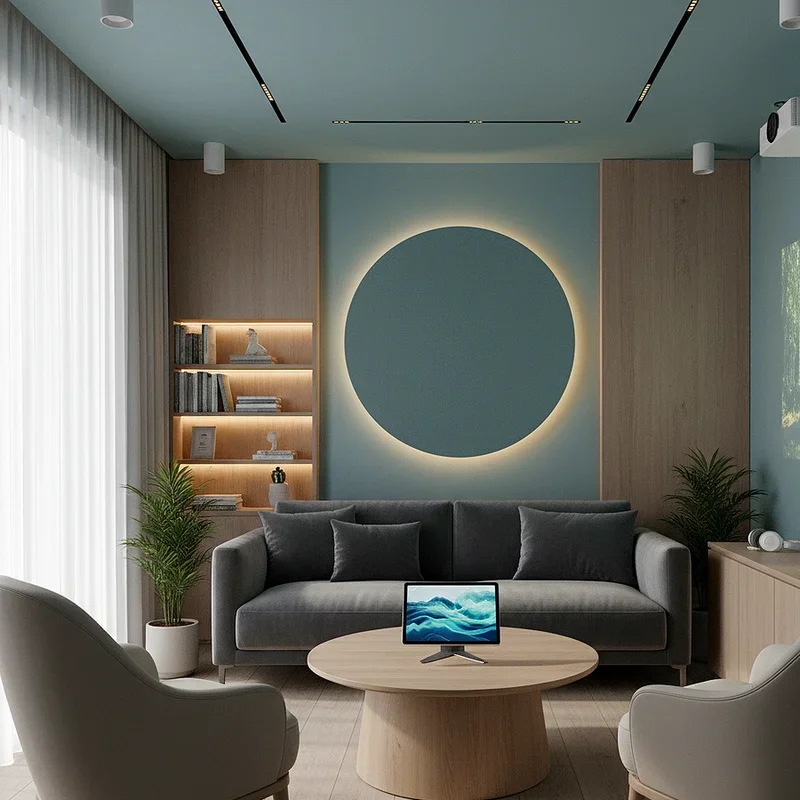
While maintaining a calm, traditional atmosphere, thoughtfully integrated technology can enhance comfort and functionality without disrupting the therapeutic environment. A tablet discretely placed for note-taking feels less intrusive than a laptop screen creating a barrier between you and your client. USB charging stations built into side tables let clients charge phones without hunting for outlets or dealing with unsightly cords. A quality air purifier with quiet operation and smart controls maintains air quality without requiring mid-session adjustments. Consider smart lighting you can adjust via app, allowing subtle changes without getting up and breaking conversational flow. However, ensure all devices are on silent and notifications are disabled to prevent disruptions that could shatter carefully built therapeutic moments.
13. Waiting Area Comfort Essentials
The therapeutic experience begins the moment clients enter your waiting area, making this space deserve as much attention as your office itself. Comfortable seating with enough variety to accommodate different body types and mobility needs shows inclusivity from the start. Provide current magazines covering diverse interests, avoiding anything too controversial or potentially triggering. A small water station with cups and perhaps herbal tea options helps clients feel cared for while they wait. Soft background music or nature sounds mask conversations from the therapy room while creating a calming atmosphere. Clear signage about where to sit and what to do reduces anxiety for new clients navigating an unfamiliar space. Consider adding a few fidget items or stress balls on a side table for anxious clients needing something to do with their hands.
14. Personal Touches Without Oversharing
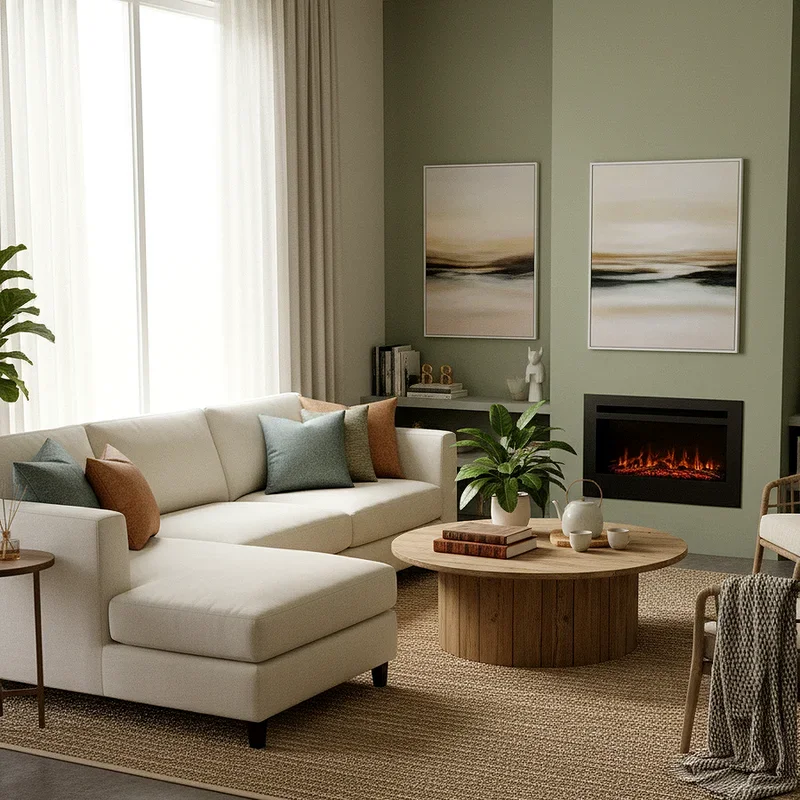
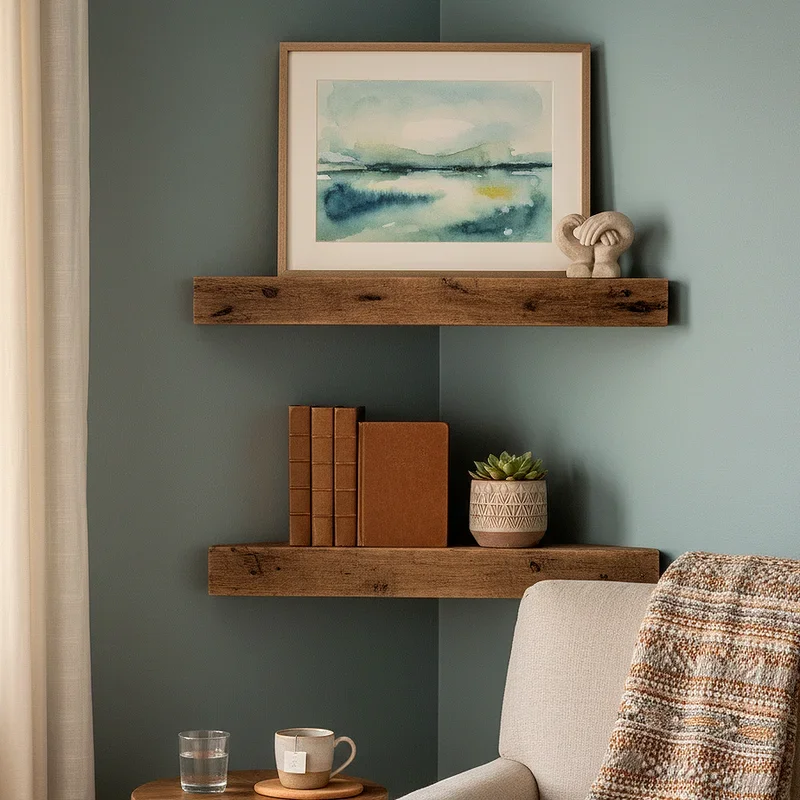
Your office should feel warm and personal without becoming a shrine to your own life that shifts focus away from clients' needs. A few carefully chosen personal items like a piece of art you love or a plant you've nurtured can make the space feel authentic and lived-in. Avoid displaying numerous family photos, diplomas covering entire walls, or personal achievements that might intimidate or alienate clients. Instead, think of personal touches as seasoning rather than the main dish, adding flavor without overwhelming the therapeutic purpose of the space. A small collection of meaningful objects on a shelf, a throw pillow in your favorite color, or a piece of pottery from your travels can add personality without dominating. The key lies in creating connection points without making the space about you rather than your clients.
15. Accessibility and Inclusive Design
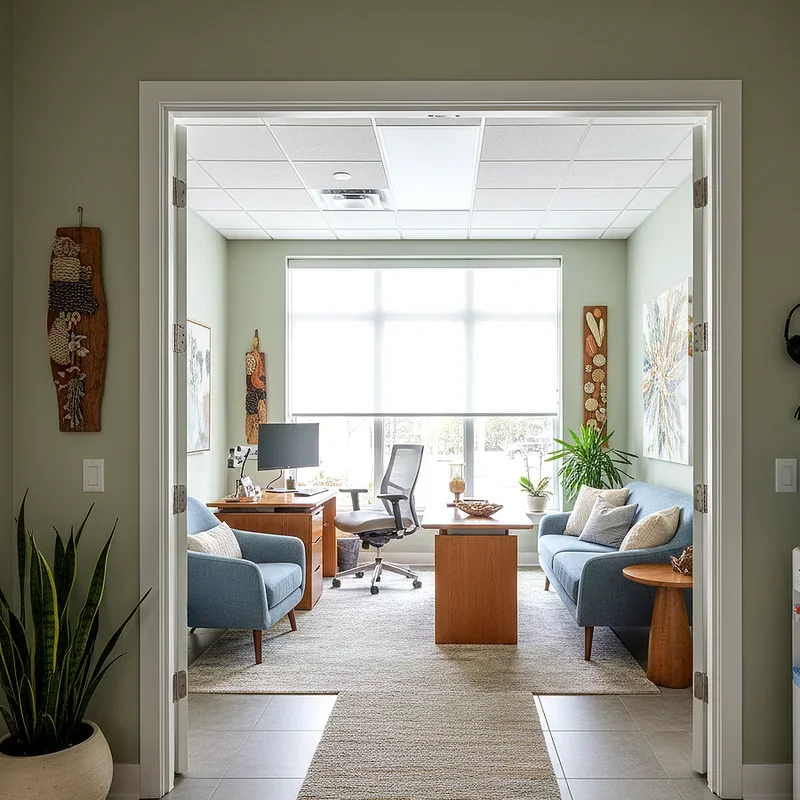
Creating true comfort means ensuring every client can access and navigate your space with dignity and ease regardless of physical abilities or limitations. Wide doorways and clear pathways accommodate wheelchairs and mobility aids without requiring furniture rearrangement. Offer seating options at various heights and firmness levels to accommodate different physical needs and preferences. Ensure lighting is adequate for clients with visual impairments while not being harsh for those with light sensitivity. Consider having materials available in large print and maintaining good contrast between text and background colors in any signage. Small details like lever door handles instead of knobs and stable armrests on chairs make a significant difference for clients with limited mobility or strength. This inclusive approach sends a powerful message that everyone deserves comfort and care in your therapeutic space.
Conclusion
Creating a therapy office that promotes comfort and ease requires thoughtful attention to countless details that work together harmoniously. From the soft glow of carefully chosen lighting to the gentle whisper of a white noise machine protecting privacy, every element contributes to an atmosphere where healing can flourish. Your space becomes a physical manifestation of the safety and acceptance you offer clients. Remember that comfort looks different for everyone, so flexibility and responsiveness to individual needs matter more than following any rigid design rules.
Read next: 15 Loft Office Ideas to Transform Your Workspace Style
Frequently Asked Questions
Q1: What's the ideal temperature for a therapy office?
A: Between 68-72 degrees Fahrenheit suits most people comfortably.
Q2: Should I use scented candles in my therapy office?
A: Avoid scents; many clients have sensitivities or unwanted associations.
Q3: How many seating options should I provide?
A: Offer at least three different seating choices for client comfort.
Q4: What colors work best for therapy office walls?
A: Soft blues, greens, and warm neutrals promote calm and trust.
Q5: Is background noise necessary in a therapy office?
A: White noise machines protect privacy and mask distracting external sounds.
Stay up to date with our latest ideas!