What Is a Mobile Office? A Complete Guide
Discover what is a mobile office in this complete guide. Learn about types, benefits, setup tips, and essential equipment for remote work.
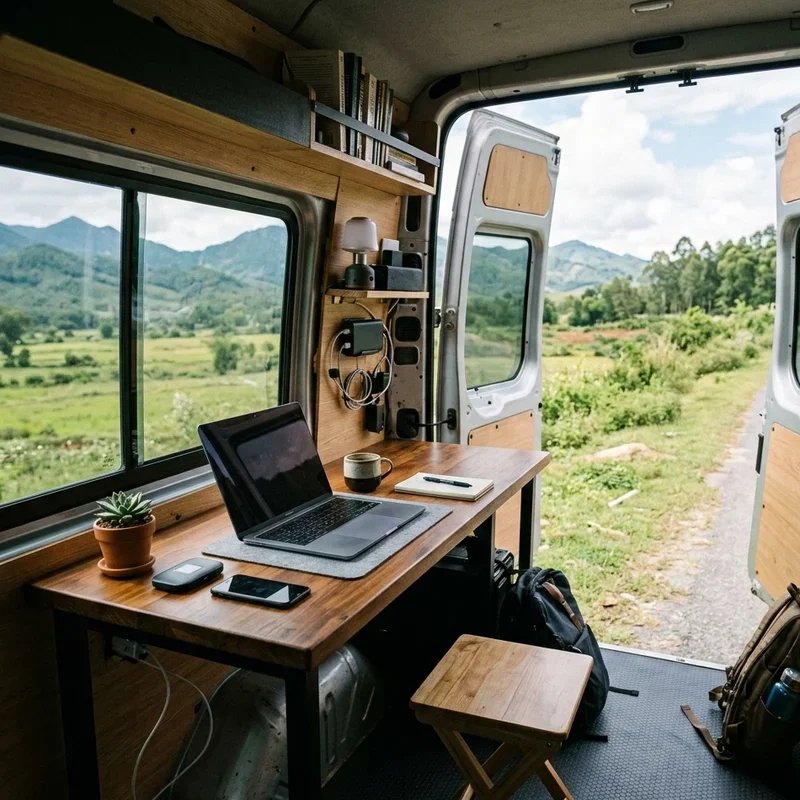
Gone are the days when work happened exclusively within the four walls of a traditional office building. The landscape of professional life has shifted dramatically, and people everywhere are discovering that their workplace can travel right along with them.
Picture this. You're finishing up a client proposal while sitting at a beachside café, or you're handling important emails from a cozy mountain cabin during a weeklong retreat. Maybe you're conducting video conferences from a converted van parked at a scenic overlook. These scenarios aren't just pipe dreams anymore. They're everyday realities for millions of professionals who've embraced the mobile office lifestyle.
The concept might sound futuristic or even a bit unconventional, but mobile offices have become remarkably mainstream. From freelancers and entrepreneurs to corporate employees with flexible work arrangements, professionals across every industry are discovering that untethering from a fixed location doesn't mean sacrificing productivity or professionalism.
Understanding what is a mobile office opens doors to possibilities you might not have considered. It's not just about working from coffee shops, though that's certainly part of it. The mobile office concept encompasses everything from sophisticated vehicle conversions to portable technology setups that transform any space into a fully functional workspace.
This comprehensive guide explores every aspect of mobile offices, from the basic concept to the practical considerations of setting up your own. Whether you're curious about the lifestyle, considering a career change that demands flexibility, or simply want to understand this growing work trend, you'll find valuable insights ahead.
Ready to explore the world beyond cubicle walls? Let's dive in.
Understanding the Mobile Office Concept
Let's break down what this term actually means in practical terms.
Definition and Core Elements
A mobile office is any workspace designed to travel with you, enabling professional productivity regardless of physical location. Unlike traditional offices with permanent addresses, mobile offices exist wherever you happen to be working at any given moment.
The concept relies on three fundamental pillars. First, portable technology provides the computing power, connectivity, and communication tools necessary for professional work. Second, adaptable workspaces allow you to set up shop in various environments. Third, reliable connectivity ensures you can stay linked to colleagues, clients, and essential online resources.
Mobile offices range from incredibly simple setups, perhaps just a laptop and smartphone, to elaborate configurations featuring custom-built vehicles equipped with everything from satellite internet to full-size monitors.
Evolution of Mobile Work
The idea of working away from a central office isn't entirely new, but technology has transformed what's possible.
Traveling salespeople and field workers have always needed some degree of mobility. However, they were largely limited to paperwork, phone calls from hotel rooms, and periodic check-ins at company headquarters.
Modern mobile offices became truly viable with the advent of laptops, smartphones, and widespread internet access. The global pandemic then accelerated adoption dramatically, proving that entire workforces could operate remotely without productivity collapse.
Today's mobile office capabilities would have seemed like science fiction just two decades ago. High-speed mobile data, cloud computing, video conferencing, and collaborative software have erased most technical barriers to location-independent work.
What Is a Mobile Office? A Complete Guide to Types
Mobile offices take many forms, each suited to different needs and lifestyles.
Digital Nomad Setup
The minimalist approach favored by digital nomads involves carrying everything needed in a backpack or small bag.
This setup typically includes a laptop, smartphone, portable charger, noise-canceling headphones, and perhaps a small mouse or portable keyboard. The focus is on lightweight equipment that can work anywhere with internet access.
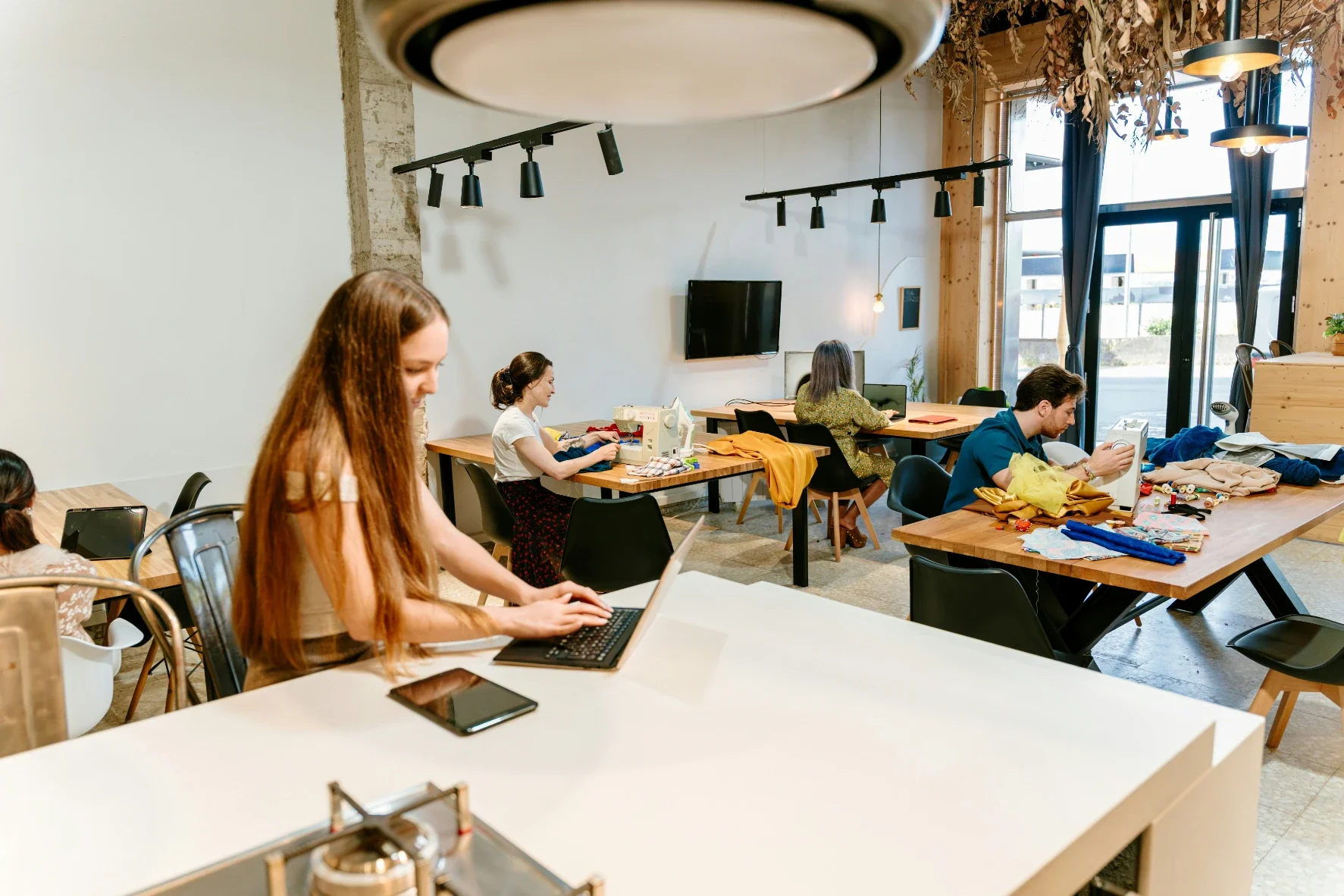
Digital nomads rely heavily on public spaces like cafés, libraries, coworking spaces, and hotel lobbies. Their mobile office essentially reconstructs wherever they happen to land.
Vehicle-Based Mobile Offices
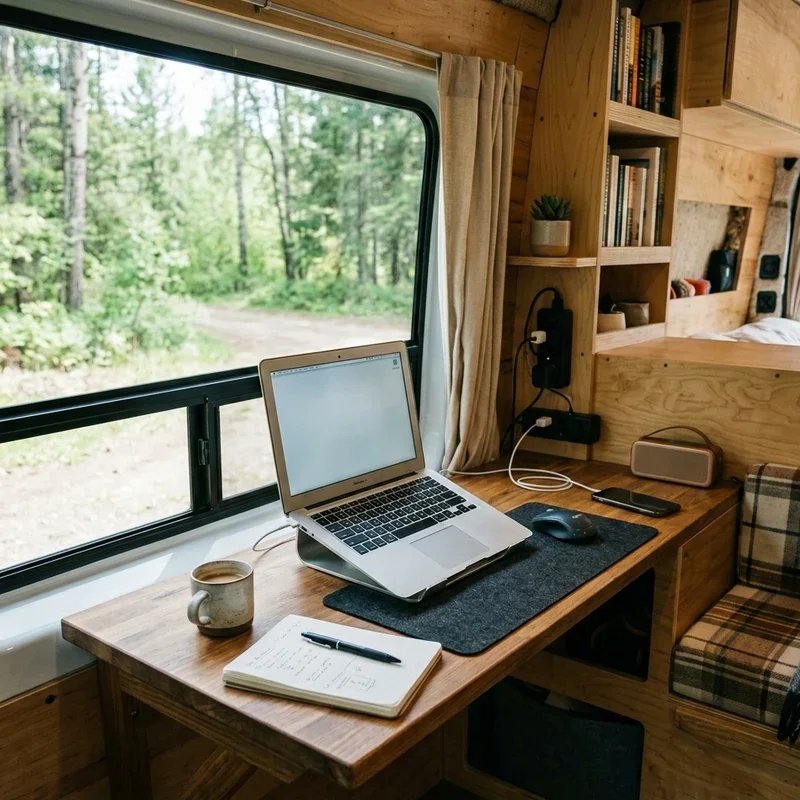
Converting vehicles into functional workspaces has become increasingly popular, particularly among those seeking adventure alongside productivity.
Van conversions range from basic setups with a simple desk area to elaborate builds featuring standing desks, multiple monitors, climate control, and dedicated internet systems.
RVs and travel trailers offer even more space for comprehensive office setups. Some professionals have created workspaces rivaling traditional home offices within these rolling accommodations.
Specialty vehicles designed specifically as mobile offices also exist, offering turnkey solutions for businesses needing portable workspaces at various job sites.
Portable Office Units
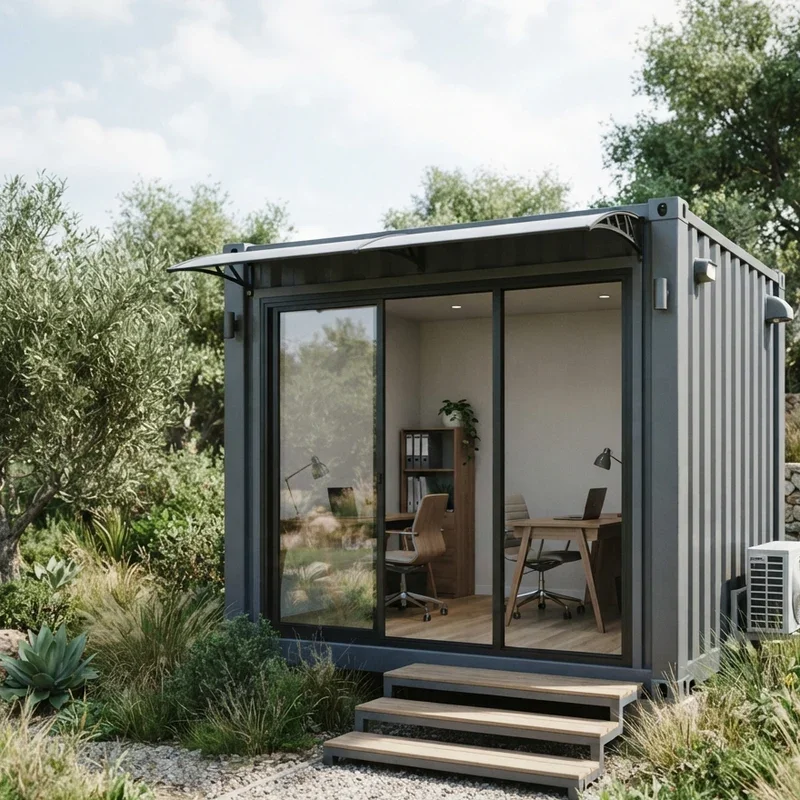
Shipping container offices and other modular structures provide mobile workspace solutions for construction sites, temporary business locations, and remote project areas.
These units can be transported and installed relatively quickly, offering climate-controlled professional environments wherever needed.
Some companies specialize in creating luxury portable offices featuring high-end finishes, full connectivity, and all the amenities of permanent structures.
Hybrid Approaches
Many mobile office users combine multiple approaches based on circumstances.
Someone might work from a vehicle conversion during travel periods but utilize coworking spaces when staying in cities for extended periods. A corporate employee might have a portable setup for occasional remote days while maintaining access to traditional office space.
This flexibility represents the mobile office philosophy at its core. The workspace adapts to life's changing demands rather than dictating where you must be.
Benefits of Mobile Offices
The advantages of working from mobile offices extend well beyond simply avoiding commutes.
Geographic Freedom
Perhaps the most obvious benefit involves the ability to work from virtually anywhere.
This freedom enables people to travel while maintaining their careers, live in locations they genuinely love regardless of job opportunities there, and experience different places without sacrificing income.
For some, this means working while traveling the world. For others, it simply means the flexibility to visit family, attend children's events, or escape to a cabin for focused work periods.
Cost Efficiency
Mobile offices can significantly reduce expenses compared to traditional office arrangements.
Businesses save on commercial lease costs, utilities, and office maintenance. Individuals save on commuting expenses, professional wardrobes, and lunch costs associated with office environments.
Of course, mobile offices involve their own costs, including technology, connectivity, and sometimes rental fees for coworking spaces. But for many professionals, the net financial impact is positive.
Enhanced Productivity
Contrary to some assumptions, mobile office workers often report higher productivity than they experienced in traditional settings.
The ability to choose optimal work environments based on the task at hand contributes significantly. Need deep focus? Find a quiet library. Want collaborative energy? Hit a busy coworking space.
Eliminating commute time provides additional productive hours each day. The flexibility to work during personal peak productivity hours, rather than standard office hours, further enhances output.
Improved Work-Life Integration
Mobile offices blur the boundaries between work and personal life, which can be either positive or negative depending on how you manage it.
For many, the integration enables better balance. Working from home eliminates the time spent commuting, enabling more presence with family. The flexibility to handle personal tasks during traditional work hours, while catching up on work during evenings, creates sustainable rhythms.
Essential Equipment for Mobile Offices
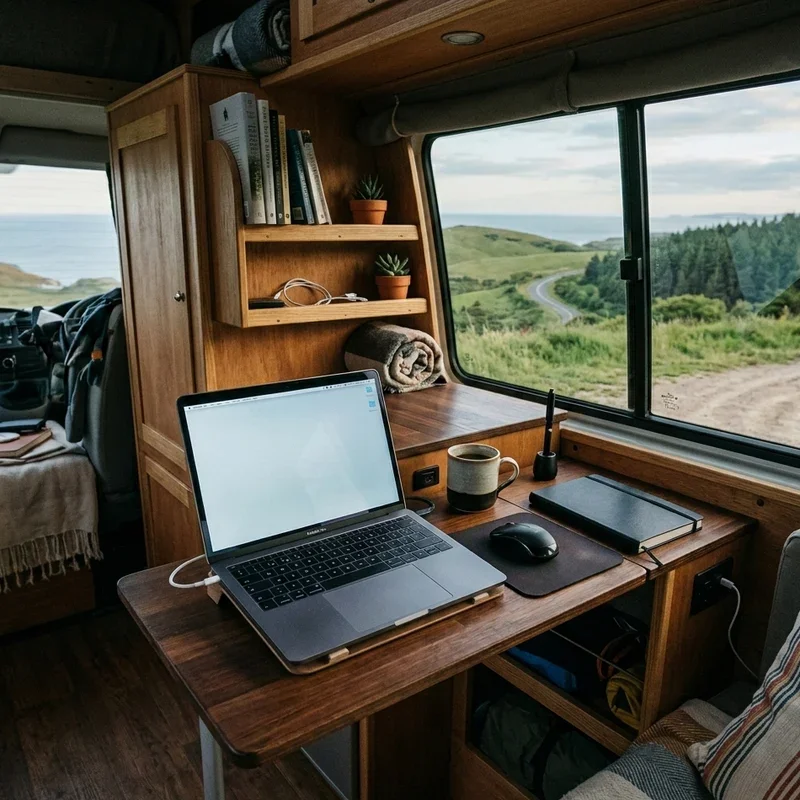
Success in mobile work depends heavily on having the right tools.
Computing Hardware
Your laptop becomes the heart of your mobile office. Choose something powerful enough for your work requirements while remaining portable enough for your lifestyle.
Battery life matters enormously for mobile work. Models offering eight or more hours of actual use provide flexibility to work away from outlets.
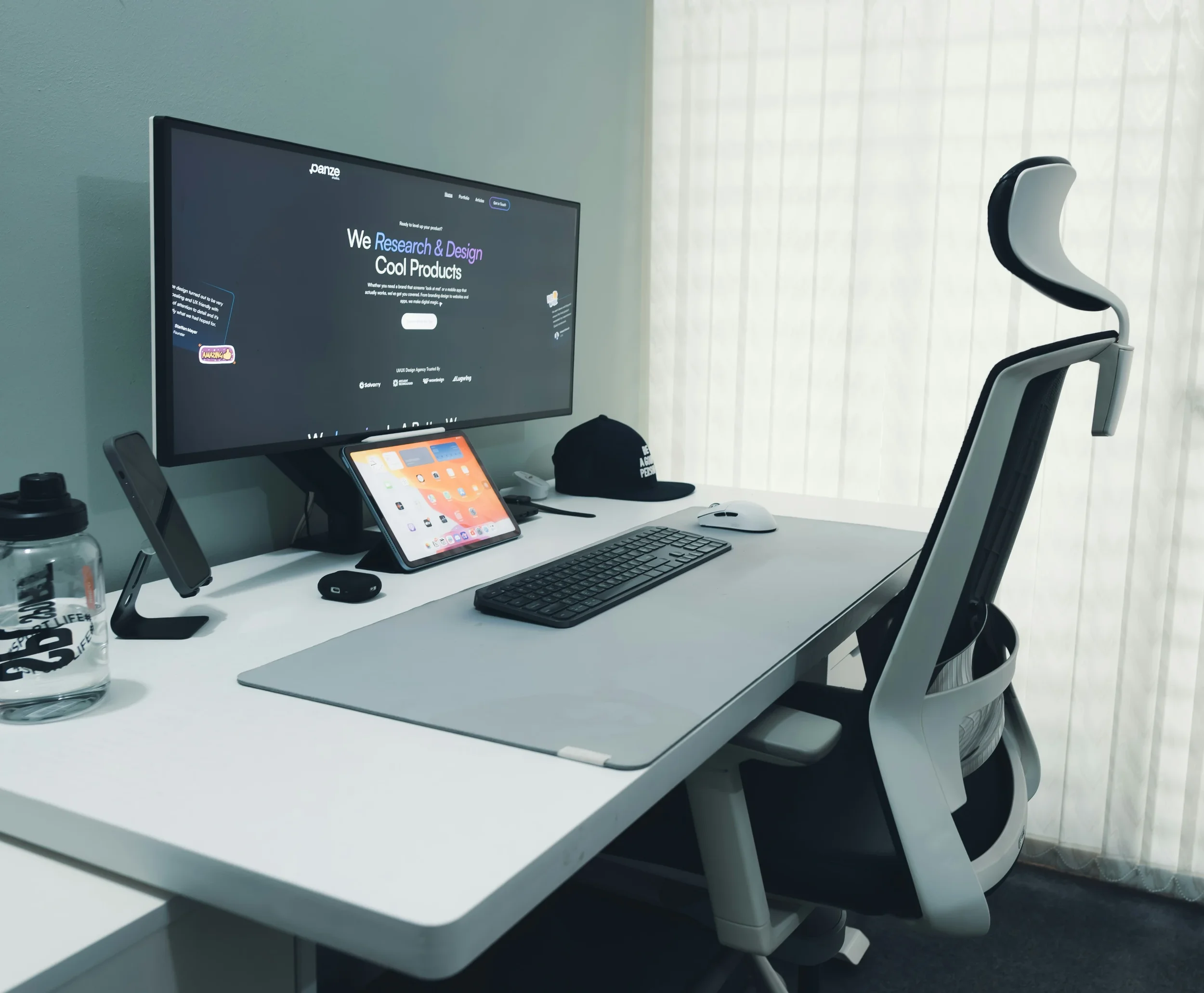
Consider supplementary devices based on your needs. Tablets offer portability advantages for certain tasks, while portable monitors provide extra screen real estate when space allows.
Connectivity Solutions
Reliable internet access represents the single most critical factor for most mobile office workers.
Mobile hotspots using cellular networks provide connectivity virtually anywhere with cell service. Plans offering generous or unlimited data prevent unexpected limitations.
Satellite internet options have expanded significantly, offering connectivity even in remote areas beyond cellular coverage.
Always have backup connectivity options. Carrying both a dedicated hotspot and smartphone with tethering capability ensures that single-point failures don't derail your workday.
Portable Peripherals
Thoughtful peripheral selection enhances comfort and productivity without adding excessive weight or bulk.
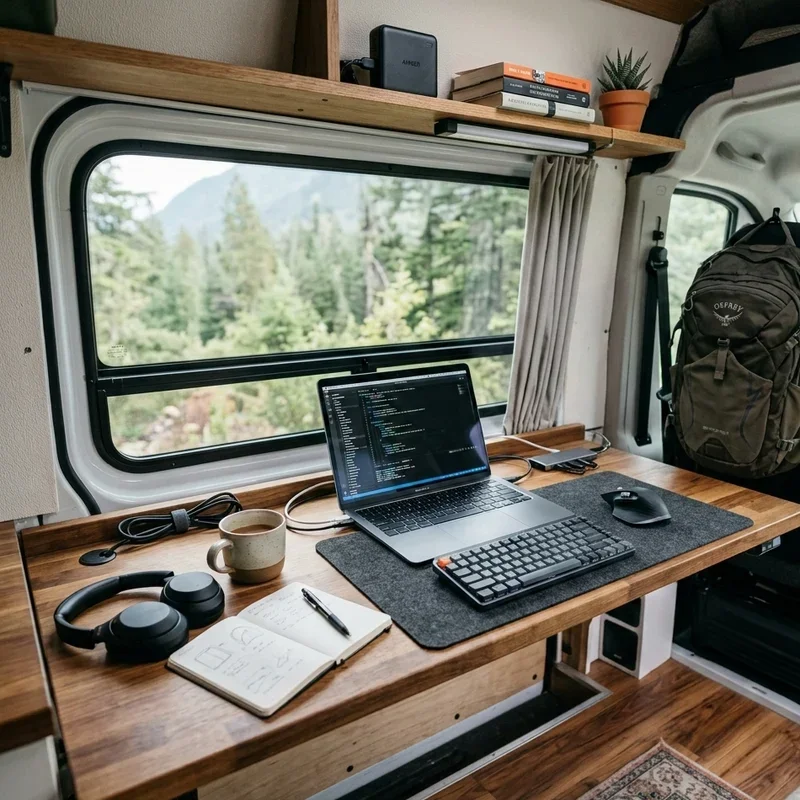
Compact wireless mice, folding keyboards, and laptop stands improve ergonomics during extended work sessions. Quality noise-canceling headphones block distractions while enabling clear communication.
Portable chargers and power banks prevent battery anxiety. Compact power strips and international adapters handle various power situations.
Organization Systems
Keeping your mobile office organized requires intentional systems and products.
Cable organizers, tech pouches, and gear bags keep equipment protected and accessible. Document storage solutions, whether digital or physical, ensure important papers remain available.
Backup systems protect against data loss while traveling. Cloud storage combined with local backups on portable drives provides redundancy.
What Is a Mobile Office? A Complete Guide to Setup
Creating an effective mobile office involves thoughtful planning.
Assessing Your Requirements
Start by honestly evaluating what your work actually demands.
What software and services do you use? How much bandwidth do your activities require? What equipment is absolutely essential versus nice to have?
Consider your work patterns too. Do you need extended periods of focused work, or primarily short sessions? Will you frequently participate in video calls?
Understanding these requirements prevents either overspending on unnecessary capabilities or underequipping yourself for essential needs.
Choosing Your Primary Workspace Style
Select a mobile office approach matching your lifestyle and work requirements.
Pure digital nomad setups suit those prioritizing minimal possessions and maximum flexibility. Vehicle-based offices work better for those wanting consistent workspace regardless of location.
Hybrid approaches combining coworking memberships with portable equipment provide flexibility while ensuring access to professional environments when needed.
Your choice might evolve over time as you learn what works best for your particular situation.
Building Your Technology Stack
Assemble technology supporting your specific work requirements.
Hardware decisions should prioritize reliability, portability, and capability appropriate to your tasks. Don't underspecify on tools critical to your livelihood.
Software choices should emphasize cloud-based solutions enabling access from any device. Offline capabilities matter for times when connectivity proves unreliable.
Test your complete setup thoroughly before depending on it for critical work.
Establishing Work Routines
Mobile offices require different routines than traditional settings.
Without external structure imposed by office environments, you must create your own. Establish consistent work hours, regular routines, and boundaries between work and personal time.
Develop habits for managing distractions inherent to various environments. Know when you work best in cafés versus quiet spaces versus your vehicle.
Challenges of Mobile Offices
Mobile work isn't without difficulties worth understanding.
Connectivity Struggles
Despite technological advances, reliable internet access remains challenging in some locations.
Rural areas, developing countries, and even certain urban dead zones present connectivity challenges. Video calls suffer most from bandwidth limitations or unstable connections.
Building redundancy into your connectivity approach mitigates these challenges but doesn't eliminate them entirely.
Ergonomic Concerns
Working from improvised spaces often means suboptimal ergonomics.
Café tables aren't designed for extended laptop use. Vehicle office spaces rarely match the adjustability of proper office furniture.
Investing in portable ergonomic accessories helps, as does varying your positions and locations throughout the day. Some mobile workers intentionally alternate between sitting, standing, and various environments to prevent repetitive strain.
Social Isolation
Traditional offices provide built-in social interaction that mobile workers must deliberately cultivate.
Loneliness affects some remote workers significantly. The absence of water-cooler conversations and spontaneous interactions requires intentional replacement.
Coworking spaces, professional communities, and scheduled social activities help combat isolation. Video calls with colleagues maintain connections despite physical separation.
Professional Perception
Some clients, employers, and colleagues view mobile workers skeptically.
Perceptions are improving rapidly, but biases remain in certain industries and organizations. Maintaining professionalism despite unconventional work locations becomes important.
Quality work ultimately speaks louder than location, but managing perception requires attention.
Industries Embracing Mobile Offices
Certain fields have adopted mobile work more readily than others.
Technology Sector
Software development, IT consulting, and tech companies led remote work adoption long before recent trends.
The nature of digital work translates naturally to mobile offices. Most tech work requires only computing power and connectivity.
Many tech companies have embraced fully remote or hybrid models, actively supporting mobile office arrangements.
Creative Industries
Writers, designers, photographers, and other creatives often thrive in mobile office environments.
Creative work benefits from changing environments that inspire fresh perspectives. The independence inherent in many creative careers aligns well with location independence.
Digital tools have made creative work increasingly portable, enabling high-quality output from virtually anywhere.
Consulting and Coaching
Professional services delivered through conversation and documentation translate well to mobile work.
Coaches, consultants, and advisors need primarily communication tools and document access. Mobile offices handle these requirements easily.
The trust-based nature of consulting relationships often transcends location concerns that affect other industries.
Conclusion
Understanding what is a mobile office reveals a world of professional possibilities beyond traditional workplace constraints. From digital nomad setups to sophisticated vehicle conversions, mobile offices enable work from virtually anywhere with proper planning and equipment. The benefits of geographic freedom, potential cost savings, and lifestyle flexibility appeal to growing numbers of professionals across diverse industries. Challenges exist but prove manageable with intentional approaches to connectivity, ergonomics, and maintaining professional standards.
Read next: 15 Metal Building Office Ideas for Modern Workspaces
Frequently Asked Questions
1.Do mobile offices work for all types of jobs and industries?
Mobile offices suit knowledge work best while jobs requiring physical presence or specialized equipment remain location-dependent.
2.What is the minimum technology needed for a basic mobile office?
A reliable laptop, smartphone with hotspot capability, and noise-canceling headphones form the essential foundation.
3.How do mobile office workers handle reliable internet connectivity?
Combining cellular hotspots, café wifi, coworking spaces, and backup options ensures connectivity across various situations.
4.Can employees with traditional jobs negotiate mobile office arrangements?
Many employers now offer remote or hybrid options, though policies vary significantly between companies and industries.
5.What are the biggest challenges of working from a mobile office?
Maintaining reliable connectivity, managing ergonomics, combating isolation, and establishing work-life boundaries present common challenges.
Stay up to date with our latest ideas!