How Often Should Office Chairs Be Replaced?
How often should office chairs be replaced? Discover the signs, lifespan tips, and expert advice to keep your workspace comfortable.
Let's be honest for a second. Most of us don't think twice about the chair we're sitting in right now. We plop down every morning, scoot up to the desk, and get to work. But here's the thing. That trusty office chair you've been using for years might actually be doing more harm than good. It could be wrecking your back, killing your productivity, and honestly, it might just look terrible at this point.
So, how often should office chairs be replaced? Well, it's not exactly a one-size-fits-all answer. The lifespan of your chair depends on a bunch of different factors, from build quality to how many hours a day you spend glued to it. In this guide, we're going to dig deep into all the details you need. By the time you're done reading, you'll know exactly when to say goodbye to your old seat and grab something fresh.
Understanding the Average Lifespan of an Office Chair
Most office chairs are built to last somewhere between five and ten years. That's the general ballpark, anyway. But that number can swing wildly depending on what kind of chair you bought in the first place. A cheap chair from a big-box retailer isn't going to hold up the same way a high-end ergonomic model will. It's kind of like comparing a fast-food burger to a home-cooked steak dinner. Sure, they're both meals, but the quality gap is massive.
Budget chairs, the ones that typically cost under a hundred bucks, tend to wear out within two to three years. The foam flattens, the casters start squeaking, and the hydraulic cylinder gives up the ghost sooner than you'd expect. Mid-range chairs can last five to seven years with decent care. And premium ergonomic chairs from brands known for their craftsmanship? Those can easily push past ten years, sometimes even longer, if you treat them right.
The bottom line is this. You get what you pay for. Investing in a quality chair upfront can save you a ton of money and headaches down the road.
How Often Should Office Chairs Be Replaced? Key Factors That Decide
Alright, let's break down the major factors that influence when you need to swap out your office chair. It's not just about age, though that matters too.
Daily Usage Hours
This one's a no-brainer. If you're sitting in your chair for eight to ten hours a day, five days a week, it's going to wear out faster than a chair that only sees a few hours of use. Think about it. The foam cushion compresses, the mechanisms get stressed, and the upholstery takes a beating. Someone working a standard nine-to-five is going to burn through a chair quicker than someone who only uses a home office on weekends.
Weight and Body Type
Chairs have weight capacities, and exceeding them accelerates wear and tear in a big way. If you're on the heavier side, pay close attention to the manufacturer's recommended weight limit. Going over that limit doesn't just shorten the chair's lifespan. It can also create safety hazards. Nobody wants a chair collapsing under them in the middle of a Zoom call, right?
Build Quality and Materials
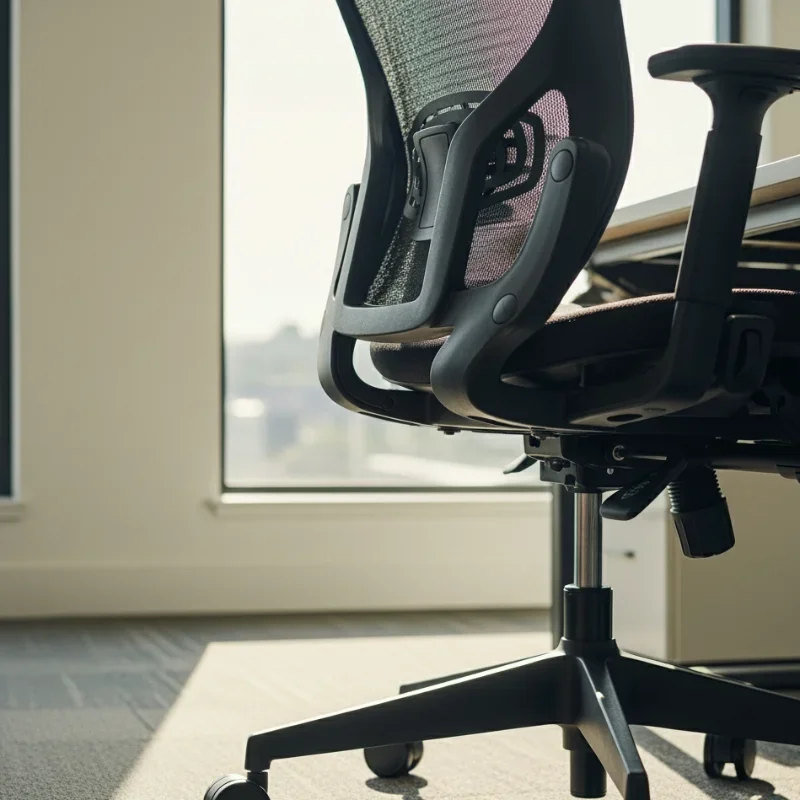
The materials used in your chair play a huge role. Genuine leather holds up better than bonded leather, which tends to peel and crack within a couple of years. Mesh backs are breathable and durable, but they can sag over time. Steel frames outlast plastic ones. And the quality of the gas cylinder determines how long your chair will hold its height without sinking.
Maintenance and Care
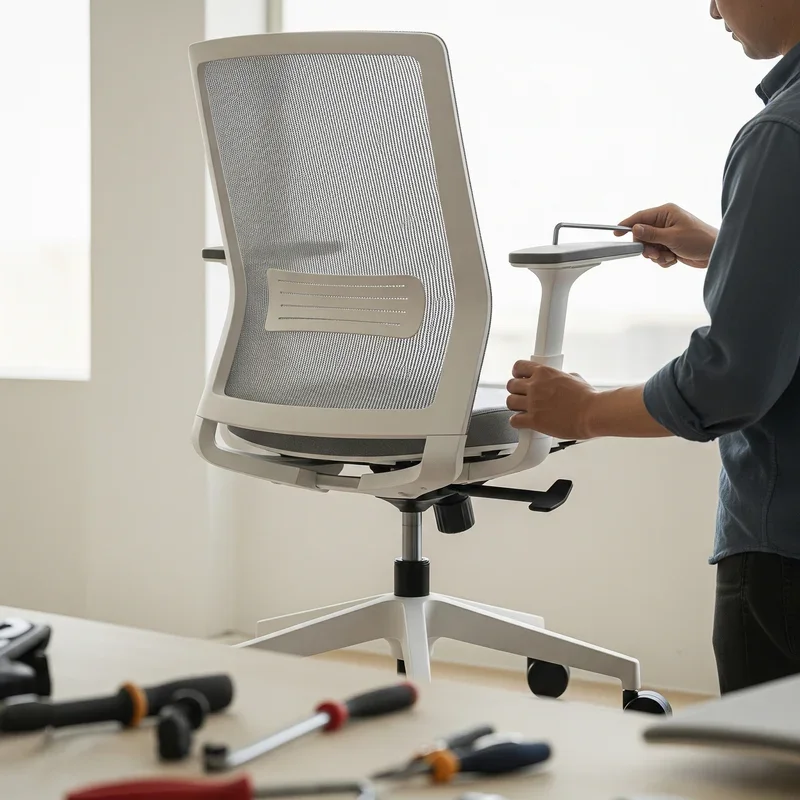
You'd be surprised how much a little regular maintenance can extend the life of your chair. Tightening loose screws, cleaning the casters, lubricating moving parts, and wiping down the upholstery can add years to your chair's useful life. Most people never even think about maintaining their office chair, and it shows.
Environment
Where you use your chair matters too. A chair in a climate-controlled office is going to last longer than one sitting in a garage workshop or a hot, humid room. Temperature swings, moisture, and direct sunlight can break down materials faster than normal.
Warning Signs Your Office Chair Needs Replacing
Sometimes your chair doesn't wait for the five-year mark to start falling apart. Here are the telltale signs that it's time to move on.
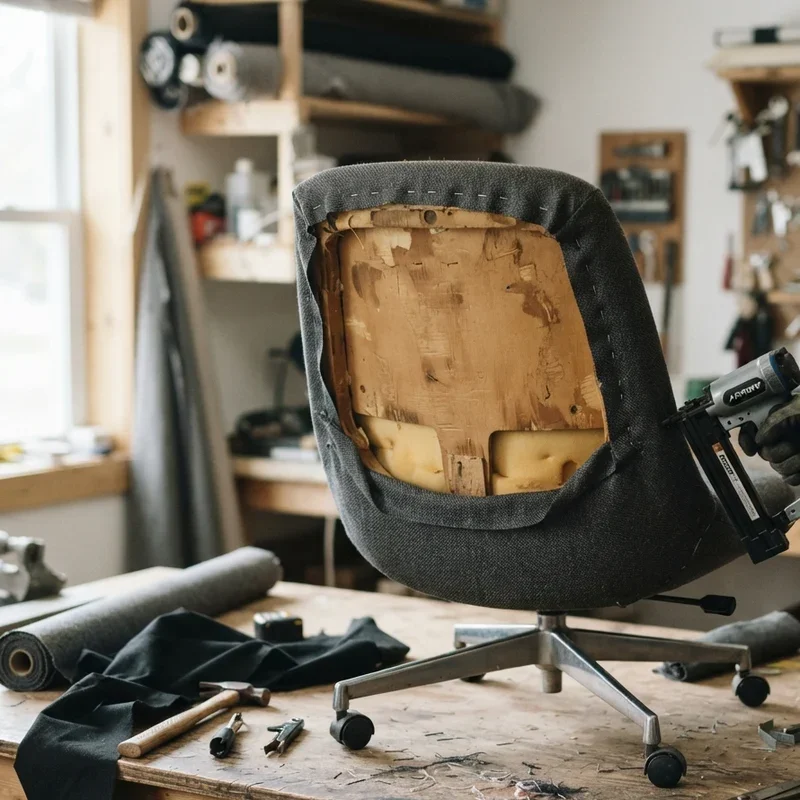
The Cushion Has Gone Flat
When you sit down and feel like you're basically sitting on a plywood board, that's a clear sign. A flat, compressed cushion doesn't provide the support your body needs. You'll start noticing aches in your hips and tailbone, and sitting for extended periods becomes genuinely uncomfortable.
The Hydraulic Cylinder Is Shot
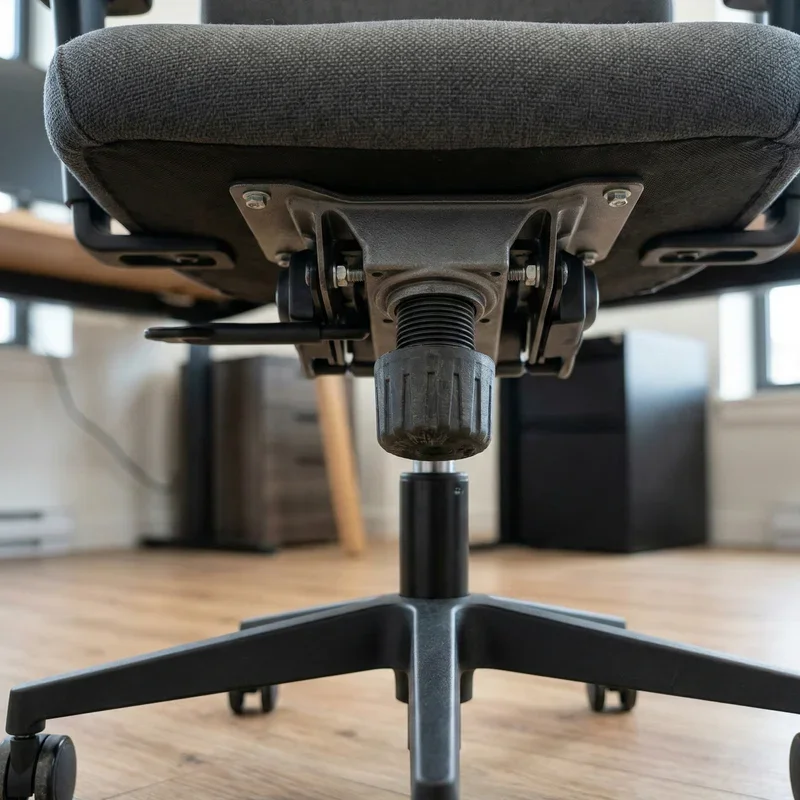
You know that slow, sad sinking feeling when your chair gradually drops throughout the day? Yeah, that means the gas cylinder is failing. You can replace the cylinder in some chairs, but if the chair is already old and showing other problems, it's probably not worth the trouble.
The Armrests Are Wobbly or Broken
Loose armrests aren't just annoying. They mess with your posture because you can't rest your arms in a consistent, supportive position. If the armrests are cracked, wobbly, or missing padding entirely, that's another red flag.
Visible Structural Damage
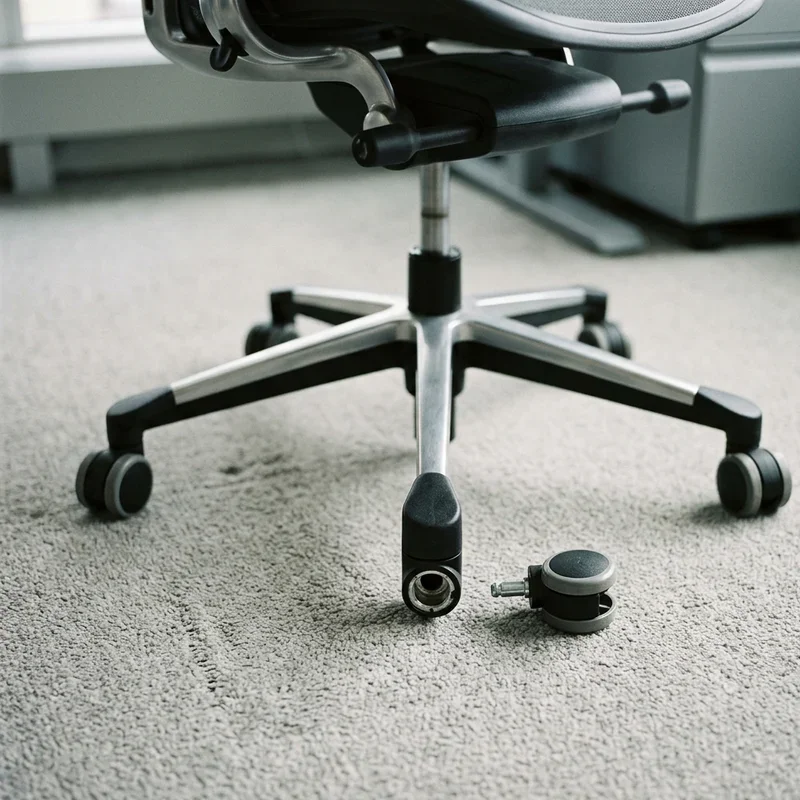
Cracks in the base, bent frame components, broken tilt mechanisms, or wheels that refuse to roll smoothly are all structural issues that compromise both comfort and safety. Once the structure starts failing, it's time to pull the trigger on a replacement.
Persistent Back Pain or Discomfort
Here's the big one. If you've started experiencing chronic back pain, neck stiffness, or hip soreness and you can trace it back to your time in the chair, don't ignore it. Your body is telling you something important. A worn-out chair that no longer provides proper lumbar support can lead to serious health issues over time.
The Health Impact of Sitting in a Worn-Out Chair
This is where things get serious, folks. Sitting in a chair that's past its prime isn't just uncomfortable. It can genuinely affect your health. Poor lumbar support leads to lower back pain, which is one of the most common complaints among office workers worldwide. And once back pain becomes chronic, it's a real pain in the neck to fix. Pun fully intended.
A chair that doesn't support proper posture forces your body to compensate. You end up slouching, leaning to one side, or hunching your shoulders forward. Over weeks and months, this creates muscle imbalances, pinched nerves, and even spinal alignment problems. Not exactly the kind of thing you want to deal with.
Beyond back pain, a bad chair can cause poor circulation in your legs, especially if the seat pan is too short or too hard. Numbness, tingling, and swelling in the lower legs are signs that your chair isn't doing its job anymore.
And let's not forget the mental toll. When you're uncomfortable, your focus takes a nosedive. You fidget more, take more breaks, and your overall productivity drops. It's hard to crush your to-do list when all you can think about is how much your back hurts.
How to Extend the Life of Your Office Chair
Before you rush out and buy a new chair, let's talk about some ways to squeeze more life out of the one you've got. A little TLC goes a long way.
Clean the upholstery regularly using a fabric-appropriate cleaner or a damp cloth for leather and mesh surfaces.
Tighten all bolts and screws every few months, because things loosen up naturally with daily use.
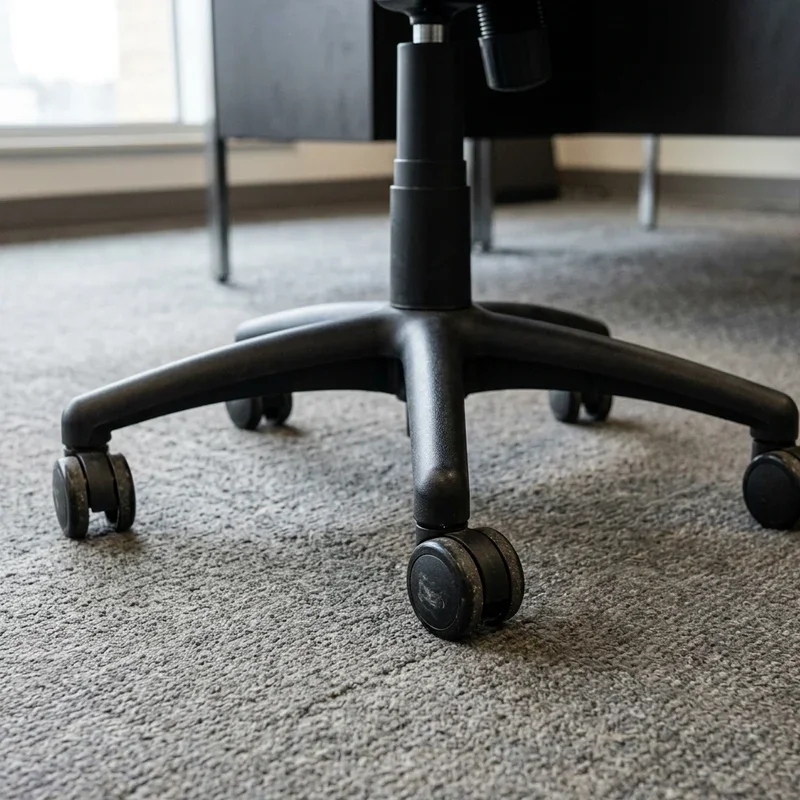
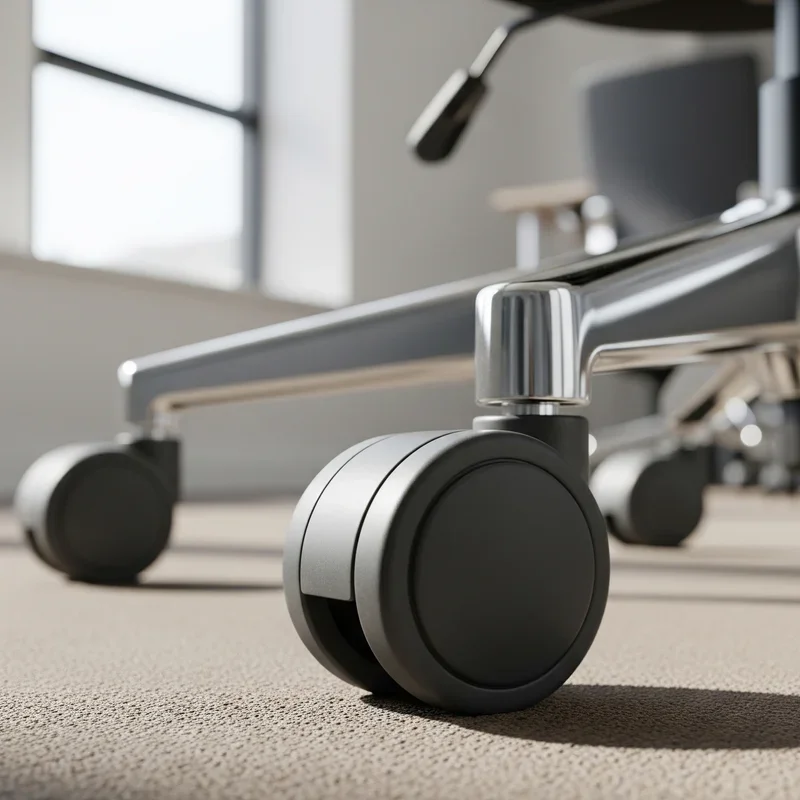
Lubricate the caster wheels and any squeaky mechanisms with a silicone-based spray.
Rotate or flip the seat cushion if your chair allows it, so the foam wears more evenly.
Avoid leaning back too aggressively or rocking the chair beyond its intended range of motion.
Keep the chair out of direct sunlight and away from heat sources that can dry out and crack materials.
Use a chair mat on carpeted floors to reduce strain on the casters and base.
These steps won't make a dying chair last forever, but they can buy you an extra year or two of comfortable use.
How Often Should Office Chairs Be Replaced in Different Settings?
The answer to how often should office chairs be replaced shifts depending on the setting. Different environments put different demands on your seating.
Corporate Offices
In a typical corporate environment with standard eight-hour workdays, plan on replacing chairs every seven to ten years. Many companies follow a scheduled replacement cycle to keep things fresh and avoid liability issues related to employee comfort and safety.
Home Offices
Home office chairs often get used less consistently than corporate ones, but they also tend to be lower quality because people buy them on a budget. If you work from home full-time, treat your chair the same way you would in a corporate setting. Five to eight years is a reasonable replacement timeline. Part-time remote workers can stretch that to eight or even ten years.
Call Centers and High-Use Environments
In places where chairs get hammered around the clock by multiple users across different shifts, the replacement cycle shortens dramatically. Two to four years is common in call centers, dispatch offices, and similar high-traffic workplaces.
Executive Suites
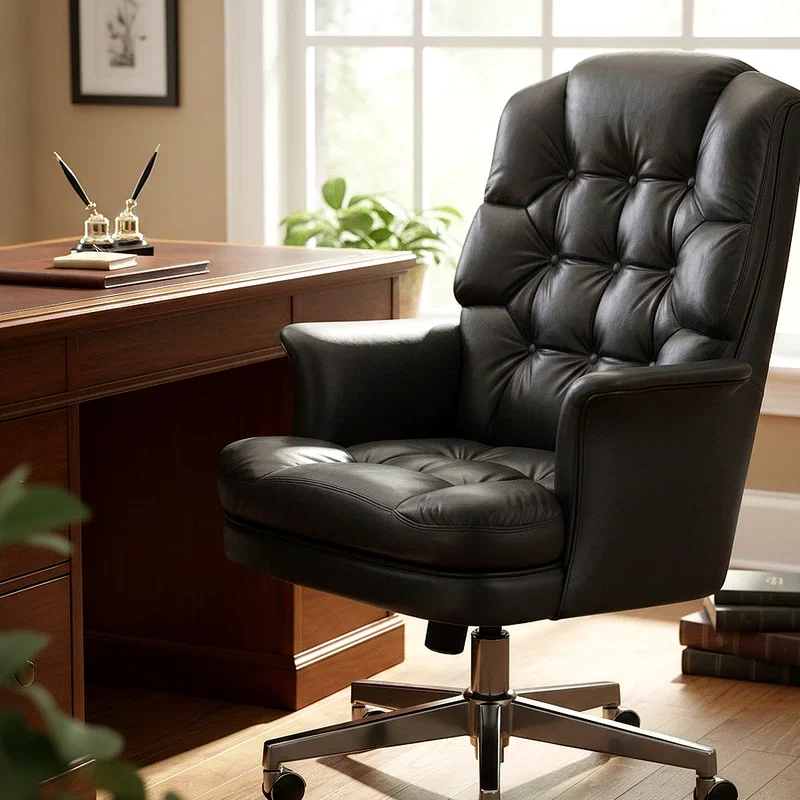
High-end executive chairs are built to last, and they typically see less physical abuse than task chairs in open floor plans. With proper care, these chairs can last a decade or more. But even executive chairs wear out eventually, so don't assume they're immortal.
Choosing a Replacement Chair That Lasts
When you've finally decided it's time to retire the old seat, picking the right replacement matters a lot. Here are some things to keep in mind.
Prioritize Ergonomics
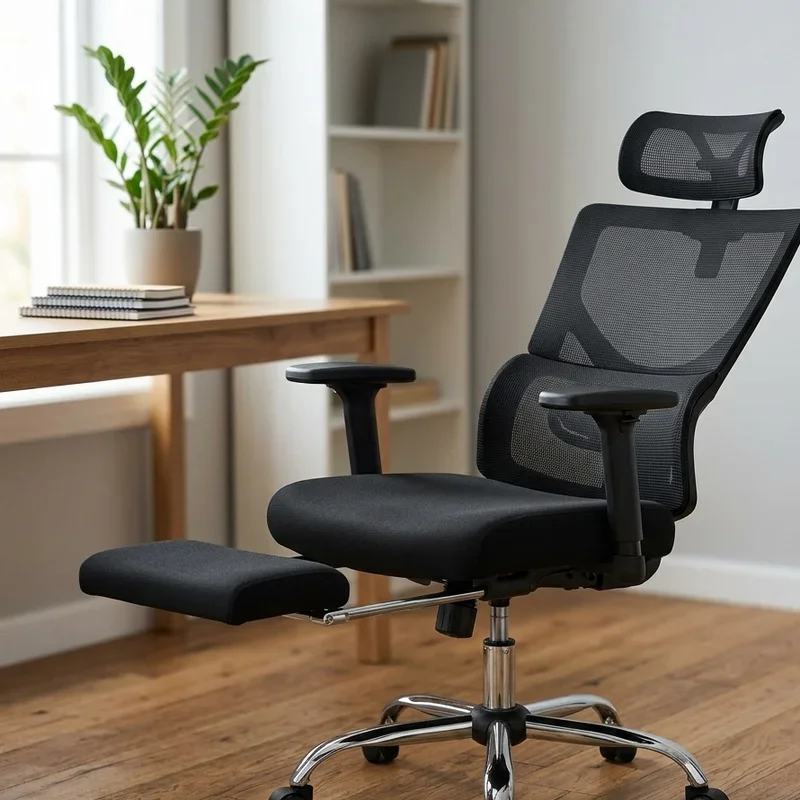
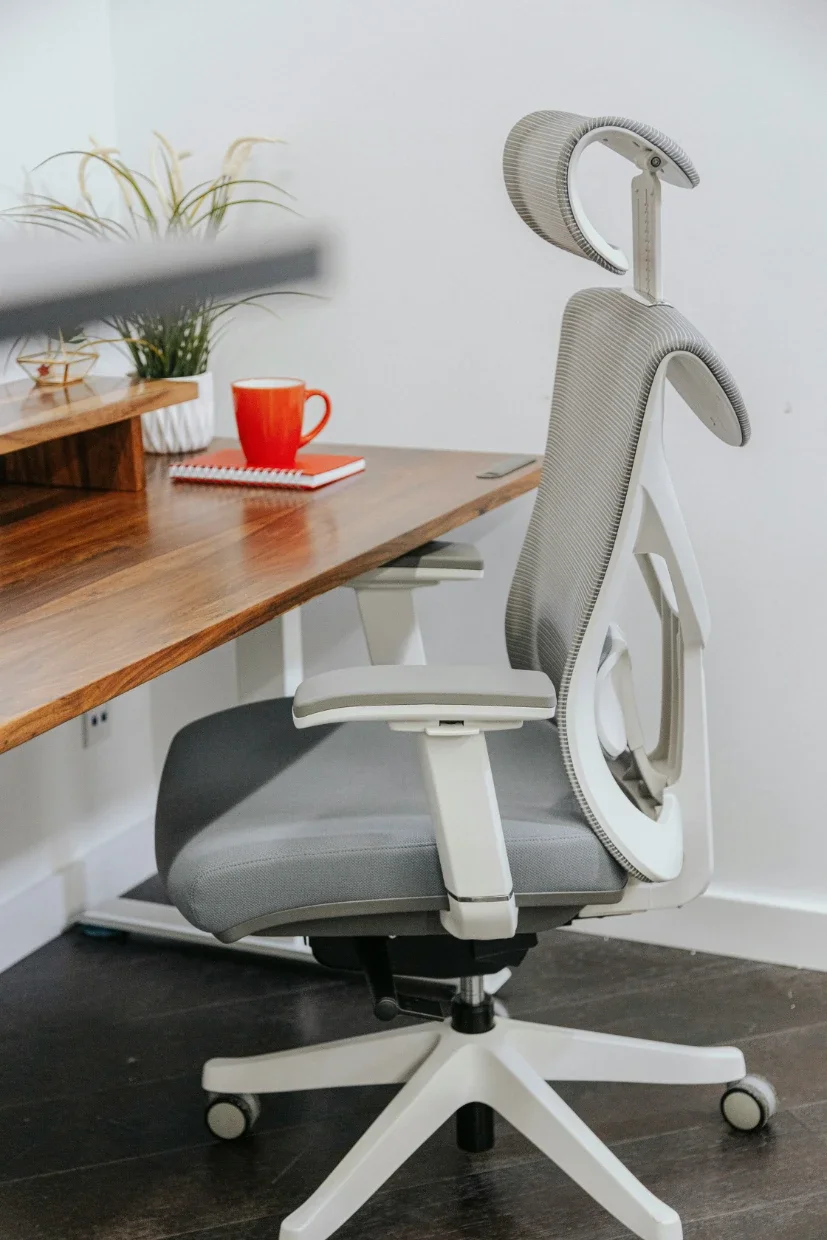
Look for chairs with adjustable lumbar support, seat height, armrest height and width, seat depth, and tilt tension. The more adjustable a chair is, the better it can conform to your body and your work habits.
Check the Warranty
A good warranty is often a reflection of the manufacturer's confidence in their product. Chairs with ten-year or twelve-year warranties tend to be built with better components and materials. If a company won't stand behind their chair for more than a year, that should raise some eyebrows.
Test Before You Buy
If possible, sit in the chair before purchasing it. Online reviews are helpful, but nothing beats the feel of actually sitting in the thing for a few minutes. Pay attention to how the lumbar support feels, whether the seat cushion is firm enough, and if the armrests hit at the right height.
Consider Your Specific Needs
Are you tall? Short? Do you have a pre-existing back condition? Do you like to recline while working, or do you prefer sitting upright? Everyone's body and work style is different, so the perfect chair for your coworker might not be the perfect chair for you.
The Cost of Waiting Too Long
Putting off a chair replacement might seem like you're saving money, but it can actually cost you more in the long run. Medical bills from back problems, reduced productivity, and even potential workers' compensation claims can all add up fast. Not to mention the sheer misery of sitting in a broken-down chair day after day.
Think of your office chair as an investment in your health and your career. You spend a huge chunk of your life sitting in it. Doesn't it make sense to invest in something that supports you properly?
Conclusion
Knowing how often should office chairs be replaced isn't just a matter of counting years. It's about paying attention to the signs your chair sends you, from flat cushions and sinking seats to persistent back pain. Most chairs last between five and ten years, but your mileage will vary depending on usage, quality, and maintenance. Don't wait until your body pays the price. When your chair stops supporting you the way it should, go ahead and make the switch. Your back will thank you for it.
Read next: How to Make an Office Chair Taller Easily
Frequently Asked Questions
Q1. How often should office chairs be replaced in a busy workplace?
A: Busy workplaces should replace office chairs roughly every three to five years for safety.
Q2. Can replacing the gas cylinder extend my chair's lifespan?
A: Yes, swapping a worn gas cylinder can add a couple more years of use.
Q3. What is the most durable office chair material?
A: Steel frames paired with high-quality mesh or genuine leather tend to last longest.
Q4. Does sitting posture affect how quickly a chair wears out?
A: Absolutely, poor posture and excessive rocking accelerate wear on chair components significantly.
Q5. Are expensive office chairs always worth the investment?
A: Generally yes, because premium chairs offer better durability, ergonomics, and longer warranties overall.
Stay up to date with our latest ideas!