How to Remove Casters From Office Chair Easily
Learn how to remove casters from office chair easily with simple tools, smart tricks, and zero stress. Quick guide for stuck wheels too.
Ever tried rolling your office chair across the room only to feel it wobble like it's had one too many? Yeah, we've all been there. Casters wear out, get jammed with hair and dust, or just plain refuse to glide the way they used to. And honestly, swapping them out shouldn't feel like rocket science. The good news is, you don't need a toolbox bursting with gadgets or a degree in engineering to get the job done. With a little patience and a few household items, you can pop those wheels off in minutes. So, let's roll up our sleeves and dive right in.
Why You Might Want to Remove Casters in the First Place
Before grabbing any tools, it's worth knowing why folks bother taking off chair wheels at all. Sometimes the reason is obvious, like a cracked wheel that keeps catching on the carpet. Other times, it's a sneakier issue, such as squeaky rolling that drives your coworkers nuts during Zoom calls. Maybe you're switching to glides because your hardwood floor is taking a beating. Whatever the reason, knowing your "why" helps you pick the right replacement and avoid wasting cash on parts you don't actually need. Plus, a smooth-rolling chair makes your workday feel a whole lot less clunky.
Tools You'll Need Before Getting Started
Don't sweat it, you won't need a fancy workshop. Most of what you need is probably sitting in a drawer somewhere. Gathering your supplies first saves time and keeps frustration at bay.
Here's what comes in handy:
A flathead screwdriver
A pry bar or hammer with a claw
WD-40 or any penetrating oil
A clean rag or old towel
Work gloves to protect your hands
A pair of pliers, just in case
Having these within arm's reach means you won't be running around the house mid-project, which, let's be honest, kills the momentum every single time.
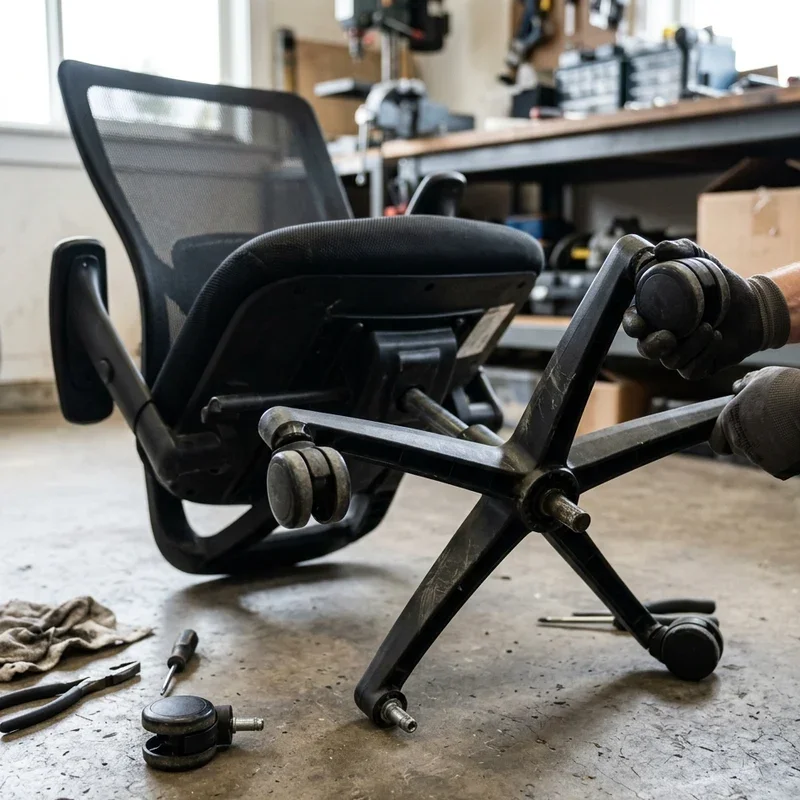
How to Remove Casters From Office Chair Easily Step by Step
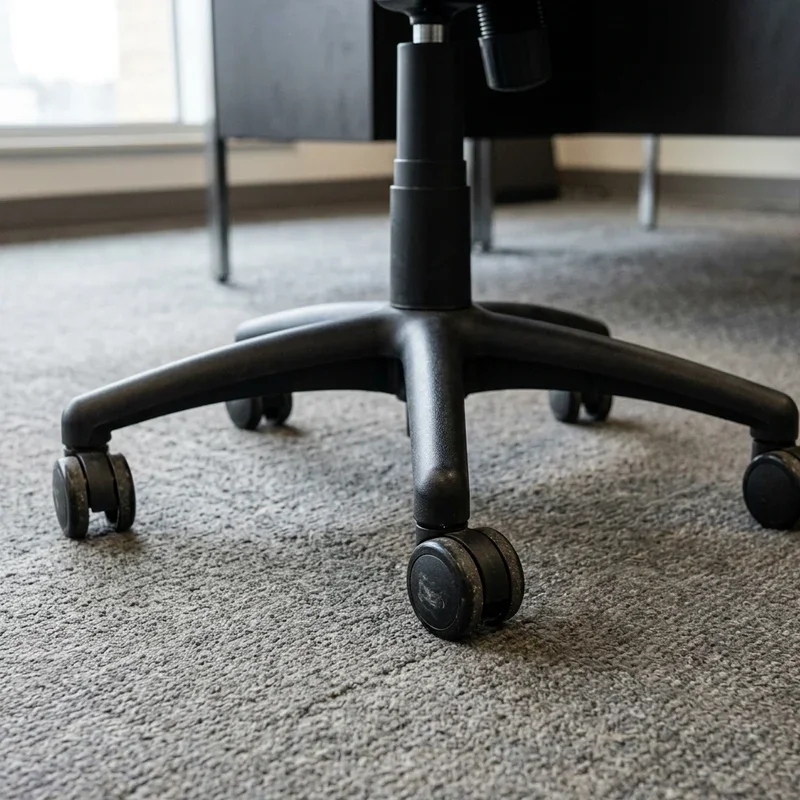
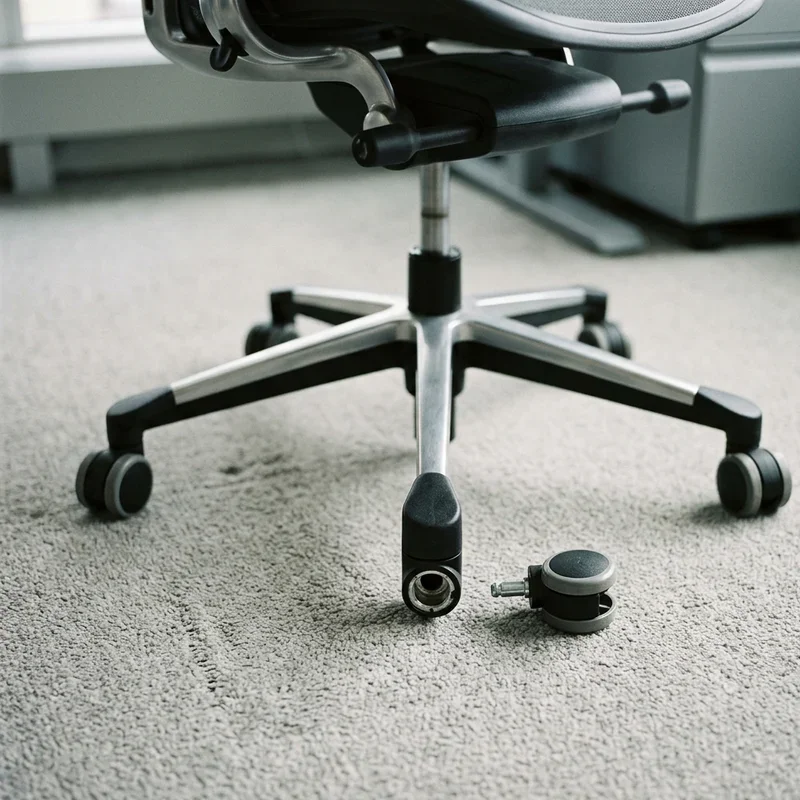
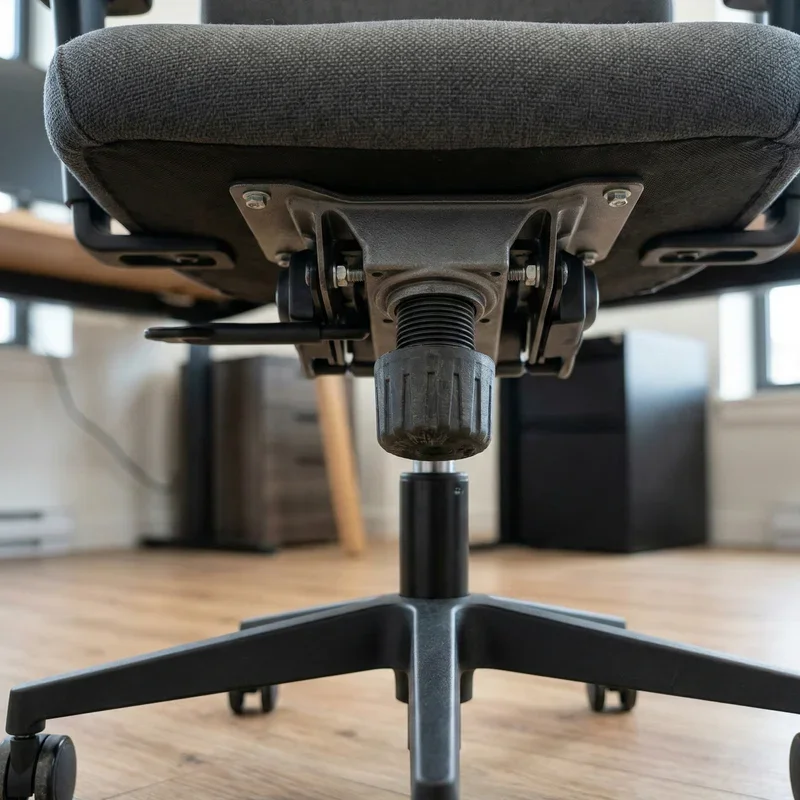
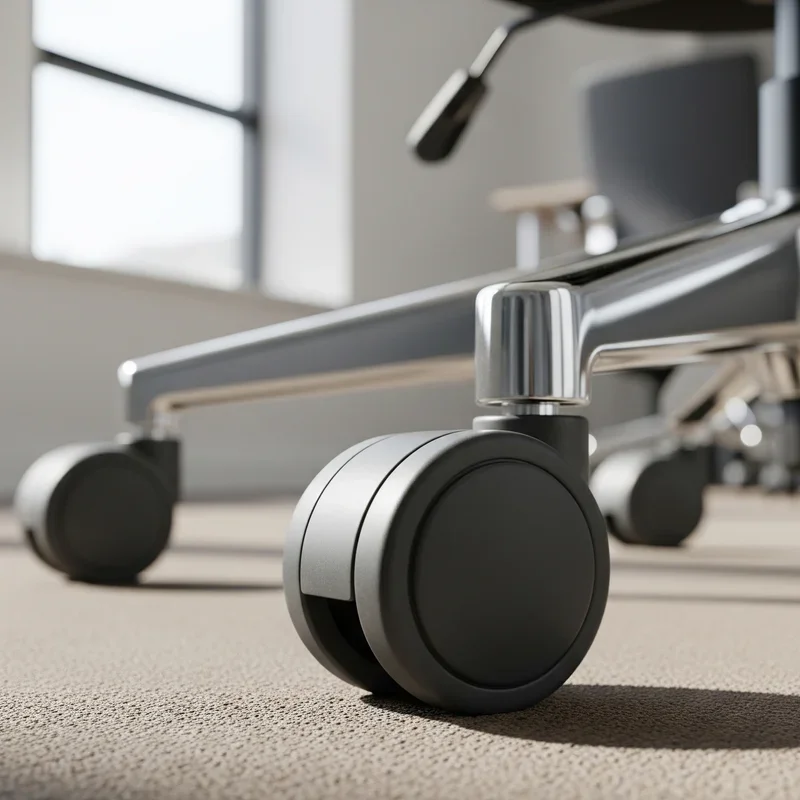
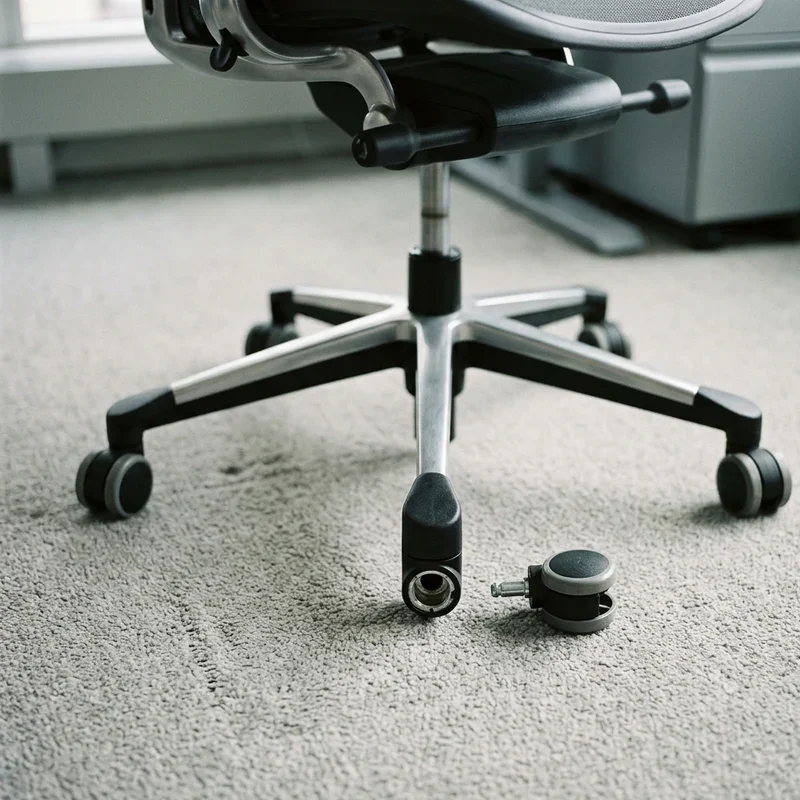
Alright, here's where the rubber meets the road. Most office chair casters are held in place by a simple stem that slides into a socket on the chair base. Sounds easy, right? Well, it usually is, until grime and pressure decide otherwise. Tip the chair onto its side first so you can actually see what you're working with. Working on the floor is fine, but laying down a towel keeps the upholstery from getting scratched up. Take a quick peek at the wheel mount to figure out whether you've got a grip-ring stem, threaded stem, or screw-in style. Each one comes off a tad differently.
Identifying Your Caster Type Before You Yank
Pulling blindly is a rookie move, and it can damage the chair base. Grip-ring stems are the most common, and they snap into place with a small metal ring. Threaded stems screw into the base like a bolt, while screw-in casters use a plate with multiple screws. Once you know what you've got, the rest feels like a breeze. Look closely at where the wheel meets the chair leg and you'll spot the difference pretty quickly. When in doubt, snap a photo and zoom in for a better view.
The Pull and Pry Method for Stubborn Wheels
Now, if your casters have been on that chair longer than your last relationship, expect a fight. Stubborn wheels usually mean dust, hair, or rusted metal is gripping tight. Here's where the prying technique shines. Slide a flathead screwdriver between the wheel and the base, then gently pry upward. If that doesn't budge, slide in a pry bar or the claw of a hammer for extra leverage. Push down on the chair base with one hand while pulling the wheel with the other. A firm tug, and pop, off it comes.
A few quick tips that make the pull-and-pry method way easier:
Spray a bit of WD-40 around the stem and let it sit for five minutes
Wiggle the wheel side to side to loosen any stuck debris
Avoid yanking straight up too aggressively, since you might crack the socket
Use steady pressure rather than sudden jerks
Dealing With Threaded or Screw-In Casters
Got the kind of casters that twist on like a lightbulb? No worries, those are actually a bit easier most of the time. Hold the chair base steady with one hand and rotate the wheel counterclockwise. If it's been screwed in for ages, a wrench gives you the extra muscle you need. For screw-in plates, grab your screwdriver and back out each screw one by one. Keep those tiny screws in a small bowl or magnetic tray, because trust me, they love to roll under furniture and disappear forever.
How to Remove Casters From Office Chair Easily When They're Really Stuck
Sometimes wheels act like they've been welded on. When that happens, don't panic and don't go full Hulk on the chair. Heat is your secret weapon here. A hairdryer aimed at the stem for thirty seconds softens any plastic gunk holding it in place. Then apply your penetrating oil and wait a few more minutes. Honestly, patience pays off big time with stuck casters. After the oil soaks in, try the prying method again. Most of the time, that combo of heat plus lubricant does the trick without any drama.
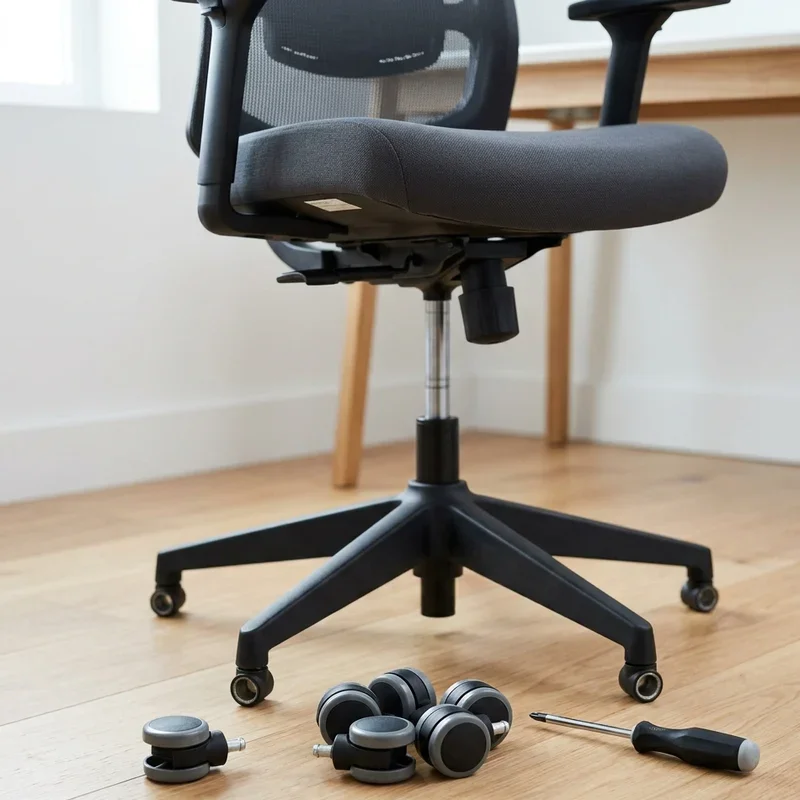
Cleaning the Socket After Removal
Once the caster pops out, take a peek inside the socket. Yikes, right? You'll probably find a nasty mix of hair, lint, dust bunnies, and who knows what else. Cleaning it out now means your new wheels will slide in smoother and last longer. Use a paper towel wrapped around your screwdriver to wipe out the gunk. A cotton swab dipped in rubbing alcohol works wonders for stubborn buildup. Give it a minute to dry before installing anything new, since moisture and metal aren't exactly best friends.
Common Mistakes Folks Make During Removal
Plenty of people rush through this job and end up with cracked sockets or bent stems. Knowing what to dodge saves both time and money down the line. Slow and steady wins the race here, no question about it.
Watch out for these blunders:
Pulling at an angle instead of straight up
Skipping the lubricant on rusted stems
Using too much force without checking the caster type
Forgetting to flip the chair so gravity helps you
Losing the small parts before reassembly
Avoiding these slip-ups keeps the project quick and frustration-free. And hey, your chair will thank you for it.
When to Replace Versus Repair Casters
Sometimes a thorough cleaning is all you need to get those wheels rolling smoothly again. Other times, the bearings are toast and replacement is the only fix. Squeaky sounds, wobbling, or wheels that flat-out refuse to turn are all signs the caster has reached the end of its life. Grab some replacement wheels online or at any hardware store. Just measure the stem diameter first, otherwise you'll end up returning them. Most office chairs use a standard 11mm stem, but double-checking never hurts.
Choosing the Right Replacement Casters
Not all wheels are created equal, you know. Hardwood floors call for soft rubber casters that won't leave scuff marks, while carpet works better with harder wheels that don't sink in. There's also the option of locking casters, which keep the chair from rolling away when you stand up. For folks who hate the constant rolling sensation, glide pads are a solid alternative. Take a moment to think about your floor type and how you actually use the chair before clicking that buy button.
Reinstalling the New Casters
Putting the new wheels in is honestly the easiest part of the whole job. Line up the stem with the socket and push down firmly until you hear or feel a click. For threaded casters, twist clockwise until snug. Don't overtighten though, because stripped threads are a real pain to fix later. Test each wheel by giving the chair a little shake before flipping it back upright. If everything feels solid, give yourself a pat on the back and roll around the room a bit to celebrate.
Tips for Making Casters Last Longer
Once you've gone through all that effort, you'll want the new wheels to last. A little maintenance goes a long way, and it doesn't take much time at all. Honestly, just a few minutes every couple of months makes a huge difference.
Try these habits:
Vacuum around the wheels regularly to keep hair from tangling inside
Wipe the casters with a damp cloth once a month
Add a drop of lubricant to the stem every six months
Avoid rolling over cables or sharp objects
Use a chair mat on rough surfaces
Small steps, big rewards. Your chair will glide like new for years to come.
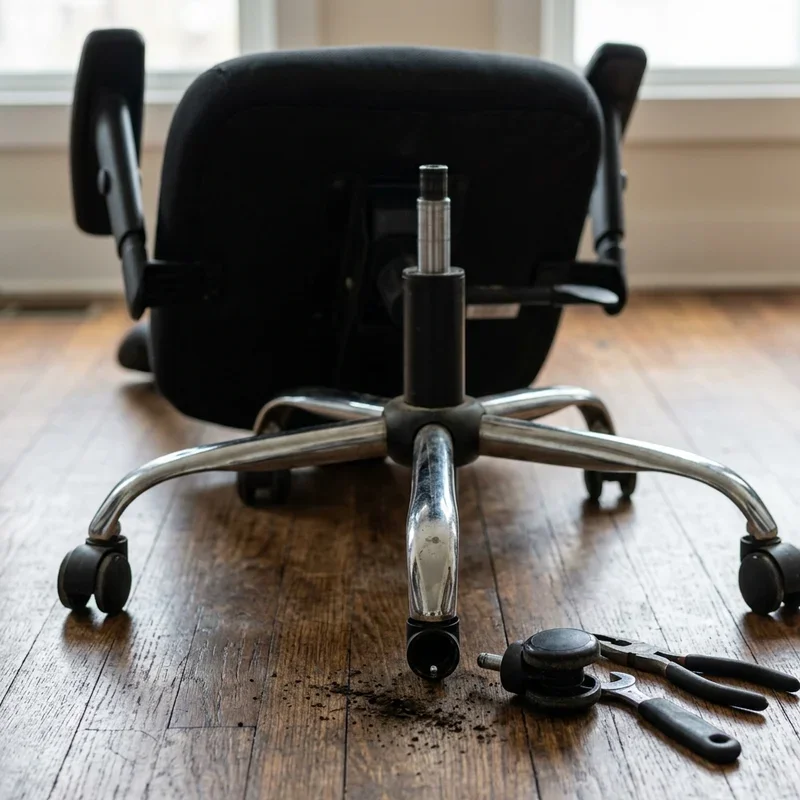
Safety Stuff to Keep in Mind
Working on furniture seems harmless, but accidents happen when folks get careless. Wear gloves to avoid pinched fingers, especially when prying with metal tools. Keep your workspace clear of clutter so nothing trips you up mid-job. If your chair is one of those heavy ergonomic models, ask someone to hold it steady while you work. And please, don't try this on a chair that's still occupied. Sounds silly, but you'd be surprised what people attempt.
Conclusion
Taking off office chair casters really isn't the headache it seems at first glance. With the right approach, a few basic tools, and a smidge of patience, the whole thing wraps up in under thirty minutes. Whether you're dealing with grip-ring stems, threaded styles, or stubborn stuck wheels, there's a simple fix for each one. Cleaning the sockets and choosing solid replacements pays off big time in the long run. So go ahead, give your trusty office chair the upgrade it deserves and get back to rolling smoothly.
Read next: How to Remove Gas Cylinder From Office Chair Safely
Frequently Asked Questions
1. Can I remove office chair casters without any tools?
Sometimes yes, but tools like screwdrivers and pry bars make the job way easier and safer.
2. Why are my office chair wheels so hard to pull off?
Dust, hair, rust, or long-term pressure usually cause stubborn casters that need lubricant and patience.
3. Do all office chairs use the same caster size?
Most use 11mm stems, but always measure yours before buying replacements to avoid mismatched wheels.
4. Can I replace casters with glides instead?
Absolutely, glides work great for folks who prefer a stable chair on hardwood or tile floors.
5. How often should office chair casters be replaced?
Typically every five years, though heavy use or rough flooring may shorten their lifespan considerably.
Stay up to date with our latest ideas!