15 Bedroom Office Ideas to Create a Productive Workspace
Transform your bedroom into a functional workspace with creative office ideas that maximize productivity while maintaining comfort and style.
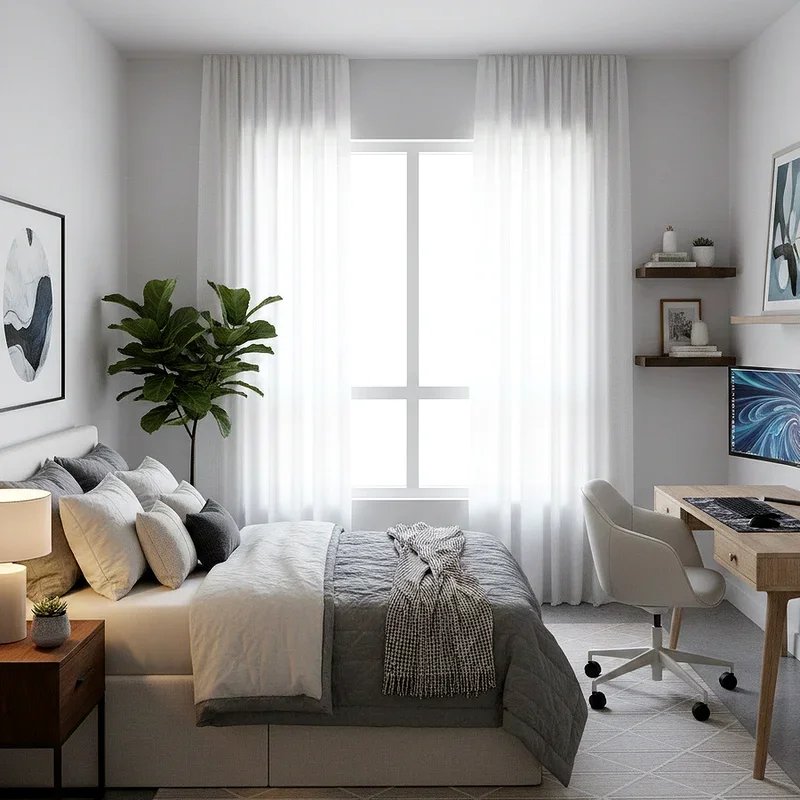
Working from home has become the new normal, and sometimes your bedroom doubles as your office space. You're not alone if you've been struggling to find that sweet spot between rest and productivity in the same room. Creating a bedroom office doesn't mean sacrificing style or comfort, it's about smart design choices that help you switch between work mode and relaxation effortlessly. Whether you're dealing with a tiny studio apartment or simply prefer having your workspace close to your personal sanctuary, the right setup can make all the difference. From clever furniture arrangements to genius storage solutions, transforming part of your bedroom into a functional office is entirely achievable.
1. Choose a Dedicated Corner for Your Workspace
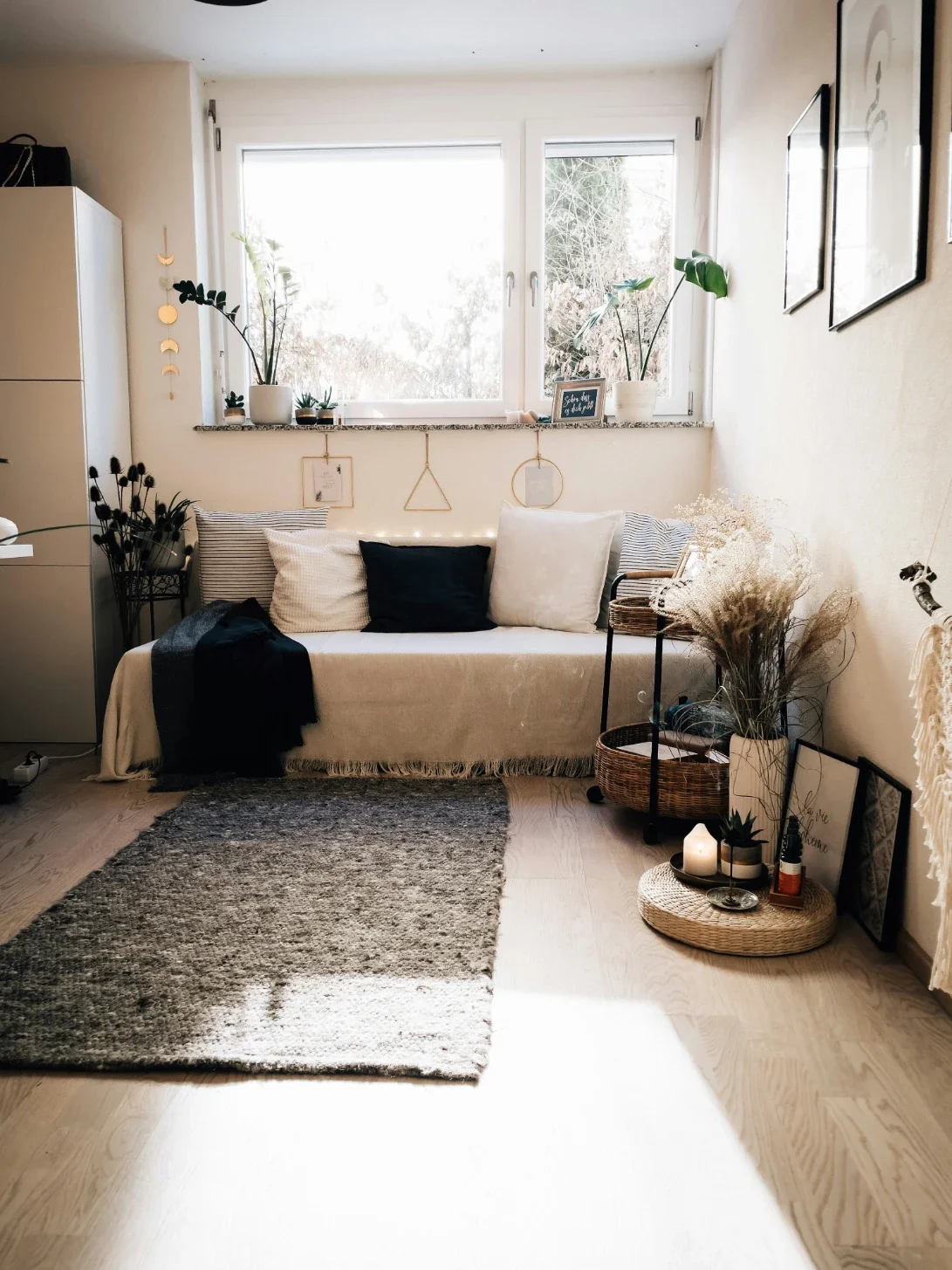
Claiming your own little territory within your bedroom sets the foundation for productivity success. When you designate a specific corner exclusively for work, your brain starts associating that spot with focus and getting things done. Look for an area near a window if possible, but anywhere away from your bed works wonders for maintaining healthy boundaries. Even in the smallest bedrooms, you can carve out a functional workspace that doesn't overwhelm the room's primary purpose. This separation helps you mentally clock in and out, making it easier to switch between professional mode and relaxation time. The key is consistency, always working from the same spot trains your mind to enter work mode automatically when you sit down there.
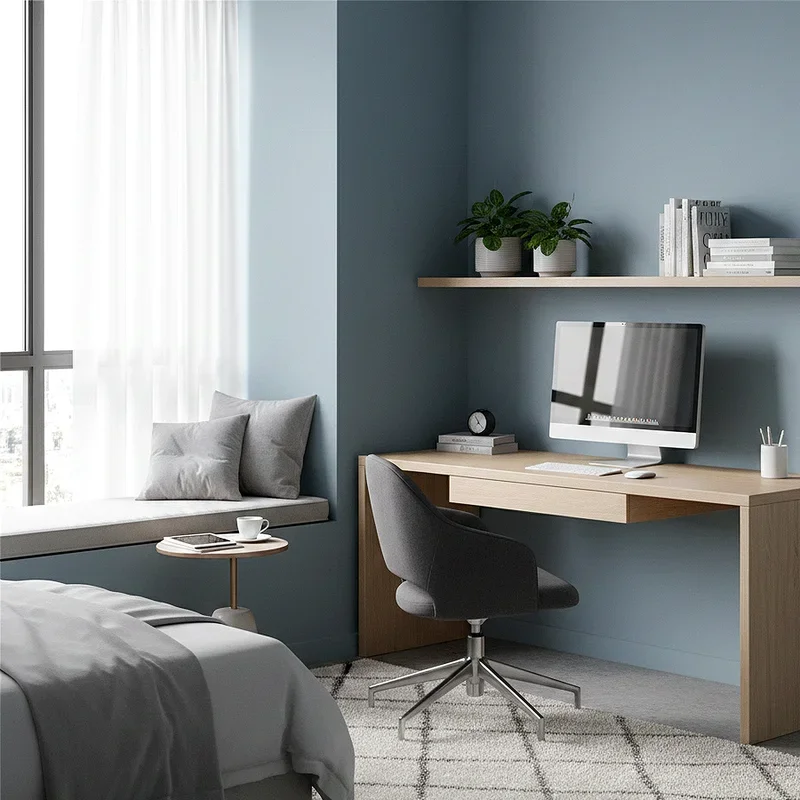
2. Invest in a Compact Desk That Fits Your Space
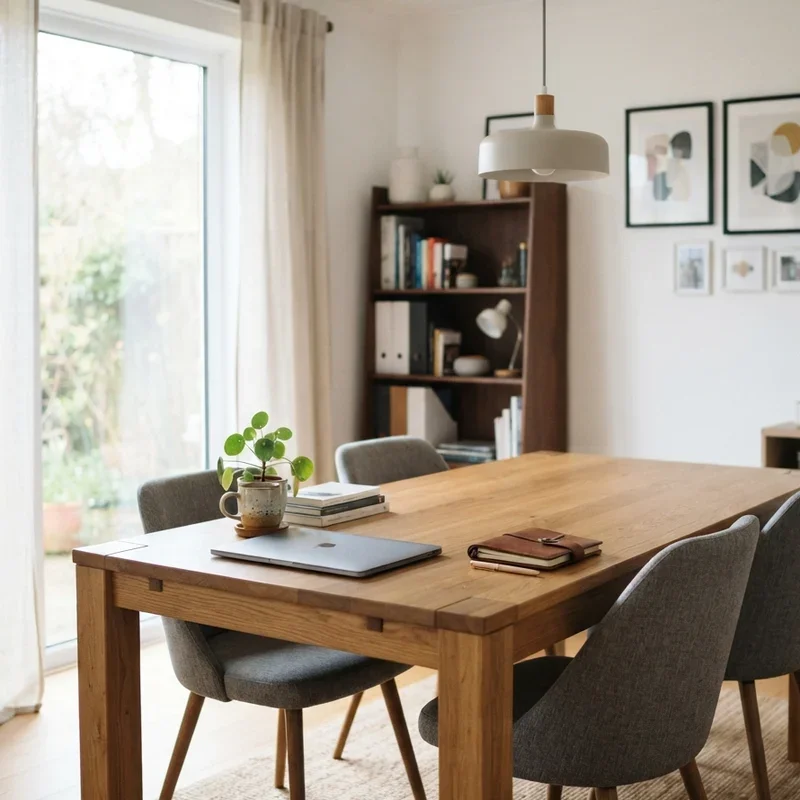
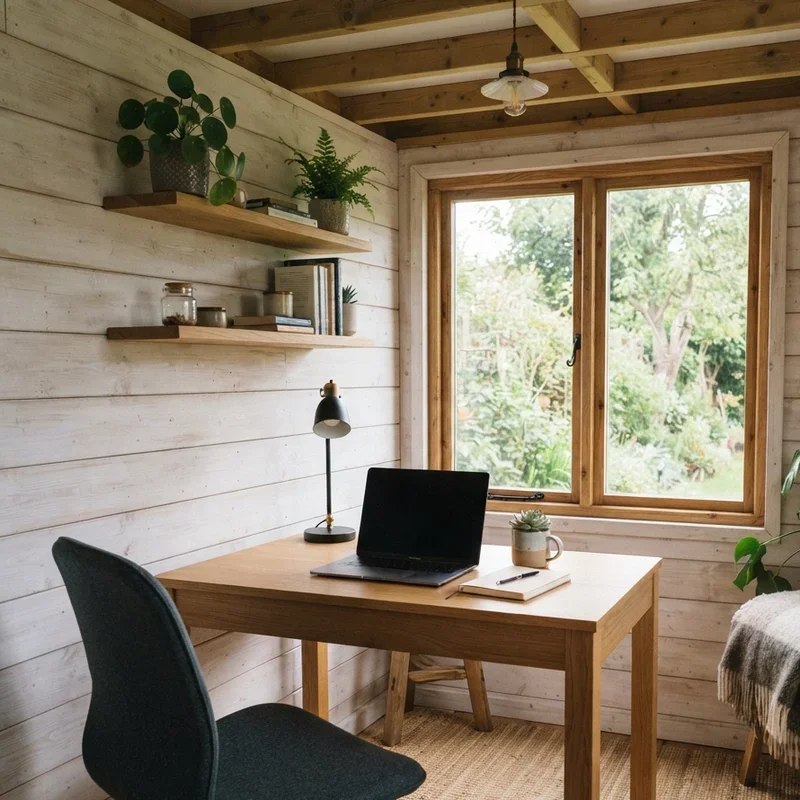
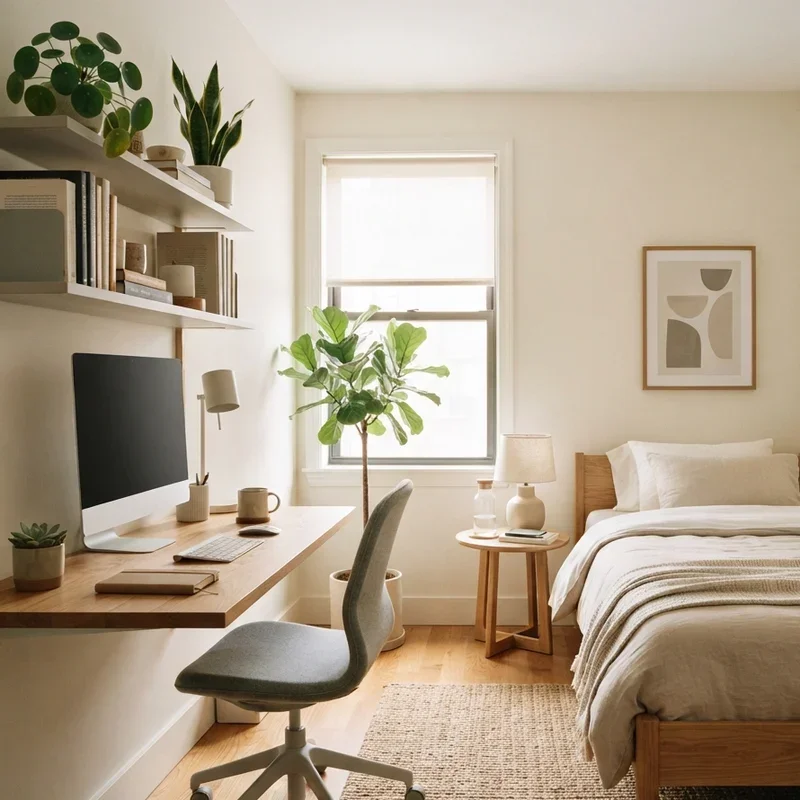
Your desk doesn't need to be massive to be mighty effective for your daily tasks. Wall mounted desks fold up when you're done working, giving you back precious floor space during off hours. Corner desks cleverly utilize areas that often go unused, maximizing every square inch of your bedroom layout. Consider a writing desk with slim dimensions that slides easily against a wall without dominating the entire room's aesthetic. Some desks come with built in storage compartments that eliminate the need for additional furniture pieces cluttering your space. Remember that the right desk should accommodate your laptop, a notebook, and maybe a coffee mug without feeling cramped or overwhelming your bedroom's peaceful atmosphere.
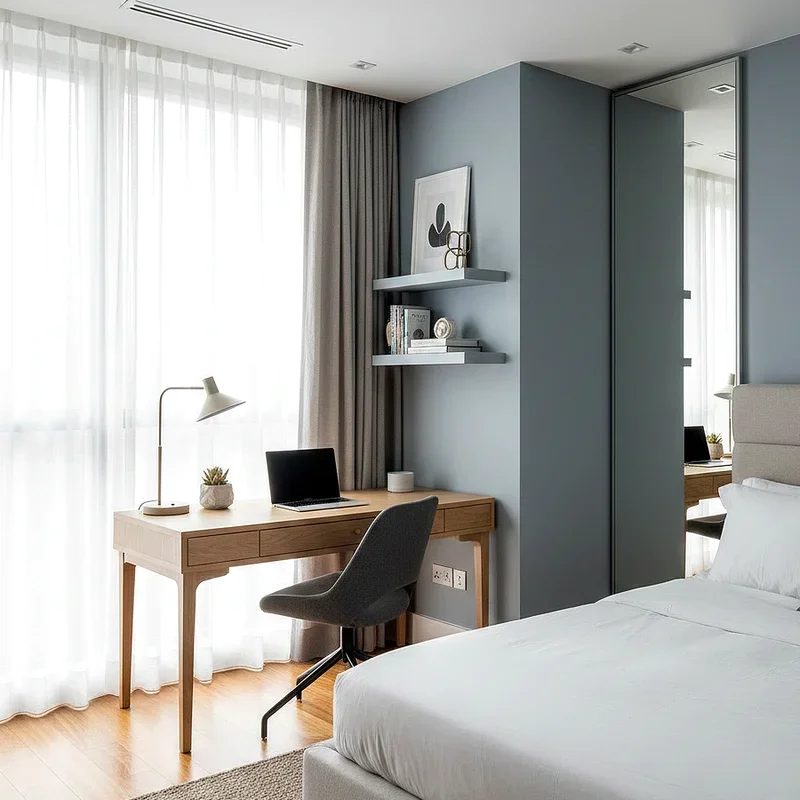
3. Select an Ergonomic Chair for Long Work Hours
Sitting in an uncomfortable chair for eight hours isn't just unpleasant, it's practically torture for your back and neck. An ergonomic chair with proper lumbar support keeps your spine aligned and prevents those nagging aches that distract you from work. Look for adjustable features like seat height, armrests, and backrest tilt that let you customize the chair to your body's needs. You don't have to sacrifice style either, plenty of ergonomic chairs come in sleek designs that complement bedroom decor beautifully. Think of this investment as caring for your most important work tool, your body, which deserves the best support possible. A quality chair pays dividends in comfort, focus, and long term health that cheap alternatives simply can't match.
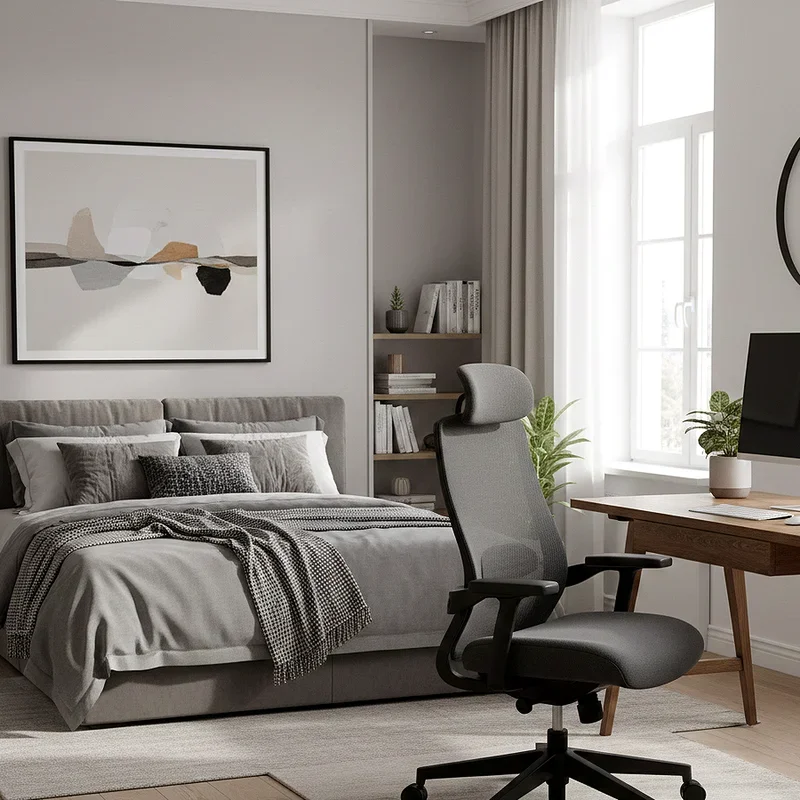
4. Maximize Natural Light Near Your Work Area
Natural light does wonders for your mood, energy levels, and overall productivity throughout the workday. Positioning your desk perpendicular to a window gives you light benefits without creating annoying screen glare on your computer. If direct window access isn't possible, use mirrors strategically to bounce natural light toward your workspace from other areas. Sheer curtains let sunshine filter through while maintaining privacy and preventing harsh glare during peak afternoon hours. Studies consistently show that people working in naturally lit spaces report better concentration and reduced eye strain compared to artificial lighting alone. Your circadian rhythm appreciates natural light exposure too, helping you maintain healthy sleep patterns despite working where you rest.
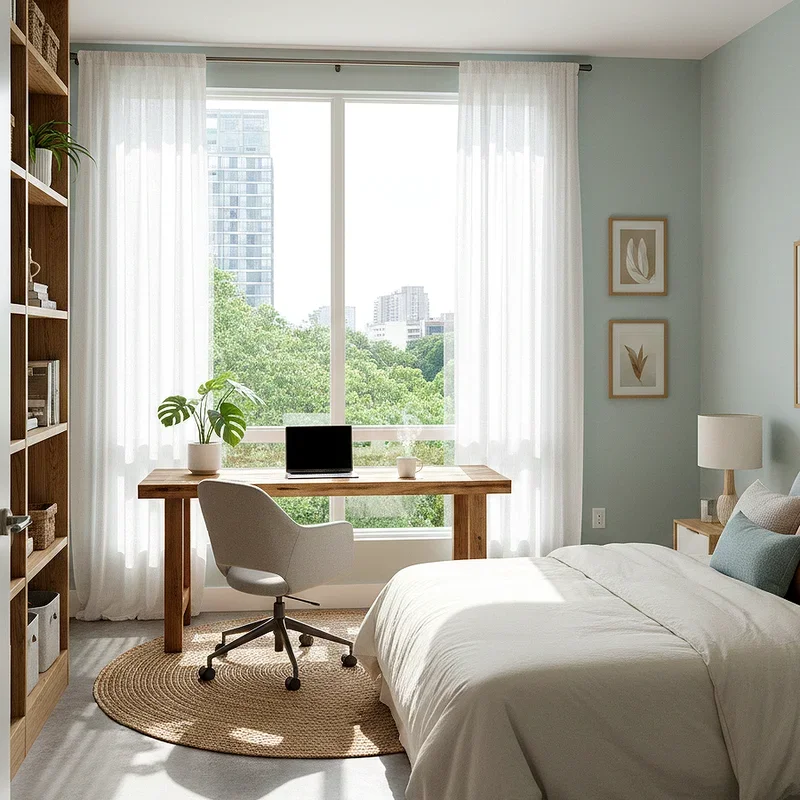
5. Add Task Lighting to Reduce Eye Strain
Even with great natural light, you'll need supplemental lighting for early mornings, late nights, and cloudy days ahead. A desk lamp with adjustable brightness and color temperature lets you customize lighting based on the task at hand. Warm tones work beautifully for reading and writing, while cooler temperatures help you stay alert during detailed computer work. Position your task light to illuminate your workspace without creating shadows or reflecting off your screen annoyingly. LED options save energy and generate less heat, keeping your bedroom comfortable during marathon work sessions that stretch late. Remember that proper lighting isn't just about seeing clearly, it's about reducing fatigue and maintaining focus throughout your entire workday.
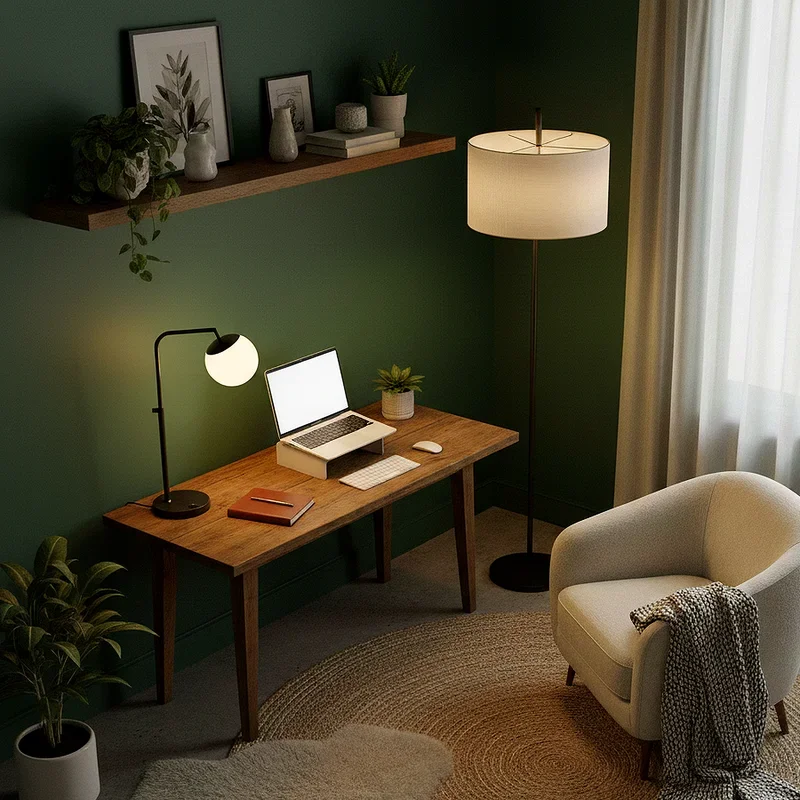
6. Install Floating Shelves for Vertical Storage
When floor space is at a premium, thinking vertically opens up a world of organizational possibilities for your supplies. Floating shelves above your desk keep frequently used items within easy reach without cluttering your valuable work surface. You can display books, plants, and decorative items that inspire you while maintaining a clean, minimalist desk below. Installing shelves at varying heights creates visual interest and accommodates items of different sizes efficiently and attractively. Choose shelf styles that complement your bedroom's existing decor so your office area feels integrated rather than tacked on. This vertical approach maximizes storage capacity while maintaining the airy, uncluttered feel that bedrooms need for restful vibes.
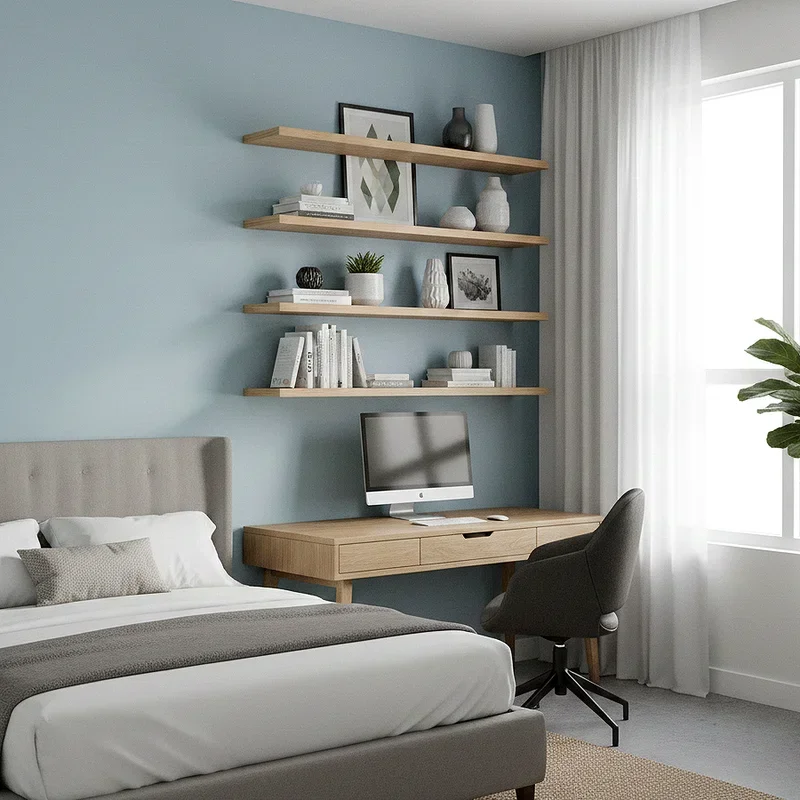
7. Use a Room Divider to Separate Work and Sleep Zones
Creating physical boundaries between work and rest spaces helps your brain distinguish between professional and personal time clearly. Folding screens offer flexibility, letting you tuck them away when you want an open floor plan on weekends. Bookshelf dividers serve double duty by providing storage while visually separating your office from your sleeping area effectively. Curtain dividers create soft, flowing barriers that you can easily adjust based on your mood and needs throughout the day. Even a tall plant or strategically placed furniture piece can act as a psychological boundary between work and relaxation. The goal is creating distinct zones that signal to your mind whether it's time to focus or unwind completely.
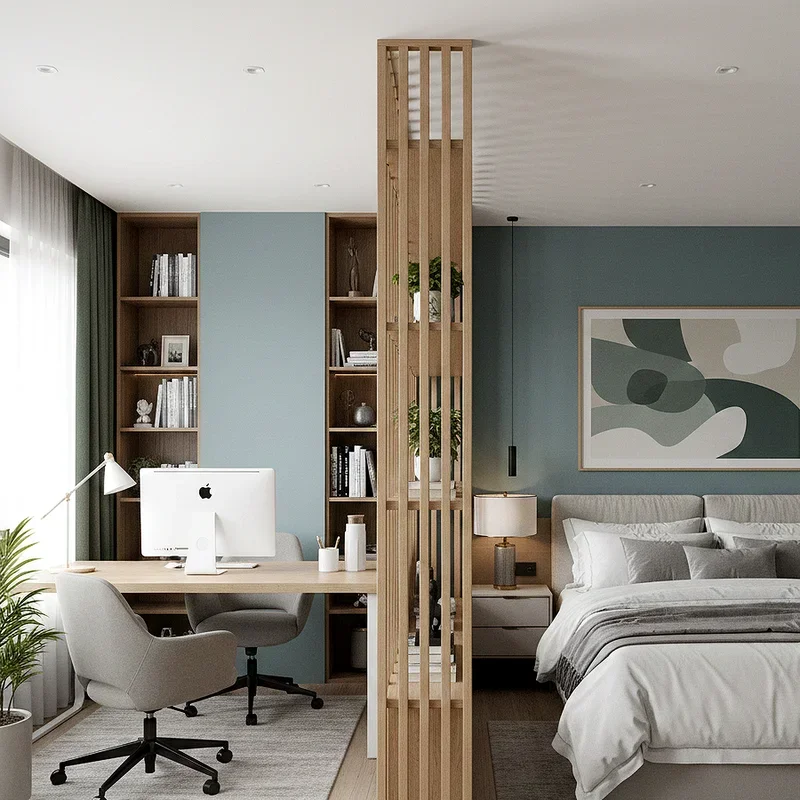
8. Incorporate Plants for Fresh Air and Productivity
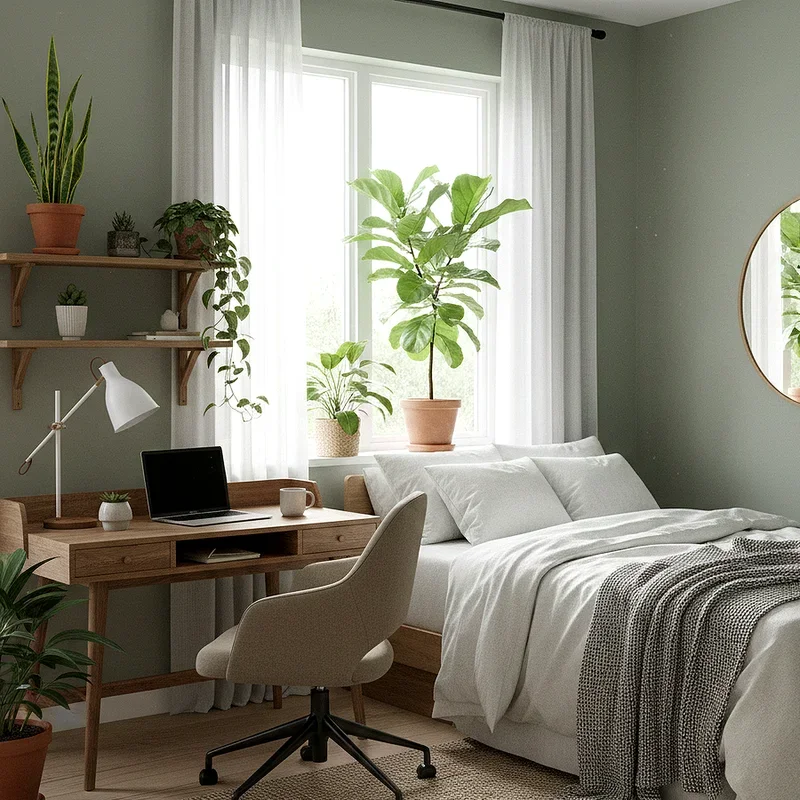
Bringing nature indoors does more than just prettify your space, it actively improves air quality and boosts creativity. Plants like snake plants, pothos, and spider plants thrive in bedroom conditions while filtering toxins from the air naturally. Having greenery in your peripheral vision reduces stress and increases feelings of wellbeing during challenging work moments. Studies show that workers with plants nearby report higher productivity and lower stress levels compared to barren office environments. Choose low maintenance varieties if you're worried about keeping them alive while juggling work responsibilities and personal commitments. Even a single plant on your desk creates a connection to nature that refreshes your mind throughout the day.
9. Create a Color Scheme That Boosts Focus
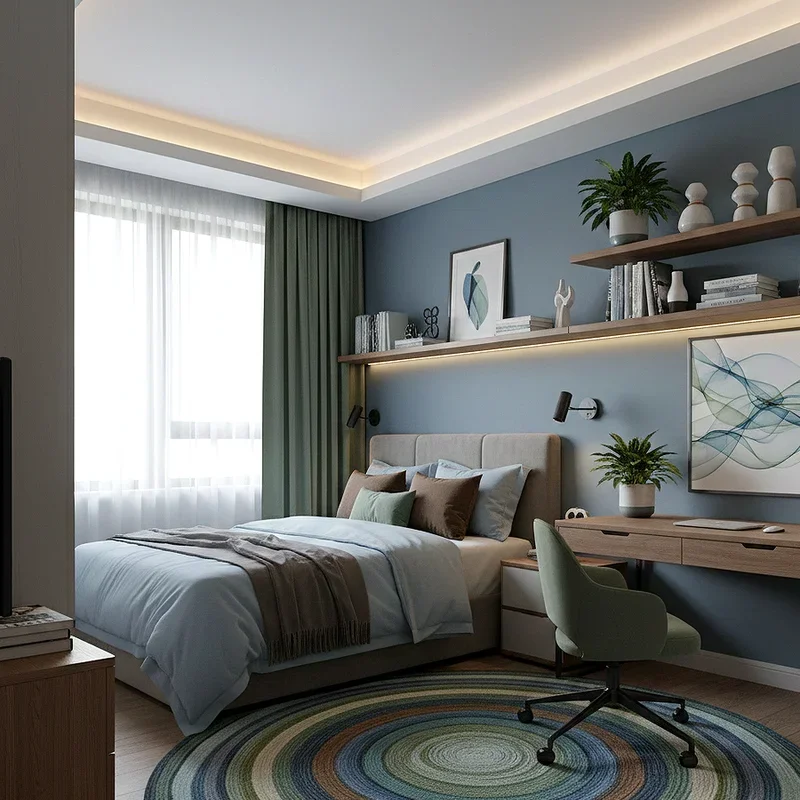
Colors profoundly impact your psychological state, so choosing the right palette for your workspace matters more than you think. Blue tones promote calmness and concentration, making them excellent choices for high stress jobs requiring sustained mental effort. Green hues reduce eye strain and create a sense of balance, perfect for long hours staring at screens and documents. Accent colors like yellow or orange in small doses can spark creativity and energy without becoming visually overwhelming. Avoid overly stimulating colors like bright red in large quantities, as they can increase anxiety and make relaxation difficult later. Your color choices should harmonize with your bedroom's existing palette while subtly distinguishing your work zone from sleep areas.
10. Organize Cables and Tech with Smart Solutions
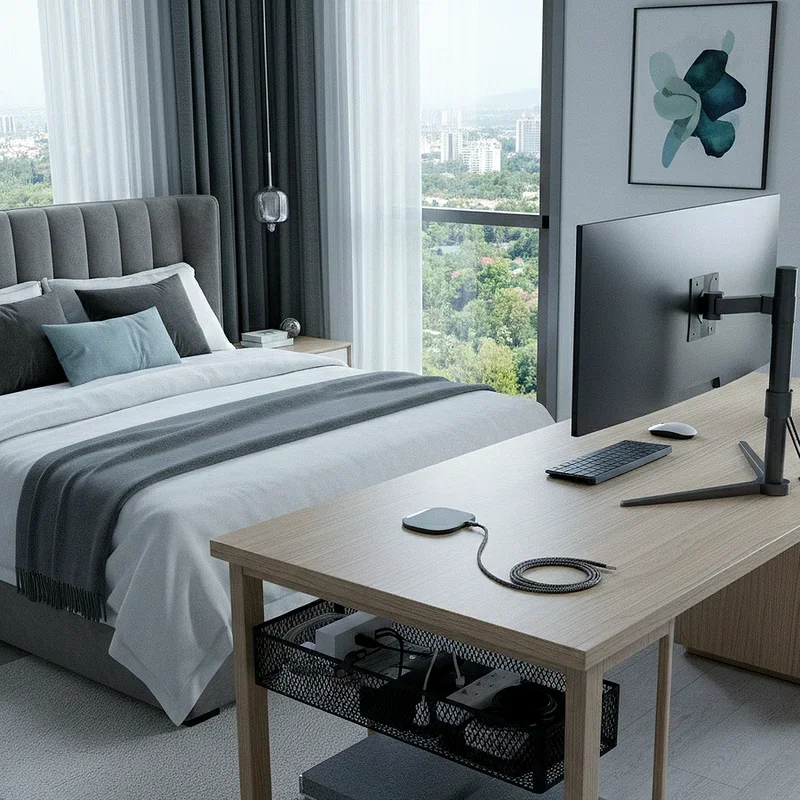
Tangled cables aren't just ugly, they're productivity killers that create unnecessary stress and visual chaos in your space. Cable management boxes hide power strips and excess cord length, giving you a clean, professional looking workspace instantly. Adhesive cable clips keep cords running neatly along desk edges or walls, preventing them from sliding around annoyingly. Label your cables at both ends so you always know what you're unplugging without playing guessing games later. Wireless technology reduces cable clutter significantly, so consider upgrading to wireless keyboards, mice, and charging pads when possible. A tidy tech setup not only looks better but also makes troubleshooting and rearranging your workspace infinitely easier down the road.
11. Add Inspirational Decor Without Cluttering
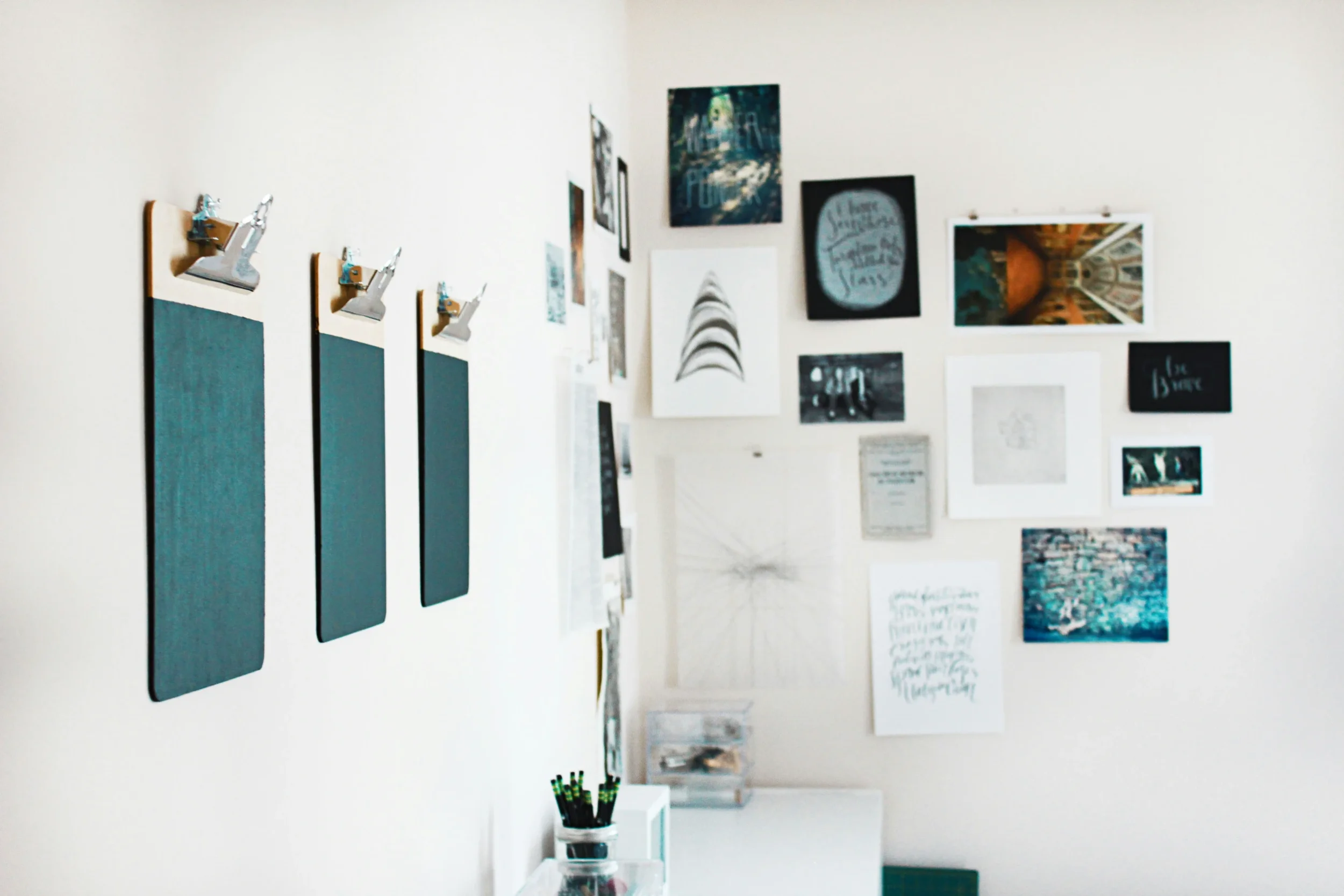
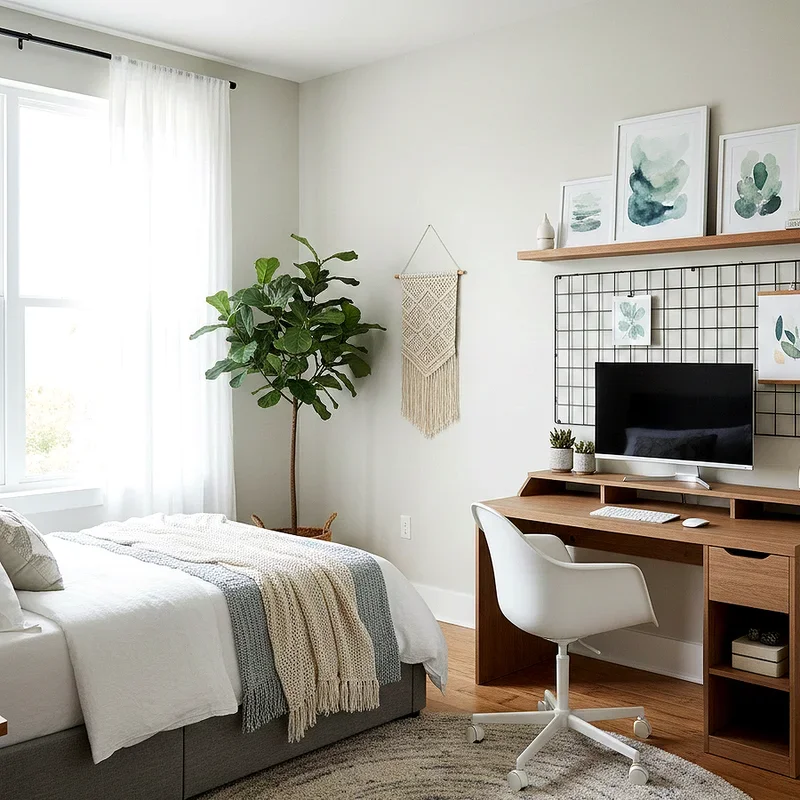
Personal touches transform a sterile workspace into an environment that genuinely motivates you to show up and do great work. A vision board with goals, favorite quotes, or inspiring images keeps you focused on what you're working toward daily. Family photos or artwork you love create positive emotional connections that make your workspace feel uniquely yours and inviting. Keep decorative elements minimal and intentional, displaying only items that truly spark joy or inspiration rather than random clutter. Rotate your decor seasonally or when you need a fresh perspective to prevent your space from feeling stale. Remember that the best inspirational decor serves a purpose beyond looking pretty, it actively fuels your motivation and creativity each day.
12. Use Multifunctional Furniture for Small Spaces
When every inch counts, furniture that pulls double or triple duty becomes absolutely essential for maximizing functionality without overcrowding. A storage ottoman serves as extra seating, a footrest, and a place to stash office supplies all in one compact piece. Murphy desks fold up against the wall when not in use, completely transforming your bedroom back to its primary purpose effortlessly. Bed frames with built in drawers provide storage for work materials that you want nearby but out of sight. Nesting tables can be pulled out when you need extra workspace and tucked away when you don't need them. Smart furniture choices let you maintain a fully functional office without permanently sacrificing your bedroom's comfort and aesthetic appeal.
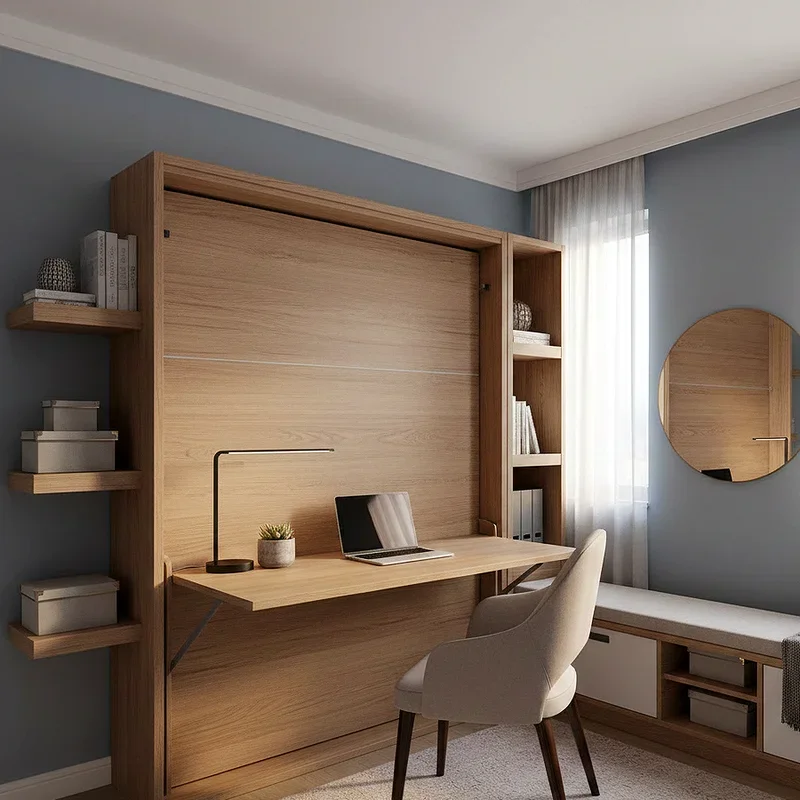
13. Install Sound Absorption Materials for Better Focus
Noise pollution sabotages concentration faster than almost anything else, making sound management crucial for bedroom offices especially. Thick curtains dampen outside noise while also providing light control and adding softness to your room's overall aesthetic. Area rugs absorb sound from footsteps and chairs rolling, creating a quieter environment that's less distracting during important calls. Acoustic panels designed to look like artwork reduce echo and ambient noise without screaming office space in your personal sanctuary. Consider a white noise machine or desktop fountain that provides consistent background sound to mask intermittent distractions from outside. Creating a quieter workspace helps you dive deeper into flow states where your best, most creative work happens naturally.
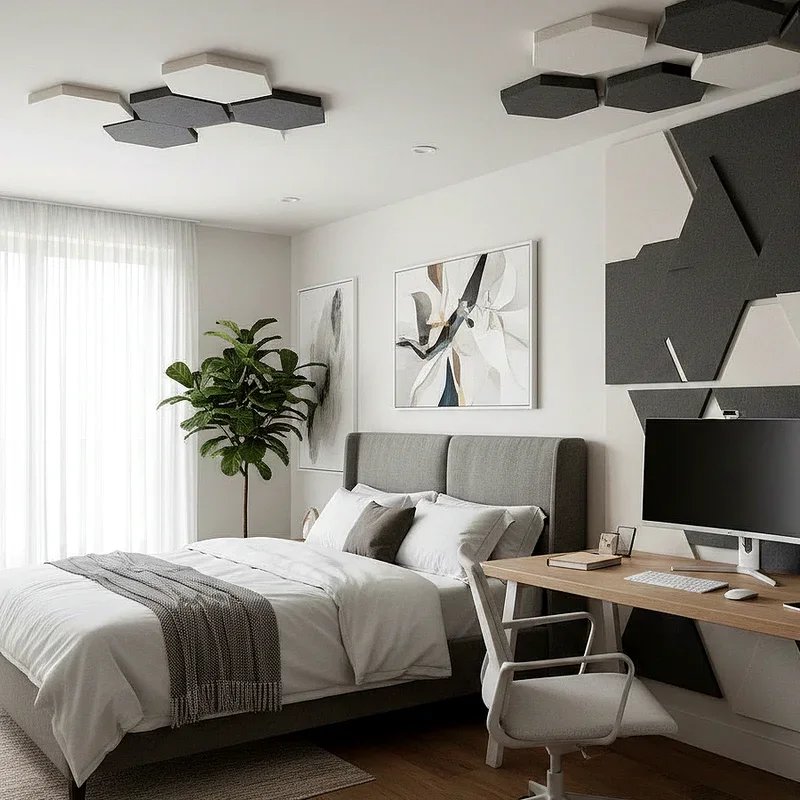
14. Keep Essential Supplies Within Arm's Reach
Constantly getting up to grab supplies breaks your concentration and wastes precious time that adds up significantly over weeks. Desktop organizers with compartments for pens, sticky notes, and small items keep everything visible and accessible without creating clutter. A small drawer unit under your desk holds larger supplies like notebooks, chargers, and documents you reference regularly throughout the day. Wall mounted pockets or magazine holders near your desk store papers and folders vertically without consuming valuable surface space. Keep a small basket or caddy with your absolute must haves like headphones, lip balm, and hand lotion right on your desk. The less you have to hunt for basic supplies, the more mental energy you preserve for actual productive work.
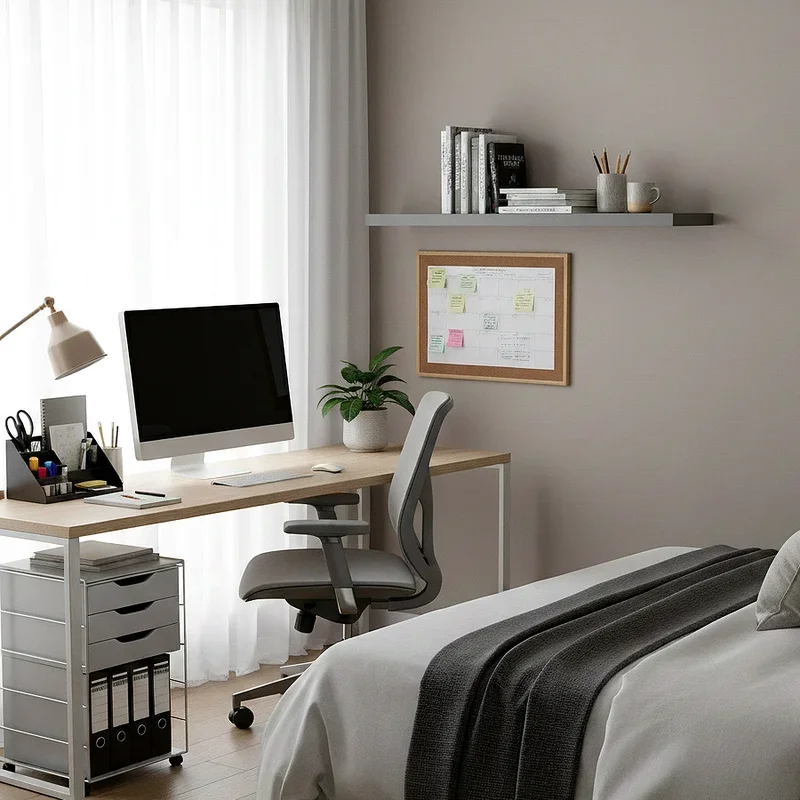
15. Establish Daily Rituals to Transition Between Modes
Physical boundaries help, but mental rituals truly cement the separation between work time and personal time in shared spaces. Starting your workday with a specific routine like making coffee or reviewing your task list signals your brain to shift into professional mode. Ending work with another ritual like closing your laptop, tidying your desk, or changing clothes helps you mentally clock out completely. These consistent practices create psychological boundaries that physical space alone can't provide in a bedroom office setup. Consider lighting a candle during work hours and extinguishing it when you're done to create a sensory marker for transitions. The key is consistency, performing these rituals daily trains your mind to switch gears automatically without conscious effort required.
Conclusion
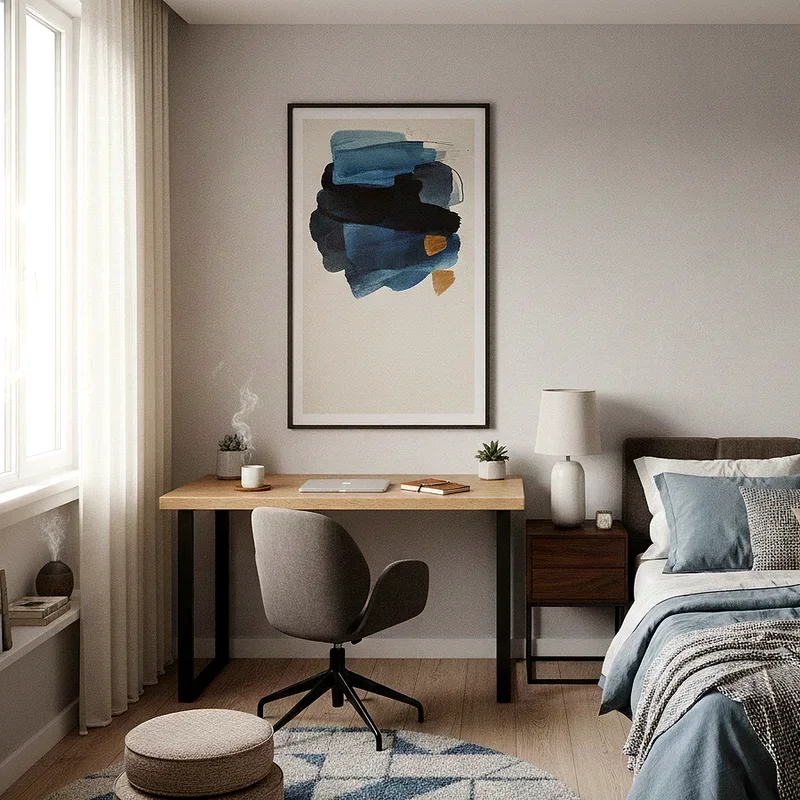
Creating a productive bedroom office doesn't require sacrificing your personal sanctuary or breaking the bank on renovations. With thoughtful planning and smart design choices, you can build a workspace that genuinely supports your professional goals while maintaining your bedroom's restful atmosphere. Remember that the most effective bedroom offices balance functionality with personal style, creating an environment where you actually want to spend time working productively. Start with the basics like dedicated space and proper seating, then gradually add elements that enhance your specific workflow and preferences. Your bedroom office should evolve with your needs, so don't be afraid to experiment and adjust until you find what truly works for you.
Read next: 15 Sunroom Office Ideas to Create a Calm Workspace
Frequently Asked Questions
Q1: How much space do I need for a bedroom office?
A: You need approximately 25 to 35 square feet for a functional bedroom office setup.
Q2: Can a bedroom office affect my sleep quality?
A: Yes, without proper boundaries and transition rituals, work stress can negatively impact your sleep patterns.
Q3: What's the best desk size for small bedrooms?
A: Compact desks measuring 36 to 48 inches wide work best for most small bedroom spaces.
Q4: Should I hide my bedroom office when not working?
A: Ideally yes, using folding furniture or dividers helps maintain clear boundaries between work and rest.
Q5: How can I video conference professionally from my bedroom?
A: Use a neutral backdrop, proper lighting, and position your camera to avoid showing personal items.
Stay up to date with our latest ideas!