15 Office Waiting Room Ideas for a Stylish Welcome
Transform your office waiting room with 15 creative design ideas that blend comfort, style, and professionalism for memorable first impressions.
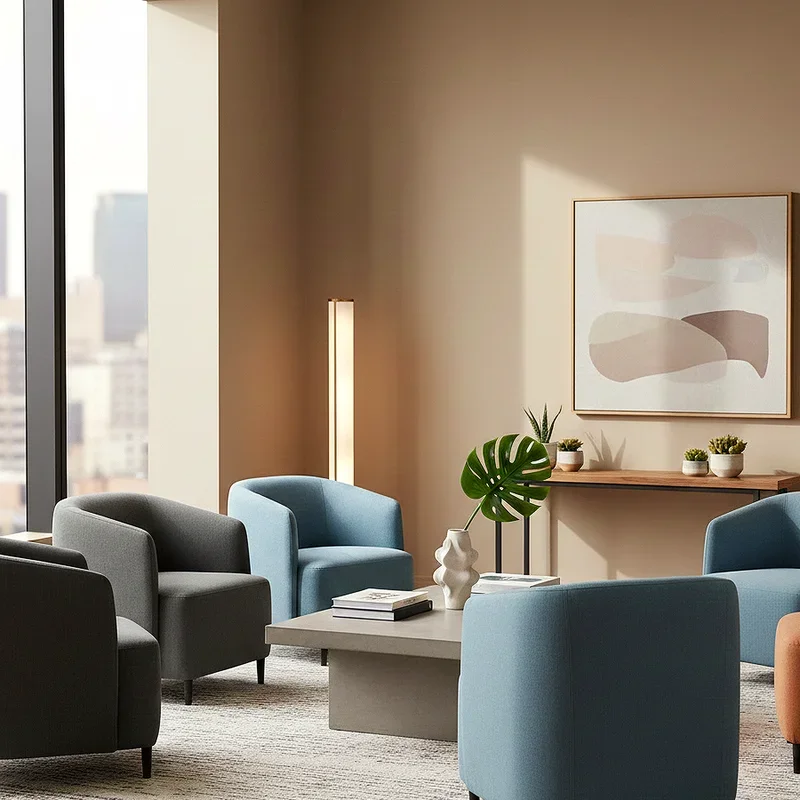
Your office waiting room serves as the gateway to your business, setting the tone for every client interaction before a single word is spoken. Think of it as your company's handshake, a visual representation of your brand's personality and values. A well-designed waiting area doesn't just fill space; it creates an experience that can ease anxiety, build trust, and leave lasting impressions. Whether you're running a medical practice, law firm, or creative agency, the waiting room speaks volumes about your attention to detail. Are you ready to transform this often-overlooked space into a stylish welcome? From selecting the perfect color palette to incorporating smart technology, these fifteen innovative ideas will help you craft a waiting room that balances aesthetics with functionality, turning wait times into opportunities for positive brand reinforcement.
1. Choose a Cohesive Color Scheme
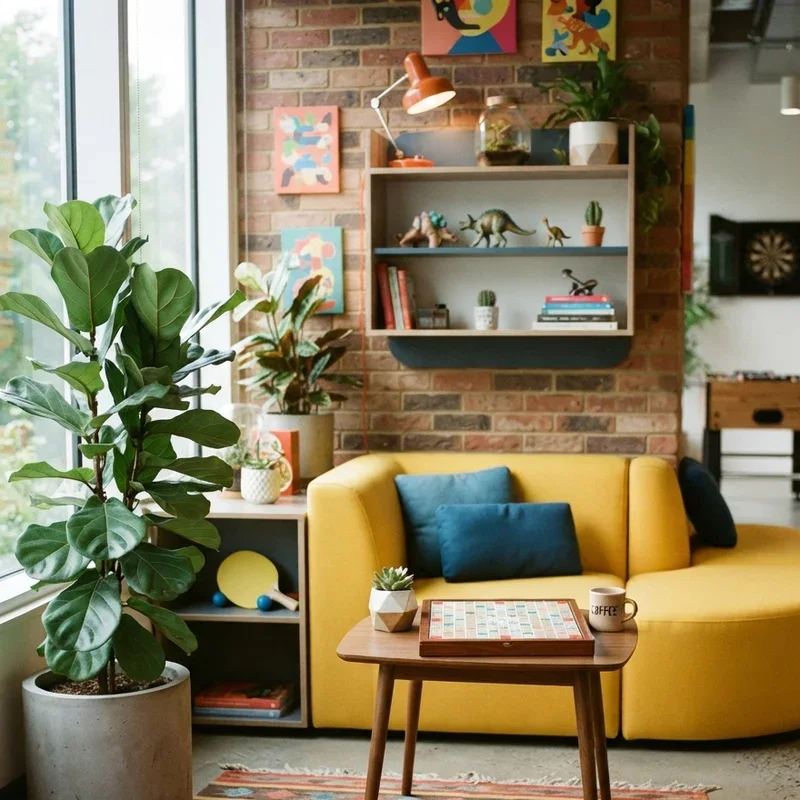
Selecting the right color palette forms the foundation of your waiting room's visual appeal and emotional impact on visitors. Your color choices directly influence how clients feel when they enter your space, affecting their stress levels and overall perception of your business. Consider your industry when choosing colors; healthcare offices might benefit from calming blues and greens, while creative agencies could embrace bolder, energizing hues. Neutral bases like warm grays, beiges, or soft whites provide versatility and timelessness, allowing you to add personality through accent colors in furniture and decor. The psychology of color shouldn't be underestimated; warm tones create welcoming environments, while cooler shades promote tranquility. Ensure your color scheme aligns with your brand identity and maintains consistency with your overall office aesthetic.
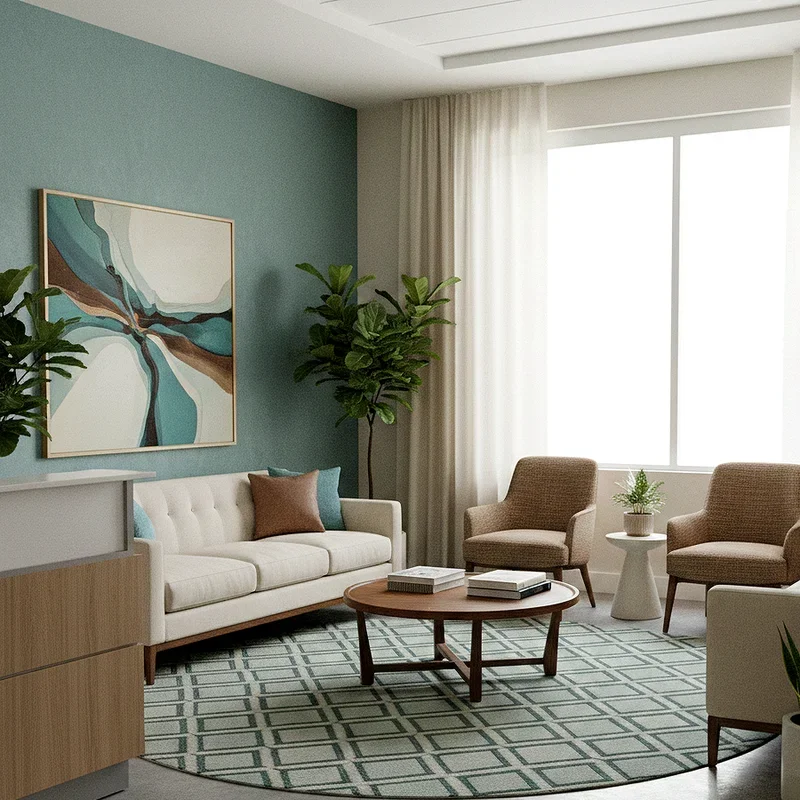
2. Invest in Comfortable Seating Options
Comfortable seating transforms waiting from a tedious necessity into a pleasant experience that clients actually appreciate and remember positively. Beyond basic functionality, your seating choices communicate how much you value your clients' comfort and time. Mix different seating types to accommodate various preferences; some people prefer supportive armchairs, while others might choose sofas for relaxed posture. Consider ergonomic designs that provide proper back support, especially if clients typically wait for extended periods. Upholstery selection matters tremendously; choose durable, easy-to-clean fabrics that maintain their appearance despite heavy use while still feeling inviting. Arrange seating to offer both communal areas for social interactions and individual spots for those preferring privacy. Don't forget about spacing; adequate distance between seats respects personal boundaries and creates comfortable atmosphere.
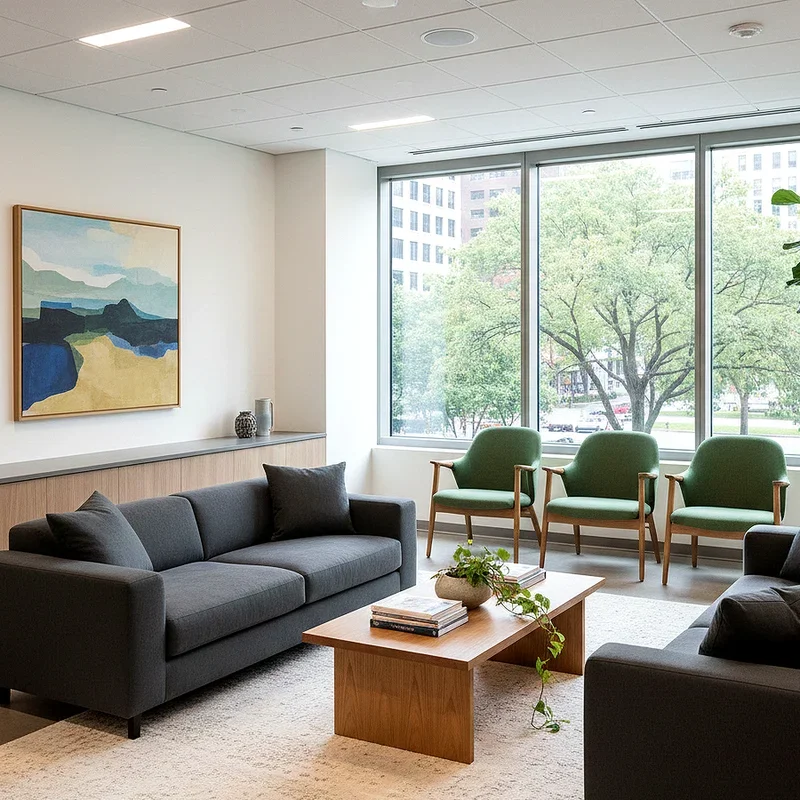
3. Incorporate Natural Elements and Greenery
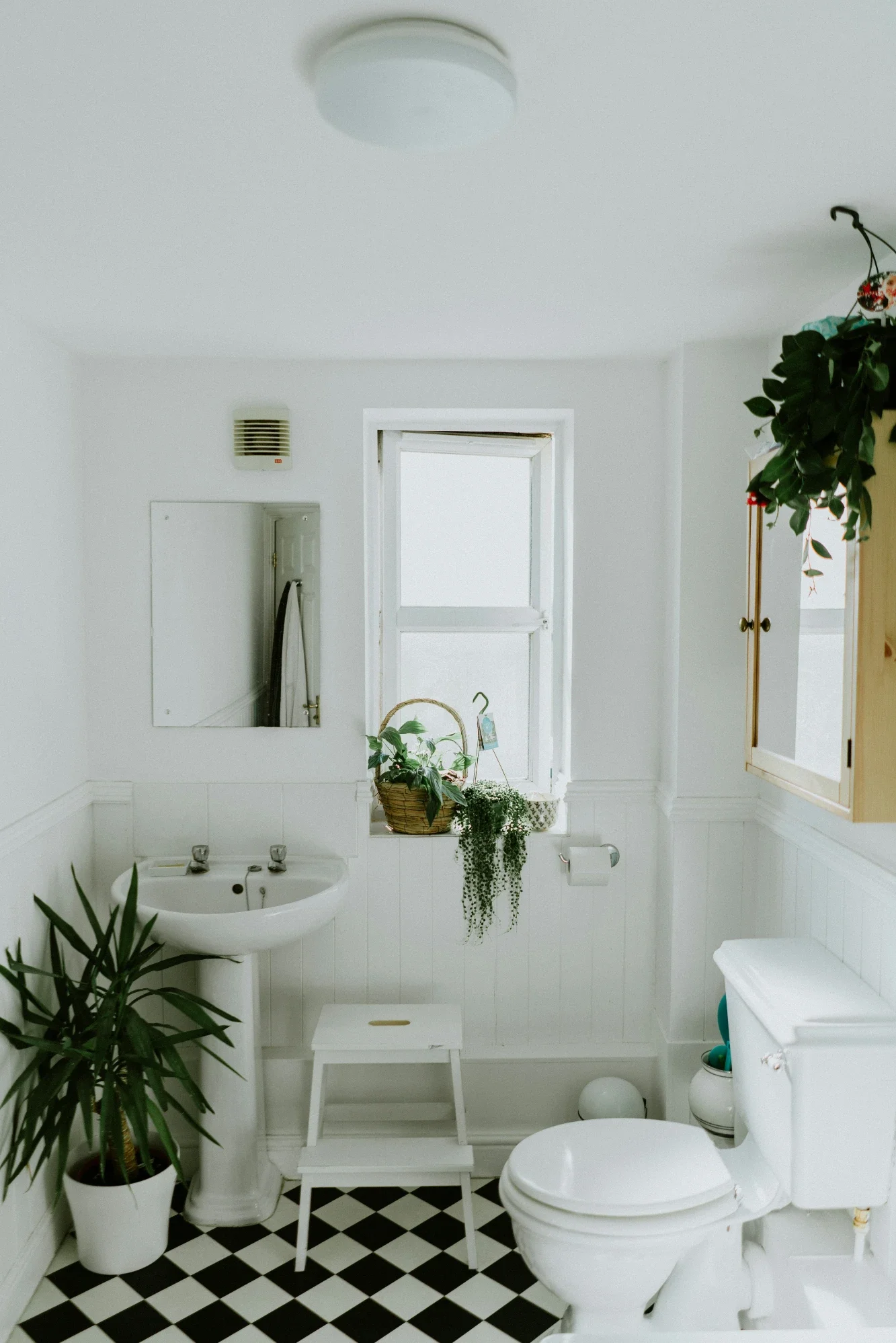
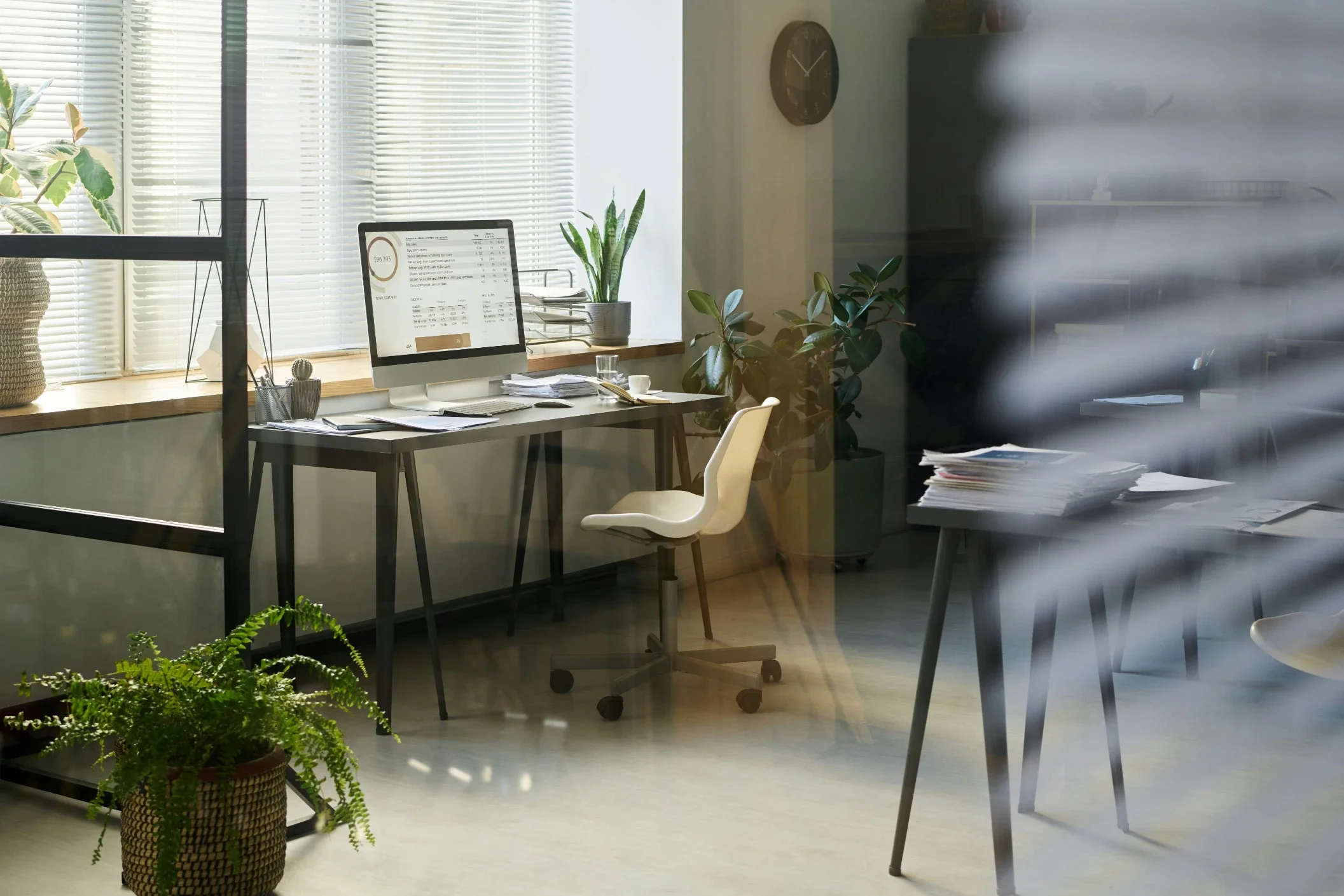
Bringing nature indoors through plants and natural materials creates an instantly calming and refreshing atmosphere in your waiting room environment. Research consistently shows that greenery reduces stress, improves air quality, and enhances overall wellbeing, making it perfect for spaces where people might feel anxious. Choose low-maintenance plants like pothos, snake plants, or succulents if your staff lacks time for intensive plant care routines. Larger statement plants such as fiddle leaf figs or monstera deliciosa can serve as stunning focal points in corners or beside seating areas. Natural wood elements, stone accents, or water features further enhance this biophilic design approach, connecting occupants with nature even in urban settings. The organic textures and colors of natural elements provide visual interest while maintaining sophisticated, professional appearance.
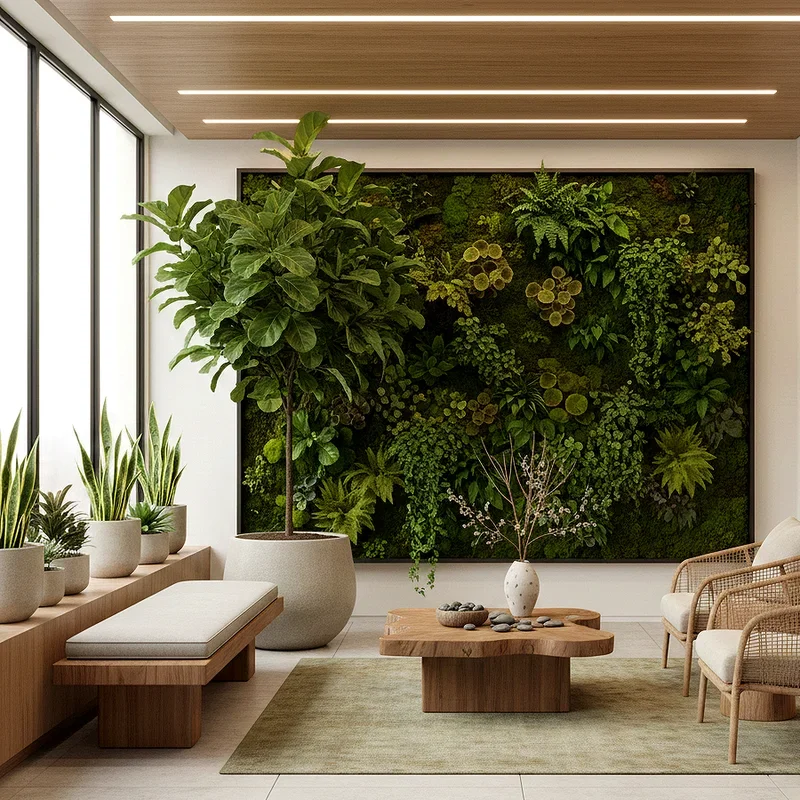
4. Create a Focal Point Wall
A thoughtfully designed focal point wall immediately draws the eye and establishes your waiting room's character and level of sophistication. This feature wall serves as a conversation starter and memorable element that distinguishes your space from generic office environments everywhere. Options abound depending on your style; textured wallpaper adds depth and luxury, while accent paint colors create bold statements without overwhelming budgets. Three-dimensional wall panels, reclaimed wood installations, or geometric patterns offer contemporary flair that photographs beautifully for social media platforms. Consider incorporating your company logo or mission statement into this wall design for subtle brand reinforcement throughout the space. Gallery walls featuring curated artwork or photography collections can also serve this purpose while showcasing cultural sophistication and attention to detail.
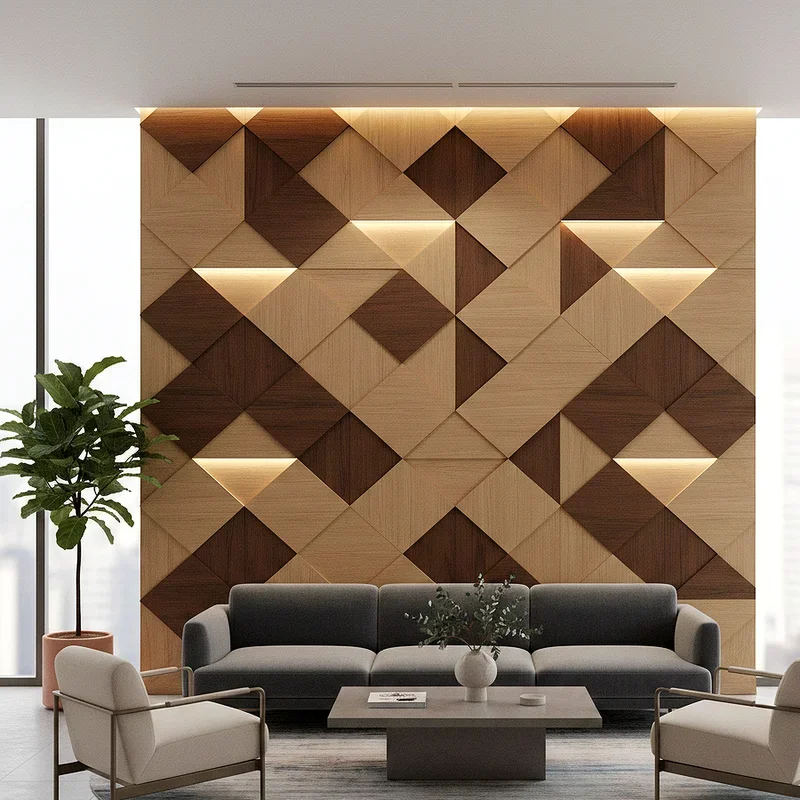
5. Optimize Lighting for Ambiance
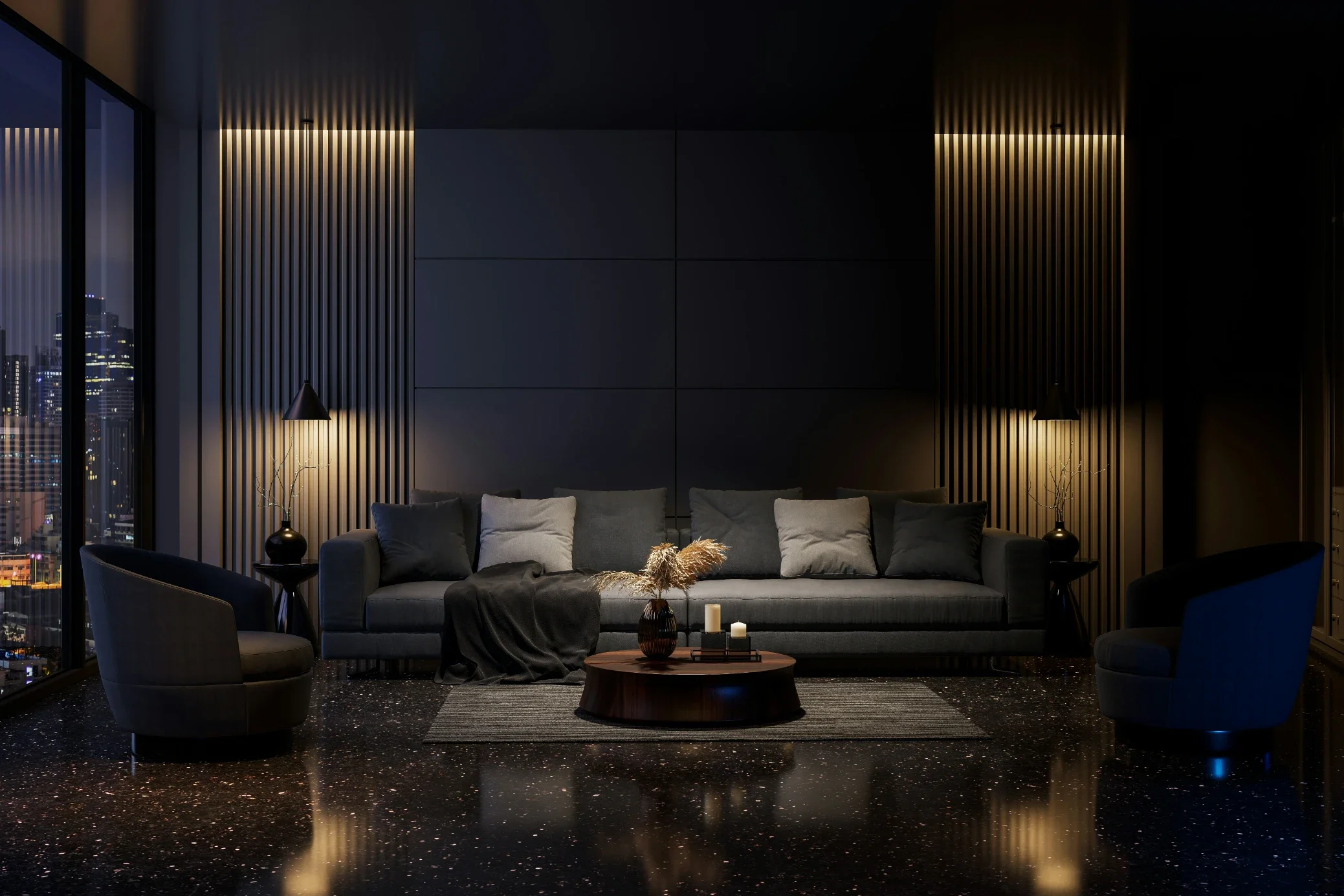
Lighting dramatically affects mood, energy levels, and how people perceive your space, making it crucial for creating the right atmosphere. Natural light remains ideal whenever possible; position seating near windows and use sheer curtains to diffuse harsh sunlight while maintaining brightness throughout the day. Layer your artificial lighting with ambient, task, and accent sources to create depth and adaptability as conditions change. Warm-toned LED bulbs mimic natural light without the energy consumption of traditional incandescent options, creating inviting rather than clinical environments. Dimmer switches provide flexibility to adjust lighting based on time of day or desired ambiance for different situations. Avoid harsh overhead fluorescent lighting that casts unflattering shadows and creates institutional feelings. Statement light fixtures like modern chandeliers or artistic pendant lights double as decorative elements.
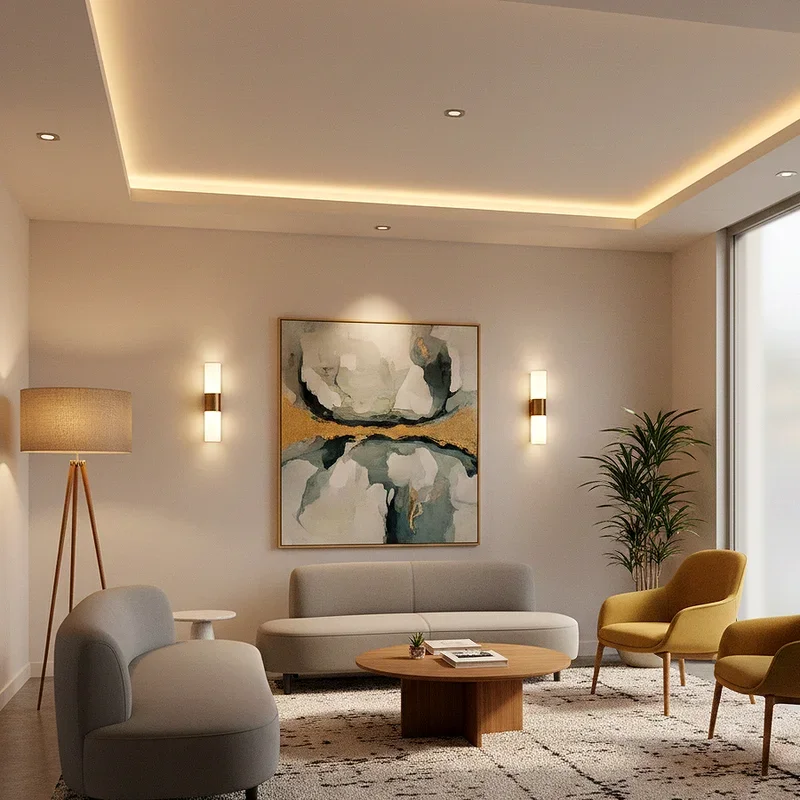
6. Display Your Brand Identity Thoughtfully
Your waiting room presents a prime opportunity to communicate your brand story and values through strategic visual elements and thoughtful messaging. Subtle brand integration feels professional and sophisticated, while heavy-handed displays can overwhelm and alienate visitors seeking comfortable spaces to relax. Display your logo prominently but tastefully, perhaps through dimensional lettering on your focal wall or etched into glass partitions beautifully. Brand colors should appear throughout the space in furniture, artwork, and accessories without creating monochromatic monotony that feels overwhelming. Share your company's history, achievements, or community involvement through elegant displays or digital presentations that inform without appearing boastful. Remember that everything in your waiting room represents your brand, from the cleanliness to the reading materials available for guests.
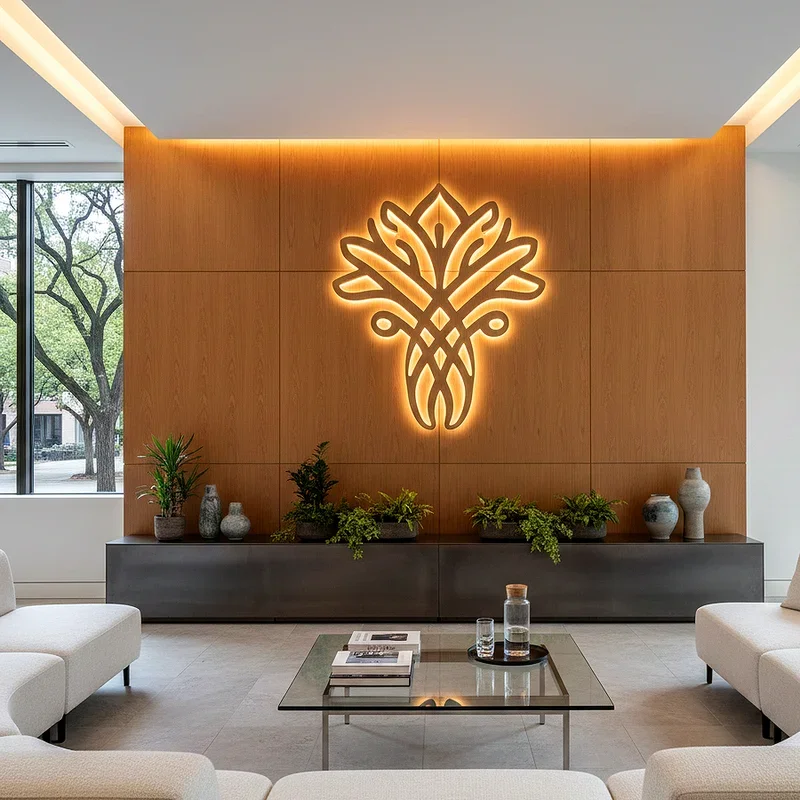
7. Provide Charging Stations and Connectivity
Modern clients expect connectivity, and providing convenient charging options demonstrates your understanding of contemporary needs and technological awareness in business. Dead phone batteries create anxiety in our hyperconnected world, so accessible power sources offer practical value that clients genuinely appreciate daily. Install USB outlets in walls or furniture arms for seamless integration that doesn't compromise your aesthetic with visible cables and adapters everywhere. Consider wireless charging pads built into side tables or countertops for cutting-edge convenience that impresses tech-savvy visitors and clients. Ensure your waiting room offers strong WiFi with a clearly displayed, easy-to-remember password or simple guest access system available. These technological amenities show respect for your clients' time by allowing them to remain productive during waits, transforming potential frustration into opportunities.
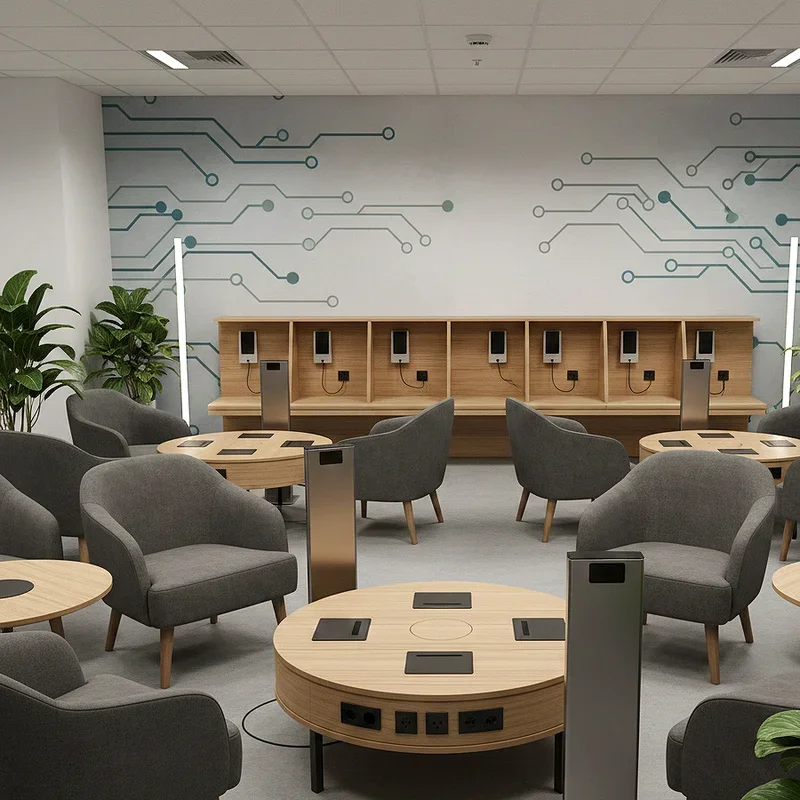
8. Curate Reading Materials and Magazines
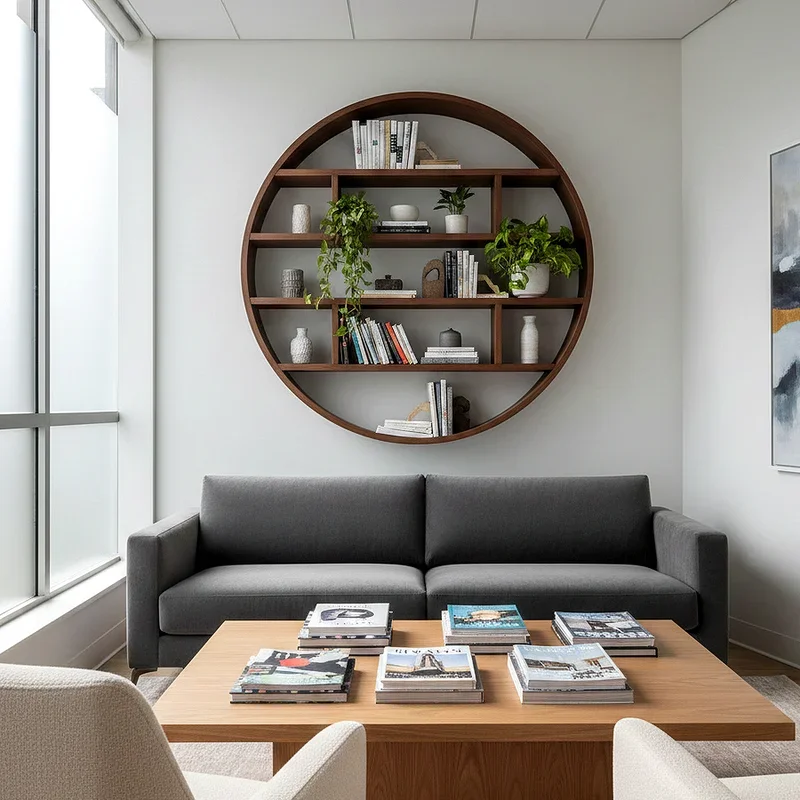
Thoughtfully selected reading materials provide entertainment while subtly communicating your business's personality and understanding of your clientele's diverse interests. Move beyond the tired collection of outdated magazines that plague many waiting rooms; instead, offer current publications that align with your audience. Include a mix of general interest magazines, industry-specific publications, and local lifestyle magazines that engage various readers with different preferences. Organize materials neatly in wall-mounted racks or stylish baskets that keep spaces tidy while making browsing easy and enjoyable. Consider digital magazine subscriptions displayed on tablets for eco-friendly alternatives that always offer current content without storage requirements or clutter. Coffee table books featuring photography, art, or topics related to your business add sophistication and conversation-starting potential for waiting guests.
9. Add Artwork and Visual Interest
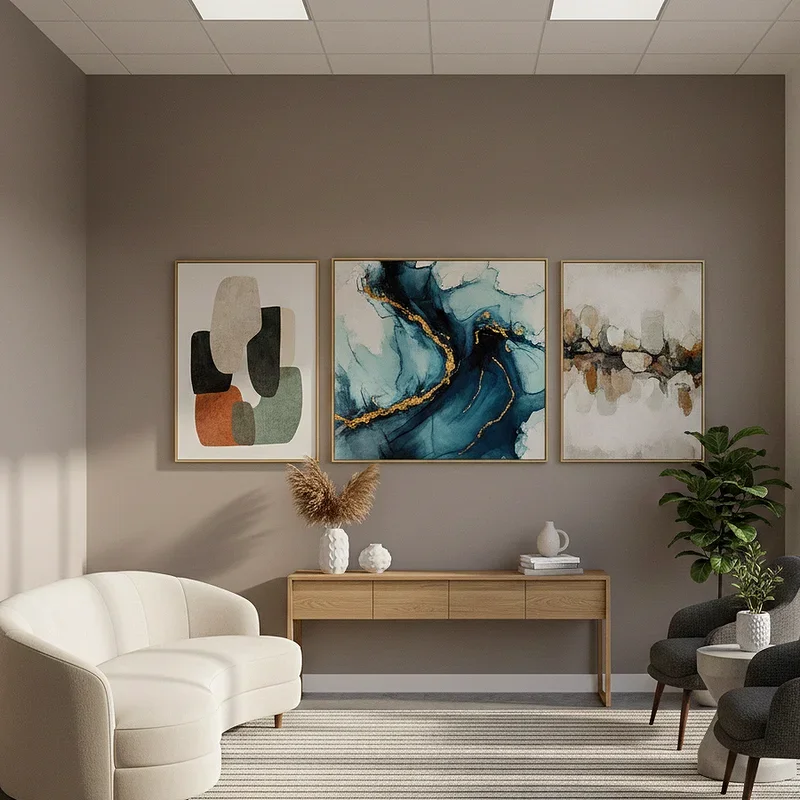
Carefully chosen artwork elevates your waiting room from functional to inspiring, creating visual interest that engages visitors and reflects cultural sophistication effectively. Art doesn't require enormous budgets; local artists often sell pieces affordably, supporting your community while providing unique works unavailable in generic catalogs. Select pieces that complement your color scheme and brand personality without being controversial or potentially offensive to diverse clientele visiting your office. Abstract works offer visual appeal without imposing specific interpretations, while landscape photography creates calming atmospheres suitable for various professional settings perfectly. Consider rotating displays to keep your space feeling fresh and providing ongoing visual interest for regular clients who visit frequently. Proper framing and placement matter immensely; invest in quality frames and hang artwork at appropriate heights for comfortable viewing.
10. Include a Refreshment Station
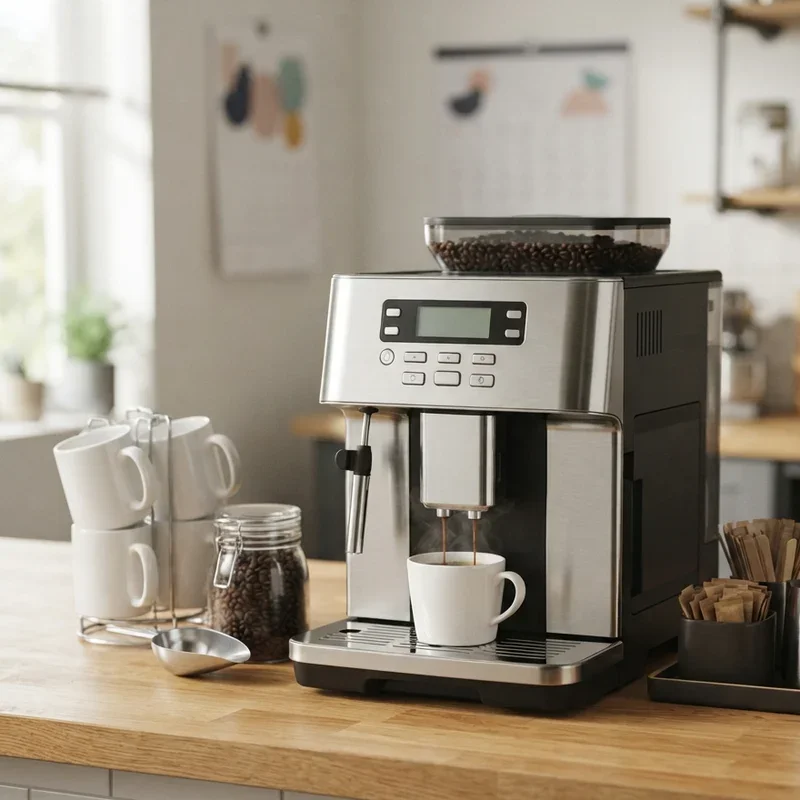
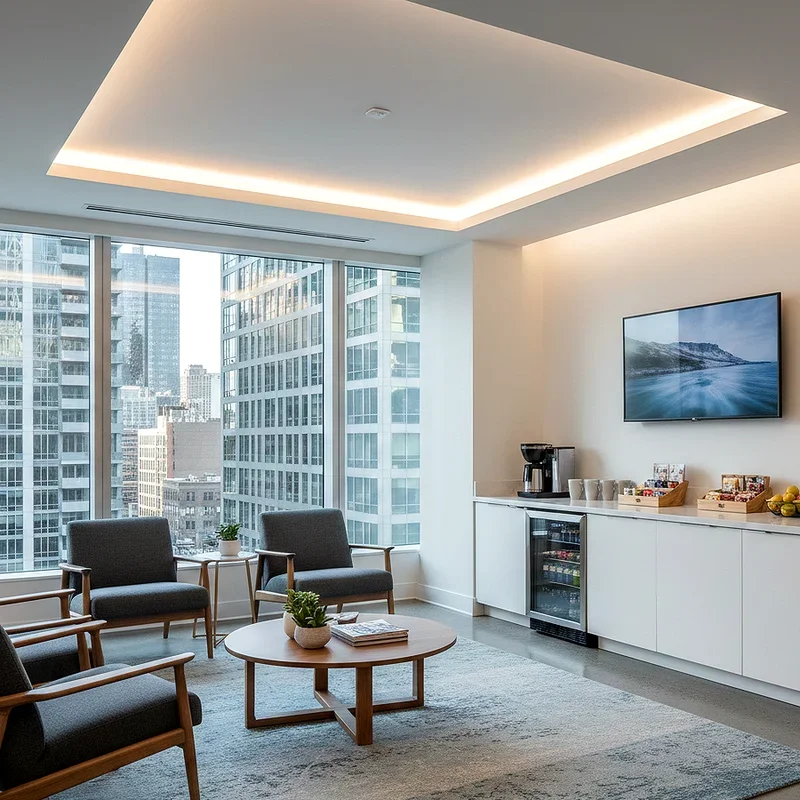
A refreshment station demonstrates hospitality and consideration, transforming your waiting room from a mere holding area into a genuinely welcoming environment. You needn't provide elaborate spreads; simple offerings like water, coffee, and tea show you value your clients' comfort during visits. Invest in a quality coffee maker rather than a bargain model that produces mediocre results; the aroma and taste create positive associations. Provide various options including decaf, herbal teas, and perhaps flavored water to accommodate different preferences and dietary restrictions throughout the day. Keep the station impeccably clean and well-stocked, checking supplies multiple times daily to ensure availability and freshness always. Use attractive dispensers, real cups rather than disposable ones when possible, and coordinating accessories that match your overall design aesthetic beautifully.
11. Ensure Proper Space Planning
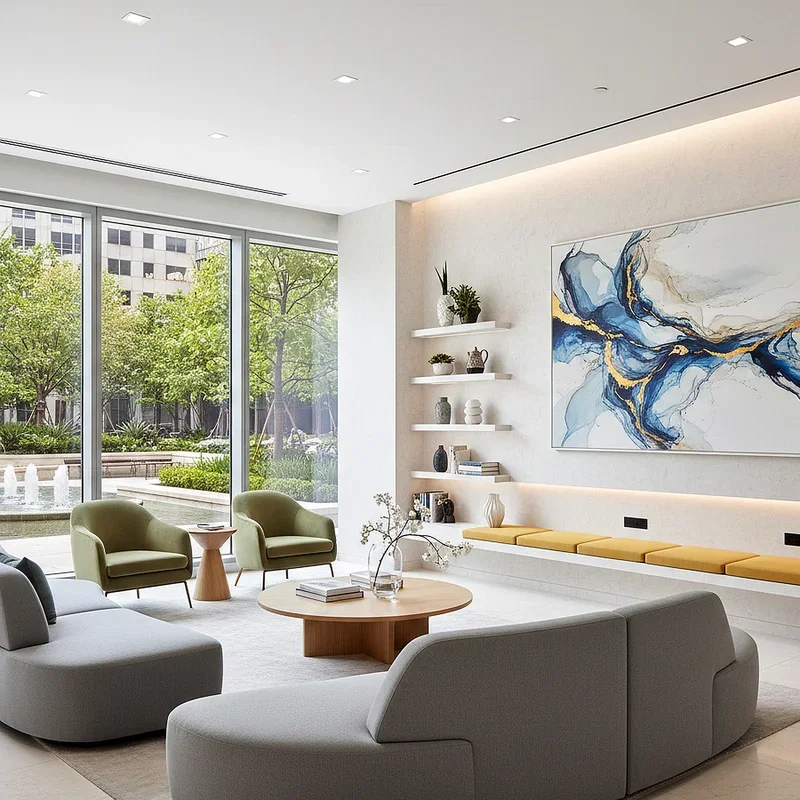
Thoughtful space planning maximizes functionality and comfort, preventing your waiting room from feeling cramped or awkwardly arranged despite physical space limitations. Traffic flow matters enormously; ensure clear paths from the entrance to the reception desk and seating areas without requiring difficult navigation. Leave adequate space between furniture pieces for comfortable movement, including considerations for wheelchairs, strollers, or mobility aids that visitors may use. Create distinct zones within larger spaces; a children's play area separated from quiet seating respects different needs without requiring separate rooms. Consider sightlines carefully; arrange seating so people don't feel uncomfortably stared at while maintaining some visual connection to reception for easy communication. Scale matters tremendously; oversized furniture overwhelms small rooms, while tiny pieces look lost in expansive areas that need proper furnishing.
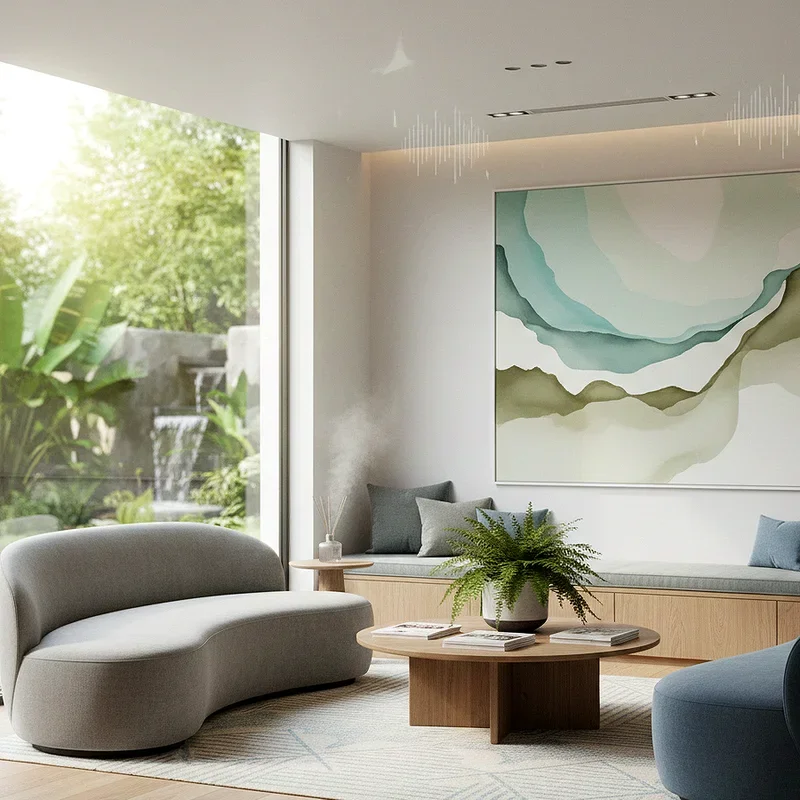
12. Incorporate Calming Background Music
Carefully selected background music fills awkward silences, masks private conversations, and influences the emotional atmosphere of your waiting room environment effectively. Sound significantly impacts how people experience spaces, yet it's often overlooked in office design despite its powerful effects on mood. Choose instrumental or nature sounds rather than lyrical music that might distract or clash with personal preferences across diverse clientele visiting. Volume matters immensely; music should be barely noticeable, creating ambiance without demanding attention or interfering with conversations happening nearby. Streaming services offer curated playlists specifically designed for professional environments, eliminating the hassle of creating selections yourself from scratch. Consider how music aligns with your brand; upbeat contemporary instrumentals suit creative agencies, while classical or jazz might better serve professional firms.
13. Use Mirrors to Enhance Space
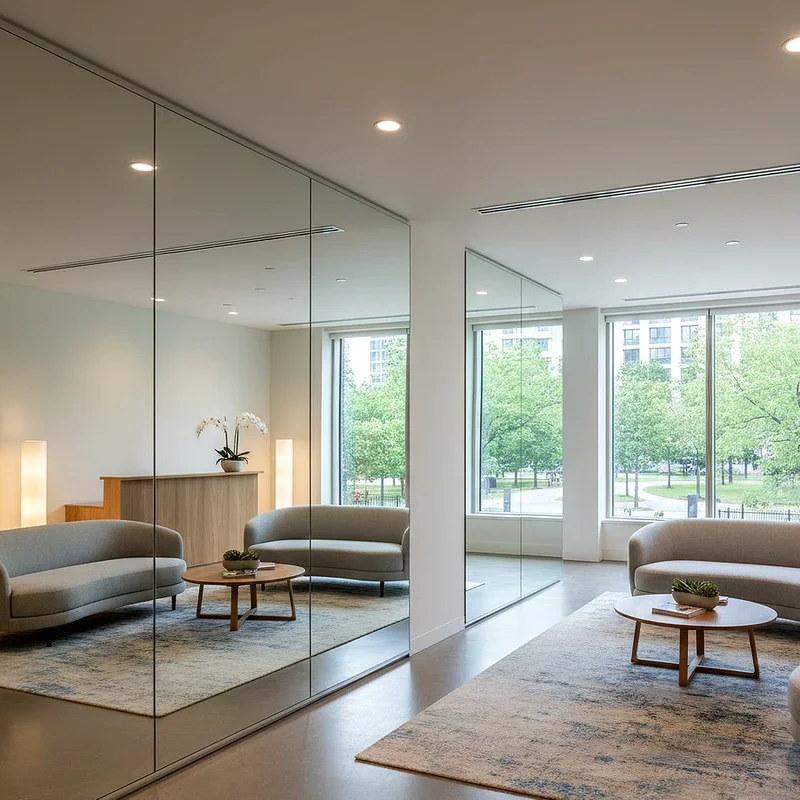
Strategically placed mirrors create the illusion of expanded space while adding light and visual interest to your waiting room design effectively. This design trick proves particularly valuable in smaller waiting areas where physical expansion isn't possible but psychological spaciousness remains highly desirable. Position mirrors to reflect attractive views, artwork, or windows rather than cluttered areas or unflattering angles that diminish their positive effects. Large statement mirrors serve as decorative elements themselves, acting as focal points that combine functionality with artistic appeal beautifully. Avoid placing mirrors directly facing main seating areas where they might make people self-conscious or create uncomfortable reflections during visits. Consider architectural mirrors that integrate into walls rather than obviously hung pieces for more sophisticated, permanent appearances that enhance professional aesthetics.
14. Add Texture Through Materials
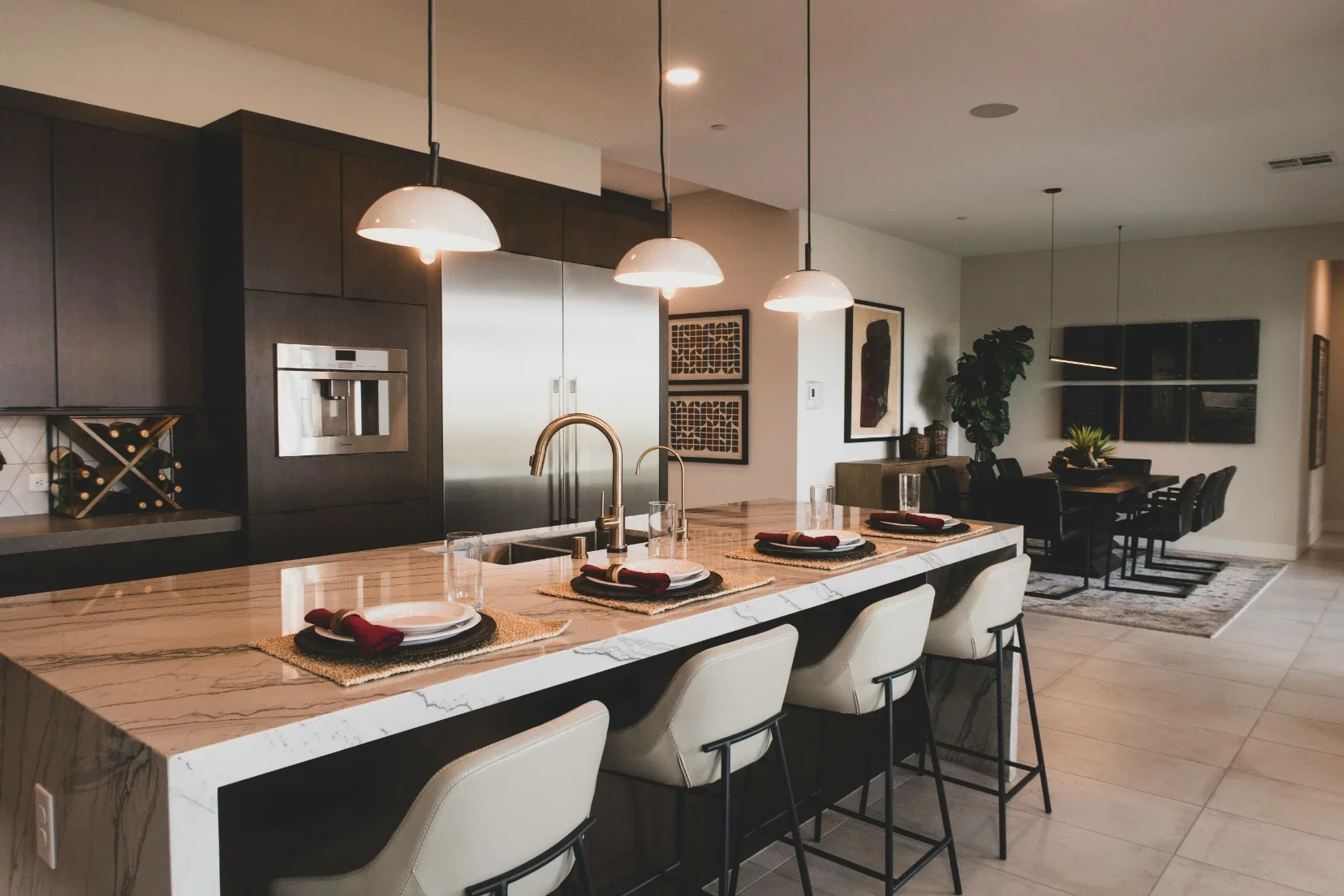
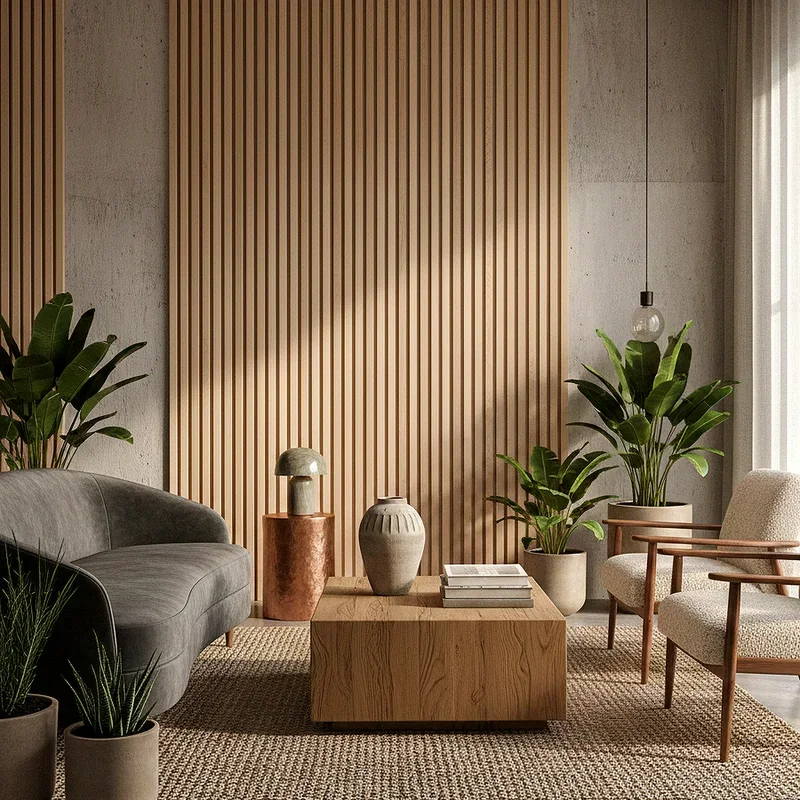
Incorporating various textures creates depth and sophistication, preventing your waiting room from feeling flat or one-dimensional despite having cohesive color schemes. Textural variety engages multiple senses, making spaces more interesting and memorable while demonstrating attention to design details that clients notice subconsciously. Mix smooth surfaces like glass or metal with organic textures like wood, stone, or woven fabrics to create balanced, dynamic environments. Textured throw pillows add comfort and visual interest to seating areas while allowing easy updates when you want seasonal refreshes or changes. Area rugs ground seating arrangements while introducing pattern and softness that contrasts beautifully with hard flooring surfaces throughout the room. Wall treatments like grasscloth, fabric panels, or three-dimensional tiles provide tactile interest that photographs beautifully and creates unique character for your professional space.
15. Maintain Cleanliness and Organization
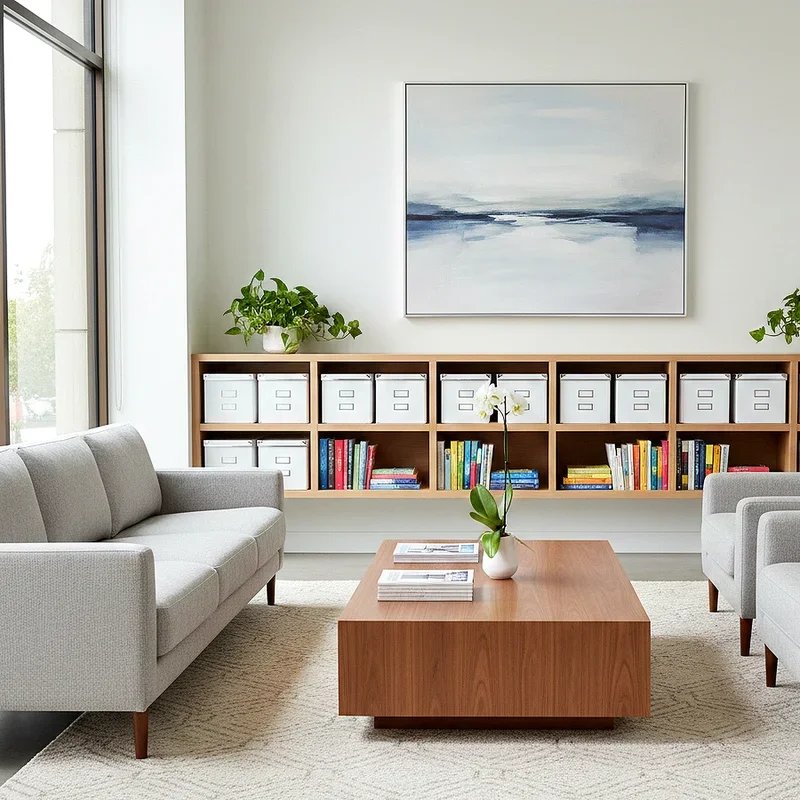
Impeccable cleanliness and organization remain non-negotiable for professional waiting rooms, as even the most beautiful design fails if poorly maintained daily. First impressions form within seconds, and visible dirt, clutter, or disrepair immediately undermines your credibility and professional image completely. Establish daily cleaning protocols that address high-touch surfaces, floors, and refreshment areas before and after business hours at minimum frequency. Implement organizational systems for magazines, toys, and other items to prevent accumulation of clutter throughout busy days with many visitors. Address maintenance issues immediately; peeling paint, broken fixtures, or worn furniture signals neglect that reflects poorly on your entire operation. Regular deep cleaning schedules should address upholstery, carpets, and other elements requiring periodic professional attention for longevity and appearance maintenance throughout years of use.
Conclusion
Creating a stylish, welcoming office waiting room requires thoughtful attention to design elements that balance aesthetics with functionality and comfort. Your waiting area serves as a powerful marketing tool, silently communicating your professionalism, values, and attention to detail before clients even meet your team. By implementing these fifteen ideas, you transform a necessary space into an asset that enhances client experiences and strengthens your brand identity. Remember that successful waiting room design isn't about following every trend or spending enormous budgets; it's about understanding your clients' needs and creating environments that make them feel valued and comfortable during their time in your space.
Read next: 15 Office Lounge Ideas to Create a Relaxing Workspace
Frequently Asked Questions
Q1: What is the most important element in designing an office waiting room?
A: Comfortable seating and cleanliness are most critical for positive first impressions and client satisfaction.
Q2: How often should I update my waiting room design?
A: Refresh decor elements annually, but undertake major redesigns every five to seven years maximum.
Q3: What colors work best for professional waiting rooms?
A: Neutral bases with calming accent colors like blue, green, or warm earth tones suit most environments.
Q4: How can I make a small waiting room appear larger?
A: Use mirrors, light colors, proper lighting, and avoid overcrowding furniture in the available space.
Q5: Should I provide entertainment options like televisions in waiting rooms?
A: Consider your clientele; some appreciate televisions while others prefer quiet environments for working or relaxing.
Stay up to date with our latest ideas!