Replacement Windows for a Home Office in an Older New Jersey Colonial
How replacement windows change daylight, street noise and energy bills in an older New Jersey colonial home office, plus the NFRC ratings and lead rules to check first.

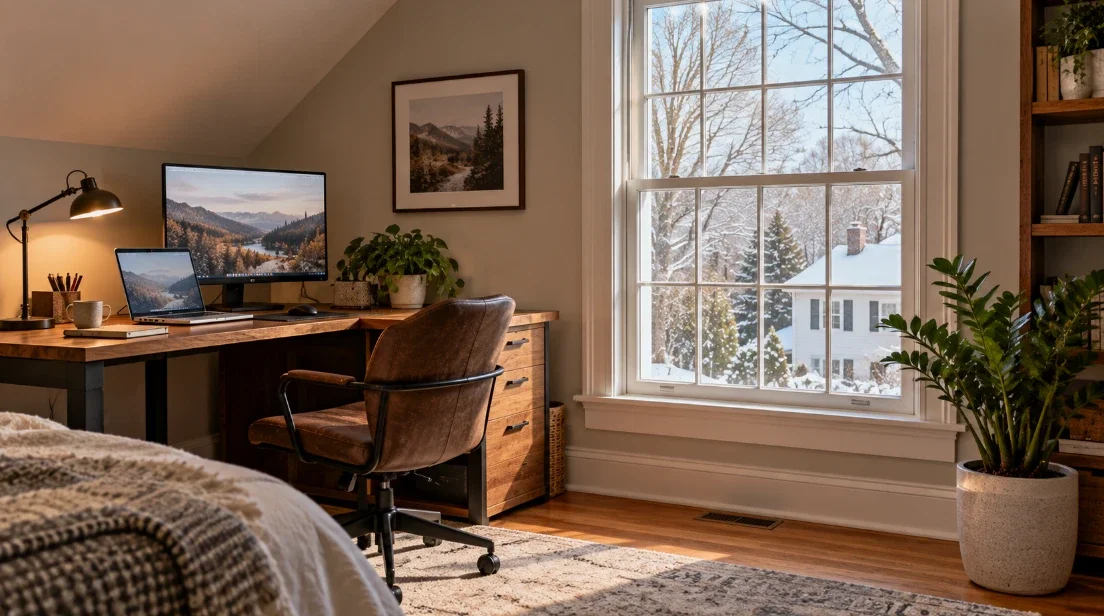
The spare bedroom on the second floor of a center-hall colonial looks like the perfect home office. It has two tall double-hung windows, a view of the street and a door that closes. Then the first January Zoom call starts, a cold draft slides across the desk, the sash rattles every time a truck passes, and the afternoon sun bounces off the monitor so badly you end up working with the blinds shut.
Most of that comes down to the windows. Colonials built in New Jersey from the 1920s through the 1970s often still have their original single-pane sashes, sometimes with aluminum storm windows added decades ago. Before you start collecting quotes, it helps to know what replacement windows NJ homeowners put in older colonials actually change at the desk, and which promises on the brochure matter for a room where you spend eight hours a day.
Why Older Colonial Windows Make a Tough Office
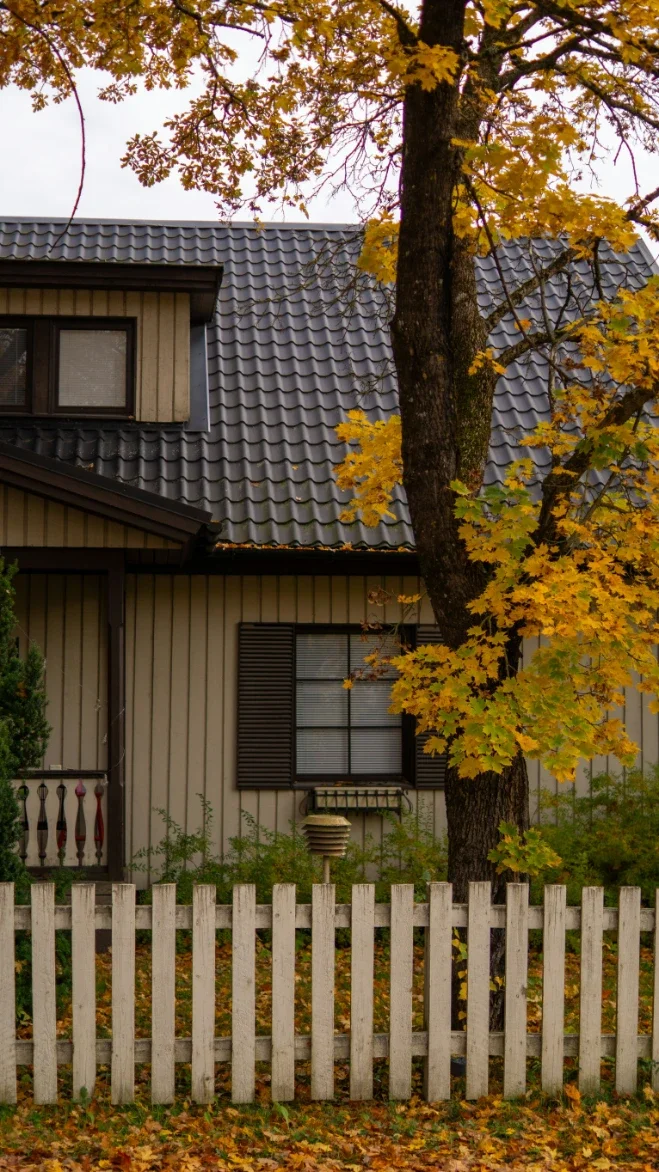
The classic colonial window is a wood double-hung unit, often divided into six small panes over six. It looks great from the curb. Inside, the single layer of glass lets heat escape in winter and pour in during July, and decades of paint can glue the sashes shut or leave gaps where the wood has shrunk.
Older units also hide a few quirks. Many still run on rope-and-pulley sash weights inside the frame, and those hollow weight pockets leak air on their own. Window glazing putty dries and cracks, so individual panes start to buzz in the wind. Add a storm window on the outside and you get two layers of glass with a gap that collects condensation and dust, which does little for the view you set the desk up to enjoy.
Light: Getting Daylight Without the Glare

Daylight is the reason most people put the desk near the window in the first place. Replacement units can actually give you more of it, because modern frames are slimmer than the old sash plus a storm window, and the glass area grows slightly.
Coatings change the picture too. Low-E glass, standard on most energy-efficient windows, reflects heat while letting most visible light through. Every certified window carries a National Fenestration Rating Council label, and the visible transmittance number on it tells you how much daylight gets in. Clear double-pane glass usually sits around 0.70 or higher, while heavily coated glass can drop toward 0.40, which makes a room noticeably dimmer on a gray afternoon.
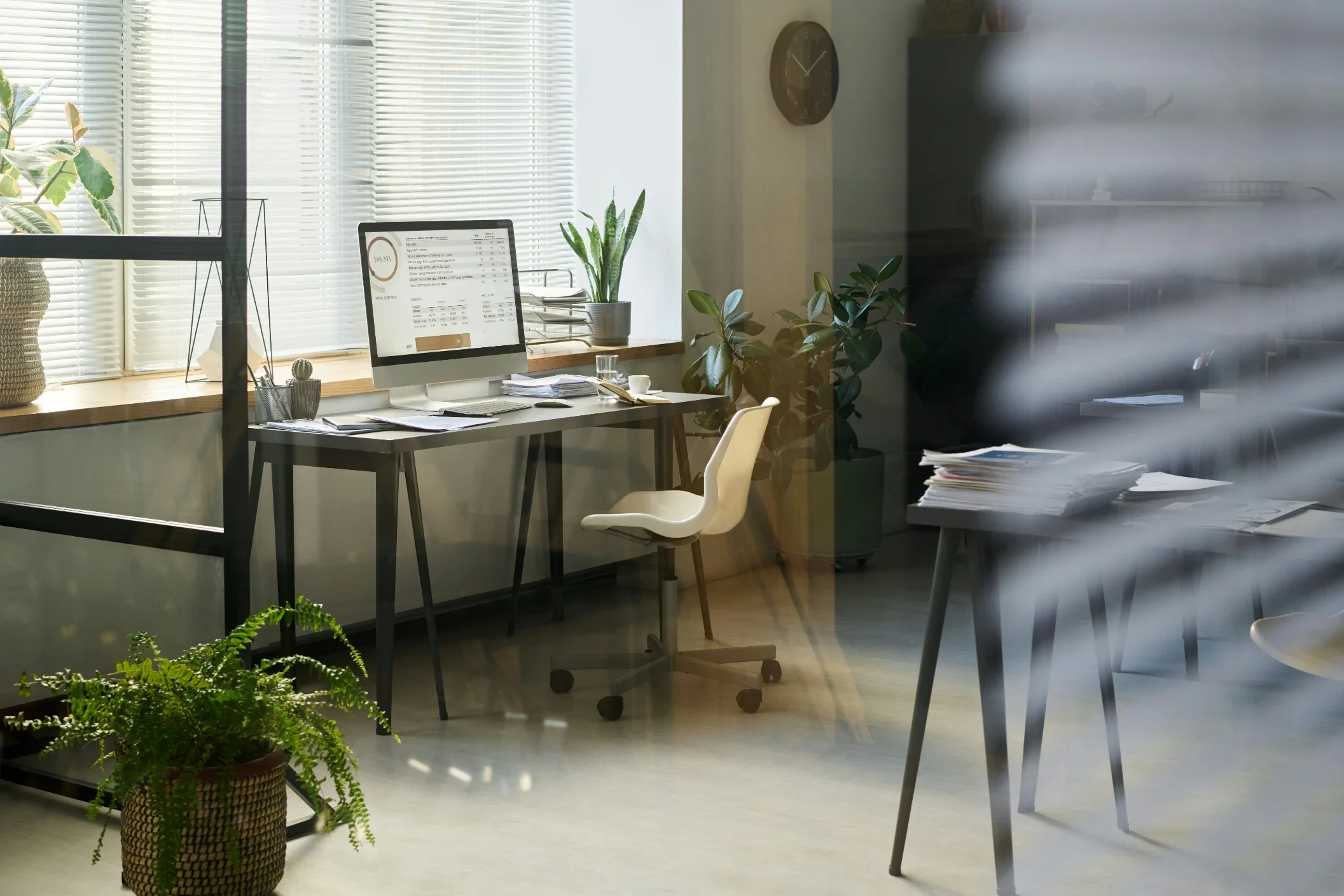
For an office, it pays to look at that number alongside the energy ratings. Honestly, desk placement solves most glare complaints. Positioning the desk so the window sits to your side, at a right angle to the screen, cuts screen reflections far more than any coating will.
Noise: What New Glass Does for a Street-Facing Room
Sound is measured with the Sound Transmission Class, or STC, rating. The higher the number, the less noise gets through. An old single-pane window with gaps around the sash performs poorly mostly because of air leaks, since sound travels through every crack.
A standard double-pane replacement typically lands in the high 20s on the STC scale. That sounds modest, and the bigger improvement often comes from the tight seal of a new frame. Units with laminated glass, or panes of two different thicknesses, can reach the low to mid 30s and handle traffic, leaf blowers and school buses much better. If your office faces a busy road like Route 9 or a corner with a bus stop, ask for the STC rating in writing and compare units on that number.
Energy Bills and Comfort at the Desk

ENERGY STAR estimates that replacing poorly performing windows with certified models saves about 12% on household energy costs each year, as a national average that varies by climate. In a New Jersey colonial with single-pane glass, the difference you feel at the desk can be bigger than the bill suggests, because cold glass pulls heat away from your body even when the thermostat reads 70.
The NFRC label gives you the numbers to compare. Here is what each one means for a home office:
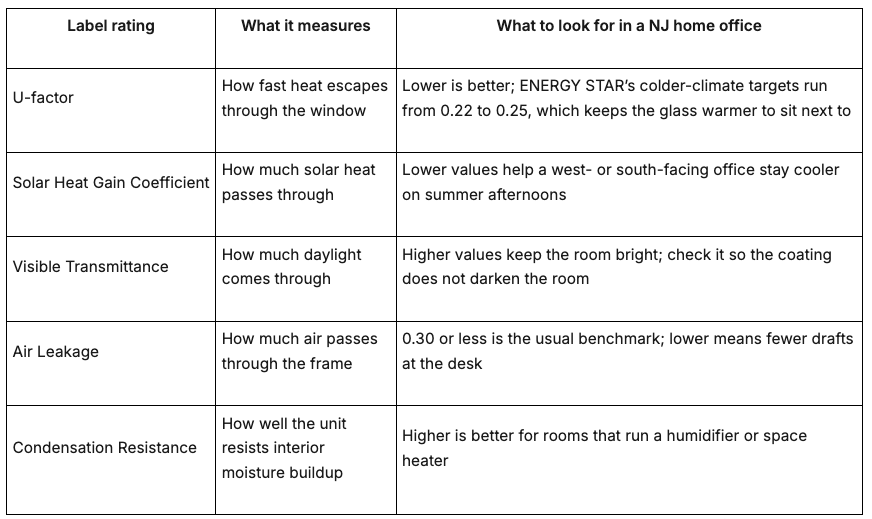
One change to plan around: the federal 25C tax credit, which covered 30% of window costs up to $600 a year, ended for windows installed after December 31, 2025. Utility programs in New Jersey change often, so check your provider’s current rebate list before you sign.
A few features earn their keep in a room you work in every day:
Tilt-in sashes, so you can clean the outside glass from inside a second-floor room
Simulated divided lites that keep the colonial grid look while the glass stays one clean pane
Laminated glass on street-facing sides for quieter calls
Built-in blinds between the glass panes, which never collect dust
Low-maintenance exterior cladding so the trim does not need repainting every few years
Before the Installer Arrives
If your house was built before 1978, the federal lead renovation rule applies. Under EPA rules, window replacement in pre-1978 homes is always covered regardless of how small the job is, so the company you hire must be a lead-safe certified firm and should contain dust and clean up with specific methods. Ask to see the certification before you book.
Check whether your street sits in a local historic district too. Towns like Haddonfield and parts of Princeton review exterior changes on older homes, and that review can affect the grid pattern, frame material and color you are allowed to choose.
Plan the install day around your work schedule. A crew can usually replace one window in an hour or two, so a room with two units is done in a morning. Move the desk, monitor and anything on the walls out of the way the night before, and block the afternoon for a quiet first test call with the new windows closed and the street outside.
Stay up to date with our latest ideas!