How Professional Landscaping Improves Outdoor Spaces
Discover how professional landscaping enhances outdoor spaces through thoughtful design, healthy plants, functional layouts, improved curb appeal, and lasting value.
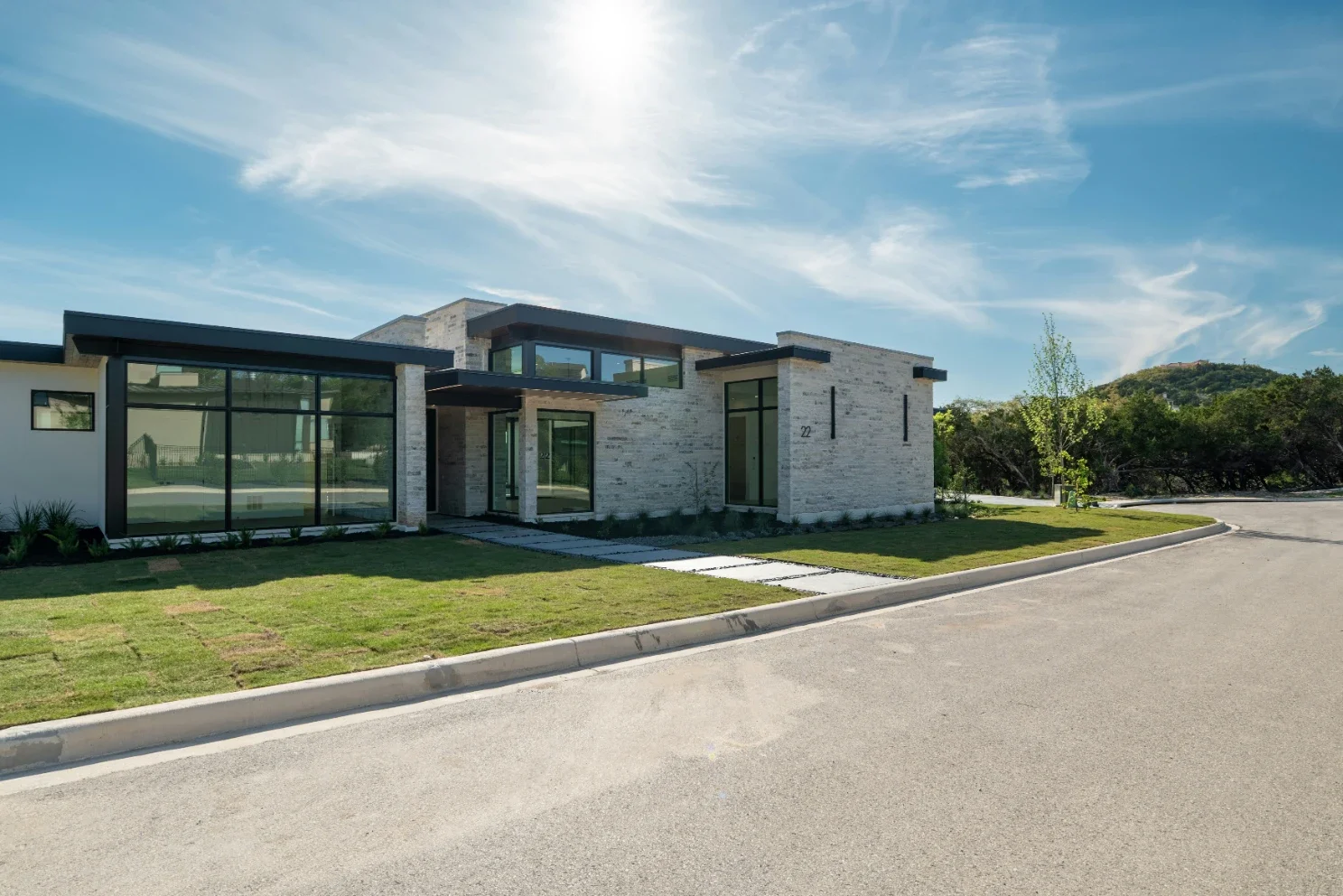
A well-designed landscape can transform an ordinary property into an attractive, functional outdoor environment. Professional landscaping services help homeowners and businesses plan, install, and maintain outdoor spaces that complement their buildings and meet practical needs. Companies such as Hyatt Landscaping provide comprehensive residential and commercial solutions, from custom landscape design and hardscaping to drainage systems, outdoor lighting, and full-service lawn care. With the right approach, property owners can improve curb appeal, make outdoor areas more usable, and maintain healthy landscapes throughout the year.
Why Professional Landscaping Makes a Difference
Landscaping involves more than planting flowers or cutting grass. A successful outdoor space requires careful planning, suitable plant selection, proper grading, and an understanding of how different elements work together. Professional landscapers consider sunlight, soil conditions, water movement, available space, and the property's overall appearance before recommending improvements.
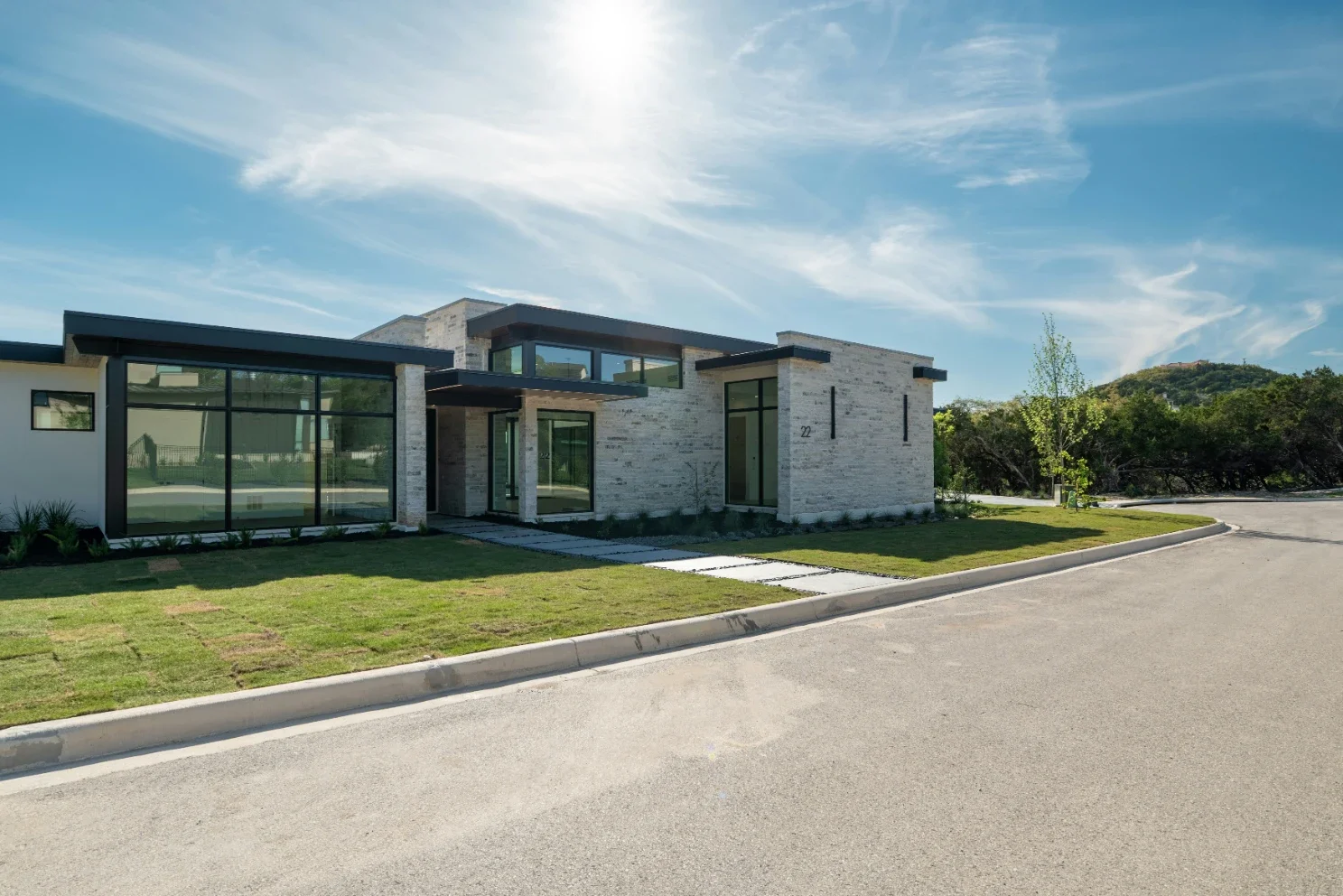
For homeowners, these decisions can create welcoming entrances, comfortable gardens, and attractive areas for entertaining. Commercial properties benefit from organized grounds that create a positive first impression for customers, visitors, and employees.
Professional planning can also prevent costly mistakes. Choosing plants that struggle in local conditions or installing features without considering drainage may lead to recurring maintenance problems. A coordinated design helps ensure that the landscape looks appealing while remaining practical to maintain.
Custom Landscape Design and Installation
A successful landscape begins with a design that reflects the property's layout and the owner's priorities. Some homeowners want colorful garden beds and shaded seating areas, while others prefer open lawns, privacy planting, or low-maintenance outdoor spaces. Commercial clients may prioritize clear walkways, attractive entrances, and landscaping that complements their brand environment.
Professional landscape design brings these requirements together into a cohesive plan. Designers consider plant height, seasonal color, spacing, textures, and the relationship between greenery and built structures. They can also plan for future growth so that trees and shrubs do not eventually obstruct pathways or crowd buildings.
Installation then turns the plan into a finished landscape. Proper soil preparation, planting techniques, and placement help establish healthy growth. By coordinating design and installation, property owners can create outdoor environments that look intentional rather than like a collection of unrelated features.
Hardscaping Creates Structure and Function
Hardscaping includes the nonliving elements of a landscape, such as retaining walls, walkways, patios, steps, and paved gathering areas. These features introduce structure and make outdoor spaces easier to navigate and use.
Retaining walls can help manage changes in elevation, support suitable areas of sloped ground, and create distinct planting zones. Walkways establish convenient routes between entrances, gardens, parking areas, and outdoor living spaces. Patios provide places for dining, relaxing, or gathering with guests.
The materials and layout should complement the property's architecture and intended use. Stone, pavers, and other hardscape materials offer different appearances, maintenance requirements, and installation considerations.
Proper construction is essential. Ground preparation, grading, and drainage must be considered before installation to help reduce shifting, standing water, and premature deterioration. When hardscaping is planned alongside planting and lawn areas, the entire property becomes more cohesive and functional.
Drainage Solutions Protect the Landscape
Water management is an important part of maintaining healthy grounds. Heavy rainfall, compacted soil, and poorly graded surfaces can cause water to collect near foundations, damage planting beds, and leave lawns muddy or uneven.
Professional drainage solutions begin with identifying where water originates and how it moves across the property. Depending on the conditions, improvements may involve adjusting grading, directing runoff, installing drainage channels, or incorporating other suitable water-management systems.
Addressing these issues early can help protect plants, preserve usable outdoor areas, and reduce erosion. Drainage planning is particularly important when installing patios, retaining walls, or other features that change the way water moves across the ground.
A landscaping professional can evaluate the relationship between hardscaping, lawns, planting beds, and existing drainage before recommending an appropriate solution. This integrated approach helps prevent one improvement from creating a new problem elsewhere.
Landscape Lighting Improves Safety and Appearance
Outdoor lighting extends the usefulness of a landscape beyond daylight hours. Path lights can make walkways easier to navigate, while strategically placed fixtures can illuminate entrances, steps, patios, and other frequently used areas.
Lighting can also highlight architectural details, trees, garden features, and retaining walls. The result is an outdoor environment that feels more inviting in the evening without relying on excessive brightness.
Good lighting design considers both appearance and practical needs. Fixtures should be positioned to reduce glare, illuminate important routes, and avoid unnecessary light spill into neighboring properties. Energy-efficient fixtures and suitable controls can help manage operating costs.
When planned during the landscape design stage, lighting can be integrated with pathways, planting areas, and outdoor living spaces rather than added as an afterthought.
Year-Round Lawn Care and Landscape Maintenance
Even a well-designed landscape requires ongoing attention. Grass, shrubs, trees, and garden beds have different maintenance needs depending on the season, weather, and local growing conditions.
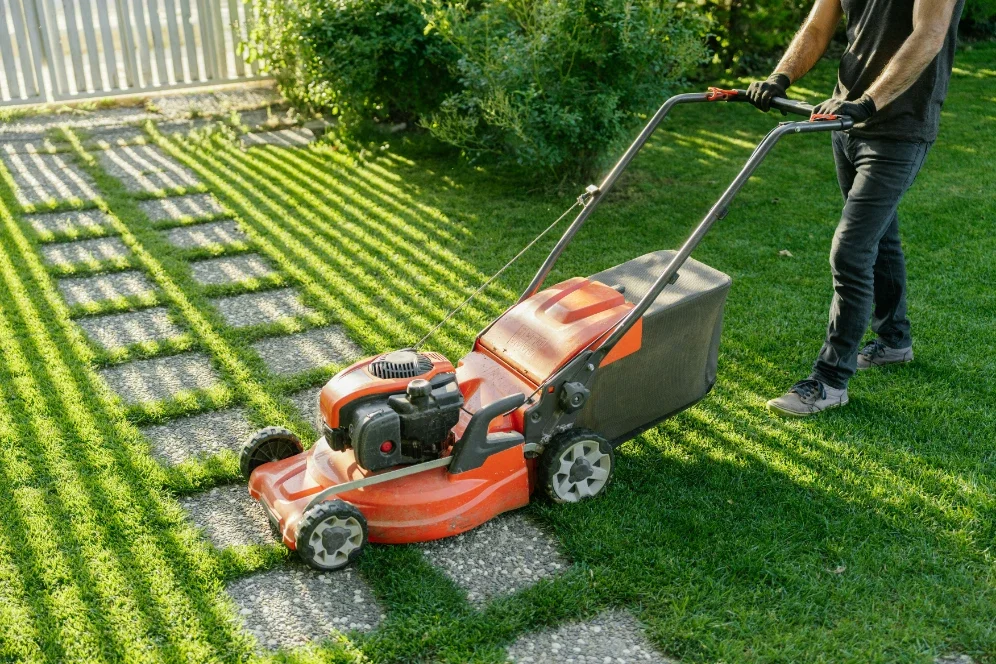
Full-service lawn care may include mowing, edging, fertilization, weed management, and monitoring for signs of disease or pest activity. Seasonal cleanup, pruning, and fresh mulch can help maintain a neat appearance while supporting plant health.
Pest prevention is another consideration. For example, Grub Control may be appropriate when lawn inspections identify damaging populations of soil-dwelling insect larvae. Treatment should be based on the type and severity of the problem rather than applied automatically, since unnecessary pesticide use can affect beneficial organisms.
Regular maintenance also allows problems to be identified early. Discolored grass, declining shrubs, clogged drainage features, or damaged hardscaping can be addressed before they become more expensive repairs.
Choosing the Right Landscaping Approach
The best landscaping plan balances appearance, functionality, budget, and maintenance requirements. Before beginning a project, property owners should identify their main priorities, establish a realistic budget, and consider how they expect to use the space over time.
It is also useful to discuss installation timelines, material options, maintenance responsibilities, and any drainage or grading concerns with a qualified professional. For larger projects, coordinating design, hardscaping, planting, lighting, and lawn care can simplify planning and help different elements work together.
Ultimately, professional landscaping is an investment in the way a property looks and functions. Thoughtful design, reliable installation, and consistent maintenance can create outdoor spaces that welcome visitors, support everyday activities, and remain attractive through changing seasons.
Stay up to date with our latest ideas!