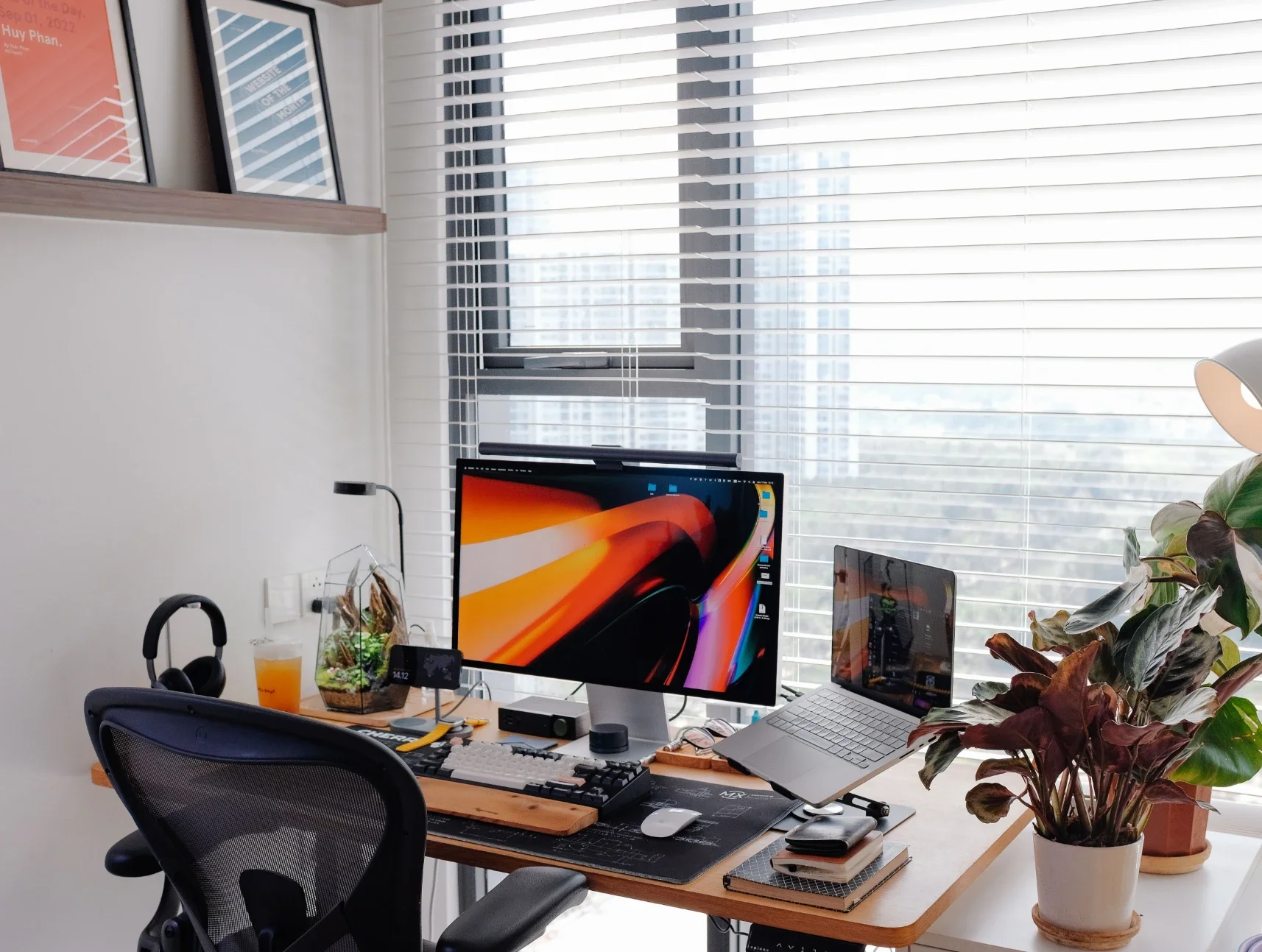
Discover how soundproofing and insulation can make your home office more comfortable, quieter, and energy efficient while improving focus and productivity.

The landscape of Australian work has undergone a permanent transformation. According to a comprehensive 2025 report by Roy Morgan Research, more than 6.7 million Australians, or roughly 46 percent of the workforce, now work from home in some capacity. This shift is particularly pronounced for knowledge workers, with Australian Bureau of Statistics data from August 2025 highlighting that 59 percent of Australian managers and professionals operate from home setups. As temporary fixes evolve into long-term arrangements, the standard for a functional home office has significantly increased.
However, transitioning from a corporate office to a home environment presents unique environmental challenges. Trying to maintain concentration in a space plagued by neighbourhood disruptions or fluctuating temperatures can quickly derail your day. Creating a truly functional workspace requires more than just an ergonomic chair and a fast internet connection. It requires a structural environment engineered for deep focus, optimal acoustic control, and year-round thermal comfort.
The Hidden Cost of Noise Distraction
We often underestimate the profound impact that background noise has on our cognitive performance. A report highlighted by the World Green Building Council indicates that excessive background noise can cause up to a 66 percent drop in overall worker productivity. When a loud motorcycle or a barking dog interrupts your workflow, the damage extends far beyond the duration of the sound itself. Workplace psychology studies demonstrate that once concentration is broken by an external distraction, it takes an average of 23 minutes for an individual to fully refocus on their original complex task.
Chronic exposure to unpredictable noises increases cognitive load. This means your brain is forced to expend unnecessary energy filtering out sound rather than engaging in complex work tasks. This uncontrolled noise pollution has been linked to elevated stress hormones, increased daily fatigue, and a 35 percent rise in workplace stress levels among professionals. Over time, these constant disruptions erode both job satisfaction and overall mental well-being.
This is a particularly pressing issue in urban areas. Traffic noise is a recognised and growing disruption in Melbourne's inner-south. Residents along thoroughfares like St Kilda Street have actively campaigned throughout 2025 and 2026 against intolerable engine revving and exhaust sounds. In response to severe urban noise complaints, the City of Port Phillip was selected in July 2026 to participate in a trial deploying state-of-the-art noise-recording traffic cameras designed to catch noisy vehicles. For professionals navigating remote work in these bustling corridors, installing energy-efficient uPVC windows in St Kilda is a highly effective way to block out intrusive neighbourhood sounds and create a quiet, focused sanctuary.
Why High-Performance Glazing is Your Best Defence
When tackling home office soundproofing, your windows are typically the weakest point in the structural envelope. Standard single-pane glass and poorly sealed frames allow both sound waves and drafts to easily penetrate your workspace. Upgrading to specialised framing materials can drastically alter your acoustic environment and improve your daily comfort.
High-quality uPVC window frames equipped with double glazing and multi-chambered internal structures can reduce external noise transmission by anywhere from 30 to 45 decibels. This reduction is often the difference between a loud street feeling like a busy highway and a distant, ignorable murmur. Furthermore, uPVC frames utilise continuous compression seals and gaskets to create an airtight barrier. This design directly blocks the small air leaks where high-frequency traffic noises commonly enter a home.
Beyond soundproofing, uPVC possesses very low thermal conductivity. Unlike traditional aluminium, which easily transfers outside temperatures indoors, uPVC prevents rapid heat transfer. This keeps your home office warm in winter and cool in summer while minimising your reliance on mechanical heating or air conditioning.
Meeting Australia's Thermal Comfort Standards
Insulating your home office is not just about personal comfort. It is also tied to modern Australian building standards. Working in a space that feels like an icebox in July or a sauna in January ruins productivity just as quickly as a noisy street. Maintaining a consistent temperature is crucial for sustaining mental stamina during long working hours.
Under the National Construction Code 2022, new homes and significant renovations in Australia must meet a strict 7-star minimum thermal performance rating under the Nationwide House Energy Rating Scheme. As of May 2024, this 7-star requirement is fully enforced across Victoria. This regulatory shift makes high-performance glazing an essential component for any compliant home office build. Investing in proper insulation ensures your workspace remains structurally sound, highly energy-efficient, and perfectly aligned with modern sustainability goals.
Practical Steps to Upgrade Your Workspace
Creating an ideal remote work environment involves a combination of structural upgrades and smart interior design choices. Here are several effective ways to soundproof and insulate your home office:
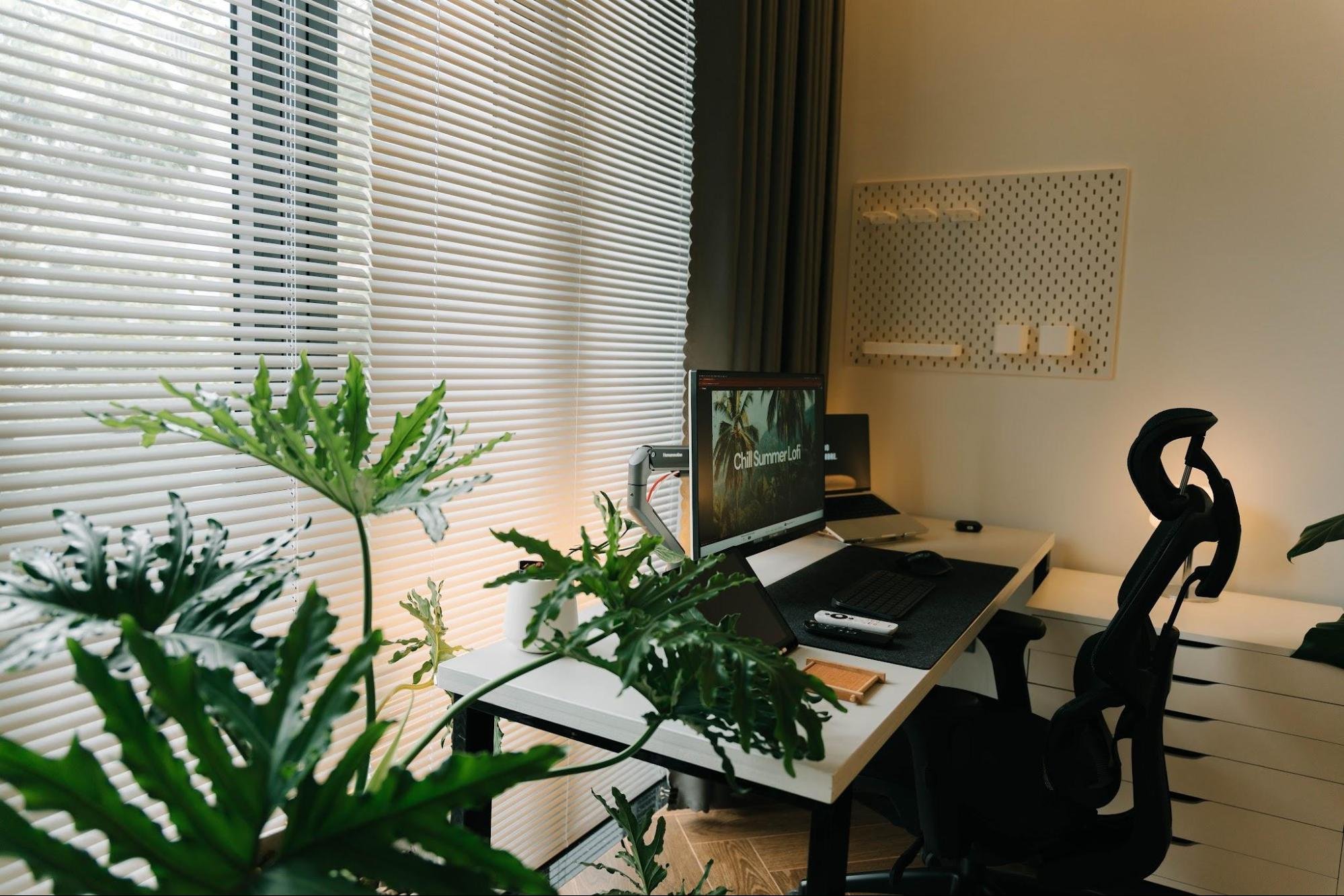
Upgrade your window treatments: Heavy, thermally lined curtains or cellular blinds add an extra layer of insulation against both temperature extremes and street noise.
Incorporate soft furnishings: Hard surfaces bounce sound waves around a room, creating an echo. Adding thick rugs, upholstered furniture, or acoustic wall panels can absorb internal noise and soften the acoustics of your office.
Seal internal drafts: Use high-quality draft stoppers at the base of your office door to prevent household noise (like televisions or kitchen appliances) from bleeding into your workspace.
Assess your structural glazing: Check the seals around your current windows. If you can feel a breeze or hear every passing car with perfect clarity, it may be time to replace deteriorating frames with modern, multi-chambered alternatives.
Rearrange your layout: Move your desk away from shared partition walls or street-facing windows to create physical distance from primary noise sources.
By taking a proactive approach to soundproofing and insulation, you can transform an ordinary spare room into an elite productivity zone. When you control your environment, you protect your focus, lower your daily stress levels, and elevate your overall work-from-home experience.
Stay up to date with our latest ideas!