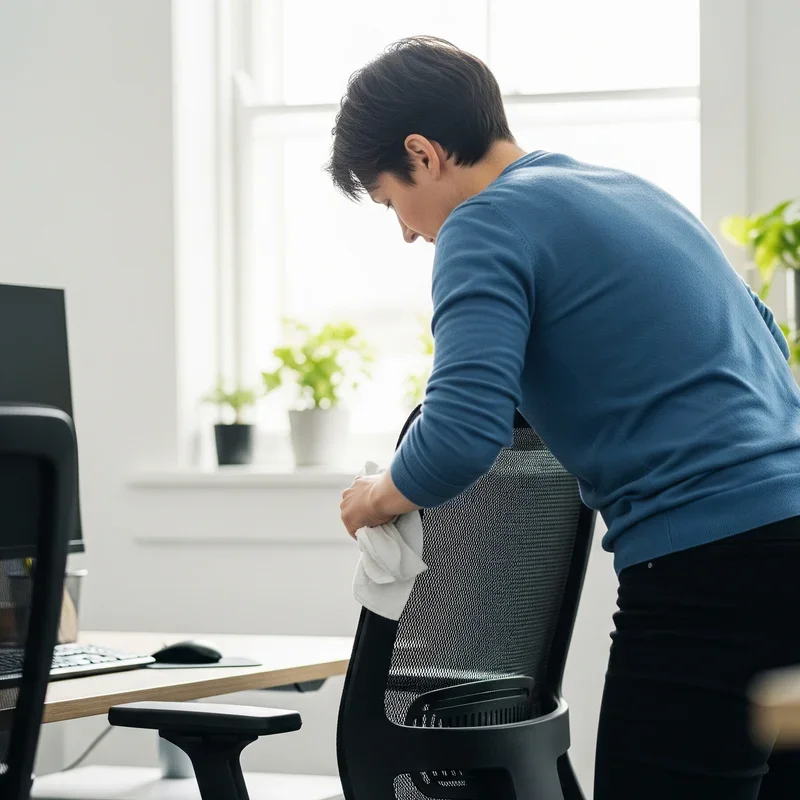
Learn how to remove hair from office chair wheels easily using simple tools and methods. Get your chair rolling smoothly again in minutes.
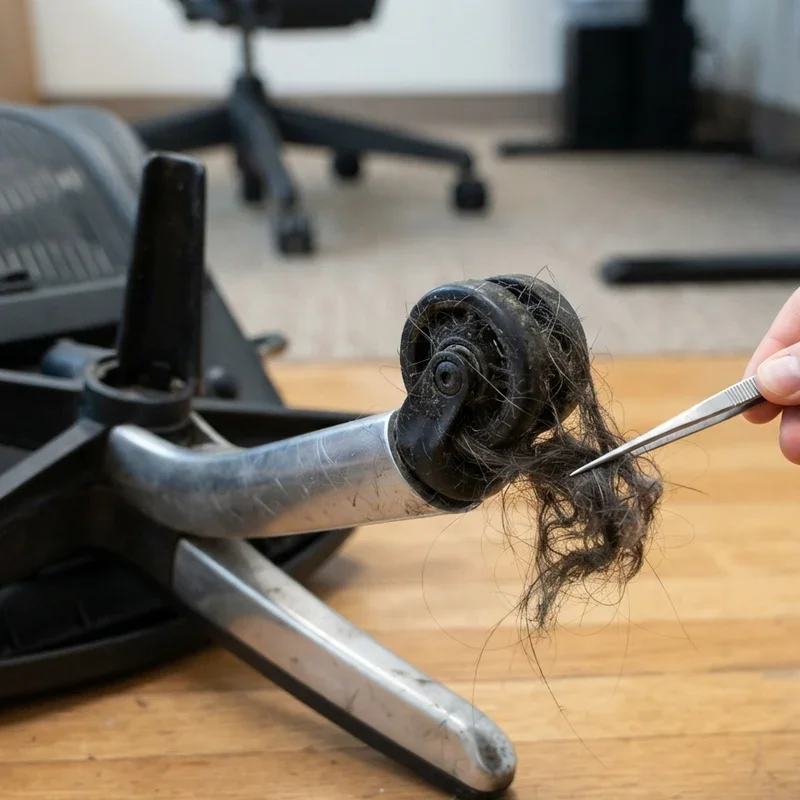
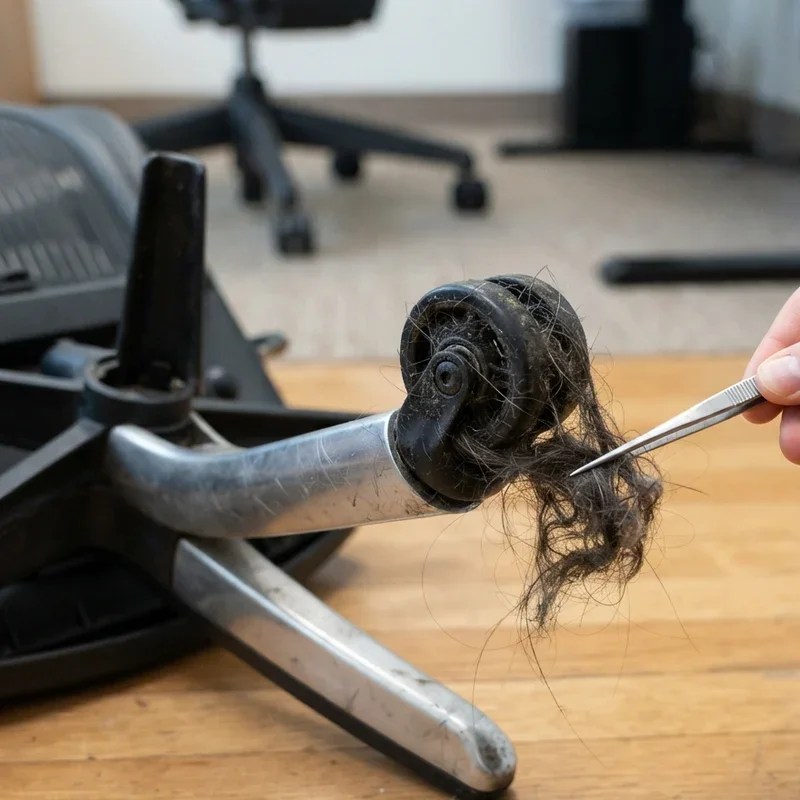
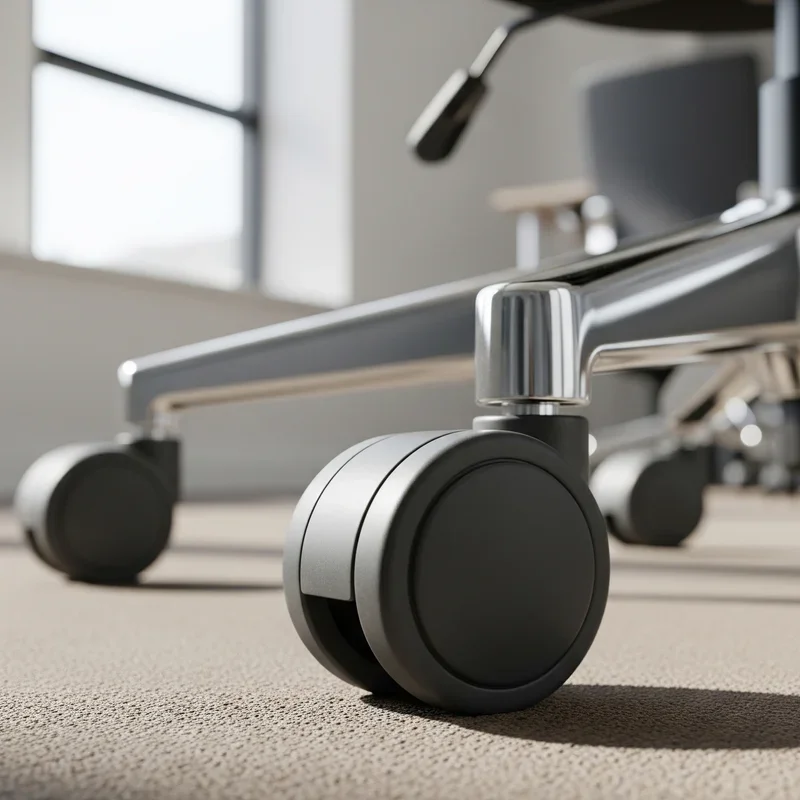
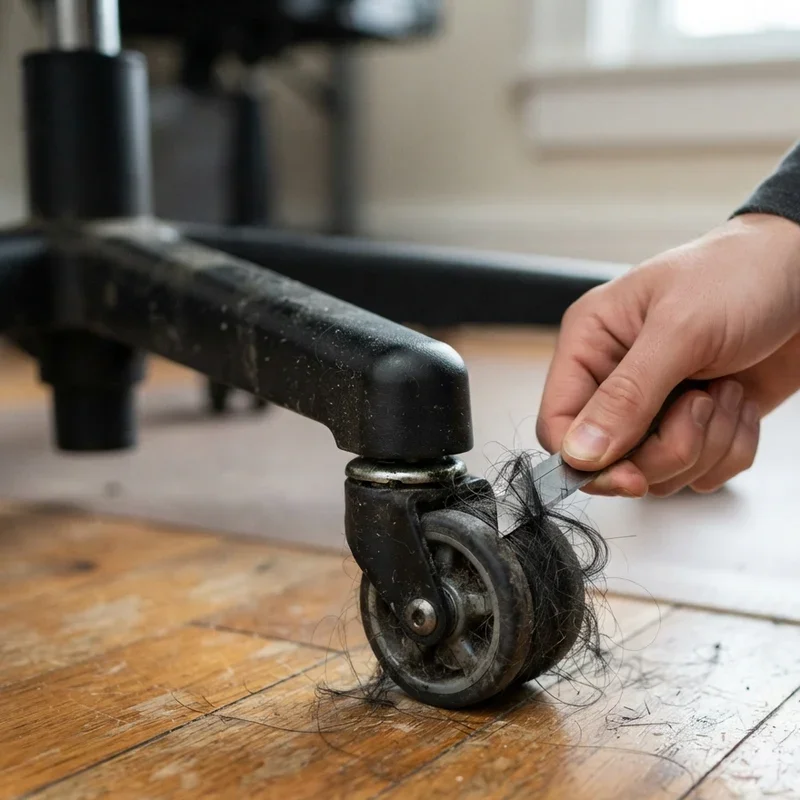
Let's talk about something that doesn't exactly make the highlight reel of office life but drives millions of people absolutely nuts. You're sitting at your desk, trying to scoot your chair over to grab something from the printer, and instead of gliding smoothly across the floor, your chair stutters, resists, and rolls about as gracefully as a shopping cart with a busted wheel. You flip the chair over, and there it is. A thick, tangled nest of hair wound so tightly around the caster wheels that it looks like the chair has been growing its own fur coat.
It happens to everyone, and honestly, it happens faster than you'd think. Between shedding hair, pet fur tracking in on your clothes, carpet fibers, and random threads, those little wheels become magnets for every strand in a ten-foot radius. The result is a chair that refuses to cooperate and floors that end up getting scratched by wheels grinding against debris instead of rolling freely.
The good news? Learning how to remove hair from office chair wheels easily doesn't require any special skills, expensive tools, or a weekend sacrifice. Most methods take five to fifteen minutes, and the difference in how your chair moves afterward is honestly shocking. So if your chair has been giving you grief lately, pull up a seat on the floor, flip that thing over, and let's get those wheels spinning like new.
Why Hair Gets Wrapped Around Chair Wheels in the First Place
The Sneaky Science Behind the Tangle
You might be wondering how a few loose hairs turn into a rock-hard rope of gunk wrapped around an axle. It's actually pretty simple when you think about it. Every time you roll your chair, the wheels pick up whatever's on the floor. Hair, dust, fibers, tiny threads from socks and carpets. All of it gets pulled into the gap between the wheel and the axle housing.
Once a single strand catches on the axle, it acts like a starter thread for everything that follows. Each roll of the wheel winds more material around it, and over time, the layers compress and tighten. Add in a little bit of moisture from humidity or spilled drinks, mix in some dust and skin cells, and you've got a compressed mat that practically welds itself to the axle.
The speed at which this buildup happens depends on a few factors. People with longer hair notice the problem sooner, for obvious reasons. Pet owners who work from home deal with it constantly because pet fur is finer and tangles even faster than human hair. And if your office is carpeted, the fibers shed by the carpet itself contribute to the mess in a big way.
What Happens When You Ignore the Problem
Ignoring hair-clogged wheels isn't just annoying. It can actually cause some real issues over time. When the wheels can't spin freely, they drag across the floor instead of rolling. On hardwood or laminate, that dragging creates scratches and scuff marks that are a pain to buff out. On carpet, the added friction makes the chair harder to move, which means you're putting extra strain on your back and legs every time you reposition.
Clogged wheels also put stress on the caster mechanism itself. The axle bearings have to work harder, which can cause them to wear out prematurely. Replacing a full set of casters isn't outrageously expensive, but it's an unnecessary cost when a little regular maintenance would have kept them functioning perfectly.
And then there's the hygiene factor. That compressed ball of hair and debris is a cozy little home for dust mites, bacteria, and allergens. If you're someone who deals with allergies or asthma, a neglected set of chair wheels could quietly be making things worse without you ever suspecting it.
Tools You Can Use for the Job
Household Items That Work Like a Charm
One of the best things about this particular cleaning task is that you probably already have everything you need sitting around your home or office. There's no need to order specialty gadgets or run to the hardware store.
A pair of scissors is the most commonly used tool for cutting through hair wrapped around caster axles. Small scissors work better than large ones because they give you more control in tight spaces. Nail scissors or embroidery scissors are particularly handy because of their pointed tips.
A seam ripper, the little tool that comes in most sewing kits, is another fantastic option. The hooked blade slips under tightly wound hair and slices through it without much effort. If you've got one tucked in a drawer somewhere, dig it out because it's arguably the perfect tool for this job.
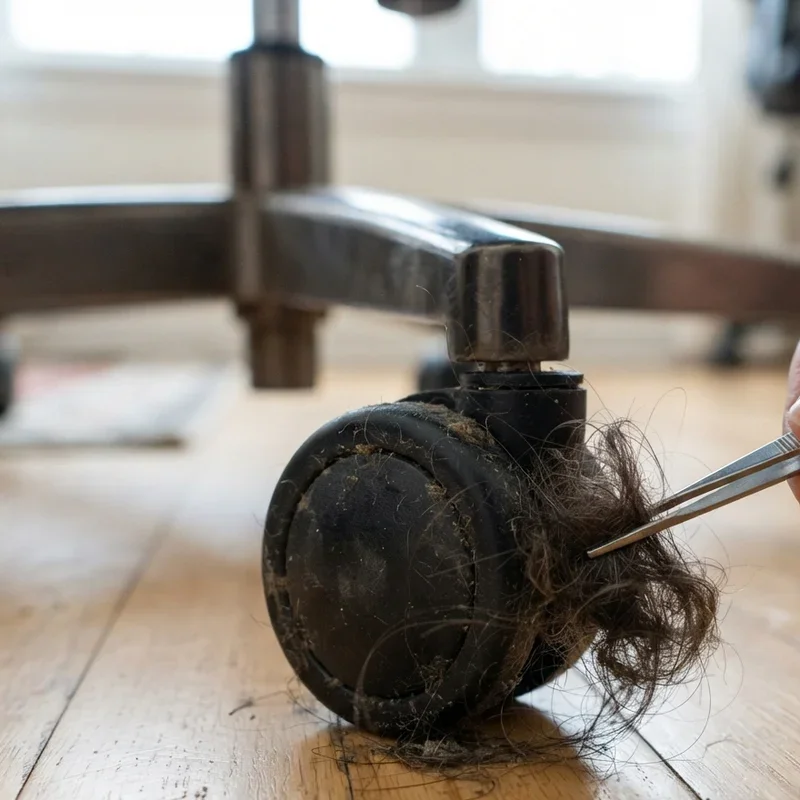
Tweezers help you grab and pull out stubborn strands that resist other methods. Needle-nose tweezers with a good grip make the job much easier, especially for those final clingy pieces that don't want to let go.
A flat-head screwdriver can be used to pry apart compressed clumps of hair and debris. Slide it under the buildup and lever it away from the axle. Just be careful not to scratch the wheel or damage the bearing housing while you're working.
An old toothbrush is perfect for sweeping out loose debris after you've removed the bulk of the tangled hair. The bristles reach into crevices that your fingers can't access, and it does a thorough job of clearing out dust and smaller fibers.
A lint roller, while not strong enough to tackle the heavy-duty tangles, is great for a final pass to pick up any remaining fuzz and loose particles.
When It's Worth Buying a Dedicated Tool
If you clean your chair wheels regularly, or if you're the designated office maintenance person responsible for a whole fleet of desk chairs, investing in a dedicated caster cleaning tool might save you time and effort in the long run.
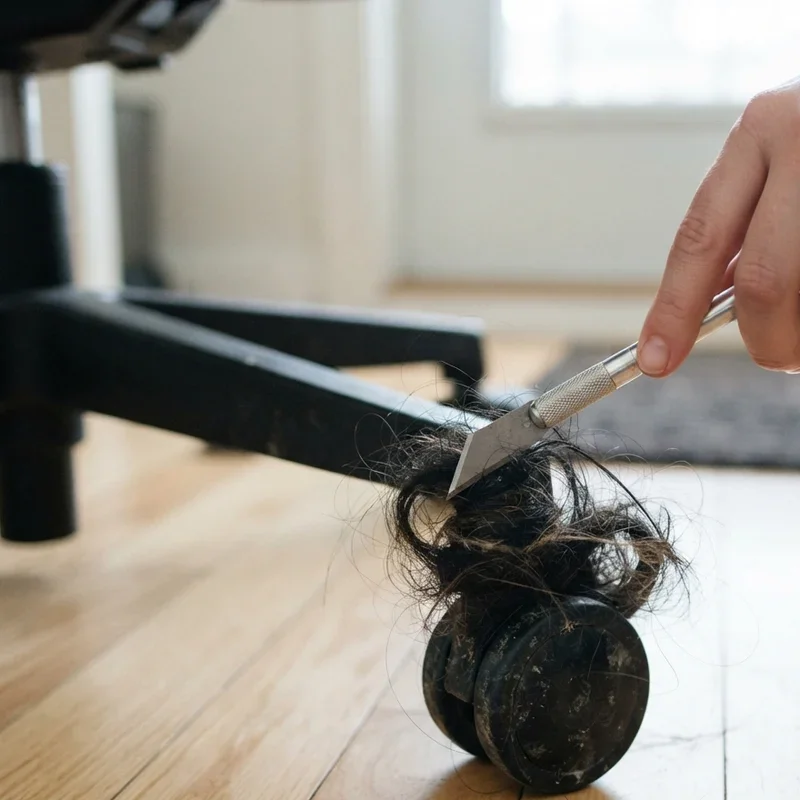
There are small hook-blade tools designed specifically for slicing through hair on casters and vacuum rollers. They're inexpensive, usually under five dollars, and they make quick work of even the most stubborn tangles. Some people also find that a craft knife or utility knife with a retractable blade offers more precision than scissors, though you'll want to be extra careful handling a sharp exposed blade near your fingers.
A compressed air canister is another worthwhile purchase. After removing the hair manually, a quick blast of compressed air clears out dust, particles, and small debris from inside the wheel housing that no brush can reach. It's especially useful if your casters have sealed bearings that you can't easily open up.
How to Remove Hair From Office Chair Wheels Easily Method by Method
Method One: The Scissors and Pull Technique
This is the most straightforward approach, and it's the method most people reach for instinctively. Flip your chair upside down or lay it on its side so you have full access to the wheels. Take your scissors and carefully slide one blade under the hair wrapped around the axle. Cut along the length of the axle, slicing through the hair without digging into the wheel or the axle itself.
Once you've made a cut, use your fingers or tweezers to peel the severed hair away from the axle. It should come off in strips or clumps. Rotate the wheel slowly as you work, making sure you've removed material from the entire circumference of the axle.
For hair that's wound especially tight, you may need to make multiple cuts at different angles before it loosens enough to pull free. Take your time with this. Rushing leads to nicked fingers or scratched casters, and neither one is worth the few minutes you'd save.
After removing the bulk of the hair, use your old toothbrush to scrub the axle and the inside of the wheel housing. You'll be surprised how much additional gunk comes loose with a little brushing. Finish up by spinning the wheel to make sure it rotates freely. If it's still stiff, there might be more debris hidden inside that needs attention.
Method Two: The Seam Ripper Approach
If you've never used a seam ripper before, you're in for a treat. This little tool was made for cutting through tightly packed fibers, which is exactly what you're dealing with on a clogged chair wheel.
Hold the seam ripper so the curved, hooked blade faces the hair wrapped around the axle. Slide the hook under the strands and push forward gently. The small blade inside the hook cuts through the hair like butter. Work your way around the axle, hooking and slicing in sections.
The beauty of this method is that the seam ripper's design naturally protects the axle and wheel from scratches. The rounded hook slides against the surface without gouging, which makes it a safer option than scissors for people who are worried about damaging their casters.
After cutting through all the visible hair, peel everything away with your fingers or tweezers and clean the axle with a brush. Give the wheel a spin to test it, and move on to the next one.
Method Three: Removing the Wheels for a Deep Clean
Sometimes the hair situation is bad enough that surface-level cleaning just won't cut it. When the axle is so packed with compressed debris that you can barely see the metal underneath, pulling the wheels off entirely gives you much better access and a more thorough result.
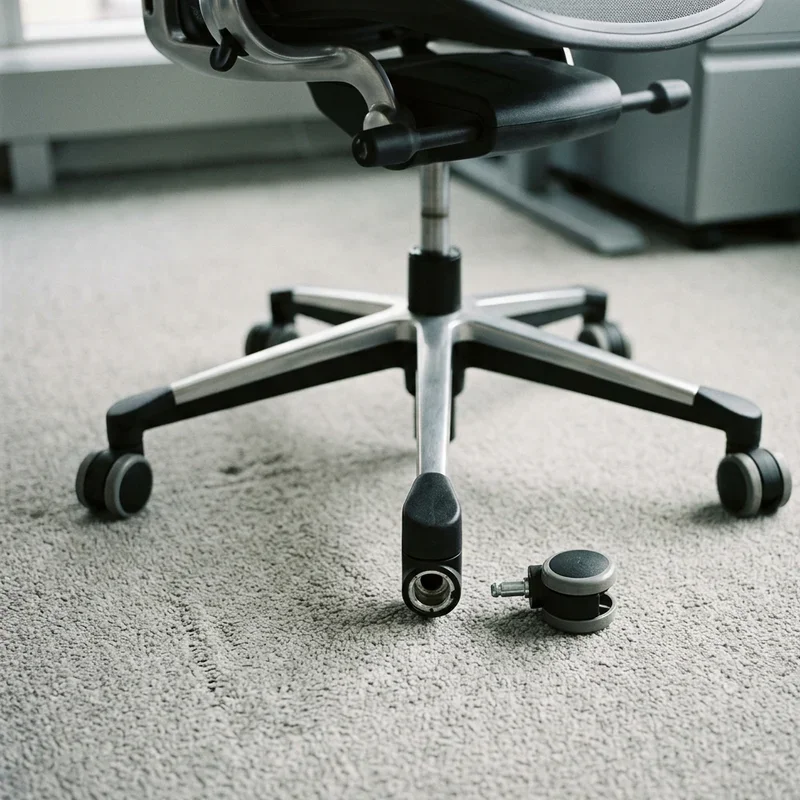
Most office chair casters pop out of the chair base without any tools. Simply grip the wheel firmly and pull straight down while holding the chair base steady. The caster stem slides out of the socket with a good tug. If it's stuck, a flathead screwdriver wedged between the caster housing and the chair base can provide the leverage you need.
With the wheel removed, you can clearly see the full extent of the buildup and work on it from every angle. Use your scissors or seam ripper to cut through the hair, then peel it away. If the wheel itself pops out of the outer housing, remove it to access the axle bearing directly. Clean everything thoroughly, apply a tiny drop of light machine oil or silicone lubricant to the axle if it feels rough, and reassemble.
Popping the wheels back in is usually as simple as pushing them into the socket until you hear a click. Test each one by spinning and rolling to make sure they're seated properly and moving freely.
Method Four: The Flame Technique for Stubborn Residue
Alright, this one comes with a bit of a disclaimer. Using a lighter or small flame to quickly singe stubborn hair residue off a metal axle is a trick that some people swear by, but it requires caution and common sense. It's only appropriate for metal casters, never for plastic wheels, and should be done in a well-ventilated area away from any flammable materials.
The idea is simple. After you've removed as much hair as possible with cutting tools, briefly pass a lighter flame over the axle to burn away the fine strands and fibers that are too small to grab or cut. The residue singes away in seconds, leaving the axle clean.
Wipe the axle down with a damp cloth afterward to remove any soot, and apply lubricant. This method isn't for everyone, and if you're not comfortable using an open flame near your furniture, skip it entirely. The other methods will get your wheels clean without any fire-related risks.
Method Five: Using a Depilatory Cream
This one might sound a little unconventional, but bear with me. Hair removal cream, the kind designed for dissolving body hair, can actually break down the hair wrapped around chair caster axles. It's a hands-off approach that lets chemistry do the heavy lifting.
Apply a generous layer of depilatory cream to the hair-clogged axle and let it sit for the time recommended on the product label, usually around five to ten minutes. The cream's active ingredients break down the keratin structure of the hair, turning it into a soft, jelly-like substance that wipes away easily with a cloth.
After wiping, rinse the axle with a damp cloth to remove any cream residue, then dry it and apply lubricant. This method works best on moderate buildup. Extremely thick, compressed tangles might need a preliminary round of cutting before the cream can penetrate effectively.
One thing to keep in mind is that depilatory creams have a strong chemical smell. Do this in a ventilated space and wear gloves to protect your skin. It's also wise to test the cream on a small, inconspicuous area of the caster first to make sure it doesn't react badly with the plastic or rubber components.
How to Remove Hair From Office Chair Wheels Easily and Keep Them Clean
Preventive Habits That Save You Time
Once you've gone through the effort of cleaning your chair wheels, you'll probably want to keep them that way for as long as possible. A few simple habits can dramatically reduce how often you need to repeat the deep clean.
Vacuuming or sweeping your floor regularly is the single most effective preventive measure. Less hair on the floor means less hair for your wheels to pick up. If you have carpet, a vacuum with a good beater bar picks up more embedded fibers than a standard suction-only vacuum.
Brushing or combing your hair before sitting down at your desk catches loose strands before they fall to the floor. It sounds almost too simple to make a difference, but shedding happens more than most people realize, and catching those strands at the source eliminates a huge percentage of the material that would otherwise end up in your casters.
If you have pets that hang out in your office or workspace, a quick pass with a lint roller over your clothes before you sit down removes pet fur that would transfer to the floor and eventually to your chair wheels. Keeping pets off the area rug or floor mat directly under your desk also helps.
Doing Quick Maintenance Before Things Get Out of Hand
Rather than waiting until your wheels are completely seized up with hair, do a quick check once a month. Flip the chair over, give each wheel a spin, and pull off any visible hair with your fingers or tweezers. This 60-second habit prevents the gradual buildup that eventually turns into a major cleaning project.
Some people keep a small pair of scissors in their desk drawer specifically for this purpose. A quick snip and pull once a month is infinitely easier than hacking through six months of accumulated tangle. Staying on top of it is one of those cases where a tiny amount of regular effort saves you a much bigger headache later.
Upgrading to Hair-Resistant Casters
If you're truly fed up with the constant hair battle, consider swapping your standard casters for roller-blade style wheels. These aftermarket casters have a larger, harder wheel surface with a sealed or shielded bearing that makes it much harder for hair to get inside and wrap around the axle.
They're widely available online, relatively inexpensive, and compatible with most standard office chairs. Beyond being more resistant to hair buildup, they also roll more smoothly on both hard floors and carpet, and they're far less likely to scratch hardwood or laminate surfaces. Many people who make the switch say they'll never go back to standard casters.
When It's Time to Replace Instead of Clean
Recognizing Wheels That Are Beyond Saving
In most cases, learning how to remove hair from office chair wheels easily gives you everything you need to keep your chair rolling smoothly for years. But there are situations where cleaning isn't enough and replacement is the smarter move.
If a caster wheel is cracked, chipped, or has visible flat spots from dragging across the floor, it's not going to roll properly no matter how clean the axle is. If the axle bearing is worn out and the wheel wobbles even after all hair and debris have been removed, that's another sign it's time for new casters.
Replacement casters are inexpensive and easy to install. Most come in sets of five, and switching them out takes less than five minutes. Considering that worn-out casters can scratch floors and make your chair uncomfortable to use, it's a small investment that pays off quickly.
Conclusion
Figuring out how to remove hair from office chair wheels easily is one of those small maintenance tasks that makes a surprisingly big difference in your daily comfort. Whether you reach for scissors, a seam ripper, or even a dab of depilatory cream, the process is quick, simple, and satisfying. Pair your cleaning efforts with regular floor maintenance and the occasional monthly check, and your chair wheels will stay clear and smooth rolling for the long haul. Your back, your floors, and your sanity will all thank you for the effort.
Frequently Asked Questions
1.How often should I clean hair from my office chair wheels?
Checking and cleaning your chair wheels once a month prevents major buildup and keeps them rolling smoothly.
2.Can I use WD-40 to lubricate my chair casters after cleaning them?
WD-40 works short-term, but a silicone-based lubricant provides longer-lasting smoothness without attracting dust particles.
3.Will hair-clogged chair wheels scratch my hardwood floors?
Yes, wheels packed with hair and debris drag instead of rolling, which can scratch hardwood and laminate surfaces.
4.What is the fastest tool for removing hair from chair wheels?
A seam ripper is the fastest tool because its hooked blade slices through tangled hair very efficiently.
5.Are rollerblade-style casters really better at resisting hair buildup?
Yes, their sealed bearings and larger wheel surface significantly reduce hair tangles compared to standard office casters.
Stay up to date with our latest ideas!