How to Keep Your Home Heating System Running Efficiently
Learn how to keep your home heating system running efficiently with practical tips for maintenance, airflow, thermostat settings, insulation, and energy savings.
A heating system is easy to forget about when every room feels comfortable. It usually earns your attention when the house takes longer to warm up, energy costs begin creeping higher, or an unfamiliar sound starts coming from the equipment.
If your home relies on a boiler, paying attention to those small changes can help you avoid bigger problems. You do not need to understand every valve, pump, and control inside the system. Knowing what normal performance looks like—and recognizing when something changes—is often enough to make better maintenance decisions.
Get Familiar With How Your Boiler Normally Performs
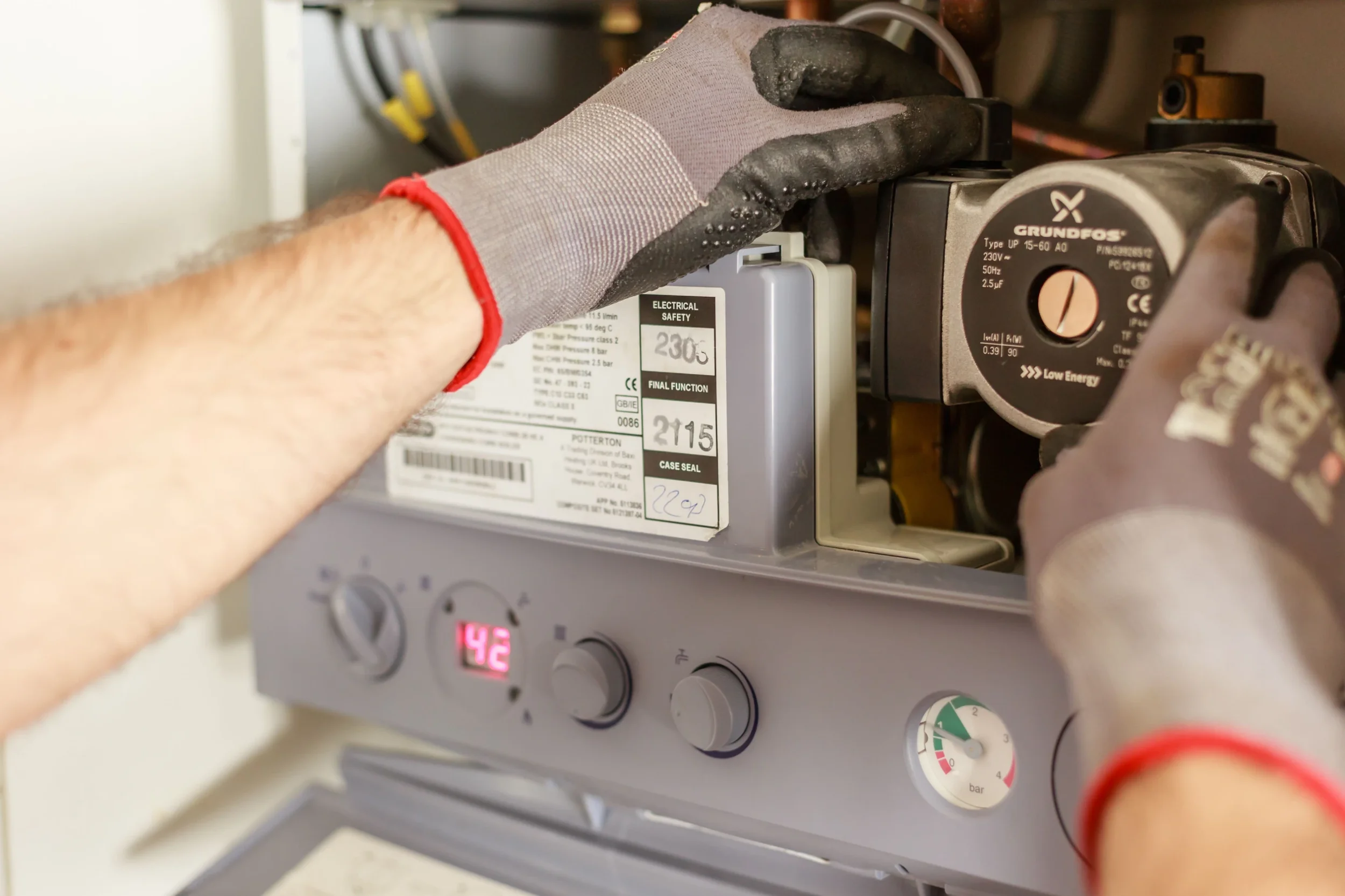
A boiler heats water and distributes that heat through a hydronic system, such as radiators or baseboards. Some systems use steam instead. Pumps, valves, controls, thermostats, and other components all have to work together for the system to provide consistent heat.
You do not need to become an expert on those components, but knowing how your system behaves when it is healthy is useful.
Notice how quickly rooms normally warm up. Listen to the sounds the equipment typically makes. Pay attention to whether temperatures remain reasonably consistent throughout the house.
Changes from that baseline can provide an early indication that something needs attention.
Know Which Jobs Should Be Left to a Professional
There is a useful line between observing your heating system and attempting to repair it.
Homeowners can usually handle simple tasks such as checking thermostat settings, keeping accessible areas around the equipment clear, and watching for visible leaks or unusual changes.
Internal repairs are different.
Boilers may involve electricity, pressurized water, high temperatures, and, depending on the equipment, fuel and combustion. Those systems require appropriate training and tools.
If you notice recurring leaks, pressure problems, frequent shutdowns, unusual combustion behavior, or persistent heating problems, professional boiler repair and maintenance can help identify the underlying cause rather than relying on repeated temporary fixes.
A proper diagnosis can also clarify whether the issue is isolated or part of a broader decline in the system's condition.
Small Changes Can Be Early Warning Signs
Heating problems rarely need to begin with a complete shutdown.
You may hear new banging, whistling, or gurgling sounds. Some radiators may stop heating evenly. The boiler may cycle differently than usual, display an error code, or show signs of leakage or corrosion.
One symptom does not automatically mean the boiler is failing. For example, uneven heating can sometimes result from trapped air or a problem elsewhere in the distribution system.
Recurring or worsening symptoms deserve more attention.
The sooner you investigate a change, the better chance you have of addressing a manageable maintenance issue before it puts additional strain on other components.
Routine Maintenance Can Protect Efficiency
A boiler may continue producing heat even when it is not operating as efficiently as it could.
That is one reason regular servicing matters.
A professional inspection can evaluate controls, combustion where applicable, system pressure, pumps, valves, venting, and other important components. Maintenance also provides an opportunity to identify wear or small leaks before they develop into more disruptive problems.
The U.S. Department of Energy notes that regular maintenance can help heating systems operate efficiently, making preventive care relevant to both reliability and operating costs.
Maintenance cannot guarantee that a component will never fail, but it can make unexpected problems less likely to remain unnoticed.
Don't Assume Every Comfort Problem Starts at the Boiler
A room that feels colder than the rest of the house does not necessarily mean the boiler needs repair.
The problem could involve the distribution system, thermostat, insulation, air leakage, or another part of the home.
Radiators or baseboards blocked by furniture may also make it more difficult for heat to reach the room effectively.
Before assuming the most expensive component is responsible, consider how the entire heating system works together.
This is also where home efficiency improvements can help. Reducing air leaks around a home can limit unnecessary heat loss and make it easier for the heating system to maintain comfortable indoor temperatures.
A boiler should not have to compensate constantly for heat escaping elsewhere.
Watch Your Energy Use for Unexpected Changes
Energy bills naturally fluctuate, particularly when heating demand changes. What deserves attention is an unexplained pattern.
If the boiler seems to run longer than it used to while comfort has not improved, investigate why.
The cause may be maintenance-related, but it could also involve thermostat settings, heat loss from the building, or changes elsewhere in the system.
Rather than treating one unusually high bill as proof of equipment failure, compare usage over time. Patterns provide much better information than a single month.
If higher consumption appears alongside new noises, uneven heating, or recurring repairs, the combined evidence becomes more meaningful.
Know When Repairs Are Starting to Add Up
One repair does not make a boiler unreliable.
Repeated repairs can change the equation.
If you find yourself calling for service more frequently, look at the bigger picture. Consider the equipment's age, recent repair costs, availability of replacement parts, overall heating performance, and whether energy use has changed.
A relatively straightforward repair may still make sense for equipment that otherwise performs well. Continually investing in an aging system with multiple recurring problems may be harder to justify.
Planning ahead is particularly valuable because it gives you time to compare options rather than making a major heating decision during an unexpected breakdown.
Keep Safety Part of the Conversation
Efficiency and comfort matter, but safe operation comes first.
Fuel-burning heating equipment can create carbon monoxide if combustion or venting problems occur. Carbon monoxide cannot be seen or smelled, which makes working alarms an essential layer of protection.
It is worth understanding how carbon monoxide can build up in a home and how to reduce the risk.
Never ignore persistent unusual odors, visible combustion problems, repeated safety shutdowns, or a carbon monoxide alarm.
Those situations deserve prompt professional attention rather than DIY troubleshooting.
Give Your Heating System Attention Before It Demands It
Keeping a boiler reliable does not require constantly worrying about the equipment.
It means understanding how the system normally behaves, arranging appropriate maintenance, and responding when performance noticeably changes.
New noises, recurring leaks, inconsistent heating, unusual energy use, or repeated service calls can all provide useful clues. The important thing is to look at them together instead of waiting for a complete failure.
A heating system that receives timely attention is easier to plan around, easier to budget for, and far less likely to become the center of your day when you would rather simply enjoy a warm home.
Stay up to date with our latest ideas!