How Professional Asphalt Paving Extends Pavement Life
Learn how professional asphalt paving and repair services create durable driveways, parking lots, and municipal pathways through proper installation and maintenance.
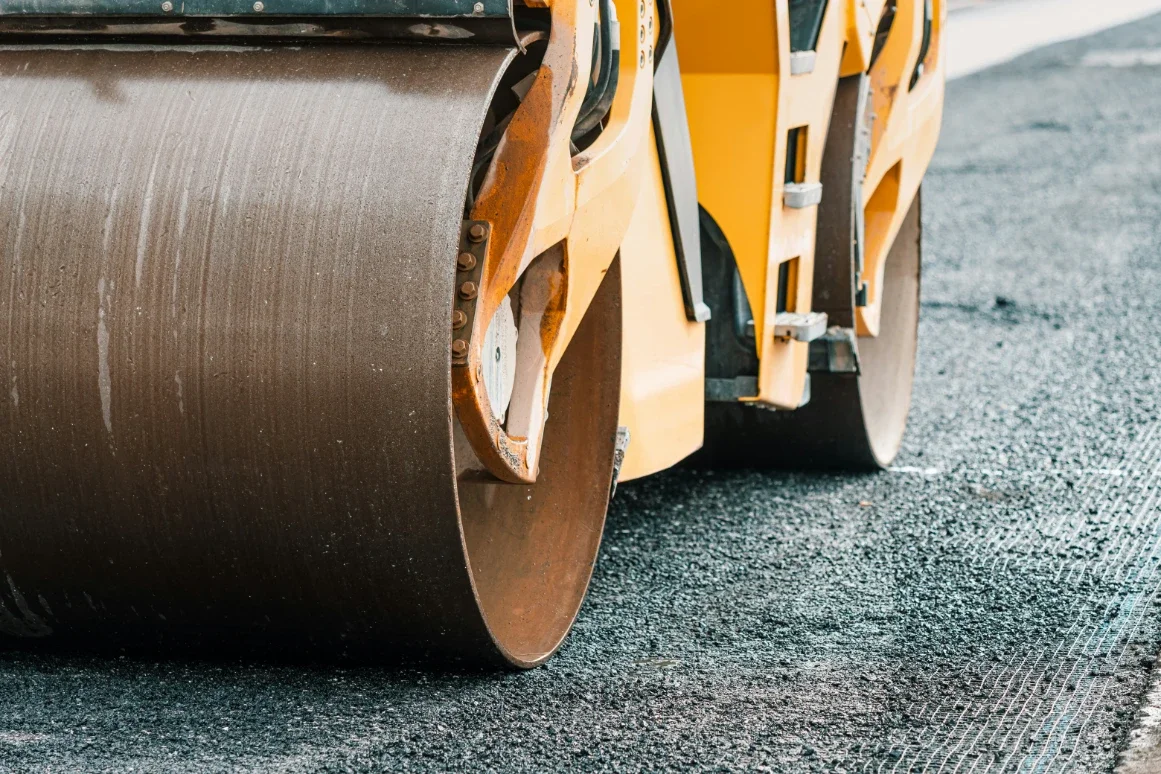
Well-built pavement provides a smooth, reliable surface for vehicles and pedestrians while improving a property's appearance and accessibility. Choosing an experienced Michigan Asphalt Paving Company can help property owners understand the right approach to installation, repairs, resurfacing, and preventative maintenance. Companies such as Sommerset Paving provide commercial, residential, and municipal asphalt solutions, helping clients create durable driveways, parking lots, and public pathways through careful preparation and quality workmanship.
Why Proper Asphalt Installation Matters
Asphalt is widely used for driveways, parking areas, access roads, and municipal pathways because it provides a flexible, relatively smooth surface suited to regular traffic. However, pavement performance depends on more than the material itself. Ground conditions, drainage, pavement thickness, and construction methods all influence how well the finished surface holds up over time.
Before installation begins, contractors should evaluate the site, assess the existing soil or base, and determine the expected traffic load. A residential driveway used by a few vehicles has different requirements from a commercial parking lot that accommodates frequent traffic and heavier vehicles.
Proper preparation creates a stable foundation for the asphalt layer. When the base is weak or uneven, the surface may develop depressions, cracks, or premature deterioration. Investing in careful site preparation can therefore reduce future repair needs and help the pavement deliver dependable performance.
Residential Asphalt Driveways
A driveway should provide safe access to the home while complementing the property's overall appearance. Asphalt is a practical option for many homeowners because it creates a clean, uniform surface and can be maintained through periodic inspections and repairs.
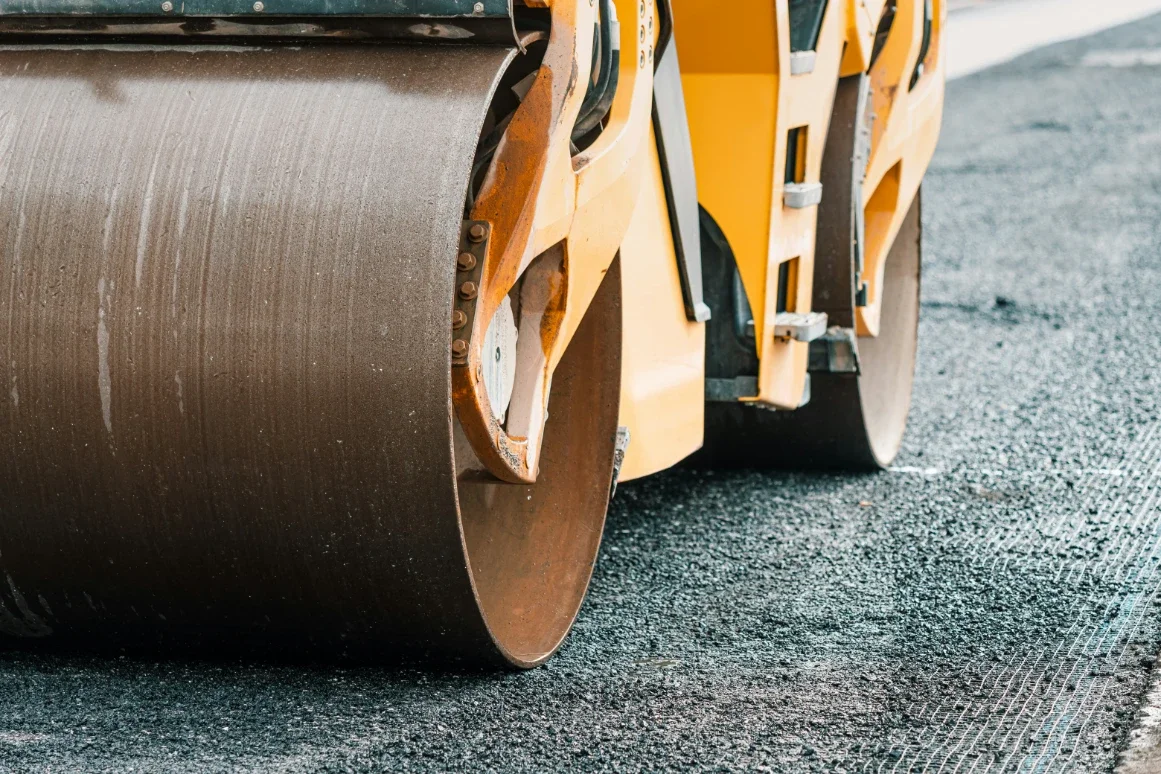
The installation process typically includes site preparation, grading, base construction, and asphalt placement. Contractors must account for slopes and water runoff to prevent water from collecting near the garage, foundation, or driveway edges. Proper compaction is also essential for creating a stable surface.
Existing driveways may require repairs when cracks, potholes, or uneven areas begin to appear. Small problems should be assessed early because water can enter damaged pavement and weaken the underlying layers. Depending on the severity, a contractor may recommend localized patching, crack treatment, or a more extensive repair.
Homeowners should also follow recommended curing and usage guidance after installation. Allowing the pavement to stabilize before exposing it to heavy loads can help protect the new surface during its early service life.
Commercial Parking Lots and Access Areas
Commercial asphalt surfaces must withstand repeated traffic while providing convenient access for customers, employees, deliveries, and service vehicles. A poorly maintained parking lot can create trip hazards, drainage problems, and an unprofessional first impression.
Professional paving contractors consider traffic volume, vehicle types, parking layouts, and pedestrian movement when planning commercial projects. The surface should provide suitable slopes for drainage while maintaining a consistent driving and walking experience.
Parking lot maintenance can include crack sealing, pothole repairs, resurfacing, and pavement marking coordination. Addressing defects before they spread can help limit disruption and reduce the likelihood of more extensive reconstruction.
For businesses, planning maintenance around operating hours is also important. Contractors can discuss work schedules, access restrictions, and phased construction where appropriate. These measures help property managers maintain access while necessary pavement improvements are completed.
Asphalt Repairs and Resurfacing
Not every damaged pavement needs to be completely replaced. The appropriate solution depends on the condition of both the visible surface and the layers beneath it.
Crack repairs can help limit water infiltration when the surrounding pavement remains structurally sound. Patching is often used for localized damage, including potholes and isolated areas of deterioration. If the existing pavement has widespread surface wear but retains a suitable foundation, resurfacing may offer a practical alternative to full reconstruction.
Resurfacing generally involves preparing the existing pavement and applying a new asphalt layer. The contractor must first evaluate whether the underlying structure can support the additional material. Covering a failing base without addressing the cause of the damage may lead to recurring problems.
A professional assessment helps determine which approach offers the best balance of durability, cost, and expected service life.
Sealcoating and Preventative Maintenance
Sealcoating applies a protective coating to suitable asphalt surfaces. It can help limit exposure to weathering and certain surface contaminants while improving the pavement's uniform appearance. However, it is not a substitute for repairing structural damage or correcting drainage problems.
Before sealcoating, the pavement should be inspected and prepared. Cracks and potholes need appropriate treatment, and the surface must be suitable for the coating to adhere properly. Application timing and drying conditions also affect the finished result.
Maintenance schedules should reflect pavement age, traffic levels, weather exposure, and visible wear. Regular inspections allow owners to identify developing cracks, standing water, fading markings, and other concerns before they become more serious.
Preventative maintenance is most effective when it forms part of a broader pavement management plan rather than being treated as an occasional cosmetic improvement.
Municipal Pathways and Public Infrastructure
Municipal pavement serves residents, pedestrians, public services, and local transportation networks. Pathways and access routes must be designed with usability, drainage, and long-term maintenance in mind.
Public projects may involve additional planning requirements, accessibility considerations, traffic management, and coordination with other infrastructure work. Contractors must follow the relevant project specifications and applicable local requirements.
Durable construction begins with a suitable base, appropriate materials, and careful compaction. Drainage also matters because standing water and repeated freeze-thaw cycles can accelerate pavement deterioration in colder climates.
Regular inspections and timely repairs help municipalities prioritize maintenance budgets and keep public routes in usable condition. By addressing localized defects before they spread, communities may avoid some of the higher costs associated with extensive pavement reconstruction.
Building Pavement That Lasts
Long-lasting asphalt depends on sound construction, effective drainage, suitable materials, and consistent maintenance. Whether the project involves a residential driveway, commercial parking lot, or municipal pathway, property owners should look beyond the initial installation price and consider the expected durability and future maintenance needs.
Working with an experienced paving contractor helps ensure that site conditions are evaluated, the appropriate service is selected, and repairs address the underlying cause of damage. With careful planning and regular upkeep, asphalt surfaces can remain safer, smoother, and more attractive for years.
Stay up to date with our latest ideas!