Learn how Springdale offices can prevent pest problems in break rooms, storage areas, and shared entryways through better sanitation, maintenance, and inspections.

Office environments can create ideal conditions for pests when food, moisture, clutter, and frequent foot traffic go unmanaged. Although break rooms and shared kitchens are common trouble spots, pests can also enter through delivery areas, supply closets, and employee entrances. Small maintenance issues may seem harmless at first, but they can gradually lead to recurring pest activity that affects workplace cleanliness, employee comfort, and daily operations.
Preventing these problems requires consistent cleaning, proper storage, and cooperation among employees, cleaning teams, and facility managers. By identifying common sources of pest activity and addressing them early, Springdale offices can maintain cleaner, more comfortable spaces for everyone.
Keep Break Rooms and Shared Kitchens Clean
Break rooms often attract pests because employees regularly prepare meals, store snacks, and eat throughout the workday. Crumbs beneath tables, food residue on countertops, and spills around coffee machines can provide easy access to food for ants and cockroaches. Even a small amount of leftover food can become a recurring attraction when cleaning routines overlook hidden corners and hard-to-reach areas.
Office managers can reduce these risks by establishing clear kitchen-cleaning expectations. Employees should wipe down counters after preparing food, clean spills immediately, and avoid leaving dirty dishes in sinks overnight. Trash bins should have secure lids and be emptied regularly, particularly when they contain food waste.
Refrigerators also need routine attention. Unwanted leftovers, leaking containers, and forgotten food can create unpleasant odors and sanitation concerns. A weekly refrigerator-cleaning schedule helps prevent these issues while encouraging employees to take responsibility for shared facilities. Keeping kitchen floors, cabinet surfaces, and the areas behind appliances clean can further reduce the conditions that allow pests to thrive.
Improve Employee Food Storage and Supply Closet Organization
Food storage practices can make a significant difference in an office's pest prevention efforts. Employees who keep snacks, cereal, or other food products in desk drawers and shared cabinets may unintentionally attract ants and rodents when packages are left open. Paper bags and loosely folded packaging offer little protection against determined pests.
Encouraging employees to store food in airtight containers helps limit access to potential food sources. Shared cabinets should be inspected regularly for spilled ingredients, expired products, and damaged packaging. Food should also be kept separate from cleaning chemicals and other maintenance supplies.
Supply closets present a different challenge. Stacked boxes, unused office equipment, paper products, and miscellaneous clutter can create sheltered spaces where rodents and insects may hide. When items are packed tightly against walls, staff may struggle to notice droppings, damaged packaging, or other early warning signs.
Organizing shelves, keeping stored materials elevated where practical, and leaving enough space for routine cleaning and inspection can make these areas easier to manage. Facility teams should periodically review stored supplies and remove unnecessary items rather than allowing clutter to accumulate. These straightforward habits help make office storage areas less attractive to pests and easier to monitor.
Manage Cardboard, Deliveries, and Receiving Areas
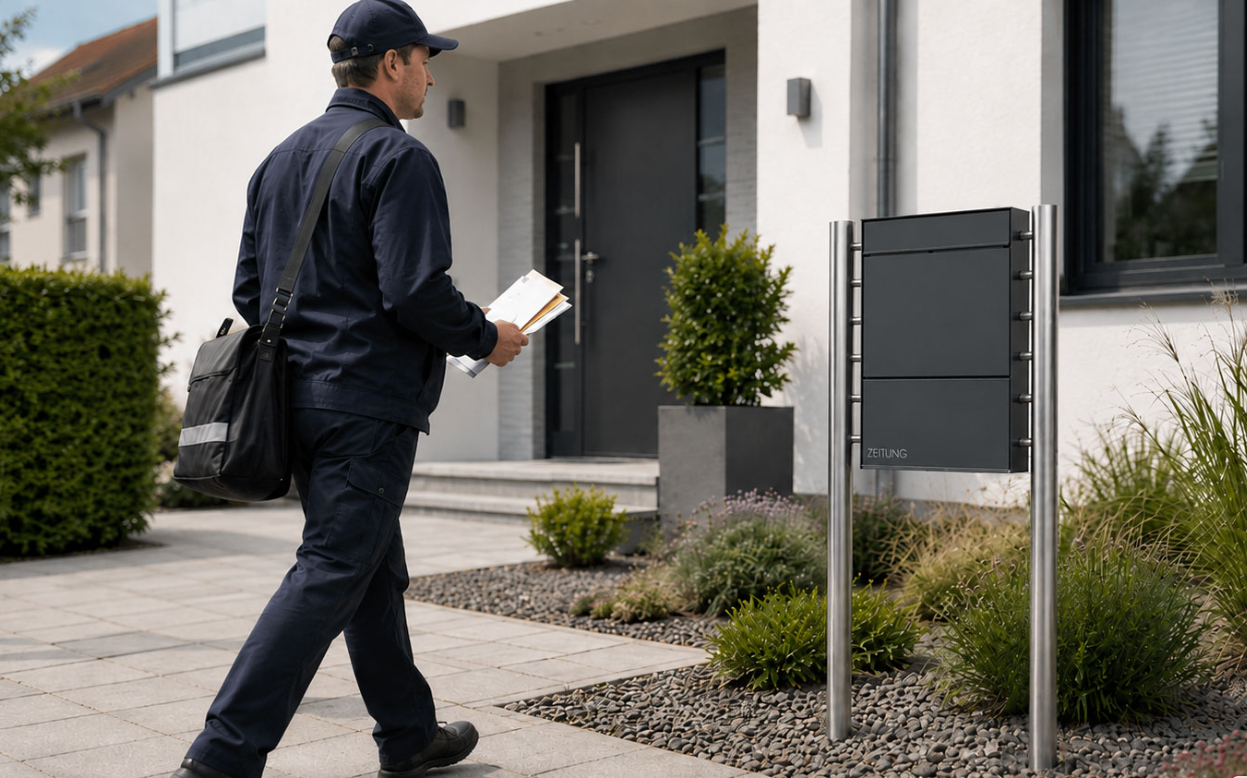
Delivery zones can introduce pest risks that are easy to overlook in busy workplaces. Packages, shipping containers, and cardboard boxes may arrive with insects or provide temporary hiding places for pests. When deliveries accumulate near entrances or remain unopened for extended periods, staff have fewer opportunities to identify potential problems before they spread into the building.
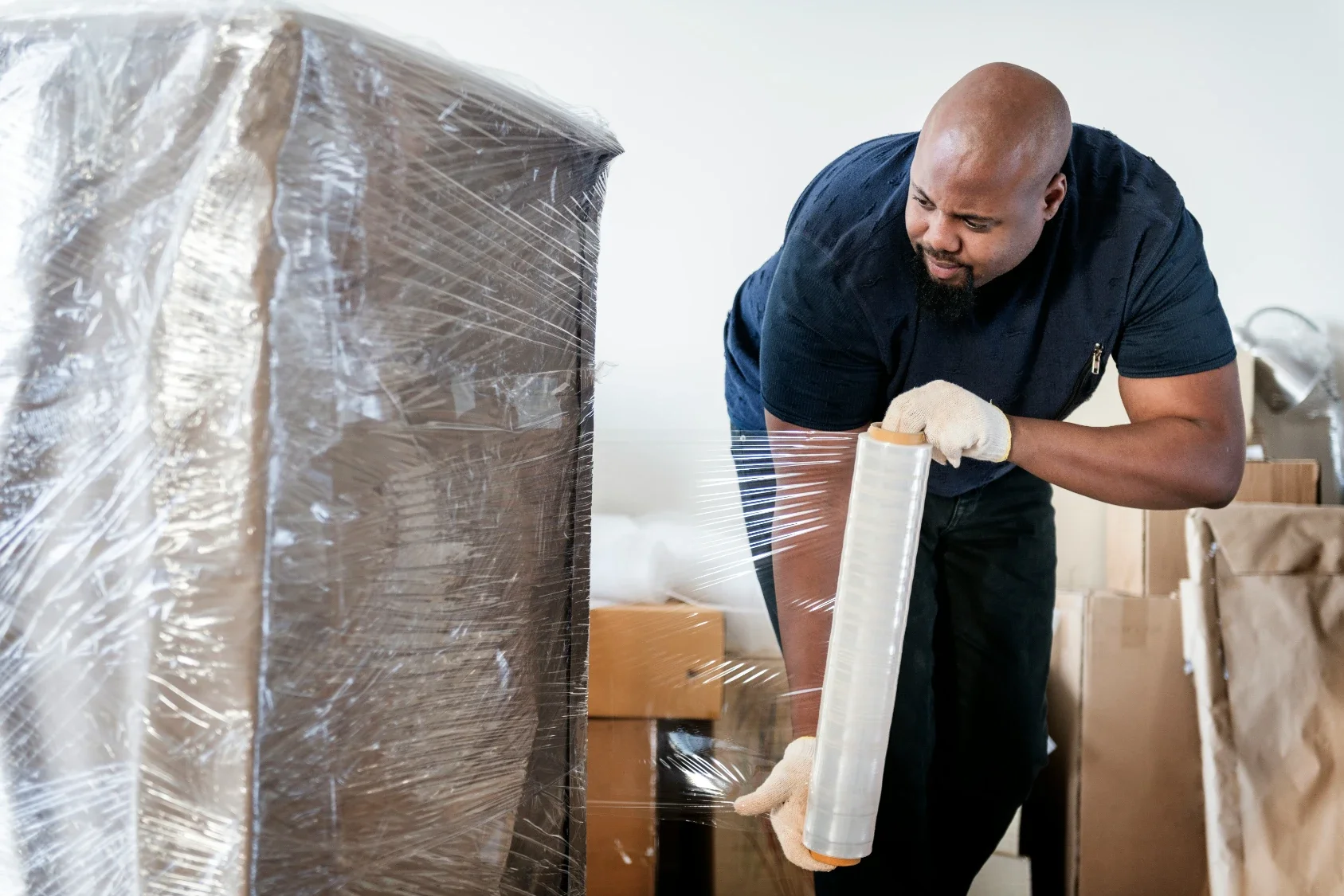
Cardboard is particularly troublesome because it can collect moisture, create sheltered spaces, and contribute to clutter. Offices that retain empty shipping boxes for future use may unintentionally provide additional hiding places for cockroaches and other insects.
A practical receiving-area routine should include several steps:
Inspect incoming packages for visible pest activity, damaged materials, and signs of moisture before moving them into storage.
Break down empty cardboard boxes promptly and remove them from occupied areas rather than allowing them to pile up.
Keep delivery zones organized, clean, and free of unnecessary packaging materials.
Check the floors, corners, shelving, and waste containers around receiving areas during regular facility inspections.
Report unusual insect activity, rodent droppings, or damaged packages to the appropriate maintenance contact.
These procedures do not require major operational changes. Instead, they make pest prevention part of the normal delivery process and help employees recognize problems before they become widespread.
When pest activity repeatedly appears around receiving areas despite improved cleaning and storage practices, businesses may need a more coordinated response. Professional Springdale pest control services can help identify potential entry points, investigate recurring pest activity, and recommend measures suited to the building's layout and daily operations. Addressing the underlying causes can help prevent the same problems from returning.
Reduce Entry Risks Around Shared Doors and Walkways
Shared entrances are another important consideration, particularly in offices with frequent deliveries, visitors, and employees entering and leaving throughout the day. Doors that remain open for extended periods can provide opportunities for ants, flies, and other insects to enter. Rodents may also exploit gaps beneath doors, damaged weatherstripping, and openings around utility lines.
Facility managers should inspect exterior doors and accessible entry points for visible gaps or damage. Door sweeps and weatherstripping should be maintained, while damaged screens and poorly sealed openings should be repaired. Employees can help by avoiding unnecessary propping open of exterior doors and reporting doors that fail to close properly.
Outdoor conditions also matter. Standing water near entrances, overflowing waste containers, and vegetation growing directly against exterior walls can contribute to pest pressure around the building. Keeping entryways tidy, correcting drainage problems, and positioning waste containers appropriately can help reduce these risks.
Regular inspections should extend to less obvious areas, including loading entrances, utility rooms, and corridors connecting different parts of the workplace. If ants, cockroaches, or rodents repeatedly appear near the same doorway, facility managers should investigate possible access points rather than treating each sighting as an isolated incident. Combining routine maintenance with professional pest control support when needed can help offices address recurring problems more effectively.
Establish a Workplace Reporting and Prevention Routine
Even a well-maintained office may occasionally experience pest activity. The key is to recognize warning signs early and respond consistently. An employee who notices ants near a coffee station or droppings beside a storage cabinet should report the issue promptly rather than assuming someone else will handle it.
A simple reporting process can help management document where pests appear, when they are observed, and whether similar incidents have occurred before. Recording this information makes it easier to identify patterns, such as repeated activity around a particular doorway, break room, or delivery area.
Office managers can support prevention by assigning responsibility for routine inspections and setting clear expectations for cleaning, waste removal, and maintenance. Employees should know whom to contact, while cleaning and facilities teams should understand which conditions require immediate attention. Pest sightings should also be investigated rather than addressed only through surface cleaning.
Build Consistent Habits for a Cleaner Office
Reducing pest risks is an ongoing responsibility rather than a one-time cleaning project. Break rooms need dependable sanitation routines, employee food should be stored securely, cardboard should be removed promptly, and delivery zones should remain organized. Shared entrances and storage areas also require attention because small maintenance problems can create opportunities for pests to enter and settle inside.
The most effective workplace programs combine practical daily habits with regular inspections and prompt reporting. When employees, cleaning personnel, and facility managers work together, they can address potential pest problems before they interfere with normal operations. By maintaining these standards and seeking professional support when recurring activity requires it, Springdale offices can create cleaner, more comfortable environments for employees and visitors alike.
Stay up to date with our latest ideas!