Deck Waterproofing: Protect Your Outdoor Investment
Protect your outdoor investment with deck waterproofing tips that help prevent moisture damage, extend lifespan, and keep your deck looking its best.
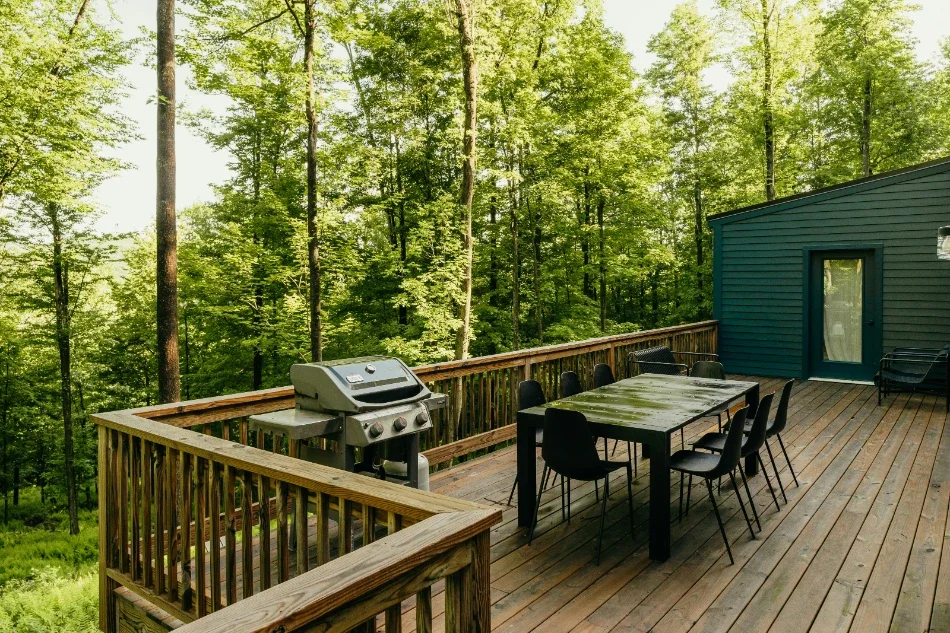
Why Deck Waterproofing Is Essential
Professional deck waterproofing protects structural components, prevents rot, and extends the life of outdoor living spaces. Water intrusion is the leading cause of deck failure - seeping into joists, posts, and ledger connections - so a targeted waterproofing system is a cost‑effective way to avoid expensive repairs and preserve property value.
Common Causes of Deck Water Damage
Poor flashing at the ledger, inadequate slope for drainage, and gaps in surface coatings allow moisture to accumulate. Seasonal freeze‑thaw cycles and prolonged exposure to sun and rain accelerate material breakdown. Identifying the root cause early - before visible rot or mold appears - lets contractors apply the right remediation and waterproofing strategy.
Waterproofing Systems and Materials
A modern deck waterproofing system combines surface membranes, liquid coatings, and proper flashing details to create a continuous barrier. Materials range from elastomeric membranes and polyurethane coatings to peel‑and‑stick flashing tapes and composite underlayments. Choosing the correct system depends on deck substrate, traffic patterns, and whether the deck will be finished with tile, pavers, or exposed decking.
Installation Process and Best Practices
Effective installation begins with a thorough inspection and repair of any damaged framing or sheathing. Installers then apply flashing at all transitions, seal fastener penetrations, and lay the membrane or coating per manufacturer specifications. Proper curing time, surface preparation, and attention to drainage details are critical to long‑term performance.
Key Components of a Reliable Waterproofing System
Continuous flashing at ledger and wall intersections
High‑performance membrane or liquid coating
Protected fasteners and sealed penetrations
Adequate slope and drainage channels
Durable wear surface compatible with the membrane
Maintenance, Inspection, and Longevity
Regular inspections catch small issues before they escalate: look for blistering, seam separation, or pooling water after storms. Routine cleaning and prompt repair of surface damage preserve the waterproofing layer. With proper installation and maintenance, many systems provide a decade or more of reliable protection.
Environmental Considerations
Waterproofing systems today often incorporate eco‑friendly materials that reduce environmental impact. Low‑VOC coatings, recyclable membranes, and sustainable flashing products allow homeowners to protect their decks while aligning with green building practices. This approach not only benefits the environment but can also qualify for local sustainability incentives.
Enhancing Outdoor Living Spaces
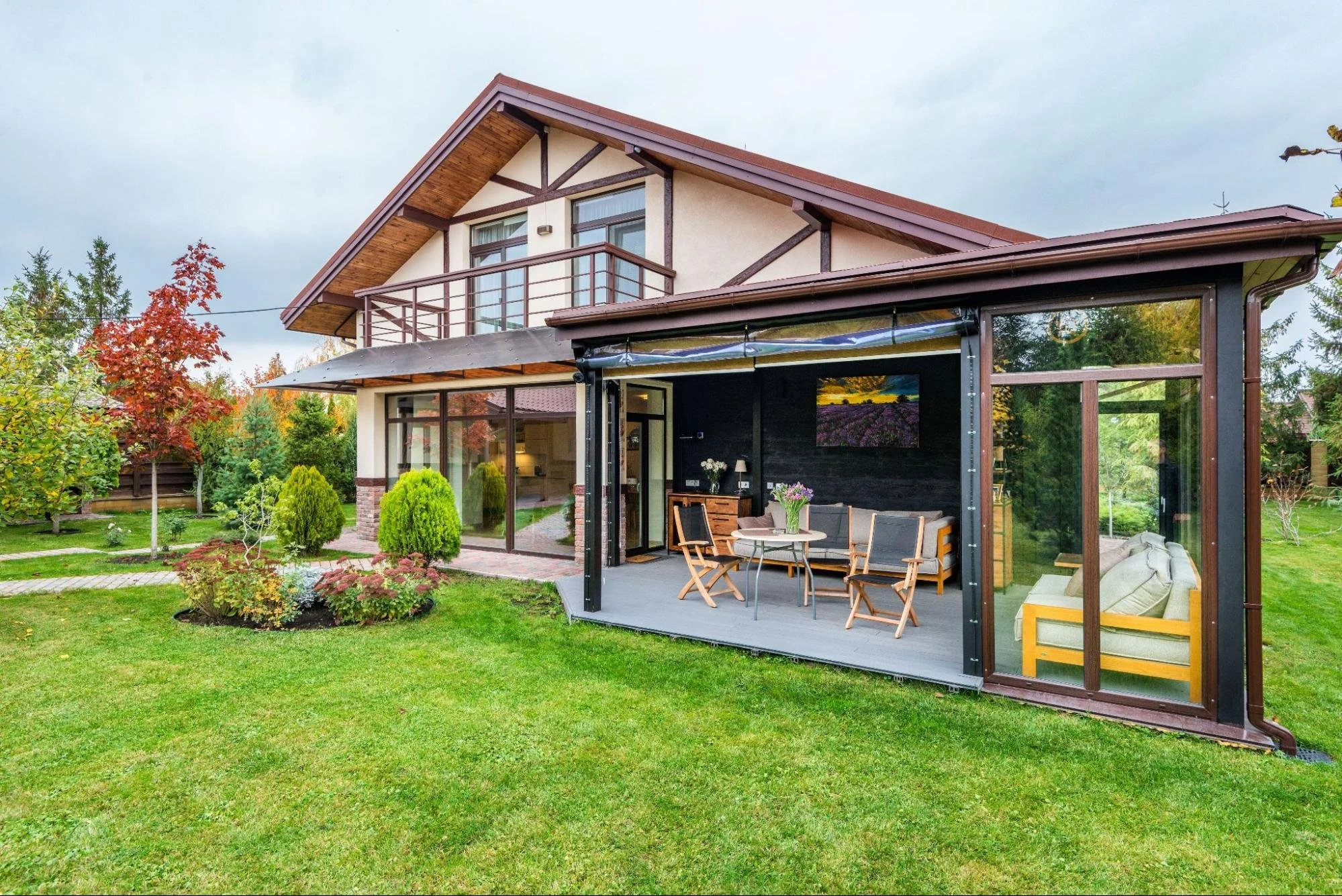
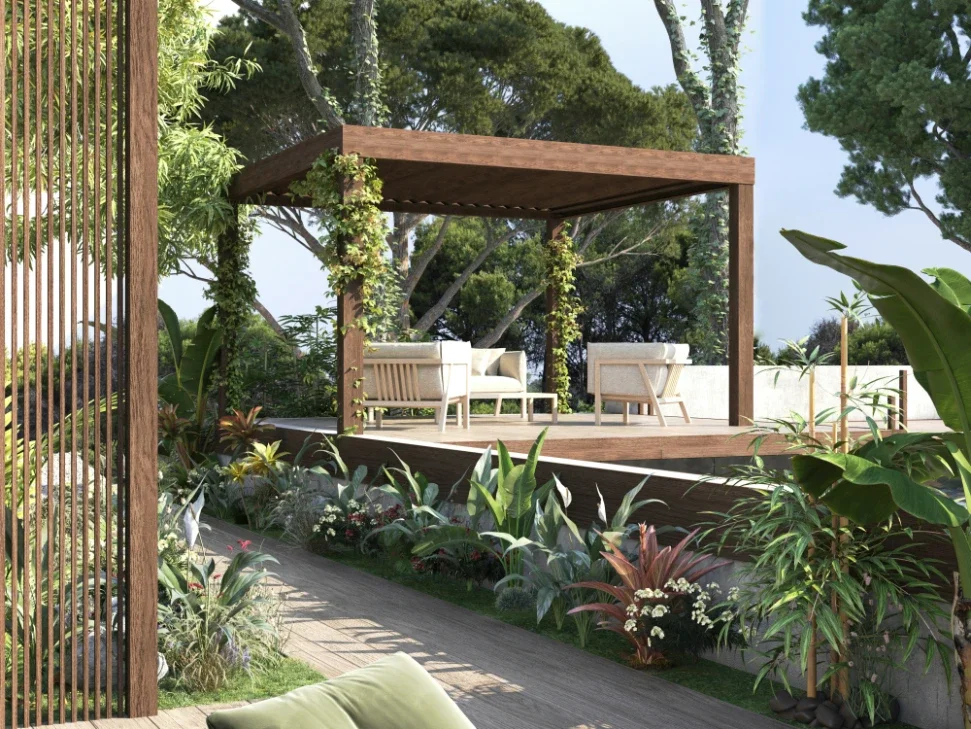
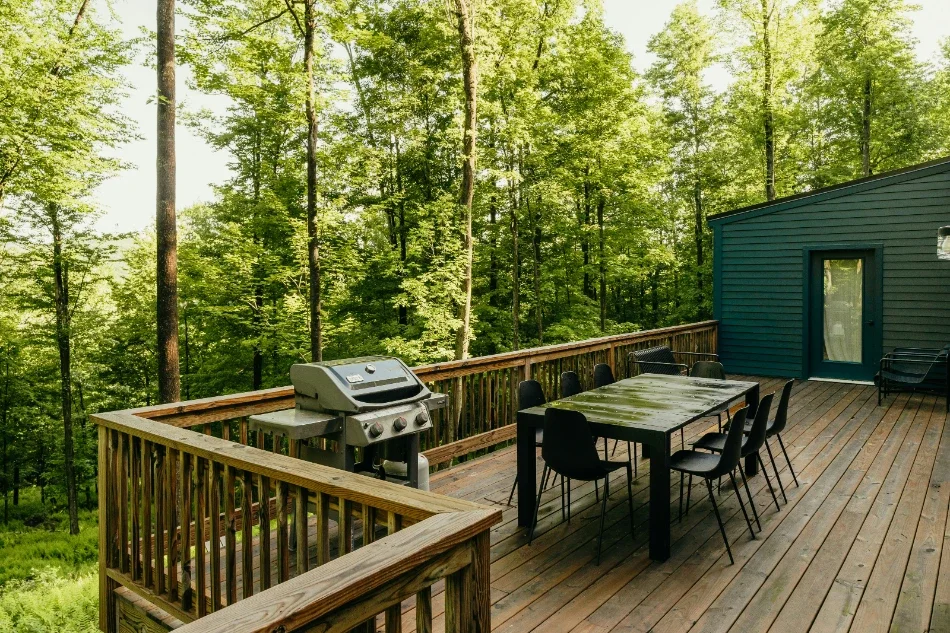
A waterproofed deck opens opportunities for creative design. Homeowners can add outdoor kitchens, lounge areas, or covered seating without worrying about water damage. By ensuring the substructure remains dry and stable, waterproofing supports long‑term enjoyment of these enhanced living spaces.
Safety Benefits
Beyond structural protection, waterproofing improves safety. Moisture accumulation can lead to slippery surfaces and mold growth, both of which pose hazards to residents and guests. A properly sealed deck minimizes these risks, making outdoor areas safer for gatherings and everyday use.
Long‑Term Property Value
Investing in deck waterproofing contributes to overall property value. Prospective buyers often view a well‑maintained, waterproofed deck as a sign of proactive care. Documented waterproofing systems and maintenance records can reassure buyers, making the property more attractive in competitive real estate markets.
Design Considerations and Finish Options
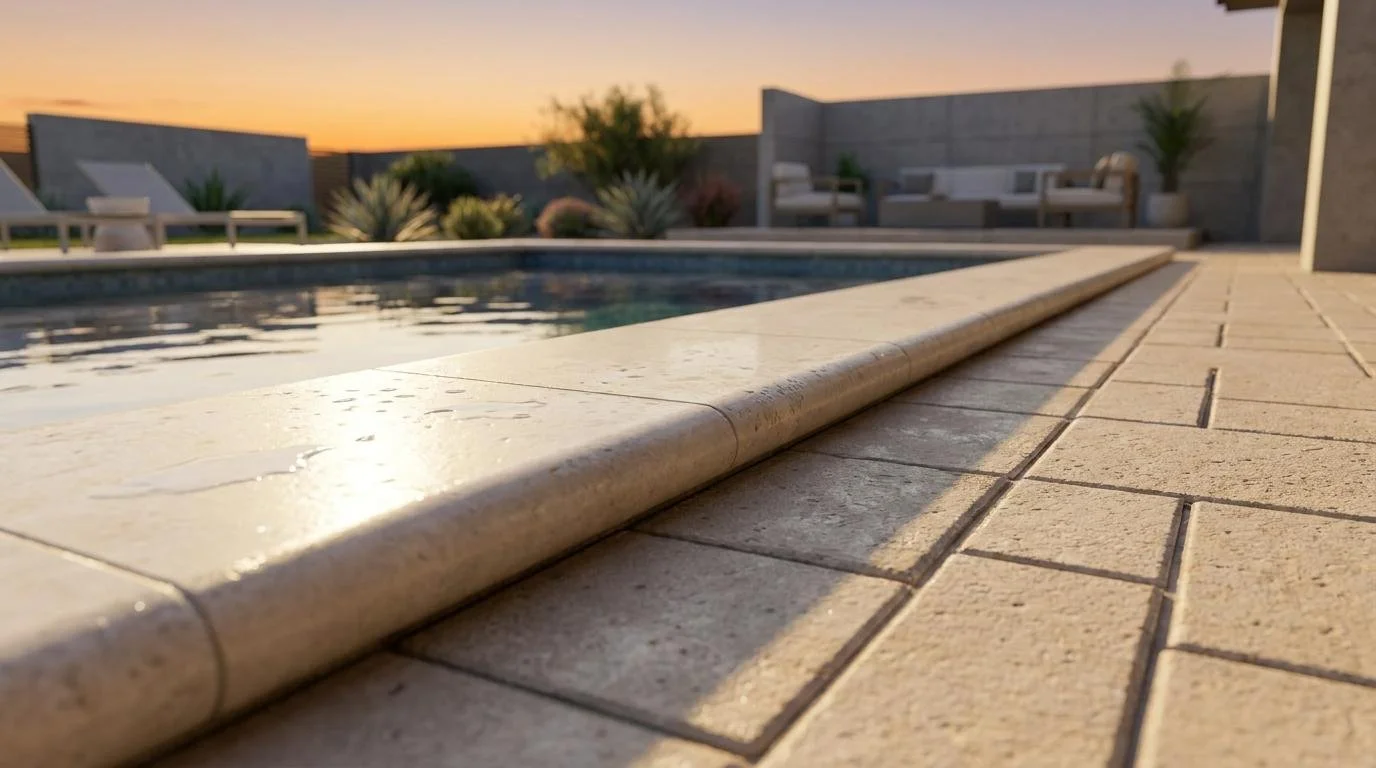
Waterproofing choices influence finish options. Some membranes accept tile or pavers, enabling elegant outdoor kitchens or covered seating areas, while others are designed for direct exposure under composite or hardwood decking. Discuss intended use and aesthetics with your contractor to select a system that balances performance and appearance.
Cost, Value, and Return on Investment
While waterproofing adds upfront cost, it prevents structural repairs that are far more expensive. For homeowners planning to sell, a documented waterproofing system and maintenance history can be a strong selling point, demonstrating proactive care and reducing buyer concerns about hidden damage.
Deck waterproofing is a practical investment that safeguards structure, enhances usability, and reduces long‑term maintenance. By selecting the right materials, following best installation practices, and committing to regular inspections, homeowners can enjoy durable, attractive outdoor spaces for years to come.
Stay up to date with our latest ideas!