7 Simple Mistakes Quietly Killing Your Pond
Learn common pond maintenance mistakes with our proven fixes. Stop green algae. Prevent fish kills. Restore oxygen. Read our complete guide today.
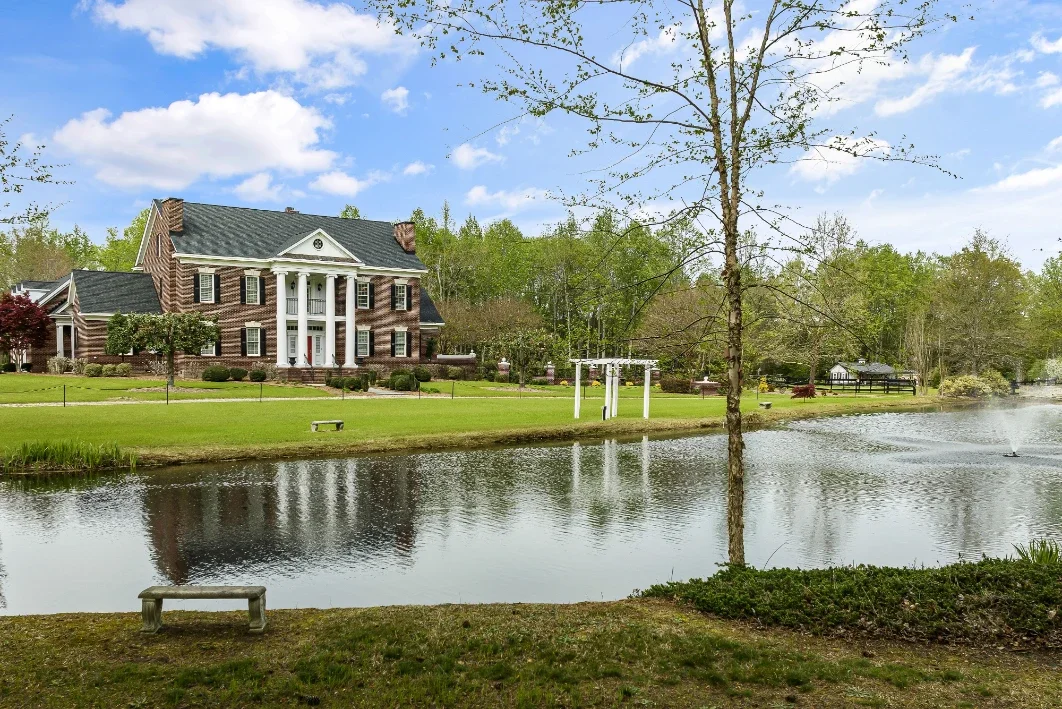
Most pond problems begin with a single clear season. The water looks transparent enough to watch fish glide in the shallow light, making the whole system feel stable. Then a faint green tint appears somewhere in the second or third year. By midsummer it thickens into cloudiness, and soon a distinct odor develops near the edge. One July morning reveals fish gasping at the surface because something below the waterline has failed drastically.
None of these issues emerge from a single bad decision. They happen due to small choices repeated across multiple seasons without correction. Each incremental error creates a compounding deficit that slowly depletes available oxygen. Recognizing these subtle maintenance failures lets you correct the water chemistry before an algae bloom takes over.
1. Overstocking Your Fish
Every basin has a biological ceiling that dictates the maximum fish load it can support. Adding more fish creates a dual problem of increased oxygen consumption and accelerated waste production. That extra waste feeds algae directly while warm weather speeds up oxygen depletion faster than the surface can recover.
The standard rule is to stock no more than one pound of fish per 100 gallons of water. Actual equipment capacity matters more than the raw volume alone, since high flow rates push higher oxygen concentrations.
A layout running Everblue Pond's large high-performance pond aerator system handles heavier biological loads securely because it actively drives compressed air through the deep water columns. Start with half your expected stocking target and observe the dissolved oxygen levels across one full summer before adding more.
2. Overfeeding Your Fish
Uneaten fish food sinks within minutes and immediately starts decomposing on the floor. This breakdown process strips dissolved oxygen out of the water while simultaneously releasing phosphorus into the ecosystem.
Those raw nutrients provide a direct food source for explosive algae growth. Feeding too much causes murky water faster than almost any other daily habit.
Heavy feeding and overstocking compound each other into a severe nutrient trap. To fix this cycle, portion out only the exact amount of pellets the fish consume within three minutes.
Scoop away any floating leftovers immediately with a fine mesh net to prevent them from sinking. You must also reduce feeding frequency heavily when water temperatures drop below 50 degrees Fahrenheit, since sluggish fish digestion slows down dramatically in cold weather.
Important: Uneaten fish food decomposes on the pond floor, consuming dissolved oxygen and releasing phosphorus and nitrogen that directly fuel algae blooms.
3. Getting the Plant Balance Wrong
Leaving a pond without enough aquatic plants exposes nutrient-rich water to direct sunlight. Full sun exposure gives algae outsized opportunities to establish a massive footprint unchallenged.
Having too much foliage creates an opposing hazard exactly when the sun goes down. Submerged aquatics switch from photosynthesis to respiration at night, draining the oxygen supply right alongside the fish stock.
Aquatic vegetation functions as a biological filter competing aggressively with algae for raw suspended nutrients. You want thirty percent cover of native aquatic species at a minimum to provide basic biological filtering.
A fully stabilized approach means maintaining between 30 and 85 percent total surface area coverage during the warm summer months. Sinking below that target starves out the natural filtration, while exceeding it smothers the water surface entirely.
4. Ignoring the Sediment Layer
Decomposing leaves, solid fish waste, and dead plant matter settle into a dense muck layer at the bottom every autumn. As this organic sludge breaks down, it pulls vital dissolved oxygen out of the lower water depths.
Warm summer temperatures cause that stagnant, toxic zone to expand vertically toward the surface. The rising gases stress the fish stock and trigger massive algae blooms in the shallows.
Removing organic debris before it sinks relies on spreading heavy-duty leaf nets over the water before October hits. Spring skimming catches floating pollen and string algae prior to their descent into the deep zone.
Specialized muck-reducing enzymes help digest the sludge layer that has already settled into the gravel base. Treating that dark sediment layer continuously stops the worst anaerobic cycling dead in its tracks.
5. Treating Symptoms Instead of Causes
Pouring chemical algaecide into green water feels like a fast, satisfying solution. The chemical dose kills the floating bloom almost immediately, leaving behind visually clear water for about a week.
But all that dead biological matter quickly sinks to the floor and begins rotting. The accelerated rotting process consumes huge amounts of dissolved oxygen and releases nitrogen back into the cycle.
Diagnosing the specific driver behind the bloom proves far more effective than chemical dumping. Start by reducing nutrient loads stemming from heavy feeding, excess fish, or thick sediment build-up.
Increase water flow and overall aeration to break up the lower stagnation zones. Active water management dictates treating the mechanical failures rather than temporarily bleaching out the murky color.
Quote: Each treatment round feeds the cycle rather than interrupting it. Treat the condition the nutrient surplus or oxygen deficit not just the color of the water.
6. Turning Off the Pump at Night
Shutting down fountains and waterfall pumps during the evening hours frequently seems like a smart way to save electricity. The problem is that overnight darkness marks the exact window when biological oxygen demand peaks highest.
Aquatic plants stop producing oxygen and start consuming it, while decomposing sludge drains the supply nonstop. Shutting off the surface agitation leaves the water entirely stagnant during its most vulnerable timeframe.
Dissolved oxygen always hits its lowest daily point right before dawn. Fish kills and heavy surface gasping cluster heavily into these early morning hours instead of hot afternoons.
An owner who powers down their fountain pump at dusk will eventually wake up to smothered fish by late July. Running all circulation equipment 24 hours a day remains an absolute requirement for long-term aquatic health.
7. Assuming Surface Circulation Is Enough
Relying exclusively on a waterfall or decorative surface fountain leaves the deeper water layers sitting entirely motionless. Summer heat causes thermal stratification, isolating a heated, highly oxygenated upper layer from a freezing, stagnant bottom layer.
These two distinct zones refuse to mix naturally without aggressive mechanical intervention. This temperature split heavily impacts any basin deeper than four feet during the peak summer months.
The bottom zone enters outright anaerobic decomposition while the surface continues to look completely normal. Anaerobic bacteria dominate this oxygen-free environment and produce hydrogen sulfide as a highly toxic byproduct.
Smelling rotten eggs near the shoreline confirms that the lower water column is failing. Untreated thermal stratification fuels aggressive algae blooms and contributes directly to massive fish kills despite heavy surface splashing.
The permanent mechanical fix requires pumping compressed air directly to a specialized diffuser plate resting on the floor. Thousands of tiny bubbles rise forcefully through the entire water column, forcing out the toxic gases and blending the separated temperature zones.
Sizing the diffuser unit to match your total gallon capacity ensures the bottom sludge breaks down aerobically instead of rotting. Pushing air upward from the absolute deepest point stops the worst aquatic failures before they ever materialize.
Quote: The bottom of a stratified pond can be in full anaerobic decomposition while the surface appears completely clear, and that is exactly what makes this mistake so damaging.
The Path Forward
Left unattended, minor overfeeding and neglected sludge layers compound until the underlying biological balance crashes. Property owners successfully maintaining pristine water quality prioritize installing high-performance diffused aeration systems before attempting any chemical fixes.
Dialling in the exact hardware capacity forces total column circulation, stopping the thermal stratification and toxic build-up altogether.
Stay up to date with our latest ideas!