Educational Field Trips that Inspire Students
Discover educational field trips that inspire students through hands on learning, real world experiences, and engaging opportunities beyond the classroom.
Every student remembers the day the classroom walls disappeared and the world itself became the teacher. Educational field trips are not just a break from routine – they are living lessons, filled with discovery, wonder, and moments that shape curiosity for a lifetime. For schools and groups that want safe and comfortable travel options, arrangements can be easily made here: https://rentcharterbuses.com/our-service/charter-bus-school-trips/.
Learning outside of textbooks transforms facts into experiences. A lesson about art feels different when standing in front of a masterpiece. A science concept becomes clearer while exploring a planetarium. History turns alive when students walk through streets where great events once unfolded. For young minds, these trips are not just diversions – they are sparks that ignite imagination and ambition. Students return home filled with stories, emotions, and a hunger for more knowledge, often carrying a sense of excitement that spills into their daily studies.
Museums that spark imagination
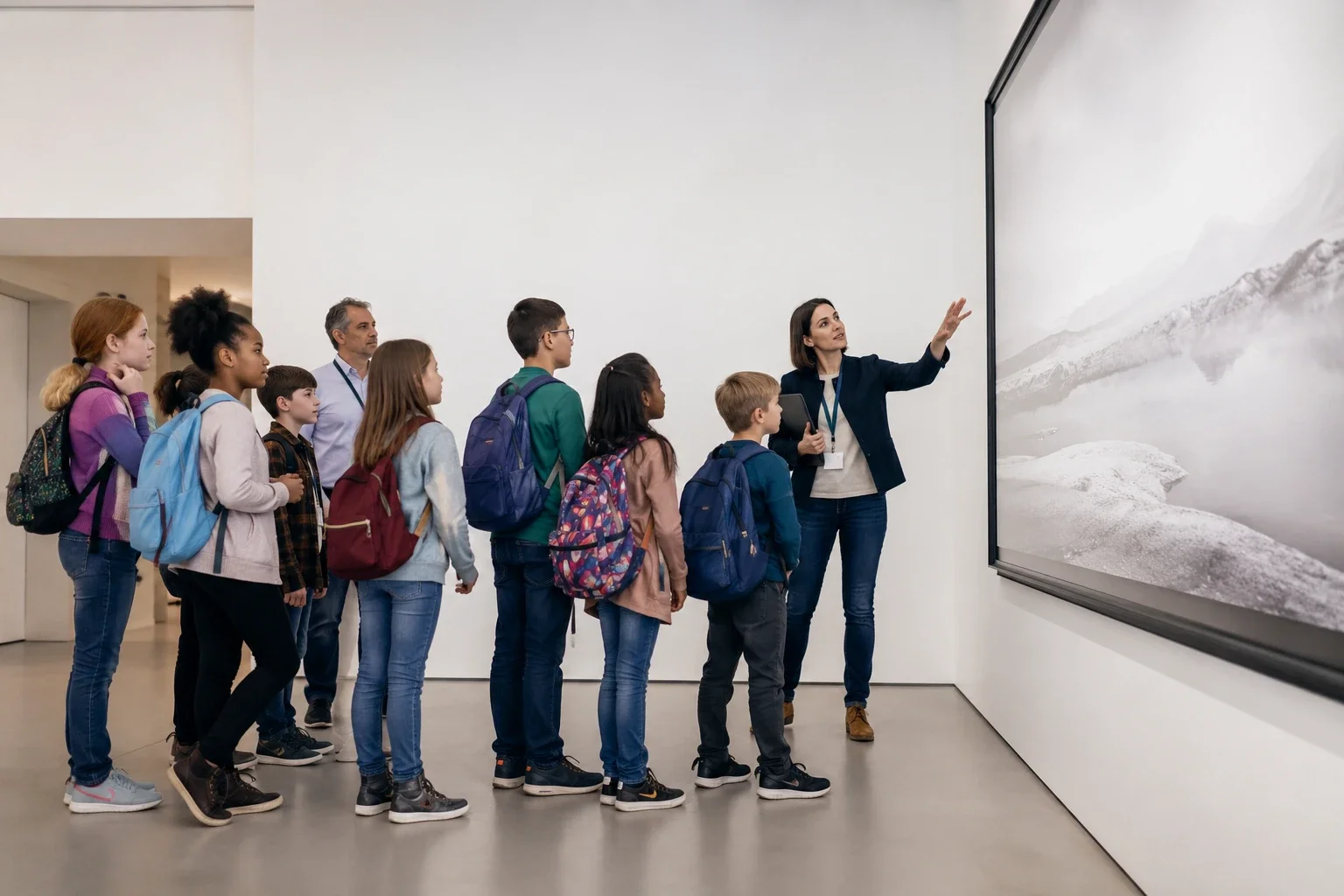
Museums remain one of the most powerful destinations for school field trips. Stepping into these halls, students encounter history, science, and art in ways no classroom can fully capture. A dinosaur skeleton towering above their heads is not just a fossil – it’s a reminder that life once roamed the earth in extraordinary forms.
Art museums let students feel the colors, textures, and emotions that shaped entire eras. Science museums turn abstract concepts into hands-on experiments, where curiosity takes the lead. These visits not only educate but also awaken passions that may guide future careers. For many children, the first sight of an ancient artifact or a modern sculpture becomes a defining moment – one that inspires dreams of becoming an archaeologist, a painter, or a scientist.
Explore art galleries that inspire creativity
Discover interactive exhibits in science museums
Learn history through artifacts and personal stories
The silence of a museum is not emptiness – it’s a silence filled with whispers of the past and dreams of the future. Students leave such places with wide eyes and endless questions, eager to explore more, to research, to create, and to understand.
Nature and environmental adventures
The natural world is perhaps the most engaging classroom of all. A trip to a botanical garden, wildlife reserve, or state park gives students more than fresh air – it gives them perspective. Walking among towering trees, hearing birdsong, and feeling the crunch of leaves underfoot teaches respect for nature better than any textbook chapter.
Environmental trips encourage responsibility and awareness. When students see pollution’s effect on rivers or learn about endangered species firsthand, they understand that protecting the planet is not a distant idea but an urgent mission. These trips often stay in young minds for years, nurturing eco-conscious habits. Beyond education, time in nature teaches calmness, resilience, and balance – values as essential as academic knowledge.
Hiking in state parks to learn ecology
Visiting botanical gardens to explore biodiversity
Exploring marine centers to discover aquatic life
Nature doesn’t just teach science – it teaches humility, wonder, and the importance of stewardship.
After returning from such excursions, students often develop a new respect for the environment, influencing their everyday actions – from recycling to conserving water. The lessons of nature stay with them in both heart and mind.
Historical sites that bring the past to life
History is not only something to be memorized – it is something to be experienced. Field trips to historic landmarks, battlefields, or preserved towns allow students to walk where history was made. Standing in front of monuments or inside centuries-old buildings gives a weight to lessons that pages cannot deliver.
When students hear stories of courage, struggle, or innovation while being present at the very site of those events, the past feels close and real. It no longer belongs to distant figures; it becomes part of their own understanding of identity and culture. Walking through historic districts or touring preserved ships, students feel as if they are time travelers, bridging centuries in a single afternoon.
Explore colonial towns that preserve early American life
Visit landmarks where independence and freedom were won
Discover local history that connects students to their own roots
Such trips inspire pride and responsibility. They teach that history is not only about heroes but about ordinary people who shaped extraordinary times. This deeper understanding often motivates students to think about their own role in shaping the future.
Science and technology experiences
For many students, the future is built on science and innovation. Visiting planetariums, observatories, or technology centers turns abstract theories into fascinating discoveries. A lesson about space feels entirely different when looking at the stars through a telescope.
Technology field trips often include robotics labs, engineering workshops, or innovation hubs where students see creativity in action. These moments ignite excitement and sometimes even plant the seed for a lifelong passion in science, math, or engineering. For some, the sight of a rocket model or a robot in motion might become the inspiration to pursue a career in space exploration or technology development.
Explore space in planetariums and observatories
Learn about energy and sustainability in science centers
Visit innovation hubs to see technology shaping the future
"When students see science in motion, they realize they are the inventors of tomorrow."
The thrill of such trips goes far beyond learning formulas – it shows students that science is alive, dynamic, and full of opportunities. It reveals to them that they too can become part of the next great discovery.
Building teamwork and inspiration
Educational field trips also serve as powerful tools for social development. Traveling together, students learn cooperation, patience, and the joy of shared discovery. Group laughter on a bus ride, teamwork during activities, and even helping one another navigate new places build bonds that strengthen classrooms.
Trips become shared memories that turn classmates into friends. The conversations sparked along the way often continue long after returning to school, fueling motivation and creating lasting enthusiasm for learning. For many students, these trips are the first taste of independence combined with responsibility – a chance to explore while still being part of a supportive group.
Encourage collaboration through group challenges
Create shared experiences that strengthen community
Develop empathy and understanding across differences
The most important lessons are often not in the planned activities but in the small, spontaneous moments – the smile of discovery, the helping hand, the collective awe. These experiences create not only knowledge but also confidence, teamwork, and inspiration that shape the way students approach both school and life.
Stay up to date with our latest ideas!