How Common Workplace Habits Can Lead to Pest Problems
Discover how common workplace habits can attract pests and learn simple prevention tips to maintain a cleaner, healthier, and more pest-resistant office environment.

Most offices don't have a pest problem until, suddenly, they do. A stray ant trail near the break room, a startled shriek when a cockroach darts under a filing cabinet, or the faint scratching sound in a drop ceiling — these moments rarely come out of nowhere. They're usually the end result of small, everyday habits that quietly built the conditions pests needed to move in. Understanding how ordinary workplace routines contribute to infestations is the first step toward preventing them.
Desk Snacking and Its Hidden Consequences
Eating at one's desk has become a workplace norm, especially as lunch breaks shrink and multitasking becomes the default. But crumbs, spilled coffee, and half-eaten snacks left in drawers create a steady food source for pests that require very little to survive. Ants can detect food residue from surprising distances, and cockroaches are famously able to subsist on crumbs, grease, and even glue from envelopes. A single desk with unmanaged food waste can become a feeding ground that draws pests deeper into the building over time.
This is one of the more overlooked triggers behind calls for pest control services, since many office managers assume infestations start in kitchens or storage rooms rather than individual workstations. In reality, scattered food sources throughout a building — even in small amounts — can sustain pest populations far longer than a single, well-managed kitchen area would.
Overflowing Trash Bins as an Open Invitation
Trash bins that aren't emptied regularly do more than create an unpleasant smell. They become concentrated sources of food odor, moisture, and organic material — exactly what flies, ants, and rodents are drawn to. When bins overflow or liners aren't sealed properly, pests gain easy access to food waste without needing to search elsewhere in the building.
Shared office kitchens are particularly vulnerable. Multiple employees using the same space often means inconsistent habits: some empty trash promptly, others let it accumulate over a busy week. This inconsistency is exactly the kind of gap pests exploit. Property owners searching for reliable Austin pest control often discover that break room waste management, not the building's exterior, was the primary driver of their recurring pest activity.
Cluttered Storage Areas That Shelter Pests
Storage rooms, supply closets, and archive spaces tend to be the least monitored parts of any office. Boxes stacked against walls, old files that haven't been touched in years, and equipment nobody remembers ordering all create dark, undisturbed spaces — ideal conditions for pests like cockroaches, spiders, and rodents to nest and reproduce without detection.
Clutter also makes early signs of infestation harder to spot. Droppings, shed insect skins, or gnaw marks can go unnoticed for weeks when boxes aren't moved or inspected regularly. According to pest management research from university extension programs, reducing harborage points — the technical term for hiding and nesting spots — is one of the most effective non-chemical strategies for limiting pest populations in commercial buildings.
A few habits can meaningfully reduce this risk:
Store items in sealed plastic bins rather than cardboard boxes, which pests can chew through
Keep storage areas at least a few inches off the floor and away from walls
Schedule periodic decluttering to remove unnecessary items
Avoid storing food, even non-perishables, in general supply closets
Leaking Appliances and Moisture Buildup
Water is often a stronger pest attractant than food. Cockroaches, in particular, can survive weeks without eating but only a short time without a water source. Leaking break room appliances, dripping faucets, or poorly maintained water coolers create exactly the damp environment these pests need to thrive.
Moisture problems are also harder to notice than food-related ones because they often occur behind or beneath fixtures — under a refrigerator, inside a cabinet, or along a pipe joint. By the time a puddle becomes visible, pests may have already established themselves nearby. Regular appliance checks and prompt leak repairs go a long way toward removing this hidden attractant before it becomes a long-term issue.
Unsealed Entry Points Around the Building
Even a spotless office can develop pest problems if the building itself isn't sealed properly. Gaps under doors, cracks in exterior walls, unscreened vents, and utility line penetrations all serve as entry points. Rodents can squeeze through openings as small as a quarter-inch, while many insects require even less space.
Older commercial buildings, common throughout central Texas, are especially prone to these gaps as materials shift and settle over time. Combined with warm weather that keeps insects active for much of the year, unsealed entry points can allow pest activity to spread quickly from the building's perimeter into shared workspaces.
Practical Prevention Habits for the Workplace
Preventing infestations doesn't require major renovations — it requires consistency. Encouraging employees to clean up food promptly, securing trash bins with tight-fitting lids, and storing snacks in sealed containers rather than open drawers all reduce the everyday attractants pests rely on. Maintenance teams should prioritize fixing leaks quickly, since even minor drips can sustain pest activity for weeks.
Equally important is creating a simple system for reporting pest sightings. Employees are often the first to notice an issue, whether it's a single ant on a desk or a strange smell near a storage closet. When sightings are reported early and taken seriously, small problems are far easier to resolve before they spread through connecting walls, ceilings, or shared ventilation systems.
Key Takeaways
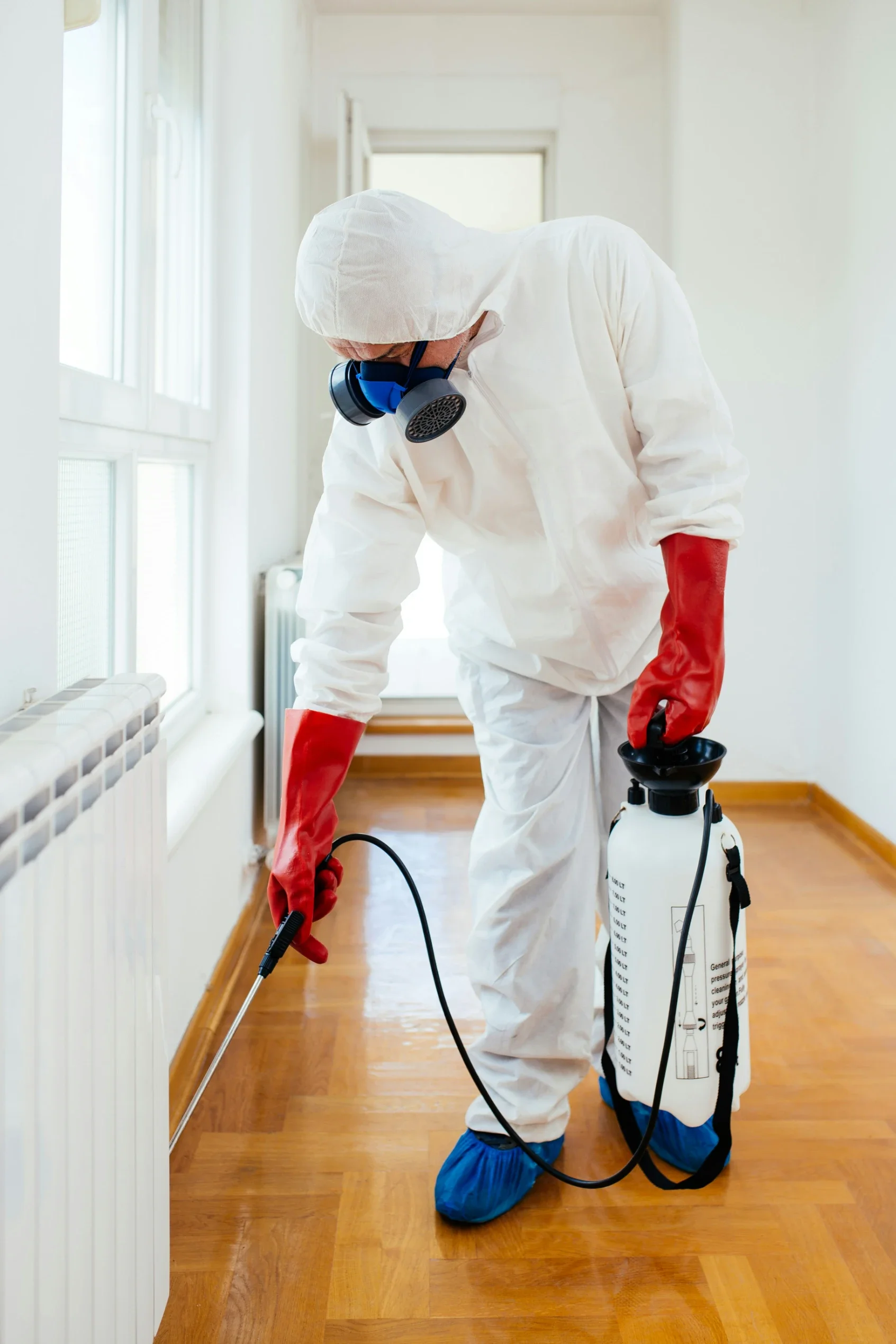
Workplace pest problems rarely stem from one dramatic failure. They build gradually, through small oversights — a forgotten snack, an overdue trash pickup, a leak left unaddressed. Recognizing these patterns allows office managers and employees alike to intervene before minor sanitation lapses become full infestations. For buildings that continue to experience recurring activity despite good habits, a professional inspection can help identify hidden entry points or moisture sources that aren't obvious from routine observation. Consistent attention to these small details is ultimately what keeps shared office spaces comfortable, sanitary, and pest-free.
Stay up to date with our latest ideas!