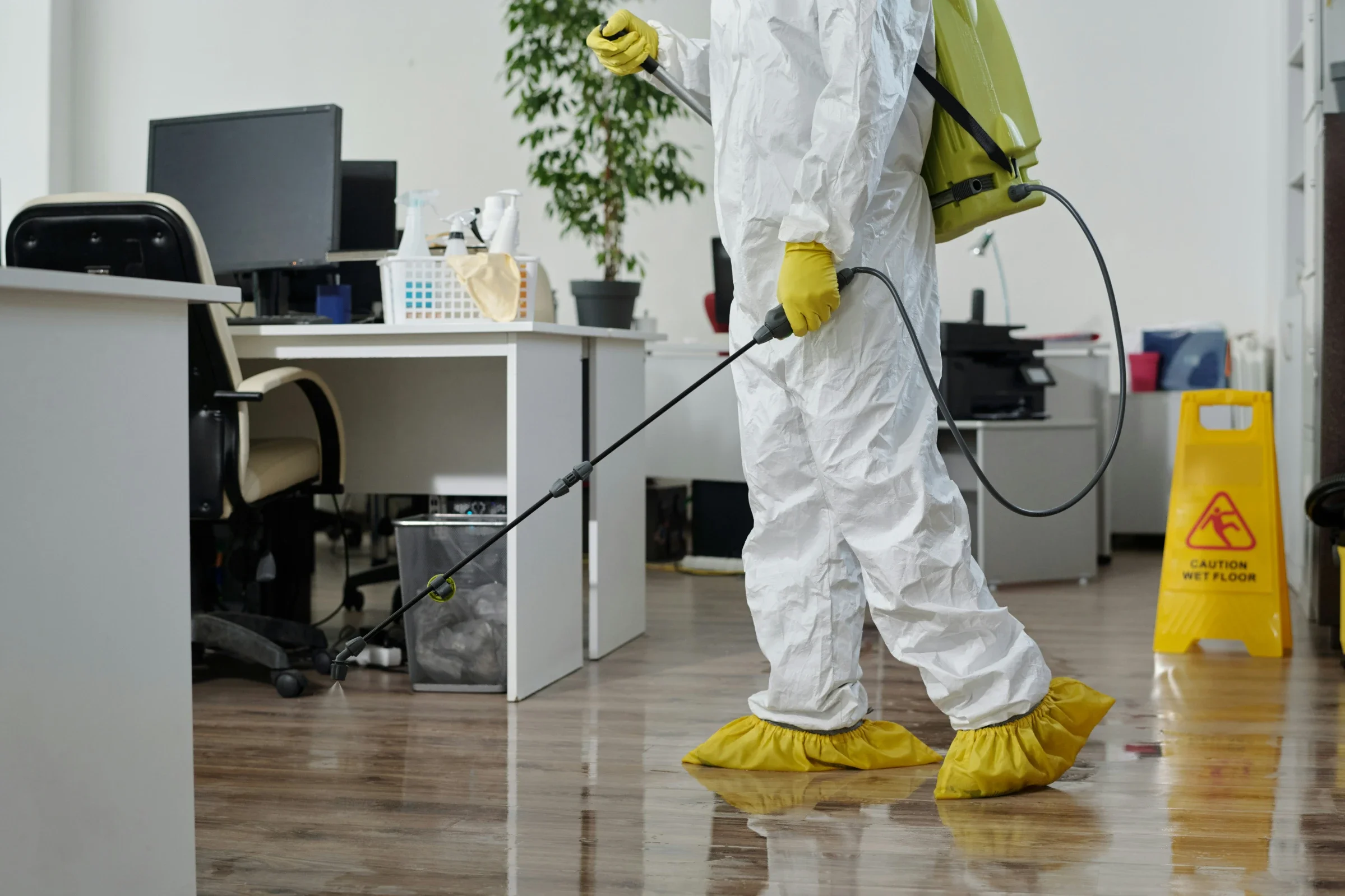
Common Office Maintenance Mistakes That Attract Pests
Discover common office maintenance mistakes that attract pests and learn practical ways to improve sanitation, storage, repairs, and routine workplace upkeep.

A tidy office doesn't always mean a pest-free one. Many infestations begin in places employees rarely notice, behind a break room cabinet, beneath a leaking sink, or inside a storage closet nobody has opened in months. Building maintenance and pest prevention are closely linked, yet many facility managers treat them as separate concerns. In reality, small maintenance oversights are often the exact conditions pests need to move in and multiply. Understanding which everyday lapses create these openings is the first step toward keeping an office genuinely pest-resistant, not just visibly clean.
Leaking Pipes and Hidden Moisture Problems
Water is one of the strongest pest attractants in any commercial building, often more powerful than food. Cockroaches, in particular, can survive for extended periods without eating but struggle without a moisture source. A slow pipe leak under a bathroom sink or behind a kitchenette wall creates exactly the damp, dark environment these insects seek out. Because the leak is often hidden from view, it can persist for weeks, quietly supporting a growing population before anyone notices droppings or an odor.
Facility teams should schedule regular inspections of plumbing fixtures, water heaters, and pipe joints, especially in older buildings where seals degrade over time. Catching a leak early not only prevents structural damage but removes a key resource pests depend on to establish themselves.
Overflowing Bins and Poor Waste Management
Break rooms and kitchen areas are common trouble spots simply because of how food waste is handled. Bins that aren't emptied frequently enough, or that lack tight-fitting lids, send odor signals that travel surprisingly far. Flies, ants, and rodents are all drawn to these smells, and once a food source is identified, pests communicate its location to others, ants through pheromone trails, for instance.
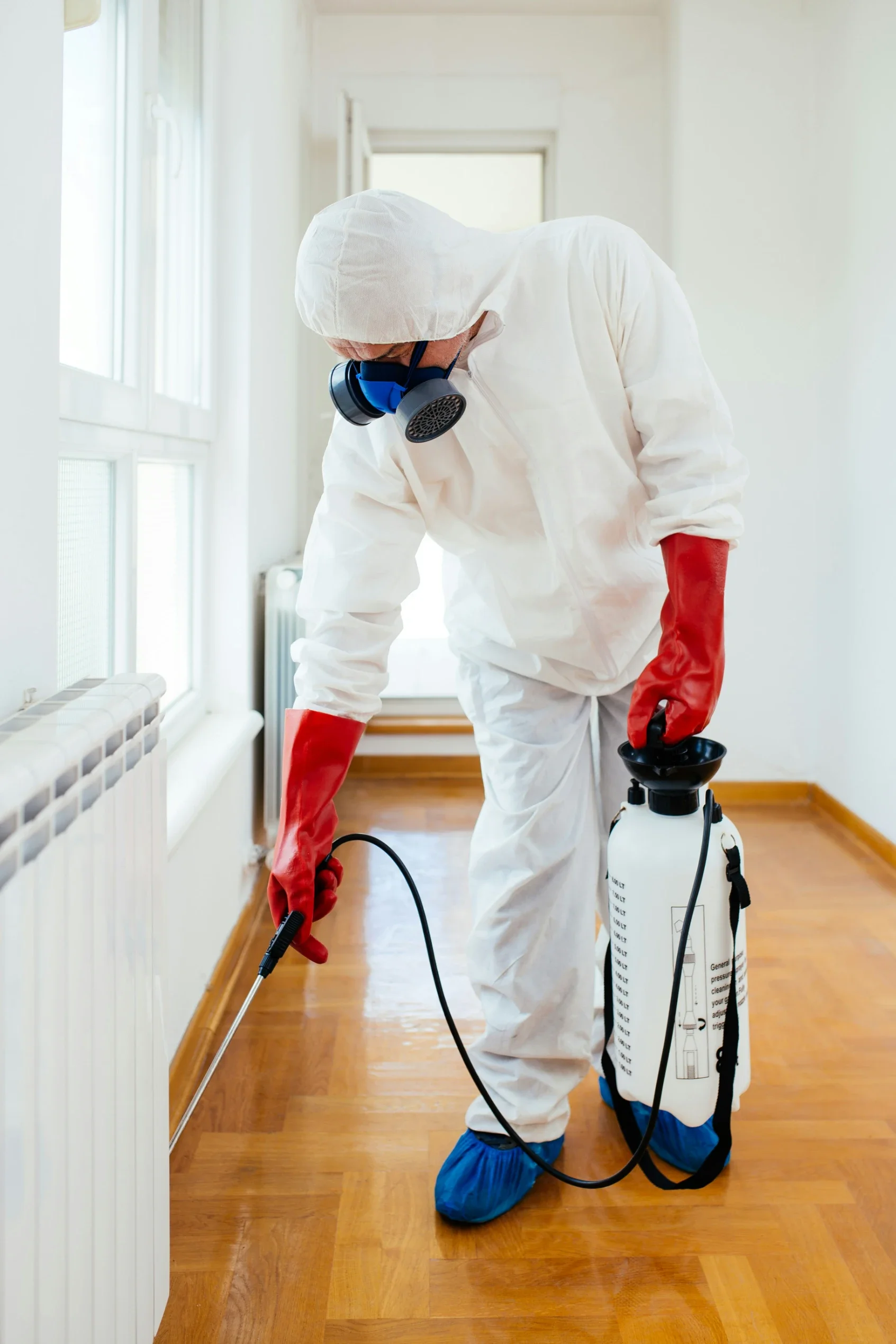
Consulting a Birmingham pest control provider can be particularly helpful when evaluating waste-management practices within a commercial property. A professional inspection may identify overlooked attractants, such as bins positioned too close to entry points, inconsistent collection schedules, or inadequate cleaning around waste-storage areas. A few practical adjustments make a measurable difference:
Use bins with secure, self-closing lids in kitchens and break areas
Empty waste receptacles daily, not just when they appear full
Clean bin interiors periodically to remove residue and odor buildup
Store outdoor dumpsters away from building entrances and windows
Damaged Door Seals and Unsealed Utility Openings
Doors that no longer sit flush against their frames are an open invitation for pests, particularly rodents, which can squeeze through gaps as small as a quarter-inch. Over time, weatherstripping wears down, door sweeps loosen, and gaps widen without anyone paying close attention, until a mouse is spotted near the reception area.
Utility openings present a similar risk. Pipes, cables, and vents that pass through exterior walls are frequently left with small unsealed gaps around their edges. These openings are rarely large, but pests don't need much room to exploit them. A pest control specialist inspecting a commercial property will often check these entry points first, since they account for a significant share of indoor pest sightings that otherwise seem to have no clear origin. Sealing these gaps with appropriate materials, steel wool combined with caulk for rodents, or foam sealant for smaller insects, closes off access without requiring major renovation work.
Clogged Drains and Standing Water
Drains that empty slowly or collect organic buildup create ideal breeding conditions for drain flies and can also contribute to the same moisture issues that attract cockroaches. Kitchen and bathroom drains accumulate grease, hair, and food particles that decompose gradually, generating both odor and a biofilm layer that certain insects use as a food source.
Routine drain cleaning, beyond a quick rinse, helps prevent this buildup from becoming established. Enzymatic cleaners can break down organic material more effectively than standard soap and water, and periodic professional drain servicing addresses buildup that's already accumulated in pipe bends that are difficult to reach.
Neglected Storage Rooms and Rarely Used Spaces
Storage rooms, archive closets, and equipment areas tend to be checked far less often than public-facing parts of an office. This makes them attractive to pests precisely because disturbances are rare. Cardboard boxes, in particular, are appealing to cockroaches and rodents alike, the material offers both shelter and, in some cases, a food source if it once held anything edible.
Clutter compounds the problem by giving pests places to hide from view during routine walkthroughs. Storage areas should be organized with clear floor space around walls, allowing for visual inspection without moving items. Replacing cardboard boxes with sealed plastic containers also removes a favored nesting material. When infestations do take hold in these forgotten spaces, they often go undetected until populations are large enough to spread into occupied areas, which is typically when employees first raise concerns.
Key Takeaways
Office pest problems rarely start with a single dramatic failure. They build gradually, through leaks that go unrepaired, bins that sit too full for too long, gaps around doors and utility lines, drains that accumulate residue, and storage rooms nobody thinks to check. Each of these issues is manageable on its own, but together they create an environment where cockroaches, rodents, ants, and flies can settle in without much resistance.
Addressing these conditions doesn't require a complete overhaul of building operations — it requires consistency. Regular inspections, prompt repairs, and attention to the spaces that are easy to forget go a long way toward keeping an office comfortable and professional for both employees and visitors. Maintenance and pest prevention aren't separate tasks; they're two sides of the same responsibility, and treating them that way tends to produce the best long-term results.
Stay up to date with our latest ideas!