Why Office Doors and Windows Are Critical to Pest Prevention
Discover why office doors and windows are critical to pest prevention and how proper sealing, screens, maintenance, and inspections can reduce entry points.

Office buildings are designed with security, energy efficiency, and appearance in mind, but pest prevention rarely makes the blueprint. Yet doors and windows are the single most common entry points for insects and rodents looking for shelter, food, and warmth. A gap no wider than a pencil is enough for a cockroach to slip through, and even well-maintained buildings develop these vulnerabilities over time. Understanding how these small openings invite big problems is the first step toward keeping a commercial space genuinely pest-free.
How Small Gaps Create Big Entry Points
Pests don't need much room to work with. Ants can travel through cracks as thin as a sheet of paper, while young cockroaches can flatten their bodies to squeeze under doors with minimal clearance. Mosquitoes and flies exploit torn or loose window screens, entering rooms within seconds of a door opening. Rodents are even more resourceful, a mouse can compress its skeletal structure to pass through openings roughly the size of a dime.
These entry points are rarely obvious during a casual glance. Damaged weatherstripping, warped door frames, and settling foundations all create small shifts that widen gaps over months or years. Left unaddressed, these seemingly minor imperfections become reliable pathways for pests seeking food debris, moisture, or nesting material inside the building.
Common Structural Weaknesses in Commercial Buildings
Several building features are particularly prone to allowing pests inside, especially in older or heavily trafficked office spaces:
Worn or missing door sweeps that leave a visible gap at the threshold
Cracked or brittle weatherstripping around door and window frames
Loose or torn screens that no longer sit flush against the frame
Poorly fitted thresholds that shift with foot traffic or temperature changes
Frequently propped-open doors near loading docks, break rooms, or smoking areas
Fort Lauderdale’s warm, humid climate can accelerate the deterioration of rubber seals and weatherstripping, making regular maintenance particularly important. A professional Fort Lauderdale pest control inspection can help businesses identify worn seals, structural gaps, and other overlooked access points before they contribute to recurring pest activity.
Why Entrances Near Kitchens and Waste Areas Deserve Extra Attention
Not all doors carry equal risk. Entrances near break rooms, kitchens, and waste disposal areas are consistently the most vulnerable points in a commercial building. Food odors and organic waste attract ants, flies, and cockroaches with remarkable efficiency, research from urban entomology studies has repeatedly shown that food-handling zones report significantly higher pest activity than general office areas.
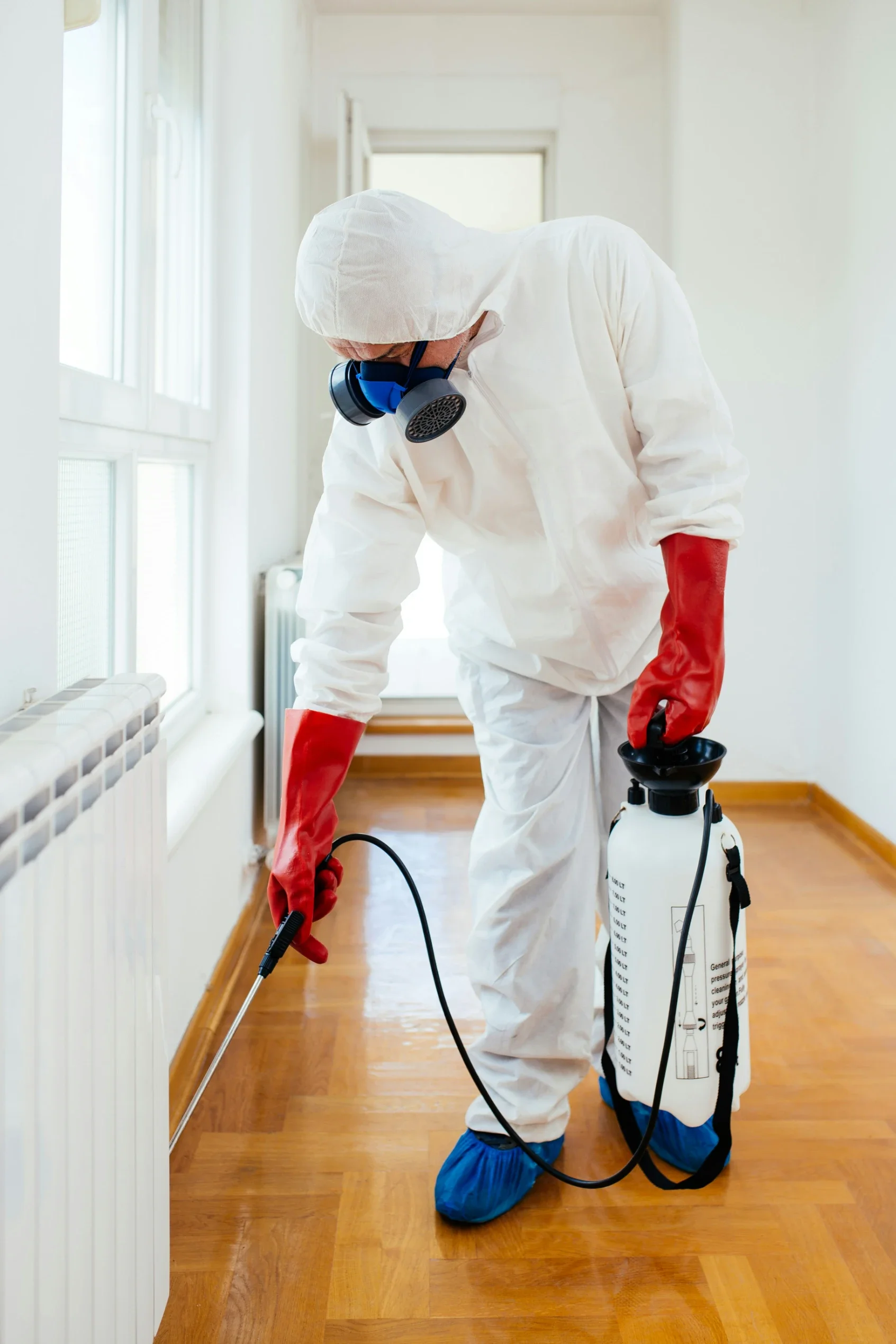
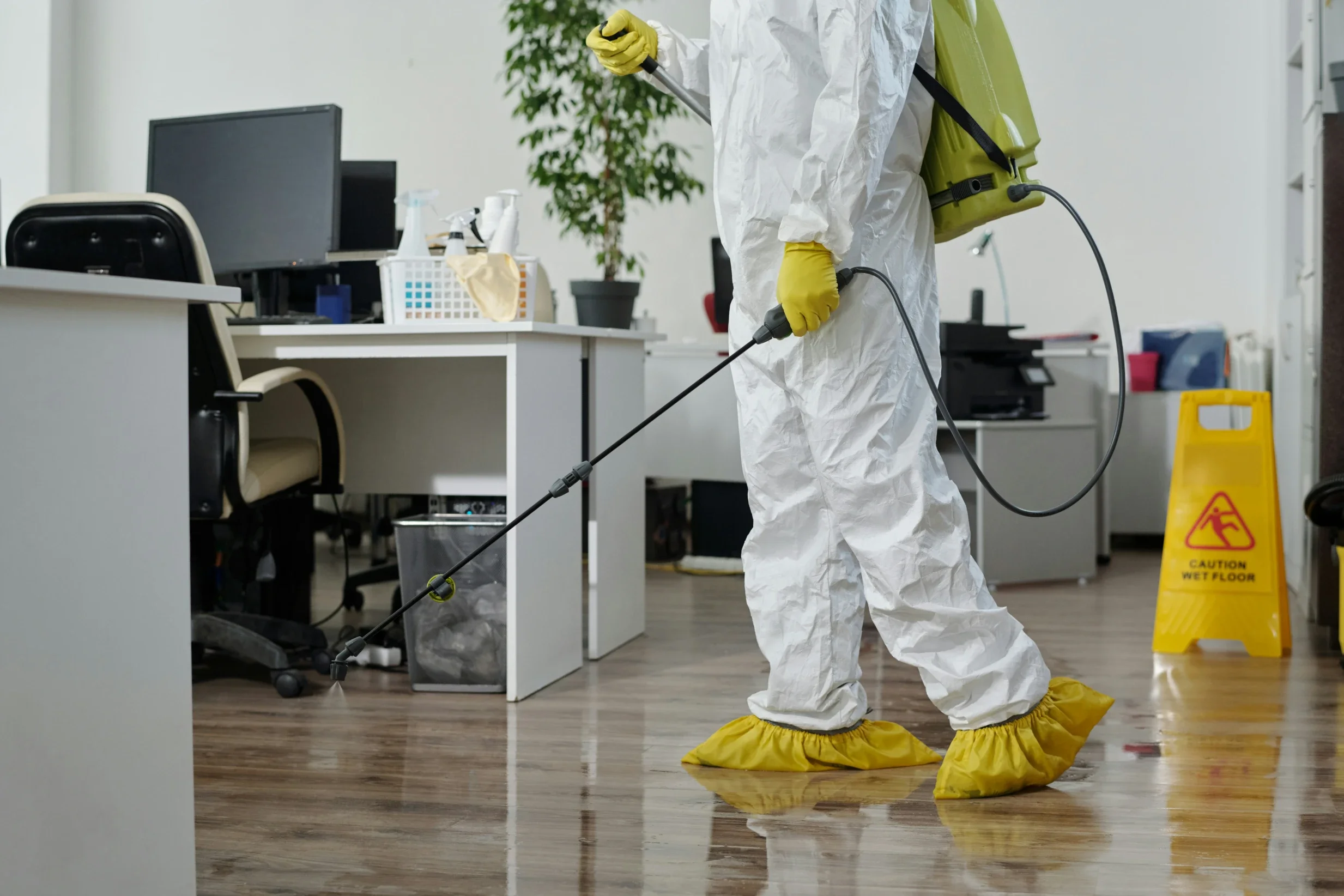
This is where a comprehensive pest control inspection becomes especially valuable. Technicians trained to identify vulnerable entry points know to prioritize these high-risk zones, checking door sweeps, seals, and threshold gaps that employees may overlook during daily operations. Because pest pressure in coastal Florida remains active nearly year-round rather than tapering off seasonally, these checks are best treated as a recurring part of facility maintenance rather than a one-time fix.
Practical Repairs That Reduce Pest Entry
Fortunately, most vulnerabilities around doors and windows can be corrected without major renovation. A few targeted repairs go a long way toward closing common entry points:
Door sweeps are among the most cost-effective solutions available. Installing a properly fitted sweep along the base of exterior doors eliminates the gap that pests rely on most. Similarly, replacing torn or loose window screens restores a barrier that many building managers assume is still intact simply because it looks fine from a distance.
Weatherstripping deserves regular inspection as well. Rubber and foam seals degrade under sun exposure and humidity, losing their shape and their ability to seal tightly. Replacing damaged seals not only reduces pest entry but also improves energy efficiency—a secondary benefit that often justifies the minor cost of repair.
Thresholds should be checked for gaps that develop as buildings settle. A poorly fitted threshold can create a visible line of light underneath a closed door, which is a clear sign that pests can pass through just as easily. Finally, staff habits matter. Doors propped open for ventilation or convenience—especially near loading areas—undermine even the best physical barriers. Encouraging employees to keep doors closed when not in active use preserves the integrity of every other repair made.
The Role of Routine Inspections in Long-Term Prevention
Physical repairs address existing gaps, but ongoing vigilance is what keeps new vulnerabilities from developing unnoticed. Seals wear down, screens loosen, and thresholds shift again over time—particularly in a climate with heavy rainfall and consistent humidity. Routine inspections catch these issues before they become active infestations, which is far more practical than addressing a pest problem after it has already taken hold.
Building managers who incorporate quarterly or biannual entry-point checks into their maintenance schedules tend to see fewer pest complaints from staff and reduced need for reactive treatment. This proactive approach also supports compliance with health and safety standards, particularly for offices with food service areas or shared kitchen spaces.
Final Analysis
Doors and windows may seem like simple architectural features, but they function as the primary defense line against pest intrusion in any commercial building. Small gaps—whether from worn weatherstripping, damaged screens, or shifting thresholds—create consistent opportunities for ants, cockroaches, mosquitoes, flies, and rodents to enter. Addressing these vulnerabilities through door sweeps, screen repairs, seal replacement, and disciplined door habits significantly reduces risk. Combined with routine professional inspections, these measures form a practical, sustainable approach to keeping office environments pest-free throughout the year.
Stay up to date with our latest ideas!