Why Warm and Humid Offices Face Greater Pest Risks
Discover why warm, humid offices face greater pest risks and how controlling moisture, improving ventilation, and maintaining clean spaces can help prevent infestations.
Office buildings are rarely designed with pest prevention as a top priority, yet their internal climate often creates ideal conditions for insects and other unwanted visitors. Warmth and moisture, two byproducts of daily building operation, combine to form an environment where pests can feed, breed, and move undetected for weeks. Understanding this connection helps facility managers and business owners address problems before they escalate into costly infestations.
How Temperature and Moisture Work Together to Attract Pests
Most common household and office pests are cold-blooded, meaning their metabolism, reproduction rate, and activity level are directly tied to ambient temperature. When indoor temperatures stay consistently warm, typically above 70 degrees Fahrenheit, insects mature faster and reproduce more frequently. Add elevated humidity to that equation, and you create a near-perfect breeding ground. Moisture provides drinking water, softens materials pests use for nesting, and supports the growth of mold and organic debris that many species feed on.
This is why office kitchens, break rooms, restrooms, and mechanical areas tend to see disproportionately higher pest activity compared to dry, climate-controlled workspaces like open floor offices or conference rooms. These zones combine three things pests need most: food residue, water sources, and warmth.
The Building Zones Most Vulnerable to Infestation
Certain areas of a commercial building consistently show higher pest pressure due to their environmental conditions. These include:
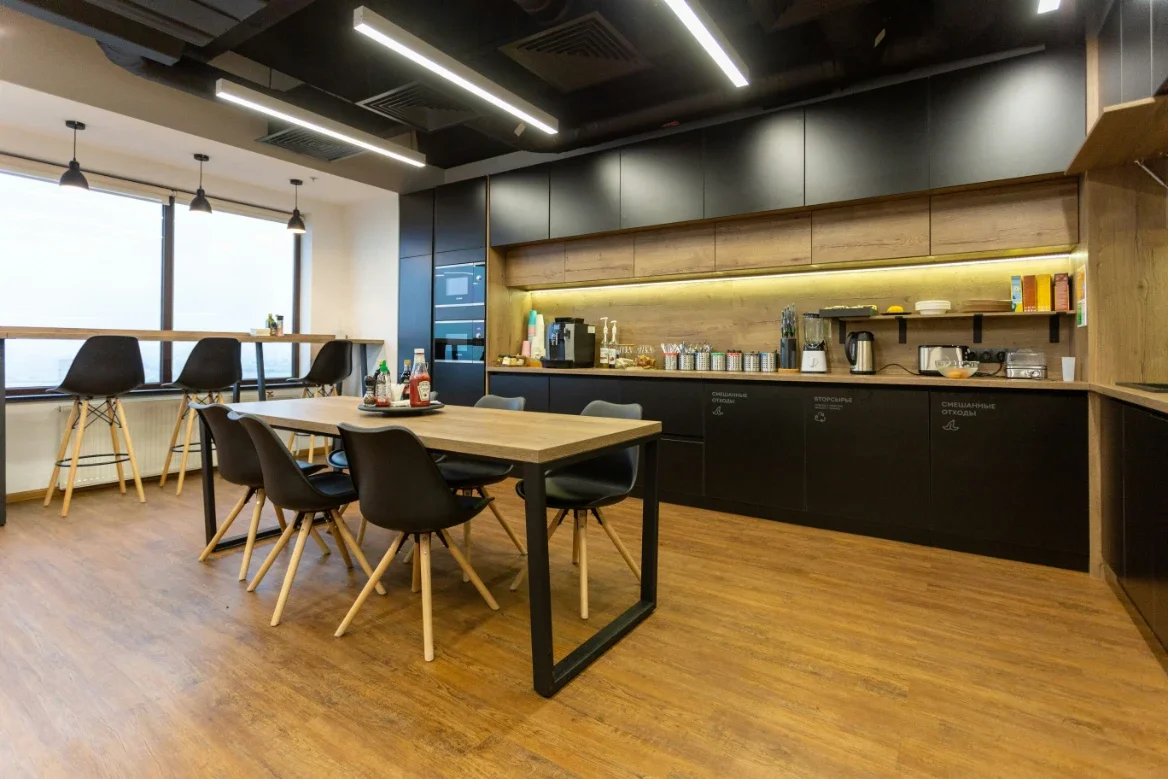
Kitchens and break rooms – food crumbs, grease buildup, and standing water in sinks attract cockroaches and ants.
Bathrooms – condensation, leaky fixtures, and poor airflow create humidity pockets ideal for silverfish and drain flies.
Drains and plumbing lines – organic buildup inside pipes serves as a food source and breeding site for small flies and certain cockroach species.
HVAC systems – condensation pans and ductwork can trap moisture, especially when maintenance is delayed.
Storage rooms and basements – poor ventilation combined with cardboard, paper, or fabric materials creates nesting opportunities for silverfish and, in some cases, termites.
Facility managers searching for reliable Alpharetta pest control support often discover that these five zones account for the majority of reported pest sightings in commercial buildings across the region. Local humidity patterns in the Southeast make this especially relevant, since Georgia's climate tends to run warmer and wetter than much of the country for a significant portion of the year.
Common Pests Linked to Warm, Humid Office Conditions
Several pest species are particularly well-adapted to the microclimates found in poorly maintained office environments.
Cockroaches thrive in warm, moist areas with access to food debris, and their presence is often linked to unseen moisture problems behind appliances or under sinks. Ants, especially odorous house ants and pavement ants, are drawn to sugary residues and can enter buildings through the smallest gaps near plumbing or foundation cracks. Mosquitoes don't typically breed indoors, but stagnant water in poorly draining outdoor areas near entrances can allow them to enter in large numbers during warmer months.
Flies, particularly drain flies and fruit flies, are strong indicators of organic buildup in pipes or garbage areas. Silverfish prefer dark, humid environments and are frequently found in storage rooms, archive spaces, or areas with cardboard boxes. Finally, termites, while slower to establish a visible presence, are drawn to moisture-damaged wood, making poorly ventilated basements or crawl spaces a long-term risk if leaks go unaddressed.
Local providers of pest control frequently note that seasonal humidity spikes correlate directly with increased service calls for these exact species, reinforcing the link between building climate and pest behavior.
Practical Ways to Reduce Pest-Friendly Conditions
Reducing pest pressure in an office setting doesn't require major renovations. Instead, it relies on consistent maintenance practices that target moisture control and sanitation. Some of the most effective strategies include:
Repairing leaks promptly, whether from plumbing fixtures, roof penetrations, or HVAC condensation lines, removes a primary water source that pests depend on. Managing indoor humidity, ideally keeping relative humidity between 30 and 50 percent, limits the conditions many insects need to thrive, according to general building science guidance used across commercial facility management. Improving ventilation in storage rooms, restrooms, and mechanical closets helps prevent stagnant, moist air from settling in isolated corners of a building.
Maintaining drains through regular cleaning removes the organic buildup that attracts flies and certain cockroach species. Inspecting moisture-prone areas on a scheduled basis, rather than waiting for visible signs of damage, allows facility teams to catch small leaks or condensation issues before they become larger infestations.
Together, these habits form a foundation for long-term pest resistance — not a one-time fix, but an ongoing part of building maintenance.
The Role of Professional Inspection in Long-Term Prevention
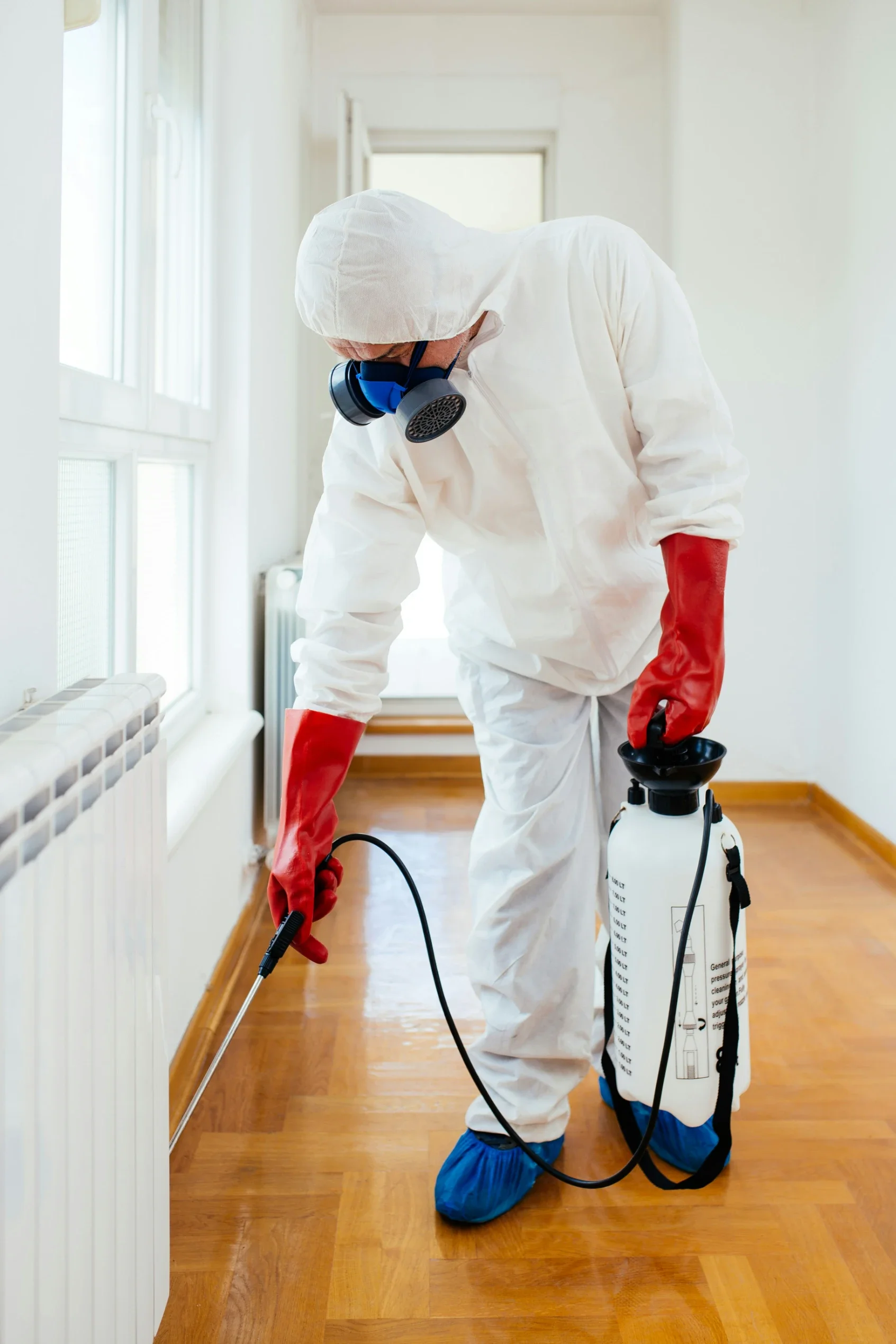
Even with strong internal maintenance practices, some pest risks require a trained eye to identify. Moisture intrusion inside walls, condensation buildup within HVAC systems, or early termite activity in structural wood often isn't visible during a routine walkthrough. This is where a periodic professional evaluation becomes valuable, particularly for buildings with a history of humidity issues or previous pest activity.
A thorough inspection typically examines plumbing lines, HVAC drainage, foundation areas, and storage zones — the same locations most closely tied to warm, humid conditions. Identifying vulnerabilities early allows facility managers to address the root cause rather than repeatedly treating surface-level symptoms.
Final Analysis
Warm, humid environments don't just make offices uncomfortable — they actively support the survival and reproduction of common pest species. From cockroaches in break rooms to silverfish in storage closets, the pattern is consistent: moisture and warmth create opportunity. By addressing leaks, ventilation, and humidity control as part of routine building maintenance, facility managers can significantly reduce the conditions that invite pests in the first place. Consistent attention to these details, paired with periodic professional evaluation, offers the most reliable path toward a cleaner, healthier, and pest-resistant workplace.
Stay up to date with our latest ideas!