Choosing Office Materials That Are Easier to Clean and Less Attractive to Pests
Discover how choosing easy to clean office materials can reduce pest activity by limiting food, moisture, hiding spots, and areas where pests can thrive.
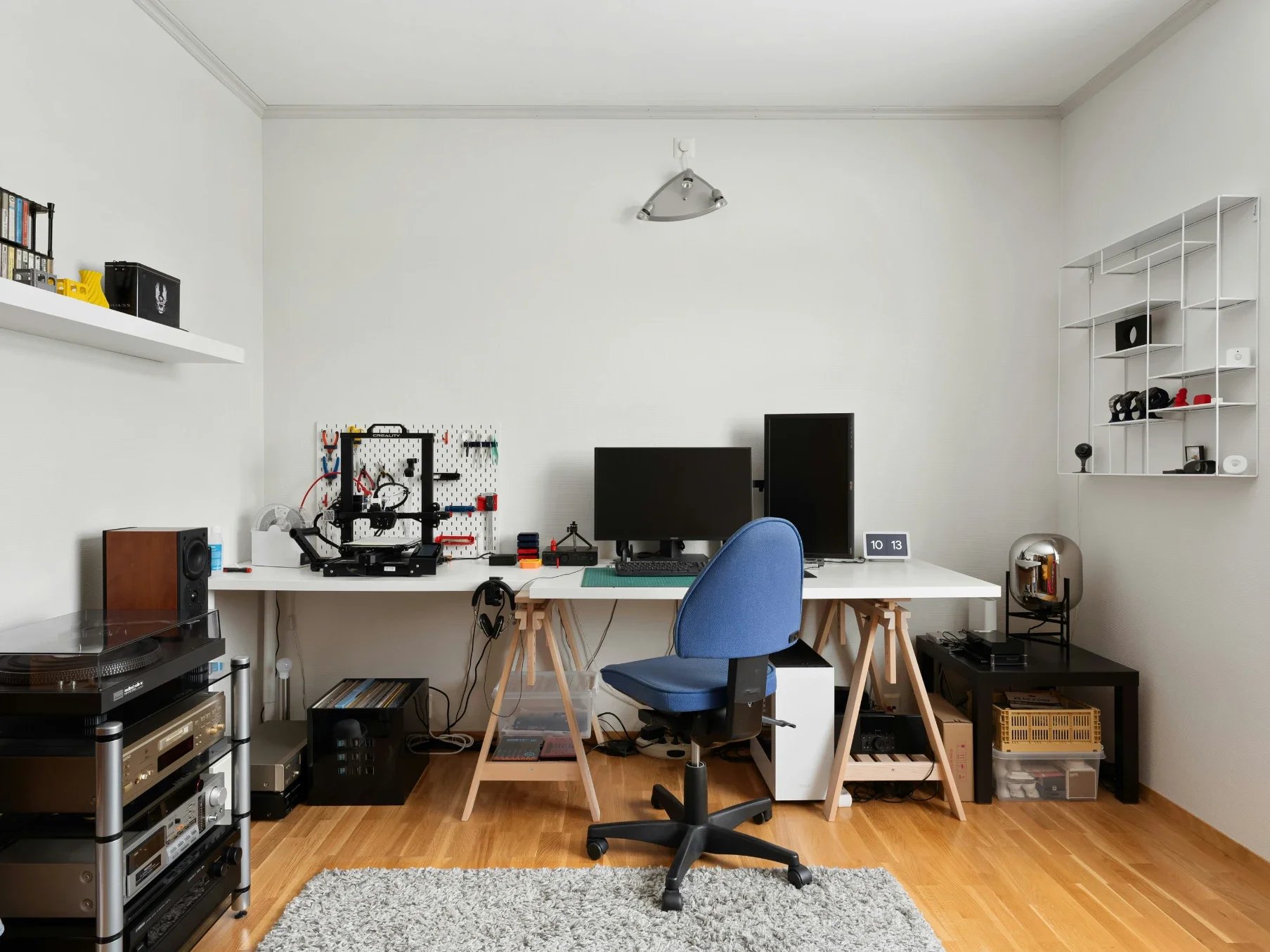
Office design decisions rarely start with pest prevention in mind. Most facility managers choose flooring, cabinetry, and furniture based on cost, durability, or aesthetics. Yet the materials that fill an office down to the seams in a countertop or the composition of a storage bin, play a direct role in how easily pests find food, moisture, and shelter. A building can look immaculate on the surface while still harboring conditions that invite cockroaches, rodents, or ants into break rooms, storage closets, and wall voids. Understanding how material choices affect sanitation is one of the most overlooked aspects of long-term pest management, and it matters just as much as scheduled treatments or professional inspections.
Flooring Choices That Reduce Hidden Debris
Flooring absorbs more daily wear than almost any other surface in an office, and its composition determines how much organic residue accumulates over time. Porous materials like unsealed grout, worn carpet padding, or damaged laminate create tiny reservoirs where crumbs, spilled beverages, and dust settle into places a standard vacuum or mop cannot reach. Over months, this buildup becomes a steady food source for ants and cockroaches, particularly in break rooms and near vending areas.
Hard, non-porous flooring sealed concrete, commercial-grade vinyl, or tightly grouted tile, holds up far better under routine cleaning. These surfaces resist moisture penetration, which matters because many common pests, including cockroaches and certain ant species, depend on consistent moisture sources to sustain colonies. Facilities that switch from carpet to sealed hard flooring in high-traffic food areas often report fewer pest sightings simply because spills no longer soak into the substrate.
Wall Finishes and the Problem of Micro-Damage
Walls are easy to overlook, but small imperfections, including hairline cracks, peeling paint, and gaps around utility penetrations, can create entry points that pests readily exploit. Rodents can enter through surprisingly small openings, while crawling insects require even less space. When wall finishes deteriorate, particularly in older commercial buildings, these gaps may remain unnoticed until pest activity is already established.
Choosing semi-gloss or epoxy-based paints in kitchens, storage rooms, and restrooms creates surfaces that resist moisture and are easier to clean without damaging the finish. Matte or flat paints, by contrast, can retain grease and grime within their texture, making thorough cleaning more difficult. For Arizona businesses, maintaining sealed wall surfaces is especially important because pests may move indoors in search of water and shelter. A professional Tucson pest control inspection can help identify cracks, utility gaps, and other concealed entry points that routine maintenance may overlook.
Cabinetry and Built-In Storage Vulnerabilities
Cabinetry represents one of the most pest-prone components of an office interior, largely because of how it's constructed rather than how it looks. Particleboard and untreated wood absorb moisture readily and are more susceptible to termite damage than solid or sealed materials. Damaged or swelling wood also signals deeper issues, wood-destroying insects are drawn to softened, moisture-compromised material because it's easier to tunnel through and often indicates a leak or humidity problem nearby.
Poorly sealed cabinet joints compound the issue. Gaps at the back panel, along the toe kick, or where countertops meet the wall create dark, undisturbed voids, exactly the kind of space rodents and cockroaches prefer for nesting. Laminate-faced cabinets with sealed edges, along with metal or high-density polymer options, hold up better against both moisture and pest intrusion. When selecting materials for kitchenettes or storage rooms, it's worth asking a pest control specialist to review problem areas before renovation, since local pest pressures, termites, scorpions, and rodents, vary significantly by building age and construction type.
Furniture and Upholstery Considerations
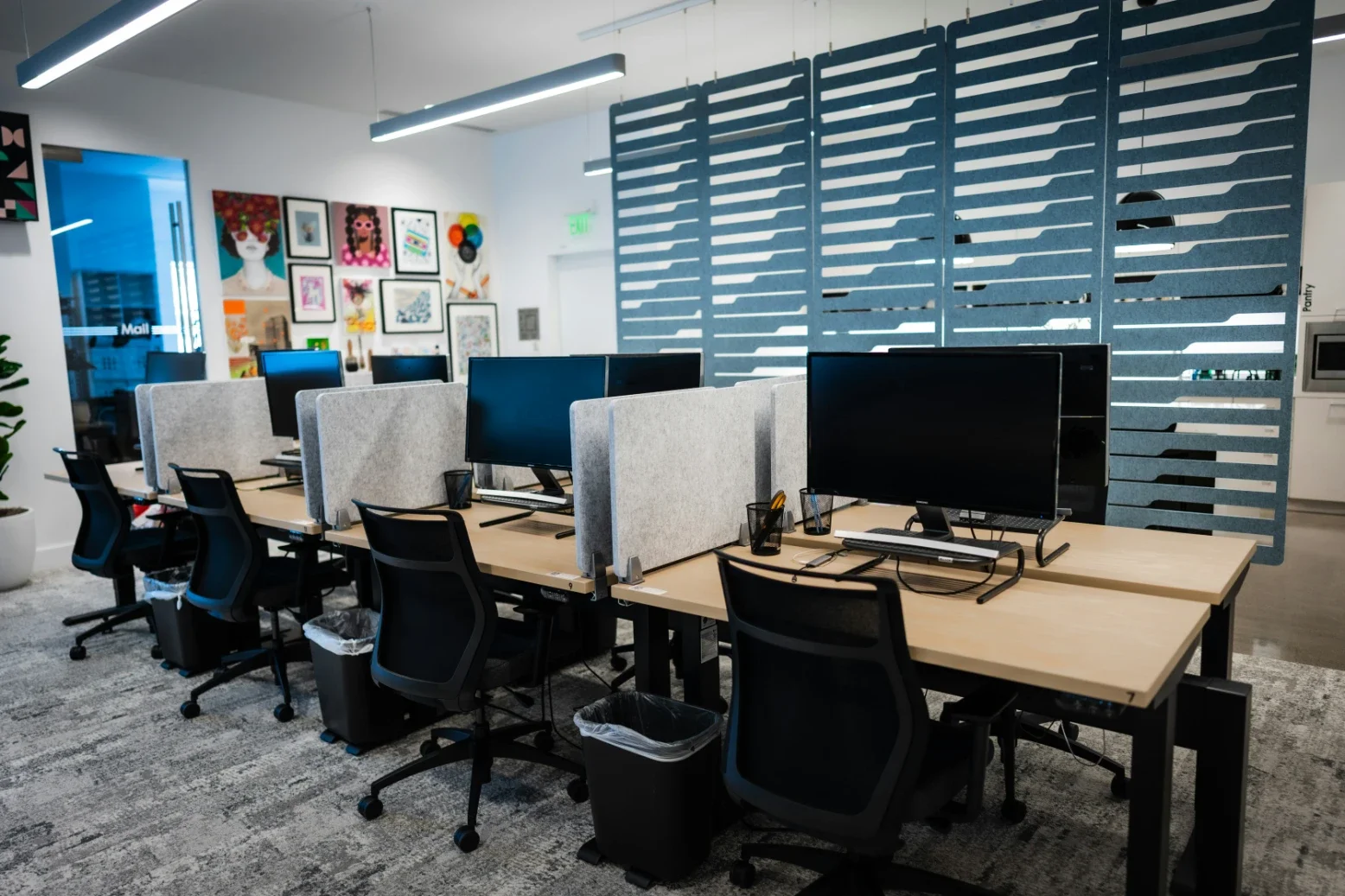
Office furniture accumulates crumbs, dust, and organic matter just as flooring does, though it's often cleaned far less frequently. Fabric-upholstered chairs and cubicle partitions can trap food particles deep within their weave, creating micro-environments that are difficult to sanitize without specialized equipment. Wood furniture with exposed joints or unfinished undersides is similarly vulnerable to moisture absorption and insect activity.
Furniture with the following characteristics tends to hold up better against both daily grime and pest pressure:
Non-porous or tightly woven upholstery that resists crumb penetration
Sealed wood or laminate surfaces with no exposed particleboard edges
Raised legs rather than flush bases, which allow airflow and easier inspection underneath
Smooth, continuous surfaces without deep decorative grooves that trap debris
These choices don't just simplify cleaning—they also make routine pest inspections faster and more effective, since technicians can more easily spot droppings, shed skins, or nesting material.
Storage Systems and the Cardboard Problem
Cardboard is one of the most common and most avoidable pest attractants in office environments. It's lightweight, cheap, and widely used for archived documents, supplies, and shipping materials—but it also absorbs moisture, provides insulation, and offers an ideal texture for cockroaches and silverfish to shelter and lay eggs in. Long-term storage in cardboard boxes, especially in basements or closets with fluctuating humidity, essentially creates a slow-building pest habitat that goes unnoticed until boxes are finally opened.
Switching to sealed plastic bins with tight-fitting lids removes both the food value and the shelter cardboard provides. Clear bins offer the added benefit of visual inspection without having to open every container, making routine checks part of normal office maintenance rather than a special task. Metal shelving units, rather than wood, also reduce the risk of termite or moisture damage in storage areas that don't get regular attention.
Final Analysis
Material selection is a quiet but consistent factor in office pest prevention. Flooring, wall finishes, cabinetry, furniture, and storage systems all interact with the same underlying variables—moisture, food residue, and accessible voids—that determine whether pests find a workplace hospitable. Choosing durable, low-porosity materials and organized, sealed storage doesn't eliminate the need for regular maintenance, but it removes many of the conditions pests depend on. Combined with routine inspections and professional guidance suited to the region's specific pressures, thoughtful material choices give offices a meaningful, lasting advantage in staying clean and pest-resistant.
Stay up to date with our latest ideas!