How Facility Managers Can Build an Effective Office Pest Prevention Plan
Learn how facility managers can build an effective office pest prevention plan with proactive inspections, sanitation, maintenance, and reliable pest control.

Pest activity rarely announces itself. A few droppings behind a filing cabinet, a faint scratching sound in the ceiling, or a cluster of gnats near a break room sink can seem like minor annoyances. Left unaddressed, though, these small signs often point to larger problems that affect employee health, building integrity, and a company's reputation with clients and staff alike. For facility managers, pest prevention isn't a seasonal task, it's an ongoing responsibility that requires structure, consistency, and a clear understanding of where risks are most likely to develop.
Building an effective pest prevention plan doesn't require complicated systems. It requires the right routines, applied consistently, in the areas where pests are most likely to gain a foothold.
Establishing a Routine Inspection Schedule
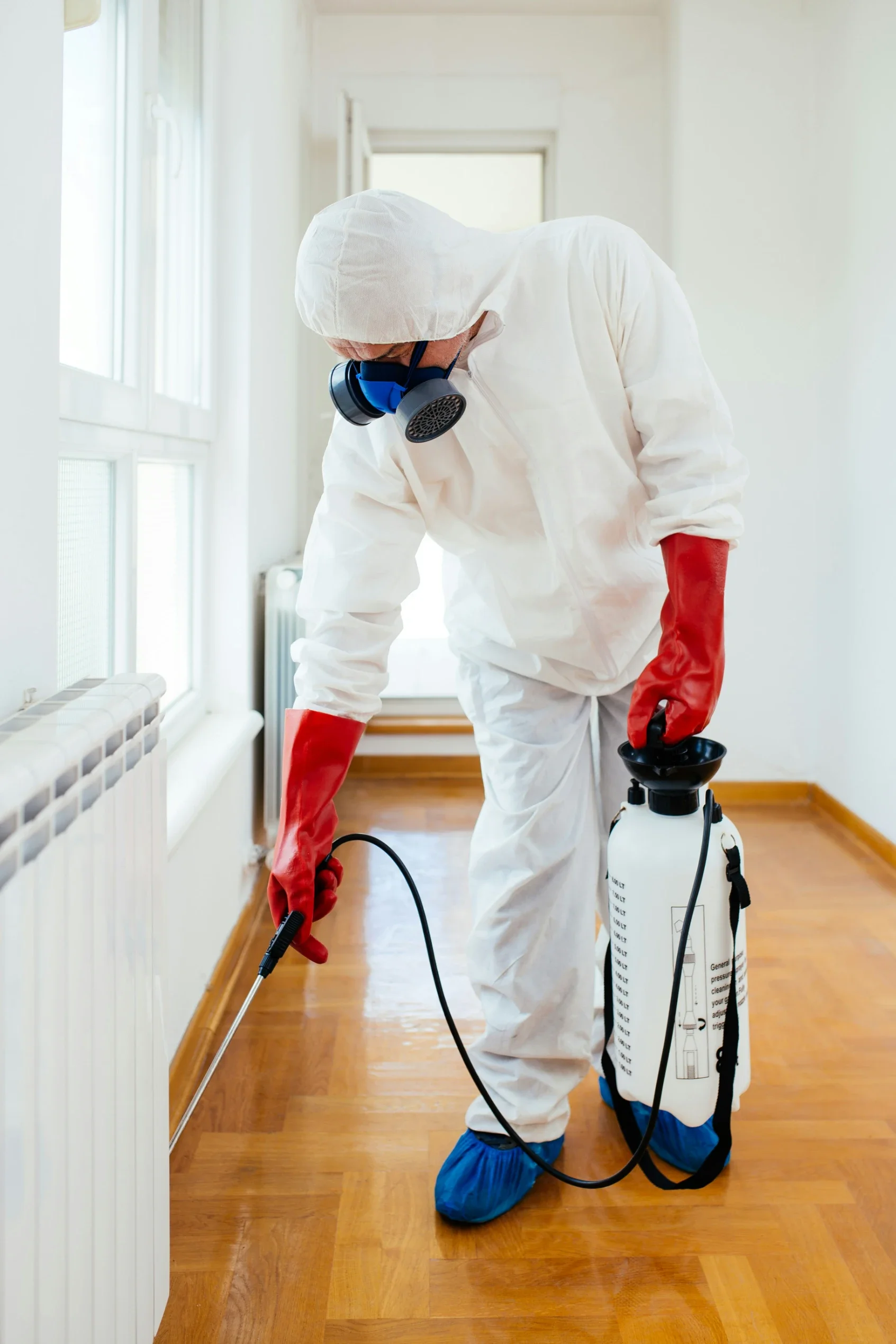
Regular inspections form the backbone of any workplace pest prevention strategy. Rather than waiting for a visible problem to surface, facility managers should schedule recurring walkthroughs of the building's interior and exterior. Monthly inspections are a reasonable baseline for most office environments, though buildings with food service areas or older infrastructure may benefit from more frequent checks.
During these inspections, staff should look for entry points such as gaps around doors, cracks in the foundation, and openings where utility lines enter the building. Rodents can squeeze through openings as small as a quarter-inch, while many insects need even less space. Documenting findings over time also helps identify patterns, recurring activity in the same location often signals a structural issue that needs repair, not just pest treatment.
Creating a Clear Employee Reporting Process
Employees are often the first to notice pest activity, but only if they know how and where to report it. A simple, accessible reporting system, whether through a facilities email address, an internal ticketing tool, or a designated point of contact, encourages staff to flag concerns early rather than ignoring them.
Facility managers should communicate this process clearly during onboarding and through periodic reminders. When employees understand that reporting a single insect sighting isn't an overreaction, minor issues get addressed before they escalate. This is one area where partnering with a service provider like LaJaunie's Pest Control can add value, since professional teams can train facility staff on what to look for and how to distinguish between isolated incidents and signs of a larger infestation.
Coordinating Sanitation and Waste Management Practices
Sanitation schedules and pest prevention are closely linked. Food residue, unsecured trash, and cluttered storage areas all provide the food and shelter pests need to thrive. Break rooms and kitchens should be cleaned daily, with particular attention to crumbs under appliances, spills in refrigerators, and standing water in sinks.
Waste management deserves its own attention within the broader plan. Interior trash should be removed regularly, and exterior dumpsters should have tight-fitting lids and be positioned away from building entrances when possible. Pest control and similar industry professionals frequently note that inconsistent waste handling is among the most common contributors to recurring pest problems in commercial buildings, a detail that's easy to overlook once initial cleanup routines are established.
Managing Moisture and Monitoring High-Risk Zones
Moisture control is often underestimated in office pest prevention plans, yet it plays a significant role in attracting pests ranging from cockroaches to termites. Leaky pipes, poor drainage, and condensation around HVAC units create the damp conditions many pests need to survive. Facility managers should routinely check for water intrusion, particularly in areas not regularly used by employees.
Certain zones within a facility require more frequent monitoring due to their higher risk profile:
Kitchens and break rooms – food sources and moisture make these consistent hotspots
Storage rooms – clutter and infrequent foot traffic allow pests to go unnoticed
Utility spaces – pipes, wiring conduits, and equipment create entry points and hiding spots
Loading docks and receiving areas – incoming shipments can introduce pests from outside sources
Ceiling voids and crawl spaces – these are often overlooked but provide shelter for rodents and nesting insects
Because these areas aren't part of daily employee traffic, problems can develop unnoticed for weeks. Building a specific monitoring routine for these zones—rather than treating them as an afterthought—closes a significant gap in most facility pest plans.
Why Early Intervention Matters
The value of catching pest activity early is well documented in facilities management literature. A small ant trail or a single mouse dropping is a low-cost problem to address. Left unmanaged, that same issue can develop into a widespread infestation requiring extensive treatment, temporary space closures, or even structural repairs.
Health risks compound the concern. Cockroaches and rodents are known carriers of pathogens that can trigger allergies and asthma, particularly in enclosed office environments with shared HVAC systems. Beyond health considerations, pest sightings can damage a company's reputation with clients, visitors, and employees—especially in industries like hospitality, healthcare, or food service, where cleanliness directly affects public trust.
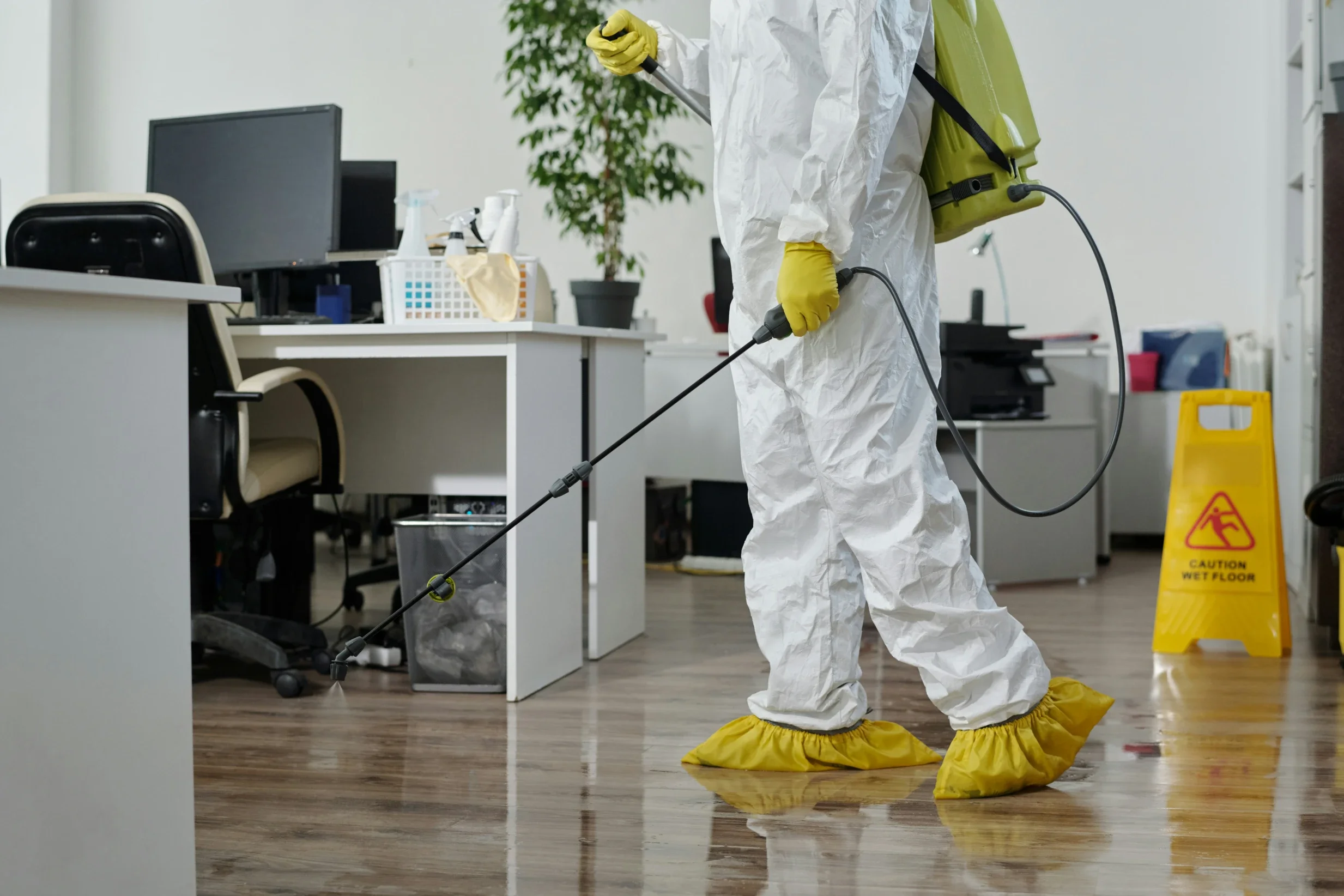
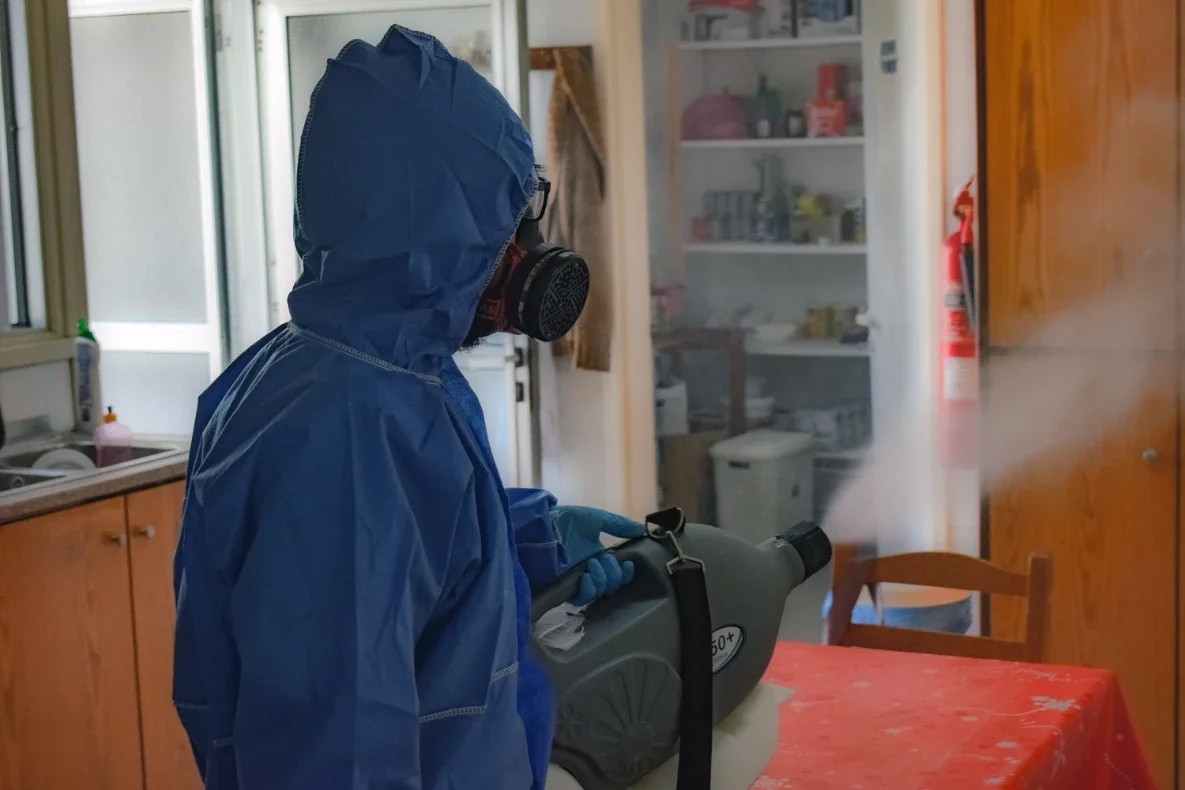
This is where consistent monitoring and professional support work together. Facility managers who combine internal inspection routines with periodic assessments from pest management professionals are better positioned to catch problems while they're still manageable. Structured plans that include regular monitoring create a documented history that helps distinguish a one-time occurrence from a developing pattern requiring more targeted attention.
Final Analysis
An effective office pest prevention plan isn't built around a single solution—it's the result of consistent inspections, clear communication, disciplined sanitation, and attention to the specific areas where pests are most likely to establish themselves. Kitchens, storage rooms, utility spaces, loading docks, and ceiling voids each carry distinct risks that deserve individualized attention rather than a one-size-fits-all approach.
Facility managers who treat pest prevention as an ongoing operational priority—rather than a reactive measure—protect not only their buildings but the health and confidence of everyone who works within them. Early detection, paired with well-documented routines, remains the most reliable way to keep small issues from becoming significant ones.
Stay up to date with our latest ideas!