How Energy-Efficient Offices Can Also Become More Pest-Resistant
Discover how energy-efficient office design can also reduce pest risks through better sealing, ventilation, moisture control, and smarter building practices.
Office managers investing in energy upgrades are usually focused on utility bills, not insects or rodents. Yet many of the same improvements that reduce heating and cooling waste also close off the pathways pests rely on to get inside. Tighter building envelopes, better-sealed penetrations, and controlled airflow do double duty, they save energy and make a building considerably harder for unwanted visitors to enter. Understanding this overlap gives facility teams a practical reason to prioritize both goals together, rather than treating them as separate line items.
Sealed Entry Points Serve Two Purposes at Once
Doors and windows that fit poorly are a well-documented source of energy loss, letting conditioned air escape and outdoor air seep in. The same gaps are wide enough for ants, spiders, and even small rodents to squeeze through. A mouse needs only a quarter-inch opening, while many insects require far less space than that.
When facilities teams install tight-fitting weatherstripping, door sweeps, and properly sealed window frames, they're addressing thermal performance and pest access simultaneously. This is one of the clearest examples of where sustainability work and pest prevention intersect, and it's often the first place a pest control inspection will flag if entry points have degraded over time.
Utility Penetrations Are a Common Blind Spot
Pipes, conduits, and cable lines passing through exterior walls are frequently overlooked during routine maintenance. If the sealant around these penetrations cracks or shrinks, it creates two problems at once: air leakage that undermines HVAC efficiency, and an unguarded opening that pests can exploit.
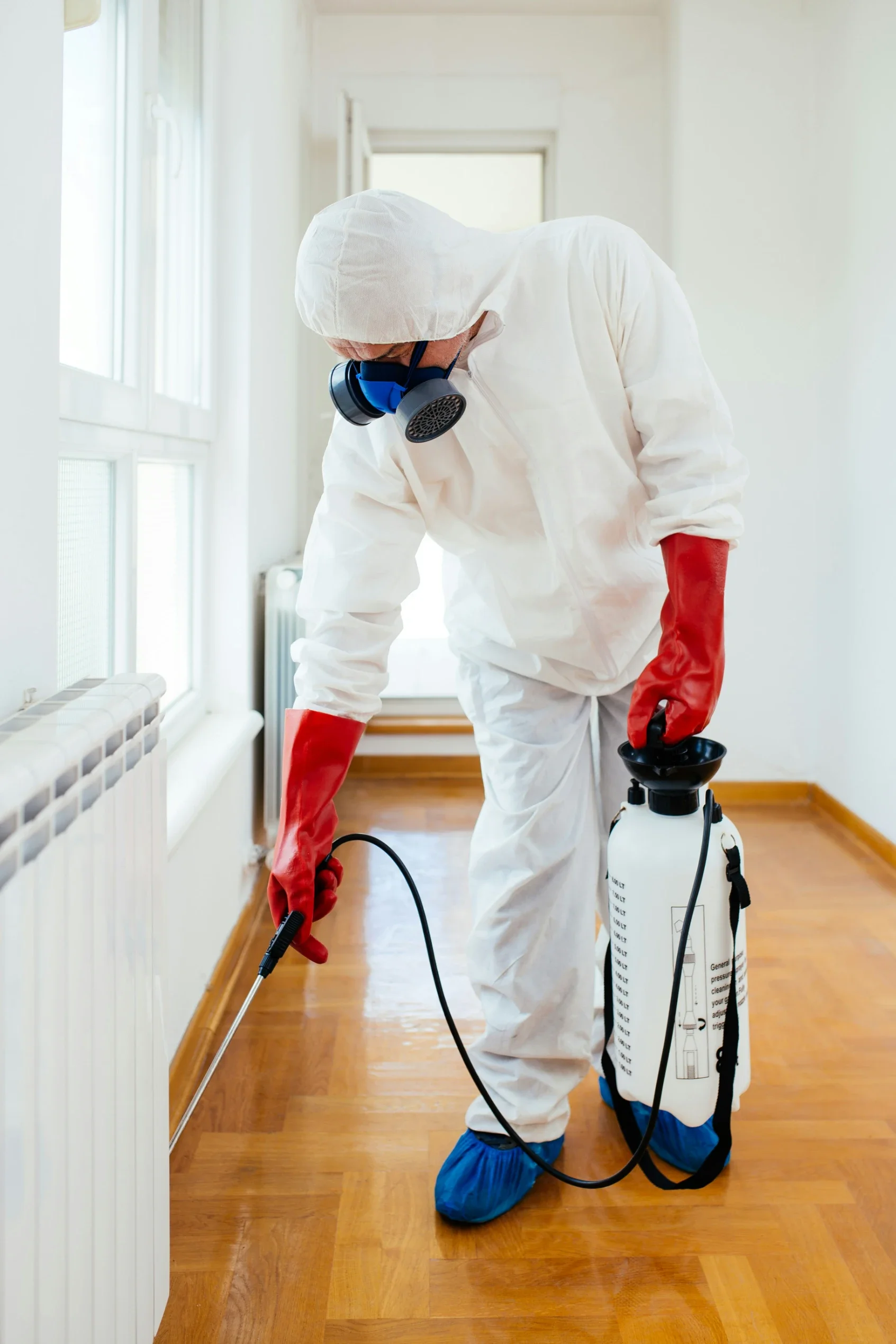
Commercial buildings can lose conditioned air through unsealed penetrations and gaps in the building envelope. Small openings may be closed with appropriate exterior-grade caulk or expanding foam, while larger gaps often require metal mesh or another durable barrier combined with sealant to resist rodent activity. Routine inspections by a Mckinney pest control provider can identify deteriorated seals, concealed entry points, and other conditions before they contribute to a larger infestation.
Ventilation Design Affects More Than Air Quality
Controlled ventilation systems are central to energy-efficient office design, but their intake and exhaust points can become vulnerable if not properly protected. Vents that lack fine mesh screens allow insects and small animals direct access to interior spaces, particularly in kitchens, restrooms, and mechanical rooms.
Screened vents solve this without compromising airflow. Mesh sized appropriately for the vent's function keeps debris and pests out while still allowing the system to regulate air exchange as designed. This is a low-cost adjustment that pairs naturally with any broader ventilation upgrade, and it's a detail worth reviewing whenever HVAC equipment is serviced or replaced.
Moisture Control Ties Energy Efficiency to Pest Pressure
Moisture management sits at the center of both concerns. Poor insulation and inadequate vapor barriers can lead to condensation inside walls or around window frames — conditions that waste energy and simultaneously attract pests. Cockroaches, silverfish, and certain ant species are drawn to damp environments, and termites in particular seek out wood that has been softened by consistent moisture exposure.
Addressing leaks, improving drainage around the building foundation, and maintaining proper insulation levels reduces humidity buildup indoors. This lowers HVAC load and removes one of the primary conditions pests need to thrive. Facility teams that treat moisture control as a shared priority — rather than splitting it between "energy" and "pest" categories — tend to see better long-term results in both areas.
A Well-Maintained Envelope Is the Foundation
The building envelope — roof, walls, foundation, doors, and windows — is the physical barrier between conditioned interior space and the outside environment. When it's compromised, energy efficiency and pest resistance decline together. Cracked foundations, deteriorating roofline flashing, and gaps around utility lines all point to the same underlying issue: a boundary that no longer functions as designed.
Routine envelope inspections should look for:
Cracks or gaps in exterior walls and foundation lines
Deteriorated weatherstripping or door sweeps
Damaged screens on vents and window openings
Water stains or soft spots indicating moisture intrusion
Signs of gnawing, nesting debris, or insect activity near entry points
Catching these issues early keeps both energy costs and pest risk in check, and it's far less disruptive than addressing an active infestation after the fact.
Building Design Alone Won't Solve Everything
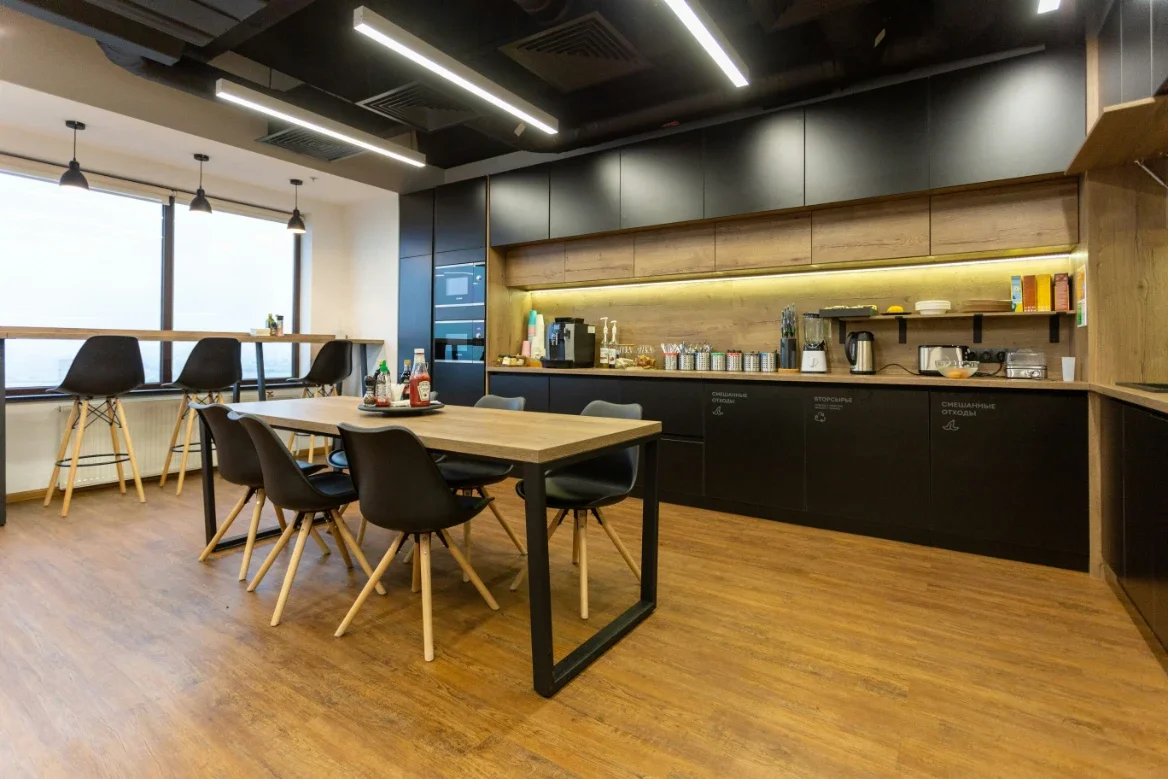
It's worth being direct about the limits of structural improvements. Sealing gaps and upgrading insulation will reduce pest entry points, but they won't eliminate pests if other conditions inside the office continue to support them. Food waste left in break rooms, cluttered storage areas, undetected leaks under sinks, and hidden nesting spots behind equipment can undo much of the benefit that envelope work provides.
Pests don't need a grand opportunity — a single unemptied trash bin or a small leak behind a water cooler is often enough. This is why structural upgrades work best as one part of a broader maintenance strategy, not a standalone fix. Regular housekeeping, prompt leak repairs, and periodic decluttering matter just as much as the building's physical seal.
Final Analysis
Energy-efficient offices and pest-resistant offices share more common ground than most facility managers realize. Tight seals, screened vents, and controlled moisture levels support both goals at once, but they only go so far without consistent attention to the human side of building maintenance — cleanliness, waste management, and prompt repairs. Combining structural improvements with routine professional inspections gives facility teams a realistic, sustainable approach to keeping both energy costs and pest activity under control, season after season.
Stay up to date with our latest ideas!