Why Shared Office Kitchens Are a Hotspot for Pest Activity
Learn why shared office kitchens attract pest activity and discover practical ways to improve food storage, cleaning routines, and sanitation to prevent infestations.
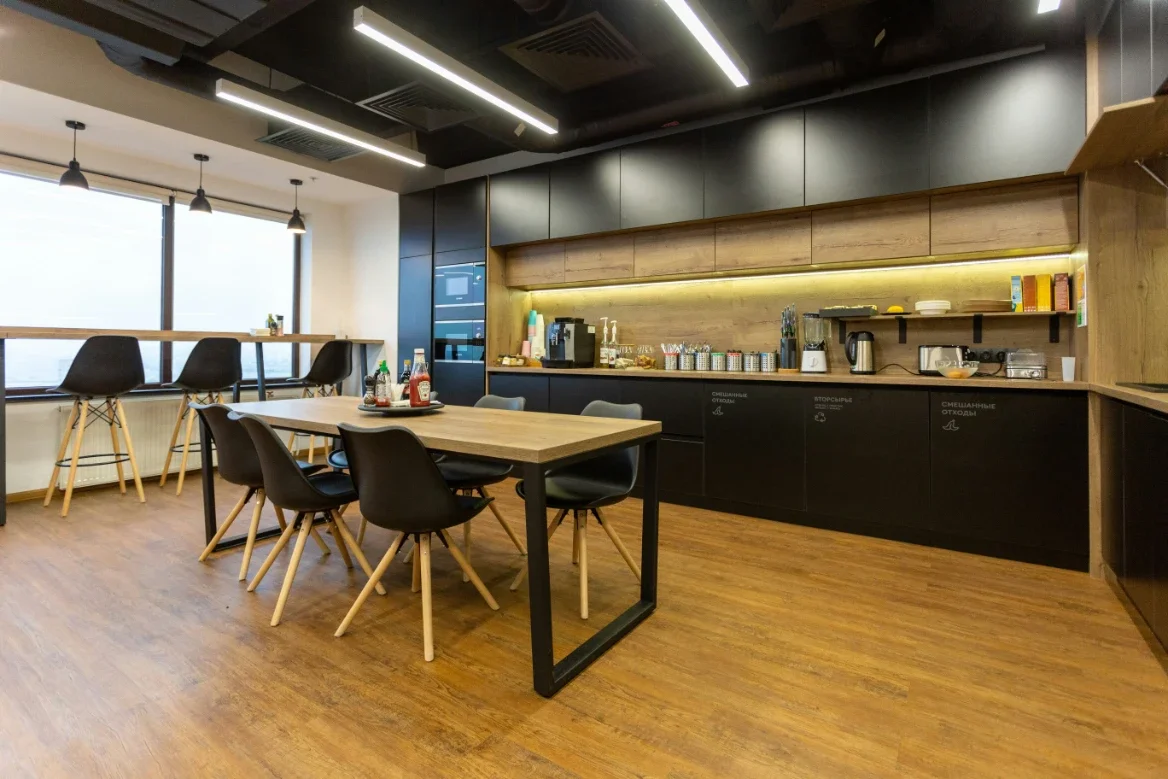
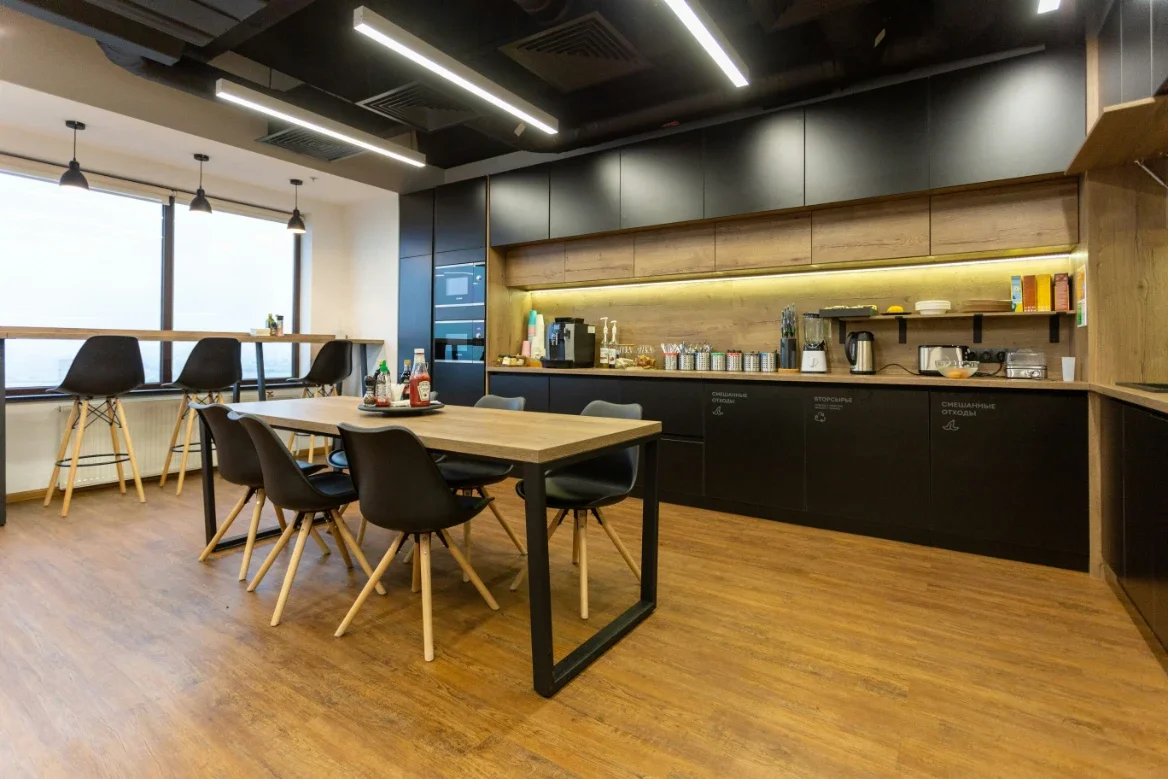
Shared office kitchens are designed for convenience, but the same features that make them useful can also create favorable conditions for pests. Employees bring meals, store leftovers, prepare drinks, heat food, and dispose of packaging throughout the day. As a result, even a kitchen that appears reasonably clean can provide ants, cockroaches, flies, and rodents with access to food, moisture, shelter, and warmth.
Unlike a private household kitchen, an office kitchen is used by many people with different cleaning habits. A forgotten container of leftovers, an unwashed coffee cup, or crumbs beneath a microwave may seem insignificant individually. However, repeated small sources of food and water can create an environment where pests find everything they need to survive. Understanding which areas attract them most is an important part of maintaining a healthier and more hygienic workplace.
Communal Refrigerators Create Hidden Food Sources
Office refrigerators can become pest-attracting areas when food remains inside for too long. Employees may forget about leftovers, open containers, spilled beverages, or produce that has started to deteriorate. Even when refrigerator interiors are relatively cold, food residue around shelves, drawers, door seals, and containers can contribute to odors and contamination.
Ants and cockroaches may be attracted to residue around food containers, while flies can become more noticeable when organic food begins to decay. Rodents generally cannot enter a properly sealed refrigerator, but they may be attracted to food waste and packaging stored around it.
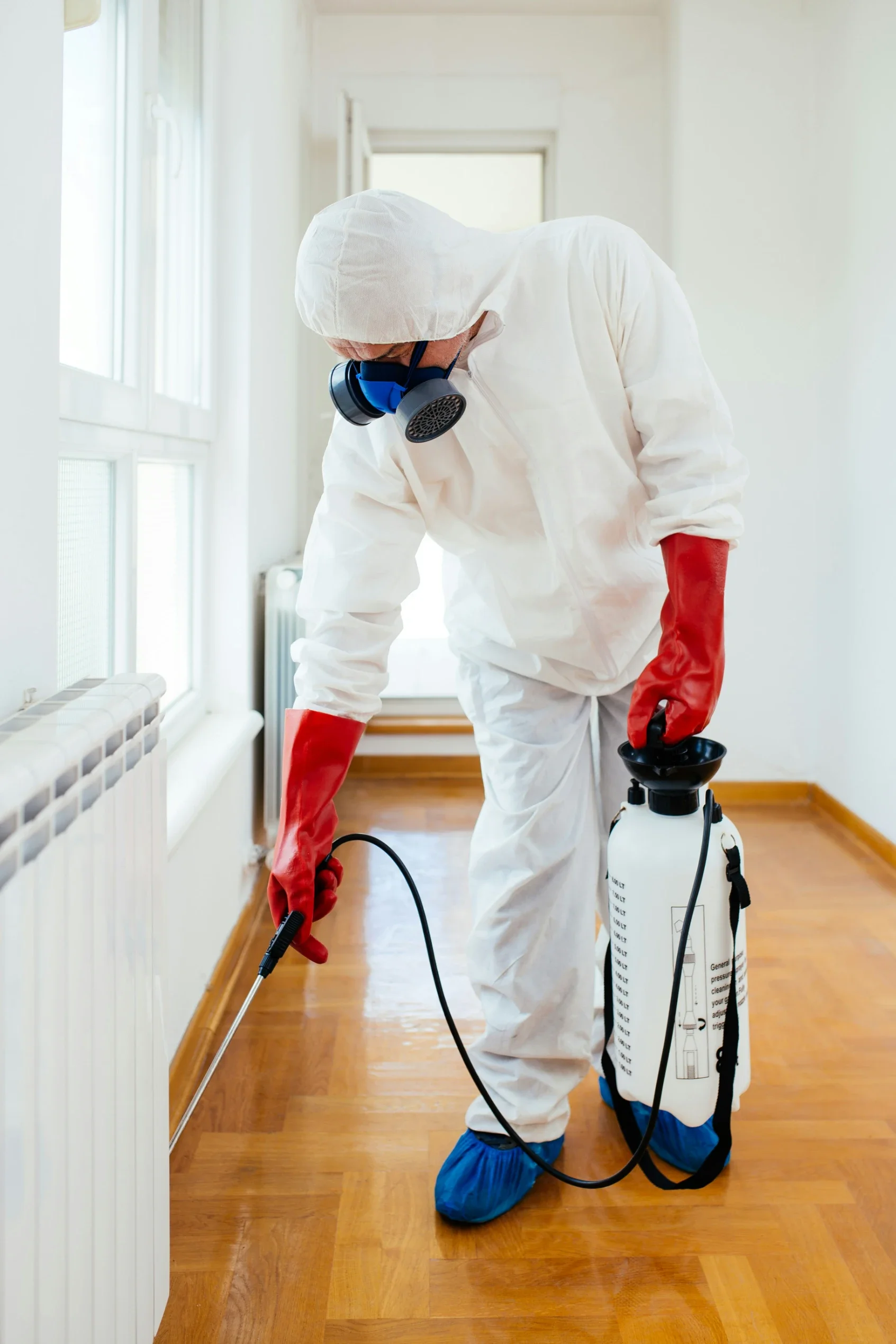
Regular refrigerator cleanouts are therefore important. Employees should remove expired food, wipe spills promptly, and keep stored meals covered. A scheduled workplace cleanout can prevent the refrigerator from becoming a collection point for forgotten food. When sanitation improvements are not enough to stop recurring pest activity, Sage Pest Control can be considered as part of a broader professional pest-management response.
Coffee Stations, Microwaves, and Snack Drawers Offer Easy Meals
Coffee stations are another overlooked source of pest activity. Sugar, creamers, spilled coffee, crumbs, and food particles can accumulate around coffee machines and counters. Ants in particular can follow tiny traces of sugary substances, while cockroaches can exploit food residue in small cracks and concealed areas.
Microwaves present a similar problem. Food can splatter onto interior surfaces, drip underneath the appliance, or fall into gaps around the surrounding counter. If these areas are not cleaned regularly, they can provide persistent food odors and residue.
Snack drawers and communal cupboards may be even more attractive because they frequently contain cereal, crackers, cookies, nuts, candy, and other dry foods. Open packages can provide accessible food for insects and rodents. Sealed containers are a simple but important preventive measure—particularly for foods that are commonly stored for several days.
A practical office routine should include:
Storing food in tightly sealed containers rather than open bags.
Wiping coffee stations and microwave surfaces after use.
Removing crumbs from counters, drawers, and cabinet shelves.
Checking snack storage areas regularly for damaged packaging.
Cleaning underneath appliances where food particles can accumulate.
These practices reduce the amount of accessible food available to pests and make it harder for an infestation to become established.
Sinks, Drains, and Recycling Bins Supply Moisture
Food is only one part of the problem. Pests also need water, and shared kitchen sinks can provide a dependable source. Standing water around faucets, wet sponges, damp cleaning cloths, and leaking pipes can create conditions favorable to insects. Drains may also collect organic material that attracts flies and other pests.
Drain maintenance should therefore be part of routine kitchen cleaning. Sinks should be kept as dry as practical, leaks should be repaired, and drains should be cleaned according to appropriate workplace sanitation procedures. Persistent drain odors or recurring flies can indicate that organic material is accumulating somewhere within or around the drainage system.
Recycling bins deserve similar attention. Beverage cans, bottles, food containers, and packaging can retain small amounts of liquid or food residue even after disposal. If recycling is allowed to accumulate for several days, these materials can attract flies, ants, cockroaches, and other scavenging pests.
Regular waste removal is particularly important in communal kitchens. Garbage and recycling should be emptied according to a consistent schedule rather than only when containers become visibly full. Interior surfaces of bins should also be cleaned when spills occur.
Food Residue Can Help Pests Spread Quickly
Once pests discover a reliable combination of food, water, and shelter, an office kitchen can become an attractive location for continued activity. Ants can establish trails between food sources and nesting areas, allowing additional workers to follow established routes. Cockroaches can remain hidden in cracks, behind appliances, and in other undisturbed spaces while emerging when food and moisture are available.
Flies can reproduce when suitable organic material remains accessible, particularly around waste and drains. Rodents can also exploit dependable food sources and may move through concealed areas such as wall voids, utility spaces, storage rooms, and gaps around pipes.
This is why a pest problem can appear to spread suddenly. The infestation may have developed gradually while remaining unnoticed. A single visible cockroach or a few ants may represent only the part of the problem that employees can see. For persistent workplace activity, a pest control company may provide professional assessment alongside improved sanitation and maintenance practices.
Cleaning Beneath Appliances Matters
Kitchen cleaning often focuses on visible countertops, sinks, and floors, while hidden spaces receive less attention. The areas beneath refrigerators, microwaves, coffee machines, cabinets, and other appliances can accumulate crumbs, grease, spilled liquids, and packaging fragments. These locations may remain undisturbed for extended periods, giving pests both food and shelter.
Routine deep cleaning should include moving appliances when it is safe and practical to do so. Floors and surfaces underneath equipment should be inspected for food residue, moisture, droppings, damaged packaging, and other signs of activity. Employees should also report gaps around pipes, doors, cabinets, and walls because these openings can provide entry points or hiding places.
Good housekeeping works best when responsibilities are clearly established. Office managers can create cleaning schedules, while employees can be encouraged to clean up immediately after preparing or eating food. Small daily actions are generally easier to maintain than occasional intensive cleanups after a problem has already developed.
End Note
A shared office kitchen does not need to be perfectly sterile to discourage pests, but it does need consistent sanitation and maintenance. Refrigerators should be cleared regularly, food should be sealed, sinks and drains should remain clean, recycling and garbage should be removed frequently, and hidden areas beneath appliances should not be ignored.
The key is to eliminate the combination of food, moisture, and shelter that allows pests to establish themselves. When employees and facility managers treat kitchen hygiene as a shared responsibility, they can reduce the conditions that attract ants, cockroaches, flies, and rodents. If activity continues despite appropriate cleaning and maintenance, professional assessment can help identify concealed entry points, nesting areas, and environmental conditions that routine housekeeping may not address.
Stay up to date with our latest ideas!