How Collision Mitigation Systems Are Improving Safety in Mining Environments
Learn how collision mitigation systems improve safety in mining by reducing accidents, protecting workers, and enhancing equipment awareness in hazardous environments.
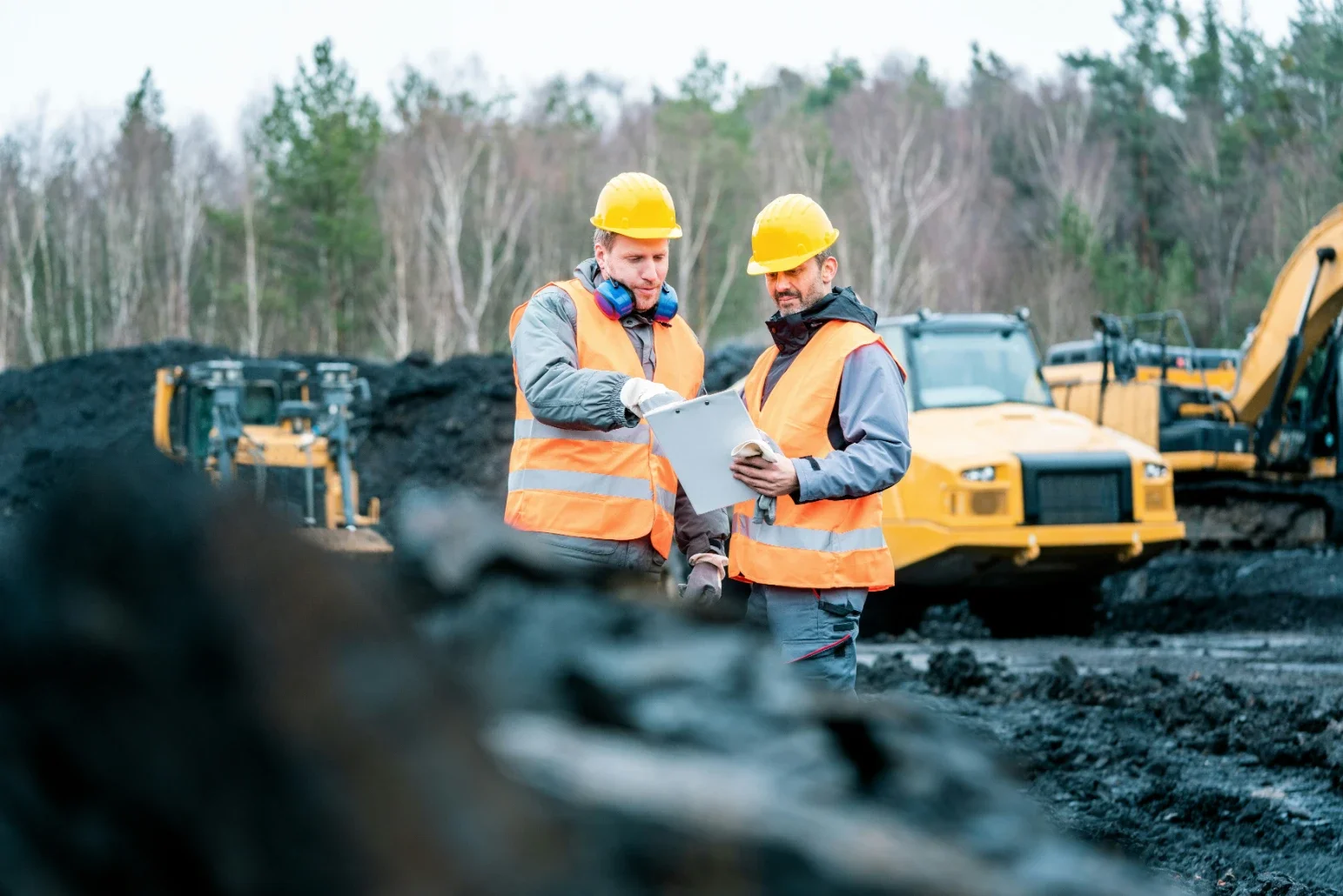
Mining environments are notoriously hazardous, characterised by heavy machinery, limited visibility, and challenging terrain. In recent years, advances in technology have introduced a promising solution to enhance safety measures collision mitigation systems. A mining collision mitigation system is designed to reduce the risk of accidents by providing heightened awareness and control in environments where human oversight may fall short. These systems utilise innovative technologies to alert operators and prevent accidents, hence significantly improving safety conditions within the mining sector.
Understanding the Components of Collision Mitigation Systems
Collision mitigation systems in mining environments encompass several key components. At the core is proximity detection, which involves sensors and software capable of identifying obstacles or workers within a dangerous range of machinery. This system leverages a combination of radar, GPS, and RFID technologies to pinpoint potential hazards, sending alerts to the machinery operator to take corrective actions. Another crucial element is the automated intervention mechanism that can decelerate or even halt equipment operation if the operator fails to respond, therefore acting as a critical layer of safety.
The Role of Technology in Enhancing Mining Safety
Technology has become an indispensable ally in minimising mining accidents. Enhanced safety features provided by collision mitigation systems rely on real-time monitoring and data analytics. By continuously collecting and analysing data, these systems offer predictive insights that anticipate potential hazards before they materialise. Furthermore, recent advances in machine learning have enabled the development of smarter systems that learn from past incidents, ensuring that they become increasingly robust over time in identifying and neutralising threats.
Improving Human-Machine Interaction
While technology plays a pivotal role, the human element remains central to effective operation within mining environments. Collision mitigation systems are designed to augment human skills, not replace them. By delivering precise, real-time data directly to operators via wearable devices or in-cab displays, these systems enhance situational awareness. This seamless interaction between humans and machines is crucial for making split-second decisions, which can be life-saving in the event of a near-miss or an emerging risk.
Case Studies: Successful Implementation in the Mining Industry
Several mining companies across the globe have integrated collision mitigation systems with remarkable success. In South Africa, a leading mining corporation reported a substantial decrease in on-site accidents following the adoption of such systems. Similarly, an Australian mining company documented a dramatic drop in machine downtime and collision-related incidents. These cases demonstrate how effective implementation not only improves safety but also contributes to operational efficiency, with fewer disruptions and streamlining of work processes.
The Future of Collision Mitigation in Mining
As the mining industry continues to evolve, the reliance on collision mitigation systems is set to grow. Future innovations are expected to focus on enhancing connectivity and the integration of artificial intelligence for even more sophisticated predictive capabilities. Remote monitoring and autonomous vehicles, supported by these systems, may soon become the standard, significantly reducing direct human exposure to high-risk environments. Ultimately, sustained investment and continuous improvement in collision mitigation technologies hold the potential to redefine safety norms in mining, making hazardous operations increasingly manageable.
In conclusion, the adoption of collision mitigation systems marks a transformative step towards safer mining operations. These systems not only stand to protect lives but also significantly enhance the sustainability and efficiency of the mining industry as a whole. Through ongoing advancements, they promise a future where the potentially perilous realms of mining are safeguarded by intelligent, integrated technologies.
Stay up to date with our latest ideas!