What Is a Credenza in an Office? Explained
What is a credenza in an office? Discover its purpose, styles, and how this versatile furniture piece transforms any workspace instantly.
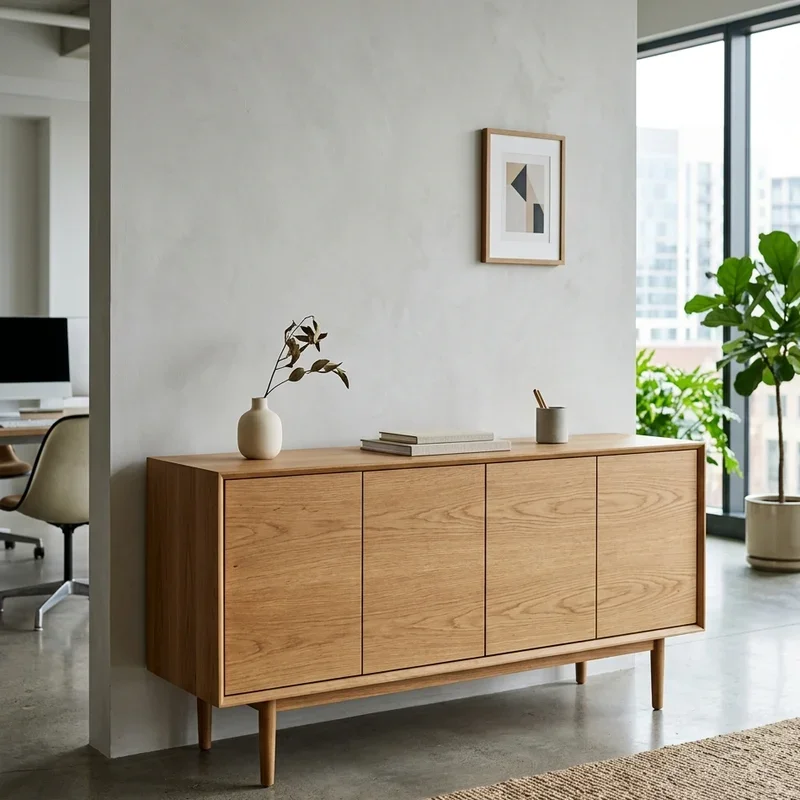
You have probably walked past a credenza dozens of times without even knowing what it was called. That long, low cabinet sitting quietly along the wall of your boss's office or tucked behind the reception desk? Yeah, that is a credenza. And honestly, it is one of the most underrated pieces of office furniture out there.
The question of "What Is a Credenza in an Office? Explained" pops up more often than you might think. People see these sleek storage units in showrooms, in catalogs, and all over Pinterest boards, but they are not always sure what separates a credenza from a buffet, a sideboard, or just a regular old cabinet. Well, you are in the right place because we are about to break it all down for you. From its fascinating history to how you can pick the perfect one for your workspace, this guide covers everything you need to know. So grab a cup of coffee and let us dive right in.
The Origins of the Credenza: Where Did It All Begin
Believe it or not, the credenza has roots that stretch all the way back to medieval Italy. The word itself comes from the Italian term "credenza," which roughly translates to "belief" or "trust." Back in the day, servants would taste food placed on a credenza before serving it to their masters, essentially proving that the meal was safe to eat. Talk about a trust exercise, right?
Over the centuries, this piece of furniture evolved from a food-testing station into a symbol of sophistication in European homes. By the time it reached the 20th century, designers had reimagined it as a sleek, functional piece for modern offices. Its low profile, clean lines, and generous storage made it a natural fit for professional settings. And honestly, once you learn this little history lesson, you will never look at your office credenza the same way again.
What Is a Credenza in an Office? Explained in Simple Terms
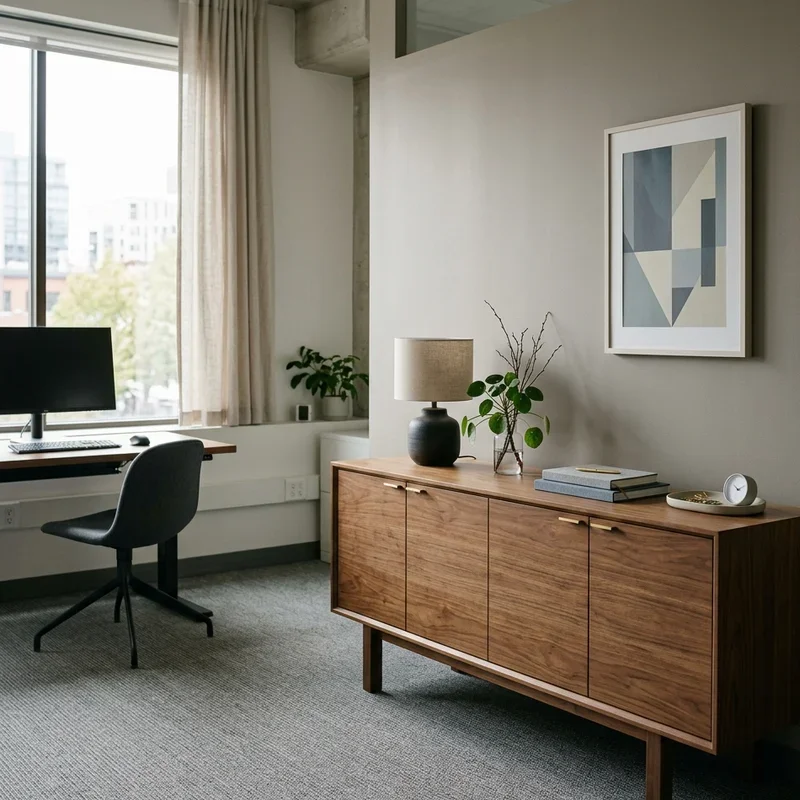
So let us cut to the chase. A credenza is a long, low piece of furniture that typically sits against a wall or behind a desk. It usually features a combination of cabinets, drawers, and sometimes open shelving. Unlike a bookshelf that reaches for the ceiling or a filing cabinet that just screams "boring paperwork," a credenza strikes a perfect balance between storage and style.
In an office setting, credenzas serve as a multi-purpose workstation companion. They hold printers, store files, display awards, and sometimes even double as a spot to set up refreshments during meetings. Think of a credenza as the Swiss Army knife of office furniture. It does a little bit of everything, and it does it all while looking absolutely fantastic.
Most office credenzas stand around 25 to 34 inches tall, which puts them right at desk height or just below it. This makes them perfect for placing behind an executive chair, creating a seamless L-shaped or U-shaped desk configuration. The surface area on top provides extra workspace or a place to showcase family photos, potted plants, or that quirky desk toy your coworker gave you last Christmas.
Key Features That Define an Office Credenza
What makes a credenza stand apart from other storage furniture? Well, several characteristics give it that signature look and feel.
First off, the height is a dead giveaway. Credenzas are designed to be low and long, sitting well below eye level when you are standing. This keeps the room feeling open and uncluttered, which is a big deal in office design. Nobody wants to feel like they are working inside a furniture warehouse.
Second, credenzas almost always feature enclosed storage. You will find doors that swing open or slide to the side, hiding away all the papers, supplies, and random odds and ends that accumulate in any workspace. Some models include a mix of drawers for smaller items and larger cabinet sections for bulkier things like binders or equipment.
Third, the surface on top is meant to be used. Unlike a filing cabinet where the top is an afterthought, a credenza's surface is designed for display or function. You can set a printer on it, lay out documents during a meeting, or arrange decorative items that give your office some personality.
Finally, credenzas tend to have a polished, finished look on all visible sides. Since they often sit in prominent positions within an office, manufacturers put extra effort into making sure they look good from every angle. No raw particleboard backs here.
Credenza vs. Buffet vs. Sideboard: Clearing Up the Confusion
Here is where things get a little tricky. People toss around the terms credenza, buffet, and sideboard like they are interchangeable, but there are some real differences worth knowing about.
A buffet is typically a dining room piece. It is often taller than a credenza and comes with legs that raise it off the ground. Buffets usually have a combination of drawers on top and cabinets below, and they are designed primarily for storing dishes, linens, and silverware.
A sideboard is pretty similar to a buffet, and honestly, in many circles, the two names are used for the exact same piece. Sideboards might be slightly shorter than buffets, but they share that dining room DNA. They are built for entertaining and serving food.
A credenza, on the other hand, has found its true home in the office. While it shares the long, low silhouette with its dining room cousins, the credenza is optimized for professional use. The interior storage is configured for files, tech equipment, and office supplies rather than china and napkins. Plus, credenzas often sit flush against a wall or directly behind a desk, integrating seamlessly into a workspace layout.
So the next time someone calls your office credenza a sideboard, you can politely set the record straight.
Different Styles of Office Credenzas You Should Know About
Office credenzas come in a surprisingly wide variety of styles. Picking the right one depends on your taste, your office aesthetic, and how much storage you actually need. Let us walk through some popular options.
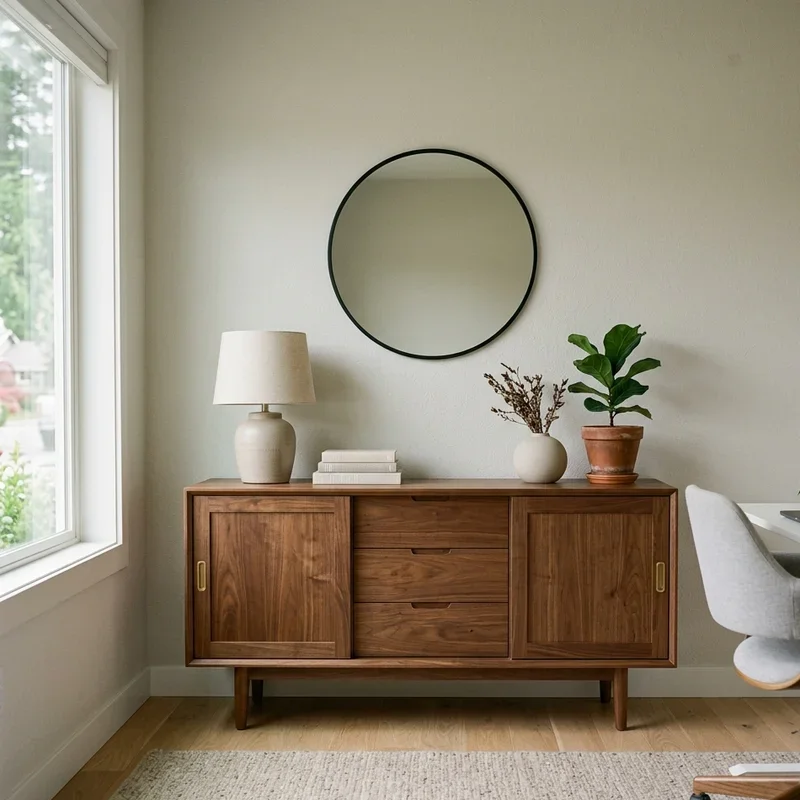
Traditional credenzas lean into rich wood tones like mahogany, cherry, or walnut. They often feature decorative molding, brass hardware, and a formal vibe that works beautifully in law firms, executive suites, and corner offices. If your workspace screams "old-school prestige," a traditional credenza is your best bet.
Modern credenzas take a totally different approach. Clean lines, minimalist hardware, and materials like lacquered wood, glass, or metal define this style. These pieces look right at home in contemporary offices, coworking spaces, and creative studios. They keep things simple without sacrificing functionality.
Mid-century modern credenzas have exploded in popularity over the past decade. With their tapered legs, warm wood finishes, and retro charm, these pieces bring a touch of vintage cool to any office. They are perfect for startups and creative agencies that want to make a stylish statement.
Industrial credenzas mix raw materials like reclaimed wood and metal frames to create a rugged, warehouse-inspired look. These work particularly well in loft-style offices or spaces with exposed brick and concrete floors.
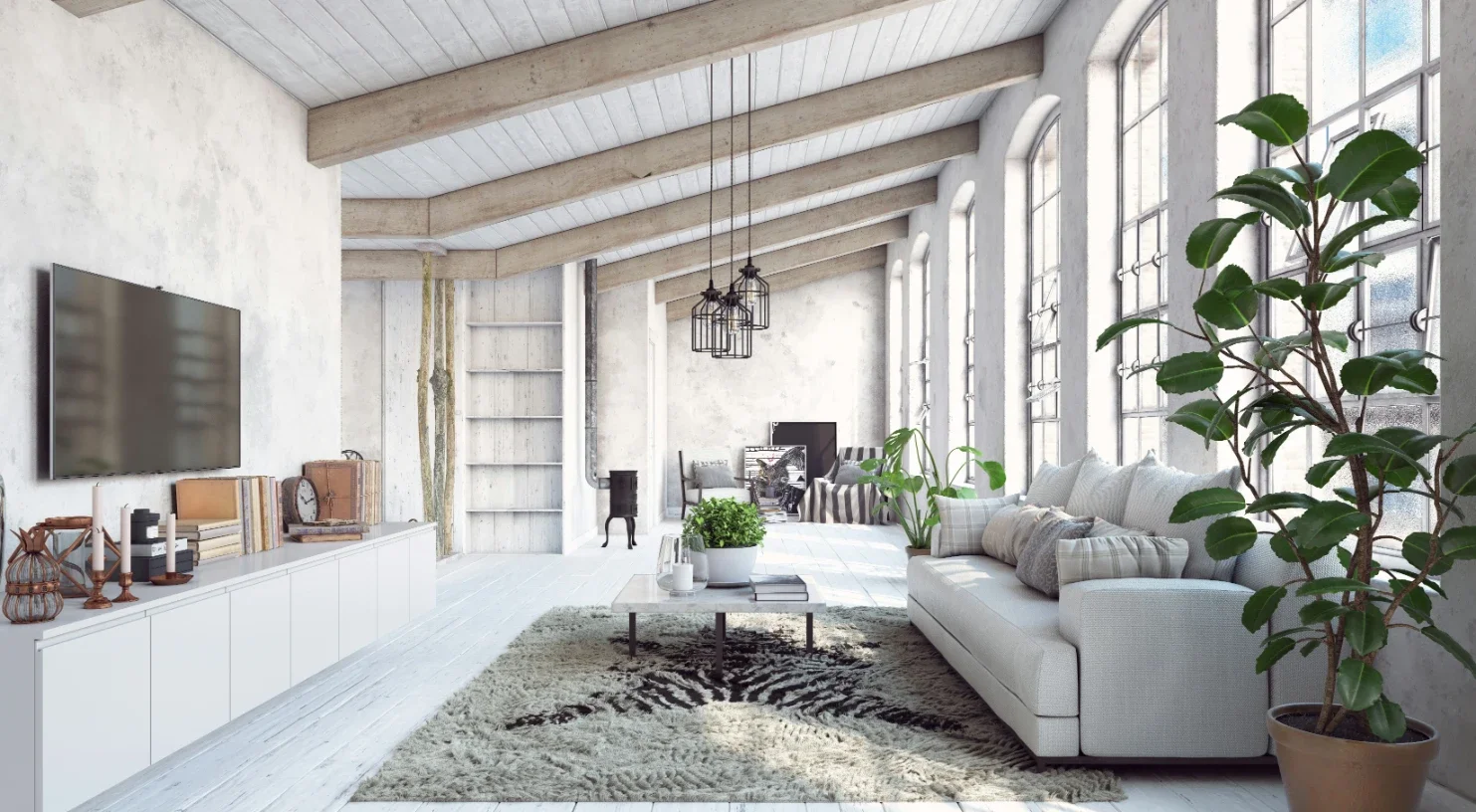
Floating or wall-mounted credenzas are a newer trend that is gaining serious traction. These pieces attach directly to the wall, freeing up floor space and creating a sleek, modern appearance. They are ideal for smaller offices where every square inch counts.
How to Choose the Right Credenza for Your Office
Picking the perfect credenza is not rocket science, but there are a few things you should keep in mind before swiping that company credit card.
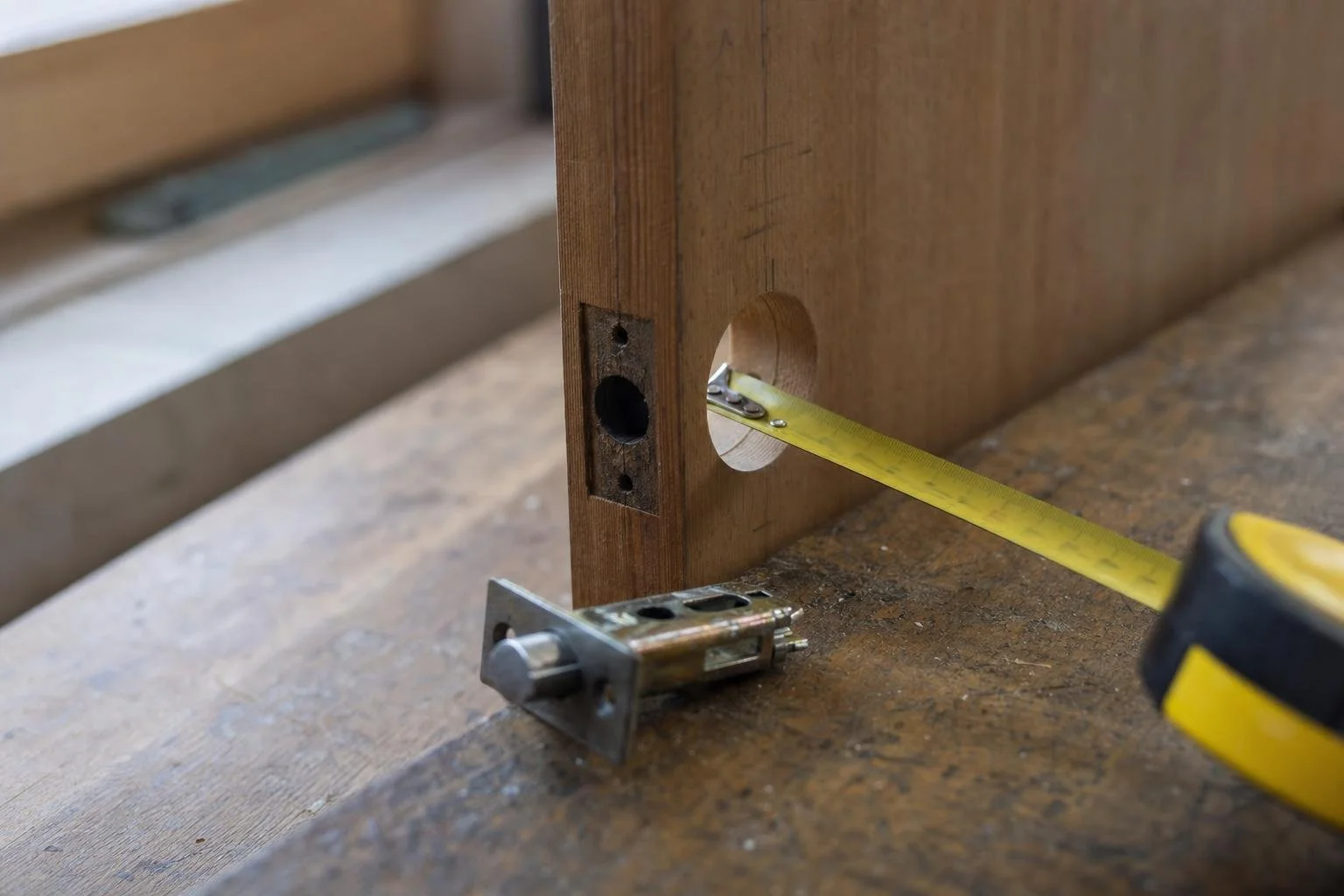
Start by measuring your space. Seriously, this is step one and it is non-negotiable. You need to know exactly how much wall space you have and how far the credenza can extend into the room without blocking walkways or doorways. Nothing kills an office vibe faster than furniture that makes people shuffle sideways just to get to their desks.
Next, think about what you actually need to store. If you are drowning in paperwork, look for a credenza with plenty of file drawers and cabinet space. If you mainly need a surface for your printer and a few decorative touches, a simpler model with minimal storage will do just fine.
Consider the material and finish in relation to your existing furniture. Your credenza should complement your desk, chairs, and other pieces in the room. A rustic reclaimed wood credenza might look incredible on its own, but it could clash horribly with a sleek glass desk. Cohesion matters more than you might think.
Do not forget about cable management. In today's tech-heavy offices, you will likely have cords running to printers, monitors, or charging stations sitting on top of your credenza. Look for models that include built-in grommets, cutouts, or channels for managing cables neatly.
Finally, set a realistic budget. Office credenzas range from budget-friendly laminate options under a hundred dollars to high-end custom pieces that run into the thousands. Figure out what you can afford and prioritize quality where it counts. A well-built credenza can last for decades, so think of it as a long-term investment.
The Benefits of Having a Credenza in Your Office
Why should you bother adding a credenza to your workspace? Well, the benefits go way beyond just having another place to stash your stuff.
For starters, credenzas are incredible for organization. They give you dedicated storage right within arm's reach, which means less time digging through cluttered desk drawers or trekking to the filing room down the hall. Everything you need stays close and accessible.
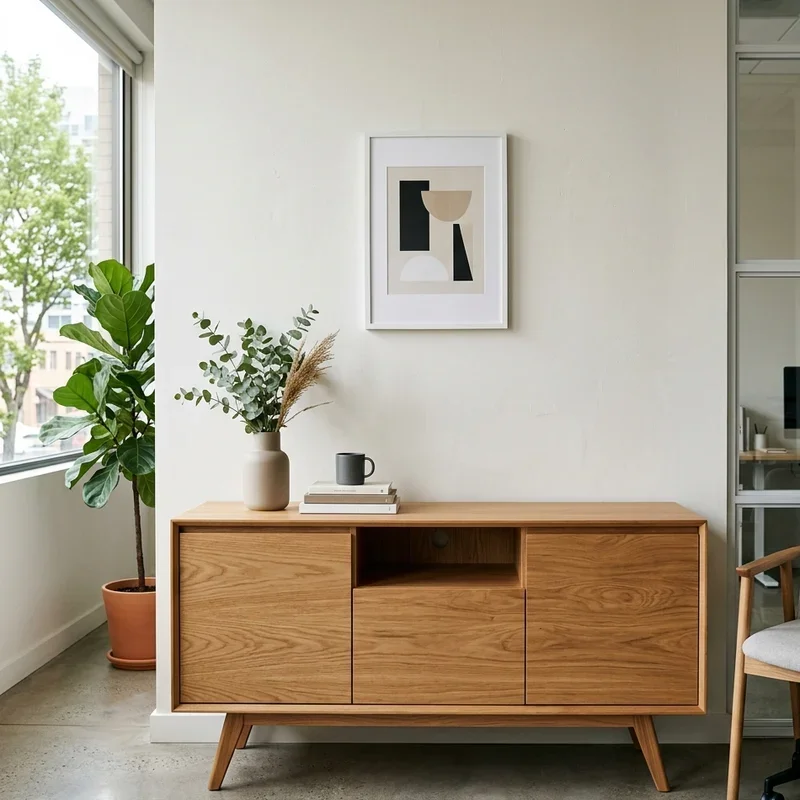
Credenzas also do wonders for your office aesthetics. A well-chosen piece adds a layer of sophistication and professionalism that clients and colleagues notice right away. It tells people you care about your workspace, and that kind of attention to detail makes an impression.
From a practical standpoint, credenzas expand your usable workspace significantly. That extra surface area behind your desk can hold equipment, serve as a secondary work surface during busy projects, or provide a spot for refreshments when hosting meetings. It is like getting a bonus desk without the bulk.
Additionally, credenzas help with noise reduction in shared office environments. Their solid construction can act as a buffer, absorbing and blocking some of the ambient noise that bounces around open-plan offices. It is a small perk, but in a noisy workplace, every little bit helps.
Creative Ways to Use an Office Credenza
Here is where things get fun. A credenza does not have to be just a storage unit. With a little creativity, you can transform it into something truly special.
Turn your credenza into a mini coffee and beverage station. Set up a coffee maker, a few mugs, and some snacks on top, and suddenly you have got a built-in refreshment area that keeps people from crowding the break room.
Use it as a tech hub. Place your printer, scanner, and a charging station on the surface, and store paper, ink cartridges, and cables inside the cabinets. This keeps all your tech in one organized spot instead of scattered across the room.
Transform the top into a display area for awards, certificates, and company memorabilia. This works especially well in executive offices or conference rooms where you want to showcase achievements without overwhelming the walls.
If you work in a creative field, use your credenza to display mood boards, samples, or portfolio pieces. The flat surface and the space above it create a natural gallery area that clients will love browsing during meetings.
Some people even use credenzas as room dividers in open-plan offices. Because they are low enough to maintain sight lines but substantial enough to create a sense of separation, they strike that perfect balance between openness and privacy.
Materials and Durability: What to Look For
When it comes to office credenzas, the material you choose plays a huge role in both appearance and longevity. Solid hardwoods like oak, walnut, and maple are the gold standard. They look gorgeous, age beautifully, and can withstand years of daily use without breaking a sweat. The downside? They come with a heftier price tag.
Engineered wood and laminate options offer a budget-friendly alternative. Modern manufacturing techniques have gotten so good that many laminate credenzas look remarkably similar to real wood from a distance. They are lightweight, easy to move, and resist scratches and stains better than natural wood in some cases. However, they generally do not hold up as well over the long haul.
Metal and glass credenzas bring an industrial or contemporary edge to your office. They are durable and easy to clean, but they can feel cold or sterile if your workspace leans toward a warmer aesthetic. Mixing materials, like a metal frame with a wooden top, gives you the best of both worlds.
Maintaining Your Office Credenza
Taking care of your credenza is pretty straightforward, but a few good habits will keep it looking sharp for years.
Dust it regularly with a soft, dry cloth or a microfiber duster. Built-up dust might seem harmless, but over time it can dull the finish on wood surfaces and scratch more delicate materials.
Clean spills immediately, especially on wood surfaces. Water rings and coffee stains are the mortal enemies of a beautiful credenza finish. Keep a coaster handy if you tend to set drinks on the surface.
Avoid placing your credenza in direct sunlight for extended periods. UV rays can fade wood finishes and discolor laminate over time. If your office gets a lot of natural light, consider positioning the credenza on an interior wall or using window treatments to filter the sun.
For wood credenzas, apply a quality furniture polish or wax every few months. This restores shine, adds a protective layer, and keeps the wood from drying out and cracking.
Check the hardware periodically. Drawer slides, hinges, and handles can loosen with regular use. Tightening a few screws every now and then prevents bigger problems down the road.
What Is a Credenza in an Office? Explained for Modern Workspaces
The modern office looks nothing like it did twenty years ago. Open floor plans, remote work setups, and flexible coworking spaces have changed the game entirely. But guess what? The credenza has adapted right along with it.
Today's credenzas are designed with modern work habits in mind. Integrated cable management, built-in power outlets, and compartments sized for laptops and tablets are becoming standard features. Some high-end models even include wireless charging pads built right into the surface. How cool is that?
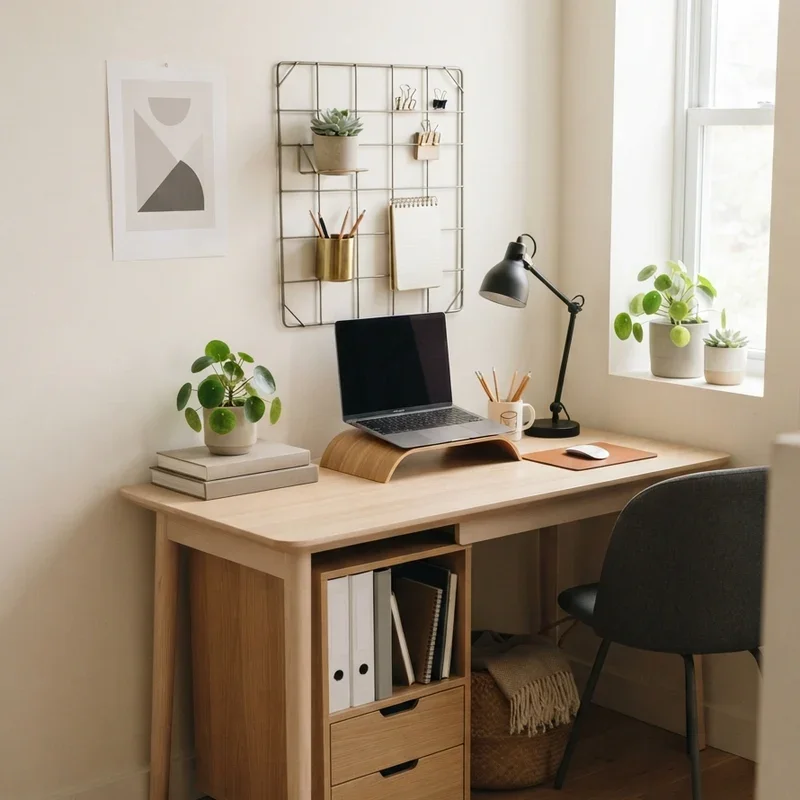
The shift toward hybrid work has also influenced credenza design. Many people now use credenzas in home offices, where they serve double duty as both professional storage and a place to tuck away household items. The versatility that made credenzas popular in corporate offices translates perfectly to residential workspaces.
Sustainability is another big trend shaping the credenza market. More manufacturers are using reclaimed wood, recycled materials, and eco-friendly finishes to appeal to environmentally conscious buyers. If going green is important to you, there are plenty of gorgeous, planet-friendly options available.
Read next: 15 Office Furniture Planning Ideas for a More Functional Workspace
Conclusion
At the end of the day, a credenza is so much more than just a piece of furniture. It is a storage powerhouse, a style statement, and a workspace enhancer all rolled into one. Whether you are furnishing a corporate executive suite or sprucing up your home office, the right credenza can completely transform the feel and function of your space. Now that you understand what is a credenza in an office, you are ready to pick one that fits your needs, your style, and your budget perfectly.
Frequently Asked Questions
1.What is the main purpose of a credenza in an office?
A credenza provides storage, extra workspace, and display area behind or beside your desk.
2.How is a credenza different from a regular filing cabinet?
A credenza is longer, more stylish, and offers both open surface space and enclosed storage.
3.Can I use a credenza in a home office setting?
Absolutely, credenzas work perfectly in home offices for storage, organization, and adding professional style.
4.What materials are best for a durable office credenza?
Solid hardwoods like oak, walnut, and maple offer the best durability and long-lasting visual appeal.
5.How tall should an office credenza be for comfortable use?
Most office credenzas stand between 25 and 34 inches tall, matching standard desk height comfortably.
Stay up to date with our latest ideas!