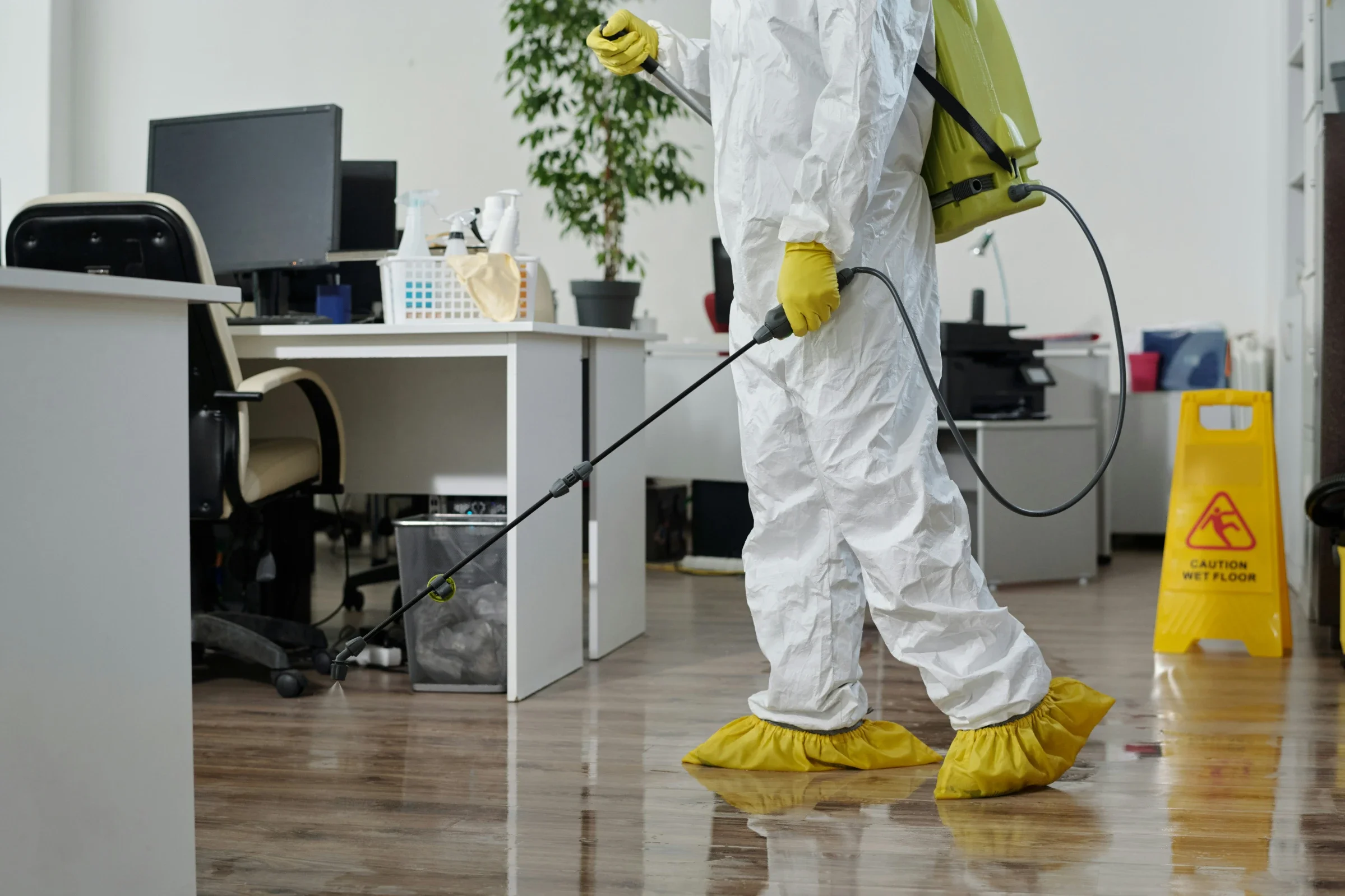
How Office Cleaning Zones Can Become Pest Trouble Spots
Discover how office cleaning zones can become pest trouble spots and learn how better sanitation, waste management, moisture control, and maintenance can help.
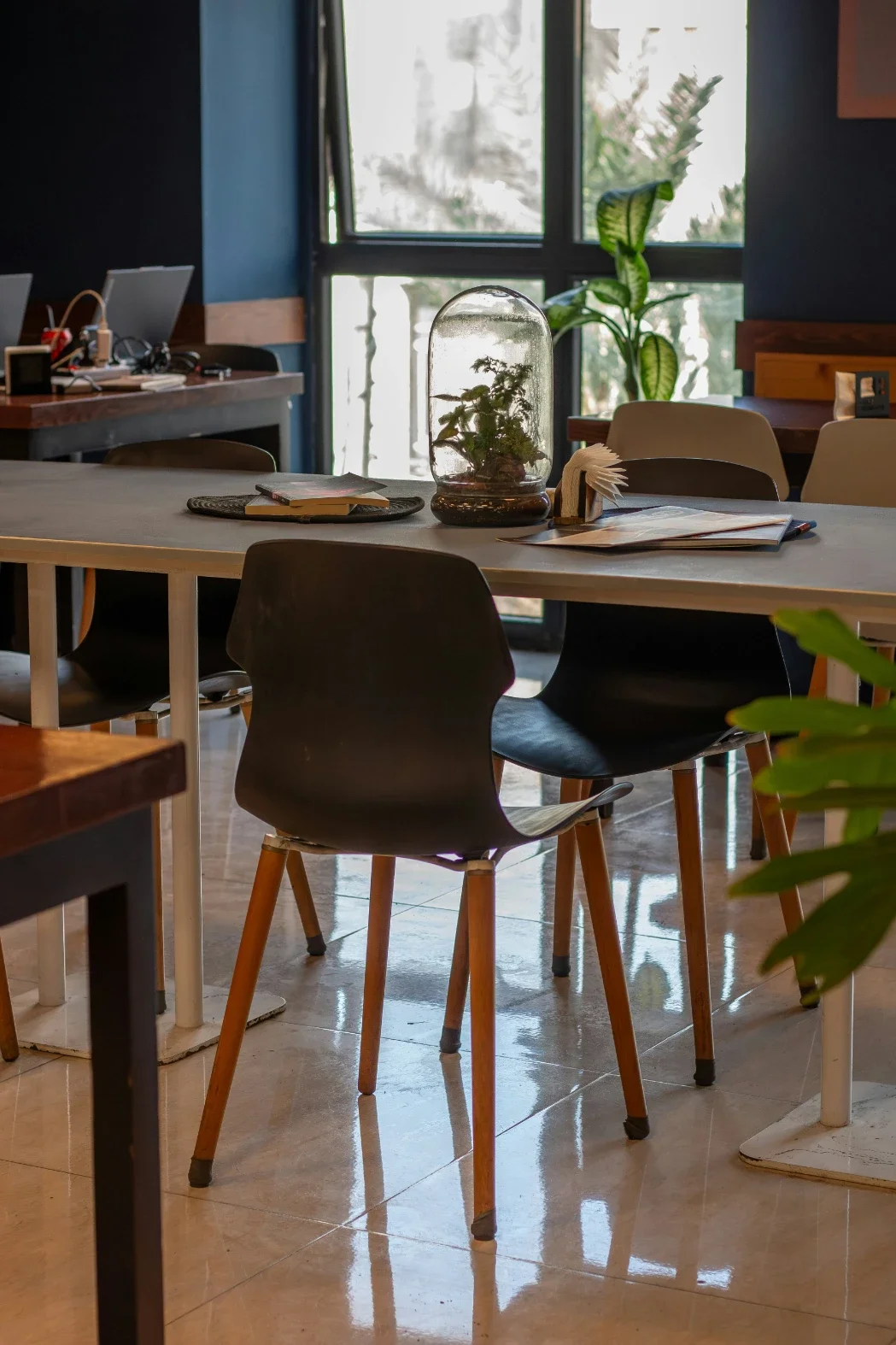
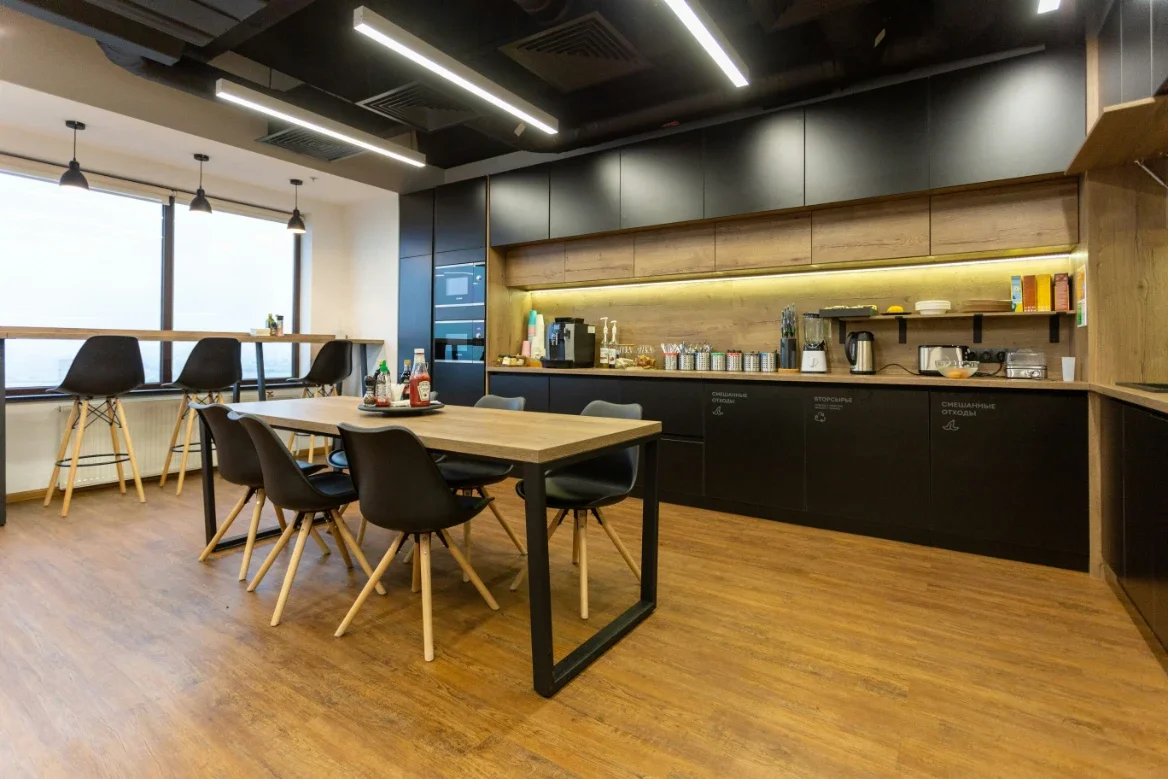
Most office pest problems do not start at someone's desk. They start in the places employees pass through quickly and think about rarely: the janitorial closet, the break room sink, the recycling corner, the floor drain nobody has checked in months. These spaces share a common trait. They combine moisture, food residue, and clutter in ways that ordinary desk areas simply do not. Understanding why these zones behave differently is the first step toward keeping an office genuinely pest-free rather than just tidy on the surface.
Why Shared Spaces Carry Higher Risk
A desk might collect a few crumbs or an abandoned coffee cup, but it rarely offers the sustained conditions pests need to establish themselves. Break rooms, janitorial closets, and recycling areas are different. They are used by dozens of people throughout the day, often without anyone taking direct ownership of their cleanliness. Mops sit damp in buckets. Sink basins hold standing water overnight. Recycling bins accumulate sticky residue from rinsed-but-not-cleaned containers. Each of these conditions, on its own, might seem minor. Together, they create an environment that mirrors what pests look for in the wild: shelter, warmth, water, and food, all within a few feet of each other.
This is also where a search for local pest control tends to originate for many facility managers. When ants or small flies keep reappearing near the break room despite regular cleaning, the underlying issue is usually not a lack of effort but a lack of attention to the specific zones that sustain pest activity. Surface cleaning removes visible mess, but it does not always address the moisture trapped beneath appliances or the residue built up inside drain pipes.
Moisture and Food Residue as the Real Culprits
Cockroaches and ants are drawn to environments with reliable access to water and food. A floor drain that never fully dries, a coffee station with spilled grounds pressed into the counter seams, or a break room refrigerator with a slow leak underneath can sustain pest activity for weeks without anyone noticing the source. Flies, in particular, are highly responsive to organic buildup in drains, where a thin biofilm layer can develop and become a breeding site if left untreated.
This is precisely why local pest control by Clear Defense Pest Control often becomes part of a broader facility maintenance conversation rather than a one-time reactive call. Recurring pest activity in these zones typically signals a recurring moisture or residue issue, not a single lapse in cleaning. Addressing the root cause requires looking below and behind fixtures, not just wiping visible surfaces.
Storage Areas and the Rodent Connection
Shared storage spaces present a different kind of vulnerability. These rooms often hold paper products, cardboard boxes, and miscellaneous supplies that sit undisturbed for long stretches. Rodents are drawn to this kind of environment because it offers both shelter and nesting material. Cardboard, in particular, is soft enough to shred and use for bedding, while stacked boxes create dark, undisturbed voids that mimic natural burrow conditions.
Industry pest management guidance consistently points to clutter reduction as one of the most effective preventive measures against rodent activity in commercial spaces. Boxes stored directly on the floor, especially near exterior walls, are more vulnerable than those kept on raised shelving with a visible gap underneath. That gap matters because it allows for regular visual inspection and makes it harder for rodents to establish a hidden nesting site without detection.
Practical Maintenance Steps That Reduce Pest Pressure
Several straightforward habits can meaningfully reduce the risk these zones carry, even without specialized equipment:
Clean beneath and behind large appliances such as refrigerators, microwaves, and dishwashers on a regular schedule, since spilled liquids and food particles often collect in these hidden areas.
Flush floor drains periodically with water and, where appropriate, an enzymatic cleaner designed to break down organic buildup inside the pipe rather than just the visible drain cover.
Store dry goods and supplies in sealed containers instead of open bags or boxes, particularly in break rooms and shared kitchens.
Keep recycling bins lined and rinse containers thoroughly before disposal to reduce sugary or greasy residue.
Elevate storage boxes off the floor and maintain a visible perimeter gap along walls to support easier inspection.
These steps are not complicated, but they require consistency. A single deep clean rarely solves a pest issue that has been building for months. Ongoing attention to these specific zones tends to matter more than occasional intensive cleaning efforts.
When Professional Support Becomes Necessary
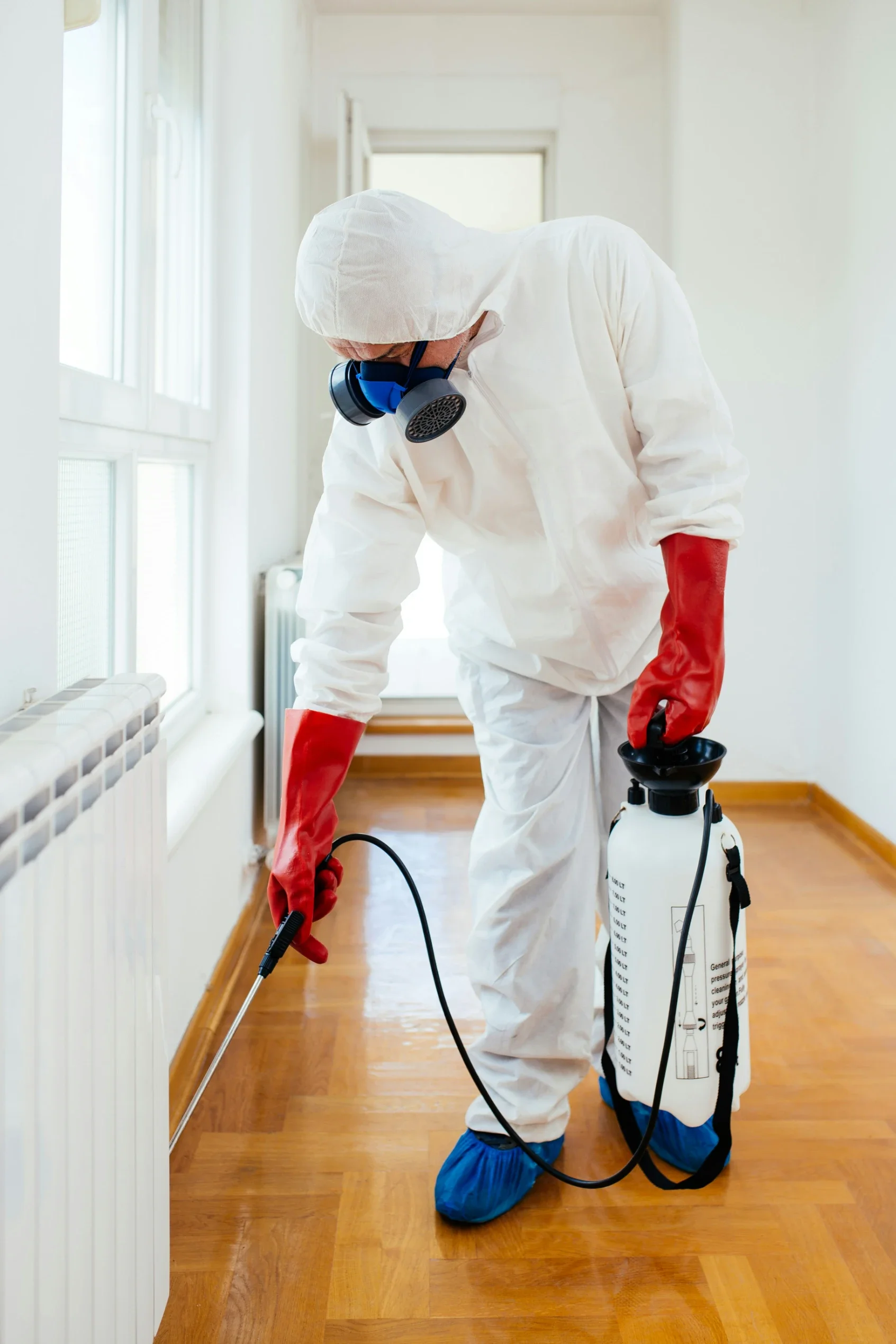
Even well-maintained offices can experience pest activity, particularly in older buildings with aging plumbing or shared walls with neighboring tenants. When ants, cockroaches, or rodent signs continue to appear despite consistent cleaning and maintenance, it often indicates an entry point or moisture source that internal staff cannot easily identify or reach. At that stage, bringing in a professional service to inspect drain lines, wall voids, and exterior access points can resolve issues that surface-level cleaning cannot.
Facility teams dealing with this kind of recurring activity frequently find that a structured inspection uncovers conditions, such as a cracked drain seal or a gap behind cabinetry, that would otherwise go unnoticed for a long time. Addressing these root causes tends to produce more lasting results than repeated spot treatments.
Key Takeaways
Office pest problems rarely originate at individual workstations. They develop in shared, high-moisture, high-traffic zones where cleaning responsibility is often diffuse and maintenance gaps are easy to overlook. Janitorial closets, break rooms, recycling areas, floor drains, coffee stations, and storage rooms all demand a higher standard of ongoing attention than typical office areas. Regular cleaning beneath appliances, drain maintenance, proper supply storage, and consistent monitoring of waste zones can prevent most issues before they start. When pest activity persists despite these efforts, it usually points to an underlying condition that needs a closer, more specialized look rather than more frequent surface cleaning.
Stay up to date with our latest ideas!