What Office Managers Should Include in a Workplace Pest Response Plan
Learn what office managers should include in a workplace pest response plan, from reporting procedures and inspections to sanitation, treatment, and follow-up.

Pest sightings in an office rarely happen at a convenient time. An employee spots a mouse near the break room, or someone notices ants trailing across a counter, and suddenly the office manager is fielding questions with no clear procedure to fall back on. A written pest response plan solves this problem before it starts. It gives staff a straightforward process to follow, removes guesswork, and ensures that small issues get addressed before they grow into something harder to manage.
Unlike home pest control, workplace pest management involves more people, more variables, and often stricter health and safety expectations. Shared kitchens, high foot traffic, and inconsistent cleaning habits across departments all create conditions where pests can establish themselves quickly if no one is paying attention. Building a formal response plan is one of the most practical steps an office manager can take to protect both the workspace and the people in it.
Establishing a Simple Employee Reporting System
The foundation of any pest response plan is a reporting process that employees actually understand and use. Many pest problems go unaddressed simply because staff are unsure who to notify or assume someone else has already flagged the issue.
An effective system should include a designated contact, whether that's the office manager directly or a shared inbox monitored regularly, along with a short description of what counts as a reportable sighting. Employees should not need to guess whether a single ant is worth mentioning. Clear guidance removes hesitation and encourages faster reporting, which is often the difference between a contained issue and a spreading one.
Consider including the following details in employee-facing reporting instructions:
Who to contact and how (email, ticketing system, or in-person)
What information to include, such as location, time, and type of pest
Whether photos are helpful for documentation
An expected response timeframe so employees know their report was received
This structure keeps communication consistent regardless of who is reporting or which department they work in.
Conducting Regular Sanitation Checks
Sanitation is closely tied to pest activity, and most infestations trace back to food residue, unsealed trash, or moisture buildup somewhere in the building. Office managers should schedule routine sanitation checks rather than waiting for a complaint to prompt action.
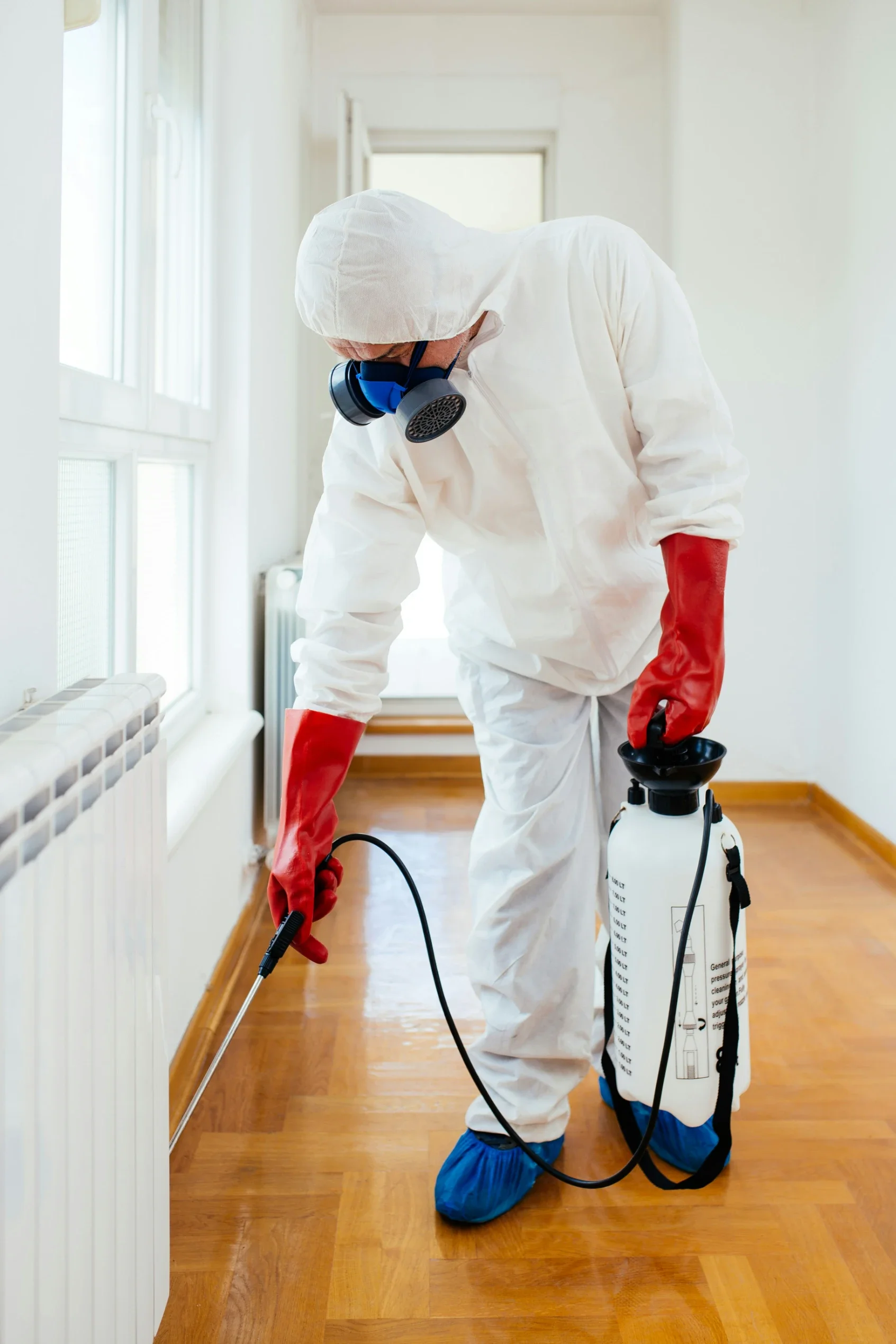
These checks should cover shared refrigerators, microwaves, coffee stations, and any area where food is stored or consumed. Crumbs left on counters, spills in break rooms, and trash that sits too long before disposal all create conditions that attract pests. A consistent sanitation schedule, paired with reminders to staff about cleaning up after meals, significantly reduces the likelihood of an infestation taking hold. When these checks are paired with a professional evaluation from the LaJaunie's Pest Control team, office managers gain a clearer picture of vulnerable areas that internal staff might overlook, such as gaps behind appliances or moisture accumulating in less visible corners.
Inspecting Kitchens and Storage Areas Thoroughly
Kitchens and storage rooms deserve closer attention than the rest of the office because they combine two things pests are drawn to: food and clutter. A thorough inspection routine should examine cabinets, pantry shelves, and any boxes or supplies stored in back rooms or closets.
Storage areas are particularly prone to being overlooked since they are not part of daily foot traffic. Boxes stacked against walls, unused equipment, and paper supplies can all provide hiding spots for rodents and insects alike. Office managers should schedule periodic walkthroughs of these spaces, checking for droppings, chewed packaging, or unusual odors that might indicate activity. Involving a pest control team in a periodic inspection can help identify entry points or conditions conducive to pests that are easy to miss during a routine internal check, since trained technicians know what specific signs to look for in commercial spaces.
Documenting Every Sighting Accurately
Documentation is often the most neglected part of a pest response plan, yet it plays a critical role in identifying patterns over time. A single sighting might seem minor, but a log showing multiple sightings in the same area over a few weeks tells a very different story.
Each report should be recorded with the date, location, pest type, and any action taken. This information becomes valuable when working with a professional pest control provider, since it helps technicians understand where activity has been concentrated and whether the issue is isolated or ongoing. Consistent documentation also supports accountability internally, giving office managers a clear record to reference if questions arise from staff or building ownership.
Coordinating With Building Maintenance and Property Management
In many office settings, especially those in shared or leased buildings, pest issues are not solely the responsibility of one tenant. Coordination with building maintenance or property management ensures that structural issues, such as gaps around pipes, damaged weather stripping, or shared waste areas, are addressed alongside any internal sanitation efforts.
Office managers should establish a communication line with building staff early, rather than waiting until a pest problem becomes visible enough to demand attention. Sharing sighting reports with maintenance teams helps identify whether an issue is confined to one office suite or affecting the building more broadly, which changes the appropriate response.
Why a Consistent Process Prevents Larger Infestations
Pests are opportunistic, and even a small population can grow quickly under the right conditions. Cockroaches and ants, for example, are capable of establishing colonies within weeks if food and moisture remain accessible. Rodents reproduce at a similarly fast pace when shelter and food sources go unaddressed. A response plan that relies on ad hoc reactions rather than a structured process almost guarantees that some early warning signs will be missed.
Consistency matters because it closes the gaps where pests typically take hold. Regular reporting catches sightings early, sanitation checks remove attractants before they accumulate, and documentation reveals patterns that might otherwise go unnoticed. When these elements work together, isolated sightings are far less likely to develop into infestations requiring extensive remediation.
Key Takeaways
A workplace pest response plan does not need to be complicated, but it does need to be clear and consistently followed. Office managers who establish straightforward reporting channels, maintain regular sanitation and inspection routines, document sightings accurately, and coordinate with building maintenance put their offices in a strong position to catch problems early. Pairing these internal efforts with periodic professional assessment adds another layer of insight that most internal teams cannot replicate on their own. Together, these practices create a workplace environment where pest issues are addressed quickly and rarely given the chance to grow into something larger.
Stay up to date with our latest ideas!