Learn why professional pest control services are a smart investment that protects your home, prevents costly damage, and delivers lasting peace of mind.

Most people don't think much about pests until they spot a trail of ants in the kitchen or hear scratching in the attic late at night. By that point, the problem has usually been building for a while. Pests rarely announce themselves the moment they arrive. Instead, they settle in quietly, looking for food, water, and shelter. The longer they stay unnoticed, the harder they often are to remove.
That's why pest control is about much more than eliminating bugs or rodents after they've become a problem. It's about protecting your property, reducing health risks, and creating an environment where unwanted visitors are less likely to move in. Whether you own a home or manage a commercial property, investing in professional pest control services can save you significant time, money, and stress over the long run.
Pests Don't Need Much to Feel at Home
One of the biggest reasons infestations occur is because pests are incredibly adaptable. A tiny crack beneath a door, a dripping outdoor faucet, or a few crumbs left under appliances can be enough to attract them.
Different pests are drawn to different conditions. Cockroaches seek warmth and moisture. Ants follow reliable food sources. Rodents look for quiet nesting spots, while termites are constantly searching for wood and damp environments.
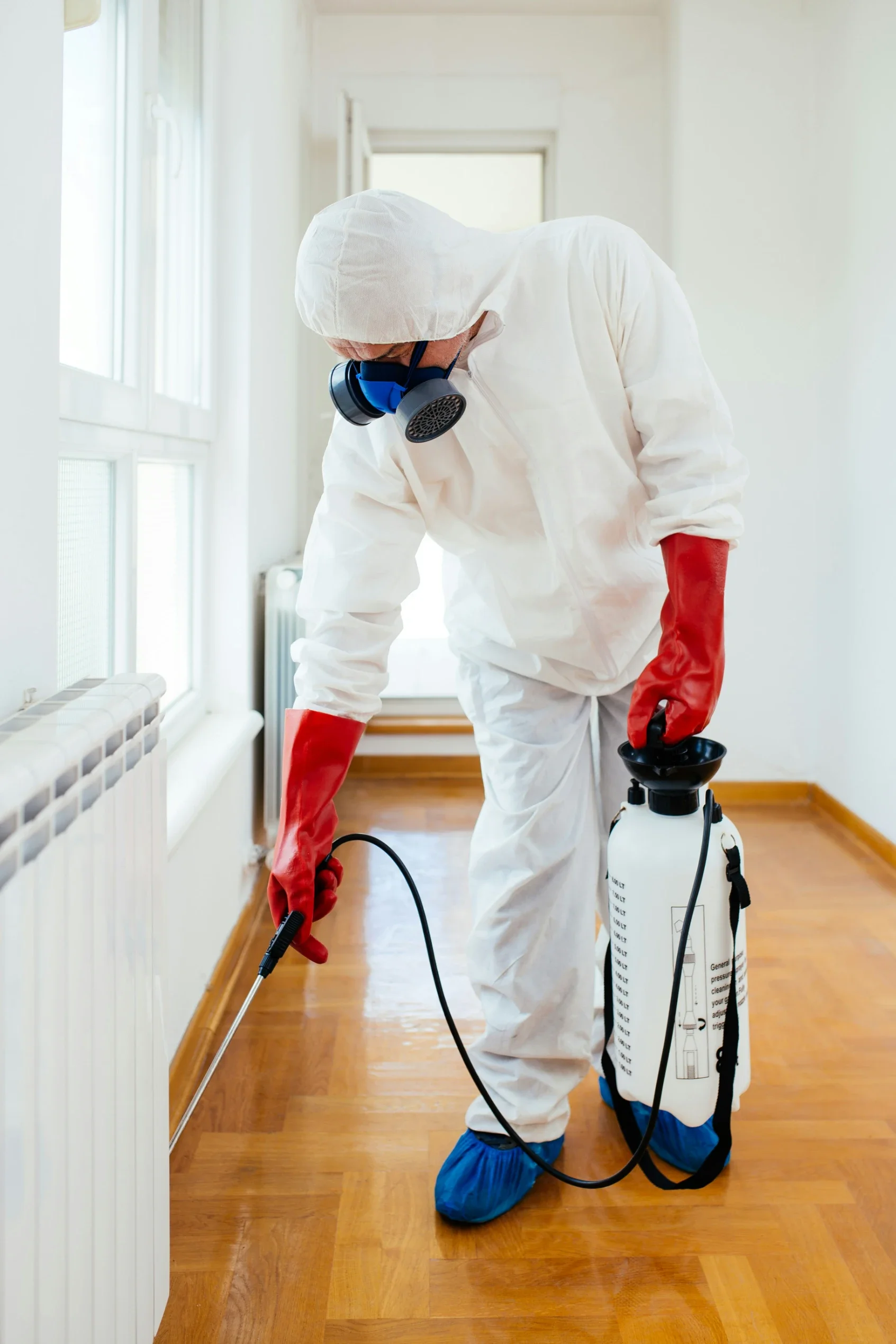
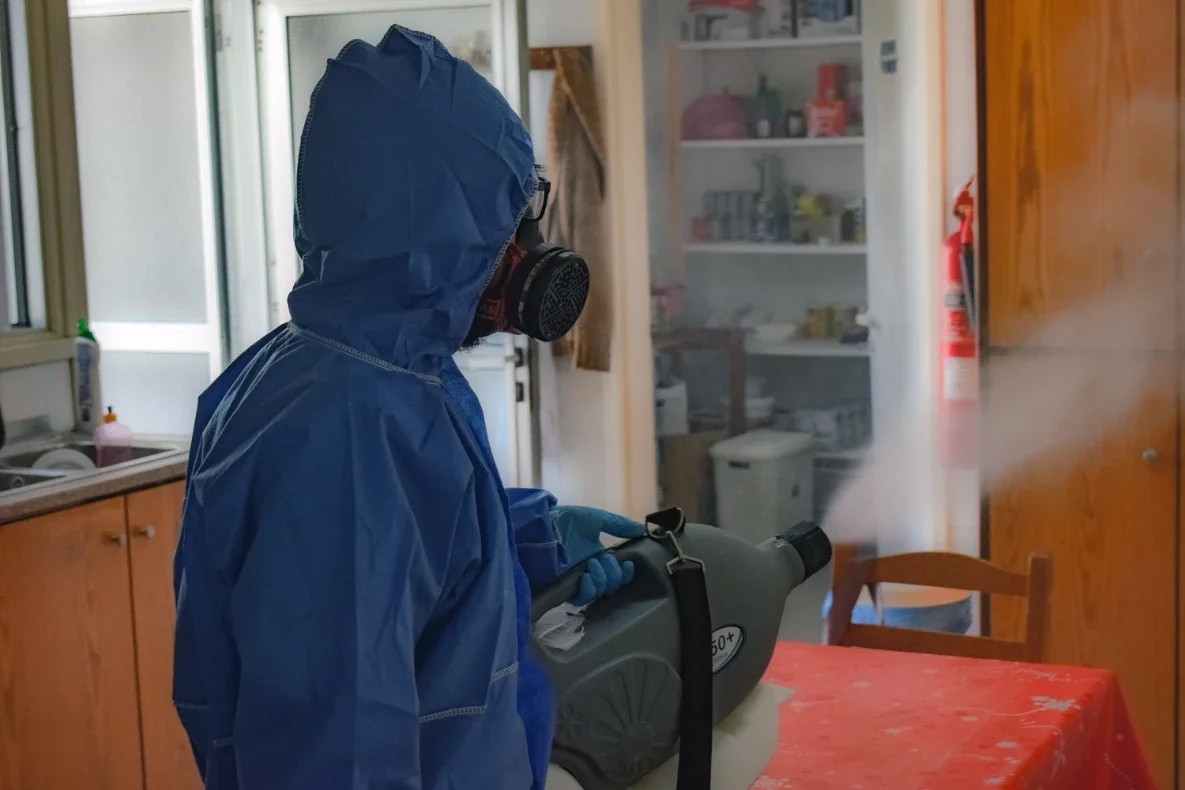
Professional pest control begins by identifying what is attracting pests in the first place. Instead of simply treating visible insects, technicians inspect the property to locate entry points, nesting areas, moisture problems, and other conditions that encourage infestations. Addressing these issues makes long-term control far more effective than relying on temporary solutions.
Why Prevention Is Better Than Treatment
Many people wait until they actually see pests before calling for help. Unfortunately, visible activity often means the infestation has already become established.
A single mouse may indicate several more hidden inside walls or ceilings. The cockroach you spot in the bathroom could be one of dozens hiding elsewhere. Even termites can quietly damage structural wood for months before obvious signs appear.
Routine inspections and preventive treatments help detect problems early, often before they become expensive repairs. Preventive pest management also reduces the likelihood of repeated infestations, giving homeowners greater peace of mind throughout the year.
Being proactive is almost always less disruptive—and less costly—than dealing with a full-scale infestation.
Choosing the Right Pest Control Provider
Not every pest control company approaches problems the same way. The best providers focus on inspection, communication, education, and long-term prevention instead of simply applying treatments.
If you're comparing companies, don't just look at general pest treatments. Consider whether they offer specialized services as well. For example, if ticks are a concern in your area, finding the best tick control service can help protect your family and pets while reducing the risk of tick-borne illnesses.
A quality provider should perform thorough inspections, explain its findings clearly, and develop treatment plans based on the specific conditions of your property. They should also offer practical advice for preventing future infestations rather than relying solely on chemical applications. Homeowners who understand why pests are appearing are better equipped to keep them from returning.
Every Season Brings New Challenges
Pest activity changes throughout the year, which means protection shouldn't be limited to a single treatment.
Spring often marks the beginning of ant activity, termite swarms, and increased insect breeding. Summer brings mosquitoes, flies, wasps, and other pests that thrive in warmer temperatures. During autumn, rodents begin searching for indoor shelter as outdoor temperatures drop. Winter doesn't eliminate pests entirely either. Many simply move indoors where warmth, food, and water remain available.
Year-round pest control plans adjust to these seasonal patterns, allowing technicians to address changing risks before they become major problems.
DIY Products Have Their Limits
Store shelves are filled with sprays, traps, powders, and bait stations promising fast results. While these products can sometimes reduce small problems, they often fail to eliminate the source of an infestation.
Most over-the-counter products target only the pests you can see. Hidden nests, eggs, or colonies frequently remain untouched, allowing populations to recover quickly. Misidentifying the pest can also lead to ineffective treatment, since different species respond to different control methods.
Professional technicians understand pest biology, breeding cycles, and behavior. They know where pests hide, how they enter buildings, and which treatment methods work best for each situation. This targeted approach is usually more effective than relying on trial and error.
Professional Pest Control Services Deliver Long-Term Protection
The value of professional pest control services goes beyond removing existing pests. The goal is to create conditions that discourage future infestations while protecting your property throughout the year.
Many service plans include scheduled inspections, preventive treatments, monitoring, exclusion work, and recommendations for reducing pest-friendly conditions around the property.
Instead of reacting every time a new problem appears, homeowners benefit from a consistent strategy that keeps pest populations under control before they become noticeable.
That long-term approach often reduces emergency callouts while providing greater confidence that your home remains protected.
Small Habits Can Make a Big Difference
Professional treatment works best when it's combined with everyday maintenance around the home.
Simple habits that reduce pest activity include:
Sealing cracks around windows, doors, and foundations.
Repairing leaking pipes and eliminating standing water.
Keeping food sealed in airtight containers.
Cleaning up spills and crumbs promptly.
Taking out garbage regularly.
Trimming shrubs and tree branches that touch the house.
Storing firewood away from exterior walls.
Reducing clutter in garages, basements, and storage areas.
These small changes remove many of the conditions pests rely on to survive, making professional treatments more effective over time.
Businesses Face Higher Stakes
Pest problems affect businesses differently than residential properties. A single sighting can damage customer trust, interrupt operations, or create compliance concerns in regulated industries.
Restaurants, healthcare facilities, hotels, offices, warehouses, retail stores, and manufacturing facilities all face unique pest risks depending on their operations.
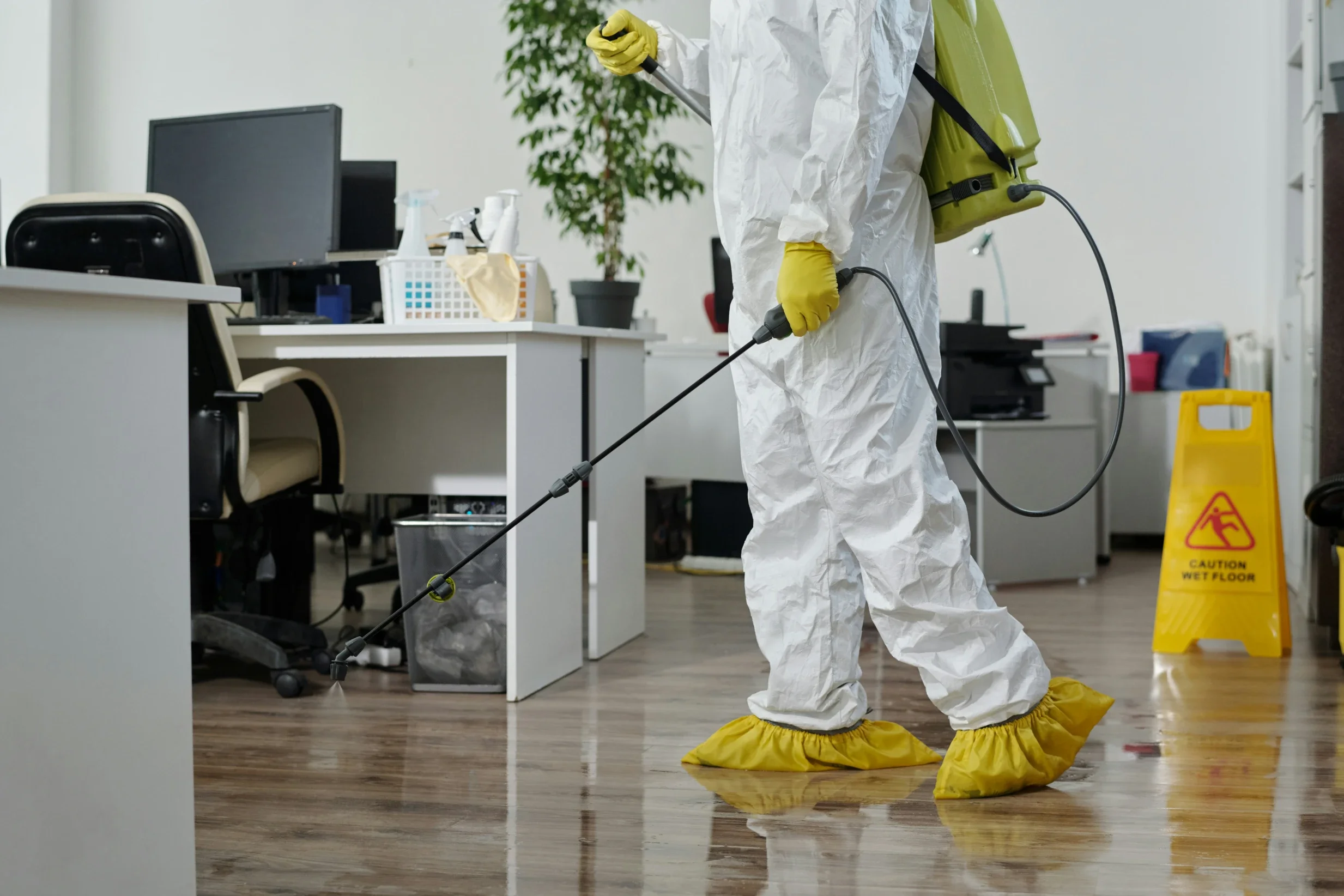
Commercial pest management programs are designed to minimize disruption while maintaining safe, clean environments. Regular monitoring, detailed documentation, scheduled inspections, and targeted treatments help businesses stay ahead of potential problems rather than responding to complaints after the fact.
For many businesses, prevention protects both their reputation and their bottom line.
Peace of Mind Is One of the Biggest Benefits
While pest control certainly protects buildings and belongings, one of its greatest advantages is something less tangible: peace of mind.
You shouldn't have to wonder whether termites are silently damaging your home or whether rodents are nesting behind the walls. Knowing your property is being monitored by professionals allows you to focus on everyday life instead of constantly worrying about hidden infestations.
A clean, comfortable home feels better when you know it's protected.
A Proactive Approach Pays Off
Waiting until pests become visible often means they've already had time to settle in. Taking action early helps prevent property damage, reduces health concerns, and makes infestations much easier to manage.
Professional pest control is most effective when viewed as an ongoing investment rather than a one-time service. Regular inspections, seasonal treatments, and practical prevention strategies work together to create lasting protection throughout the year.
Whether you're protecting your family, your home, or your business, staying ahead of pests is almost always easier than trying to catch up once they've taken hold. With the right combination of professional expertise and good maintenance habits, you can enjoy a cleaner, safer, and more comfortable environment all year long.
Stay up to date with our latest ideas!