Pet-Friendly Pest Prevention Tips for Cat Owners
Discover pet-friendly pest prevention tips for cat owners, including safer cleaning, food storage, home maintenance, and ways to reduce pest entry points.
Cats bring warmth, companionship, and a fair amount of mess to a household. Between kibble crumbs, litter dust, and stray toys tucked under furniture, a home shared with a cat naturally accumulates the kind of debris that pests find irresistible. Ants, cockroaches, flies, and even rodents are drawn to food residue and damp corners, and pet areas often provide exactly that environment if left unchecked.
The good news is that keeping a cat-friendly home pest-free doesn't require harsh chemicals or constant vigilance. It simply means understanding which habits attract unwanted visitors and adjusting daily routines to close those gaps. With a bit of consistency, cat owners can maintain a clean, comfortable space that supports their pet's health while keeping insects and rodents away.
Why Feeding Stations Become Pest Magnets
Feeding areas are usually the first place pests target. Spilled kibble, damp food residue, and open bags left within reach create a steady food source that ants and cockroaches can detect within hours. Cockroaches, in particular, are known to survive on minimal food and moisture, which makes even small crumbs significant.
Interestingly, this is also a good moment to think about celebrating your cat in ways that double as good household habits. One of the 5 perfectly loving ways to celebrate National Cat Lovers Month is setting up a proper feeding routine, complete with a designated mat, a fixed feeding time, and immediate cleanup after meals. This small ritual honors your cat's daily needs while removing one of the biggest pest triggers in the home.
To reduce risk further, store dry food in airtight containers rather than leaving bags open or loosely folded. Plastic or metal containers with sealed lids prevent odors from escaping and block access for rodents, who can chew through cardboard and thin plastic packaging with ease.
Keeping Water Bowls From Becoming a Moisture Problem
Pests do not only search for food. Moisture is equally attractive, especially to ants and roaches, which need water to survive nearly as much as they need food. A water bowl that is refilled without being cleaned regularly can develop a thin film of bacteria and residue, which insects are drawn to.
Wiping down the area around the bowl daily helps prevent standing puddles or splashes from soaking into flooring or carpet edges. Ceramic or stainless-steel bowls are easier to clean thoroughly than plastic, which can develop micro-scratches that trap bacteria over time.
Among the five perfectly loving ways to celebrate National Cat Lovers Month, upgrading your cat's water station to a cleaner, more pest-resistant setup is both practical and affectionate. It shows attentiveness to your cat's comfort while reducing the chances of moisture-related pest activity nearby.
Litter Box Maintenance and Odor Control
Litter areas require special attention, not just for hygiene but for pest prevention as well. Ammonia buildup from unscanned waste can attract flies, while damp clumping litter left too long creates a breeding ground for bacteria and small insects. Flies are especially responsive to organic waste odors, and even a well-ventilated room will not fully offset the smell if the box isn't scooped regularly.
Experts generally recommend scooping litter boxes at least once daily and performing a full litter change on a consistent schedule, typically every one to two weeks depending on the number of cats and box size. This routine limits ammonia buildup and reduces the likelihood of pest activity forming around the area.
Placing the litter box away from food and water stations also helps. Keeping these zones separate reduces cross-contamination risk and makes it easier to maintain each area without one influencing the other.
Toys, Bedding, and Hidden Debris Zones
Cat toys and bedding often go overlooked in pest prevention conversations, yet they can harbor crumbs, fur, and moisture just as easily as feeding stations. Soft toys with catnip or edible components can attract insects if left unwashed for long stretches, while bedding that isn't laundered regularly can develop odors that draw pests searching for nesting material.
A simple maintenance checklist can help owners stay on top of these often-missed areas:
Vacuum or shake out bedding weekly to remove fur, dust, and food particles
Wash removable bedding covers every one to two weeks in hot water
Inspect toy seams for tears where crumbs or moisture might collect
Rotate toys occasionally to check for hidden debris underneath furniture
Store unused toys in a closed bin rather than leaving them scattered
Rodents, in particular, are known to seek out soft nesting materials, so bedding that is rarely cleaned can inadvertently become appealing to them. Routine washing not only keeps your cat's sleeping space fresh but also removes a potential rodent attractant before it becomes a problem.
Structural Gaps and Entry Points Around Pet Areas
Even with excellent cleaning habits, pests can still enter through structural gaps near pet zones. Baseboards, wall corners, and areas behind furniture where food bowls sit are common entry points for ants and small rodents. Sealing visible cracks with caulk and checking behind appliances near feeding stations can significantly reduce access points.
Cockroaches are especially skilled at squeezing through narrow openings, sometimes as small as a few millimeters. Regularly inspecting these areas, particularly in kitchens where pet food is often stored, adds another layer of protection.
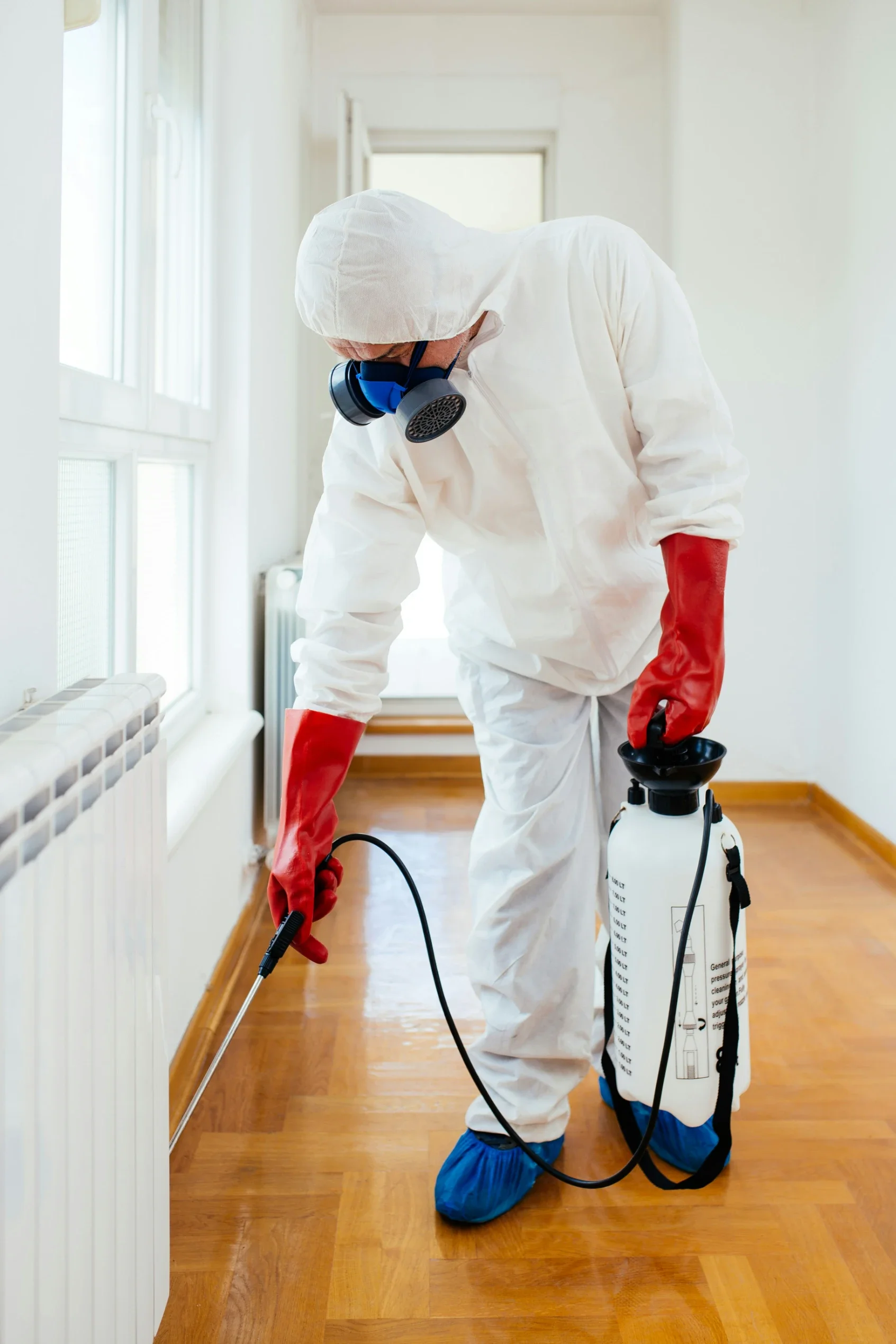
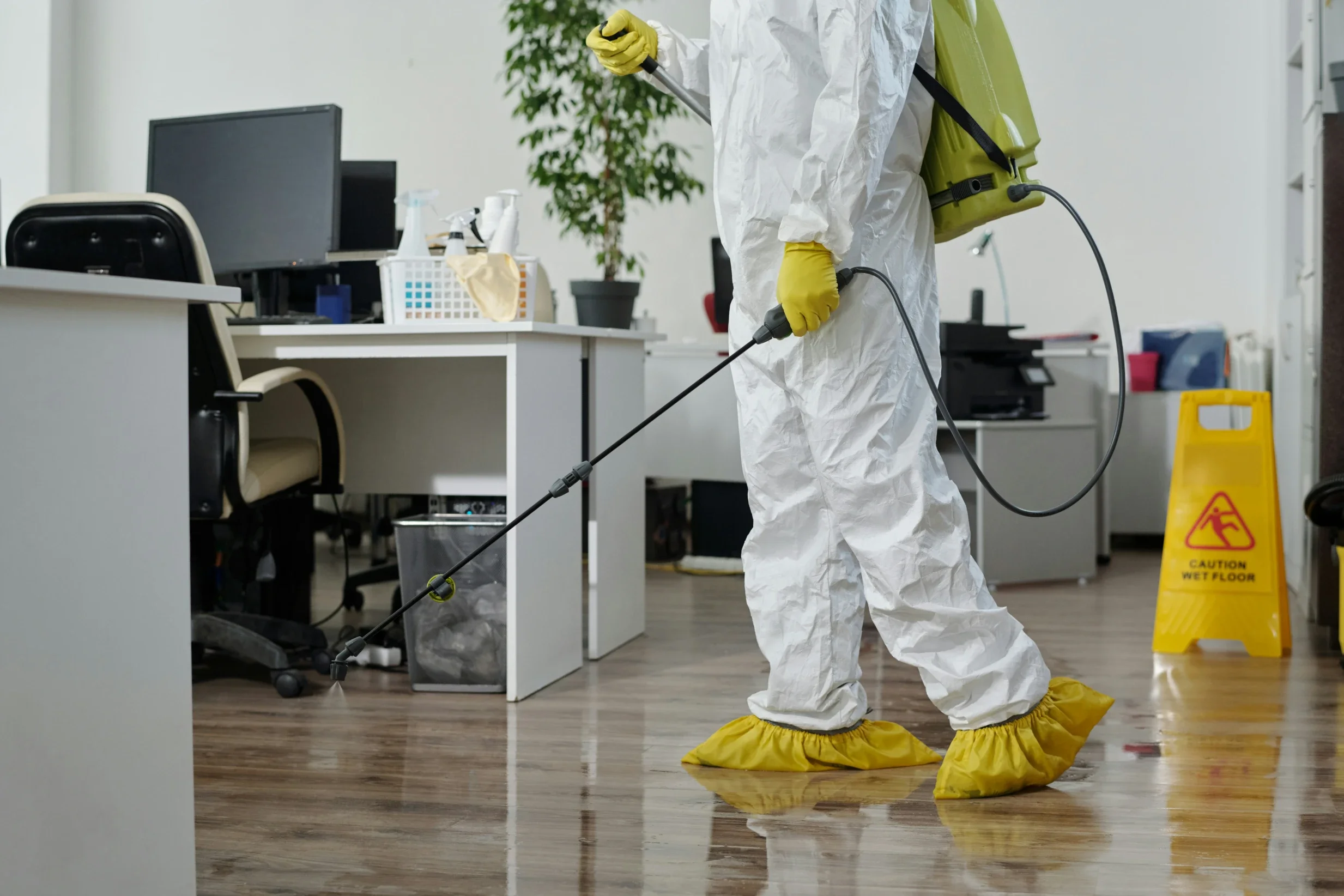
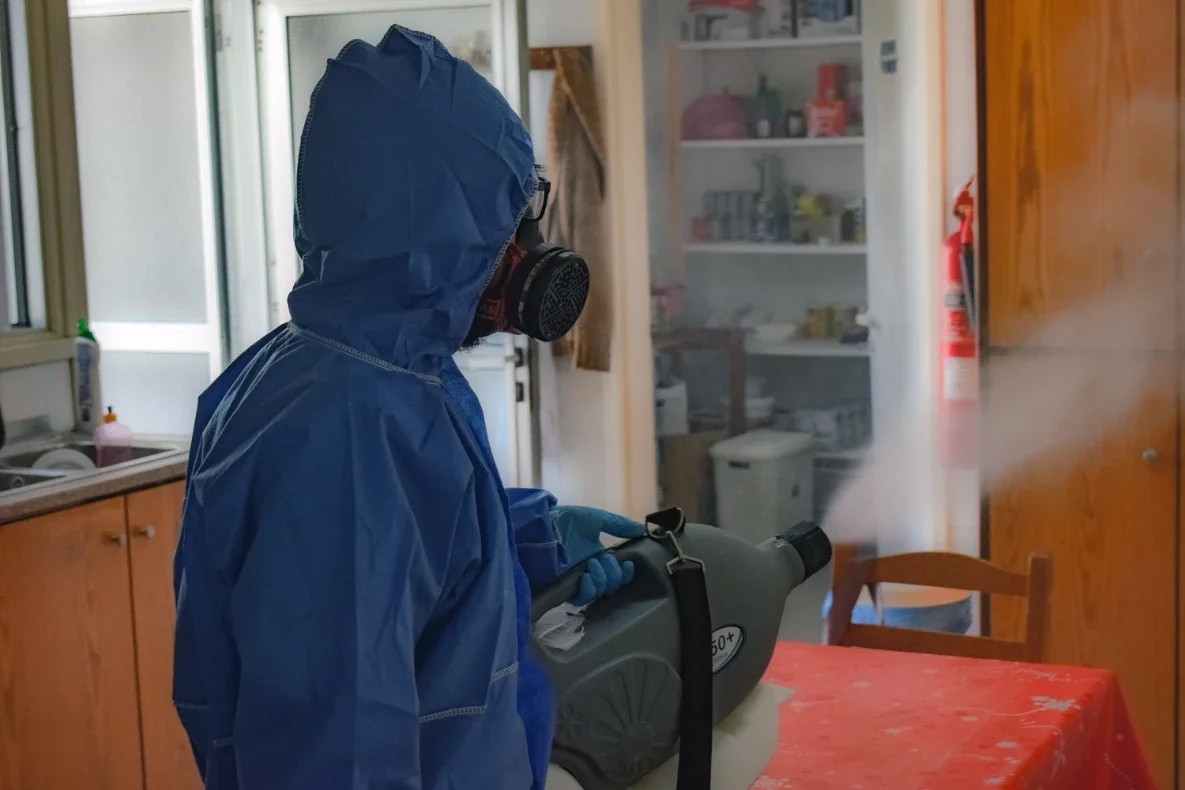
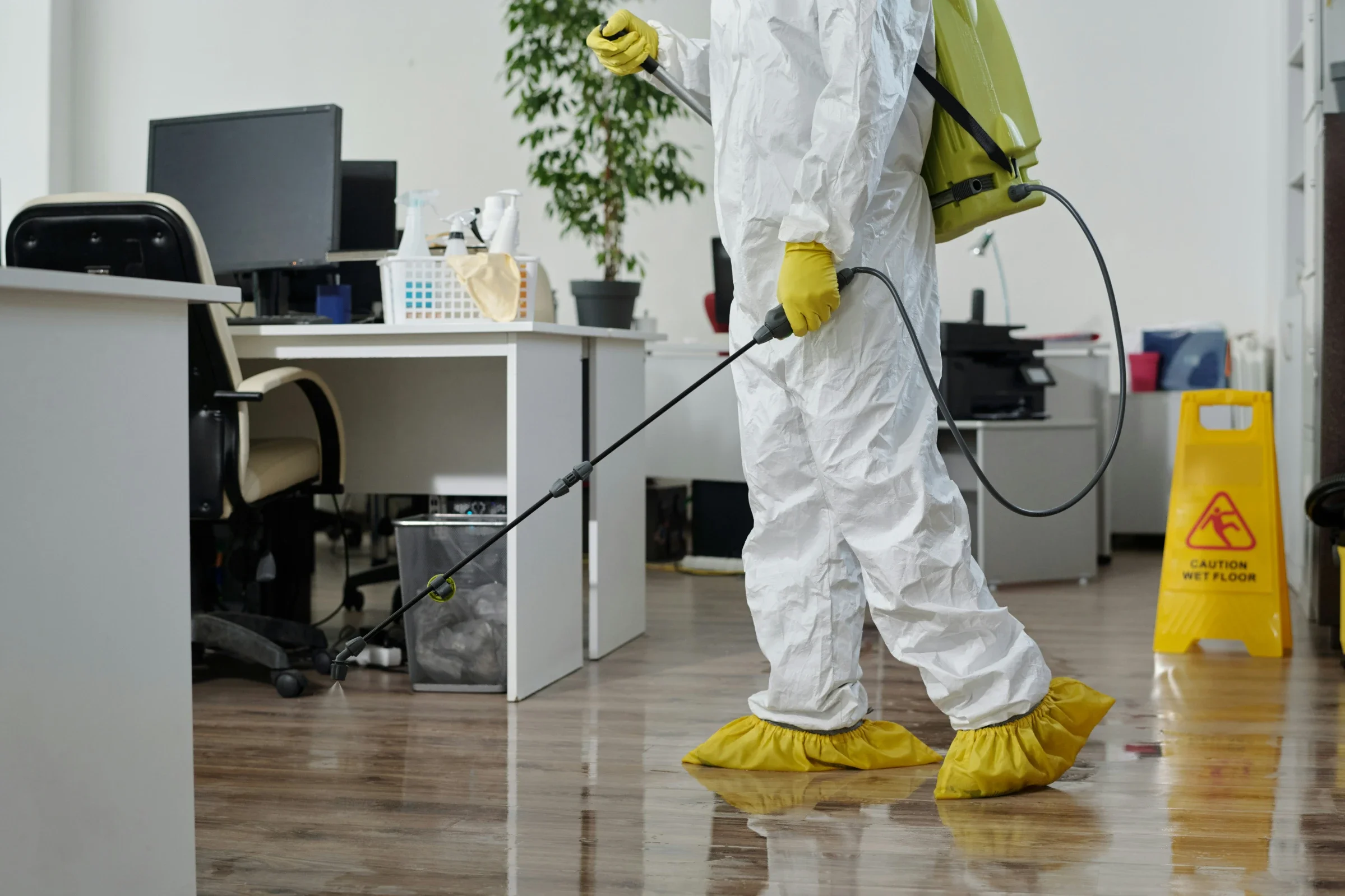
If pest activity persists despite consistent cleaning, consulting a licensed pest control professional can help identify entry points that aren't immediately visible. Professionals can also offer pet-safe treatment recommendations that won't pose a risk to curious cats who investigate every corner of the home.
Final Analysis
Maintaining a pest-free home while caring for a cat comes down to consistency rather than complexity. Managing food storage, cleaning water bowls, staying on top of litter maintenance, and washing bedding regularly all work together to remove the conditions pests rely on. These habits not only protect the home but also contribute to a healthier environment for your cat.
Responsible pet care and pest prevention naturally overlap, and small daily routines make a noticeable difference over time. By staying attentive to these details, cat owners can enjoy a clean, comfortable living space that supports both their pet's wellbeing and their own peace of mind.
Stay up to date with our latest ideas!