Office Pest Problems That Can Disrupt Employee Productivity
Learn how office pest problems can disrupt employee productivity and discover practical ways to maintain a cleaner, healthier, and more comfortable workplace.
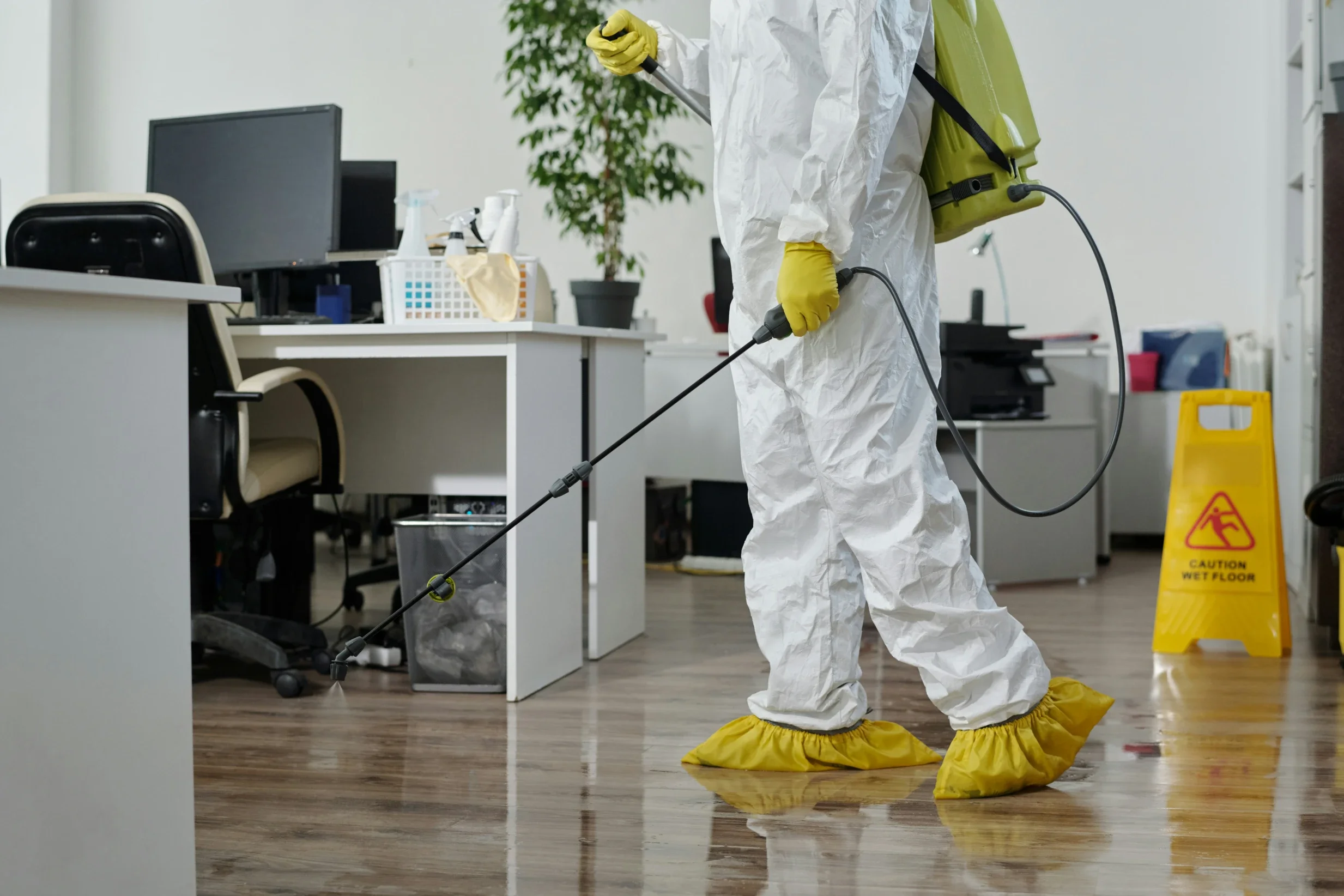
Most conversations about workplace productivity focus on things like scheduling, communication tools, or office layout. Pest activity rarely comes up, yet it has a direct and measurable effect on how comfortable, focused, and healthy employees feel during the workday. A single sighting of a cockroach near the break room or a mouse darting across the floor can shift the mood of an entire office for hours, if not days.
Offices are not immune to the same conditions that attract pests into homes. Shared kitchens, break rooms, storage closets, and even individual desks can quietly become food and shelter sources for insects and rodents. Understanding how these problems start, and what can be done to prevent the, helps businesses maintain a cleaner, more comfortable, and more productive environment.
How Pests Quietly Undermine Workplace Comfort
Pests affect more than just the physical space; they change how people behave. Employees who spot a pest tend to avoid certain areas of the office, hesitate to eat at their desks, or spend time discussing the sighting with coworkers instead of focusing on tasks. Research from workplace environment studies has consistently shown that perceived cleanliness is tied to employee satisfaction and morale, even when actual health risks are minimal. In other words, the discomfort caused by pests is as much psychological as it is physical.
Beyond morale, there are real hygiene concerns. Cockroaches and flies are known carriers of bacteria that can contaminate food surfaces, shared equipment, and common areas. Rodents can chew through wiring and cardboard, creating both safety hazards and property damage. Ants, while generally less harmful, can quickly overwhelm kitchen counters and desks once a food source is found, creating an ongoing nuisance that distracts employees throughout the day.
Common Office Pests and Why They Show Up
Different pests are drawn to different conditions, but most share a preference for easy access to food, water, and hiding spots.
Ants are typically drawn in by crumbs, spilled drinks, or unsealed snacks left in desk drawers. Once a scout ant finds a reliable food source, it leaves a scent trail that draws in more ants within hours.
Cockroaches thrive in warm, humid areas with access to food debris, particularly around break room sinks, dishwashers, and vending machines.
Flies are often linked to overflowing trash bins, uncleaned spills, or organic waste that sits too long before disposal.
Rodents such as mice are opportunistic and will exploit even small gaps around doors, utility lines, or building foundations to get inside, especially as outdoor temperatures drop.
Other pests, including silverfish and stored-product beetles, can appear in supply closets or storage rooms where paper, cardboard, or forgotten food items accumulate.
Each of these pests points back to the same root causes: available food, moisture, clutter, and unsealed entry points.
Where Infestations Typically Begin
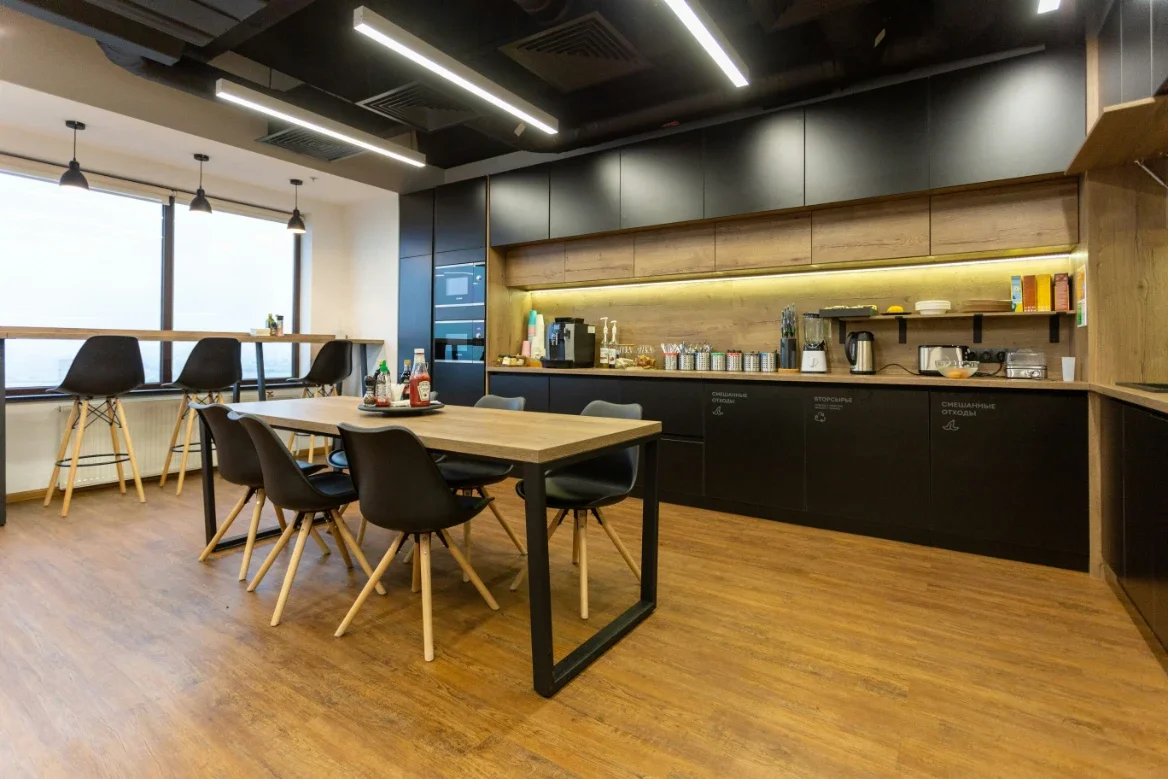
Shared office kitchens are one of the most common starting points for pest activity. Communal spaces often see inconsistent cleaning habits, since no single person feels fully responsible for maintaining them. Dishes left in the sink overnight, crumbs on counters, or spills that go unnoticed can be enough to attract pests within a short period.
Waste bins that are not emptied regularly are another frequent culprit. Organic waste, including food packaging and leftovers, produces odors that travel further than most people realize, especially in enclosed office environments with limited ventilation. Similarly, food stored in personal desks, snacks, forgotten lunches, or unopened packages, creates isolated pockets of temptation for pests that spread throughout individual workstations rather than staying confined to the kitchen.
Moisture problems, such as leaking pipes beneath sinks, condensation around HVAC units, or poorly draining areas near entrances, create the humid conditions that cockroaches and certain other insects need to survive. Meanwhile, gaps around doors, windows, and utility lines provide entry points for rodents and crawling insects, particularly in older office buildings where seals may have deteriorated over time. When activity continues despite improved cleaning, food storage, and moisture control, Huntsville pest control professionals can inspect concealed areas and entry points to determine why the infestation persists.
Practical Prevention Measures Employees and Employers Can Take
Preventing pest problems in an office setting does not require major renovations. Most effective strategies involve consistent habits and small structural fixes.
Improve cleaning routines. Establishing a clear schedule for kitchen and break room cleaning—rather than leaving it to chance, reduces the buildup of crumbs, spills, and food residue that attract pests. Wiping down counters at the end of each day and ensuring dishes are not left soaking overnight can make a noticeable difference.
Store food securely. Encouraging employees to keep personal snacks in sealed containers, rather than open bags in desk drawers, limits the number of scattered food sources throughout the building. Shared refrigerators should also be cleared out regularly to prevent forgotten items from spoiling.
Manage waste properly. Trash bins, especially those used for food waste, should be emptied daily and lined with sealed bags. Recycling bins containing food packaging should not be overlooked, as residue inside cans and containers can still attract pests.
Address moisture issues promptly. Leaks under sinks, dripping air conditioning units, or standing water near entryways should be repaired as soon as they are noticed, since even small amounts of moisture can sustain an infestation.
Seal entry points. Gaps around doors, windows, utility pipes, and building foundations should be inspected periodically and sealed where needed. This is particularly relevant for ground-floor offices or buildings near green spaces, where rodents and insects have easier access.
Report sightings early. Employees should feel comfortable reporting pest sightings as soon as they happen, rather than assuming it was a one-time occurrence. Early reporting allows facilities teams to investigate before a minor issue becomes a widespread infestation.
When Professional Support Becomes Necessary
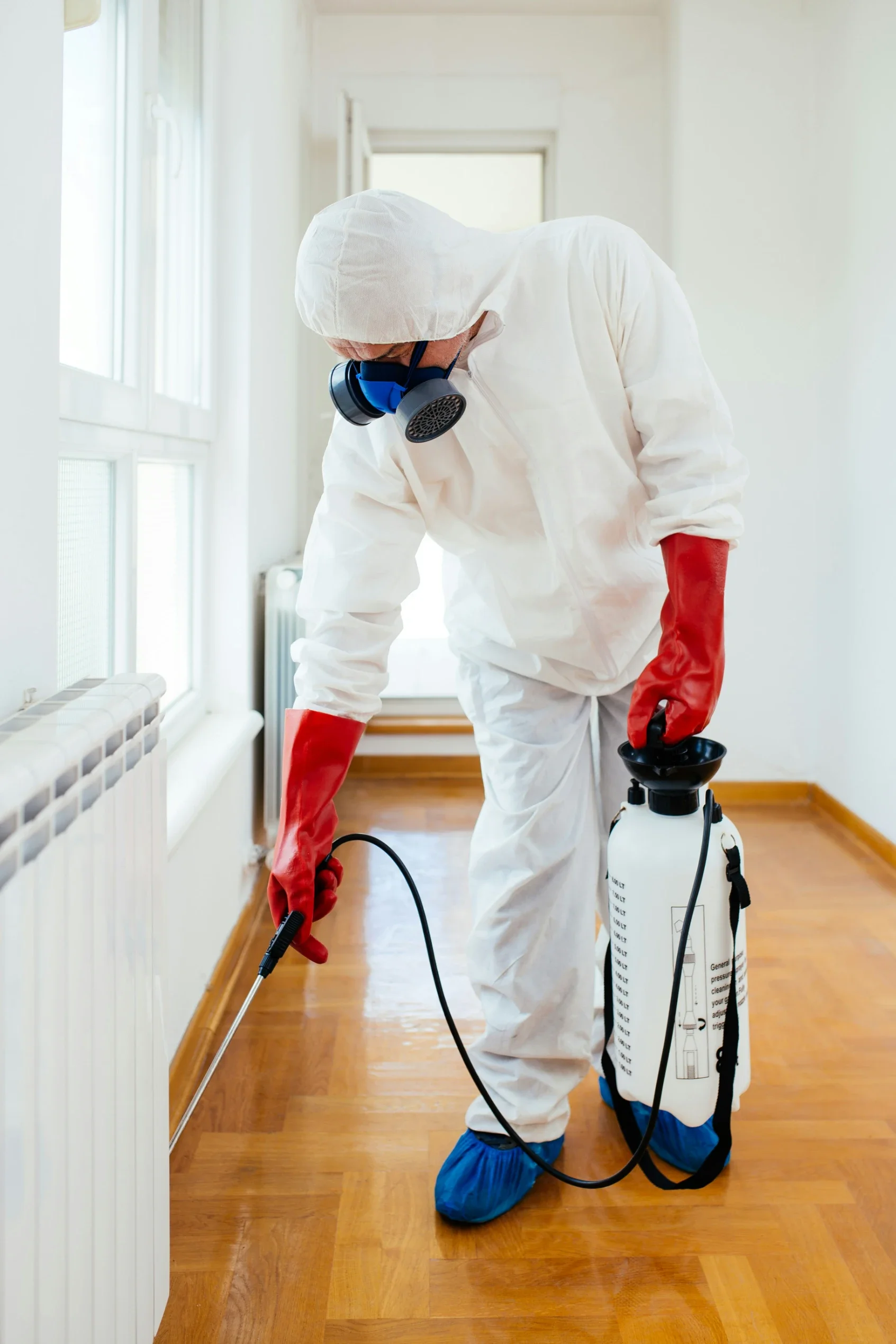
Routine cleaning and maintenance go a long way, but recurring pest problems often point to an underlying issue that general housekeeping cannot fully resolve, such as a hidden nest, a structural gap, or a persistent moisture source. In these cases, a professional inspection can identify the source of the problem rather than just addressing the visible symptoms.
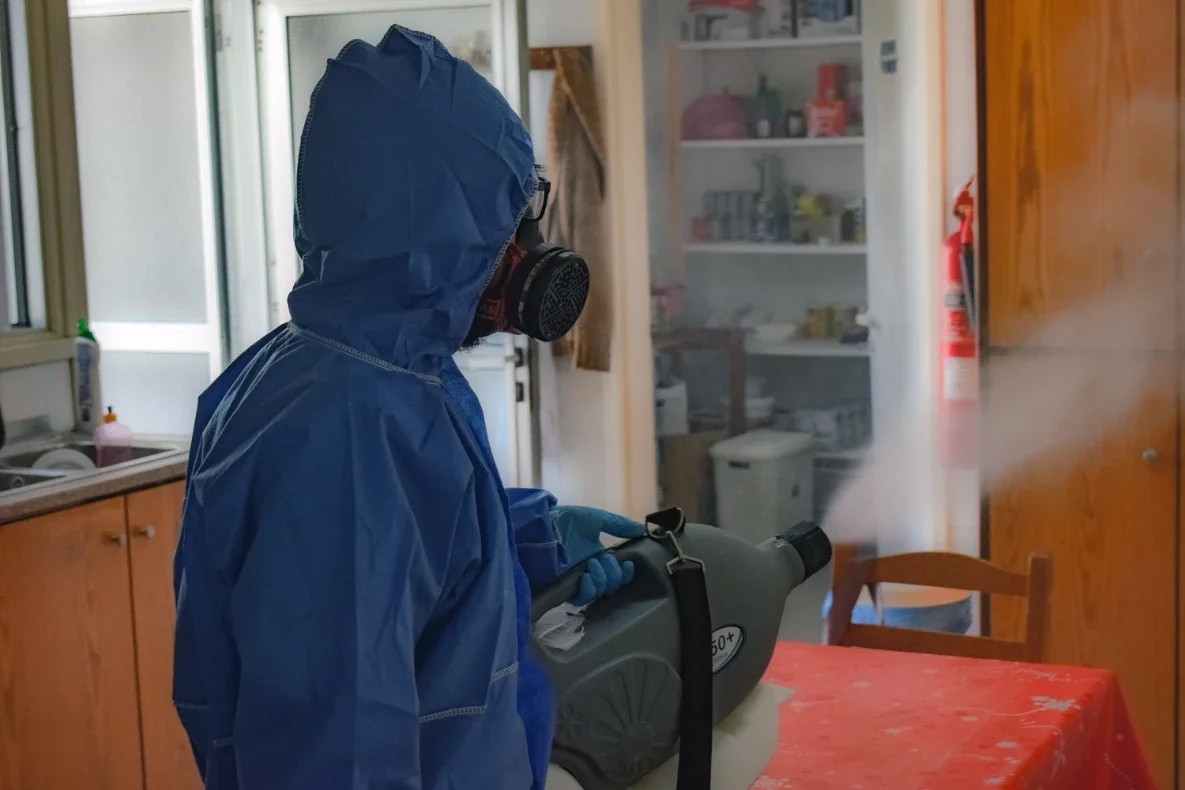
For businesses dealing with repeated pest activity, working with a provider experienced in pest control can help pinpoint conditions specific to the local climate and building types common in the area. Local humidity levels, seasonal insect activity, and regional rodent behavior all play a role in how infestations develop, which is why localized expertise matters. A thorough inspection typically examines kitchen areas, storage rooms, utility access points, and the building's exterior to identify vulnerabilities that might not be obvious during a routine walkthrough.
Choosing pest control services for periodic inspections, rather than waiting for a visible infestation, allows facilities managers to catch small problems before they affect a larger portion of the workforce. This proactive approach tends to be less disruptive than reactive treatment after pests have already spread through multiple areas of the office.
Final Analysis
Office pest problems are often treated as minor inconveniences, but their impact on employee comfort, hygiene, and focus is more significant than it might first appear. Shared kitchens, overflowing waste bins, food stored at individual desks, moisture issues, and small gaps around the building's exterior all create opportunities for ants, cockroaches, flies, and rodents to establish themselves.
The good news is that most of these problems are preventable through consistent cleaning habits, proper food storage, prompt moisture repairs, and regular building maintenance. When infestations do recur despite these efforts, a professional inspection can help identify and resolve the underlying cause. Treating pest management as an ongoing part of workplace maintenance, rather than an occasional reaction, helps ensure that employees can focus on their work in a clean and comfortable environment.
Stay up to date with our latest ideas!