What Recurring Pest Sightings Can Reveal About Office Sanitation Gaps
Discover what recurring pest sightings can reveal about office sanitation gaps, including hidden food sources, moisture issues, poor cleaning routines, and maintenance needs.

An occasional insect near a windowsill or a single mouse spotted in a storage closet rarely raises alarm. But when the same pests keep appearing week after week, it stops being a one-time nuisance and starts becoming a diagnostic signal. Offices are not immune to infestations, and repeated sightings almost always point to something deeper than bad luck, they point to sanitation gaps that are quietly sustaining pest populations behind the scenes.
Why Pests Return to the Same Office Spaces
Ants, cockroaches, flies, and rodents are not wandering into office buildings at random. Each of these pests is drawn by a specific combination of food, water, and shelter, and once they locate a reliable source of any of the three, they tend to stay close to it. A few crumbs left in a desk drawer or a sticky spill under a vending machine can be enough to sustain an ant colony for weeks. Cockroaches are especially persistent because they can survive on minimal food and moisture, often hiding in wall voids or behind appliances during daylight hours. When employees notice pests repeatedly in the same hallway or break room, it is rarely a coincidence, it usually means the resource that first attracted them has never actually been removed.
Break Rooms and Waste Areas Are Frequent Culprits
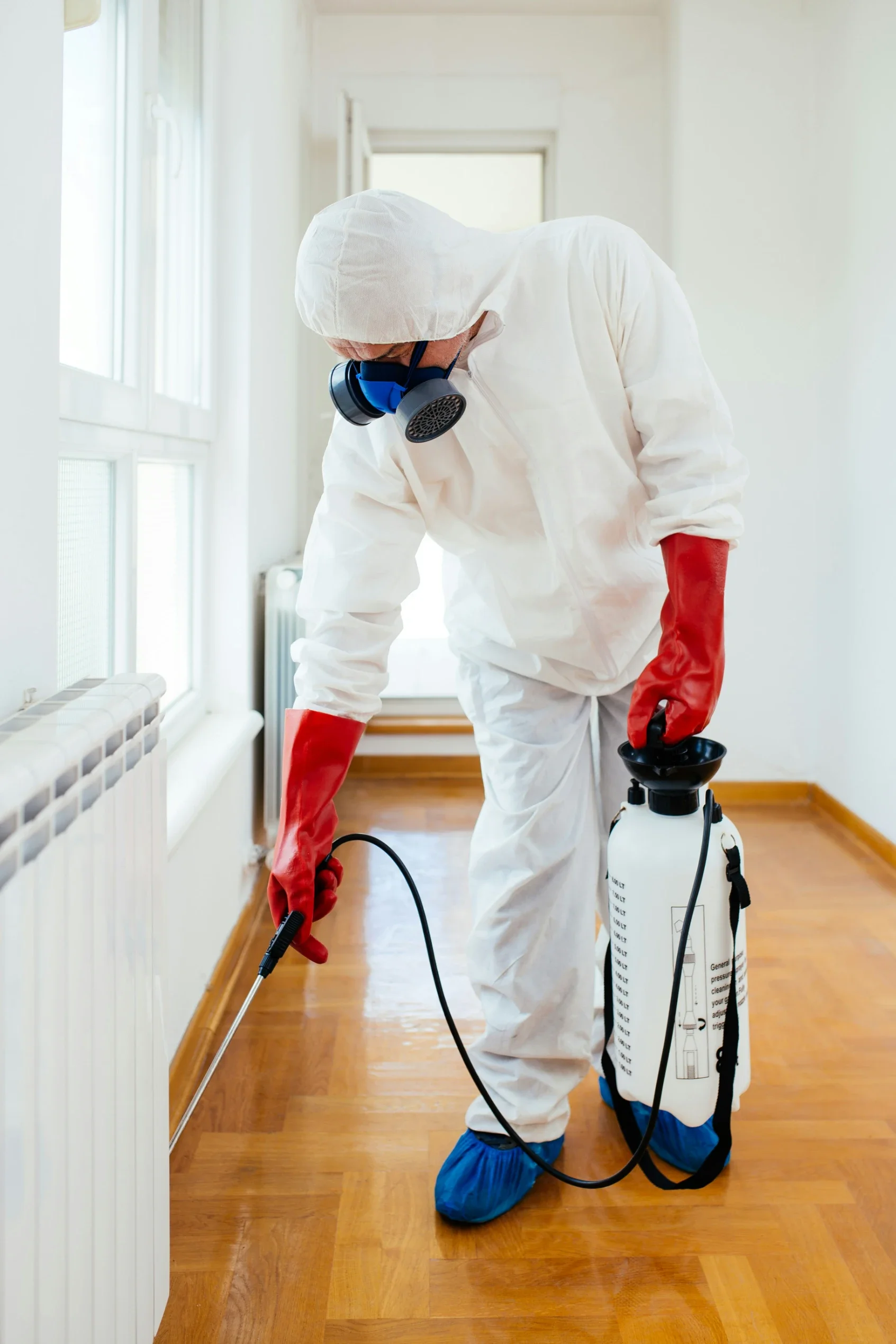
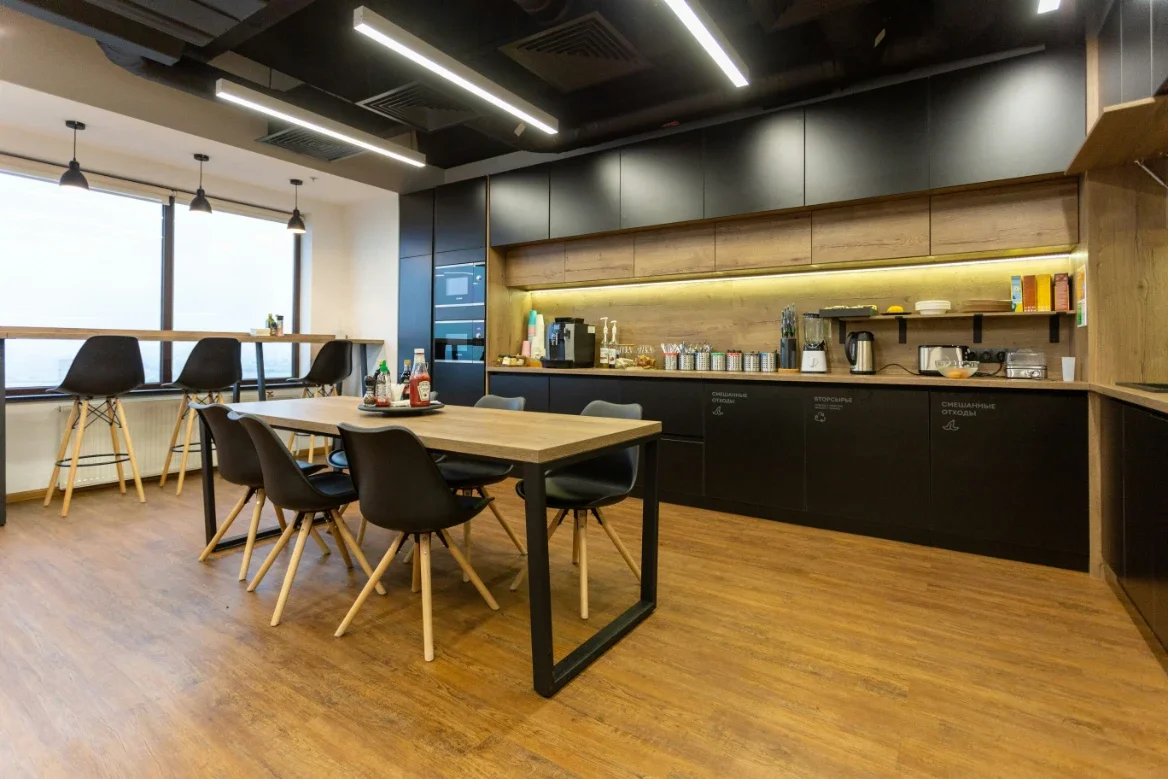
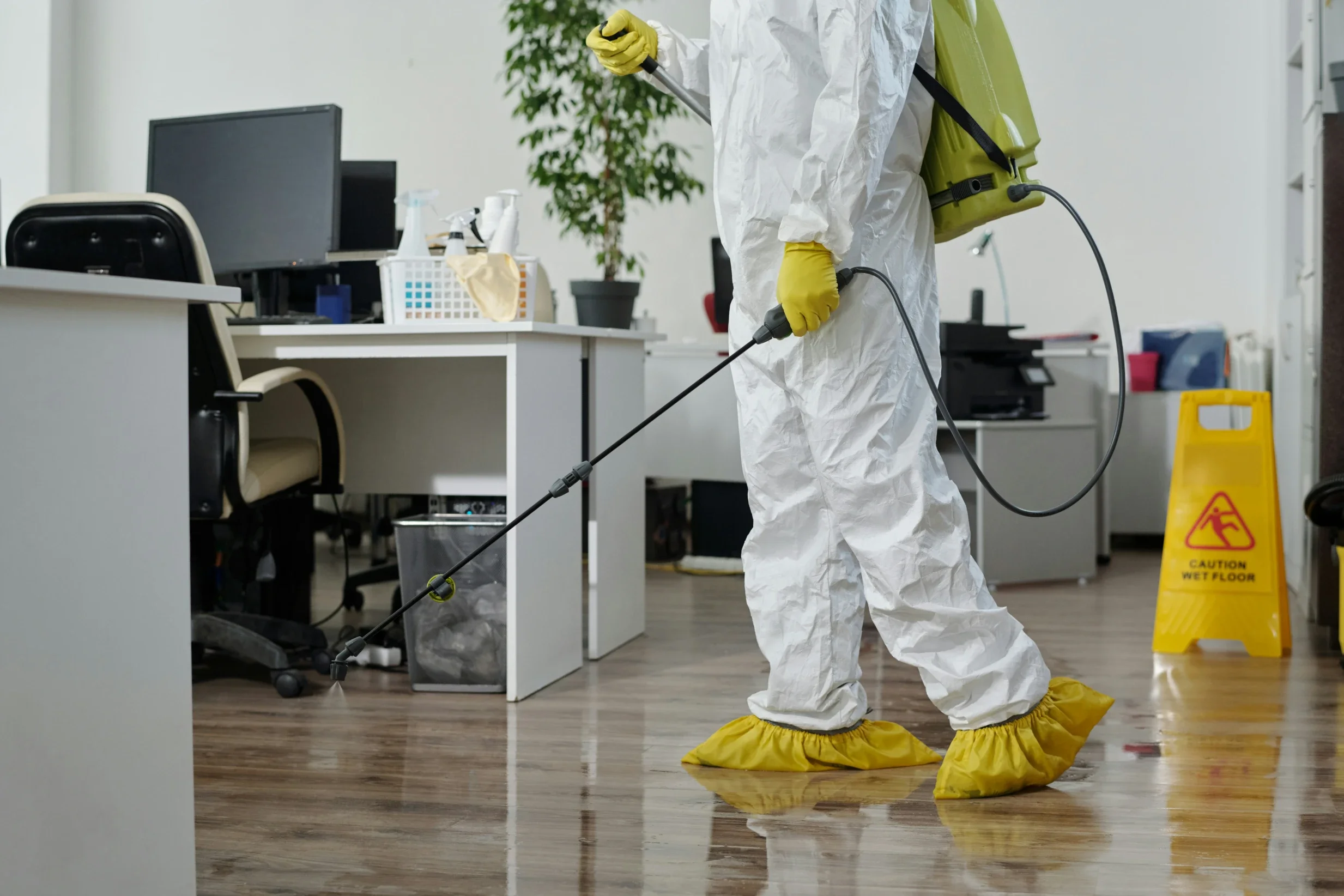
Break rooms are, understandably, one of the most common trouble spots in any office. Shared refrigerators, microwaves, and coffee stations generate food residue that can accumulate in places employees rarely check, such as under appliances or inside cabinet seams. Overflowing waste bins compound the problem, especially when they are not emptied on weekends or during holidays. A trash can that sits full for two or three extra days can produce enough odor and residue to attract flies and, in more severe cases, rodents searching for an easy meal. This is one of the areas where consulting Pest Control professionals can be particularly useful, since a trained inspector can identify residue buildup or entry points that internal staff may overlook during routine cleaning.
Hidden Moisture and Plumbing Issues
Not every sanitation gap is visible to the naked eye. Moisture problems leaking pipes, condensation around HVAC units, or poorly draining sinks create ideal breeding conditions for pests that thrive in damp environments. Cockroaches, silverfish, and certain species of ants are particularly drawn to consistent moisture, and they will often establish themselves near a leak long before any visible water damage appears on walls or flooring. Office managers frequently underestimate how much a slow, hidden leak under a sink or behind a wall can contribute to a persistent pest problem. This is another reason recurring sightings deserve real investigation rather than a quick spray-and-forget response, the visible pest is usually just a symptom of a moisture source that continues to work in the background. When these issues persist despite cleaning efforts, many facility teams turn to Brandley Pest Control in Edmond for a more thorough assessment of plumbing-adjacent risk areas that general maintenance checks might miss.
Why Surface-Level Cleaning Isn't Enough
It is a common misconception that a clean-looking office is automatically pest-resistant. Visible tidiness does not always reflect what is happening in less accessible areas inside wall cavities, under heavy equipment, or within drop ceilings. Pest control research consistently shows that consistent, low-level food or water availability is far more attractive to pests than occasional large messes, because it offers a predictable, sustainable resource rather than a one-time opportunity. This explains why an office that appears clean on the surface can still experience repeated activity: the issue is not a lack of effort, but a lack of attention to the specific conditions pests rely on for survival.
Practical Steps Office Managers Can Take
Addressing recurring pest activity requires a structured approach rather than reactive measures. The following steps can help office managers identify and close common sanitation gaps:
Establish a daily cleaning schedule for break rooms, kitchens, and shared eating areas, with particular attention to areas behind and under appliances.
Inspect waste bins regularly, ensuring they are emptied consistently and that lids seal properly to reduce odor and access.
Monitor plumbing fixtures for slow leaks, condensation buildup, or drainage issues, especially in older buildings.
Seal visible cracks, gaps around pipes, and openings near doors and windows that could serve as entry points.
Document pest sightings by date, location, and type, since patterns over time can reveal which areas need targeted attention.
Consistent documentation is often the most underused tool available to office managers. A single sighting tells you little, but a log spanning several weeks can reveal whether a particular corner of the building is a recurring hotspot of information that becomes valuable when working with a pest control provider to design a targeted treatment plan.
Final Analysis
Recurring pest sightings in an office are rarely random events. They typically reflect an underlying sanitation issue food residue, waste management gaps, or hidden moisture that continues to support pest activity even after surface cleaning has taken place. Office managers who take a proactive, detail-oriented approach to cleaning schedules, waste areas, and plumbing maintenance are far better positioned to prevent long-term infestations. When pest activity persists despite these efforts, a professional inspection can help identify the specific conditions driving the problem and provide a clearer path toward a lasting solution, rather than a temporary fix that leaves the root cause untouched.
Stay up to date with our latest ideas!