How Pest Sightings in the Workplace Can Signal Larger Facility Issues
Learn how pest sightings at work can signal larger facility issues, from moisture and sanitation problems to structural gaps, maintenance needs, and hidden damage.

A single ant crossing the break room floor or a cockroach spotted near a supply closet rarely raises alarm on its own. Most office managers brush it off, toss out a stray crumb, and move on with the day. Yet this instinct to dismiss isolated sightings can be a costly mistake. In commercial buildings, visible pests are frequently the tip of a much larger problem, one rooted in the building's infrastructure, sanitation habits, or shared walls with neighboring tenants. Understanding what these sightings really mean is the first step toward protecting both employee health and the physical integrity of a workplace.
Why a Single Sighting Rarely Tells the Whole Story
Pests are opportunistic by nature. They do not appear in an office because the space is inherently dirty; they appear because something in the environment offers food, moisture, warmth, or shelter. When an employee reports seeing one or two insects, that sighting typically represents only a fraction of the actual population. Cockroaches, for instance, are nocturnal and skilled at hiding within wall voids, behind appliances, and inside electrical panels during daylight hours. Seeing one during business hours often means a colony is already established nearby, since roaches generally avoid exposure unless overcrowding forces them into the open.
Rodents behave in a similar way. A mouse seen scurrying across an open floor plan in daylight suggests the existing nesting site is overcrowded or disturbed, not that a lone rodent wandered in by accident. The visible pest is simply the most exposed member of a much larger, unseen network of activity, and treating only what is seen rarely resolves what is happening behind the walls.
Hidden Conditions That Attract and Sustain Infestations
Several underlying facility issues commonly drive recurring pest activity in office environments:
Hidden food sources, such as crumbs behind vending machines, unsealed pantry items, or residue in rarely cleaned break room drains
Plumbing leaks, which create the moisture cockroaches and certain ant species need to survive
Waste buildup, particularly in loading docks, dumpsters, or recycling areas that are not serviced frequently enough
Damaged seals around doors, windows, and utility penetrations that allow pests to travel between the exterior and interior
Pest activity in neighboring units, especially in multi-tenant buildings where one business's sanitation issue can push pests into adjacent spaces
These conditions rarely resolve on their own. Integrated pest management principles, widely used across the commercial pest control industry, hold that pests are drawn to buildings offering consistent access to food, water, and shelter, meaning even minor lapses in sanitation or maintenance can sustain an infestation indefinitely. This is precisely why professionals at Pest Services Company emphasize inspecting the entire facility rather than treating only the room where pests were last seen.
The Connection Between Building Maintenance and Pest Pressure
Office managers often separate pest control from general facility maintenance, treating them as unrelated line items. In reality, the two are deeply connected. A dripping pipe under a break room sink, a poorly sealed loading dock door, or a cracked foundation vent can each independently sustain pest activity for months without producing an obvious clue beyond the occasional sighting.
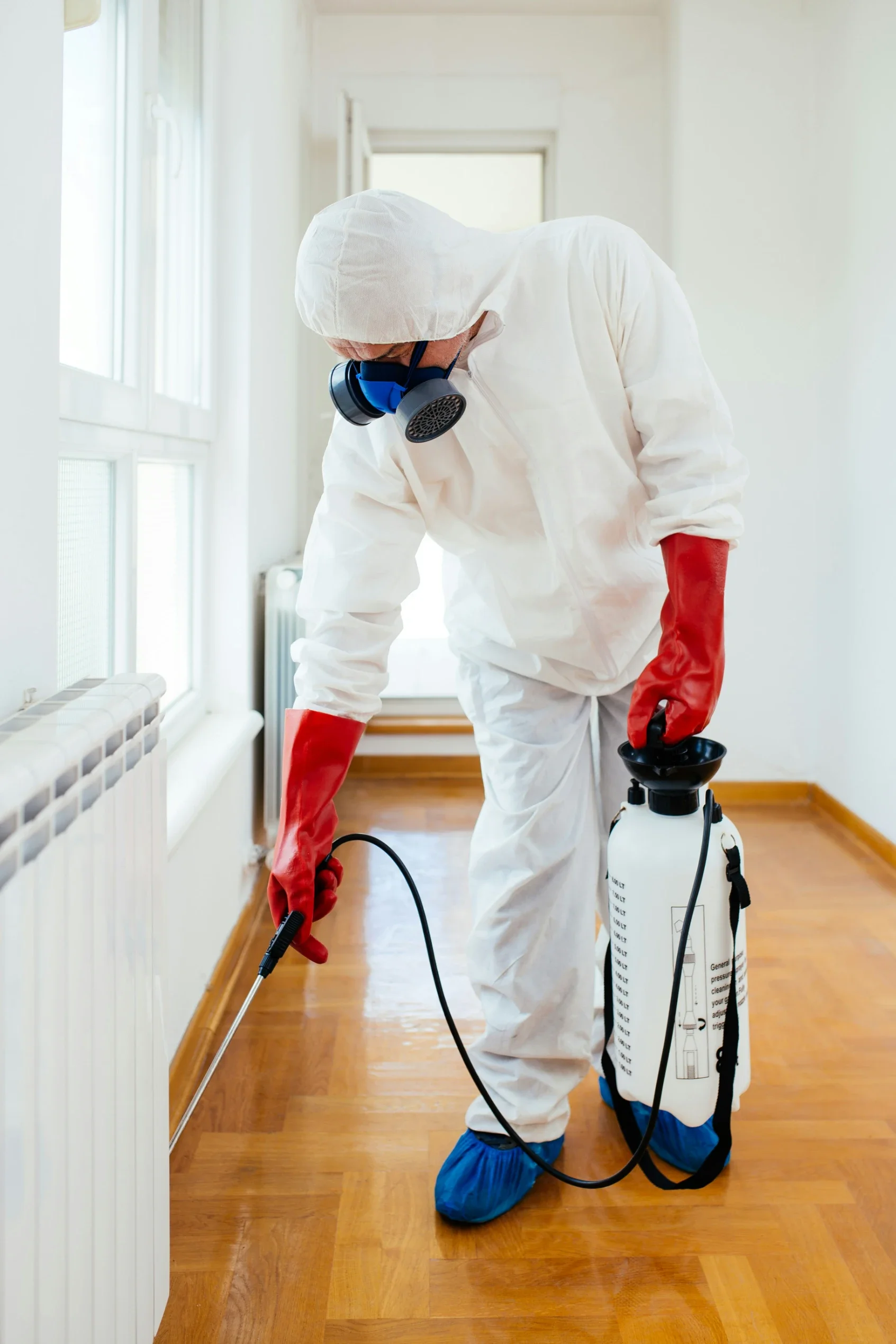
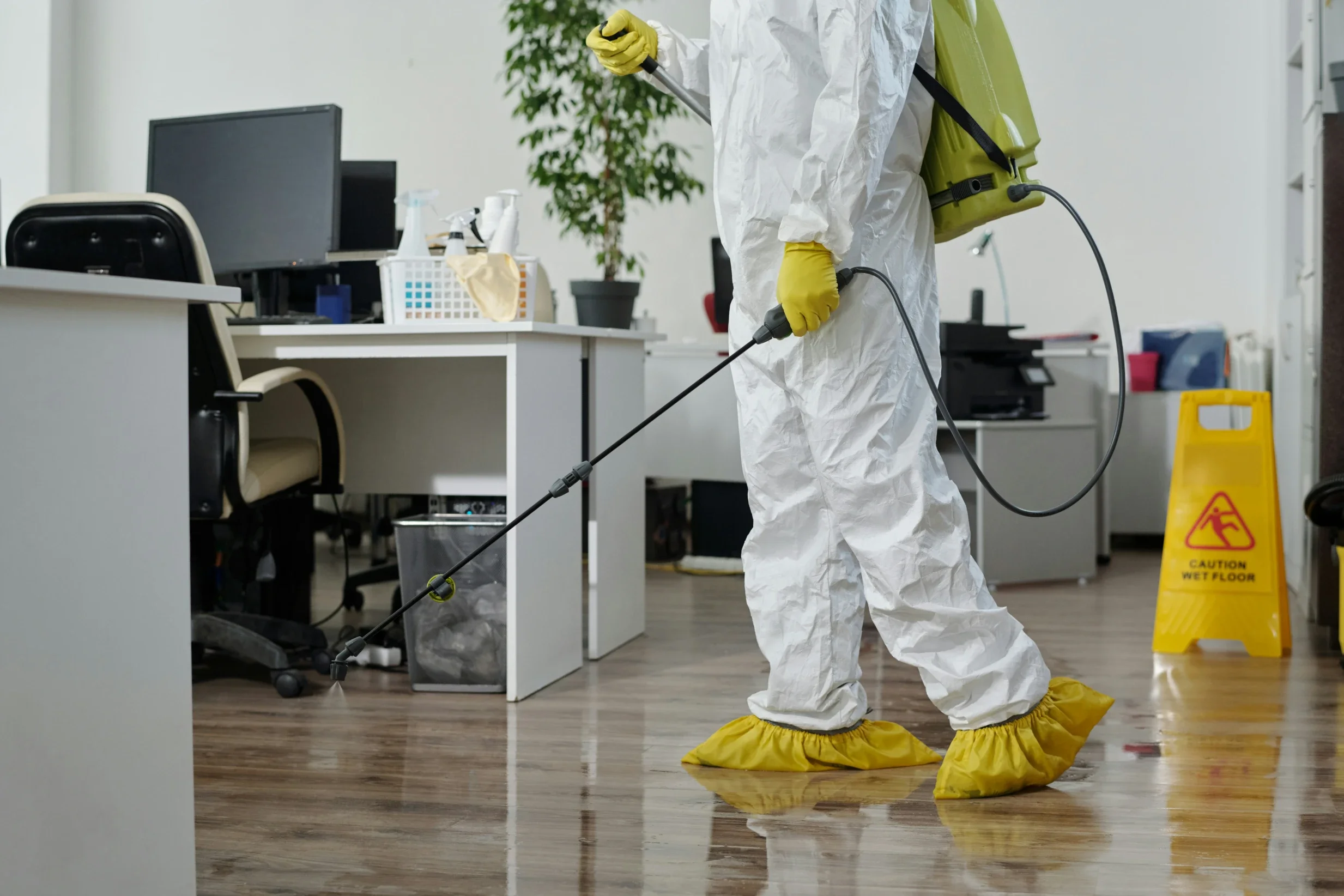
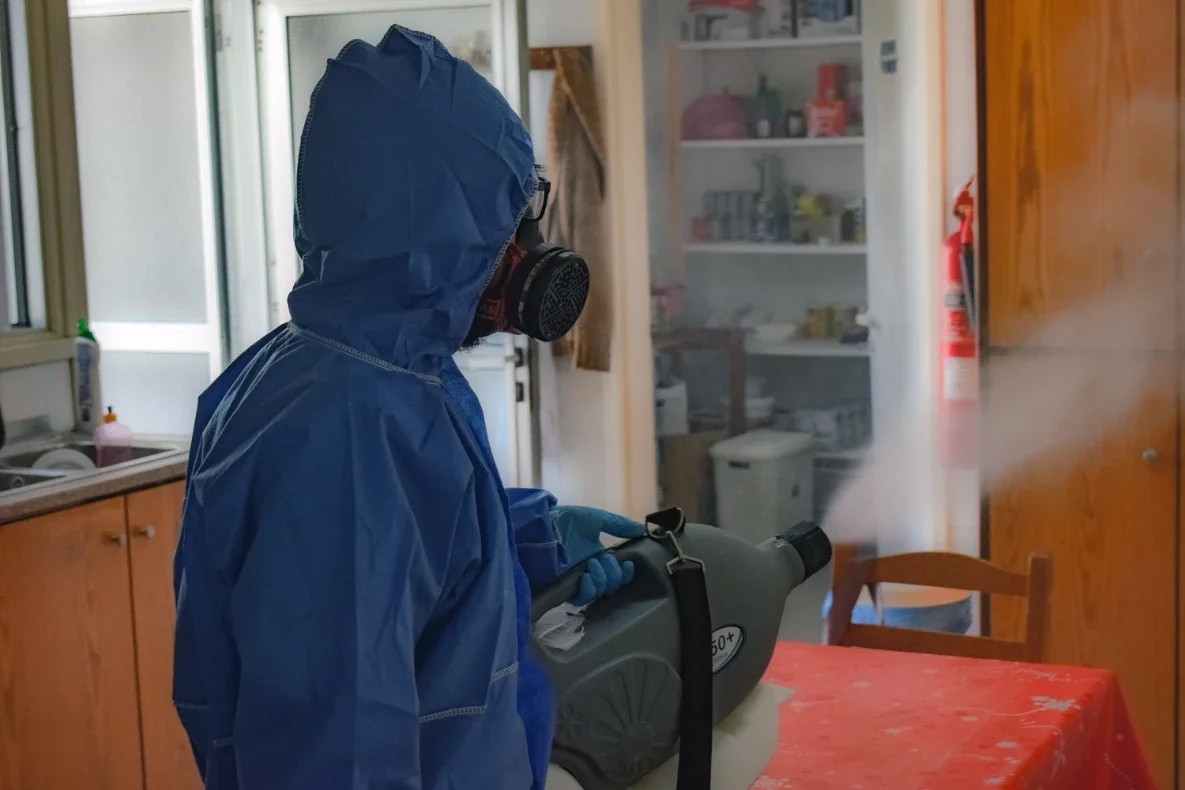
This is where pest pros and similar pest management professionals bring value beyond simple extermination. A thorough inspection typically examines plumbing lines, HVAC penetrations, exterior grading, and waste management practices, not just the immediate area where an employee noticed activity. This whole-building approach reflects a broader principle in commercial pest management: treating symptoms without addressing root causes leads to problems that keep coming back.
Practical Steps for Office Managers Before the Issue Spreads
Office managers do not need specialized training to begin addressing pest concerns responsibly. A few practical habits can make a meaningful difference in catching problems early.
Document every sighting. Keep a simple log noting the date, time, location, and type of pest observed. Patterns that seem random in isolation often become clear once several entries are compared side by side. A cluster of sightings near the same wall, for example, may point to a specific entry point or moisture source.
Check high-risk zones regularly. Break rooms, restrooms, mechanical rooms, and loading docks deserve routine visual inspection. These areas combine the food, water, and shelter that most pests require, making them the most likely starting point for an infestation.
Coordinate with cleaning and maintenance teams. Custodial staff often notice early warning signs, such as droppings, gnaw marks, or unusual odors, before anyone else does. Establishing a simple reporting channel between cleaning crews, maintenance personnel, and management ensures small observations reach the right people quickly.
Respond promptly rather than waiting for a pattern to worsen. Delaying action allows populations to grow, and many pests reproduce quickly. A single German cockroach, for example, can be responsible for hundreds of offspring within a matter of months under favorable conditions. Early intervention is almost always less disruptive and less costly than addressing an entrenched infestation later.
When Professional Inspection Becomes Necessary
Not every pest sighting requires outside intervention, but recurring or unexplained activity is a strong signal that a professional evaluation is warranted. Trained technicians can identify conducive conditions that are not obvious to untrained staff, such as subtle moisture readings behind walls or entry points hidden within utility chases. They can also determine whether activity is isolated to one office or connected to a larger structural or neighboring-tenant issue, something difficult for internal staff to assess on their own.
A structured inspection typically includes a review of the building's exterior perimeter, interior moisture levels, sanitation practices, and any shared walls or utility connections with adjoining spaces. This comprehensive view helps distinguish between a minor, contained issue and a sign of deeper facility vulnerability.
Final Analysis
Pest sightings in a workplace are rarely random events. They are usually the visible outcome of hidden conditions such as moisture, food access, or structural gaps that have gone unaddressed. Office managers who document sightings, inspect high-risk areas, and maintain close coordination with cleaning and maintenance teams put themselves in a strong position to catch problems early. When activity continues or its source remains unclear, a professional inspection offers the clearest path toward understanding what is truly happening inside the walls of a facility, and toward protecting the health and comfort of everyone who works there.
Stay up to date with our latest ideas!