How Coastal Office Locations Can Face Unique Pest Pressures
Learn how coastal office locations face unique pest pressures from humidity, salt air, moisture, and local wildlife, with practical prevention and maintenance tips.

Office buildings near the coast deal with a set of pest pressures that inland commercial properties rarely encounter in the same combination. Salt air, higher ambient humidity, and near-constant exposure to landscaping designed for a coastal climate all create conditions that ants, cockroaches, flies, and rodents can take advantage of. Add in the steady indoor-outdoor foot traffic common to beachside business districts, and a coastal office often faces more consistent pest pressure than a similar building located further from the water.
Property managers and tenants in these buildings sometimes assume pest issues are simply part of operating near the coast, something to tolerate rather than actively manage. In reality, most of the conditions driving this pressure are identifiable and, with consistent attention, manageable.
Humidity and Its Effect on Coastal Commercial Buildings
Coastal air carries more moisture than inland environments, and that humidity affects a building in ways that are not always obvious from inside a climate-controlled office. Exterior walls, window seals, and entryways exposed to salt air and ocean humidity tend to experience faster wear than the same materials would inland, and degraded seals create small gaps that pests exploit far more easily than intact ones.
This persistent humidity also supports pest activity directly. Cockroaches in particular thrive in warm, moist conditions, and a coastal office with even minor ventilation issues in break rooms or storage areas can develop localized humidity pockets that make those spaces considerably more attractive to roaches than the rest of the building. Ants follow a similar pattern, often establishing trails along damp window sills or near HVAC condensation lines where moisture collects consistently enough to support a colony nearby.
Businesses dealing with recurring ant or cockroach activity despite regular cleaning sometimes find that the underlying issue traces back to humidity rather than sanitation. In these cases, a professional assessment focused on moisture sources, not just visible pest activity, tends to produce better long-term results than repeated surface-level treatment alone.
Landscaping and Outdoor Traffic Near Coastal Properties
Office parks and commercial buildings near the coast frequently feature landscaping designed to complement the surrounding environment, with drought-tolerant plants, decorative grasses, and irrigation systems that, while attractive, can also create favorable conditions for pests if not properly maintained. Mulched beds pushed too close to a building's foundation retain moisture longer than the surrounding hardscape, and that dampness draws ants and, in some cases, termites toward the structure itself.
Frequent indoor-outdoor traffic compounds this risk. Coastal office buildings often see employees and visitors moving between indoor workspaces and outdoor patios, courtyards, or walkways throughout the day, particularly in mild coastal climates where outdoor seating is used year-round. Every open door represents a brief opportunity for ants, flies, and occasionally small rodents to move indoors, and buildings with high outdoor traffic naturally face more of these opportunities than a similarly sized inland office with less exterior activity.
Businesses researching Huntington Beach pest control options often discover that landscaping maintenance, not just interior pest treatment, plays a meaningful role in reducing this pressure. Keeping irrigation systems properly calibrated to avoid overwatering near the foundation, and maintaining a clear buffer between mulched beds and exterior walls, both reduce the moisture that draws pests toward building entrances in the first place.
Food Service Areas and Shared Waste Zones
Coastal business districts frequently mix office space with restaurants, cafes, and food vendors, particularly in walkable areas near the beach where ground-floor retail and food service are common. This proximity introduces pest pressure that has little to do with an individual office's own sanitation practices. Dumpsters and waste storage areas associated with nearby food service businesses can support substantial rodent and cockroach populations, and when those populations grow large enough, individuals disperse toward the nearest available shelter, which sometimes means an adjacent office building.
Shared waste zones in mixed-use coastal developments deserve particular attention for this reason. A waste area serviced infrequently, or one with damaged or poorly sealed containers, becomes a reliable food source capable of sustaining pest activity that eventually spreads beyond the food service tenant responsible for the waste in the first place. Office tenants sharing a building or waste zone with a restaurant or cafe benefit from monitoring their own break rooms and storage areas more closely than they might in a building without nearby food service, since the baseline pest pressure in these mixed-use settings tends to run higher.
Practical Steps for Reducing Pest Pressure in Coastal Offices
Several maintenance habits address the specific conditions coastal offices face, reducing the cumulative effect of humidity, landscaping, and shared waste exposure over time.
Maintain floor drains in break rooms and restrooms, since dry or clogged drains create both odor and moisture conditions that attract cockroaches and flies
Seal exterior doors with weatherstripping rated for coastal humidity, checking seals more frequently than would be necessary inland
Coordinate waste management schedules with neighboring tenants in mixed-use buildings to prevent shared waste areas from becoming a persistent pest source
Monitor break rooms and storage closets weekly for early signs of activity, such as ant trails near sinks or droppings near stored supplies
Keep landscaping trimmed back from exterior walls and entrances to reduce both moisture retention and pest cover near the building
These steps do not eliminate every source of pest pressure a coastal office might face, but together they address the most common contributing factors specific to buildings operating in this kind of environment.
Monitoring Break Rooms and Storage Areas Consistently
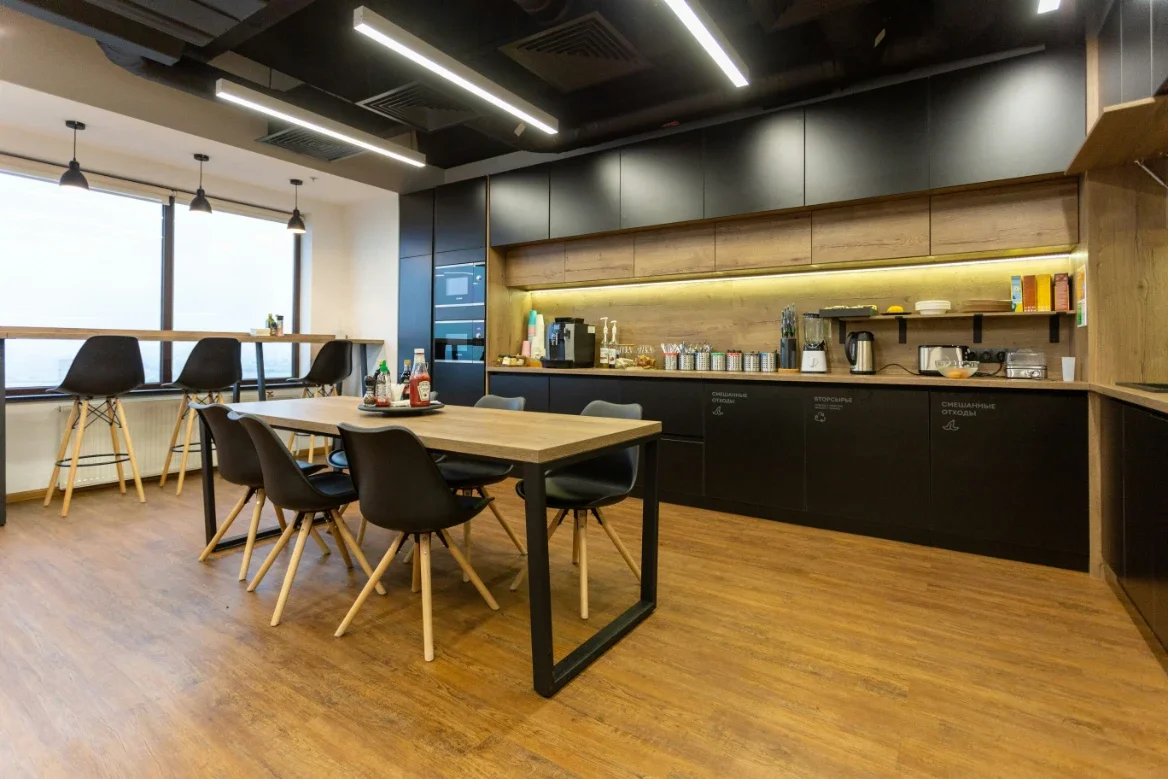
Break rooms and storage areas tend to be the first places pest activity becomes noticeable in an office setting, simply because they combine food, water access, and relatively low foot traffic compared to open work areas. Coastal offices benefit from treating these spaces as priority zones for regular inspection, checking under sinks, behind appliances, and along baseboards where ants and cockroaches are most likely to establish an initial foothold.
Storage areas holding paper goods, promotional materials, or seasonal supplies deserve similar attention, since these materials can harbor pests, particularly silverfish and certain beetles, that thrive in the slightly elevated humidity common to coastal buildings. A quarterly check of these storage spaces, rather than waiting for a visible problem to appear, catches most issues while they remain small and manageable.
For office managers dealing with pest activity that persists despite consistent internal maintenance, working with a provider offering Huntington Beach pest control gives access to treatment strategies specifically suited to coastal conditions, including humidity management and exterior perimeter treatments designed to hold up against salt air exposure.
Final Analysis
Coastal office locations face a distinct combination of pest pressures shaped by humidity, landscaping choices, nearby food service operations, and the steady indoor-outdoor traffic common to beachside commercial districts. None of these factors operates in isolation, and a building that addresses only one, such as interior cleaning without attention to exterior moisture or shared waste zones, often continues to see recurring activity despite genuine effort. Recognizing how these coastal-specific conditions interact gives property managers and tenants a clearer path toward sustained pest control, rather than a cycle of treating the same recurring problem without addressing what continues to draw pests toward the building in the first place.
Stay up to date with our latest ideas!